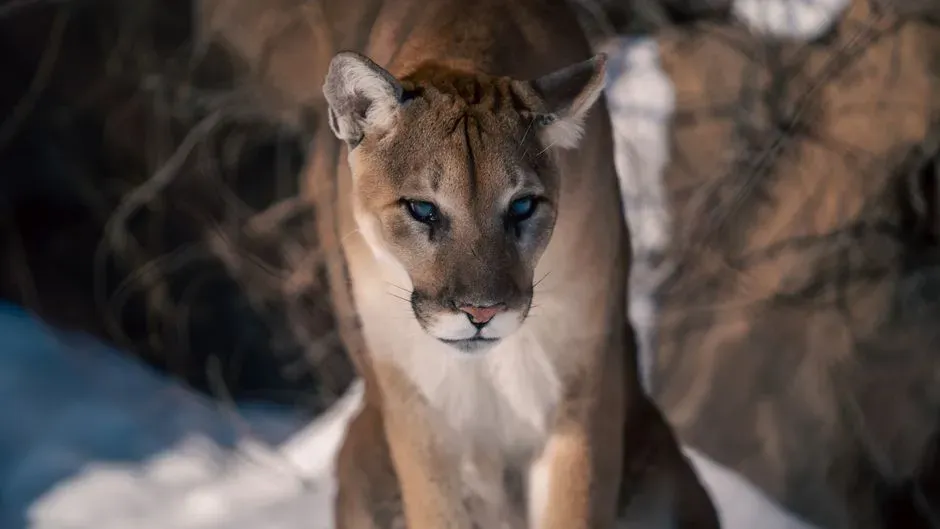
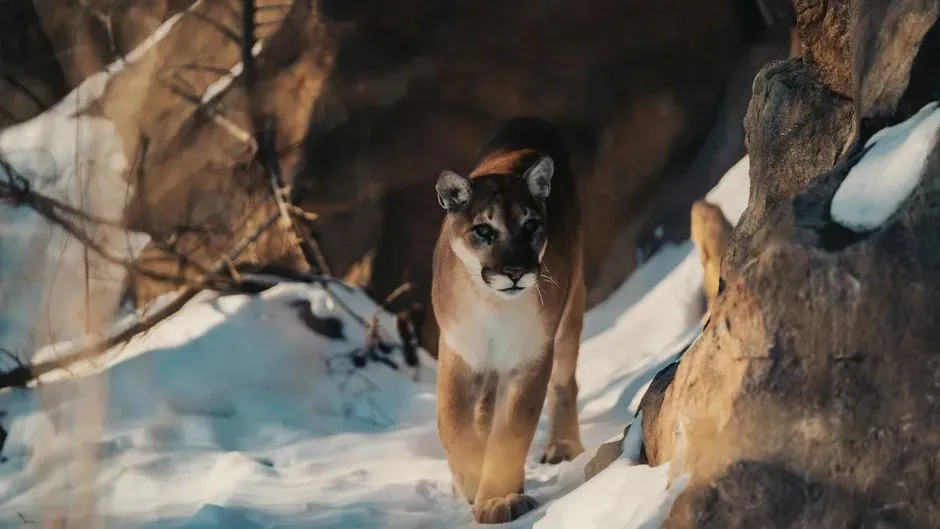
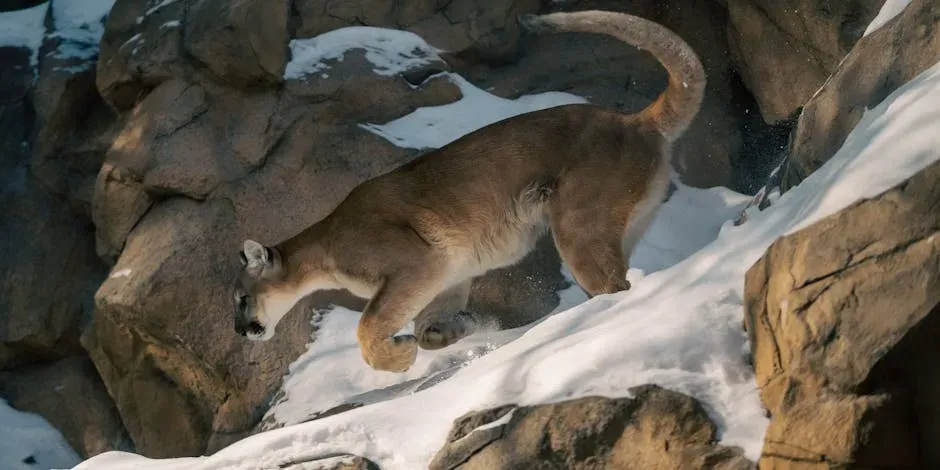
10 States Where Mountain Lion Sightings Are Most Common-feature image/Pexels
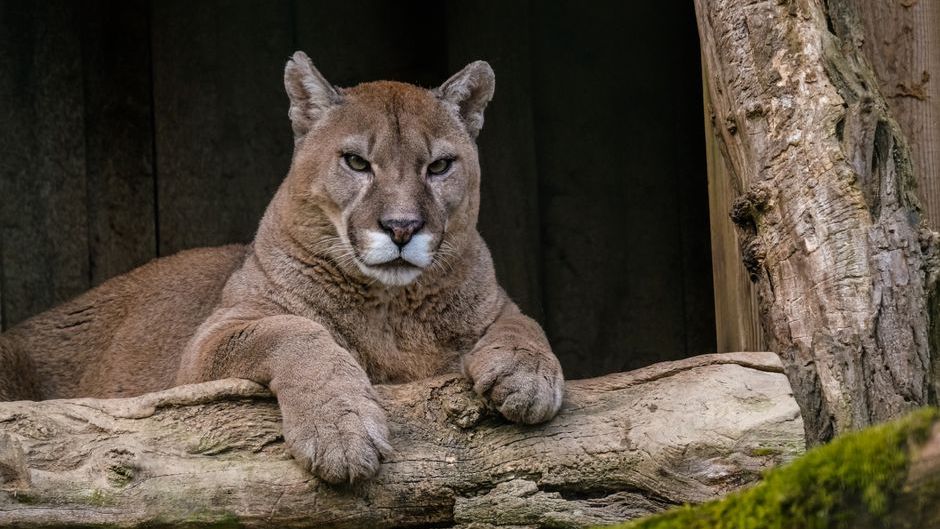
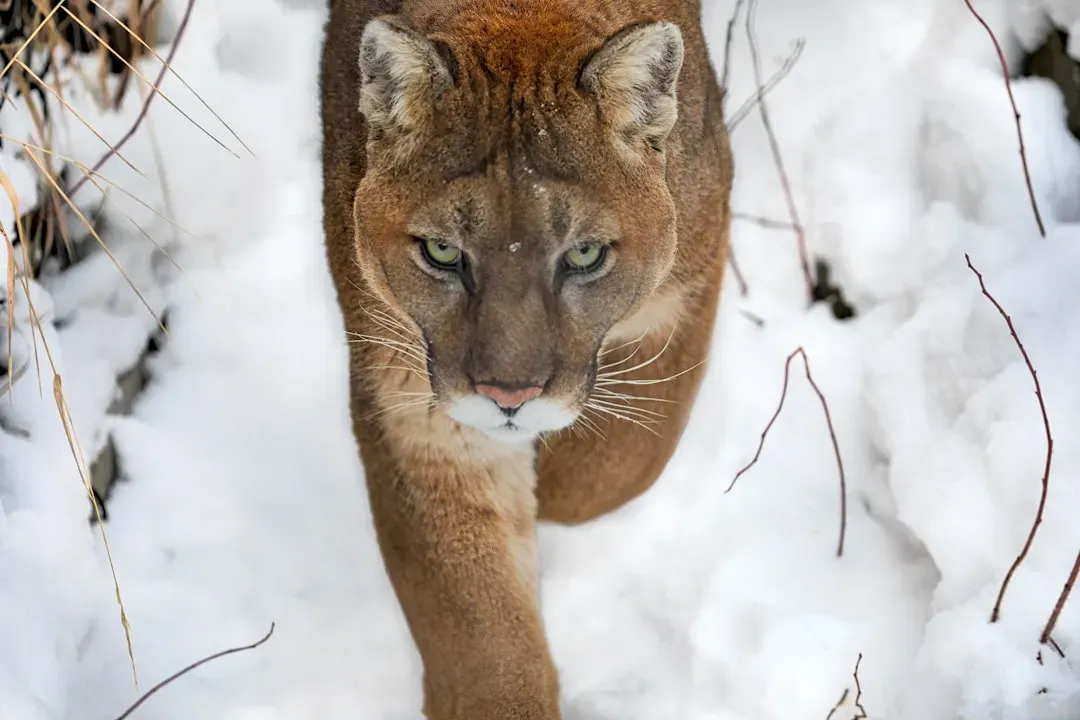
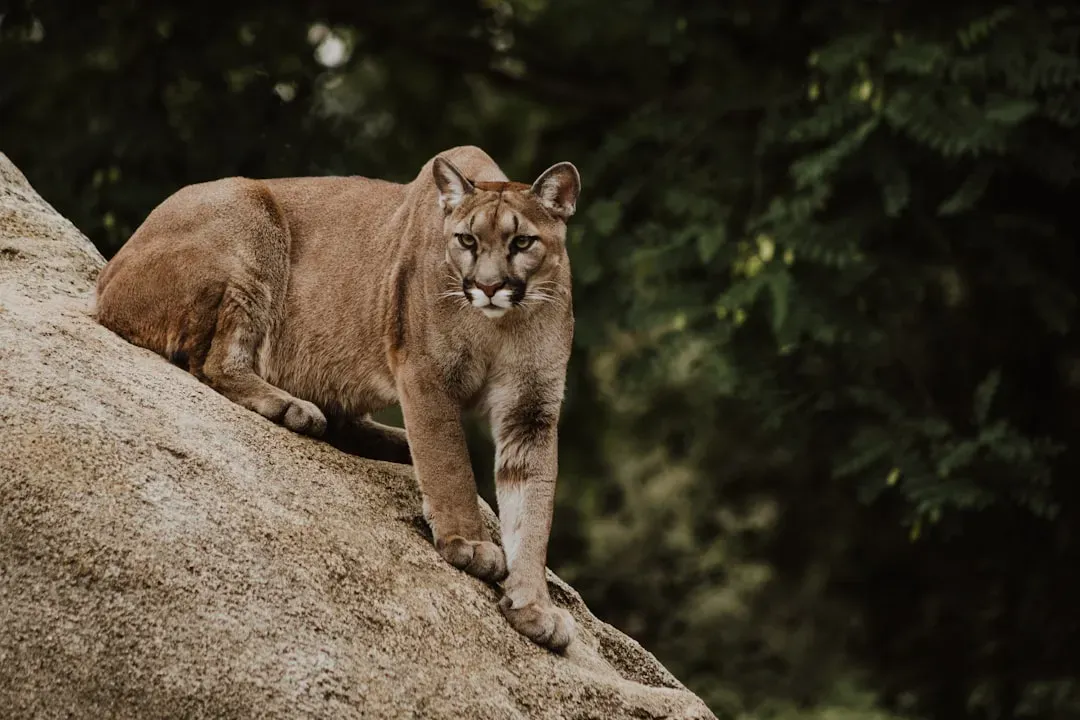
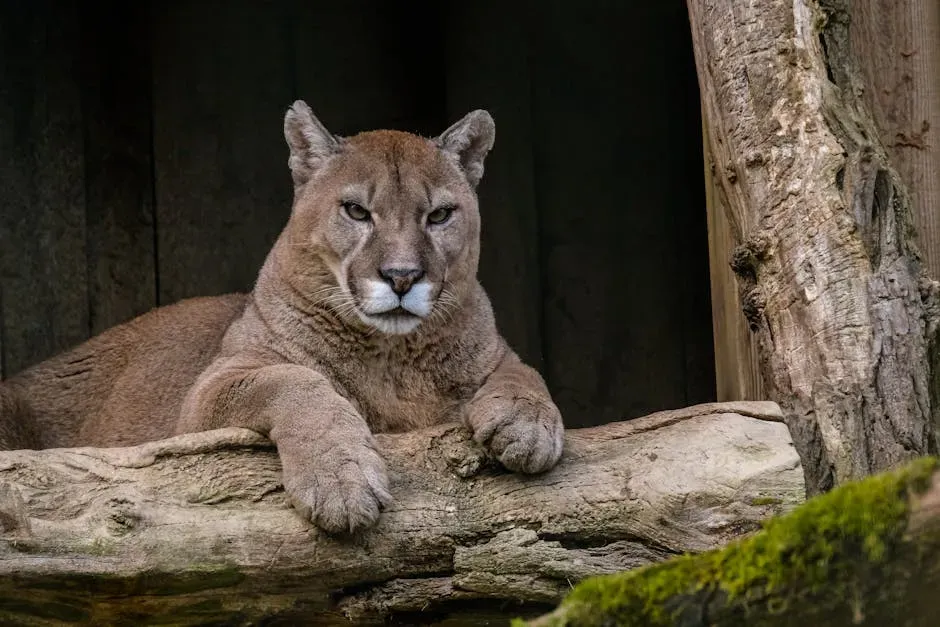
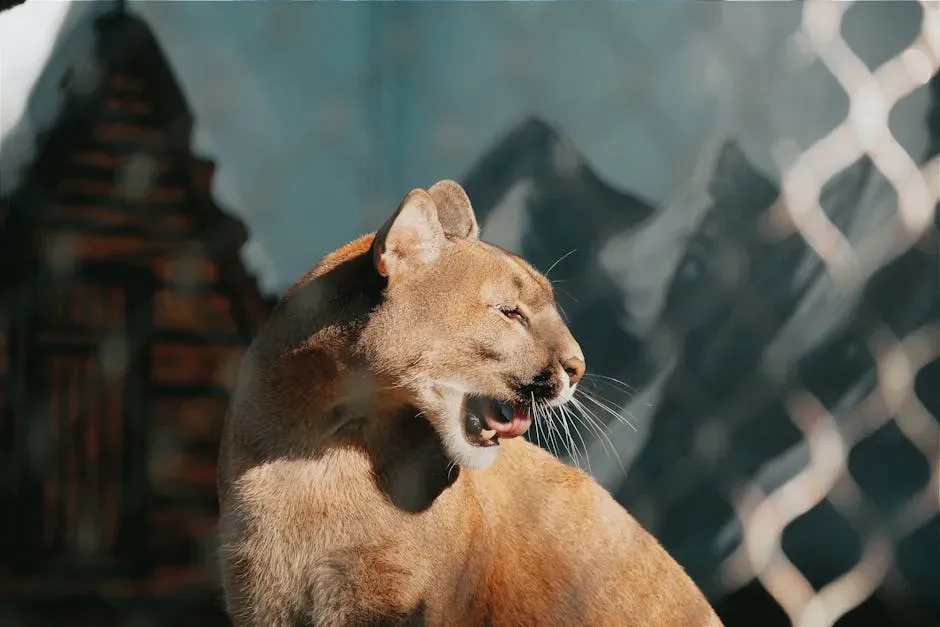
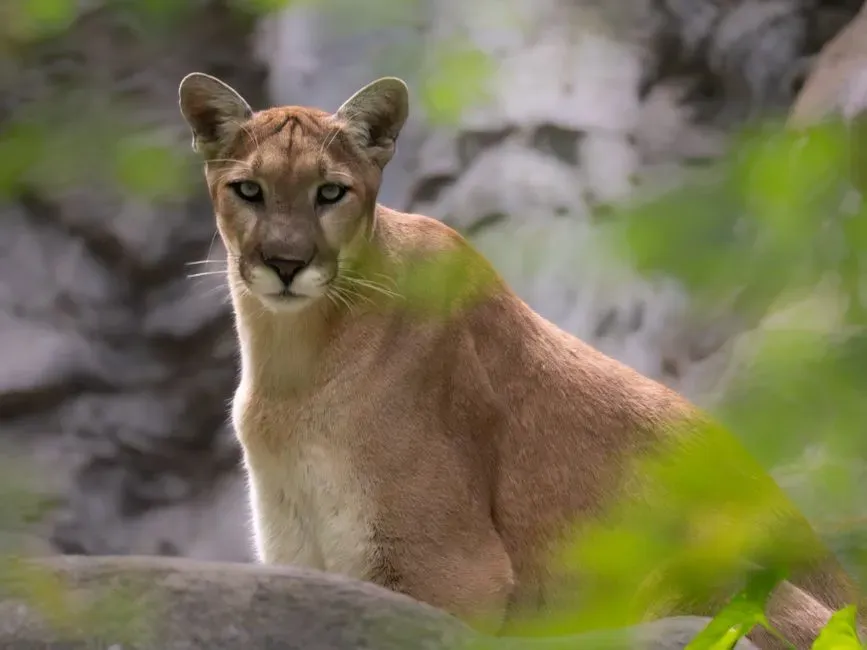
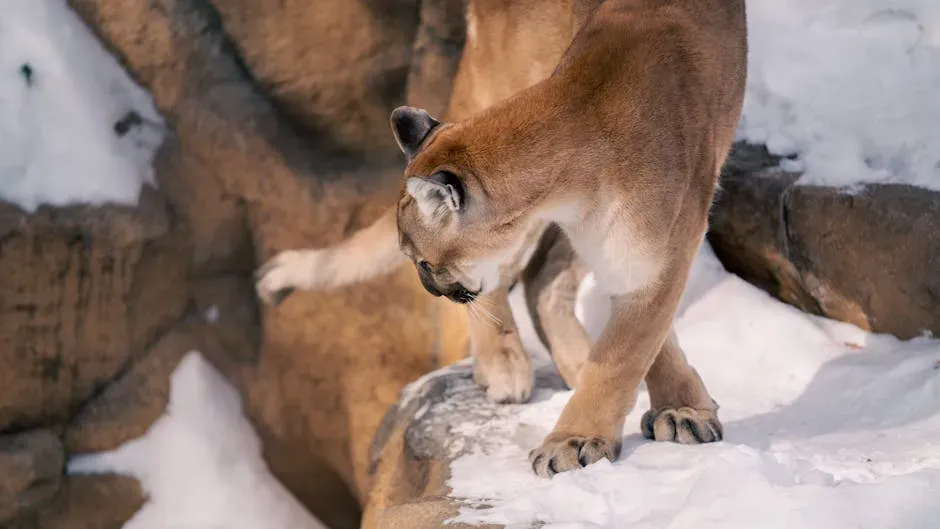
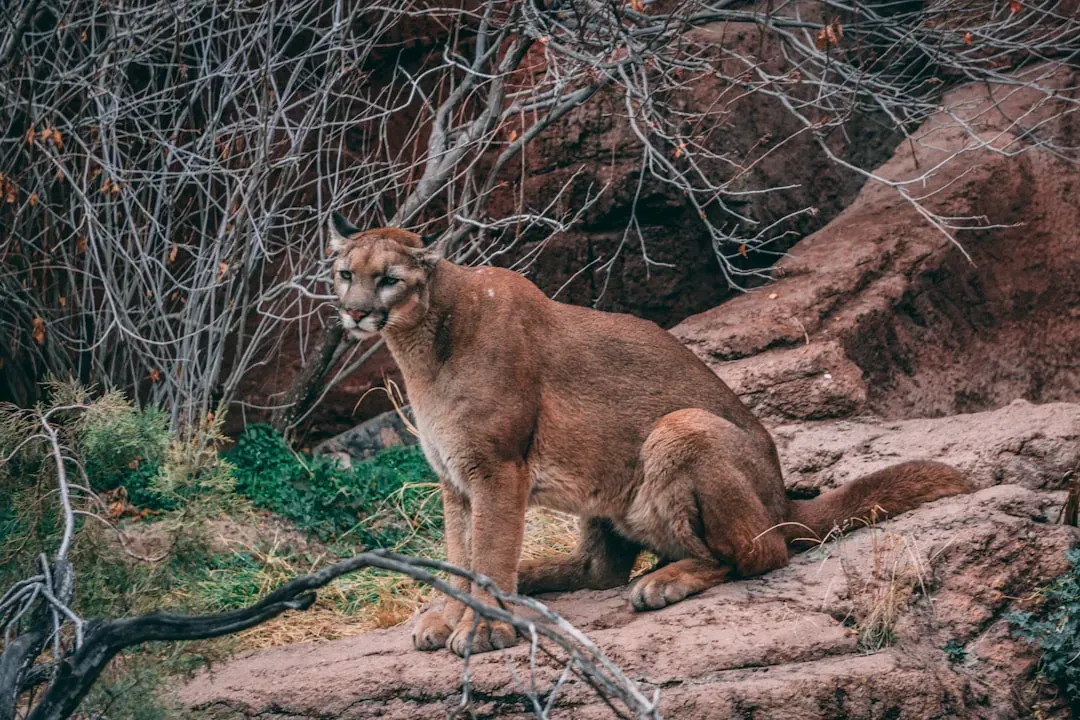
Mountain lions, also known as cougars or pumas, are among North America’s most elusive and majestic predators. Their stealthy nature and vast territories make sightings a rare and thrilling experience. However, in certain U.S. states, encounters with these big cats are more common due to thriving populations and suitable habitats. Let’s explore the ten states where mountain lion sightings are most prevalent.
California
California (Image Credits: Unsplash)
California’s diverse landscapes, from coastal forests to arid deserts, provide ideal habitats for mountain lions. With an estimated population between 4,000 and 6,000, these big cats are a significant part of the state’s ecosystem. Protected from hunting since 1972, their numbers have flourished, leading to increased sightings, even near urban areas. Notably, the Santa Monica Mountains have become a focal point for mountain lion research, highlighting their adaptability in proximity to human development.
Colorado
Colorado (Image Credits: Unsplash)
Colorado’s rugged Rocky Mountains and extensive wilderness areas are home to a substantial mountain lion population, estimated between 3,000 and 7,000. The state’s abundant deer and elk populations provide ample prey, supporting a healthy number of these predators. Sightings are relatively common, especially in regions where human activities intersect with lion habitats, such as hiking trails and rural communities.
Texas
Texas (Image Credits: Pexels)
In Texas, mountain lions are primarily found in the western and southern regions, particularly the Trans-Pecos area. While exact population figures are challenging to determine, estimates suggest around 5,600 individuals. The state’s vast, rugged terrain offers suitable environments for these elusive cats. Encounters are more frequent in these areas, where human and mountain lion habitats overlap.
Oregon
Oregon (Image Credits: Pexels)
Oregon boasts a thriving mountain lion population, with estimates exceeding 6,000 individuals. The state’s dense forests and mountainous regions provide excellent cover and hunting grounds. Sightings have become more common, particularly in areas where human development encroaches upon natural habitats. The resilience of these cats is evident as they adapt to changing landscapes.
Arizona
Arizona (Image Credits: Pexels)
Arizona’s varied terrain, including rocky mountains and expansive deserts, supports a mountain lion population estimated between 1,300 and 2,700. These cats are well-suited to the state’s environment, thriving in regions like the Grand Canyon and the Sonoran Desert. Encounters are possible, especially in less inhabited areas where human activity is minimal.
Montana
Montana (Image Credits: Pexels)
Montana’s vast wilderness areas and abundant prey make it a stronghold for mountain lions, with populations estimated between 3,000 and 5,000. The state’s controlled hunting practices help manage the population, ensuring a balance between conservation and human interests. Sightings are relatively common, particularly in regions with dense forests and high elk populations.
New Mexico
New Mexico (Image Credits: Unsplash)
New Mexico’s rugged landscapes, including the Rocky Mountains and expansive deserts, provide the perfect habitat for mountain lions. With an estimated population of 3,500, these big cats are widespread across the state. Encounters are possible, especially in remote areas where human activity is limited.
Utah
Utah (Image Credits: Pexels)
Utah is home to approximately 2,500 mountain lions, primarily found in its mountainous regions. The state’s national parks and remote areas offer suitable habitats for these elusive predators. While encounters are rare, they can occur, particularly in areas where human development intersects with lion territories.
Washington
Washington (Image Credits: Pexels)
Washington’s wilderness areas, including the Cascade Mountains, support a mountain lion population estimated at 1,500. The state’s dense forests and rugged terrain provide ideal environments for these cats. Sightings are rare but can occur, especially in regions where human activity overlaps with lion habitats.
Idaho
Idaho (Image Credits: Pexels)
Idaho’s mountain lion population is estimated to be around 2,000, with the animals spread out across the state’s forests, mountains, and river valleys. These apex predators have plenty of room to roam in Idaho’s wild and scenic landscapes. Whether in the Sawtooths or the Clearwater Mountains, mountain lions are a vital part of Idaho’s diverse wildlife.
In conclusion, while mountain lion sightings remain a rare and awe-inspiring event, certain states offer more opportunities due to thriving populations and suitable habitats. As human development continues to encroach upon natural landscapes, understanding and respecting these magnificent creatures becomes increasingly important. By fostering coexistence and supporting conservation efforts, we can ensure that mountain lions continue to roam the wilds of North America for generations to come.
Did you find this helpful? Share it with a friend who’d love it too!
Gargi is an MA in History and a B.Ed graduate from India, with a deep passion for animals and wildlife awareness. As an article writer and editor at Animals Around The Globe, she combines her love for storytelling with her dedication to educating readers about animals, conservation, and responsible pet care. A devoted dog lover, Gargi enjoys creating engaging and informative content that inspires compassion and awareness toward the natural world.