Animal Behaviorists Say Coyotes Often Travel the Same Routes Every Night-feature image/Pexels
Under the cloak of night, coyotes traverse the same paths with remarkable consistency, a behavior that has intrigued animal behaviorists for years. This nightly ritual not only underscores their adaptability but also reveals the intricate patterns of their existence.
Understanding Coyote Travel Patterns
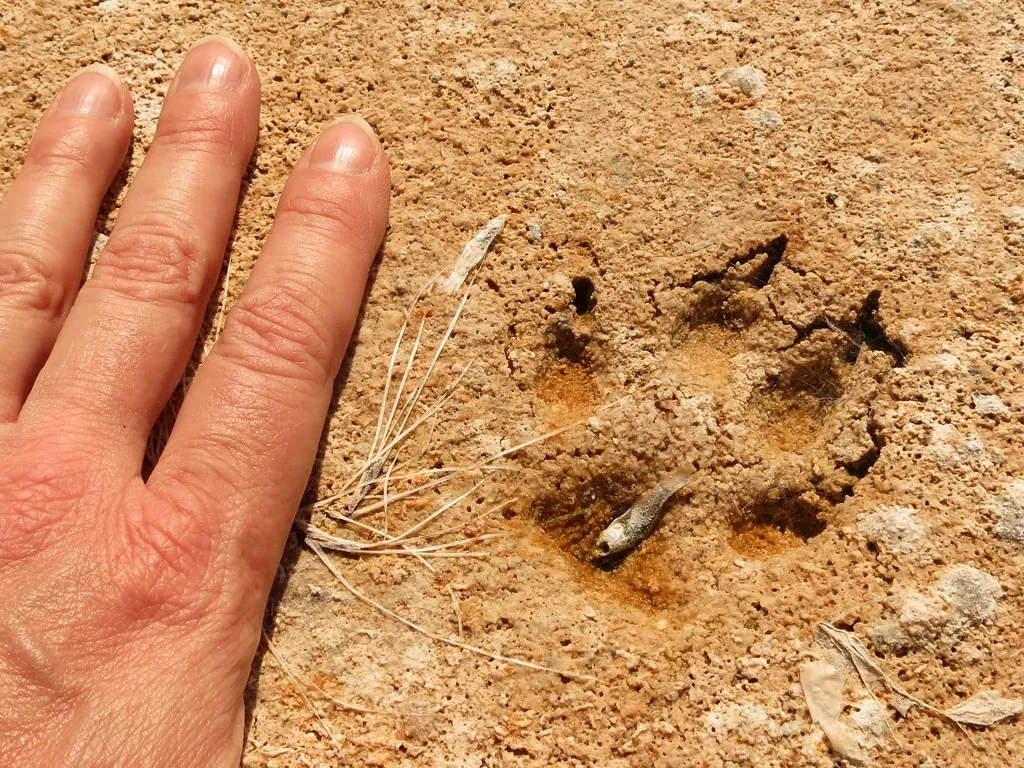
Understanding Coyote Travel Patterns (treegrow, Flickr, CC BY 2.0)
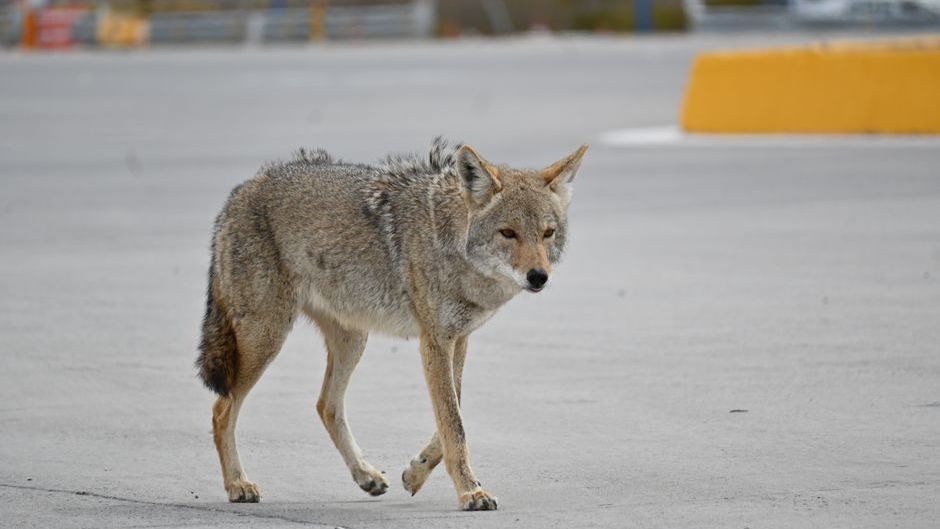
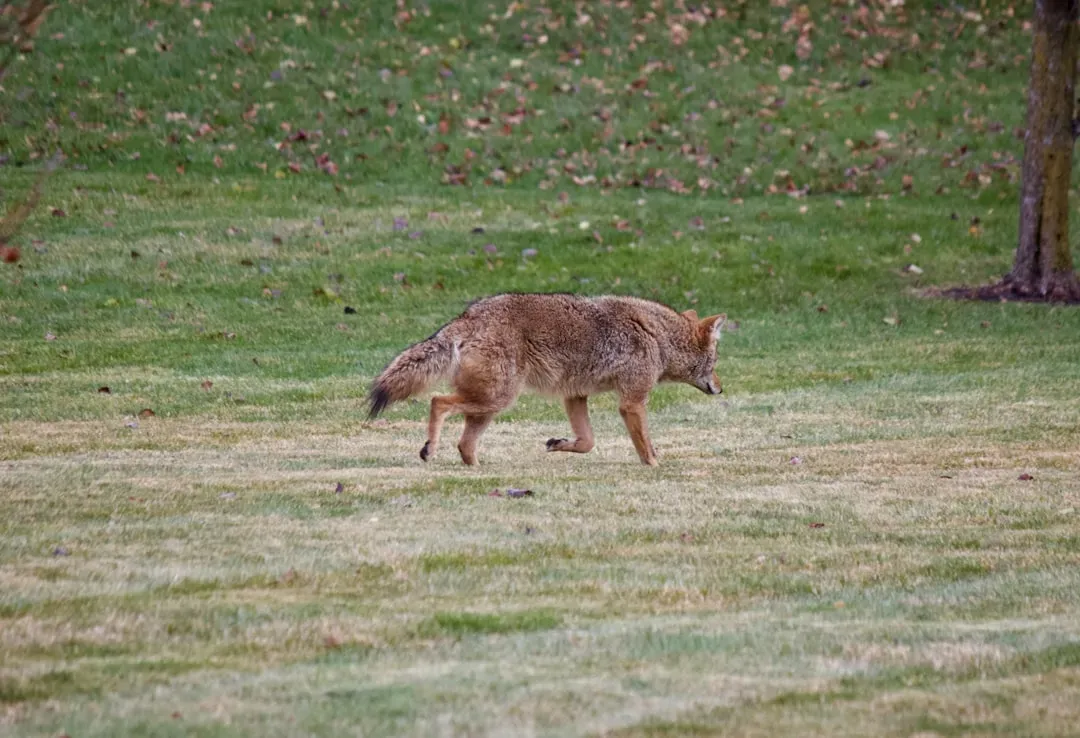
Coyotes are known for their intelligence and adaptability, traits that have enabled them to thrive in diverse environments, from dense forests to urban landscapes. One of the most fascinating aspects of their behavior is their tendency to follow the same routes each night. This habitual movement is not random; it’s a strategic choice that balances safety, resource availability, and territorial boundaries.
By sticking to familiar paths, coyotes can efficiently navigate their territories, avoid potential threats, and locate food sources with minimal energy expenditure. This behavior is particularly evident in areas where human development has fragmented natural habitats, compelling coyotes to adapt by establishing consistent travel corridors.
The Role of Territoriality
The Role of Territoriality (Image Credits: Pexels)
Territoriality plays a significant role in the movement patterns of coyotes. Each coyote or family group maintains a defined home range, which they patrol regularly to mark their presence and deter intruders. These territories can vary in size, often spanning several square miles, depending on factors such as food availability and population density.
Regularly traveling the same routes allows coyotes to monitor their territory effectively, ensuring that boundaries are respected and resources are protected. This behavior also facilitates communication with neighboring coyotes through scent marking and vocalizations, reinforcing social structures within the population.
Adaptation to Urban Environments
Adaptation to Urban Environments (Image Credits: Pexels)
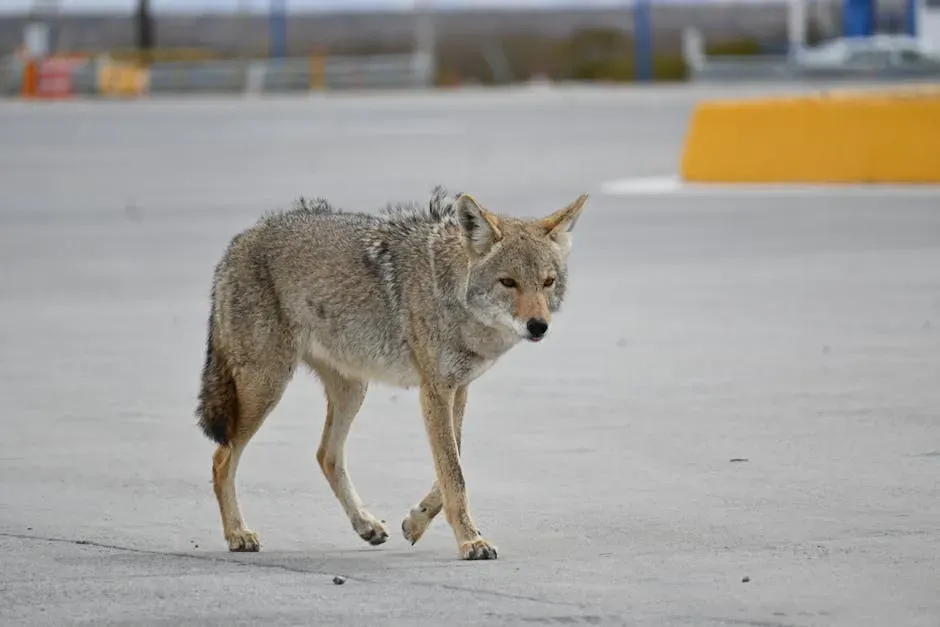
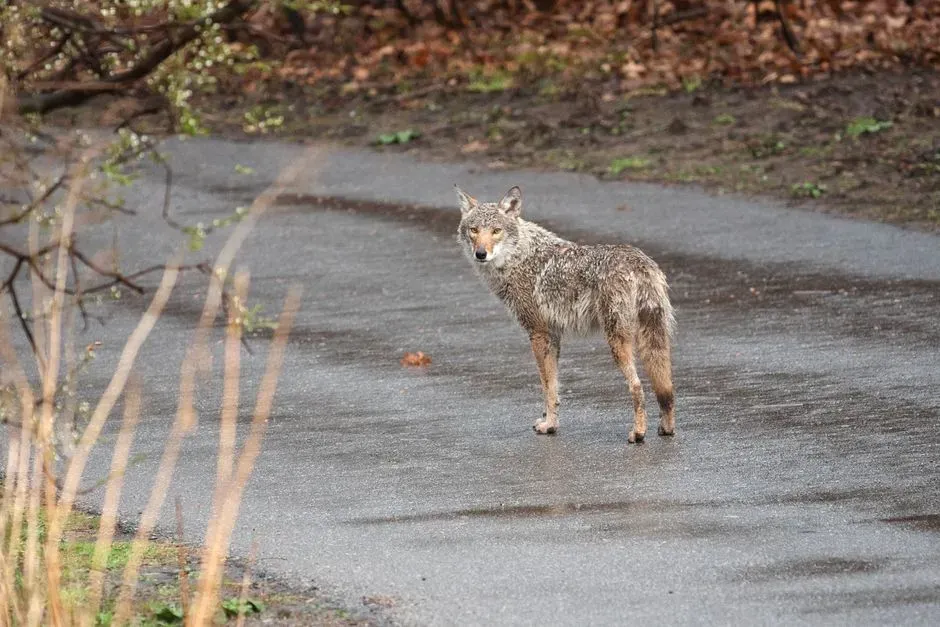
In urban settings, coyotes have demonstrated remarkable adaptability by incorporating human-made structures into their travel routes. They often utilize green spaces, parks, and even alleyways as part of their nightly journeys. This behavior not only helps them avoid human interaction but also provides access to food sources such as rodents and discarded waste.
Studies have shown that urban coyotes may exhibit bolder behaviors compared to their rural counterparts, likely due to reduced persecution and increased exposure to human activity. However, they still maintain a level of caution, often traveling under the cover of darkness to minimize encounters with people.
Implications for Human-Coyote Interactions
Implications for Human-Coyote Interactions (Image Credits: Pexels)
Understanding the consistent travel patterns of coyotes has important implications for managing human-coyote interactions. By identifying and respecting these habitual routes, communities can implement strategies to reduce conflicts, such as securing waste bins, removing attractants, and educating the public on coexistence practices.
Additionally, recognizing that coyotes are creatures of habit can aid in developing non-lethal management techniques that leverage their predictable behaviors, promoting peaceful coexistence between humans and wildlife.
Seasonal Variations in Movement
Seasonal Variations in Movement (Image Credits: Flickr)
While coyotes often follow the same routes nightly, their movement patterns can exhibit seasonal variations. During mating season, which typically occurs between January and March, coyotes may expand their range in search of mates. Similarly, when raising pups in the spring and early summer, their movements may become more localized around den sites to provide for their young.
These seasonal shifts highlight the dynamic nature of coyote behavior and the importance of considering temporal factors when studying their movement patterns.
Communication Through Scent Marking
Communication Through Scent Marking (Image Credits: Unsplash)
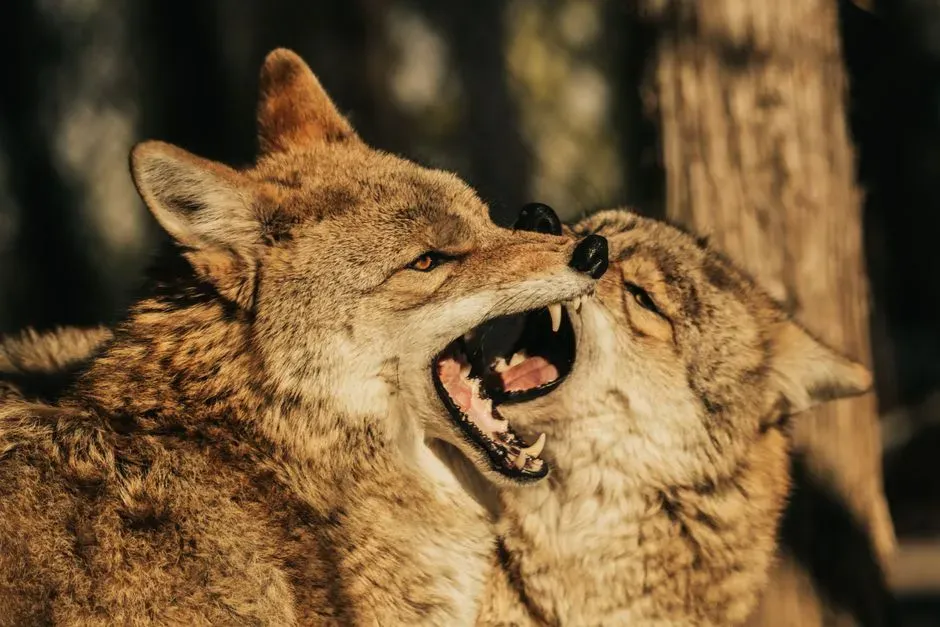
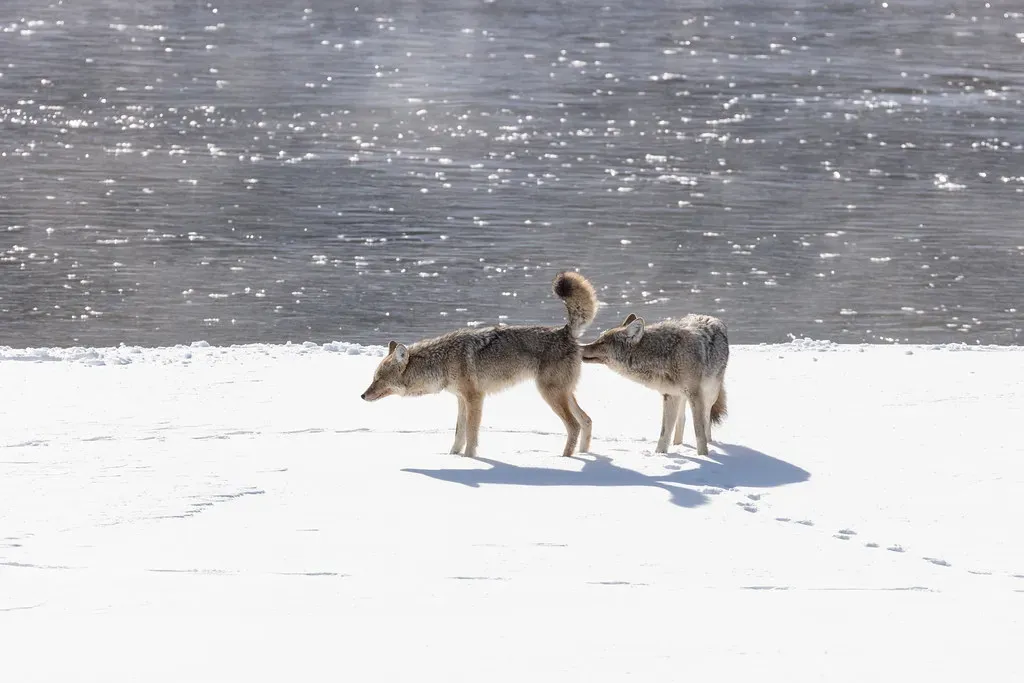
As coyotes traverse their established routes, they engage in scent marking – a form of communication that conveys information about territorial boundaries, reproductive status, and individual identity. By depositing urine, feces, or glandular secretions along their paths, coyotes create a chemical map that other individuals can interpret.
This olfactory communication reinforces territorial claims and helps maintain social order within coyote populations, reducing the likelihood of direct confrontations.
Conclusion
Conclusion (Image Credits: Pexels)
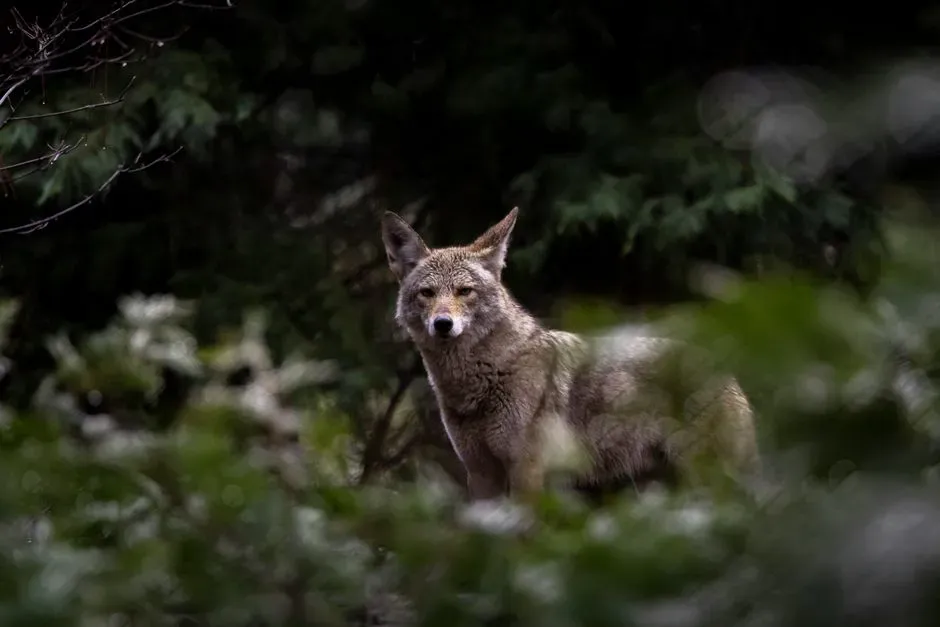
The consistent nightly travel patterns of coyotes are a testament to their adaptability and strategic behavior. By understanding these patterns, we gain insight into the complex interplay between wildlife and their environments, especially in the face of human encroachment. Recognizing and respecting these behaviors is crucial for fostering harmonious coexistence between humans and coyotes.
As we continue to expand into natural habitats, it becomes imperative to consider the needs and behaviors of wildlife species like the coyote. By doing so, we not only protect these resilient creatures but also enrich our own understanding of the natural world.
Did you find this helpful? Share it with a friend who’d love it too!
Gargi is an MA in History and a B.Ed graduate from India, with a deep passion for animals and wildlife awareness. As an article writer and editor at Animals Around The Globe, she combines her love for storytelling with her dedication to educating readers about animals, conservation, and responsible pet care. A devoted dog lover, Gargi enjoys creating engaging and informative content that inspires compassion and awareness toward the natural world.