
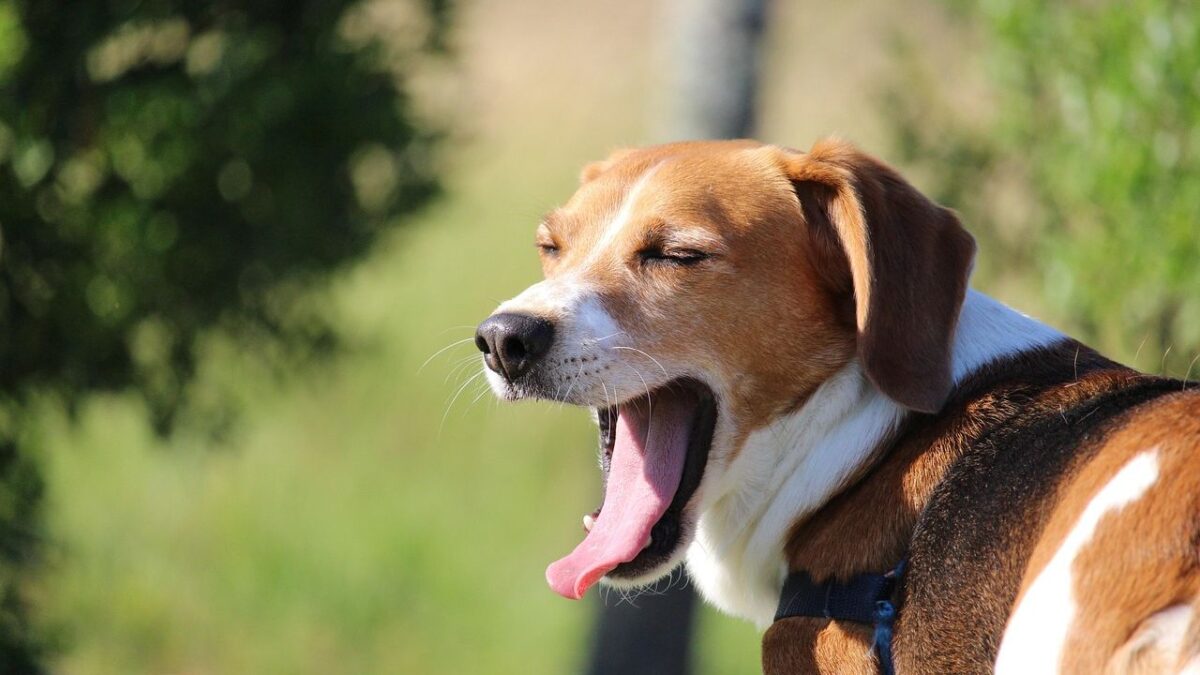
A Behavior That Science Still Can’t Fully Explain
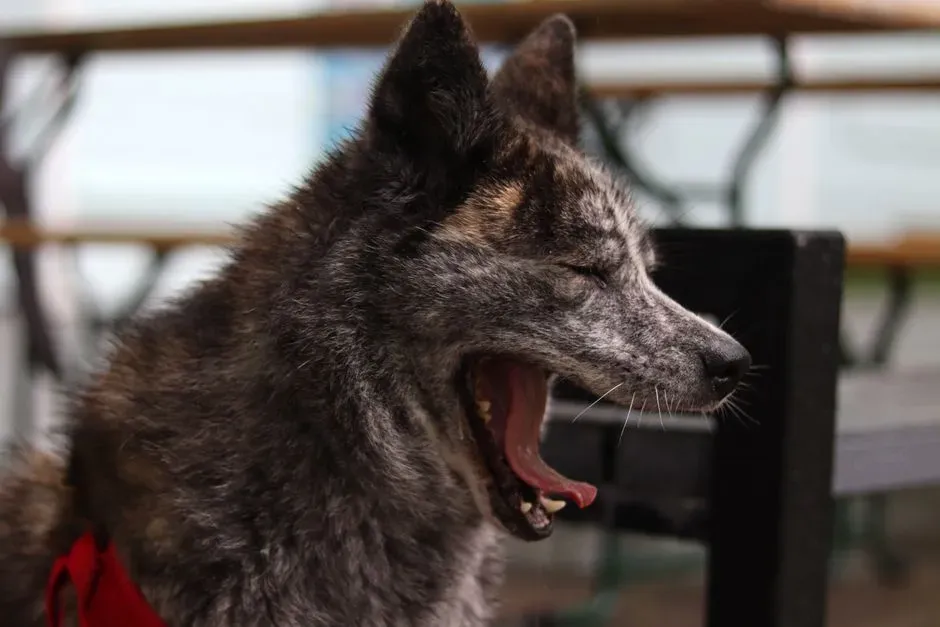
Yawning is a common behavior, but why it happens is a bit of a mystery. Researchers think it may perk up the brain and help with social bonding. That dual possibility, physiological and social, is exactly what makes it so interesting to study across species.
There are many causes for yawning. Boredom, sleepiness, hunger, anxiety, and stress all cause changes in brain chemistry, which can trigger a spontaneous yawn. It’s not entirely clear what the yawn accomplishes, though one possibility is that it perks you up by increasing heart rate, blood pressure, and respiratory function.
There’s still no consensus on the purpose of a yawn, says Robert Provine, professor of psychology and neuroscience at the University of Maryland, Baltimore County. Provine has studied what he calls “yawn science” since the early 1980s, and he’s published dozens of research articles on it. He says the simple yawn is not so simple.
Dogs Use Yawning as a Form of Communication

Dogs are naturally social living creatures and rely extensively on body language as a form of communication between group members. Behaviorists have suggested that some dog yawns are part of this visual communication system. That places the yawn firmly in the realm of intentional signaling, not just a reflex.
Dogs use yawning as a calming signal, a concept pioneered by Norwegian dog trainer Turid Rugaas. These signals are a dog’s way of maintaining social harmony and managing their own emotional state. When a dog yawns in a situation that seems alert or tense, they are likely experiencing mild stress or uncertainty. The yawn serves as a self-soothing mechanism, helping them release tension and stay calm.
It’s similar to how humans might take a deep breath when feeling anxious. The biggest misconception is assuming a yawn always means a dog is sleepy or bored. Context, it turns out, is everything.
The Concept of Calming Signals and What Rugaas Discovered
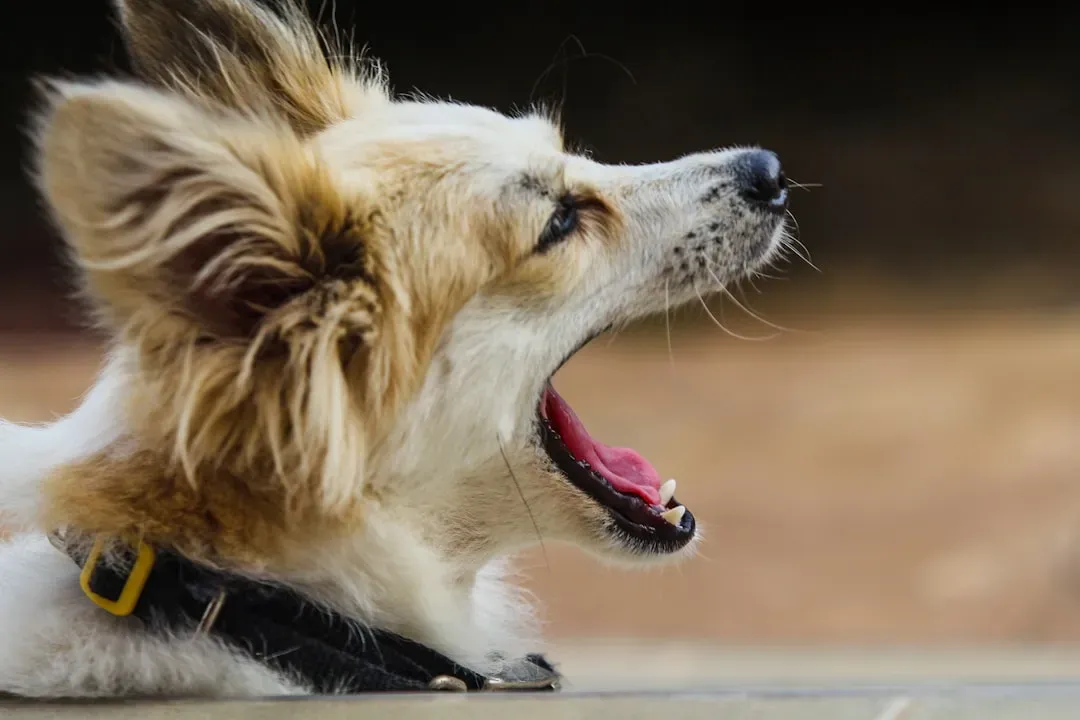
Norwegian dog trainer and behaviorist Turid Rugaas introduced and explained calming signals, which are subtle, universal body language behaviors dogs use to avoid conflict, invite play, convey peaceful intentions, and manage stressful situations when interacting with other dogs and humans.
These signals, numbering more than 30, include actions such as yawning, lip-licking, turning the head or body away, sniffing the ground, walking in curves, and softening the eyes, all of which serve as a “language of peace” in canine communication. Rugaas gave dog owners a practical lens through which to interpret behavior that had previously been dismissed or misread.
According to Rugaas, dogs use yawning to calm themselves in tense situations and to calm others, including their owners. By ignoring this signal, owners miss a direct, gentle communication from their dog that says: please slow down, this is too much for me right now. That’s a message worth paying attention to.
The Familiarity Effect: Why Trusted Faces Trigger More Yawns

A University of Tokyo study found that just over half the dogs monitored yawned after watching their owners yawn. The researchers also had the dogs watch a stranger yawn, resulting in dogs yawning about half as frequently. That difference is significant and doesn’t appear to be accidental.
More recent findings are consistent with the view that dogs are not only able to yawn contagiously, at least when the stimulus presented is a live human yawn, but also that their susceptibility to yawns is affected by the emotional proximity to the yawner. Two independent studies, one using audio stimuli and another using visual stimuli, showed that dogs yawned more frequently after being exposed to familiar than to unfamiliar yawns.
A University of Portugal study found that 12 of 29 dogs yawned when they heard a recording of their owners yawning. The fact that sound alone was enough to trigger the response adds another layer: dogs don’t just recognize a yawn visually; they recognize it by voice.
Contagious Yawning, Empathy, and the Neurological Link
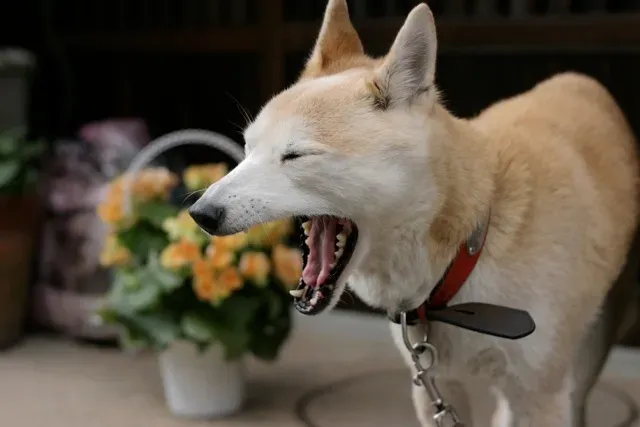
The phenomenon of contagious yawning has a neurological basis and is tied to empathy. We can catch yawns from our dogs and they can catch them back, reflecting our close bond.
In humans, yawning when seeing other people yawn is associated with activations in neural networks responsible for empathy and social skills. People who performed better on tests of self-recognition, theory of mind, and empathy were more susceptible to yawning contagiously. That pattern appears to extend across the species barrier.
A study conducted in 2008 by researchers at the University of London showed that dogs could catch yawns from humans. Researchers yawned at dogs, and roughly 72 percent of them yawned back. It was one of the first instances showing contagious yawning between non-primate species. That finding shifted the conversation considerably.
What This Tells Us About the Dog-Human Bond
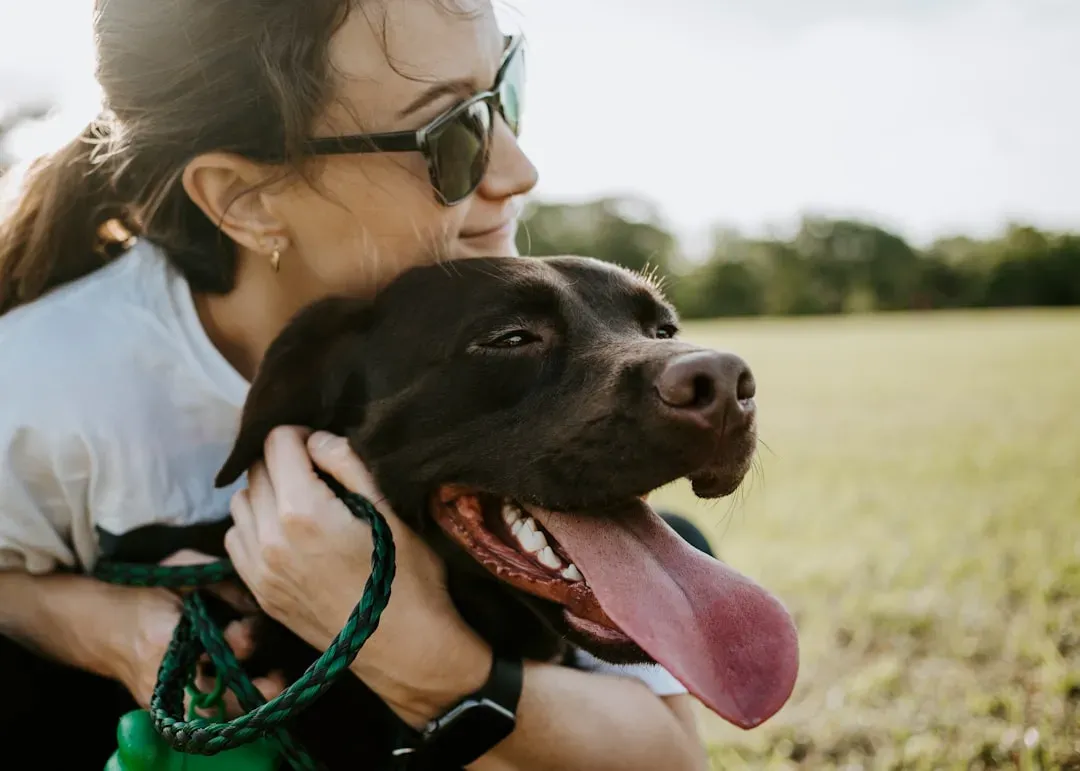
The science behind contagious yawning between humans and dogs offers a glimpse into the complexity of social and emotional connections across species. It emphasizes the depth of the bond between humans and dogs, transcending companionship and entering the realms of empathy and emotional synchrony.
A study from the University of Jyväskylä found that dogs and their owners share synchronized heart rate variability, reflecting a deep emotional connection. The study revealed that owners and dogs experience similar emotional states, with heart rate variability adapting during resting and activity periods. Owner temperament also impacts a dog’s heart rate variability, indicating that the relationship benefits both parties.
Contagious yawning may be a way for animals who live together to coordinate activities. That idea, simple as it sounds, points to yawning as a kind of social glue, a quiet mechanism for staying in sync with those you’re closest to.
Where the Science Gets Complicated

Not every study lands on the same side of this question, and that honesty matters. Tests of familiarity, similarity, and bonding to humans all failed to predict yawning in some research, finding little support for an empathy-related yawning contagion in dogs. These results show that if dogs yawn contagiously, they do so only at a low level.
The social modulation of dog contagious yawning has received contradictory support, and alternative explanations, such as yawn as a mild distress response, could explain positive evidence. This is a real and important caveat. Science on animal cognition rarely moves in one clean direction.
Still, the weight of more recent, carefully controlled studies leans toward a social and empathy-based explanation. The strength of the social bond between the model and the subject positively affected the frequency of contagious yawning, suggesting that in wolves the susceptibility of yawn contagion correlates with the level of emotional proximity. What holds in wolves likely carries evolutionary significance for their domesticated relatives as well.
What Humans Can Learn From a Dog’s Yawn
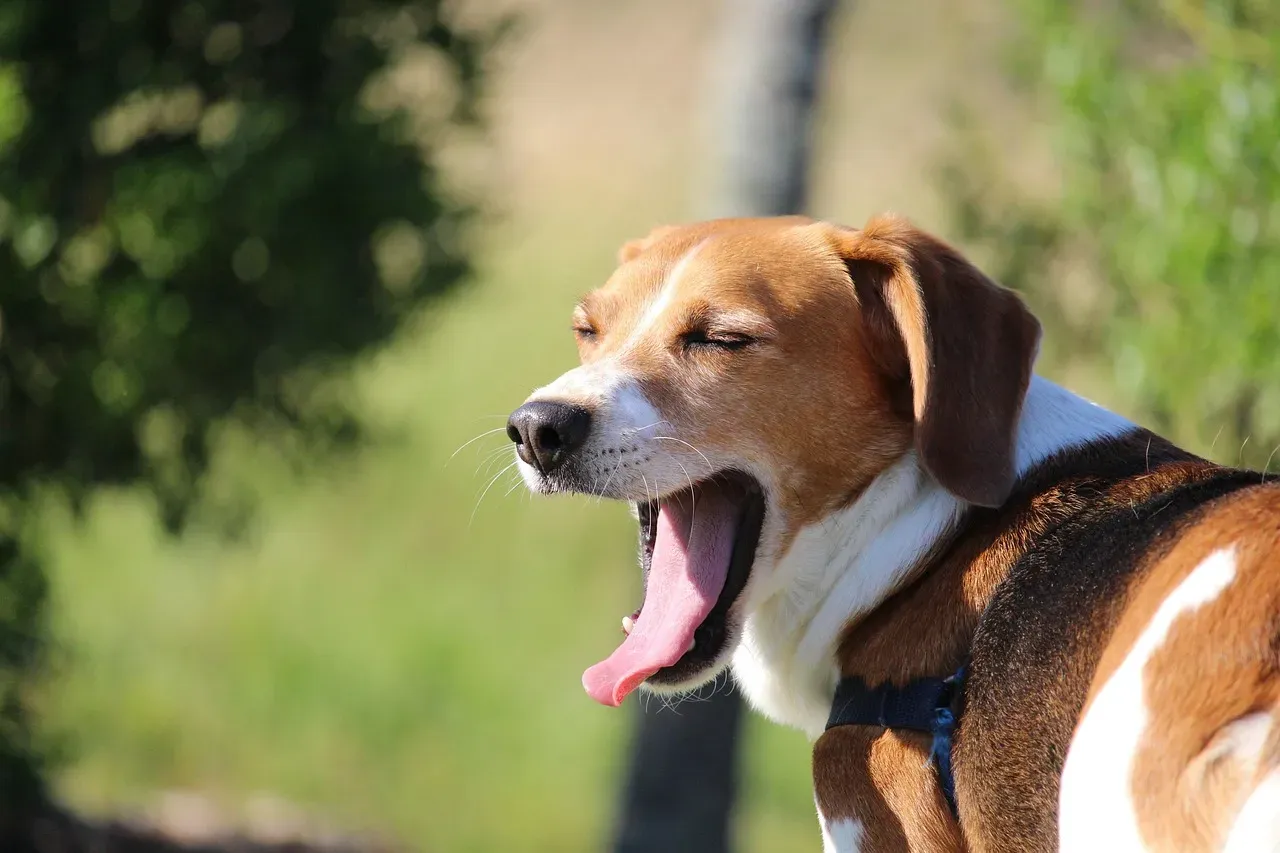
Studies show that humans who catch a yawn from another person have better social skills than others. Contagious yawns are believed to help show empathy with your fellow yawner. Applying that same frame to dogs opens up a genuinely different way of watching them.
When your dog yawns, it doesn’t always mean they are sleepy. It often shows up in moments when they feel uneasy or overwhelmed, helping them release tension. You might notice it during training, at the vet, or when they are around new people. Recognizing the difference takes practice, but it’s surprisingly easy once you start looking.
Even exaggerated, slow yawns are communicative. A dog who yawns deliberately during a tense moment is signaling: “I’m not a threat, let’s keep this calm.” That’s a message from an animal that has been trying to speak to us for thousands of years.
The Bigger Picture of Canine Social Intelligence

Two species have been added to the list of contagious yawners beyond humans: dogs and chimpanzees. When two groups of chimpanzees were shown videos of familiar and unfamiliar chimps yawning, the group watching the chimps they knew engaged in more contagious yawning. The familiarity effect, it seems, is a feature of deeply social minds.
Dogs, known for their acute observational skills and abilities to understand human social cues, were the ideal subjects for such a study. Their domestication over thousands of years has shaped them into remarkably sensitive readers of human behavior, and yawning fits squarely into that picture.
This research not only enriches our understanding of animal behavior but also sheds light on the evolutionary aspects of human-animal interactions, underscoring the profound interconnectedness of our lives. What looks like a small, sleepy gesture is actually a window into one of the oldest cross-species relationships on earth.
Conclusion: A Yawn Is Never Just a Yawn
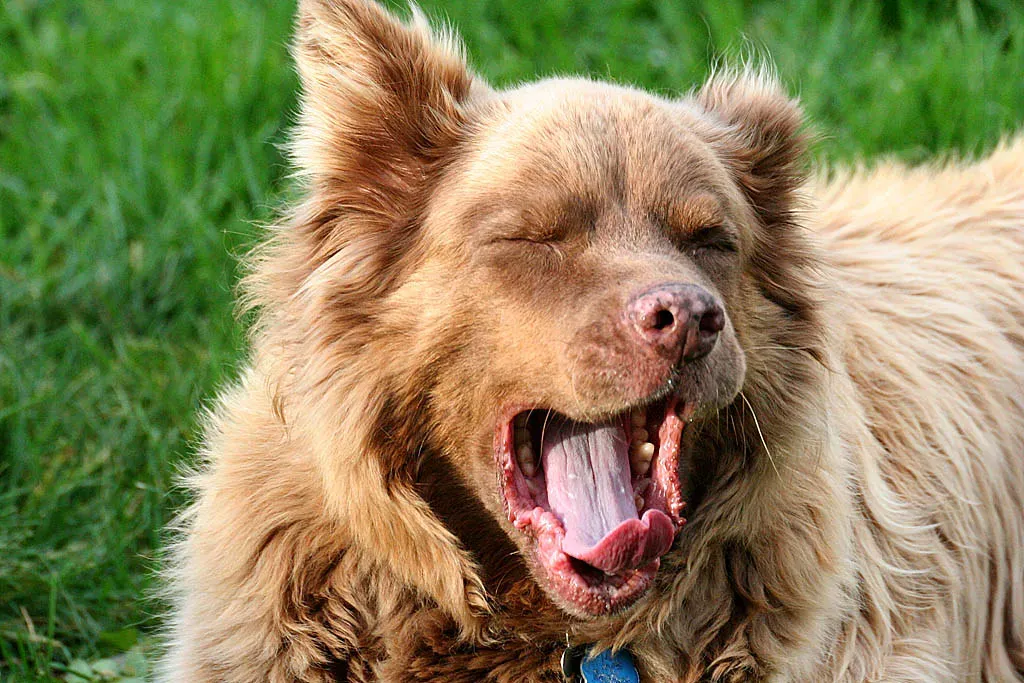
The evidence, taken honestly, is genuinely compelling even if not yet fully settled. Dogs appear to . They catch yawns from familiar humans more readily than from strangers. They use yawning as a calming signal, a form of communication, and possibly a quiet expression of emotional attunement. That’s a lot of meaning packed into one reflexive gesture.
What strikes me most is how long this language has been right in front of us. We’ve shared our homes, our routines, and our lives with dogs for millennia, and most of us have spent that entire time misreading one of their most common signals. We owe them better observation.
If your dog yawns while you’re sitting together at the end of a long day, don’t just scroll past it. There’s a real possibility they’re not bored. They might simply be telling you they’re comfortable. They might be mirroring you. They might, in the most understated way imaginable, just be saying they feel safe.

- What Happens to Your Brain in the Final 60 Seconds Before Death – Neuroscientists Just Mapped It - August 13, 2026
- The Most Dangerous Myths About Tornadoes at Night - August 13, 2026
- How To Ride A Horse Safely - August 13, 2026