

Most dog owners assume their furry companions can handle summer heat just fine. For a young, healthy dog, that might be mostly true. But for a senior dog, that same sunny afternoon can quietly become dangerous – and the heartbreaking part is that many owners don’t realize it until something goes wrong.
Older dogs can’t cool themselves the way they used to. Their bodies work harder, tire faster, and show distress in ways that are easy to miss until the situation is already serious. The good news? A few smart adjustments can make a real difference between a miserable summer and a comfortable one – and some of these tips might surprise you.
12 – Understand Why Senior Dogs Are More Vulnerable to Heat
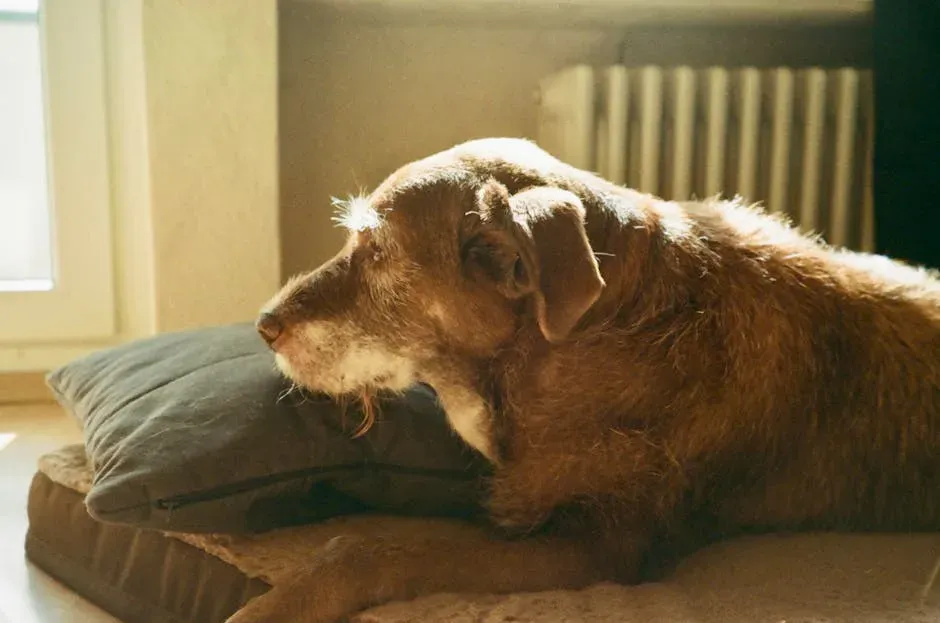
A senior dog’s body simply doesn’t bounce back from heat the way a younger dog’s does. As dogs age, their respiratory and cardiovascular systems become less efficient, which means panting – their primary cooling mechanism – does less work than it used to. Add in common age-related conditions like heart disease, kidney issues, or arthritis, and you have a dog whose body is already working overtime just to stay comfortable on a normal day.
What feels like a warm but manageable afternoon to you might genuinely be dangerous for an older dog. That gap between what we perceive as “fine” and what your senior dog is actually experiencing is exactly where heat emergencies happen. Understanding these physiological changes isn’t just interesting background information – it’s the foundation of everything else on this list.
Fast Facts
- A dog’s normal body temperature runs between 100.5°F and 102.5°F – overheating begins at just 104°F.
- Dogs over 12 years old are among the highest-risk groups for heatstroke.
- Senior dogs with heart disease, obesity, or hypothyroidism face dramatically elevated heat risk.
- For large breeds like Great Danes, “senior” status can begin as early as age 5.
- High humidity compounds the danger – it makes panting far less effective as a cooling mechanism.
11 – Recognize the Early Signs of Overheating
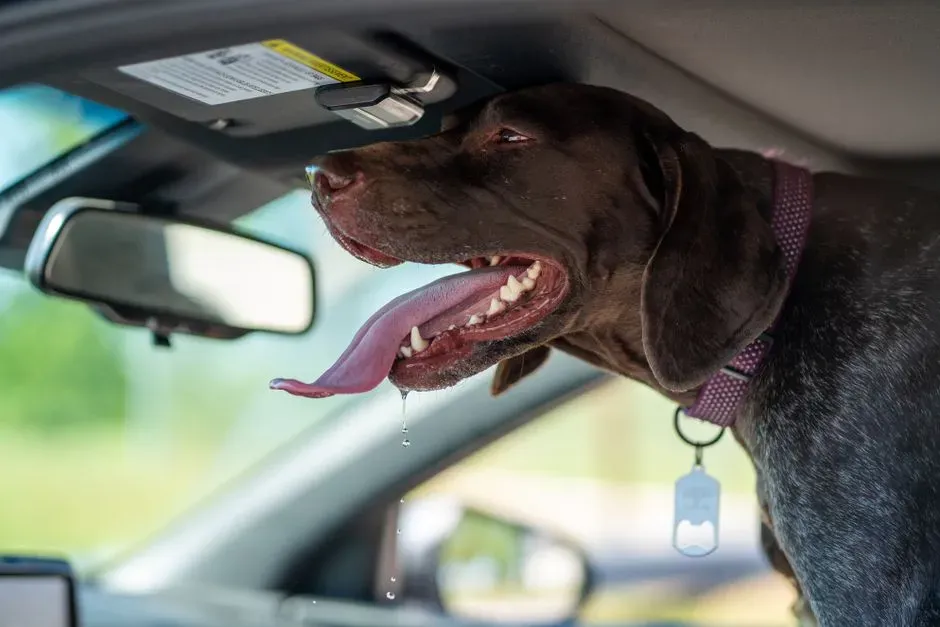
By the time a senior dog looks obviously sick from the heat, you may already be dealing with a medical emergency. The early signs are easy to dismiss: excessive panting, heavier-than-usual drooling, a sudden desire to lie on cool tile, or a dog who just seems “off” and less interested in what’s happening around them. These are not quirks – they are your dog’s body sending a distress signal.
If those early signs are missed, things can escalate quickly. Vomiting, stumbling, disorientation, and collapse are all signs of serious heat stroke that requires immediate veterinary attention. Senior dogs can deteriorate faster than younger ones, which means your window for intervention is shorter. Trust your gut – if something feels wrong on a hot day, it probably is.
At a Glance: Warning Signs to Watch For
- Early: Heavy panting, excessive drooling, seeking cool floors, glazed eyes, lethargy
- Moderate: Rapid heart rate, bright red or pale gums, weakness, stumbling
- Severe: Vomiting, disorientation, collapse, seizures – call your vet immediately
- Dogs with dark coats absorb more solar heat and may reach warning signs faster than lighter-coated dogs.
10 – Create a Cool Indoor Environment
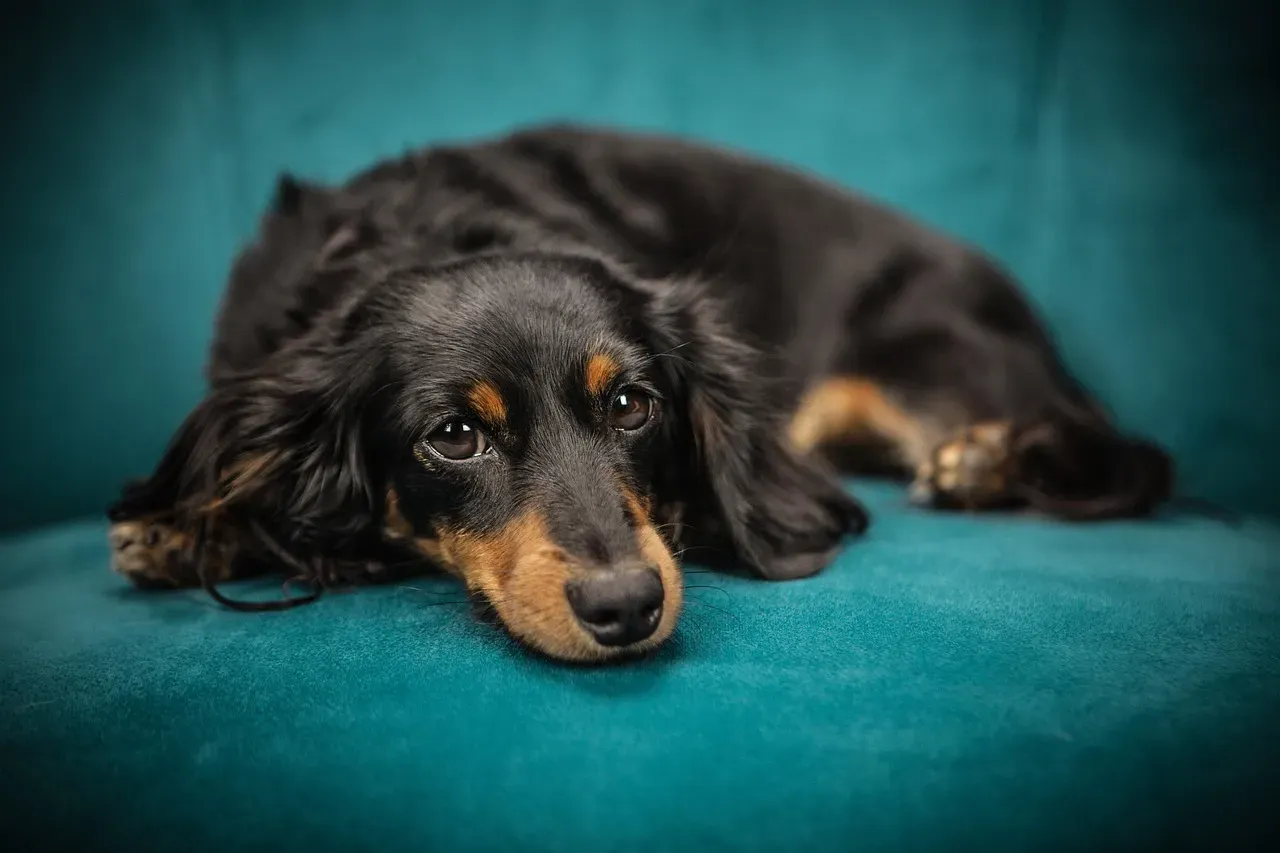
Your home should function as your senior dog’s safe haven during summer heat. That means more than just cracking a window. Air conditioning is the most reliable option, but if that’s not possible, strategic use of fans and blackout curtains can make a noticeable difference. Keep the rooms your dog frequents as cool as possible during the hottest parts of the day, typically between 11 a.m. and 4 p.m.
Pay attention to where your dog naturally chooses to rest. If they’re gravitating toward tile floors or cool corners, they’re telling you something. Elevated mesh or orthopedic beds allow air to circulate beneath them, which helps more than a thick padded bed sitting flush on carpet. Give your senior dog options, and let them pick what feels best to their aging body.
9 – Ensure Constant Access to Fresh Water
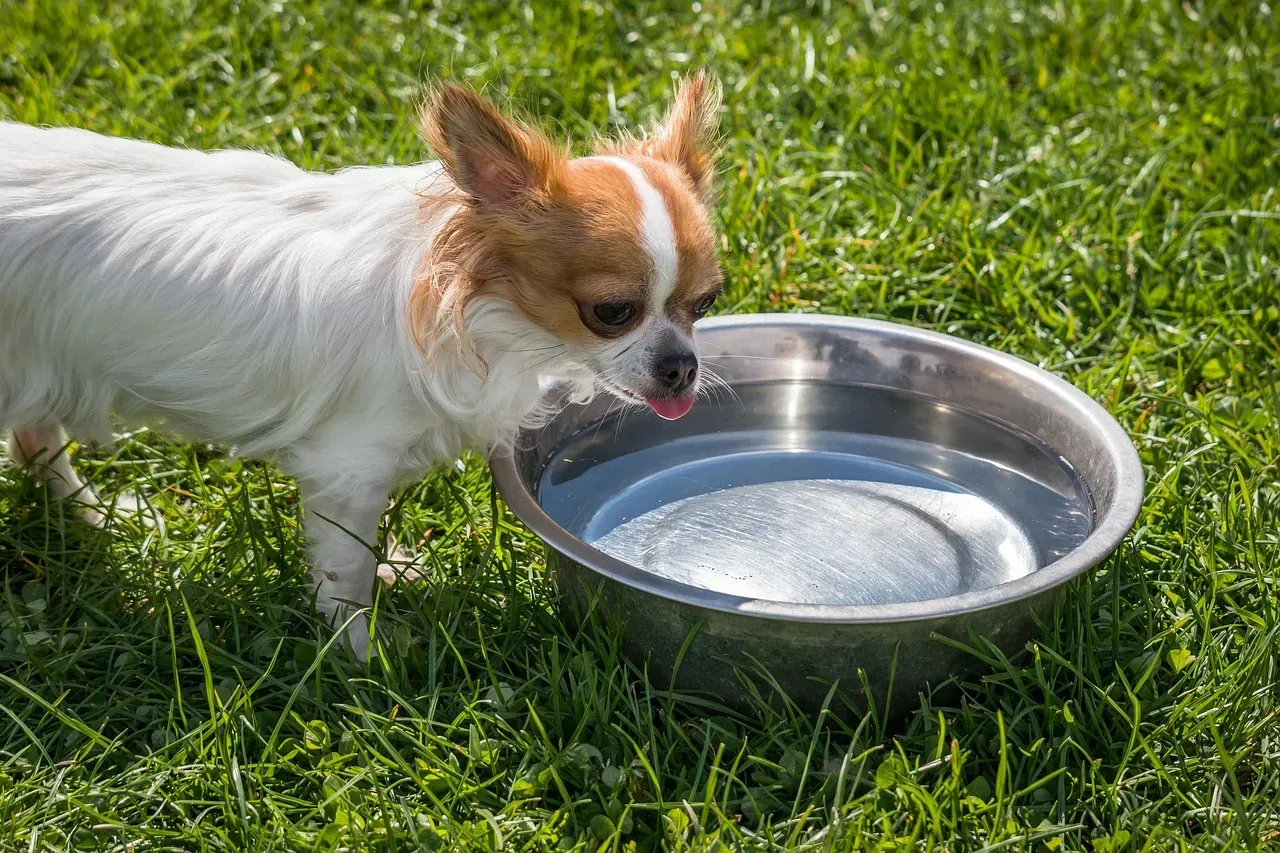
Dehydration sneaks up on senior dogs faster than most owners expect, and a dog that’s even mildly dehydrated is far more vulnerable to heat-related illness. During summer, water isn’t optional – it’s part of your dog’s medical support system. Place multiple bowls in different rooms so your dog never has to go far for a drink, and refresh the water frequently throughout the day rather than topping it off.
A few ice cubes in the bowl can keep water cooler longer and often makes it more appealing. If your senior dog is a reluctant drinker, a circulating pet water fountain can help – the movement and sound encourage more frequent sipping. Some dogs also enjoy frozen low-sodium broth as a treat, which adds hydration in a form they find genuinely exciting rather than obligatory.
8 – Adjust Walk Times to Cooler Parts of the Day
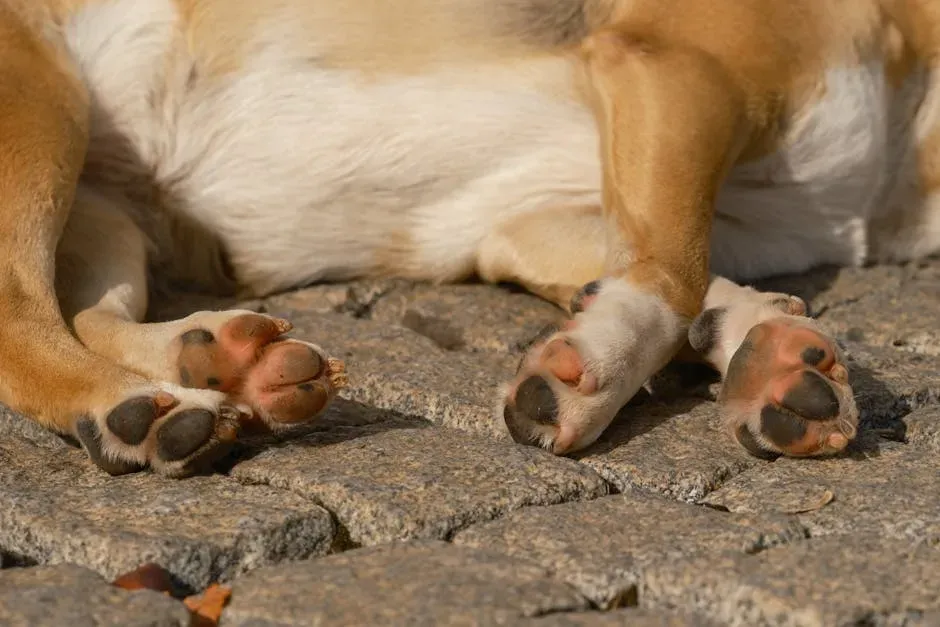
Senior dogs still need movement, but the timing of that movement matters enormously in summer. Early morning – before 8 a.m. – and evening after sunset are the safest windows. Midday and early afternoon walks on hot days aren’t just uncomfortable for an older dog; they can push a vulnerable system past its limits faster than you’d expect.
There’s also the pavement problem. Asphalt and concrete absorb and radiate heat in ways that can blister paw pads within minutes. The simple test: press the back of your hand to the pavement for seven seconds. If you can’t hold it there comfortably, your dog shouldn’t be walking on it. Grass routes are always the better option on hot days, and shorter, more frequent outings beat one long walk in the heat every time.
Quick Compare: Walk Timing by Risk Level
- Safest: Before 8 a.m. or after 7 p.m. – pavement has had time to cool overnight or after sundown
- Use caution: 8–10 a.m. and 5–7 p.m. – do the 7-second pavement hand test first
- Avoid entirely: 10 a.m.–5 p.m. – peak heat window; asphalt at 86°F air temp can reach 135°F surface temp
- Always: Choose grass and shaded dirt paths over concrete or asphalt on hot days
7 – Utilize Cooling Products
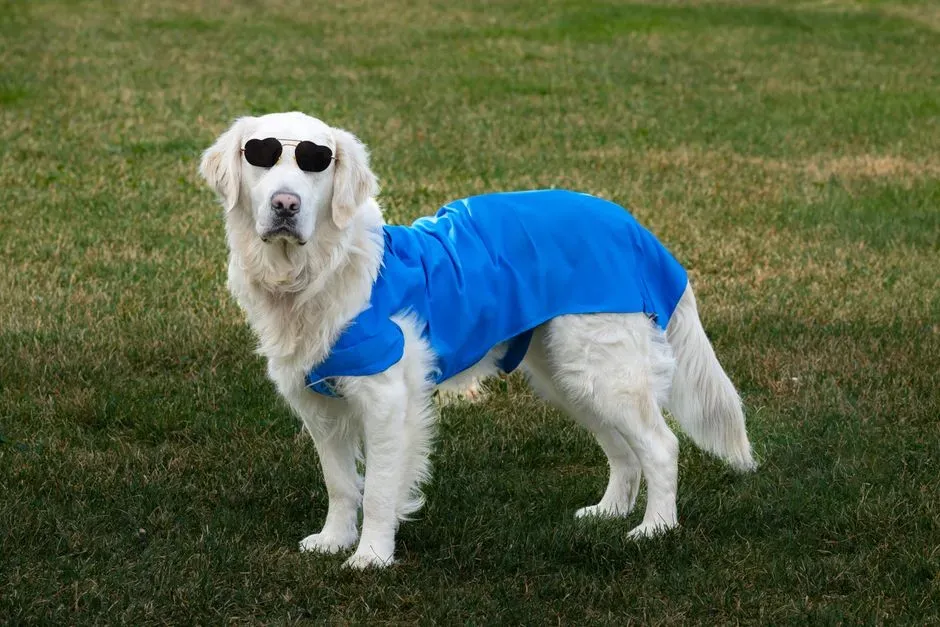
Cooling mats, vests, and bandanas aren’t gimmicks – for senior dogs, they can be genuinely useful tools. Cooling mats typically use pressure-activated gel or water to draw heat away from a dog’s body, and many dogs take to them immediately without any training. Cooling vests work through evaporation and can help during necessary outdoor time when shade is limited.
The key is supervision. Some dogs will happily lounge on a cooling mat for hours; others may chew at a vest or try to pull it off, which creates a safety issue. Introduce these products gradually and observe your dog’s reaction. For dogs with arthritis or mobility issues, a cooling mat placed near their favorite resting spot – rather than expecting them to seek it out – is the most practical approach.
6 – Maintain Regular Grooming
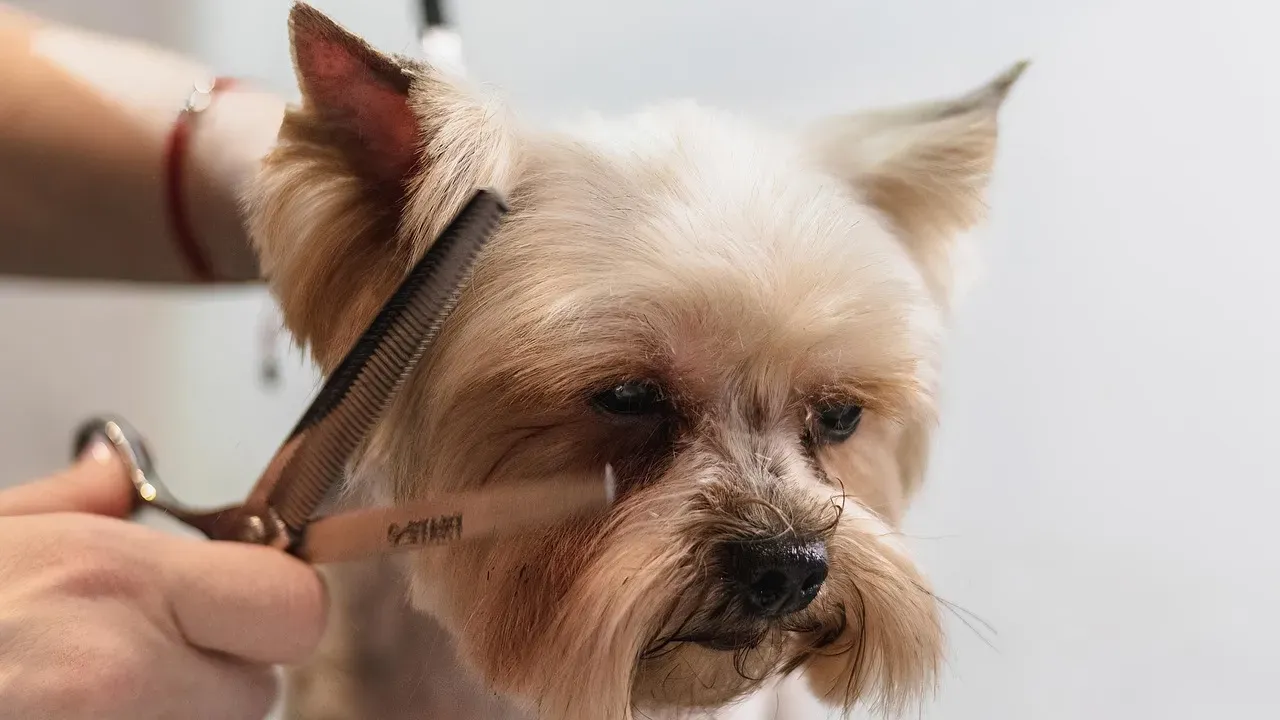
A matted, neglected coat actually traps heat against the skin rather than releasing it. Regular brushing removes dead undercoat, reduces matting, and opens up airflow to your dog’s skin – all of which meaningfully support their ability to stay cooler. During summer months, grooming sessions may need to happen more frequently than your usual routine.
One important note: resist the instinct to shave your dog down to the skin. A dog’s coat also provides protection from direct sun exposure, and shaving too short can actually increase their risk of sunburn and overheating. Talk to a professional groomer about a summer trim that keeps your senior dog tidy and cool without stripping away the natural insulation their coat provides.
Worth Knowing: Grooming Rules for Summer
- Never shave a double-coated breed (Huskies, Golden Retrievers, Shepherds) unless directed by your vet – their coat insulates against heat, not just cold.
- Dogs with black or dark fur absorb more solar heat – extra shade and earlier walk times matter even more.
- A clean, brushed coat circulates air far more effectively than a matted one.
- Ask your groomer specifically for a “summer tidy” rather than a full shave-down.
5 – Know How to Respond to Heatstroke
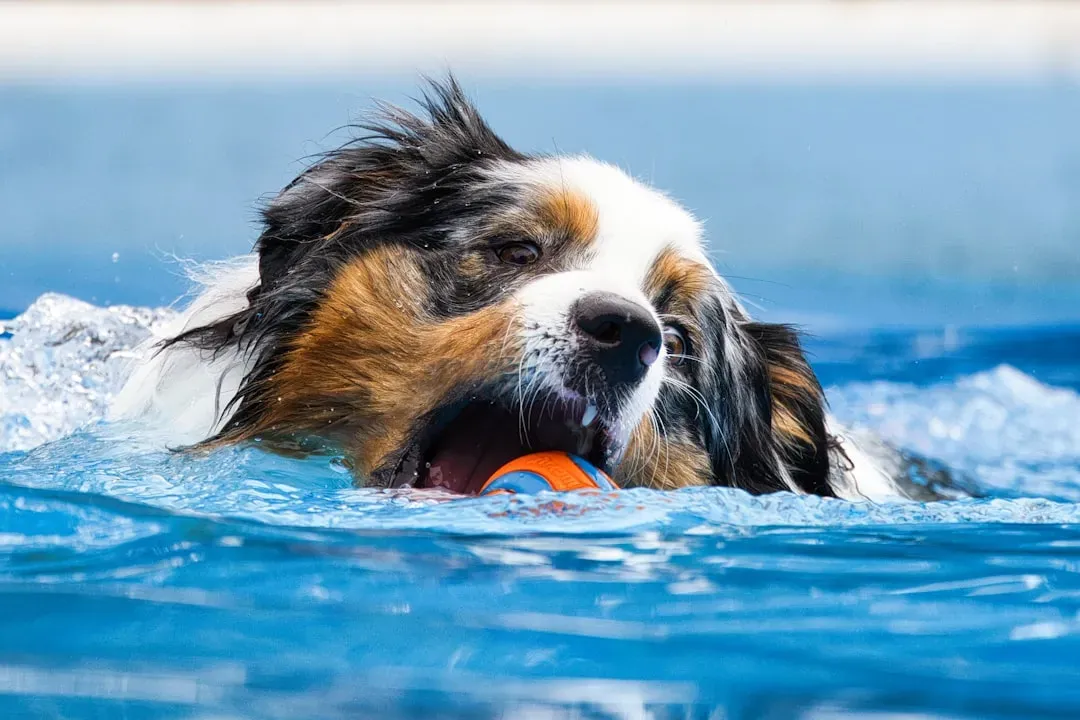
Even when you do everything right, heat emergencies can still happen – and knowing how to respond in the first few minutes matters enormously. If your dog is showing signs of heatstroke – heavy uncontrolled panting, disorientation, vomiting, or collapse – move them immediately to a cool, shaded space. Offer small sips of cool water, not large amounts at once.
Apply cool water to their body, focusing on the paws, armpits, and neck – areas where blood vessels are close to the surface. Do not use ice or ice-cold water, which can cause blood vessels to constrict and actually slow down the cooling process. Get to a veterinarian as quickly as possible. Heatstroke can cause organ damage within minutes in an older dog, and what looks like recovery on the outside doesn’t always reflect what’s happening internally.
4 – Never Leave Your Dog in a Parked Car
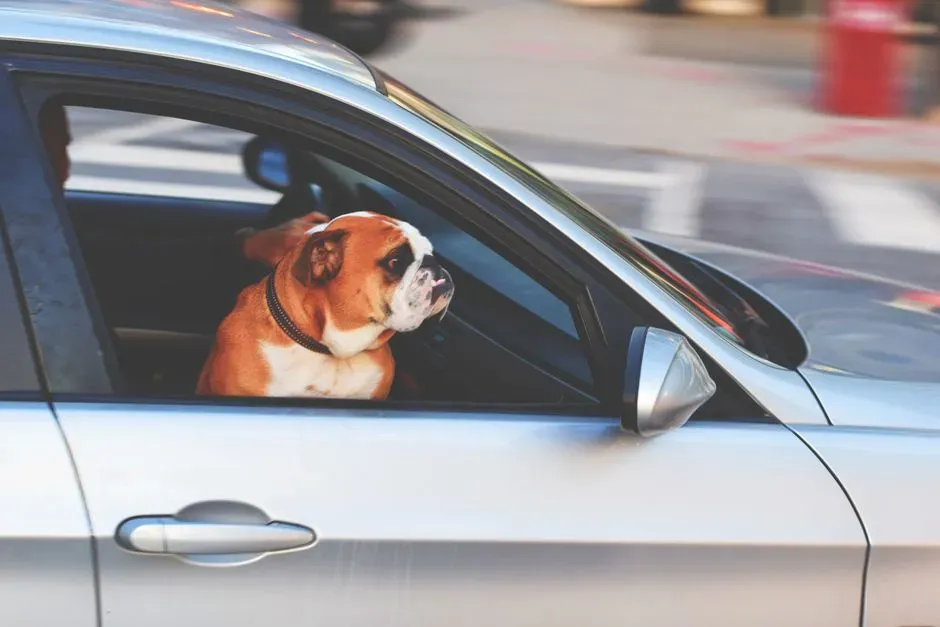
This one feels obvious, but it still happens – usually because the owner thought it would only be a minute. On an 80°F day, the inside of a parked car can reach 99°F within ten minutes – and 114°F within twenty. With windows cracked, it barely makes a difference. For a senior dog already struggling to regulate body temperature, that kind of rapid heat spike can be fatal faster than most people realize.
If you’re running errands, leave your dog at home in a cool environment. If travel is unavoidable, plan every stop carefully – only exit the car where your dog can safely come with you, keep the engine and air conditioning running if they must wait briefly, and never underestimate how quickly things can go wrong. No errand is worth that risk.
Fast Facts: Parked Car Temperatures
- At 70°F outside, a car interior hits 104°F in just 30 minutes.
- At 80°F outside, interiors reach 99°F in 10 minutes and 114°F within 20 minutes.
- Cracking windows reduces temperature rise by only about 2–3°F – essentially no protection.
- Parking in shade still allows the car to reach dangerous temperatures within the hour.
- Leaving pets in hot cars is illegal in numerous U.S. states – and carries serious legal consequences.
3 – Provide Shaded Outdoor Spaces
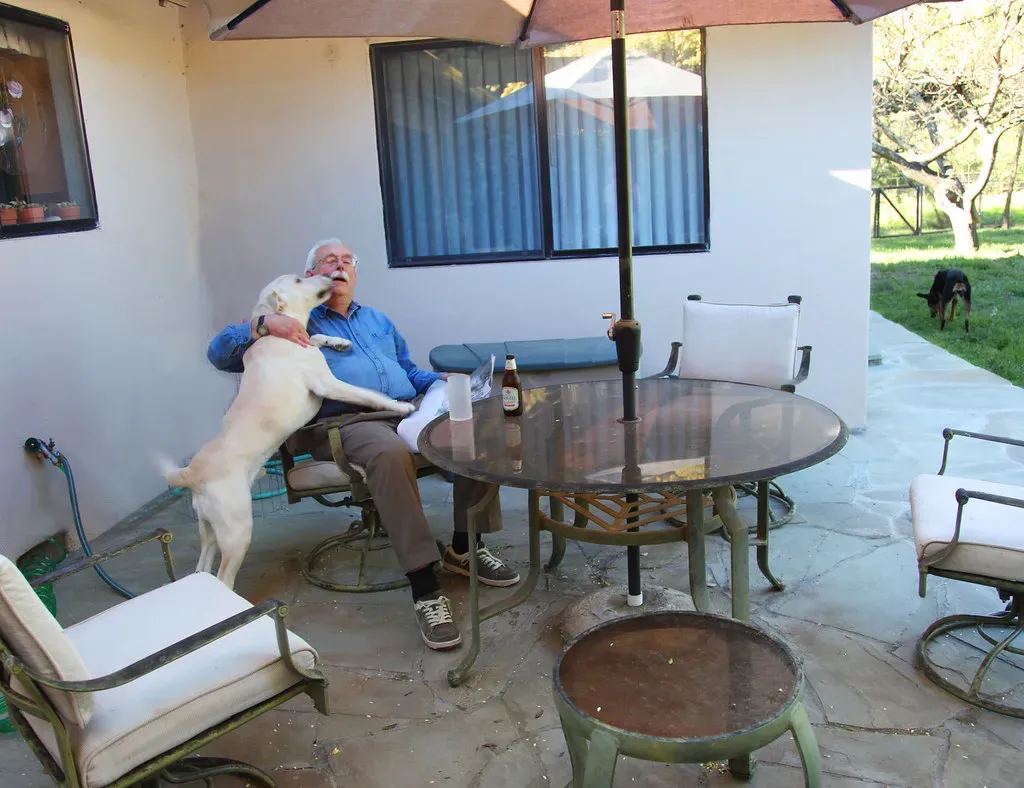
If your senior dog spends any time in the yard, shade is non-negotiable. Natural tree cover is ideal, but a patio umbrella, shade sail, or simple tarp strung between posts works just as well. The goal is to give your dog a genuinely cool spot to retreat to – not just slightly less sun, but real relief from direct heat and UV exposure.
A shallow kiddie pool filled with cool water can be a wonderful addition for dogs who enjoy water. Even dogs who aren’t natural swimmers will often stand in a few inches of cool water to bring their body temperature down. Refresh the water regularly so it doesn’t become warm from sitting in the sun. And always supervise – senior dogs with mobility issues or cognitive changes can misjudge steps or depth more easily than they once could.
2 – Protect Your Dog’s Paws
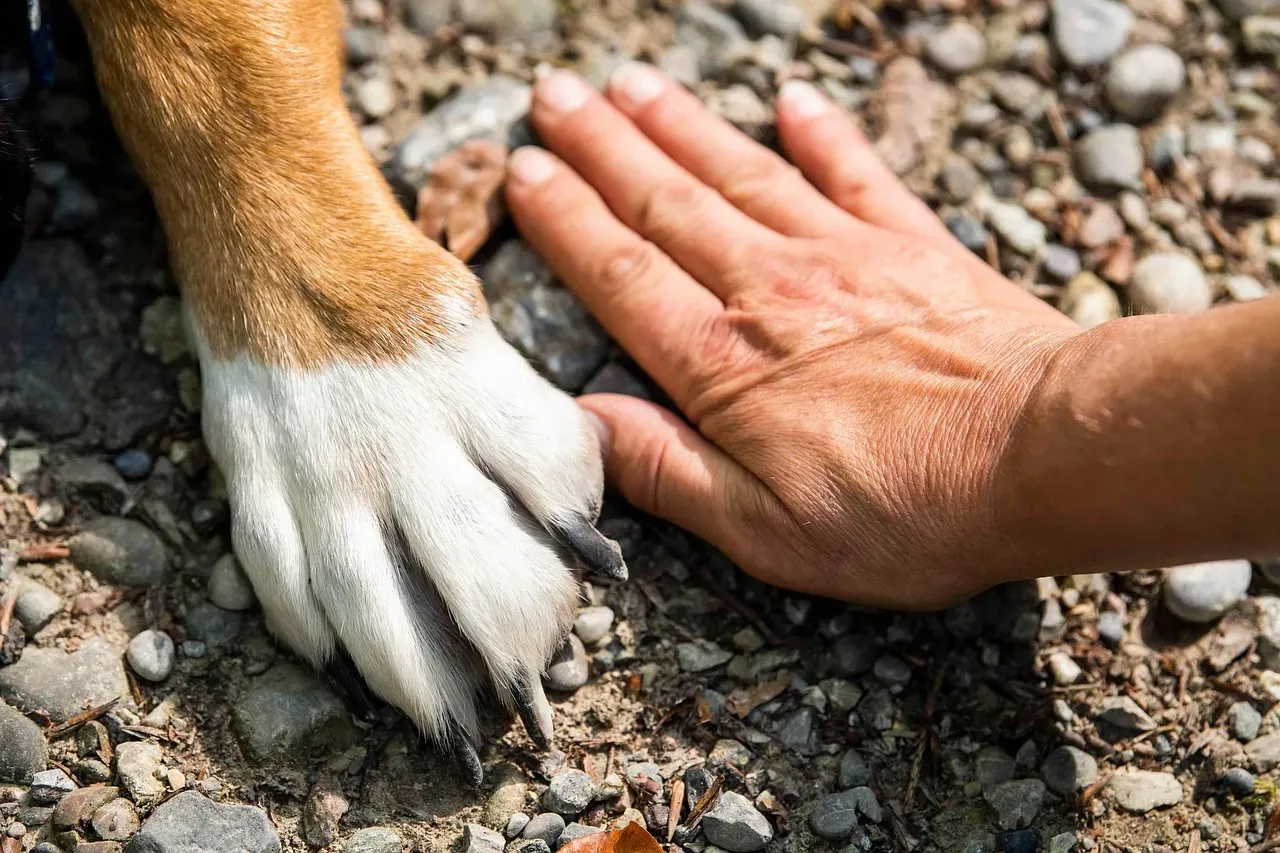
Paw pads are one of the most overlooked aspects of summer dog care, and for senior dogs they deserve extra attention. Older dogs may have thinner, more delicate paw pads than they did in their youth, and the damage from walking on hot pavement can happen faster and heal more slowly. Beyond the pain of burns, damaged paws affect mobility – and for a senior dog, losing confidence in their footing can have a real impact on their quality of life.
Protective booties designed for warm weather are worth trying, even if your dog resists them at first. Many dogs adapt within a few walks. Dog-safe paw balms can also help condition and protect the pads. When booties aren’t practical, stick to grass, dirt paths, or shaded routes entirely, and always do the pavement hand test before you let your senior dog step onto any surface that’s been baking in the sun.
Why It Stands Out: The Pavement Danger by the Numbers
- When air temp is 77°F, asphalt can reach 125°F – hot enough to cause burns in under 60 seconds.
- At 87°F air temperature, pavement can soar to 143°F.
- Sand, brick, and artificial turf heat up nearly as fast as asphalt – no surface is automatically safe.
- The 7-second rule: press the back of your hand to the pavement. Can’t hold it? Neither can your dog’s paws.
- After walks, always inspect paws for redness, blistering, or limping – signs of pad damage aren’t always immediate.
1 – Schedule a Summer Vet Check-Up
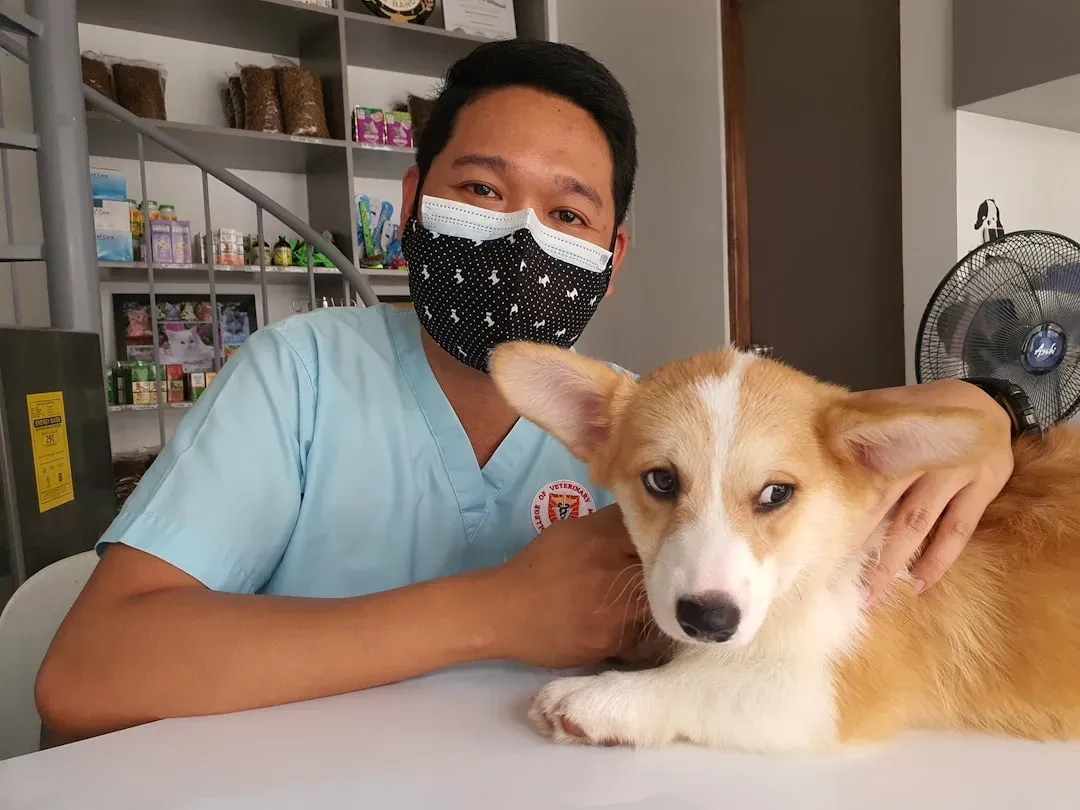
Perhaps the most important thing you can do before summer hits hard is sit down with your veterinarian and talk specifically about your senior dog’s heat tolerance. Some underlying conditions – heart disease, Cushing’s disease, obesity, hypothyroidism – dramatically increase the risk of heat-related illness, and your vet may recommend adjustments to your dog’s medication, diet, or activity level that you wouldn’t think to ask about on your own.
A summer check-up also gives you a baseline. You’ll know your dog’s normal vital signs, current weight, and overall health status – information that becomes critically useful if something goes wrong in July or August. Senior dogs deserve the same proactive care we’d want for any aging family member. A single vet visit could be the difference between a summer you both enjoy and one you spend wishing you’d paid more attention earlier.
Summer doesn’t have to be a season your senior dog merely survives. With the right preparation, it can still be full of slow morning walks, backyard lounging, and the kind of lazy afternoon naps that older dogs have genuinely earned. The difference between suffering and comfort often comes down to the small, consistent choices their owners make every single day – and the fact that you’re reading this tells you something important about the kind of owner you already are. These dogs gave us their best years. The least we can do is make their golden ones as good as possible.

- Does Your Cat Actually Miss You When You’re Gone? Scientists Finally Have the Answer - August 15, 2026
- 12 Incredible Animal Architects Whose Creations Will Astonish You - August 15, 2026
- 7 US States With the Most Prairie Dogs - August 15, 2026