14 Wild Animals That Form Lifelong Bonds With the People Who Raise Them-feature image/Unsplash
The bond between humans and animals has always been profound, but when it comes to wild creatures forming lifelong connections with their human caregivers, the stories are nothing short of extraordinary. These relationships defy the natural order, showcasing the depth of trust and affection that can develop between species. Here are 14 wild animals that have been known to form enduring bonds with the people who raise them.
Elephants: Gentle Giants with Remarkable Memories
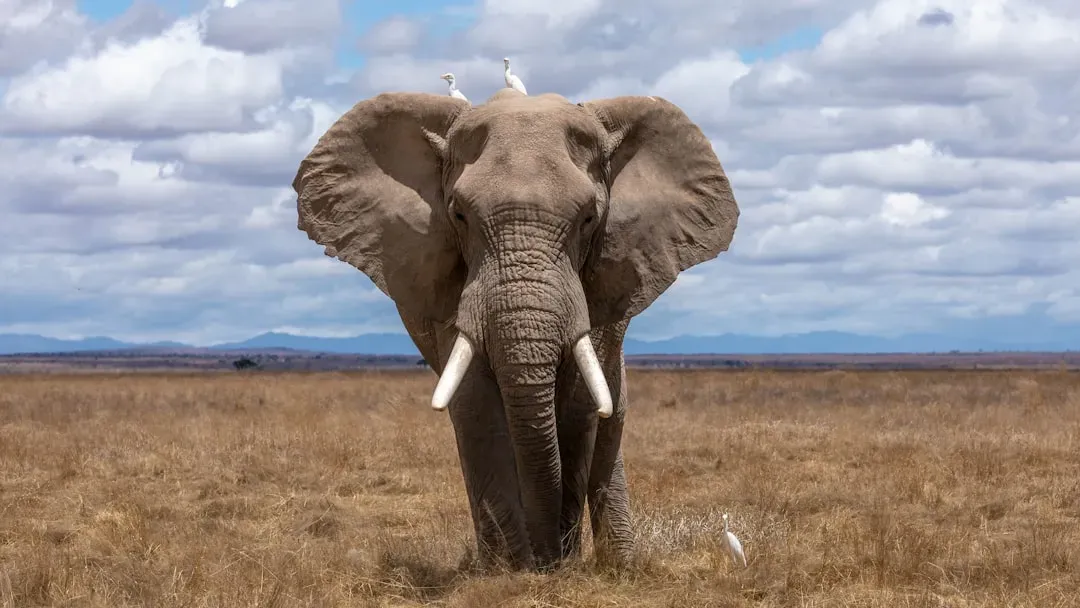
Elephants: Gentle Giants with Remarkable Memories (Image Credits: Unsplash)
Elephants are renowned for their intelligence and strong social structures. In the wild, they form close-knit family units, and this capacity for deep connection extends to their human caregivers. Handlers who work closely with elephants often report that these majestic creatures remember them even after long periods of separation. Their ability to recognize and bond with humans is a testament to their emotional depth.
One notable example is the story of Lawrence Anthony, known as “The Elephant Whisperer.” He formed a profound bond with a herd of elephants he rescued, and even after his passing, the elephants returned to his home to pay their respects. This enduring connection highlights the elephants’ capacity for loyalty and remembrance.
Lions: The Kings of Affection
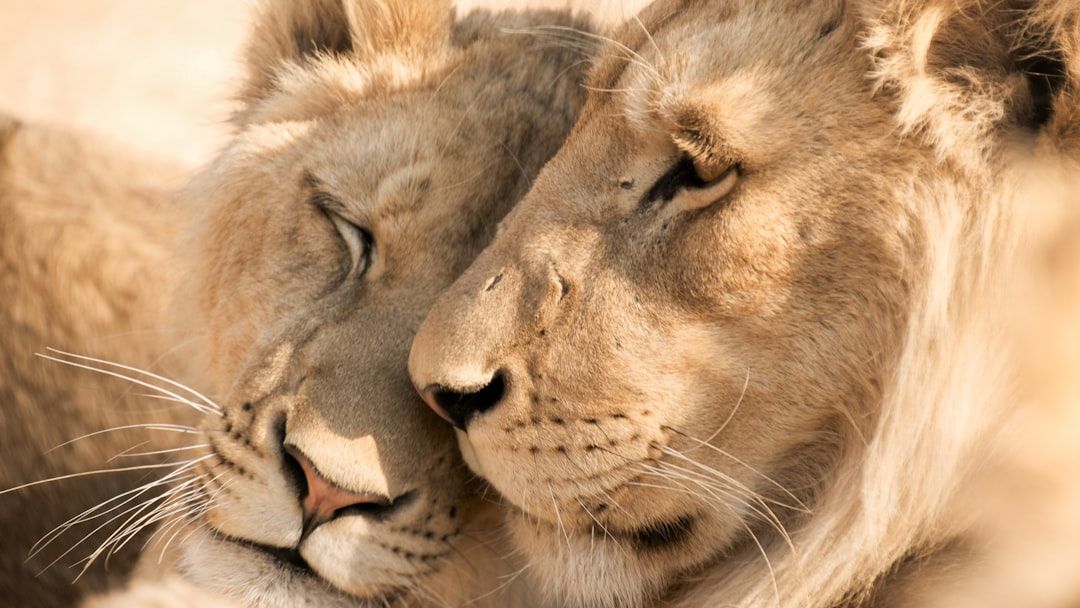
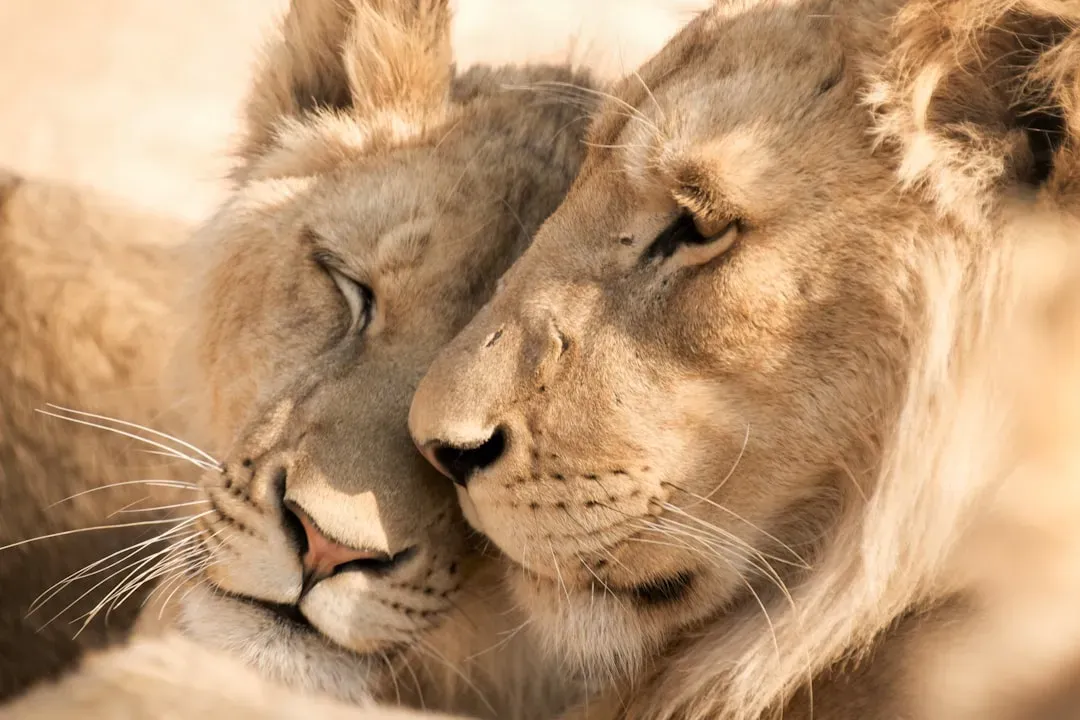
Lions: The Kings of Affection (Image Credits: Unsplash)
Despite their reputation as fierce predators, lions have demonstrated the ability to form strong bonds with humans, especially when raised from a young age. These relationships are built on mutual trust and respect, often resulting in lifelong connections.
Hand-raised lions often see their human caregivers as part of their pride. They engage in affectionate behaviors such as nuzzling and playing, similar to how they interact with other lions. However, it’s crucial to remember that lions are wild animals, and such bonds require careful management and understanding of their natural behaviors.
Cheetahs: Speedy Companions with Gentle Hearts
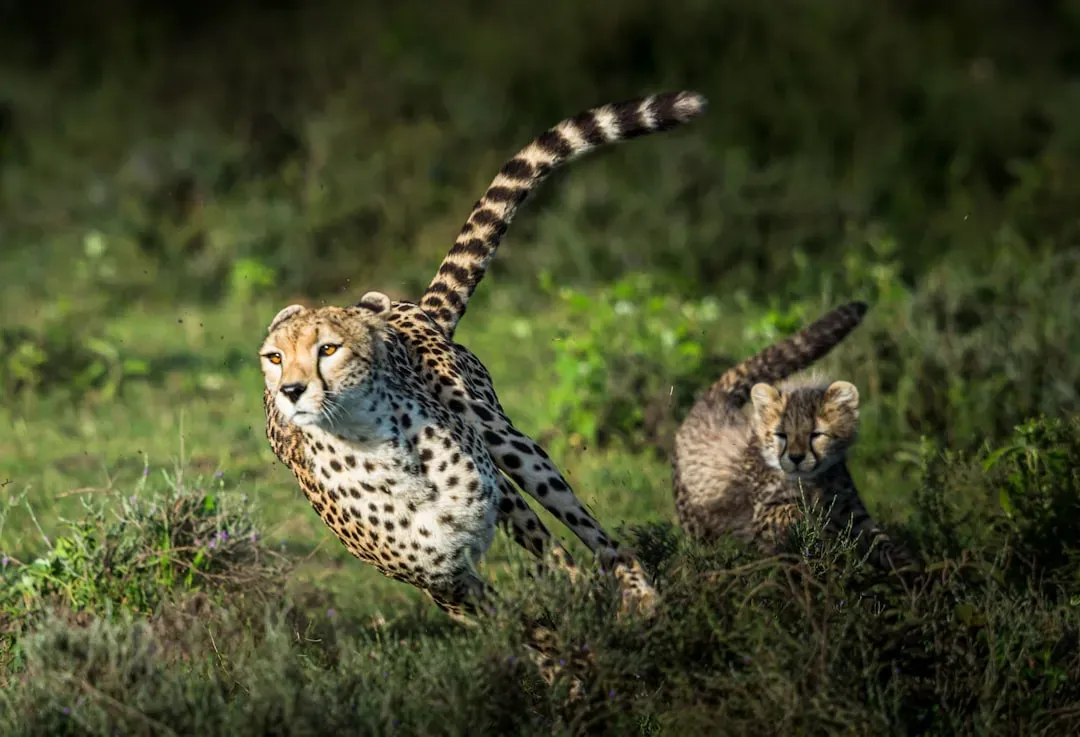
Cheetahs: Speedy Companions with Gentle Hearts (Image Credits: Unsplash)
Cheetahs, known for their incredible speed, also possess a gentle disposition that allows them to form close bonds with humans. Historically, they were used as hunting companions, and this relationship has evolved into conservation efforts where cheetahs are raised and cared for by humans.
These spotted felines often develop strong attachments to their caregivers, seeking out their company and displaying affectionate behaviors. Their relatively calm nature compared to other big cats makes them more amenable to human interaction, though they still require specialized care and respect for their wild instincts.
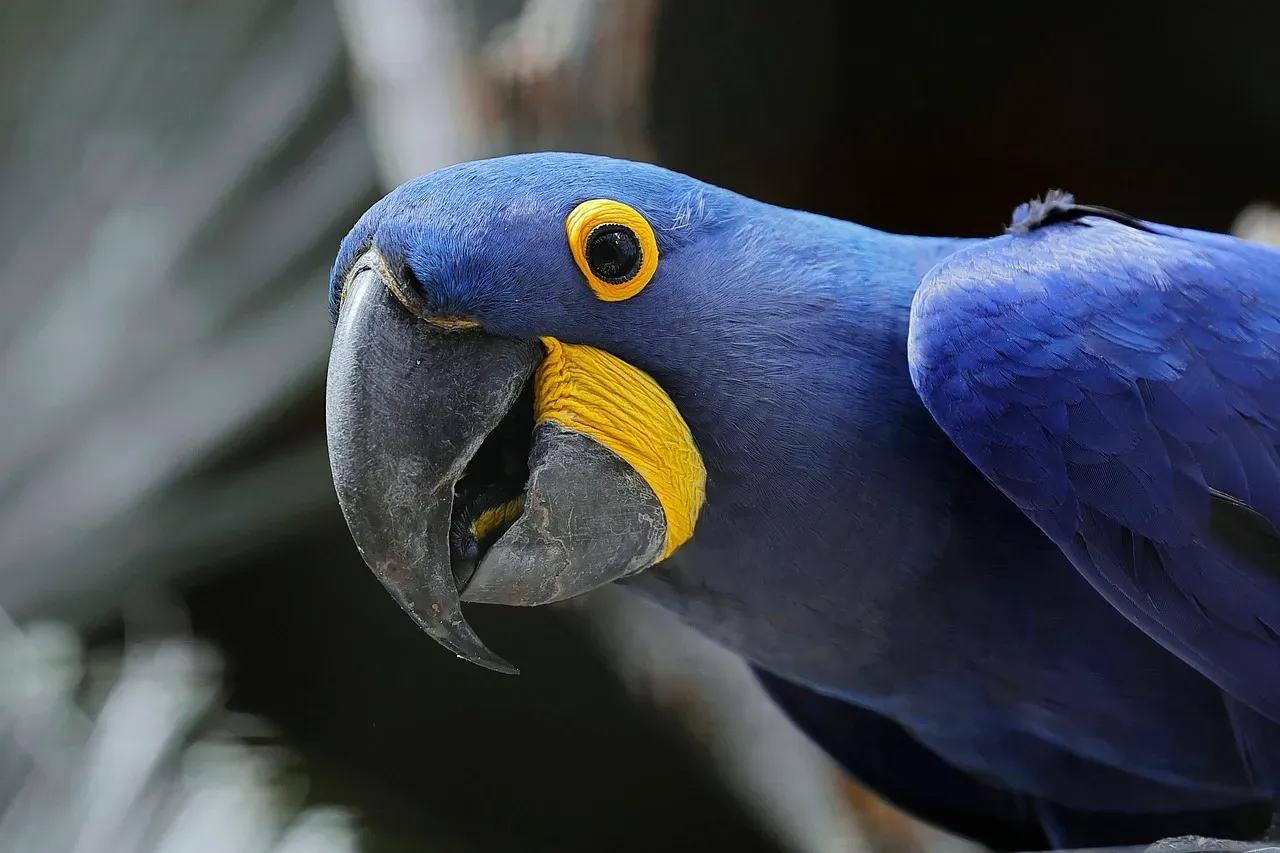
Parrots: Feathered Friends for Life
Parrots: Feathered Friends for Life (Image Credits: Pixabay)
Parrots are not only vibrant and intelligent but also capable of forming deep, lifelong bonds with their human caregivers. These birds often mimic human speech and behaviors, creating a unique form of communication that strengthens their connection with humans.
A bonded parrot may preen its human’s hair, share food, or show excitement upon their return. Their capacity for emotional attachment is so profound that they can experience stress or depression when separated from their human companions. This highlights the importance of consistent interaction and care in maintaining their well-being.
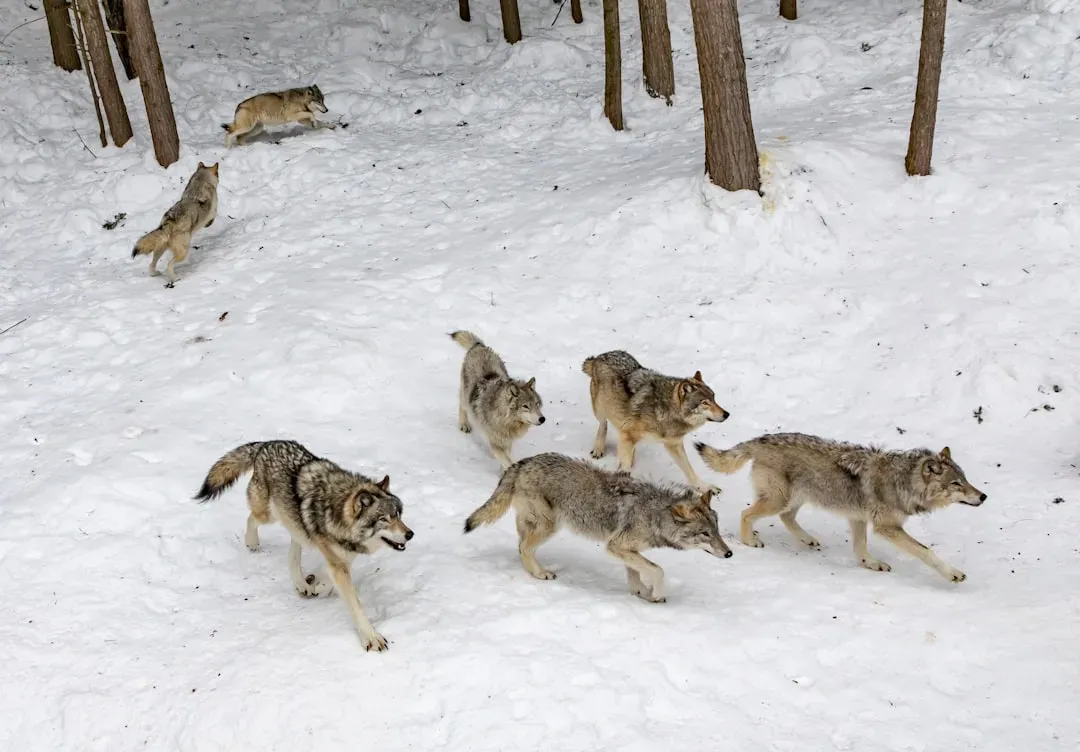
Wolves: From Wild to Loyal Companions
Wolves: From Wild to Loyal Companions (Image Credits: Unsplash)
Wolves are known for their strong pack bonds, and when raised by humans, they can extend this loyalty to their human family. Socialized wolves recognize their human caregivers as part of their pack, forming deep and lasting connections.
These bonds are built on mutual respect and understanding of wolf behavior. Handlers often report that socialized wolves are attentive, responsive, and protective, much like they would be with their wolf pack members. However, it’s essential to remember that wolves are wild animals, and such relationships require expertise and careful management.
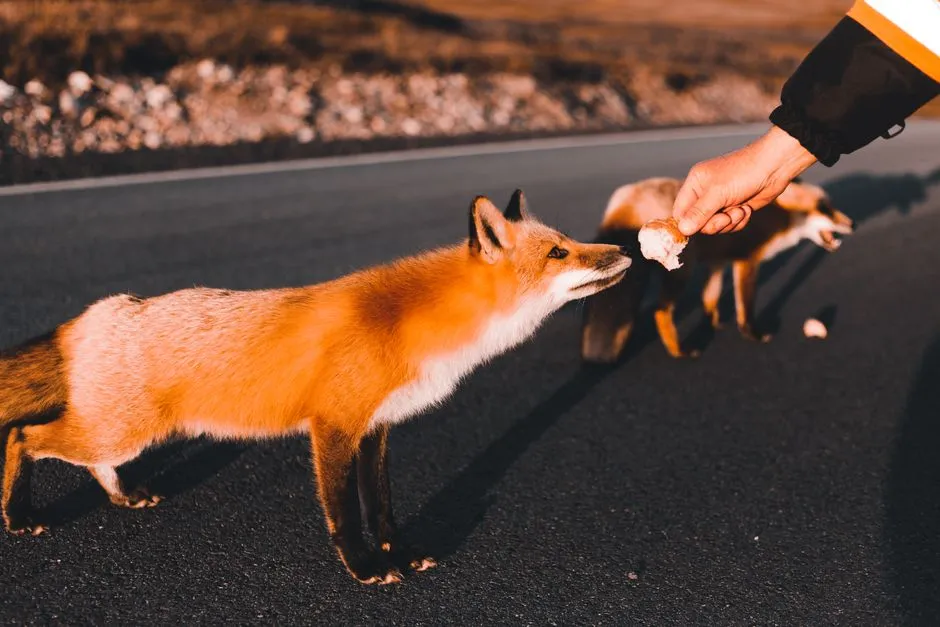
Foxes: Curious Creatures with a Soft Spot
Foxes: Curious Creatures with a Soft Spot (Image Credits: Pexels)
Foxes, with their playful and curious nature, have been known to form bonds with humans, especially when raised from a young age. These relationships are characterized by mutual curiosity and affection, leading to unique companionships.
One remarkable story involves a hiker who encountered a fox during a solo trek. Over time, the fox began to accompany the hiker on their journeys, showcasing the potential for wild animals to form connections with humans. Such bonds are rare and require a deep understanding of the animal’s needs and behaviors.
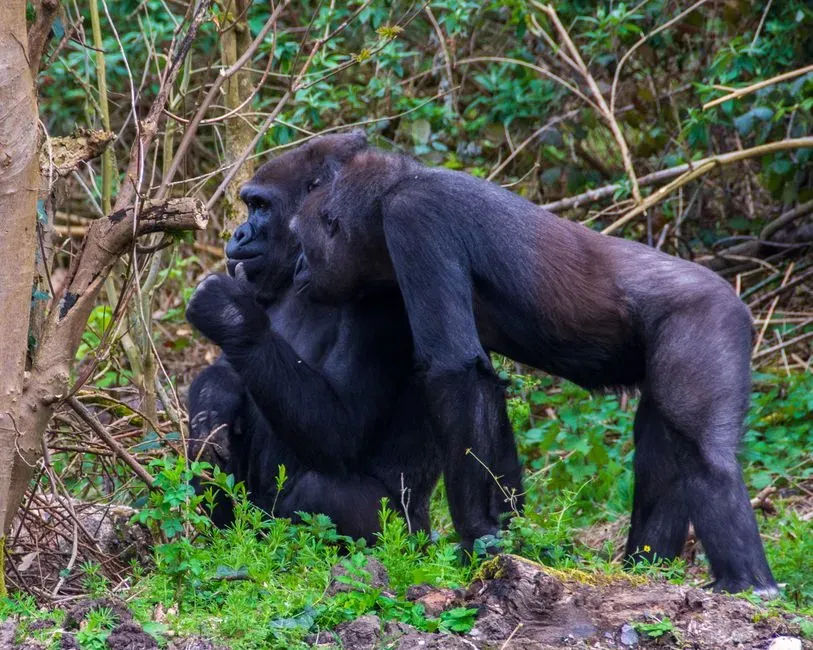
Gorillas: Gentle Giants of the Jungle
Gorillas: Gentle Giants of the Jungle (Image Credits: Pexels)
Gorillas, our close primate relatives, have demonstrated the ability to form deep bonds with humans, particularly in conservation settings. These relationships are built on trust, patience, and mutual respect, leading to profound connections.
Handlers and researchers who work closely with gorillas often report behaviors such as grooming, playing, and even mourning the loss of human companions. These interactions highlight the emotional depth and social complexity of gorillas, emphasizing the importance of ethical and respectful human-animal relationships.
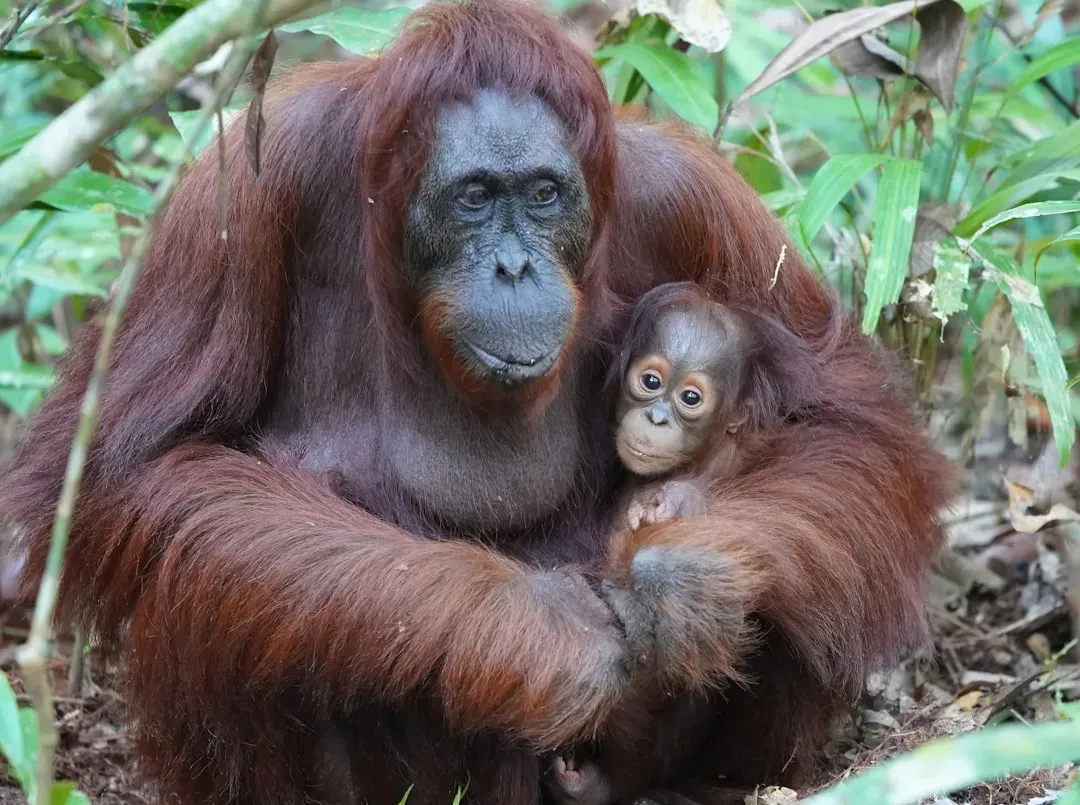
Orangutans: The Thoughtful Apes
Orangutans: The Thoughtful Apes (Image Credits: Unsplash)
Orangutans are known for their intelligence and gentle nature, allowing them to form strong bonds with their human caregivers. In rehabilitation centers, orphaned orangutans often develop close relationships with their human caretakers, relying on them for comfort and learning.
These bonds are characterized by mutual trust and affection, with orangutans often seeking out human interaction and displaying behaviors such as hugging and hand-holding. Such relationships underscore the importance of compassionate care in conservation efforts.
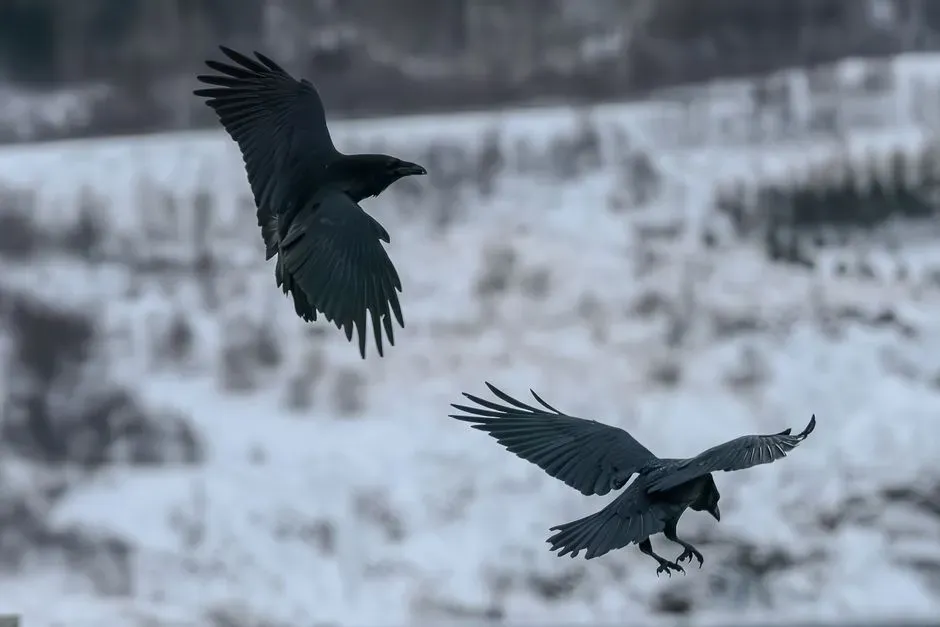
Ravens: Intelligent Birds with a Social Side
Ravens: Intelligent Birds with a Social Side (Image Credits: Pexels)
Ravens are highly intelligent birds capable of forming bonds with humans, especially when raised in captivity. They can recognize individual humans, mimic sounds, and even engage in playful behaviors, showcasing their social nature.
A bonded raven may follow its human companion, bring them objects, or engage in interactive play. Their ability to form such connections highlights the complex social structures and cognitive abilities of these remarkable birds.
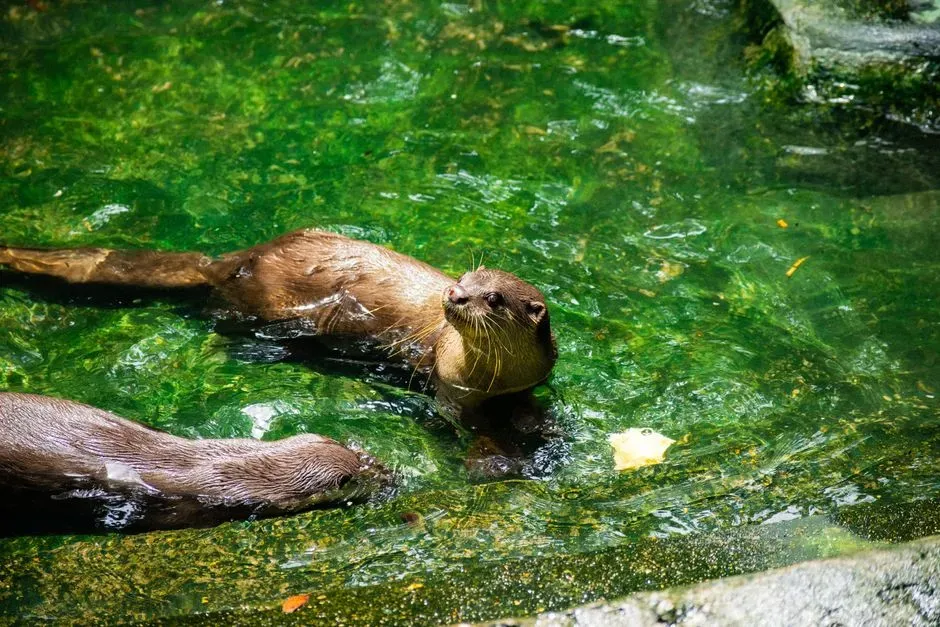
Otters: Playful Pals of the Water
Otters: Playful Pals of the Water (Image Credits: Pexels)
Otters, known for their playful antics, have been observed forming bonds with humans, particularly in
Did you find this helpful? Share it with a friend who’d love it too!
Gargi is an MA in History and a B.Ed graduate from India, with a deep passion for animals and wildlife awareness. As an article writer and editor at Animals Around The Globe, she combines her love for storytelling with her dedication to educating readers about animals, conservation, and responsible pet care. A devoted dog lover, Gargi enjoys creating engaging and informative content that inspires compassion and awareness toward the natural world.