
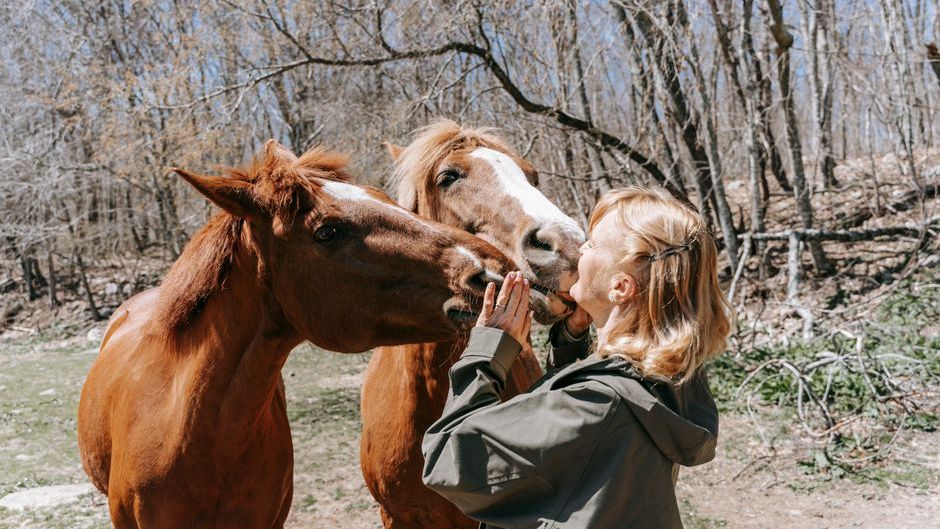
You probably think a horse forgets you the second you walk out of the barn. Most people do. It’s the same animal every day, a blank slate that just reacts to whatever’s in front of it, right?
Wrong – and the science behind it is stranger than most owners realize. Horses don’t just remember your face. They remember how you made them feel, and they carry that impression for months, sometimes years, quietly filing it away until the next time you show up.
#1 – Horses Actually Recognize Your Face From a Photo
Researchers at the University of Sussex and Portsmouth ran a deceptively simple test. They showed horses photographs of people the animals had met before, mixed in with photos of total strangers. No scent, no voice, no body language – just a flat image.
The horses lingered noticeably longer on the familiar faces. That single detail matters more than it sounds like it should, because it means horses are running actual facial recognition, not just responding to smell or sound cues like everyone assumed. It’s the kind of visual memory skill scientists used to think was mostly a primate thing.
#2 – Six Months Later, They Still Know You
Here’s where it gets uncomfortable for anyone who’s ghosted a horse for a while. In one experiment, horses viewed a photo of a person and then met that same person again half a year later – with zero contact in between.
They still reacted differently to that face compared to a stranger’s. Not vaguely, either – clear shifts in approach and avoidance behavior. So if you’ve ever wondered why a horse you haven’t seen since spring suddenly seems tense or oddly friendly in the fall, this is probably why. Owners who rotate through different handlers often chalk up inconsistent reactions to “mood.” It’s usually memory.
Fast Facts
- One study is literally titled research on female horses spontaneously identifying a photo of their keeper, last seen six months earlier
- Horses can recall conditioning experiences years after the original training happened
- Separate Sussex and Portsmouth research found horses also remember whether a specific person’s past expression was angry or happy – not just their face
- Given a typical horse lifespan of 25 to 30 years, researchers say there’s plenty of time to build a long mental catalog of the people who come and go
#3 – They Don’t Just Remember You – They Remember How You Made Them Feel
This is the part that should genuinely unsettle anyone who’s ever lost their temper around a horse. These animals don’t store a neutral snapshot of your face. They attach an emotional tag to it, based on what happened the last time you were in the same space.
In the studies, horses shown photos of people who’d previously acted angry toward them later showed real stress responses – elevated heart rate, that telltale left-eye stare – when they physically encountered those same people again. The anger from one bad afternoon doesn’t evaporate. It gets baked into how the horse reads you from that point forward.
#4 – The Left-Eye Stare That Means You’re Being Watched
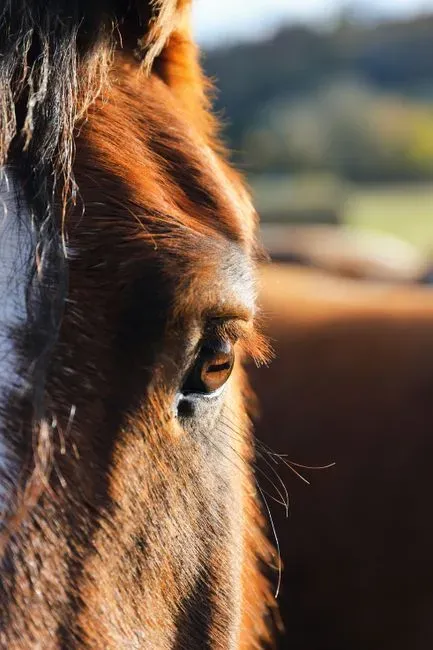
Pay attention next time a horse turns its head slightly to look at you with one eye instead of both. That’s not idle curiosity. It’s the animal’s right hemisphere kicking into threat-assessment mode.
In controlled tests, twenty out of twenty-eight horses consistently used their left eye specifically when viewing angry human expressions – not smiling ones. That’s a strong, repeatable pattern, not a fluke. It puts horses in the same lateralized-processing club as dogs, suggesting this sensitivity to human emotion isn’t something we trained into them. It’s something evolution already wired in.
Information from the left visual field enters the right brain hemisphere, which contains areas specialized for processing threatening events.
Amy Smith, University of Sussex
#5 – Cross a Horse Once, and It Never Fully Forgets
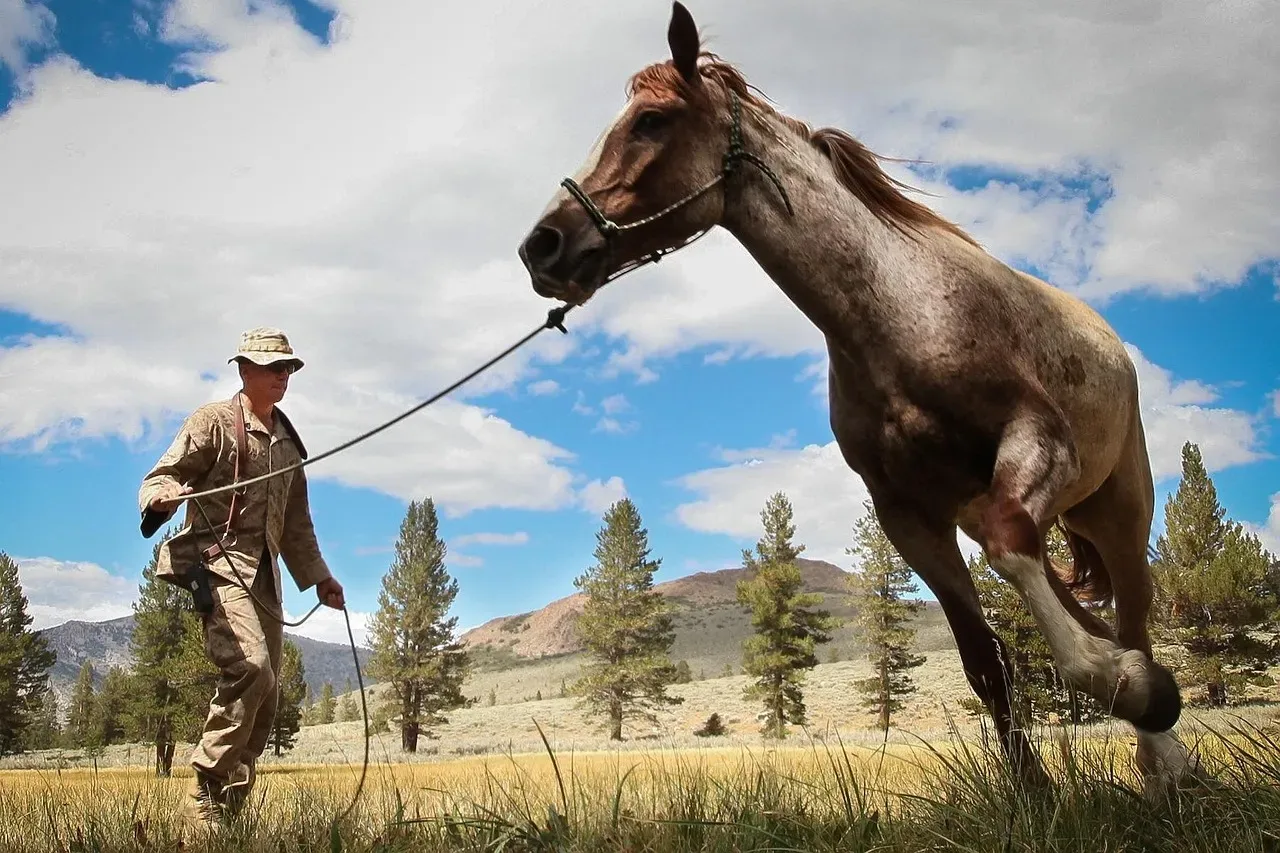
This is the grudge everyone’s been waiting to hear about, and it’s real in every practical sense. Horses that experienced harsh corrections or rough handling from a specific person go on to refuse cooperation with that same person later – while behaving completely normally with everyone else.
Scientists are careful to frame this as a survival mechanism rather than spite, and that distinction matters biologically. But if you’re the handler standing in the aisle getting the cold shoulder, the difference is meaningless. It looks, feels, and functions exactly like a grudge. And it doesn’t fade just because you’ve changed your approach – the horse already made up its mind.
#6 – Even Your Smell Gets Filed Away
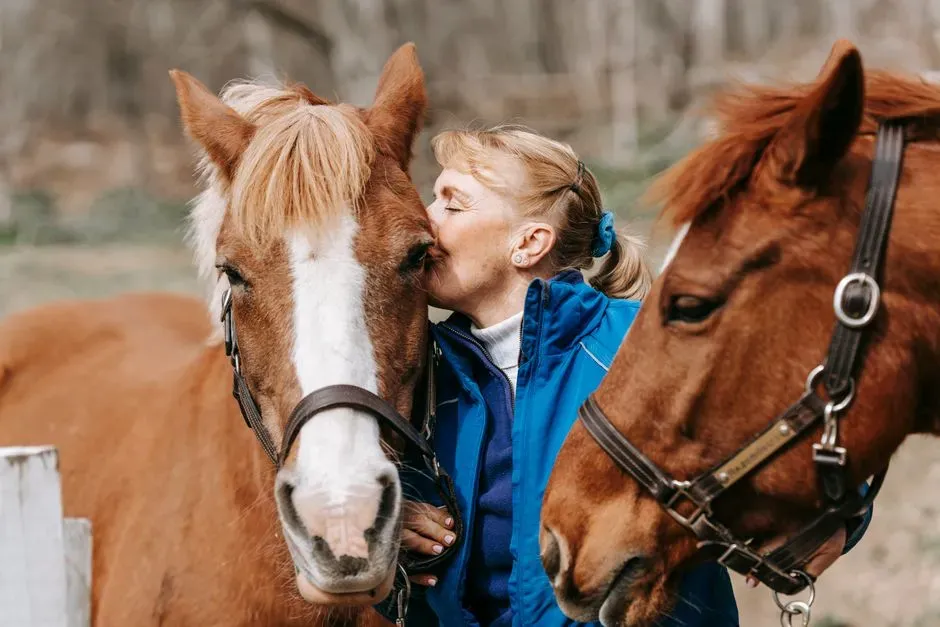
Faces aren’t the only thing horses are cataloging. Once a face is linked to a person, horses start cross-referencing that identity with scent and voice, building a layered, redundant memory system that’s much harder to fool or erase.
Studies show horses will still respond to a familiar person through smell alone, even with visual cues stripped away – especially when the original interaction was emotionally intense. Change your perfume, change your tone of voice, doesn’t matter. If the underlying association is strong enough, some horses will still recognize you years after being sold or rehomed, for better or worse.
#7 – Why Some Horses Just Won’t Work With Certain People
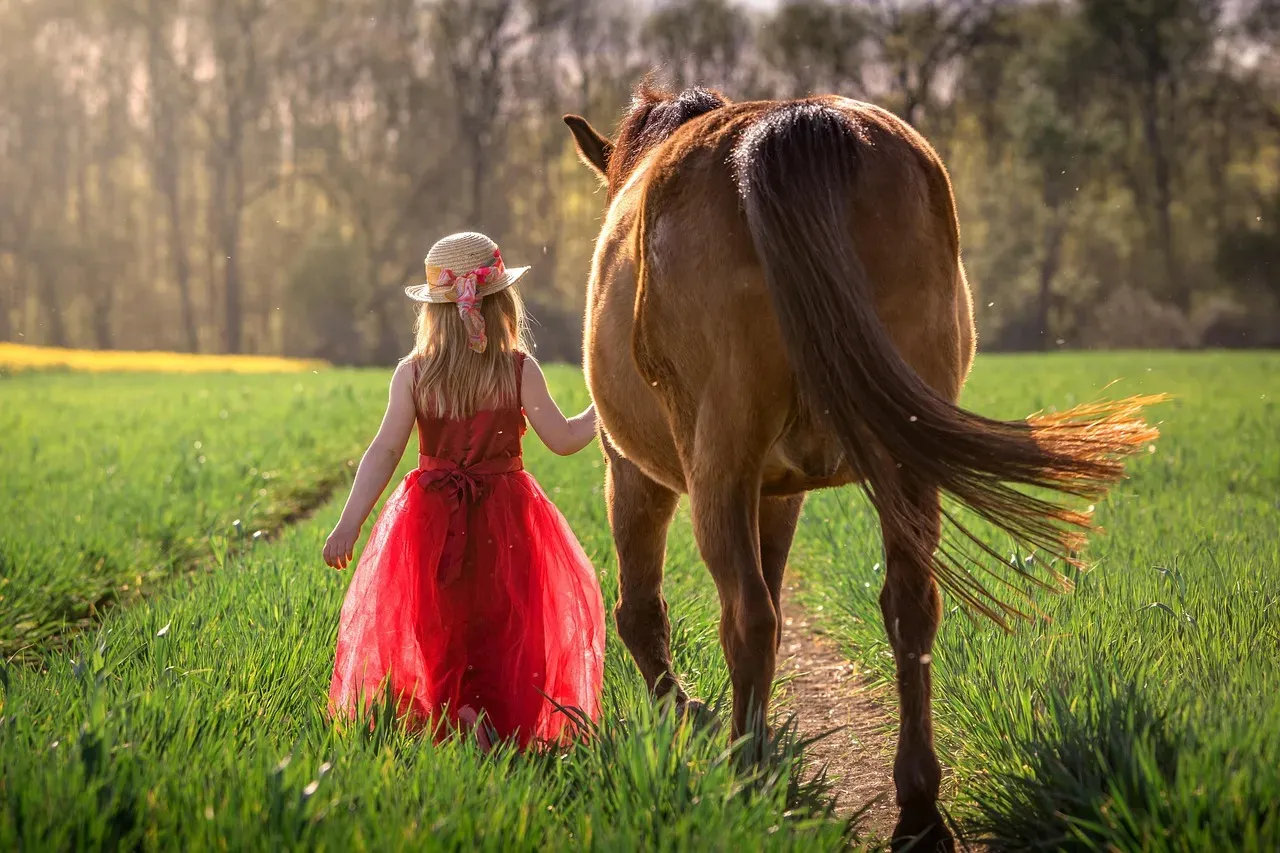
Once you accept that horses are tracking individual histories with specific humans, a lot of “stubborn” behavior in the barn starts looking a lot more logical. Horses that went through inconsistent or punitive training often need an entirely different handler to make real progress – the original person may simply never get full trust back.
This isn’t the animal being difficult for the sake of it. It’s calculated memory retrieval playing out in real time. Facilities that shuffle staff around without tracking these histories end up recreating the same friction over and over. The smarter operations now actually log which horses have baggage with which people, treating it less like folklore and more like a training variable.
#8 – Dogs Do This Too – But Horses Take It Further
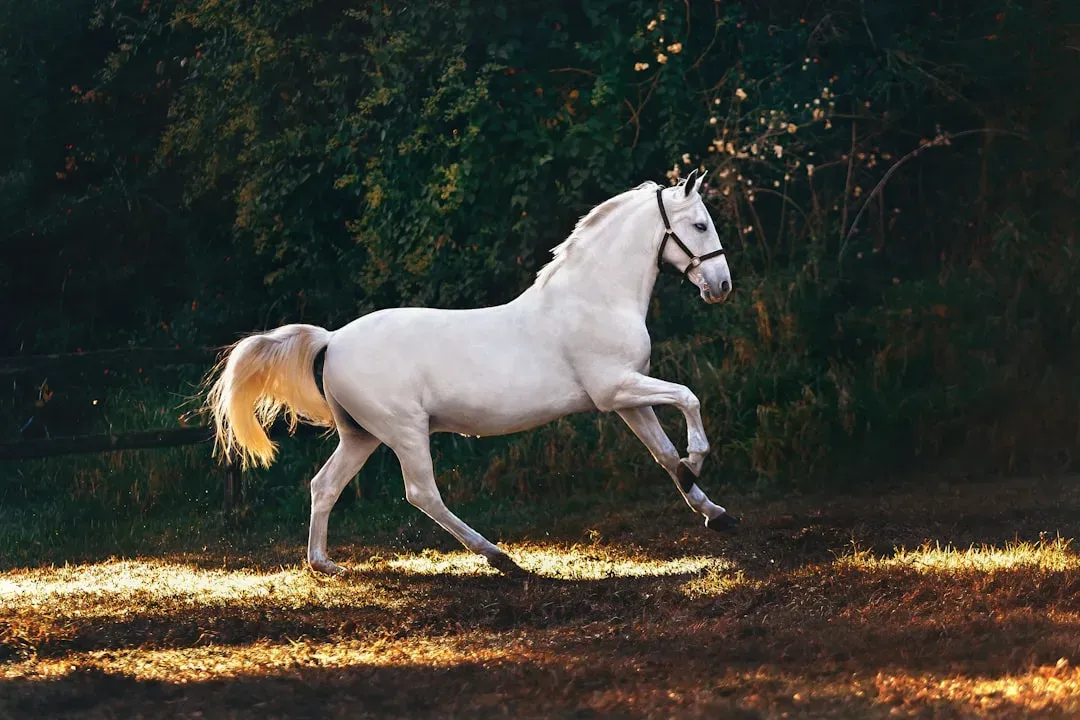
Horses aren’t alone in this. Dogs show the same left-gaze bias toward angry human faces, and researchers see clear overlap in how both species read our expressions for danger signals.
What’s different is how visibly horses let it show up in cooperation and movement. A dog might just tense up. A thousand-pound horse might flatly refuse to load into a trailer, pick up a lead, or approach a mounting block – for one person and one person only. The parallel with dogs actually makes the whole phenomenon feel less mystical. Domestication seems to have wired large mammals broadly to read us closely, not just horses specifically.
Quick Compare: Dogs vs. Horses
- Shared trait: Both species show a left-gaze bias when studying an angry human face
- Dog reaction: Usually subtle – tensing, ear changes, quiet avoidance
- Horse reaction: Can be dramatic – balking at a mounting block, refusing a lead, planting all four feet
- Why it stands out: Sheer size and strength give horses far more leverage to enforce a memory-driven “no”
#9 – Once Owners Learn This, They Never Handle Horses the Same Way Again
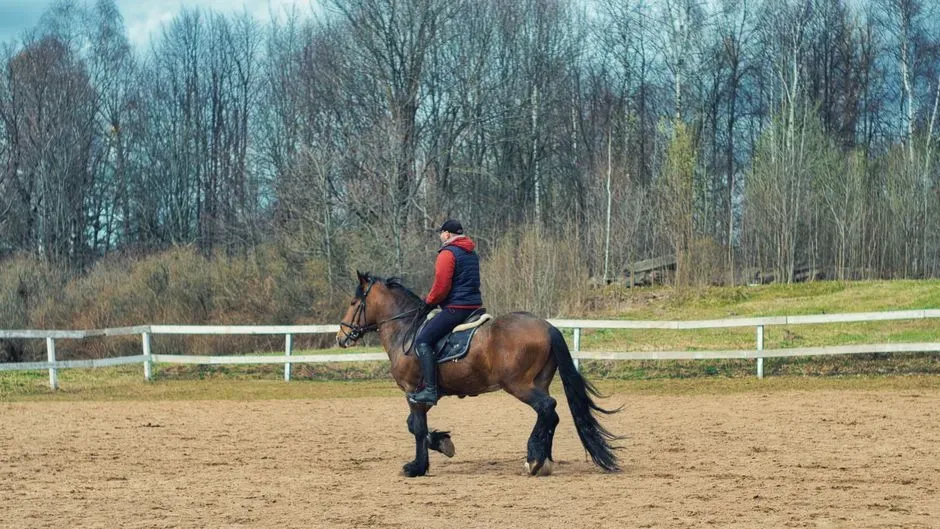
There’s a noticeable shift in people once they actually absorb these findings. Riders who used to treat one bad session as a throwaway moment start being far more deliberate about tone and consistency, because they now understand that single frustrated afternoon could shape the next several months.
Horses do not forgive and forget the way casual observers like to believe. Some owners now avoid working certain horses altogether after a rough patch, bringing in a neutral third party to rebuild the relationship instead. It cuts both ways, though – the same durable memory that punishes bad behavior also rewards steady, patient handling with real, lasting trust.
#10 – What Science Still Doesn’t Know
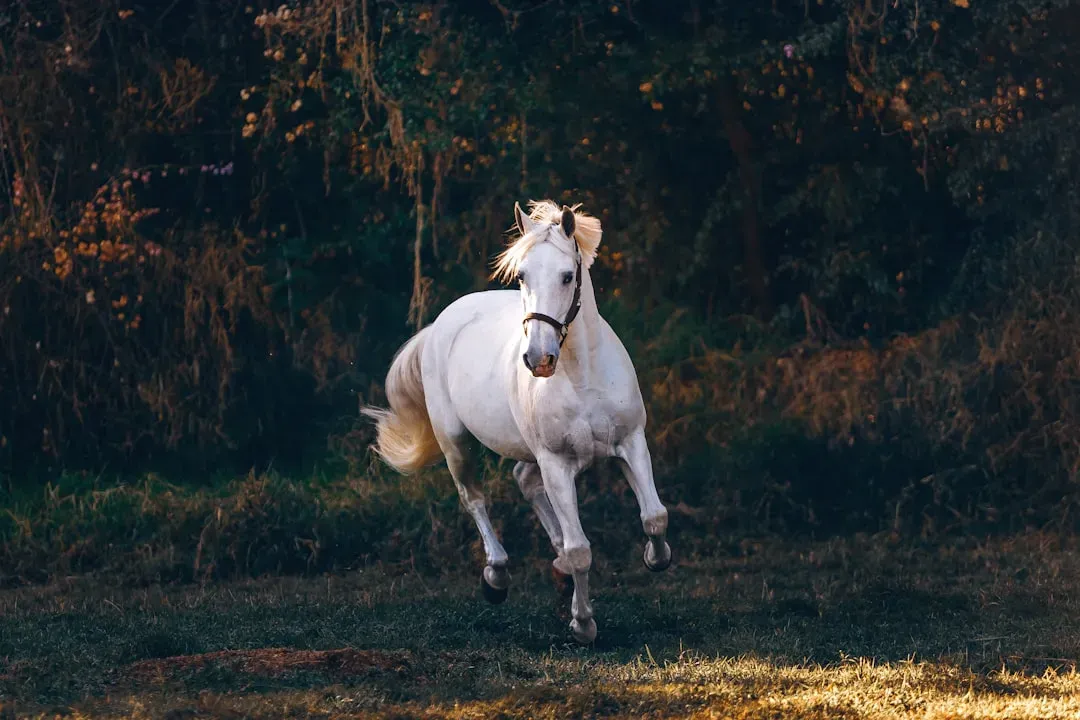
Before this turns into legend, it’s worth being honest about the boundaries of the research. The strongest data confirm recognition holding up to about six months, and emotional carryover within days or weeks. Nobody has run a controlled study tracking the same horse for multiple years under identical conditions.
So those stories about a horse holding a grudge for a decade? Probably true in spirit, but backed by owner observation rather than lab measurement – at least for now. What’s not in question is the core finding: horses hold onto faces and feelings far longer than anyone gave them credit for. Until longer studies catch up, the smart move is treating every single interaction like it’s going in the horse’s permanent file. Because it probably is.
At a Glance: Proven vs. Still Folklore
- Proven: Horses recognize familiar human faces in photographs and react differently to strangers
- Proven: Emotional carryover from a single angry expression can last hours, and separate research points to recognition holding for months
- Still unproven: No controlled study has tracked one horse’s memory of one specific person across multiple years
- Folklore, for now: Decade-long grudges are widely reported by owners but haven’t been confirmed under lab conditions
The Bottom Line
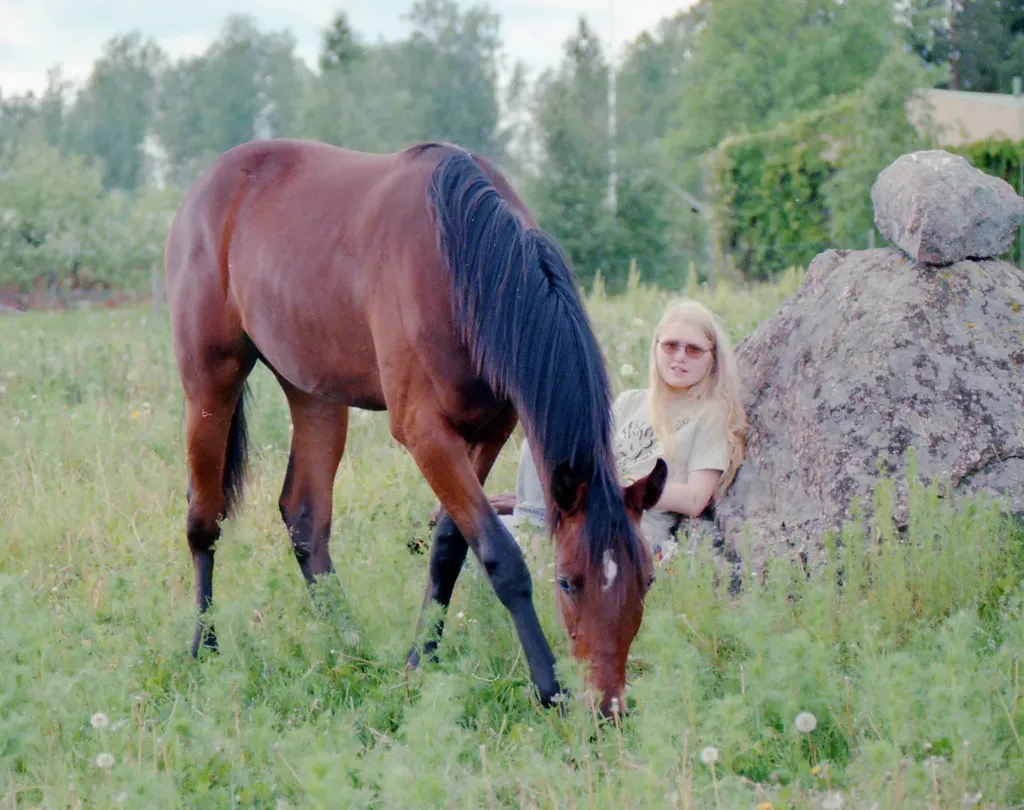
Here’s my honest take after digging through all of this: the “horses have short memories” myth needed to die a long time ago, and this research finally kills it. These animals are quietly building emotional dossiers on every person who walks into their space, and pretending otherwise is how bad handlers keep making the same mistakes with the same horses, year after year.
The uncomfortable truth is that a horse’s trust isn’t a blank slate you get to reset whenever it’s convenient for you. It’s earned, tracked, and remembered – sometimes for far longer than you’d like. Did your horse ever freeze up, or light up, around one specific person years after the fact? That memory wasn’t a coincidence. Drop your story in the comments.

- How a 1993 Theme Park Movie Is Still Doing More Damage to Dinosaur Science Than Any Meteor - August 16, 2026
- Psychology Says People Who Prefer Animals Over Humans Often Value Trust and Predictability - August 16, 2026
- 12 Heartbreaking Facts About Hummingbirds Most People Will Never Notice - August 16, 2026