

Picture the average American backyard in 1983. A dog chained to a stake, or roaming three blocks over, flea-bitten and happy, eating whatever fell off the dinner table. If that sounds like neglect by today’s standards, that’s because it basically was – and almost nobody blinked.
We didn’t call it neglect back then. We called it Tuesday. From cigarette smoke curling around a napping Labrador to entire neighborhoods raising loose dog packs together, the 1980s ran on instinct and shortcuts that would make a modern vet wince. Some of these habits sound almost sweet in hindsight. Others are the kind of thing that gets animal control called on you now. Here’s the full countdown, from mildly outdated to genuinely alarming.
#31 – Letting Dogs Roam the Neighborhood Freely

In most towns, letting the dog out in the morning meant something very different than it does now – it meant the dog left. For hours, sometimes for the whole day, wandering blocks or open fields and sniffing out trouble with the other neighborhood dogs before trotting home for dinner like nothing happened.
Leash laws existed here and there, but nobody was checking. Kids grew up around loose dog packs the way you’d grow up around stray cats – familiar, mostly harmless, occasionally chaotic. The tradeoff was real: fights, car strikes, and dogs that simply never came home again while owners just hoped for the best.
#30 – Skipping Any Form of Permanent ID
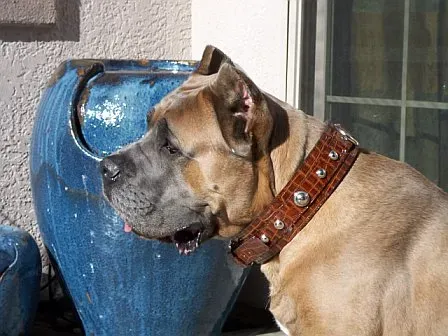
A collar and a tag were the entire identification system, and both fell off constantly – caught on fences, lost in creeks, chewed loose during a wrestling match with another dog. Microchips barely existed yet, and the few that did were an expensive novelty most vets didn’t even mention.
So when a dog got loose and the collar came off, it basically vanished into a system with no way to trace it back. Shelters ran as high-volume pounds, not reunion centers, and thousands of family dogs each year simply never made it home – not because nobody looked, but because there was nothing left to look with.
Fast Facts
- Pet microchip technology was used as early as 1983 for tracking fish migrations before it ever reached household pets.
- A U.S. manufacturer filed a patent for a pet microchip system in 1985, but it stayed a rare, pricey extra rather than a standard practice.
- Commercial pet microchipping didn’t really become available in the U.S. until the early 1990s – too late for most 1980s dogs.
- Throughout the decade, a jingling tag on a slip-off collar was, for almost every dog in America, the entire safety net.
#29 – Accepting Fleas as a Normal Part of Life

Nearly every dog in America was walking around with fleas, and nearly every owner treated it as background noise rather than an emergency. Monthly preventives didn’t exist. Flea collars smelled awful and barely worked, so people just lived with the itching.
Picking fleas off the family dog during TV time was practically a bonding ritual, not a cause for alarm. In the worst cases, heavy infestations caused anemia in puppies – a real medical risk that still didn’t change how casually most households treated the problem.
#28 – Rarely Spaying or Neutering Pets

Most dogs stayed intact for life, because “fixing” a pet wasn’t yet the automatic advice it is now. Litters happened constantly, sometimes on purpose, often by accident, and puppies frequently got given away in cardboard boxes outside the grocery store.
The dark side of that casualness was brutal: shelter euthanasia rates ran far higher than today, largely fueled by the uncontrolled breeding nobody thought to prevent. Spaying was seen as an unnecessary expense rather than basic responsibility, a mindset that cost a lot of animals their lives.
#27 – Feeding Dogs Straight Table Scraps

Dinner leftovers were dog food. Bacon fat, chicken bones, gravy-soaked bread – whatever didn’t get eaten went straight into the bowl, with commercial kibble often just a backup plan rather than the main event.
Nobody was thinking about sodium, fat content, or long-term dental damage. Digestive upset and rotting teeth were common but treated as just part of owning a dog, not a warning sign that anything needed to change.
#26 – Keeping Dogs Outside Year-Round
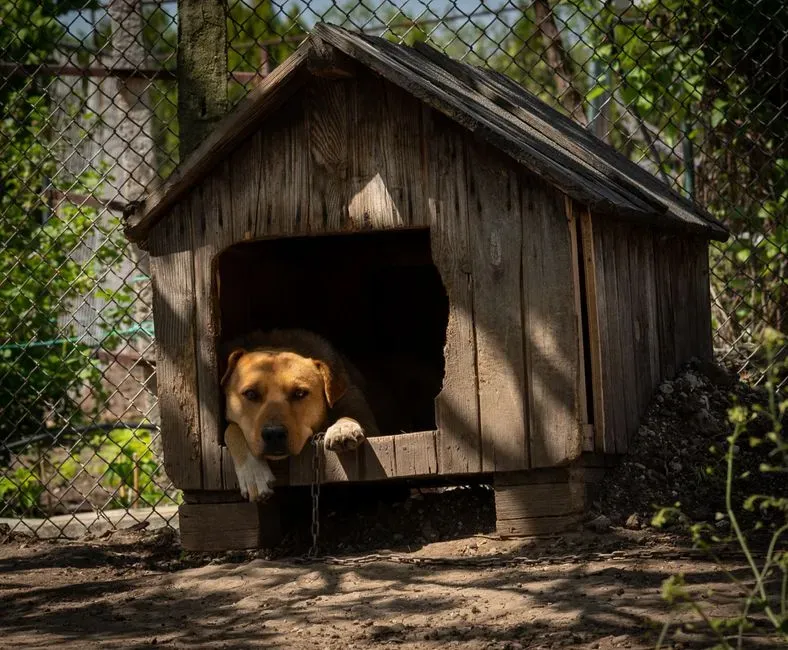
Backyard dogs stayed backyard dogs no matter the season. A doghouse and maybe some straw counted as adequate shelter, even through freezing winters and brutal summer heat.
Bringing a dog inside overnight felt almost indulgent, reserved for tiny breeds or show dogs that “counted” as more delicate. Most working-class families never even considered it – the dog lived outside because that’s simply where dogs lived.
#25 – Smoking Cigarettes Around Dogs

Secondhand smoke filled almost every living room, car, and kitchen, and dogs curled up right in the middle of it without anyone thinking twice. Ashtrays sat at nose height. Car windows stayed cracked at best while a cigarette burned inches from the dog’s face.
Nobody connected the dots between chronic smoke exposure and canine respiratory problems, because almost nobody was looking for the connection. The consequences were quietly building for years before anyone noticed a pattern.
#24 – Never Cleaning a Dog’s Teeth
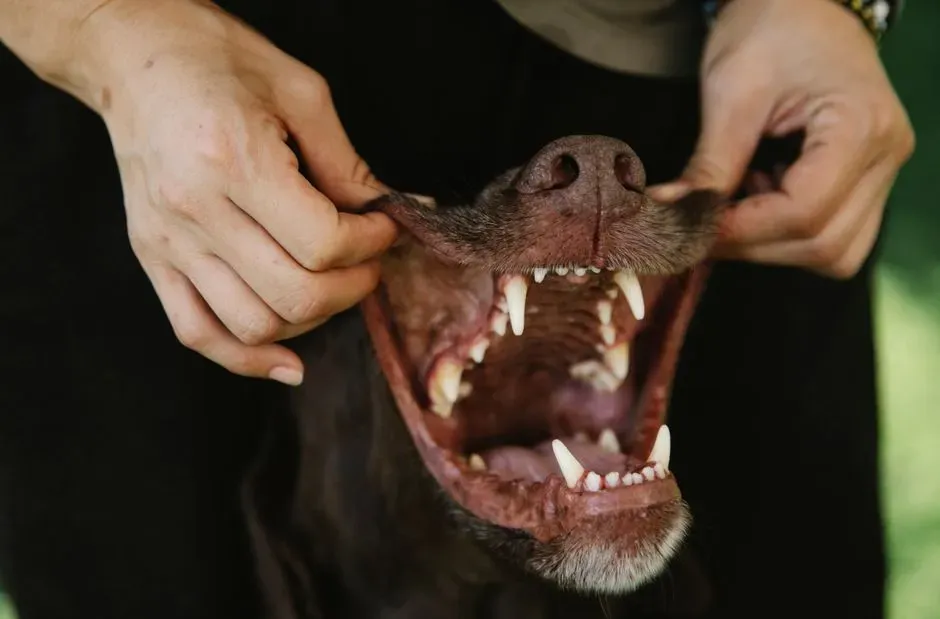
The idea of brushing a dog’s teeth would have gotten you laughed out of most neighborhoods. Dental care for pets essentially didn’t exist – no cleanings, no chews designed for tartar, nothing.
Bad breath and yellowing teeth were just “how dogs are.” By the time real pain showed up – infections, tooth loss, abscesses – most owners reached for a home remedy or simply accepted it, the same way they might for themselves.
#23 – Buying the Cheapest Dry Food Available

Grocery store kibble in the biggest bag for the lowest price was the default, full stop. Premium or breed-specific formulas barely existed, and reading an ingredient label wasn’t something most people even thought to do.
Dull coats, soft stools, and low energy got treated as personality traits rather than diet problems. A dog could eat the same bag of generic kibble its entire life and nobody would question it.
#22 – Ignoring Dog Waste on Sidewalks
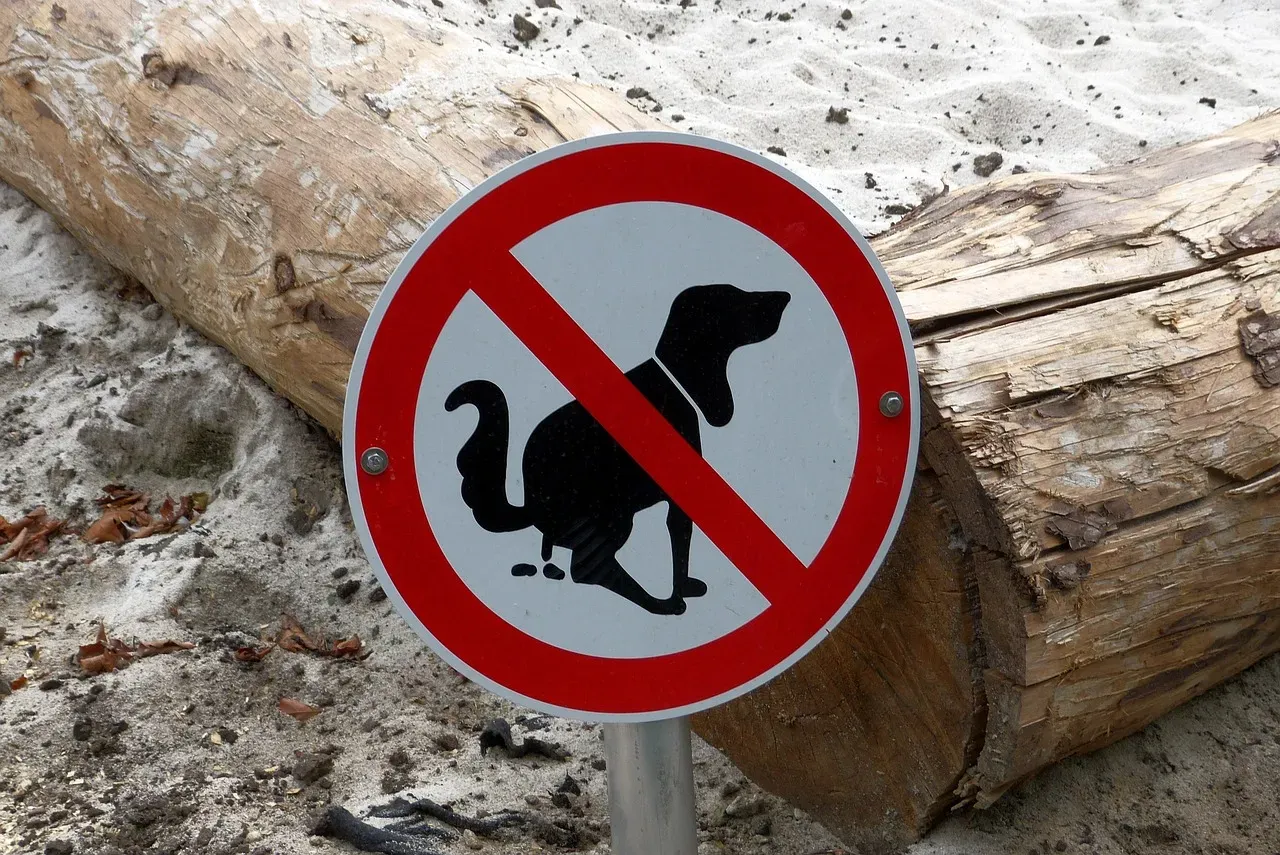
Poop-scoop laws either didn’t exist yet or existed on paper only. Owners let dogs go wherever, whenever, and walked away without a second thought.
Parks and sidewalks in the summer had a smell everyone just tolerated. Kids played in yards and lots that hadn’t been cleaned in weeks, because nobody had made the connection yet between waste and actual health risk.
#21 – Letting Dogs Chase Cars and Bikes
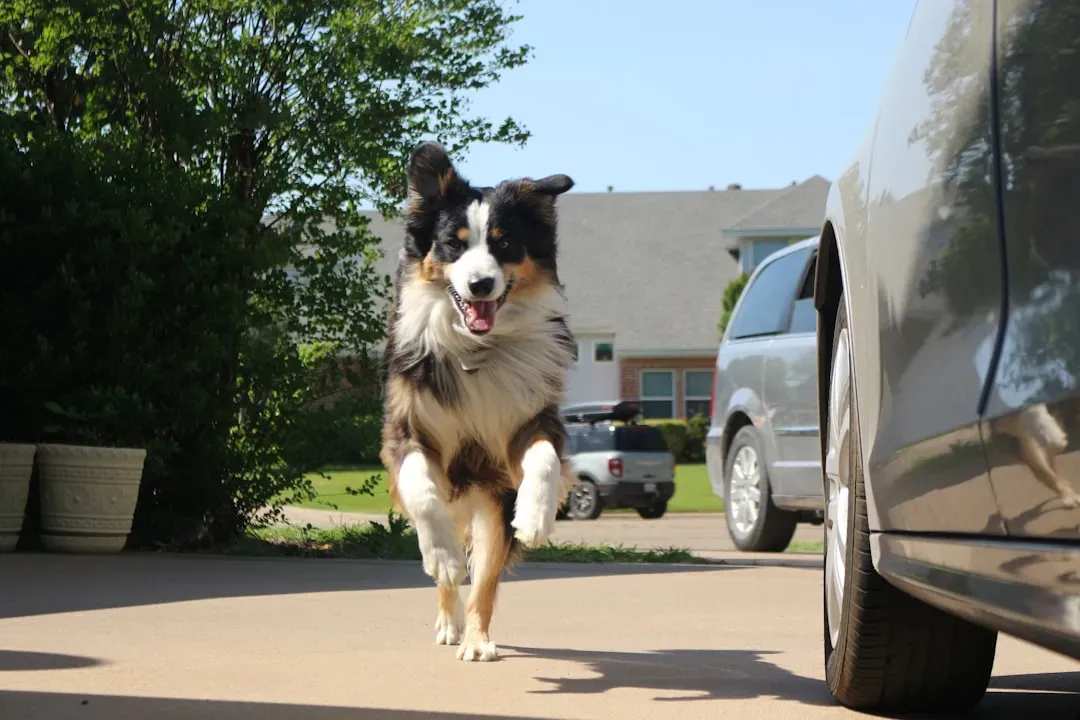
A dog bolting after a passing car or a kid’s bike was considered entertaining, not terrifying. Owners genuinely believed it was harmless energy release, something dogs just naturally did.
The injuries – broken legs, worse – happened often enough that everyone knew a dog it had happened to. And yet it rarely changed anyone’s behavior, because the habit felt too normal to take seriously as a real danger.
#20 – Skipping Heartworm Prevention

Monthly heartworm pills weren’t yet a fixture of pet ownership, and plenty of dogs contracted the disease without their owners ever realizing what was wrong. Vets mentioned it less because the tools to prevent it were still catching up.
When treatment was available, it was expensive and risky in its own right, which meant families sometimes chose to do nothing at all. Prevention simply wasn’t part of the conversation the way it is now.
#19 – Allowing Rough Play With Children

Kids climbed on dogs, pulled their ears, rode them like ponies, and nobody stepped in unless blood was drawn. The thinking was that dogs should “toughen up” alongside the kids, and bites got waved off as one-time accidents.
Years of unchecked rough handling left plenty of family dogs fearful or defensive, and nobody connected the dots back to the wrestling matches that caused it. By modern standards, most of this would get flagged as a serious safety issue on day one.
#18 – Accepting High Shelter Kill Rates
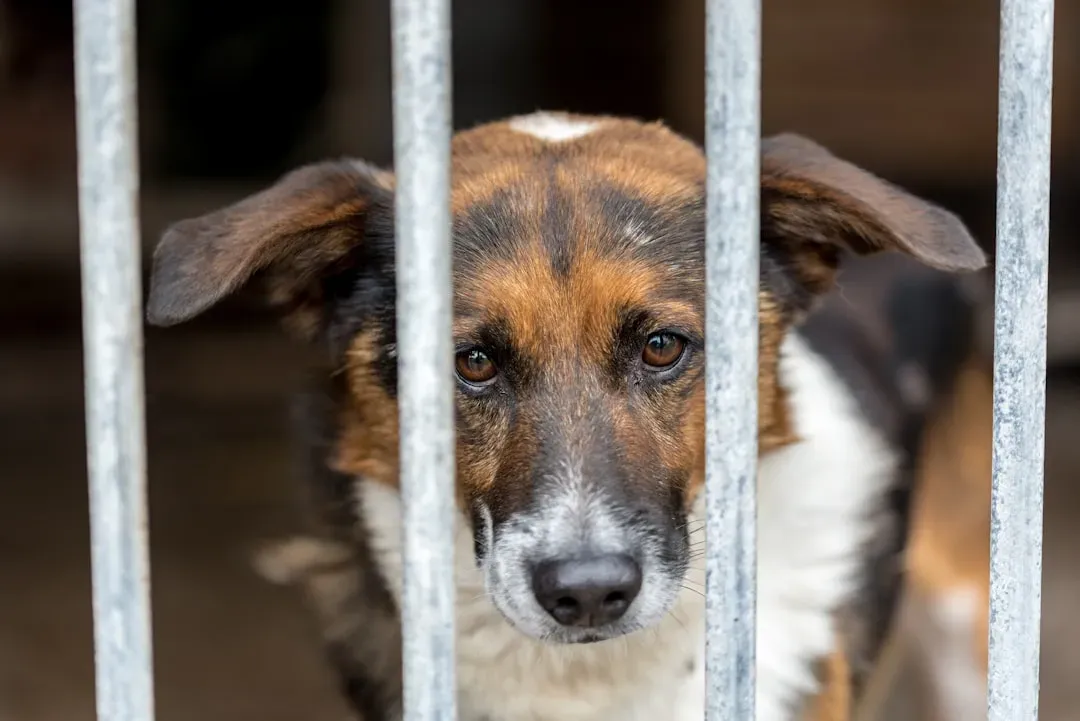
“Dog pounds,” as they were bluntly called, euthanized the overwhelming majority of animals that came through their doors, and almost nobody questioned it publicly. Space and funding were thin, and surrendering a dog for something as small as a chewed couch was common.
There simply wasn’t an alternative system yet – no robust rescue networks, no foster pipelines, no adoption events at the local pet store. The system felt permanent and unchangeable, right up until it wasn’t.
At a Glance
- In 1973, the Humane Society of the U.S. estimated that about 13.5 million dogs and cats were euthanized in American shelters that year alone.
- By the mid-1980s, that grim number had only dropped to somewhere between 7.6 and 10 million animals a year.
- Today, U.S. shelters euthanize an estimated three to four million animals annually – a fraction of the 1970s peak.
- Shelter euthanasia rates have fallen by more than 90 percent since that era, even as the overall pet dog population has doubled.
#17 – Relying on Old-School Training Methods
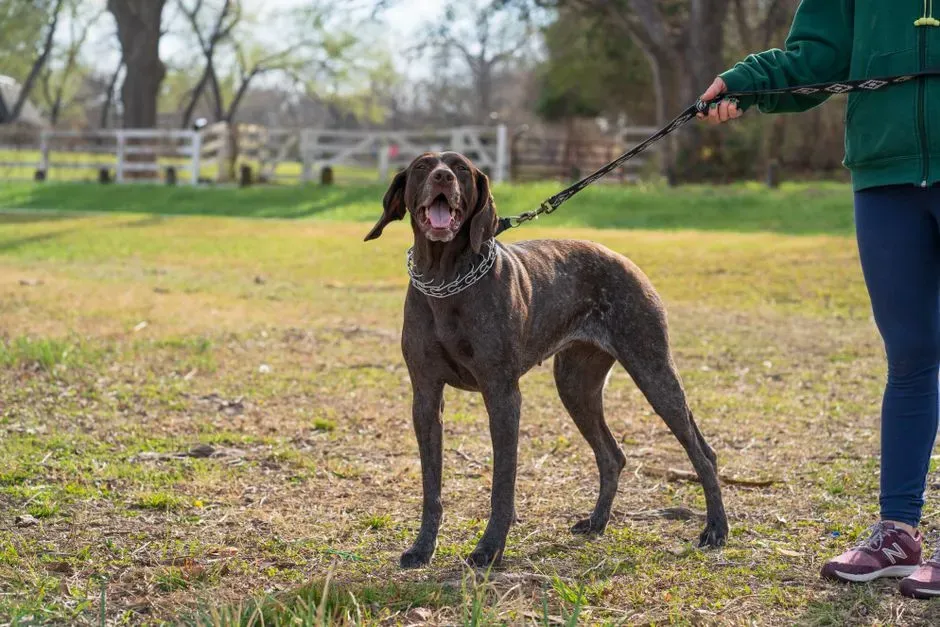
Choke chains and sharp corrections were the default toolkit, and “dominance” was the word trainers used instead of communication. Positive reinforcement existed in theory but hadn’t reached the average household yet.
Dogs learned to suppress behavior rather than understand it, which isn’t the same thing as actually feeling calm or confident. It took decades of research before science-based training replaced the old assumptions almost entirely.
#16 – Using Only Removable Collars for ID
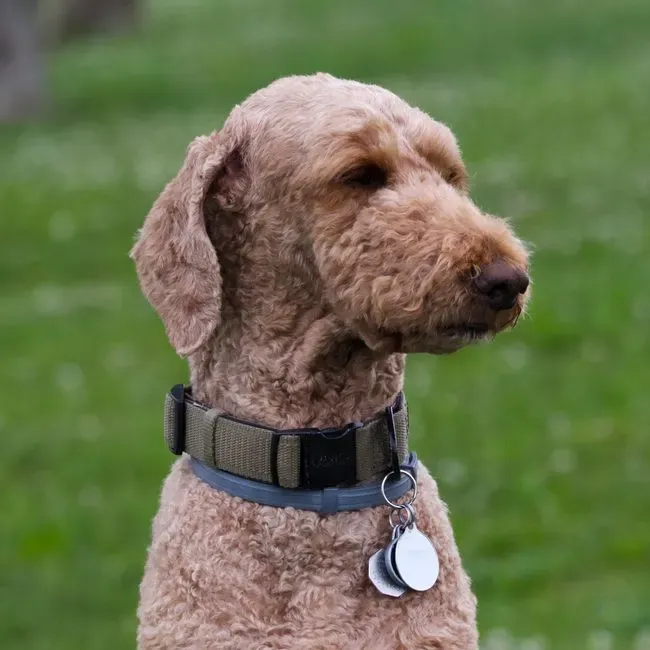
A jingling tag on a cheap collar was the entire safety net, and it slipped off constantly – during swims, through fences, in the middle of a scuffle with another dog. There was no real backup.
Owners genuinely accepted that if the collar came off, the dog was probably gone for good. Better identification technology was coming, but it arrived a few years too late for a lot of 1980s pets.
#15 – Riding in Open Truck Beds
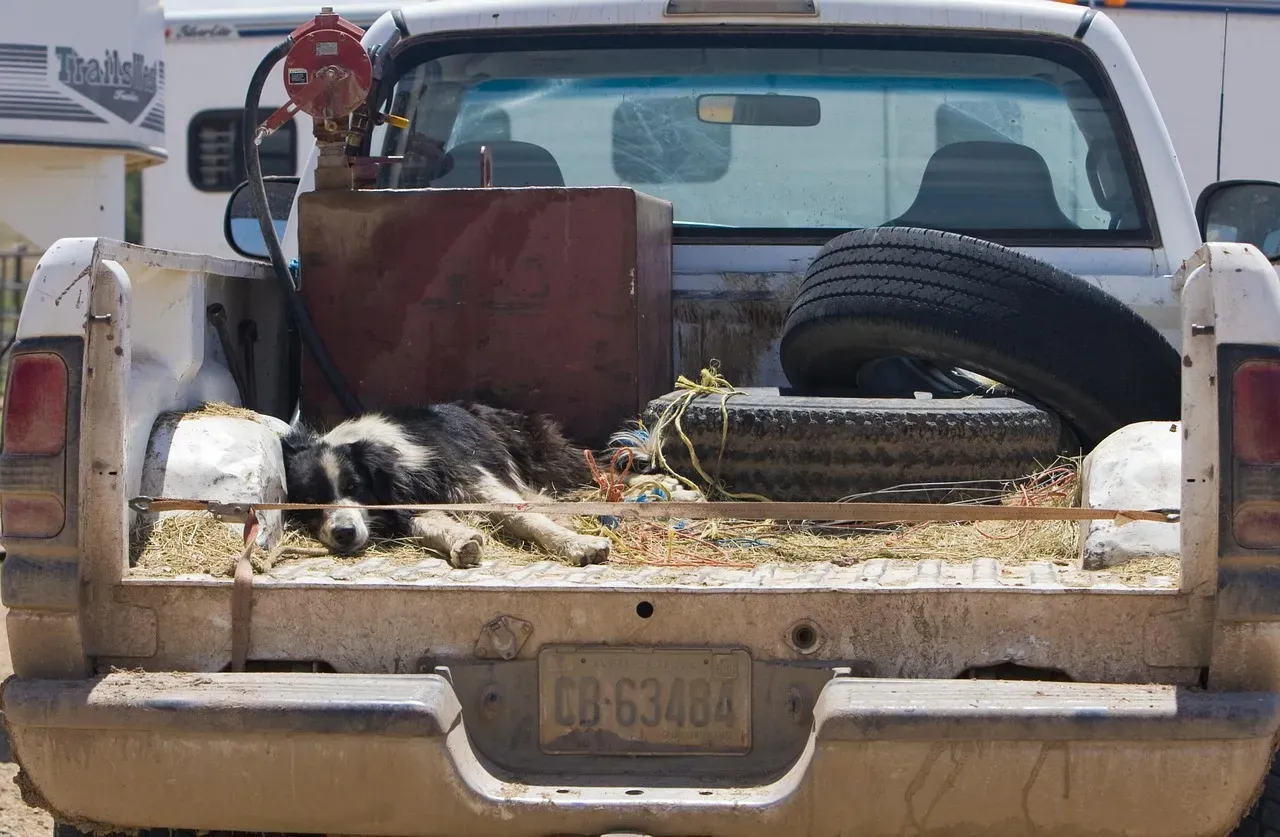
Dogs rode loose in the back of pickup trucks on highways, wind whipping through their fur, with zero restraints and zero concern. It was seen as normal transportation, even a point of pride for a “working dog.”
Sudden stops, flying debris, and outright falls claimed more dogs than anyone likes to admit. It took years of public pressure and changing laws before this practice started disappearing from American roads.
#14 – Shopping Only at Grocery Stores for Supplies

Specialty pet stores were mostly a big-city thing. For most families, dog toys, beds, and treats came from the same few aisles as human groceries, and selection stayed slim.
Nobody was spending real money on accessories – a rope toy and a bag of kibble covered most of it. The explosion of pet boutiques, designer beds, and gourmet treats was still years away.
#13 – Occasionally Feeding Raw Meat Scraps

Local butchers handed out bones and trimmings for free, and plenty of that went straight to the family dog. Owners figured it was natural and probably even good for keeping teeth clean.
Nobody was thinking about bacterial risk or nutritional balance – it was a casual habit, not a deliberate diet plan. Raw feeding as an actual movement with rules and research came decades later.
#12 – Following Minimal Vaccine Schedules

Puppy shots often marked the beginning and end of a dog’s vaccine history. Boosters and titers weren’t yet standard practice, and annual vet visits weren’t the default they are now.
Rabies laws varied wildly depending on where you lived, and preventable outbreaks still popped up because follow-up care simply lagged behind. Vets weren’t pushing it the way they do today, and owners weren’t asking.
#11 – Tolerating Constant Barking

A dog barking for hours next door barely registered as a problem worth mentioning. Noise ordinances existed on the books but enforcement was inconsistent at best.
“That’s just what dogs do” covered a lot of ground back then. Nobody was training for quiet, and nobody was calling the city about it either – tolerance for canine noise was simply higher across the board.
#10 – Skipping Crate Training Entirely
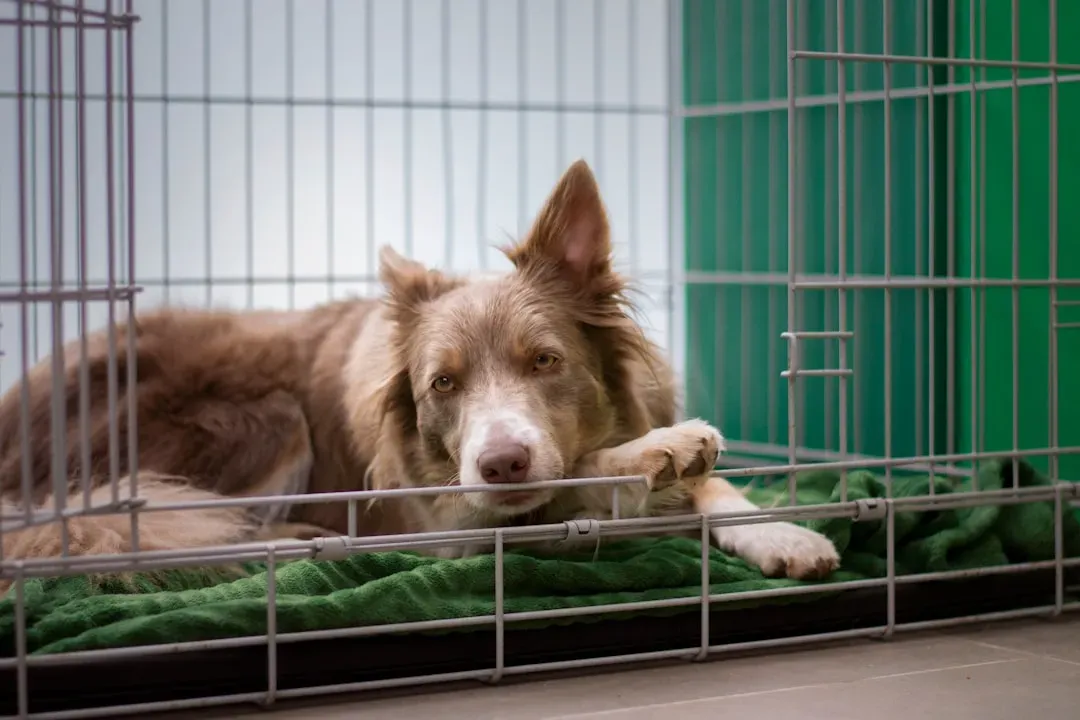
Crates had a reputation as cruel cages rather than safe dens, so most owners skipped them entirely. Dogs either had free run of the house or got locked outside when nobody was home.
Chewed furniture and carpet accidents were the price of that freedom, and owners mostly just cleaned up and moved on. The now-common idea of a crate as a comforting den took a long time to catch on with the average household.
#9 – Letting Dogs Lick Faces and Mouths

A dog licking a kid right on the mouth was affection, plain and simple, and nobody flinched. It was encouraged, even, as proof the dog loved you.
Bacterial transfer wasn’t part of the conversation yet, so wet kisses went completely unquestioned at the dinner table, on the couch, wherever. The hygiene guidelines that exist now simply hadn’t been written.
#8 – Driving With Dogs Loose in Cars

Dogs rode on laps, hung halfway out the window, or bounced around the front seat with zero restraint. Nobody made crates or seatbelts for dogs because nobody was asking for them.
A sudden stop turned an unrestrained dog into a projectile, and it happened more often than people admitted. Plenty of pets were lost in accidents that a simple harness could have prevented, but the safety conversation hadn’t started yet.
Quick Compare
- Then: Dogs rode on laps, half out the window, or loose in the flatbed with zero restraint.
- Then: A hard brake meant an unrestrained dog became a projectile with nowhere to go.
- Now: Crash-tested harnesses, travel crates, and back-seat barriers are standard vet advice.
- Now: A secured dog is treated as non-negotiable, the same way seatbelts are for kids.
#7 – Giving Dogs Real Bones to Chew
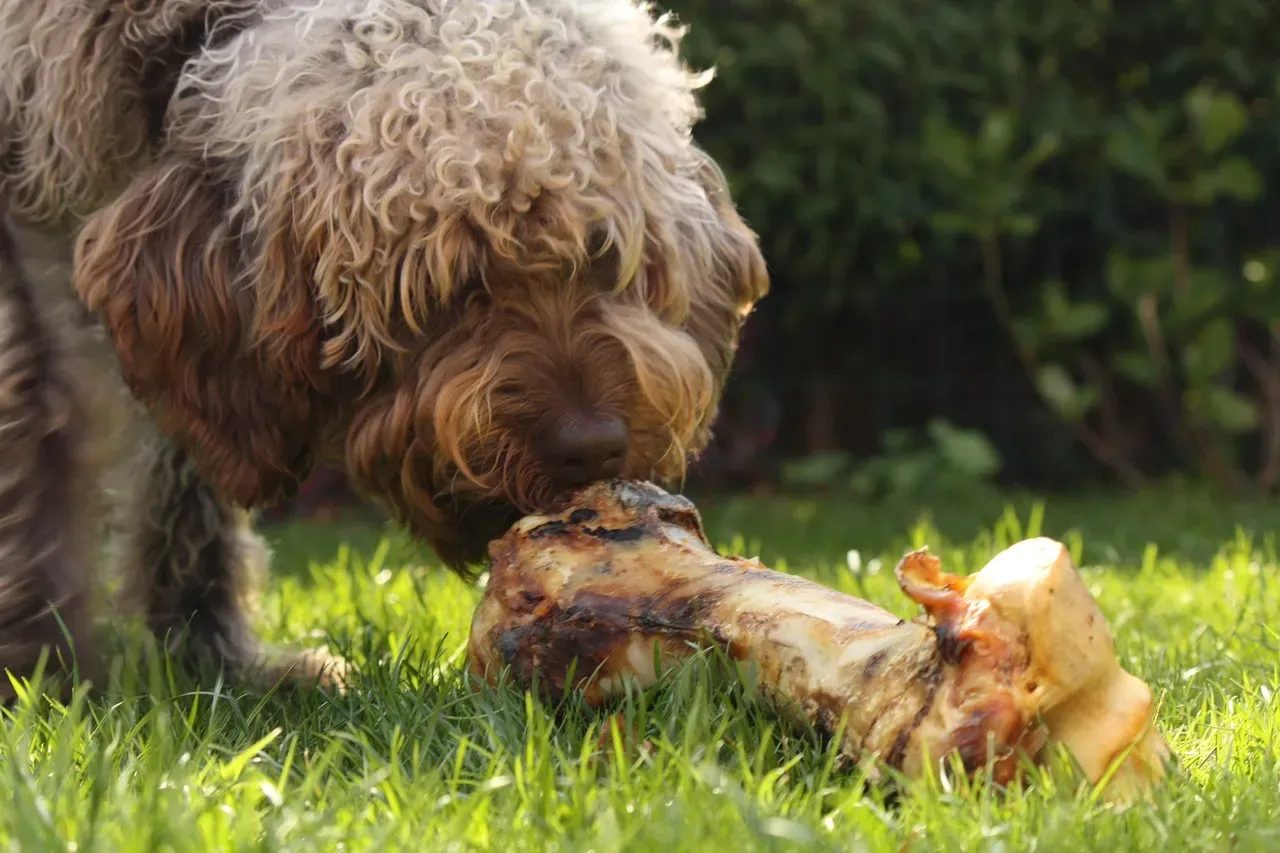
Cooked bones from Sunday dinner went straight into the dog bowl as a treat, not a hazard. Owners figured it satisfied some natural chewing instinct and called it good.
Splinters, blockages, and emergency vet visits happened more than most people liked to discuss, and it still rarely stopped anyone from doing it again the following week. Safer chew alternatives designed specifically to avoid these risks came along much later.
#6 – Walking Dogs Off-Leash in Public Parks
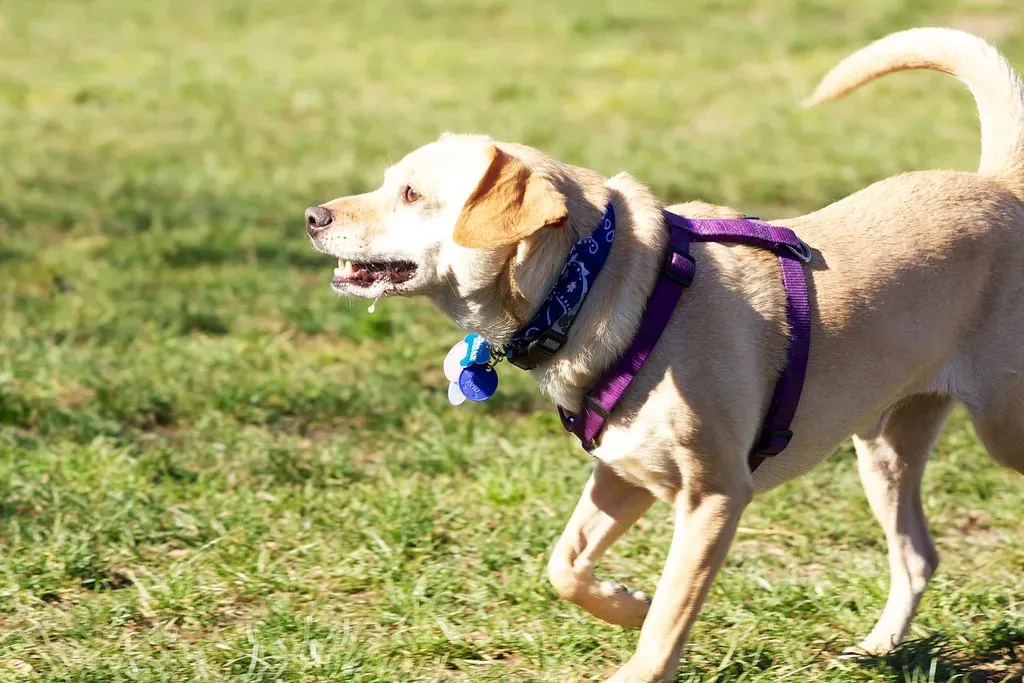
Plenty of parks either had no leash rules or nobody enforced the ones on the books. Dogs ran loose, met strangers and other dogs freely, and owners mostly just watched from a bench.
Fights broke out, dogs wandered off, and it was accepted as the cost of that freedom. Liability concerns and tighter leash laws eventually changed the culture, but in the ’80s, off-leash felt like the default, not the exception.
#5 – Dismissing Early Signs of Aggression

A growl or a stiff posture got waved off as “just playing,” even when it clearly wasn’t. Professional behaviorists barely existed as a resource most families even knew about.
Bites sometimes blindsided families who’d ignored every warning sign leading up to it. It took the rise of certified trainers and behaviorists to teach people that a growl is information, not an overreaction.
Worth Knowing
- A stiff body, a hard stare, or a low growl are early warning signs, not “attitude.”
- Lip licking, yawning, and turning away can signal stress long before a bite ever happens.
- Modern trainers call growling “information” – a signal to back off, not a behavior to punish.
- Certified behaviorists now exist specifically to read these cues before a situation escalates.
#4 – Leaving Dogs Alone for Long Workdays

Eight or ten hours alone, every single weekday, was simply the deal a dog signed up for. Separation anxiety wasn’t recognized as a real condition worth addressing.
Dogs either adjusted or developed destructive habits, and owners rarely connected the chewed doorframe to loneliness rather than “bad behavior.” Daycare, dog walkers, and enrichment toys as we know them today simply didn’t exist yet.
#3 – Using Newspaper for Housebreaking

A rolled-up newspaper was the go-to training tool, both as a floor covering and, uncomfortably often, as a correction tool for accidents. Positive reinforcement wasn’t part of the standard playbook.
Scolding replaced actual management, which meant plenty of dogs never fully learned reliable house manners. The shift toward reward-based, consistency-driven training took years to become the norm it is now.
#2 – Treating Dogs as Outdoor Working Animals First
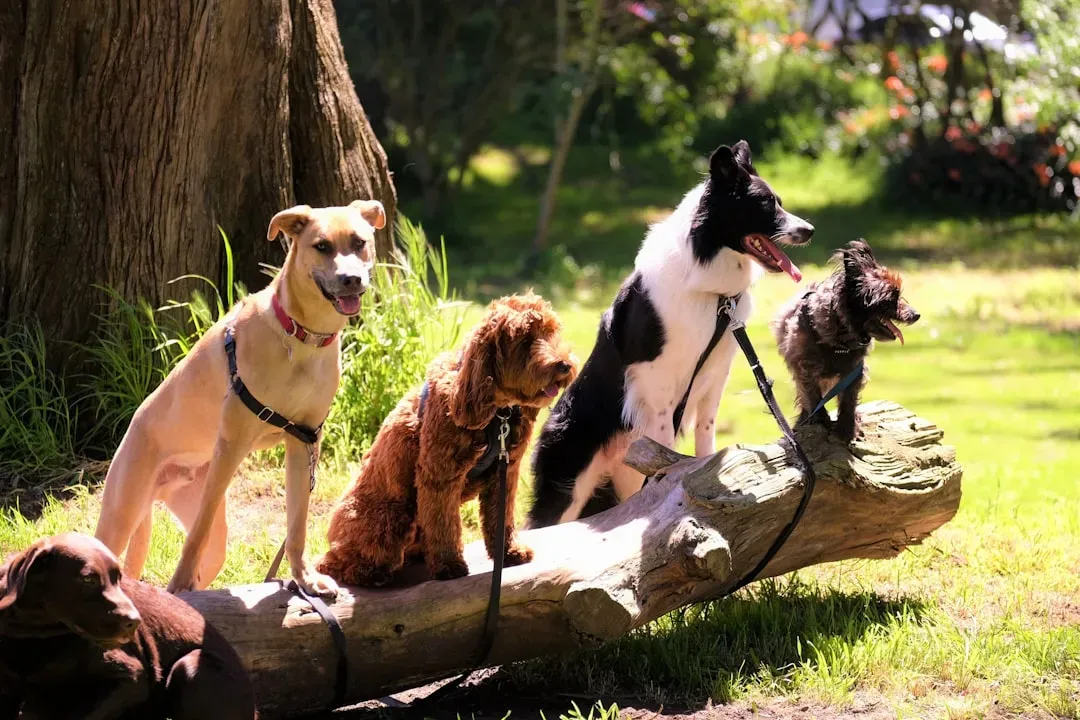
A dog’s job was to guard the property or herd something, and companionship came in a distant second. Indoor privileges were rare even for dogs the family genuinely loved.
The intense emotional “fur baby” bond that defines pet ownership today simply hadn’t fully arrived yet. Dogs were expected to earn their keep, not just exist as beloved members of the household.
Dogs are not our whole life, but they make our lives whole.
Roger Caras
#1 – Never Questioning the Status Quo of Pet Care

Whatever worked for your parents’ dog was good enough for yours, because nobody was researching alternatives when there weren’t many alternatives to find. Vets and neighbors were basically the only information sources available.
Looking back, the strangest part isn’t any single habit on this list – it’s how fast all of it changed once better information and options actually showed up. What felt completely normal in 1985 reads today like a checklist a shelter would flag as red flags on intake.
The Bottom Line

Dog ownership in the 1980s wasn’t cruel on purpose. It was practical, cheap, and shaped by how little anyone actually knew yet. Free-roaming, minimal vet care, and casual feeding weren’t red flags to anyone at the time – they were just Tuesday.
My honest take: we shouldn’t feel superior about this, we should feel grateful. Every uncomfortable item on this list is the reason today’s dogs get microchips, dental cleanings, and real behavioral help instead of a rolled-up newspaper and a wing and a prayer. The bar moved because people paid attention, and that’s worth being proud of, not smug about.
So which one of these hit closest to home for you, and what did your family do that somehow didn’t even make the list?
