

Picture your childhood dog trotting three blocks over, snacking out of someone’s trash can, then strolling home right as the porch light clicked on for dinner. Nobody called animal control. Nobody panicked. That was just Tuesday.
If you grew up before the 1980s, none of that sounded strange at all. Looking back now, though, it reads like a checklist of things that would get a pet taken away today. The gap between “normal” then and “normal” now is bigger than most people remember, and a few of these habits are stranger than you’d guess.
#27 – Dogs Roamed the Neighborhoods Unsupervised

Most suburban and rural dogs in the 1970s spent their days wandering wherever their noses led them. No fences, no leashes, no GPS collars buzzing if they wandered too far. Parents figured a dog running loose all day was just getting healthy exercise, the same way kids were shooed outside until the streetlights came on.
That freedom had a cost nobody tallied at the time. Dogs crossed busy roads, got into scraps with the neighbor’s tomcat, and came home pregnant more often than anyone likes to admit. Leash laws barely existed, and the few that did were rarely enforced, so the whole system ran on hope and habit.
#26 – Spaying and Neutering Was Almost Nonexistent
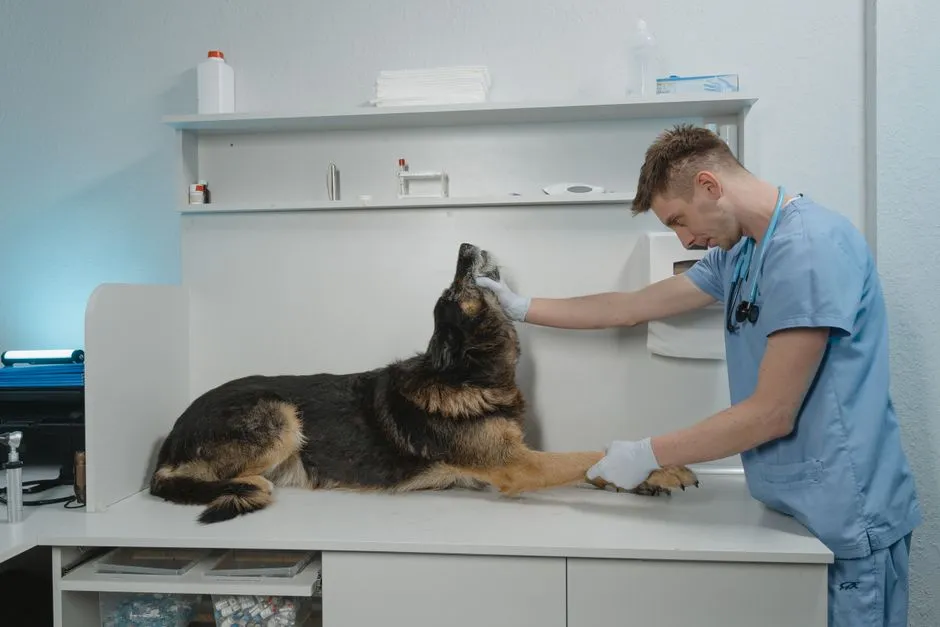
Before the sterilization push of the late 1970s, the vast majority of pet dogs and cats lived their entire lives intact. Altering a healthy animal struck most owners as pointless, even a little unnatural, unless there was an actual litter planned down the road.
The real cost showed up at the shelter. Unplanned litters happened constantly, and thousands of puppies and kittens were euthanized every single week simply because there weren’t enough homes. Intact males roamed farther and fought harder, and it took years of public education before routine spay and neuter became the default instead of the exception.
#25 – Table Scraps Formed the Bulk of Many Diets

Commercial pet food sat on grocery shelves, sure, but plenty of households treated it as an afterthought. The real dinner came straight off the family plate: bacon grease poured over kibble, chicken bones tossed under the table, whatever didn’t get finished at Sunday supper.
Owners genuinely believed this was the economical, even loving, way to feed a pet. What nobody tracked was the slow damage: obesity crept in, nutritional gaps went unnoticed, and vets had almost no tools to connect a dog’s dull coat or a cat’s weight gain back to the dinner table. It just looked like a well-fed pet.
#24 – Fleas Were an Accepted Part of Life
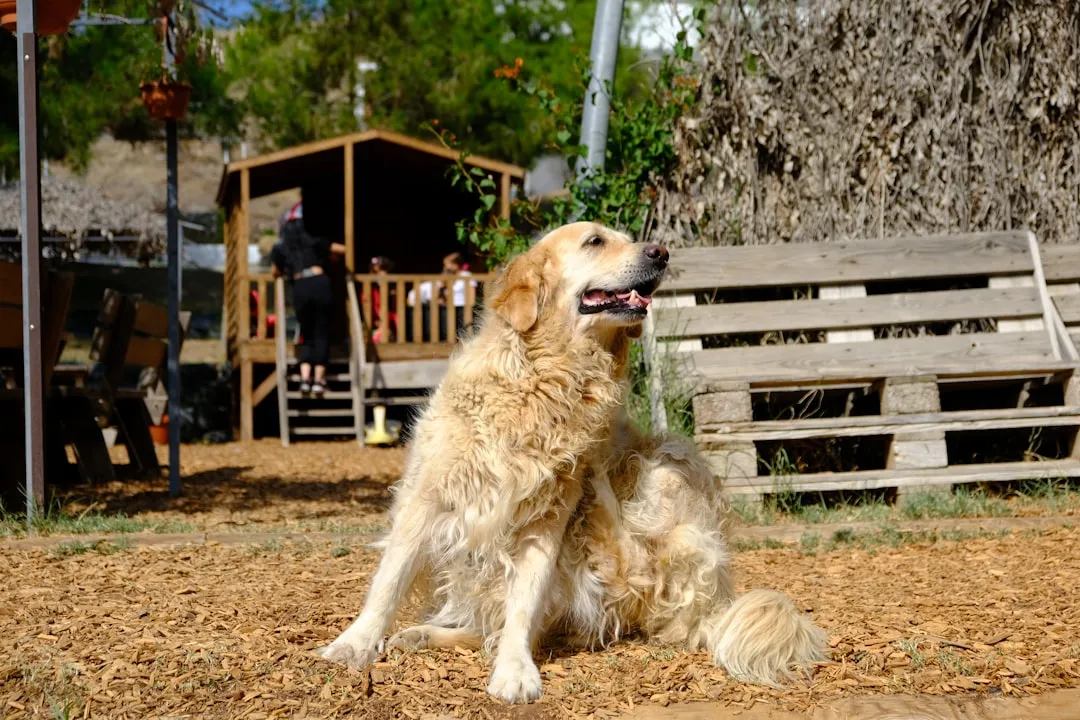
Ask anyone who owned a dog in the 1970s summer and they’ll remember the scratching before they remember much else. Severe flea infestations hit nearly every household pet once warm weather arrived, and owners treated the symptoms with powders, dips, and the occasional flea collar rather than actually preventing the problem.
Homes reeked of flea bomb chemicals for days after a treatment, and pets scratched themselves raw in the meantime. In the worst cases, heavy flea loads caused genuine anemia that killed weaker animals, especially puppies and kittens. Monthly preventives that make this a non-issue today were still decades away from existing.
Fast Facts
- Monthly flea preventives like the ones common today didn’t hit the market until decades later.
- Powders, dips, and medicated collars were the main lines of defense in most households.
- Severe infestations could cause anemia, especially in young puppies and kittens.
- Flea bombs treated the house, but pets still needed separate treatment to actually stay flea-free.
#23 – Vet Visits Happened Only for Emergencies
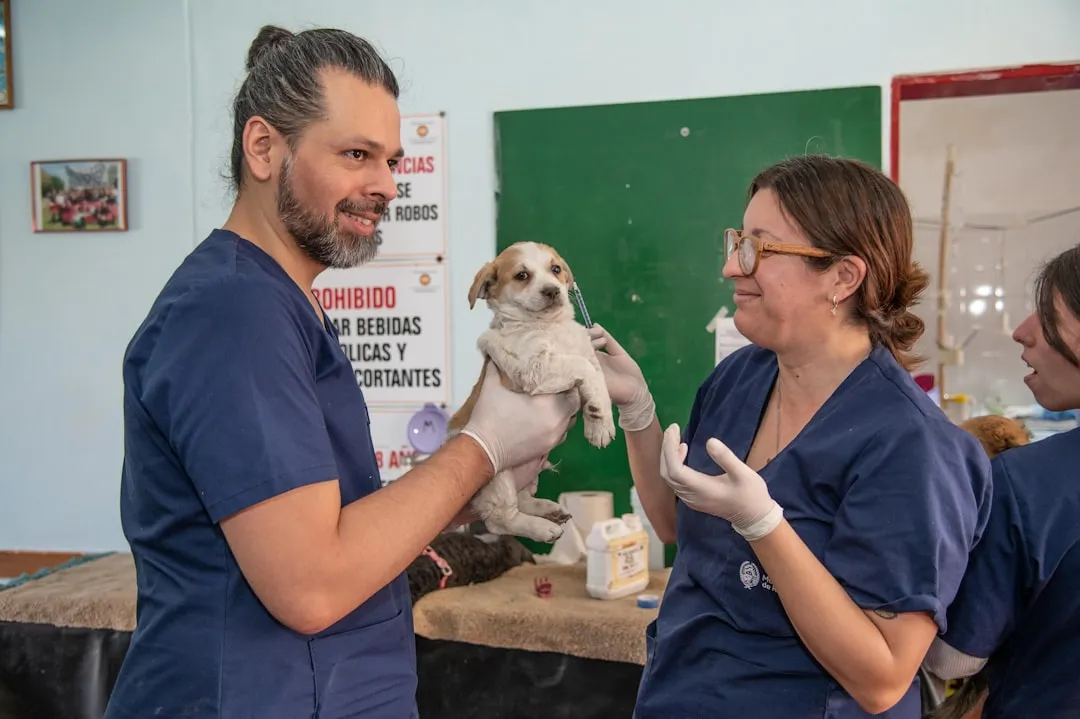
Routine checkups weren’t really a concept most families budgeted for. A trip to the vet meant something was visibly, obviously wrong, not a yearly wellness exam or a proactive blood panel.
Plenty of owners never vaccinated beyond whatever the law required for rabies, and nothing more. That gap turned deadly once canine parvovirus emerged, along with lingering distemper cases that could have been prevented with a single shot. Early intervention simply wasn’t part of how people thought about pet ownership yet.
#22 – Pets Rode Loose in Cars and Truck Beds
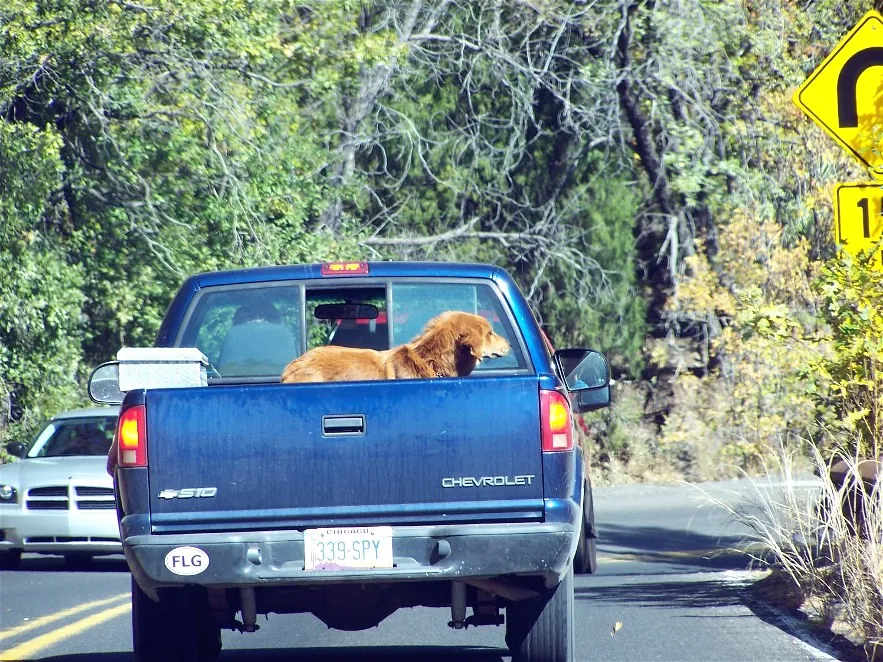
No crates, no seatbelts, no second thought. Dogs hung their heads out the window on the highway or rode standing up in the open bed of a pickup truck, ears flapping, looking like the happiest creature alive.
It looked carefree because it was, right up until it wasn’t. Sudden stops ejected animals from truck beds, and unrestrained dogs turned into projectiles during accidents inside the car. Almost nobody considered it reckless at the time. It was just how you brought the dog along.
#21 – Choke Chains Served as Everyday Collars

Metal choke chains weren’t a specialty training tool reserved for problem dogs. They were the default collar, the thing you bought at the hardware store right next to the leash, and owners tightened them without a second thought whenever a dog pulled.
The damage was invisible until it wasn’t. Neck injuries and tracheal damage happened often, quietly, and mostly went unrecognized because nobody was looking for them. Gentle harnesses and head halters, now recommended by nearly every trainer, simply didn’t exist on the market yet.
#20 – Dental Care Did Not Exist
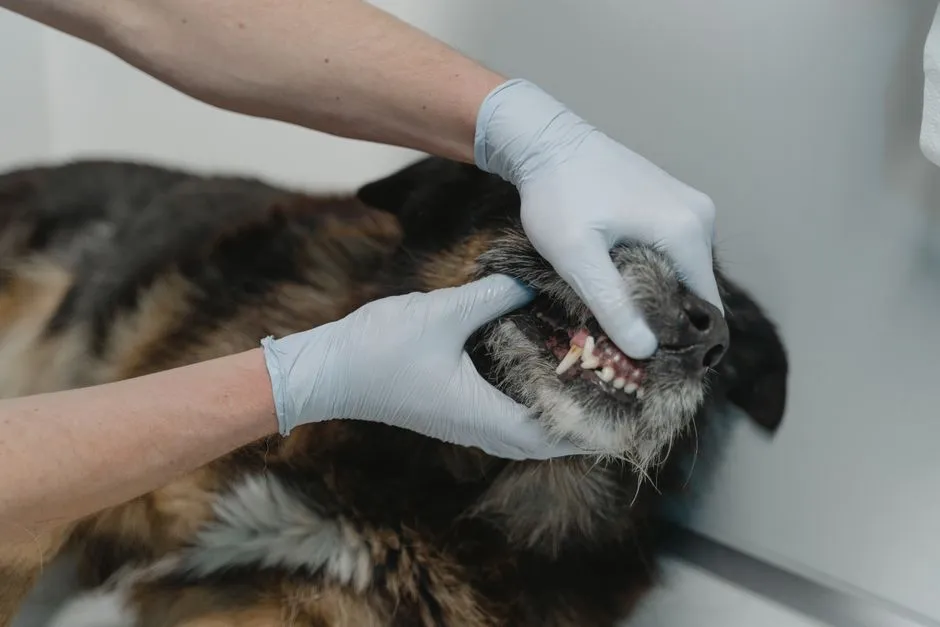
Brushing a dog’s teeth would have sounded like a joke to most 1970s owners. Bad breath was just “dog breath,” tartar buildup was just old age, and nobody connected either one to actual disease.
Underneath that shrug, real damage was building for years. Advanced dental disease led to tooth loss, painful infections, and bacteria that spread into the bloodstream, quietly shortening lives nobody thought to blame on a dirty mouth. Pain went untreated for years because there was no framework for even recognizing it as pain.
#19 – Pets Slept Outside or in Garages

Indoor living was a privilege reserved for small dogs, lap dogs, and the occasional spoiled favorite. Most medium and large dogs spent their nights in the yard, a doghouse, or an unheated garage, rain or shine, summer or winter.
Exposure to weather extremes and prowling predators was treated as simply part of being a dog, not a welfare concern. Heated shelters and dog doors were rare luxuries, not baseline expectations, and a shivering dog in January was just background noise on the property.
#18 – Unwanted Litters Were Common and Often Drowned

With so many pets left intact, unwanted litters weren’t rare accidents; they were a near-monthly reality in some households. Families gave a few puppies or kittens away to neighbors and quietly disposed of the rest, a practice discussed in hushed, matter-of-fact tones rather than shame.
Shelters weren’t the adoption-focused centers we know today. They operated mainly as high-volume euthanasia facilities, absorbing the overflow from a culture that hadn’t yet connected responsible breeding to animal welfare. That connection was still decades away from taking hold.
#17 – Heartworm Prevention Did Not Exist

There was no monthly chewable, no once-a-year shot, nothing standing between a mosquito bite and a slow parasitic infestation of the heart. In mosquito-heavy regions, dogs contracted heartworm as a matter of routine rather than bad luck.
When treatment existed at all, it was expensive, risky, and often came too late. Most owners only learned their dog had heartworm once the coughing, exhaustion, and weight loss made the diagnosis obvious, by which point the disease had already done serious damage.
#16 – Cats Were Treated as Small Dogs by Vets
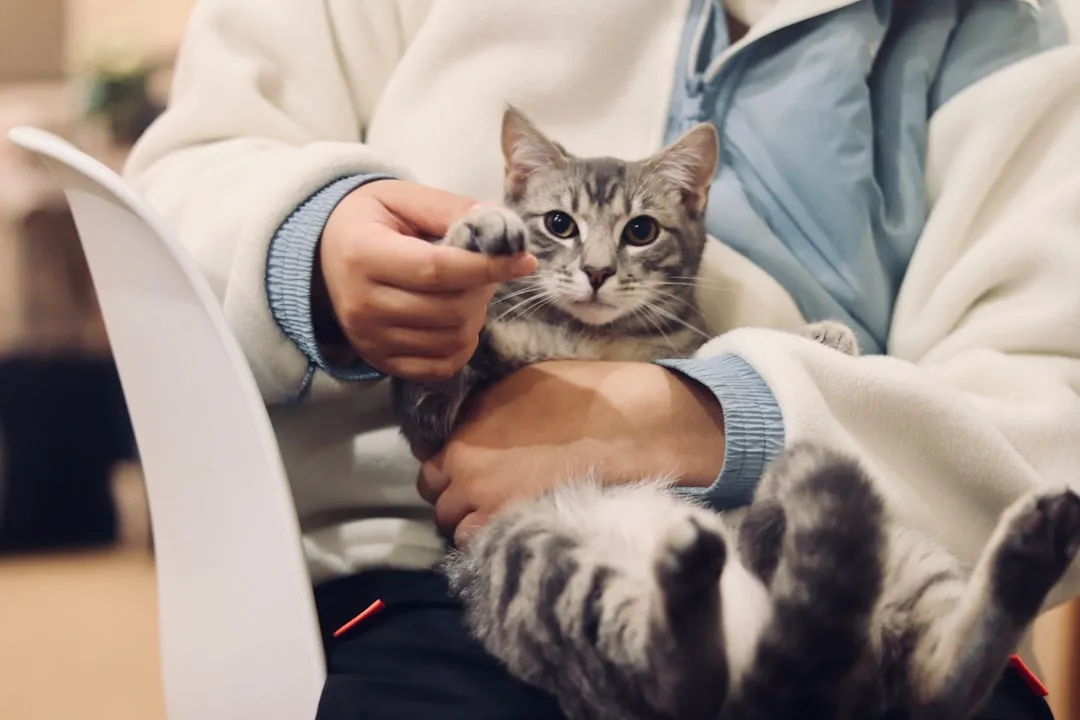
Feline medicine simply hadn’t caught up yet. Many vets applied dog-based protocols to cats with little adjustment for their different metabolism, drug sensitivities, or behavior, treating them essentially as a smaller, quieter dog.
The result was real harm. Cats regularly received incorrect dosages or procedures designed with canine physiology in mind, and specialized feline-only practices were almost unheard of outside major cities. A sick cat’s best chance often depended entirely on which vet happened to be nearby.
Quick Compare
- 1970s: Feline-specific veterinary training was rare outside major cities.
- 1970s: Dosages and procedures were often borrowed directly from canine protocols.
- Today: Feline-only practices and cat-focused specialists are widely available.
- Today: Dosing, anesthesia, and diagnostics are tailored specifically to cat physiology.
#15 – Raw Bones and Scraps Were Standard Treats

Handing a dog a raw bone straight off the butcher counter was considered good pet ownership, not a risk. Owners believed it cleaned teeth naturally and gave dogs something wholesome to gnaw on for hours.
Nobody was thinking about splinter risks or bacterial contamination the way modern raw-diet advocates carefully do today. Today’s raw feeding comes with safety protocols, sourcing standards, and vet consultation. Back then, it was just a bone tossed in the backyard.
#14 – No One Microchipped or Tagged Pets

Identification meant a collar with a metal tag, if that, and collars had an infuriating habit of slipping off during exactly the moment a pet needed them most. There was no backup plan once that happened.
Lost pets rarely made it home. Shelters had no scanning technology to check for an owner, so reunions depended almost entirely on luck, a sharp-eyed neighbor, and handwritten “Lost Dog” flyers stapled to telephone poles around the block.
#13 – Training Classes Were Almost Unknown

Formal obedience training was something you associated with show dogs or working farm dogs, not the family pet snoozing on the porch. Most owners figured out training through trial and error, or didn’t bother figuring it out at all.
Aggression, jumping, and general poor manners got filed under “personality” rather than a fixable behavior problem. Professional trainers existed, but they served a narrow slice of dog owners, leaving the average family pet to muddle through on instinct alone.
#12 – Euthanasia Solved Many Minor Problems
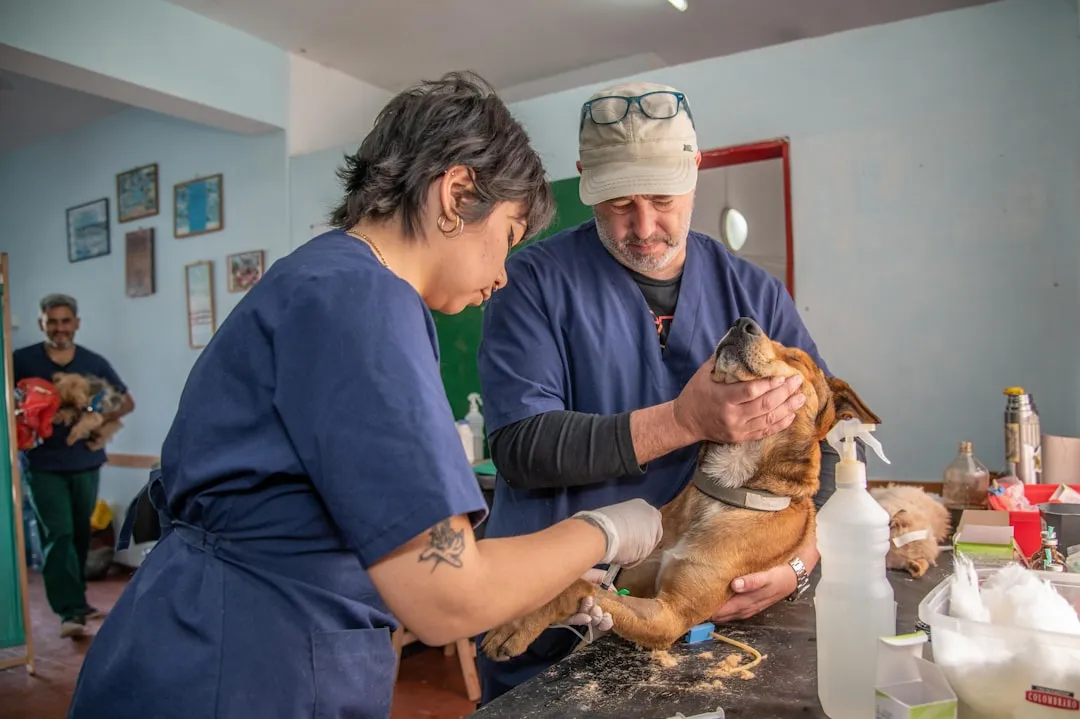
When a pet developed a costly or inconvenient health issue, euthanasia was often the fastest, cheapest answer available, not a last resort weighed against months of treatment options.
People have said for years that as we know more, we do more; and that of course is true. But it is also true that when we know more, we start to care in a different way.
James Herriot
Vets performed the procedure quickly, often with little discussion of alternatives, because the alternatives barely existed yet. Quality-of-life conversations that are standard in vet offices today simply hadn’t been invented as a framework.
#11 – Milk Was a Daily Drink for Cats and Dogs
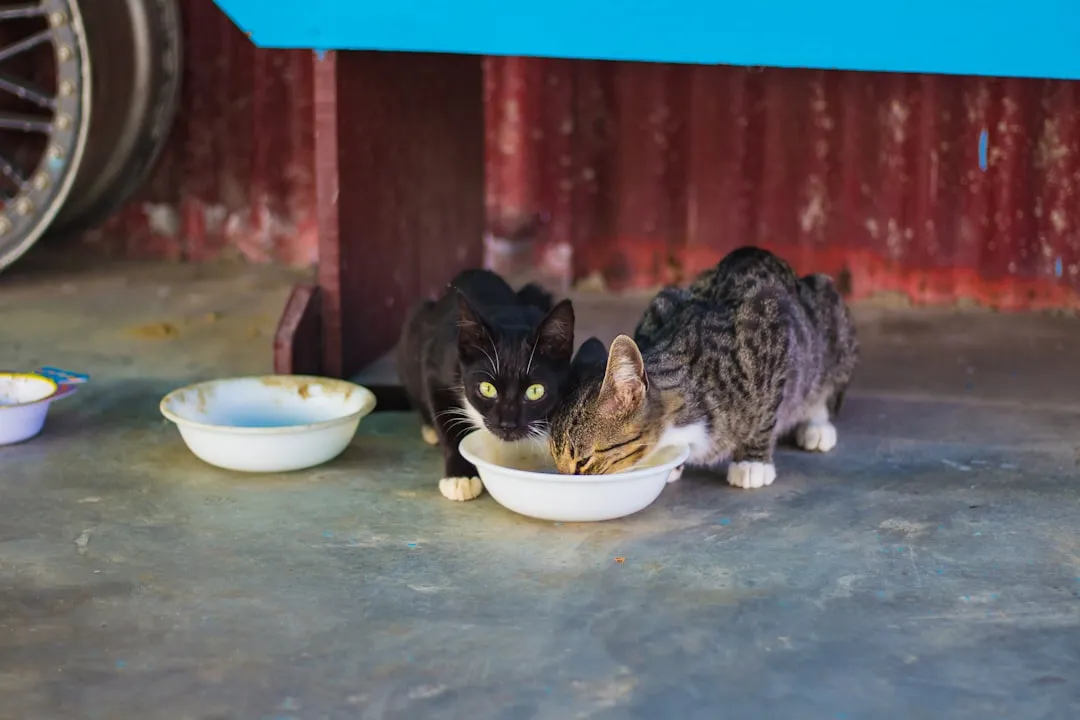
A saucer of cow’s milk for the cat and a splash in the dog’s bowl was practically a cliché of good pet ownership. Nobody questioned it; it was just what pets drank, right alongside water.
Most cats and many dogs are lactose intolerant to some degree, and the resulting digestive upset got blamed on everything except the milk itself, from “a bad stomach” to the weather changing. Specialized lactose-free pet milk products simply hadn’t been invented yet.
#10 – Pesticides Like DDT Were Used on Pets

Flea and tick control in the 1970s often meant chemical dips and powders containing substances that would be banned outright within a few years. Owners applied them liberally, following the label instructions without a second thought about what else those chemicals might touch.
Residue risks to pets, and to the children who hugged and cuddled them right after treatment, were poorly understood or simply ignored at the time. Safer, more targeted alternatives wouldn’t reach store shelves for decades.
#9 – Crate Training Was Not a Concept

Dogs stayed loose in the house or shut outside, full stop. The idea of a crate as a cozy, secure den rather than a cage would have struck most 1970s owners as needlessly cruel.
Without that tool, separation anxiety and destructive chewing got managed through punishment after the fact, or simply tolerated as the price of dog ownership. Crate training as a positive, anxiety-reducing method wouldn’t gain real traction until much later.
Worth Knowing
- Crate training as a positive method didn’t gain mainstream popularity until much later in the 20th century.
- Modern trainers use crates to mimic a secure, den-like space, not as punishment.
- Without crates, many dogs roamed the house unsupervised, leading to more accidents and chewed-up furniture.
- Separation anxiety often went undiagnosed for years simply because nobody had a name for it yet.
#8 – Pets Begged at the Table Without Reprimand

Dinner time meant a dog parked under the table and a cat winding around ankles, both angling for whatever fell or got slipped their way. It was considered charming, not a training failure worth correcting.
That charm came with a price tag paid later, in expanding waistlines and pets who’d learned that whining eventually gets rewarded. Nobody connected the begging habit at six months old to the overweight, poorly mannered adult dog it produced by age three.
#7 – Grooming Was Minimal or Nonexistent
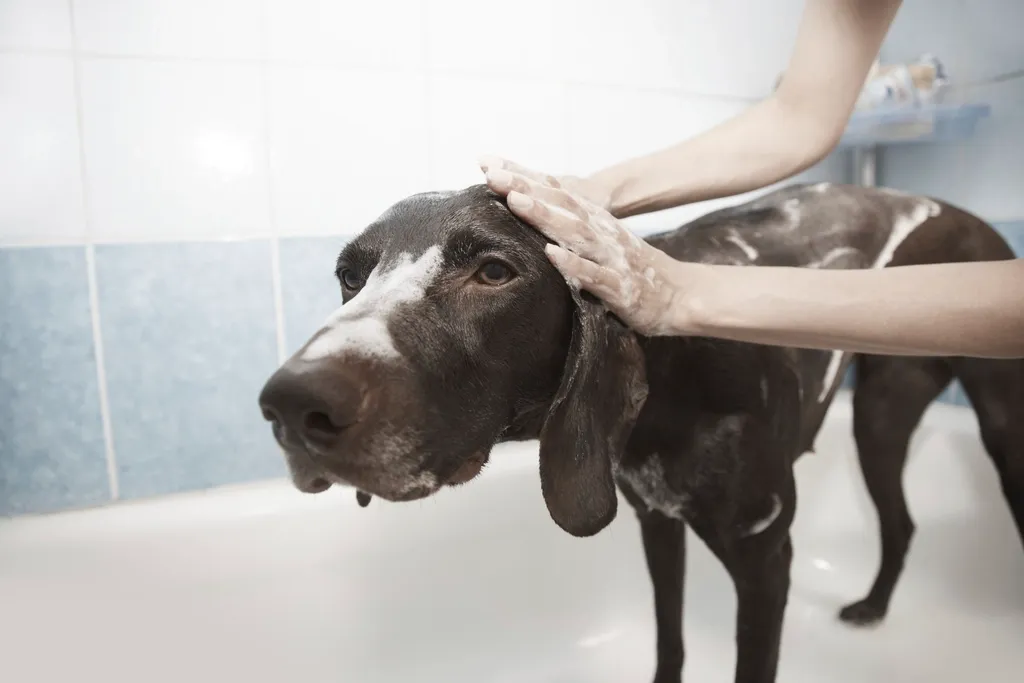
Most dogs got a bath when they were visibly, undeniably filthy, and not a moment sooner. Professional grooming existed, but it was a luxury reserved for show dogs and the occasional Pomeranian belonging to someone’s fussy aunt.
Left unchecked, matted fur trapped moisture and dirt against the skin, and infections developed quietly underneath coats nobody thought to inspect closely. A shaggy dog was just a shaggy dog, not a warning sign.
#6 – Multiple Pets Lived Without Population Control

It wasn’t unusual for a single household to keep several dogs and cats at once, with breeding happening within the home whenever an intact male and female crossed paths, which was often.
Nobody was counting the math on how fast that adds up. Overpopulation strained already-thin resources, spread disease faster between animals living in close quarters, and fed directly into the same overwhelmed shelter system straining under all those unwanted litters.
#5 – Short Lifespans Were Expected

A dog living past ten years old, or a cat past fifteen, was treated as a small miracle rather than a reasonable expectation. Most families quietly accepted that their pet’s time would run out earlier than we’d consider normal today.
Nobody had the benchmark for comparison yet, because preventive care and better nutrition hadn’t arrived to prove longer lives were even possible. It took decades of veterinary progress to reset what “old” was supposed to mean for a family pet.
At a Glance
- Average pet lifespans have lengthened noticeably thanks to better nutrition, vaccines, and preventive care.
- A dog reaching double digits in age was once considered unusually lucky.
- Cats living past fifteen were rare enough to be remarked upon by neighbors and vets alike.
- Decades of veterinary advances gradually reset what counted as a “long life” for a family pet.
#4 – Cats Hunted and Roamed Outdoors Freely

An indoor-only cat was almost a contradiction in terms back then. Letting the cat out was considered essential to its happiness, the feline equivalent of the dog’s unsupervised neighborhood wanderings.
Traffic, predators, and disease took a heavy, largely unacknowledged toll on that freedom. Plenty of family cats simply stopped coming home one day, and it was chalked up to a cat’s independent nature rather than a preventable loss.
#3 – Basic Canned Food Was the Only Commercial Option

The pet food aisle in 1975 looked nothing like the wall of specialized formulas you’d find today. Options were limited, mostly generic canned meat products, with little regard for life stage, breed size, or specific health needs.
Owners filled the gaps with heavy scrap supplementation because the commercial food alone often didn’t feel like enough. Pet nutritional science was still in its early stages, working out basics that today’s formulas take for granted.
#2 – Minor Injuries Went Untreated
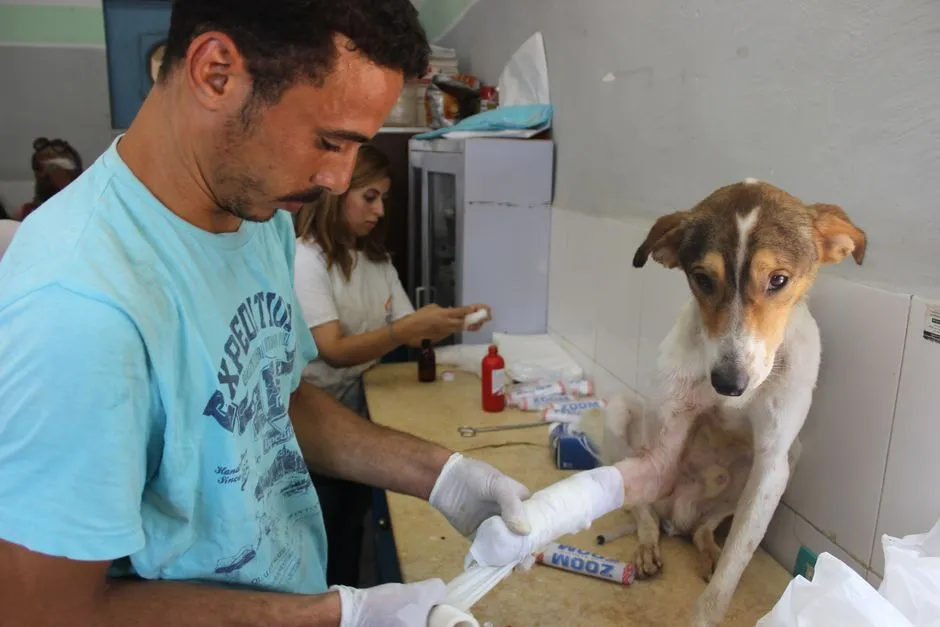
A limp, a cut paw, a mysterious scab, these got a shrug and a “he’ll be fine” rather than a trip to the vet. Pain management for animals barely existed as a concept, let alone a practice.
Many pets quietly suffered through injuries for weeks, healing slowly and imperfectly on their own timeline while their owners assumed everything was fine simply because the animal was still eating and wagging its tail.
#1 – Parvo Killed Dogs in Waves With Little Warning

When canine parvovirus tore through neighborhoods in the late 1970s, it didn’t creep in quietly. Entire blocks lost dogs within the same week, healthy animals collapsing into severe vomiting and diarrhea with almost no warning sign beforehand.
Vaccines weren’t yet widely available or trusted, and treatment options were limited at best. Owners watched pets die within days with nothing effective to offer, and that raw, terrifying wave of loss is a huge reason vaccination became non-negotiable in pet culture going forward.
The Bottom Line
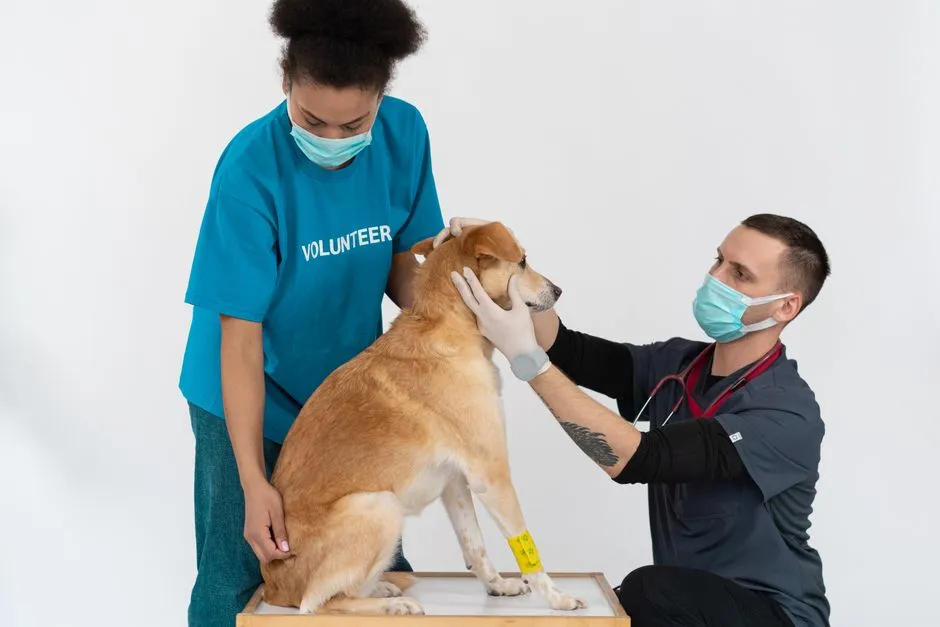
1970s pet care normalized free-roaming animals, endless litters, table scraps for dinner, and vet visits reserved for genuine emergencies. None of it came from cruelty. It came from a culture that simply hadn’t learned yet what we now consider basic, obvious care.
The real shift wasn’t a gadget or a new vaccine, though those mattered too. It was a change in how people saw pets at all, moving from “animal that lives on the property” to “family member who deserves the same preventive standards as anyone else in the house.” That shift saved more lives than any single medical breakthrough on this list.
Which of these habits surprises you most, or did your family do something even stranger than what made the list? Drop it in the comments.
