
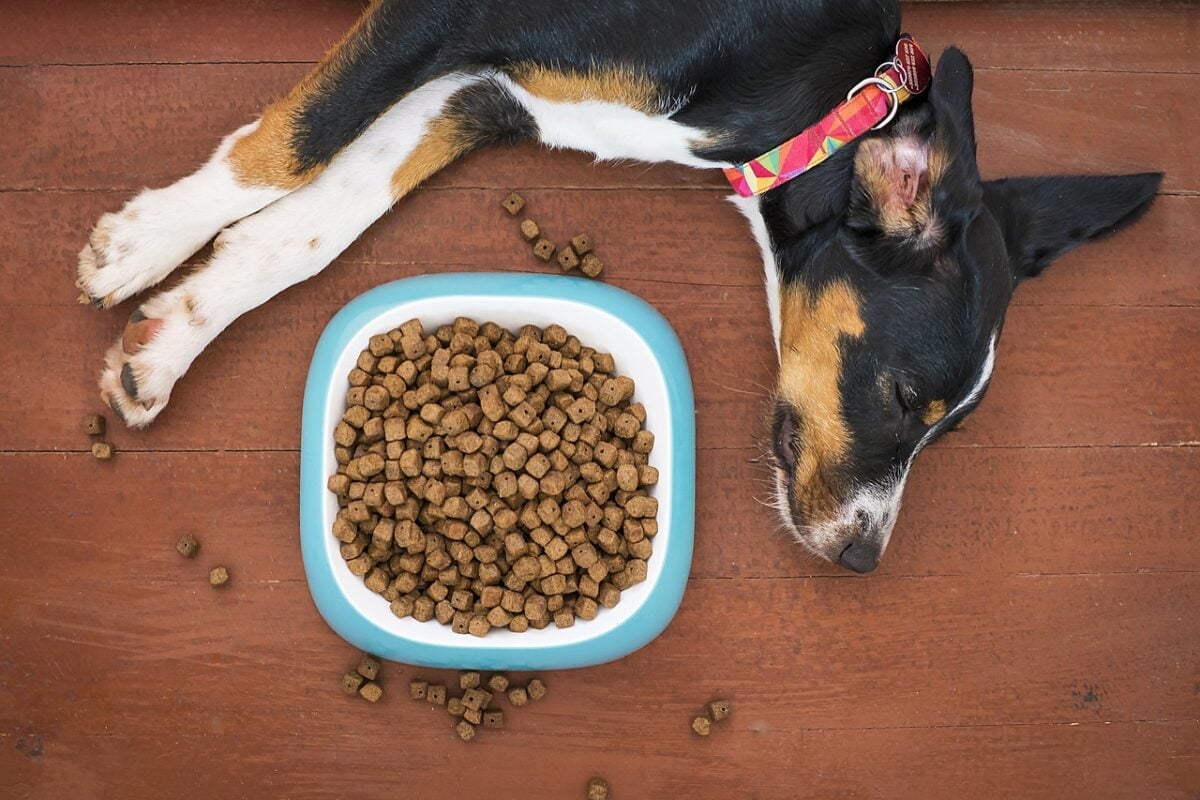
Most people assume that when a dog’s time is running out, there’s nothing left to do but wait. Say goodbye, maybe cry a little, and hope it’s peaceful. But veterinarians who sit with families through this exact moment, over and over, say that’s simply not true.
They say the smallest, most overlooked gestures can change everything about how a dog experiences their final days. Some of these comforts are obvious. Others might surprise you completely, and a few might make you rethink what you’re already doing at home right now.
16. Give Them a Quiet Corner of Their Own

A dog nearing the end doesn’t need a bigger world. They need a smaller, softer, safer one. A cushioned bed tucked away from slamming doors, barking siblings, or constant foot traffic gives them permission to simply rest without flinching at every sound.
Vets note that this kind of quiet isn’t just physical comfort, it’s emotional relief. A dog who feels safe stops bracing for the next disruption, and that alone can ease their stress in ways medication sometimes can’t touch.
Fast Facts
- Pick a low-traffic room away from doorways, stairs, and hallway noise
- Add a soft orthopedic bed or an extra blanket layer to ease pressure points
- Keep the room temperature steady since older dogs regulate body heat less efficiently
- A fan or white-noise machine can soften sudden household sounds
15. Never Let the Water Bowl Run Dry
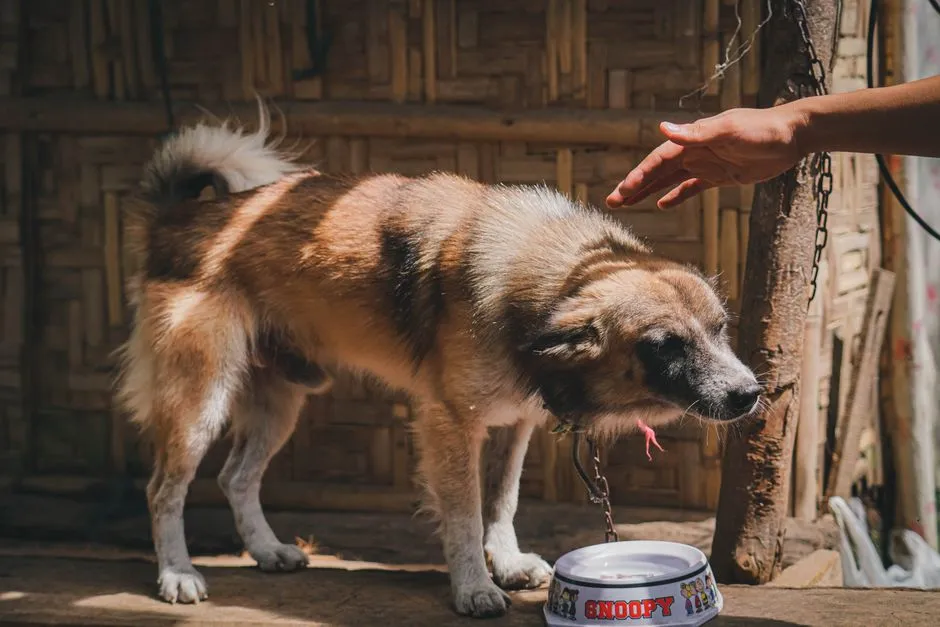
Appetite is often the first thing to fade, but thirst matters just as much, if not more. Offering small sips often, or letting them lick ice chips when drinking feels like too much effort, keeps dehydration from making everything else feel worse.
In some cases, vets will show families how to administer subcutaneous fluids at home, a simple procedure that can noticeably lift a dog’s comfort within hours. It’s a small medical step that carries a surprisingly large emotional payoff for everyone in the room.
14. Warm, Soft Meals They Can Actually Enjoy

A sensitive stomach can turn mealtime into a source of dread instead of comfort. Gentle, warm foods like boiled chicken and rice are easier to digest and far more likely to actually get eaten, even in small amounts.
This isn’t about nutrition alone. Vets say the act of eating something they enjoy, even a few bites, can bring a flicker of normalcy back into a dog’s day. That flicker matters more than most people realize.
13. Take Their Pain Seriously, Every Single Day
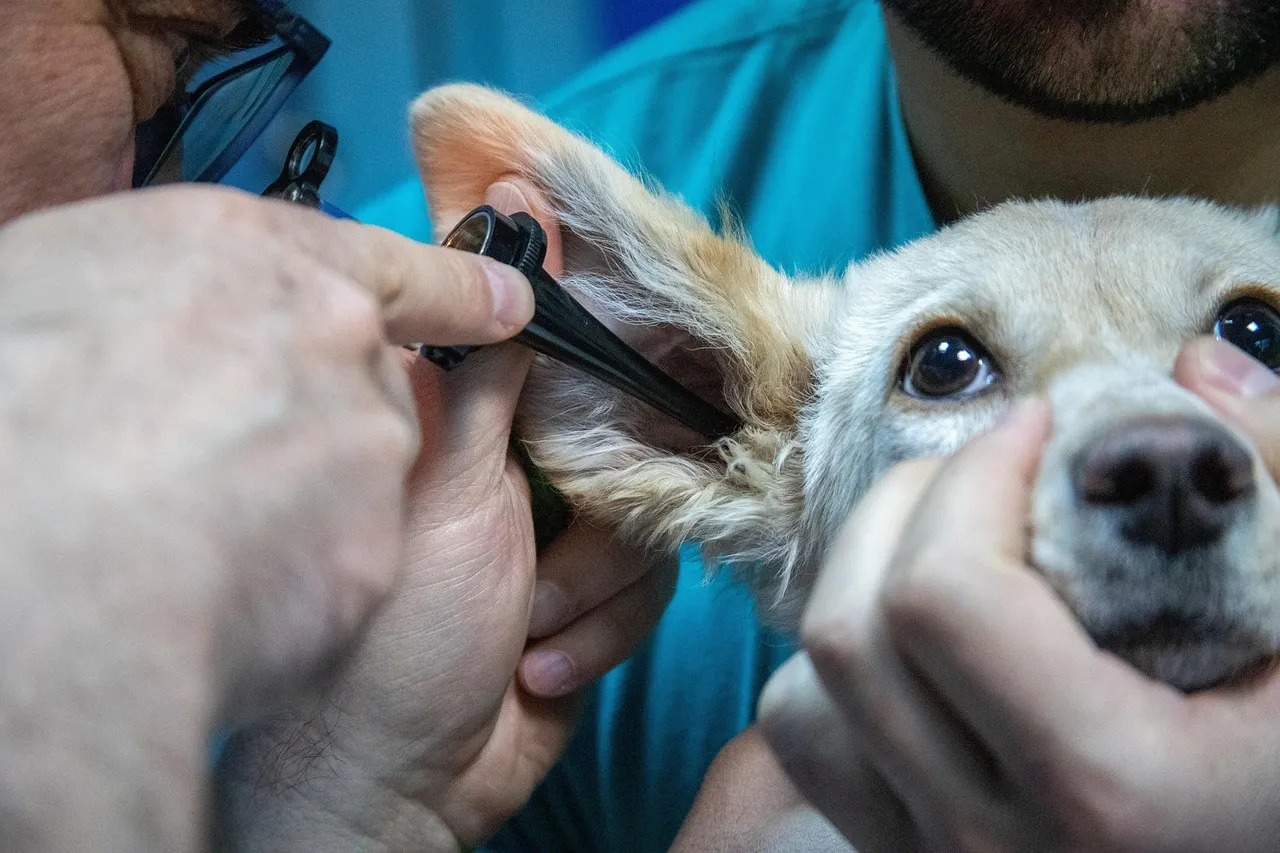
Pain left unmanaged doesn’t just hurt physically, it steals whatever peace a dog has left. Veterinarians can prescribe medication that shifts a dog from suffering silently to resting comfortably, and that shift is often visible almost immediately.
Because pain can change from one day to the next, regular check-ins with your vet matter. Some families are surprised to learn that gentle massage or acupuncture can work alongside medication, offering relief without adding another pill to the routine.
Quick Compare
- Prescription medication: fast-acting, vet-dosed relief for moderate to severe pain
- Massage therapy: gentle, hands-on option that also improves circulation
- Acupuncture: needle-based tension release many dogs tolerate surprisingly well
- Combination care: hospice vets often blend two or more approaches for the best results
12. Bring Everything They Need Within Reach
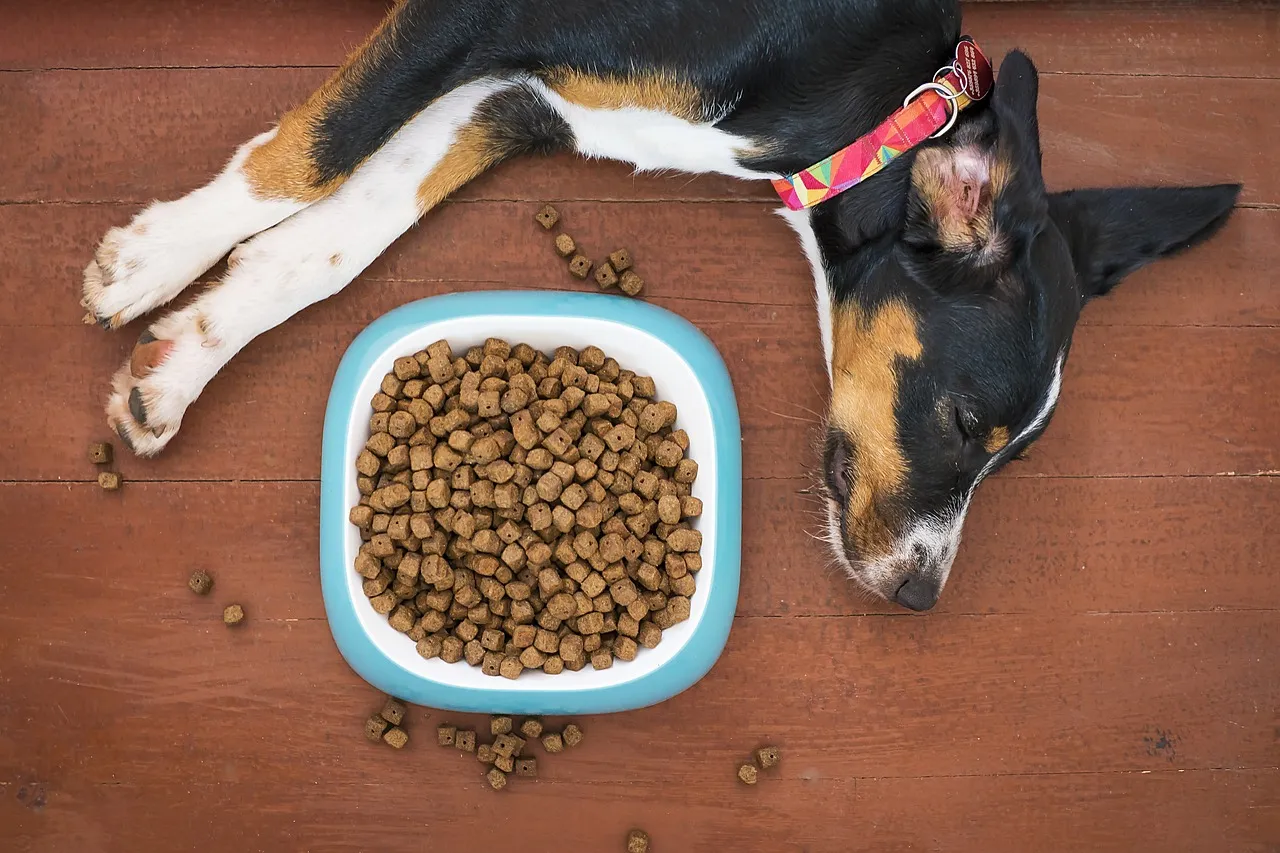
Every unnecessary step a weakened dog has to take is energy they don’t have to spare. Keeping food, water, and bedding close by means they can rest instead of struggling to reach the basics.
Raised bowls make eating less of a strain on sore joints, and non-slip mats prevent the kind of fall that can turn a peaceful day into a painful one. These small setup changes cost almost nothing but protect a dog’s dignity in a big way.
11. Let Your Hands Say What Words Can’t

Sometimes the most powerful comfort isn’t a treatment at all, it’s simply your hand resting gently on their fur. Dogs read touch as reassurance, a wordless signal that they aren’t alone and they’re still loved exactly the same.
Not every dog wants to be touched constantly, though. Vets encourage owners to watch closely, because some dogs find more comfort in quiet company than physical contact, and respecting that preference is its own form of love.
10. Keep Their World Familiar, Not Flipped Upside Down
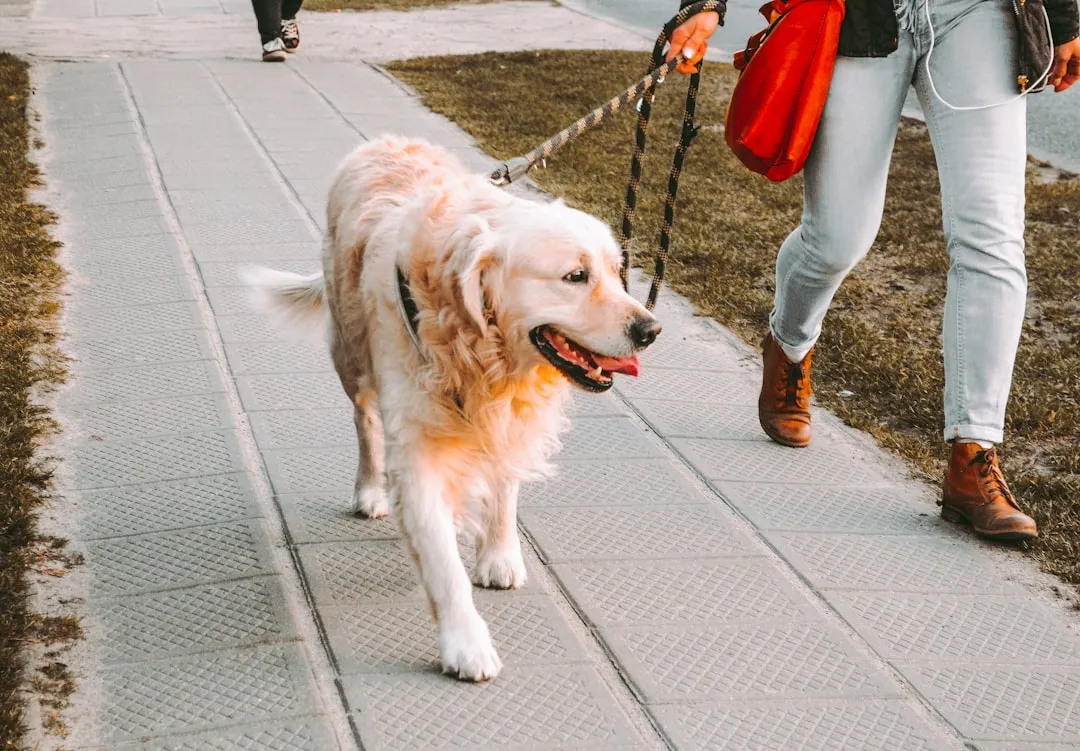
Even as everything else changes, familiar routines act like an anchor. The same feeding times, the same short walk, the same bedtime ritual all send one quiet message: nothing scary is happening right now.
Vets often recommend modifying these routines rather than abandoning them entirely. A shorter walk still counts. A gentler version of their usual routine still provides the predictability that keeps anxiety at bay.
9. Watch for the Quiet Signs of Suffering
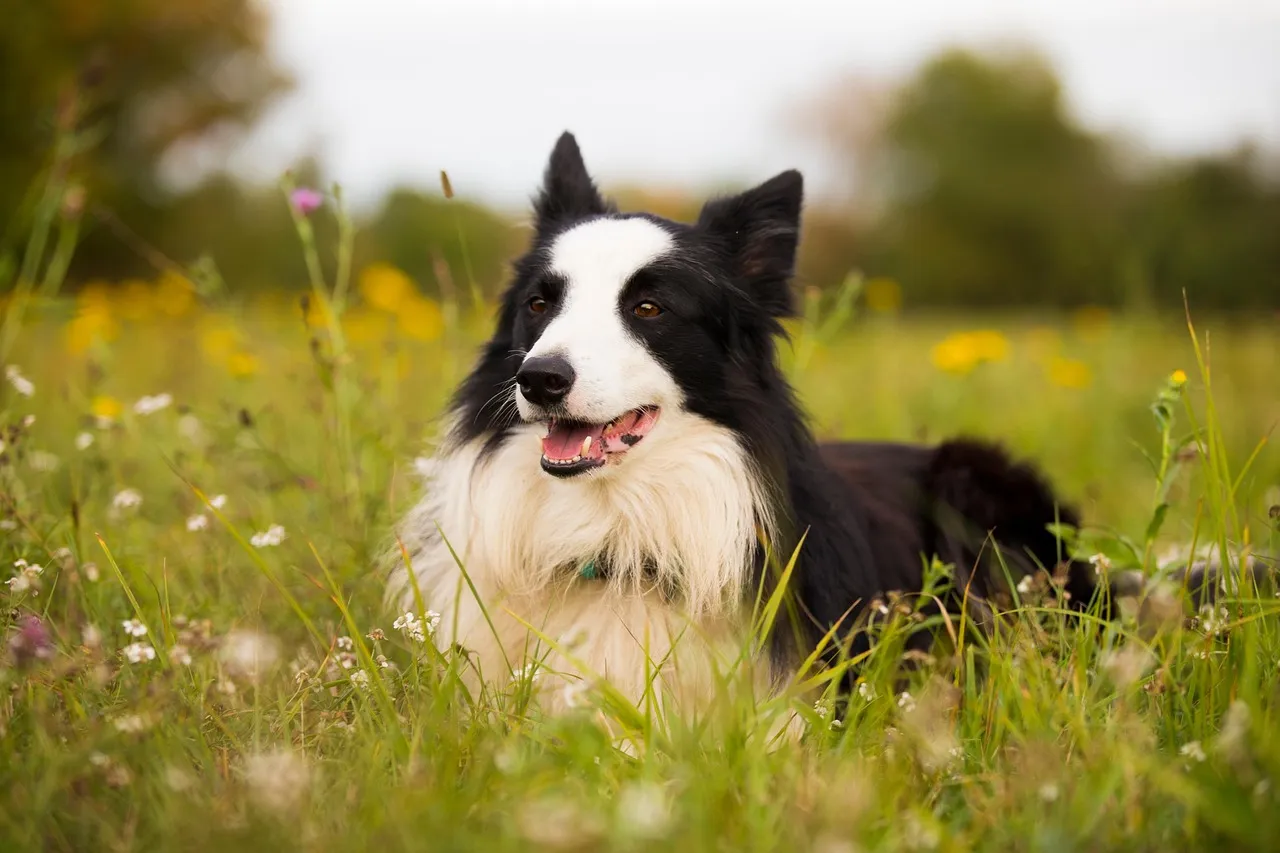
Dogs are notoriously good at hiding pain, which means restlessness, panting, or unexplained whining are often the only clues something is wrong. Catching these signs early gives your vet a chance to adjust care before things worsen.
Open, ongoing communication with your veterinarian turns guesswork into a real plan. Comfort care isn’t static, it shifts as your dog’s needs shift, sometimes day by day.
Worth Knowing
- Increased panting even while resting
- Restlessness or trouble settling into a comfortable position
- Whining, whimpering, or unusual vocalizing
- Loss of interest in food, water, or favorite spots
- Hiding or withdrawing from family members
8. Keep Their Mind Awake, Even When Their Body Slows
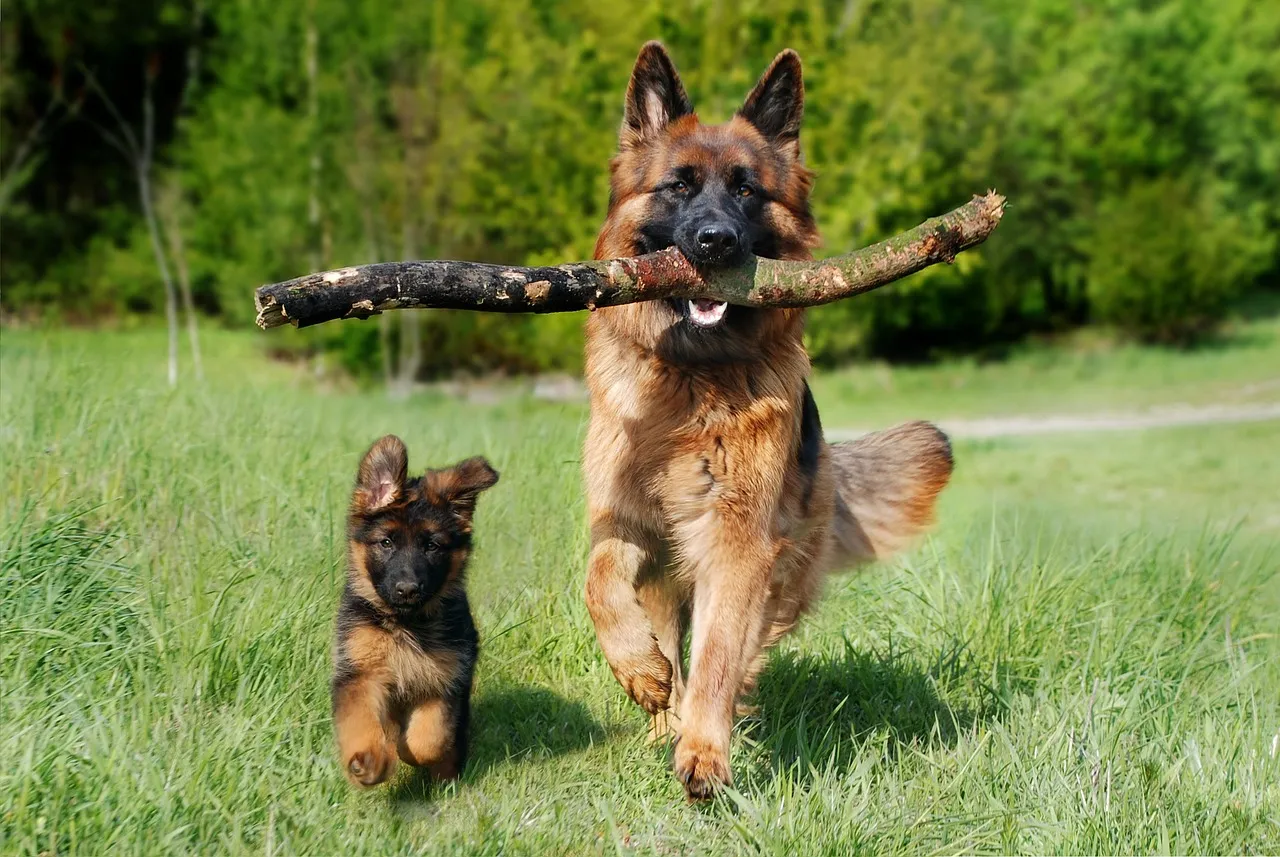
A slower body doesn’t mean a dog stops wanting to engage with the world. Soft toys, gentle games, or a short sniff-filled stroll around the yard can bring genuine joy, even in the final chapter.
Vets point out that mental engagement does double duty here. It keeps a dog’s mood lifted, and it can genuinely distract from physical discomfort, at least for a little while.
7. Keep Them Clean, Keep Them Dignified
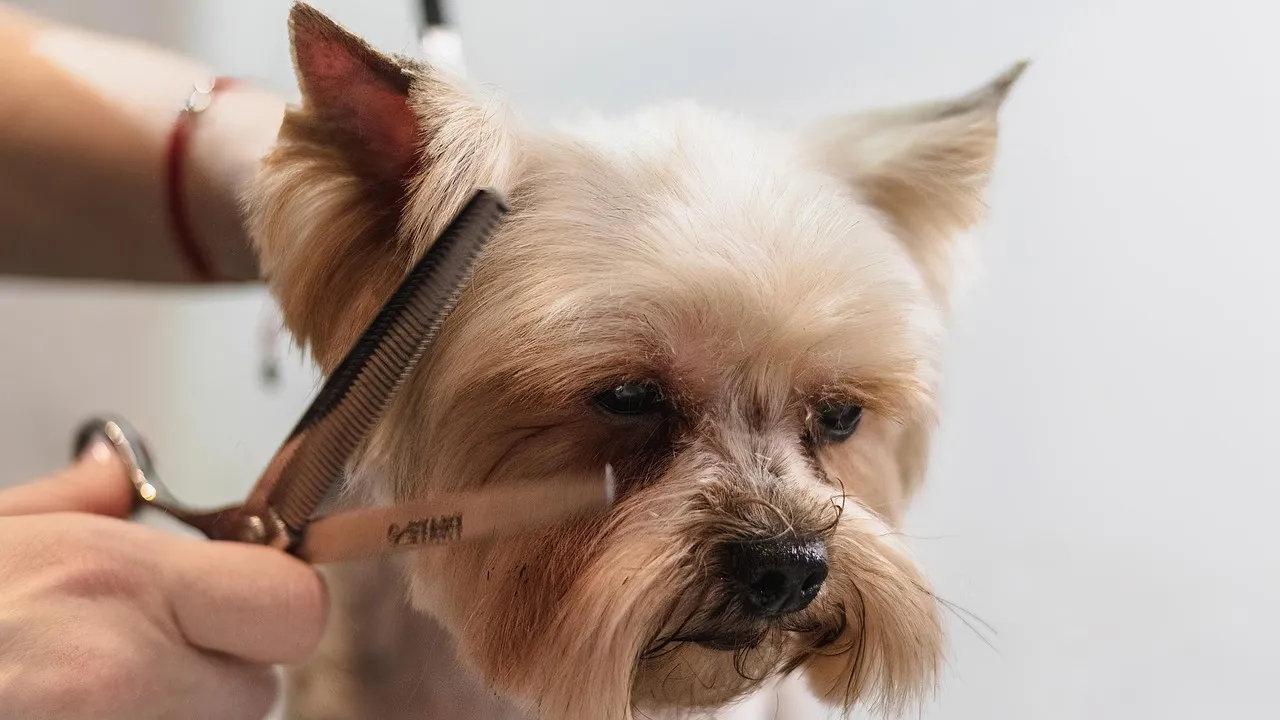
As mobility fades, so does a dog’s ability to keep themselves clean, and that loss of control can be its own quiet indignity. Gentle grooming with pet-safe wipes keeps their coat and skin comfortable without the stress of a full bath.
A clean, odor-free space isn’t just pleasant for the humans in the room. It genuinely improves how a dog feels physically, and it preserves something that matters more than people expect: their sense of dignity.
6. Rearrange the House Around Their Needs
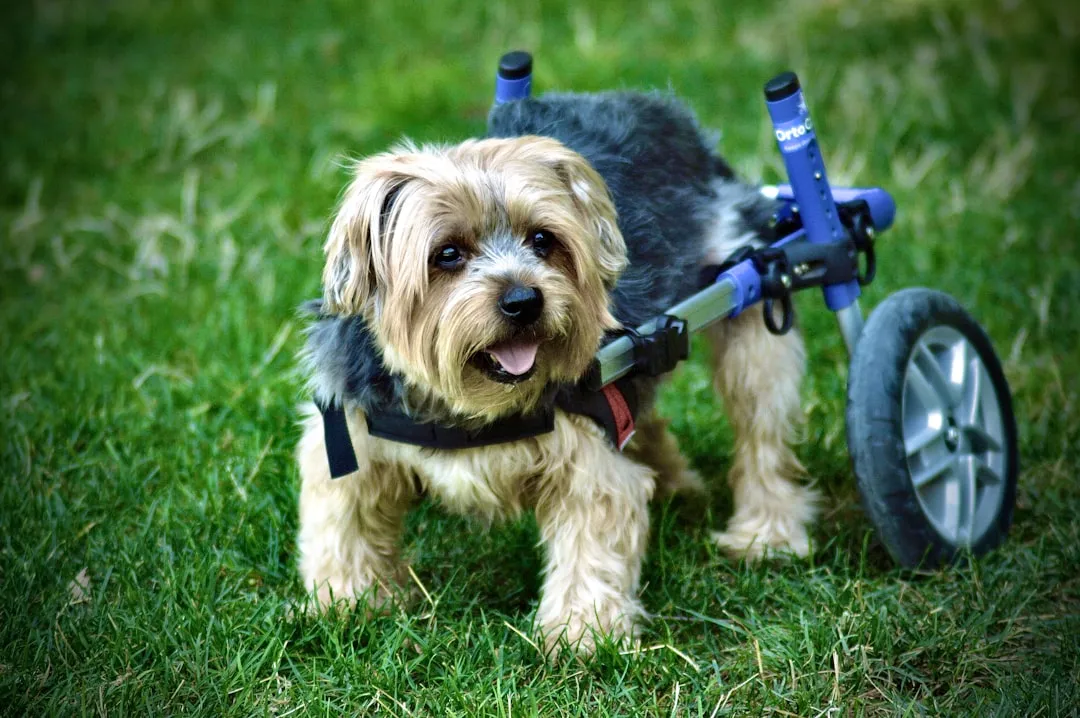
Small environmental tweaks can prevent big problems. A ramp instead of stairs, a favorite spot made easier to reach, an obstacle finally moved out of the walking path, these changes add up fast.
Supportive bedding that cushions aging joints does more than just add comfort, it actively prevents the kind of injury that can turn a manageable situation into a painful one overnight.
5. Give Them Tools to Move Without Fear
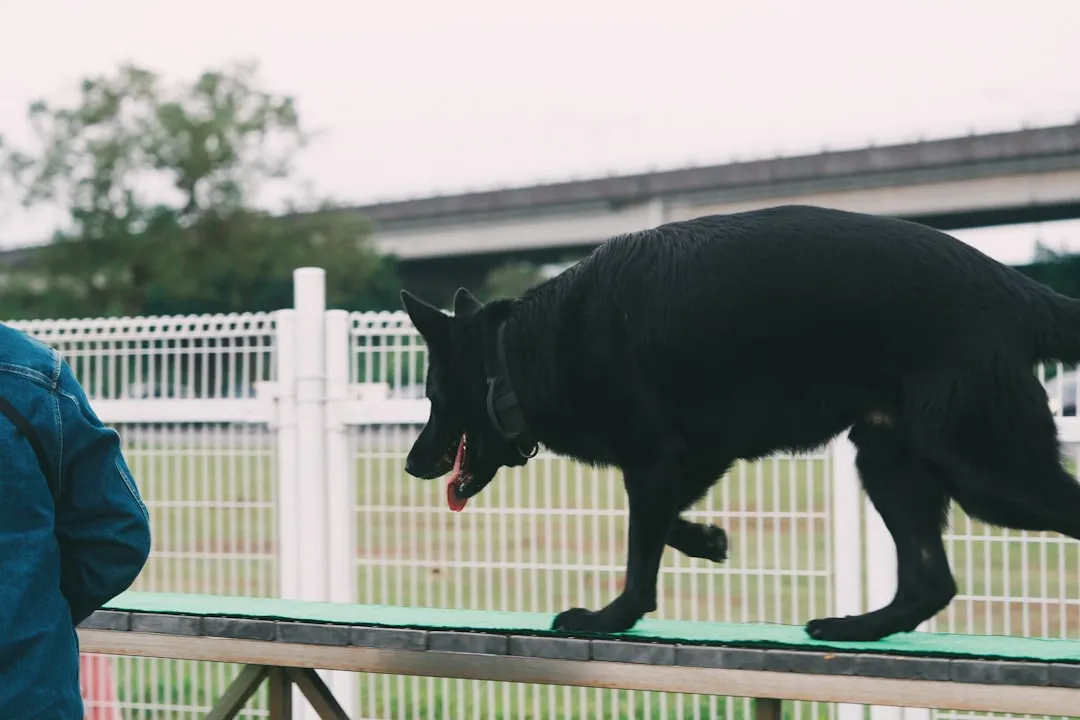
When walking becomes a struggle, a supportive harness or sling can restore something priceless: a little independence. Instead of dragging themselves across the floor, dogs can move with actual support behind them.
Getting this right usually means asking a vet or canine physical therapist which aid actually fits your dog’s specific mobility issue. The right tool prevents further strain and can visibly rebuild a dog’s confidence in their own body.
At a Glance
- Support harness: helps guide hind-leg weakness during walks
- Sling: useful for short trips outside or navigating a single step
- Dog wheelchair: built for longer-term mobility loss
- Non-slip booties: add traction on hardwood or tile floors
4. Fill the Room With Calm, Not Silence

Soft, low music can do more than most people expect. Certain calming tracks have been shown to ease anxiety in dogs, turning a tense room into a genuinely peaceful one.
Playing music quietly in the background also masks sudden, jarring noises, like a door slamming or a car outside, that might otherwise startle a resting dog. It’s a small trick with an outsized calming effect.
3. Let Them Have the Treats They Love
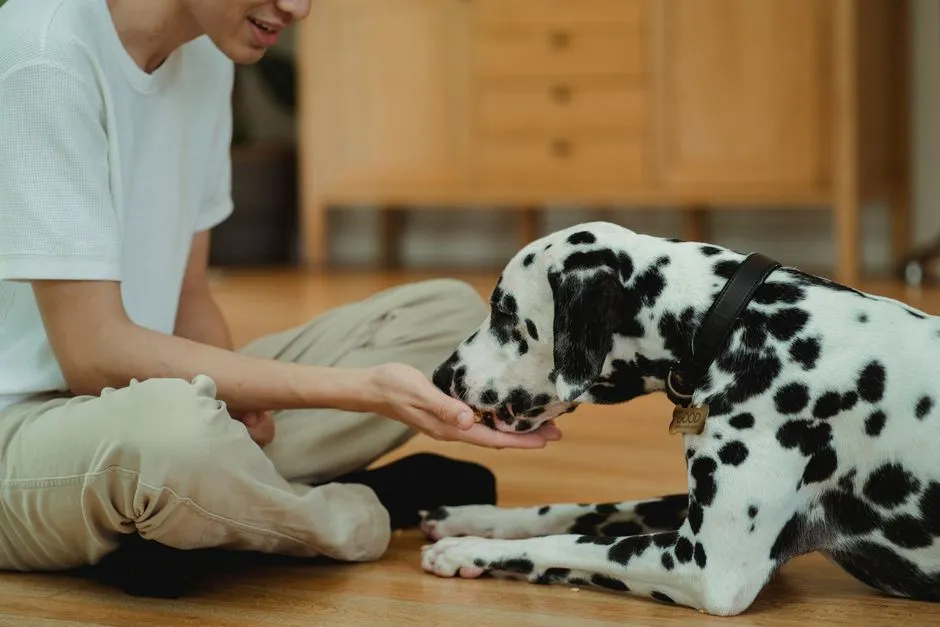
When appetite fades, forget the usual rules. A favorite treat, offered by hand, isn’t about nutrition anymore, it’s about joy, and joy still counts for something even now.
Hand-feeding also creates a moment of closeness that goes beyond the treat itself. Vets say these small indulgences often bring a spark of the dog’s old personality back, even if just for a moment.
2. Talk to Them the Way You Always Have
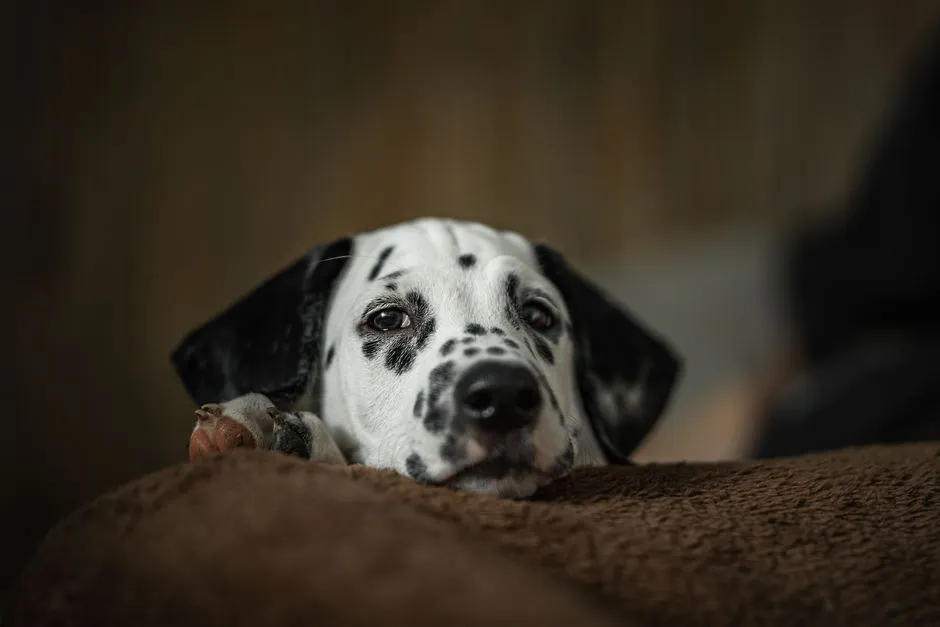
Dogs don’t need to understand your words to be comforted by your voice. The same soft, familiar tone you’ve used their whole life still means something, maybe now more than ever.
Vets often encourage families to keep talking, keep using the same nicknames, the same silly voices, the same little phrases. It’s not about the words. It’s about the sound of someone they trust still being there.
1. Simply Don’t Leave Their Side
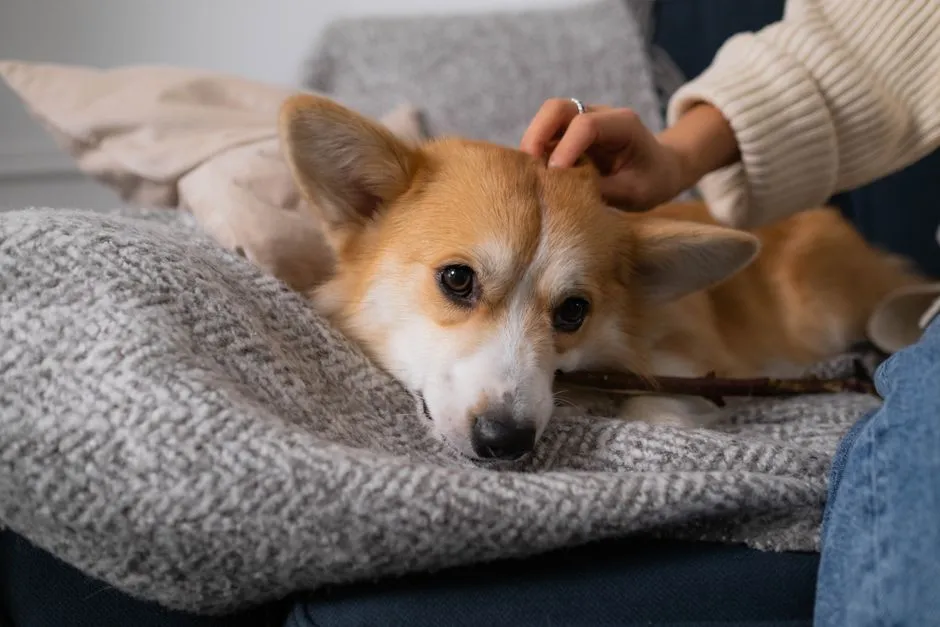
Of everything on this list, veterinarians say this one matters most. Dogs are pack animals to their very last breath, and the fear of being alone can outweigh almost any physical discomfort they’re feeling.
Staying close, even in silence, even when there’s nothing left to say, tells them the one thing they need to hear without words: you’re still here, and they are not facing this alone.
Reading through all sixteen of these, one thing becomes impossible to ignore. Comfort at the end of a dog’s life was never really about grand gestures or expensive treatments. It was always about presence, patience, and paying close attention to the small things.
Dogs are not our whole life, but they make our lives whole.
Roger Caras
That’s really what this list comes down to. The dogs who loved us unconditionally for years deserve nothing less than that same unconditional care on their way out, and honestly, that’s the least we owe them.
