
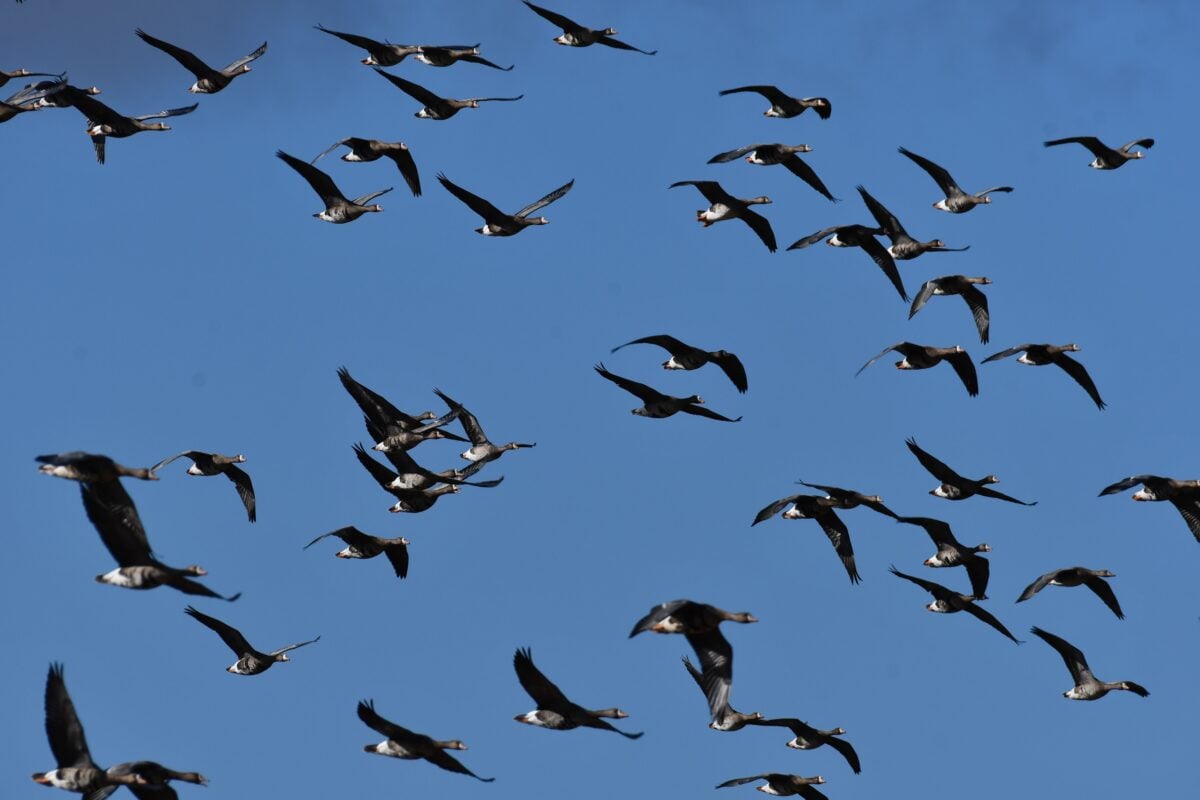
Imagine looking up to see geese flying overhead, only to realize they’re migrating at a time that seems out of sync with the usual seasons. This unexpected shift isn’t just a curiosity; it’s a signal of deeper changes in our environment. Understanding why geese alter their migration timing can offer insights into broader ecological transformations.
Climate Change: A Primary Driver
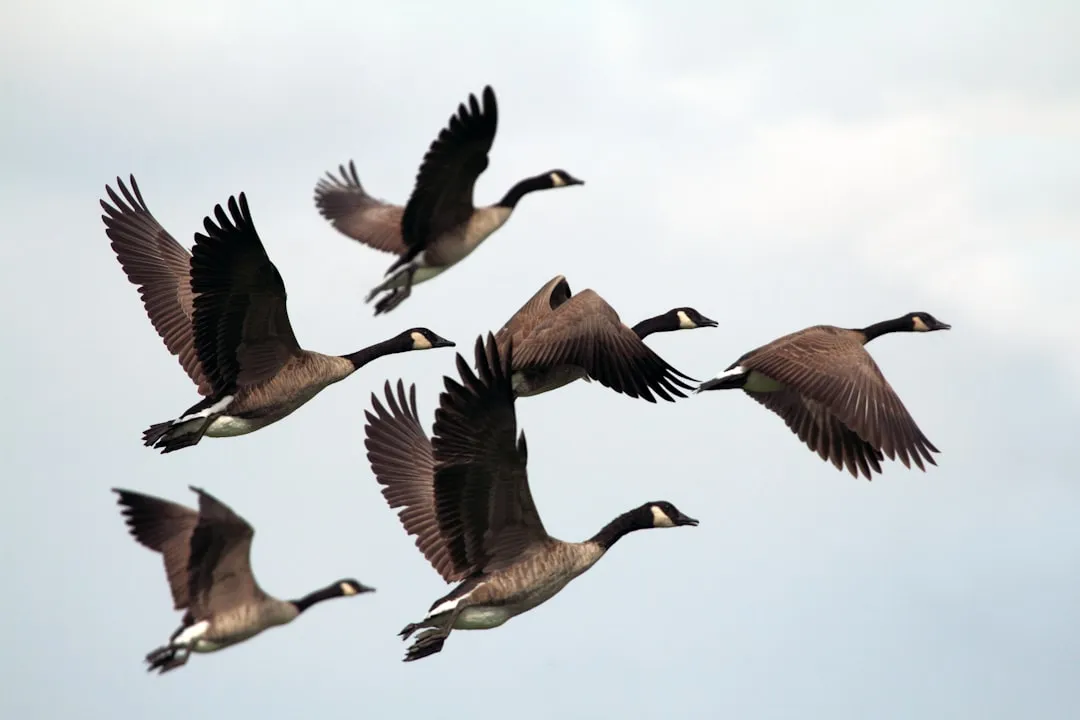
Rising global temperatures have led to earlier springs and delayed autumns, disrupting the natural cues that geese rely on for migration. As Arctic regions warm, the timing of snowmelt and plant growth shifts, prompting geese to adjust their schedules to align with these new patterns. This adaptation is crucial for their survival, as it ensures access to optimal breeding and feeding grounds.
Food Availability and Resource Timing
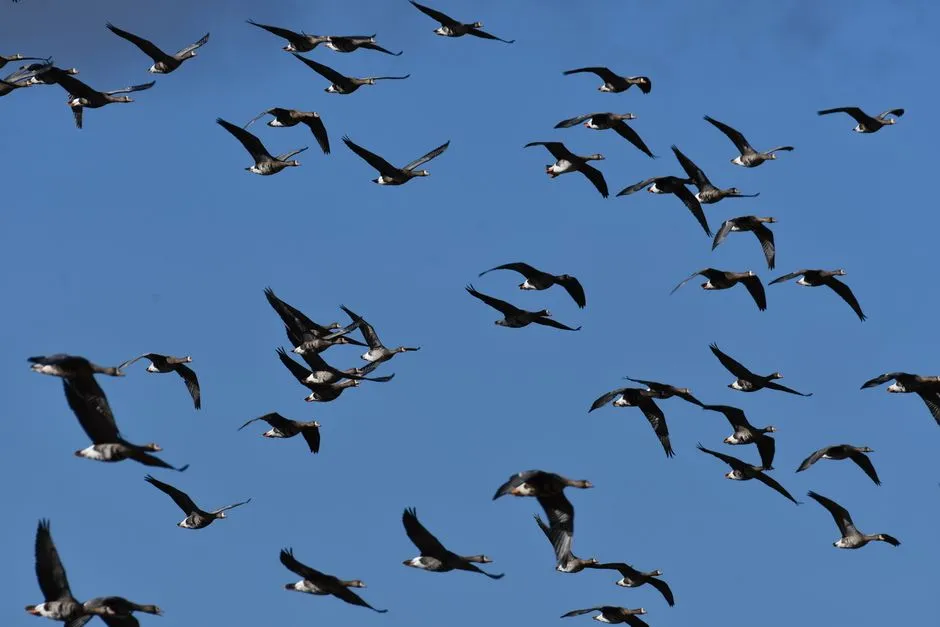
Geese time their migrations to coincide with peak food availability. Changes in agricultural practices, such as earlier planting or harvesting, can alter the availability of waste grains and other food sources. When these resources become available sooner or later than usual, geese may adjust their migration to take advantage of these changes, ensuring they have sufficient energy for their journey and reproduction.
Predation and Safety Concerns
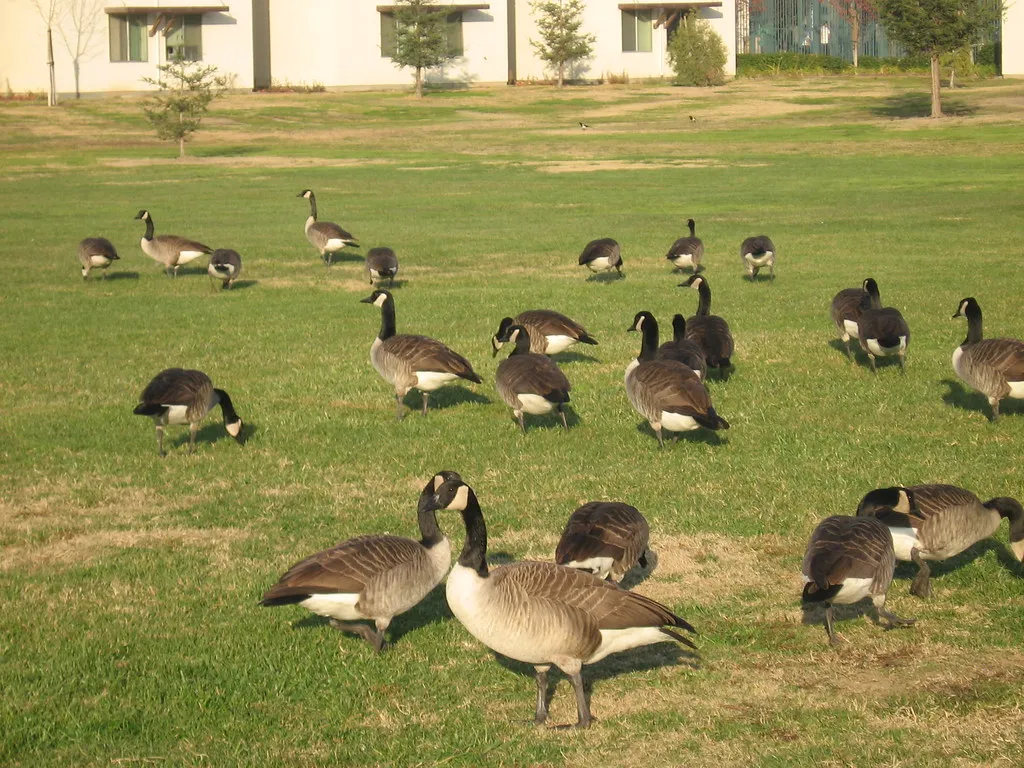
The presence of predators along migration routes or at stopover sites can influence the timing of geese migrations. If certain areas become more dangerous due to increased predator populations or human disturbances, geese might alter their schedules to avoid these threats. This behavior underscores the importance of safety in their migratory decisions.
Human-Induced Habitat Changes
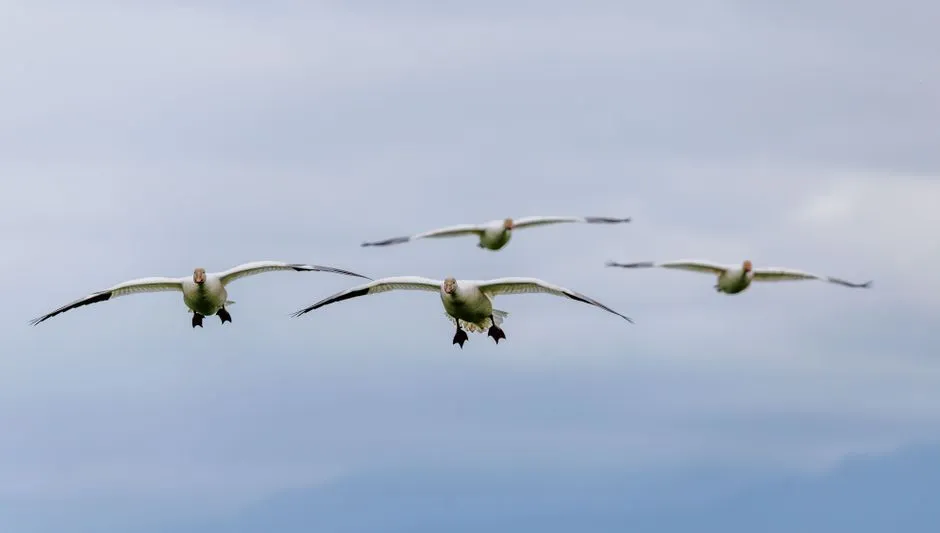
Urbanization and habitat destruction can disrupt traditional migration routes and stopover sites. When natural habitats are replaced with urban landscapes or agricultural fields, geese may be forced to find alternative routes or adjust their timing to cope with these changes. This adaptability highlights their resilience but also points to the challenges posed by human activities.
Genetic and Evolutionary Factors
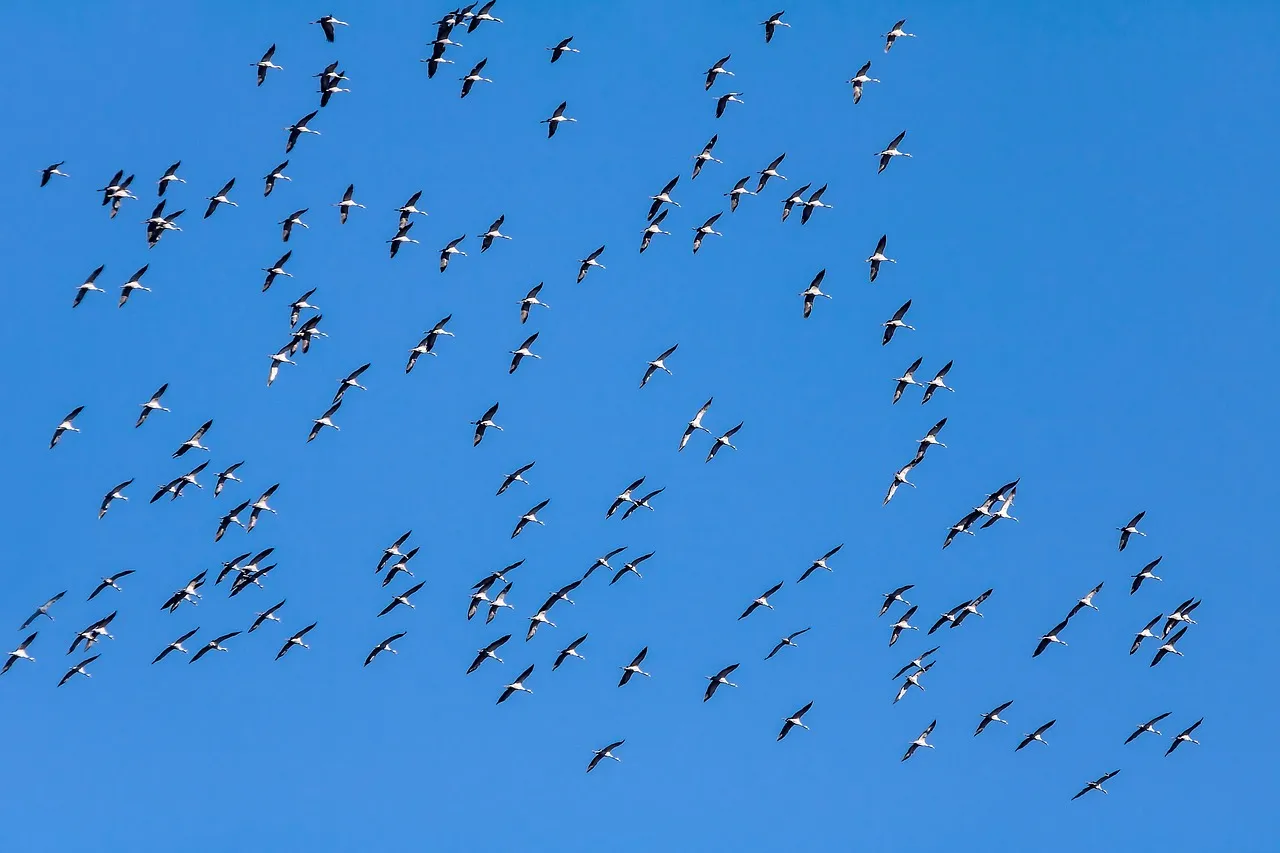
Over time, geese populations may evolve in response to changing environmental conditions. Genetic variations that favor earlier or later migration can become more prevalent if they confer survival advantages. This evolutionary process can lead to shifts in migration timing across generations, reflecting the dynamic nature of their adaptation strategies.
Impacts on Ecosystems and Biodiversity
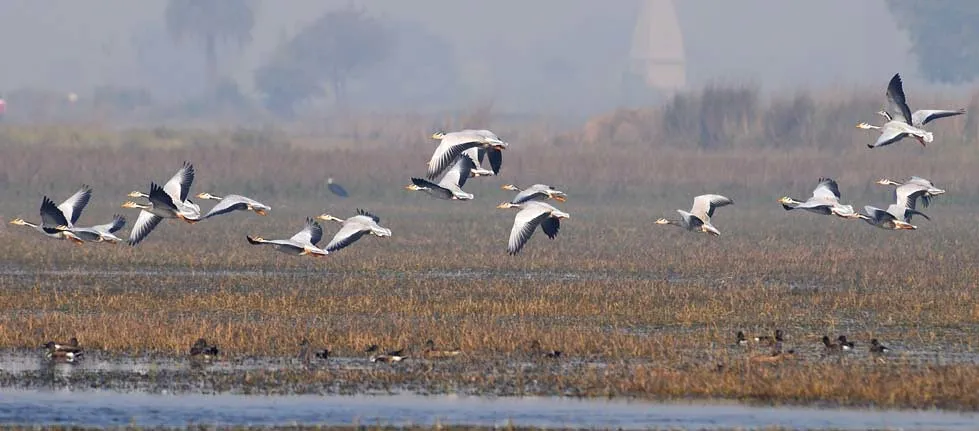
Changes in geese migration timing can have cascading effects on ecosystems. For instance, if geese arrive at breeding grounds too early or too late, it can disrupt the availability of food for their goslings, affecting survival rates. Additionally, their feeding habits can influence plant growth and the distribution of other species, highlighting the interconnectedness of ecological systems.
Conservation and Management Implications
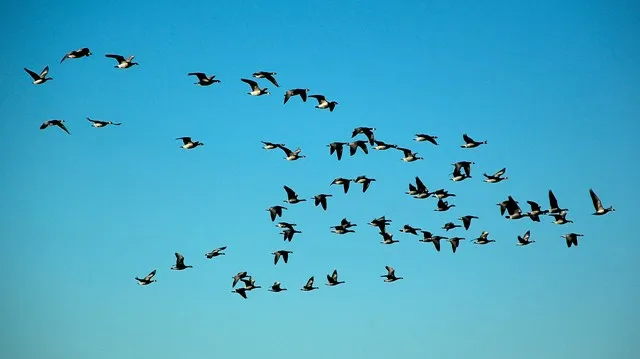
Understanding the factors influencing geese migration timing is vital for conservation efforts. By monitoring these changes, wildlife managers can develop strategies to protect critical habitats and ensure the sustainability of geese populations. This knowledge also aids in mitigating human-wildlife conflicts and preserving biodiversity.
In conclusion, the sudden changes in geese migration timing are not random but are responses to a complex interplay of environmental and anthropogenic factors. These shifts serve as indicators of broader ecological changes, urging us to pay closer attention to our impact on the natural world. As we observe these patterns, we must ask ourselves: what other signs are we missing, and how can we act to preserve the delicate balance of our ecosystems?

- 6 US States With the Most Salmon - July 12, 2026
- 14 Signs Your Dog Has Started Living in the Moment More Than You Do - July 12, 2026
- 8 Fascinating Facts About the Elusive Red Wolf, America’s Most Endangered Canine - July 12, 2026