
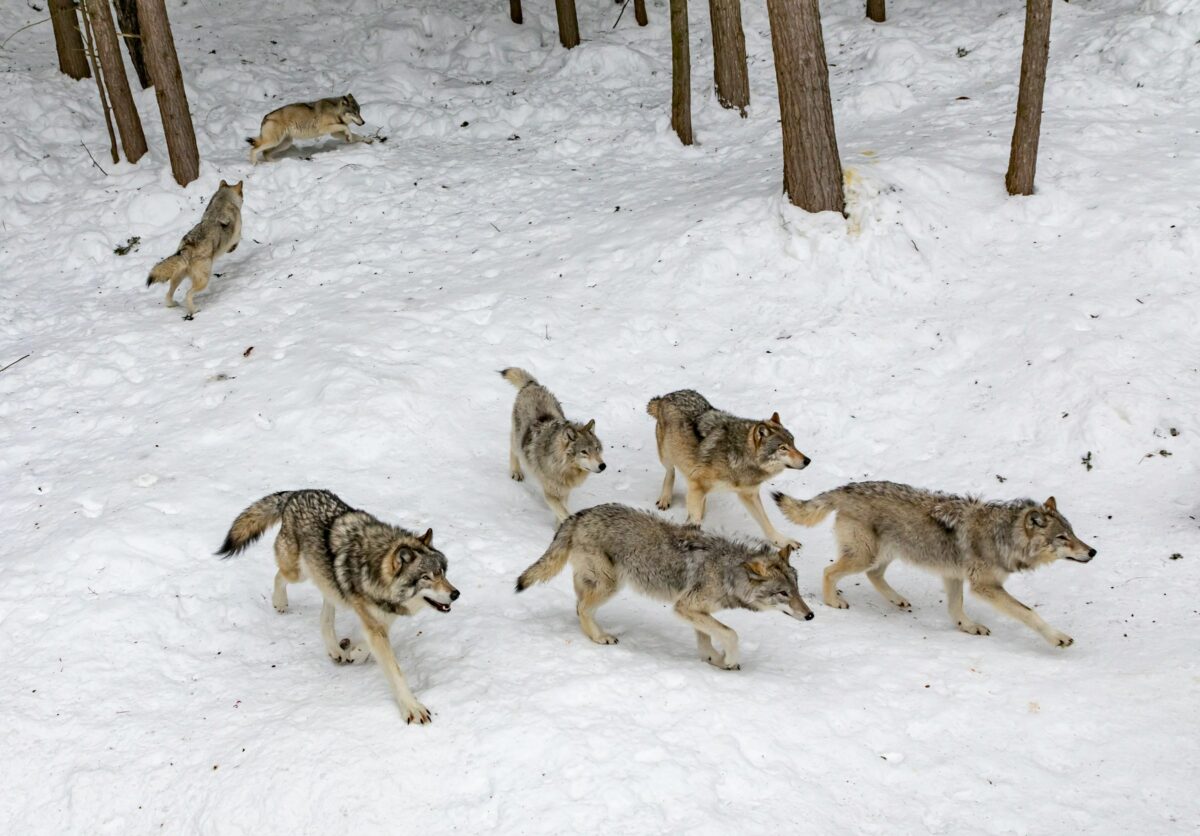
Wolves, often romanticized as noble leaders of the wilderness, exhibit hunting behaviors that challenge our traditional notions of leadership. Contrary to popular belief, the alpha wolf doesn’t always lead the charge during hunts. Instead, these apex predators employ strategies that prioritize pack cohesion and safety over individual dominance.
Understanding Pack Dynamics
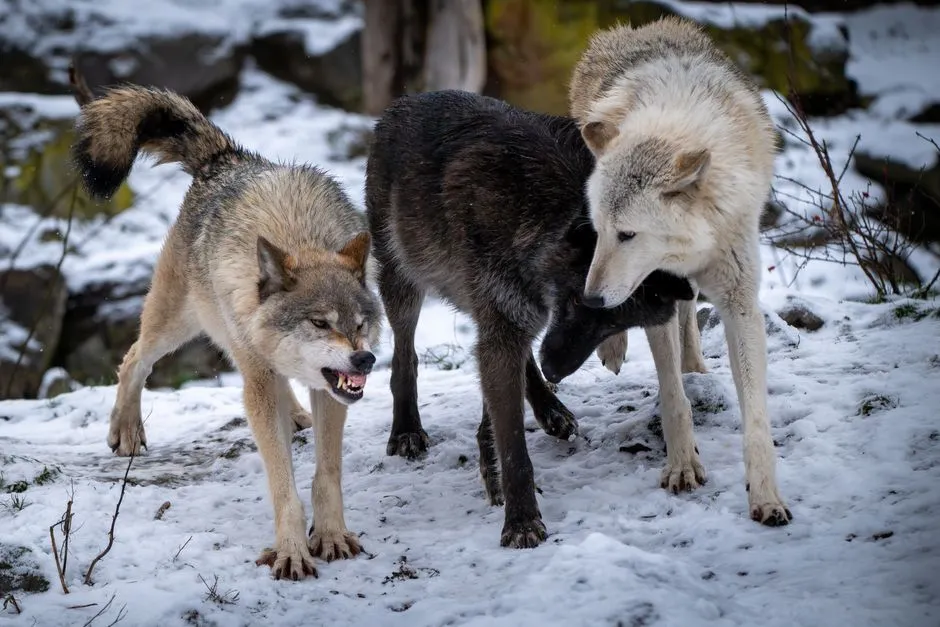
A wolf pack operates as a cohesive family unit, typically consisting of a breeding pair and their offspring. This structure fosters strong social bonds and ensures the survival of the group. Within this framework, roles are fluid and adaptable, allowing wolves to respond effectively to various challenges.
The concept of a strict dominance hierarchy, with an alpha leading all activities, has been largely debunked. Modern research indicates that leadership roles within a pack are more about experience and situational appropriateness than rigid rank. This flexibility is crucial during complex activities like hunting.
Strategic Positioning During Hunts
During a hunt, wolves employ tactics that maximize their collective success. Rather than having the alpha at the forefront, the pack utilizes a strategy where the more experienced wolves position themselves strategically to guide and protect the group.
This approach allows the pack to adapt to the unpredictable nature of the hunt. By not placing a single leader at the front, wolves can respond dynamically to the movements of their prey and the terrain, increasing their chances of a successful kill.
Communication and Coordination
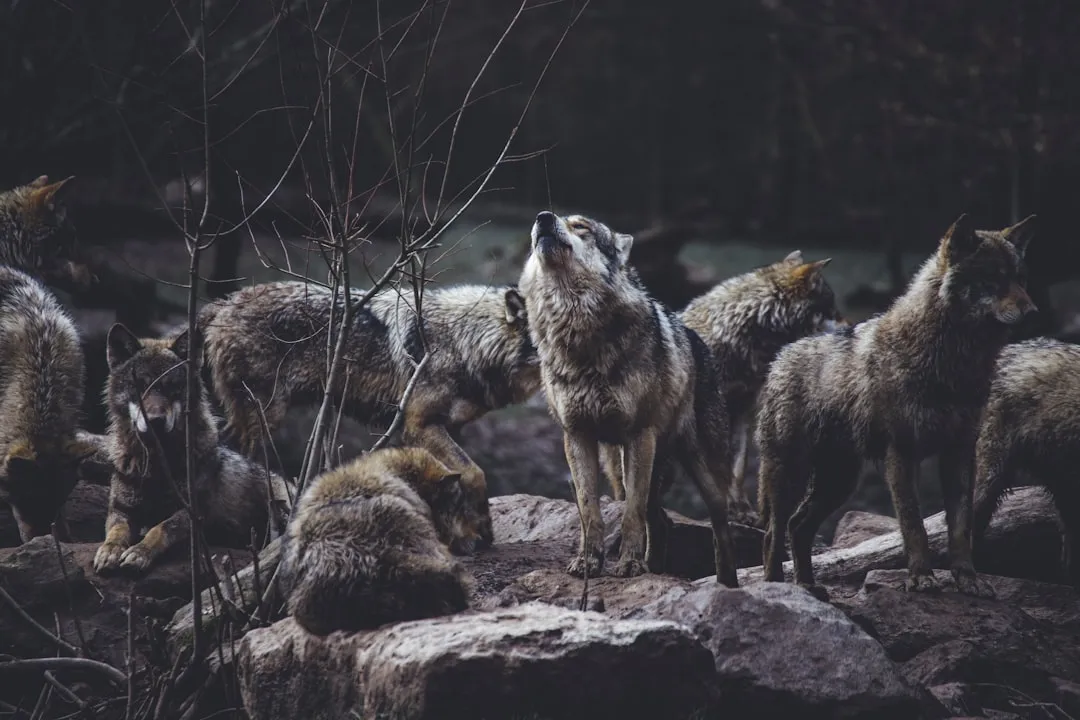
Effective communication is vital for a successful hunt. Wolves use a combination of vocalizations, body language, and scent marking to coordinate their movements and strategies. This non-verbal communication ensures that each member understands their role and can adjust as needed.
The absence of a single leader at the front doesn’t imply a lack of coordination. Instead, it highlights the wolves’ ability to work as a unified team, where each member’s input is valued, and decisions are made collectively for the benefit of the pack.
Safety and Energy Conservation
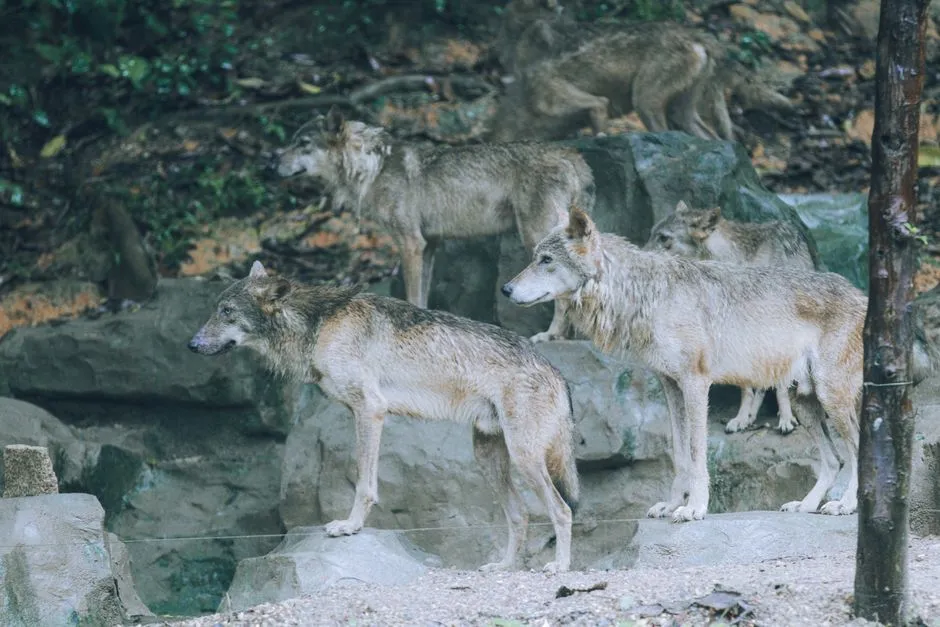
By not having the alpha lead from the front, the pack minimizes the risk to its most experienced members. This strategy ensures that the leaders can continue to guide and make decisions without being directly exposed to the dangers of the hunt.
Additionally, this positioning allows for better energy conservation. Wolves can take turns leading the chase, preventing any single member from becoming overly fatigued and maintaining the pack’s overall stamina.
Adaptability to Prey Behavior
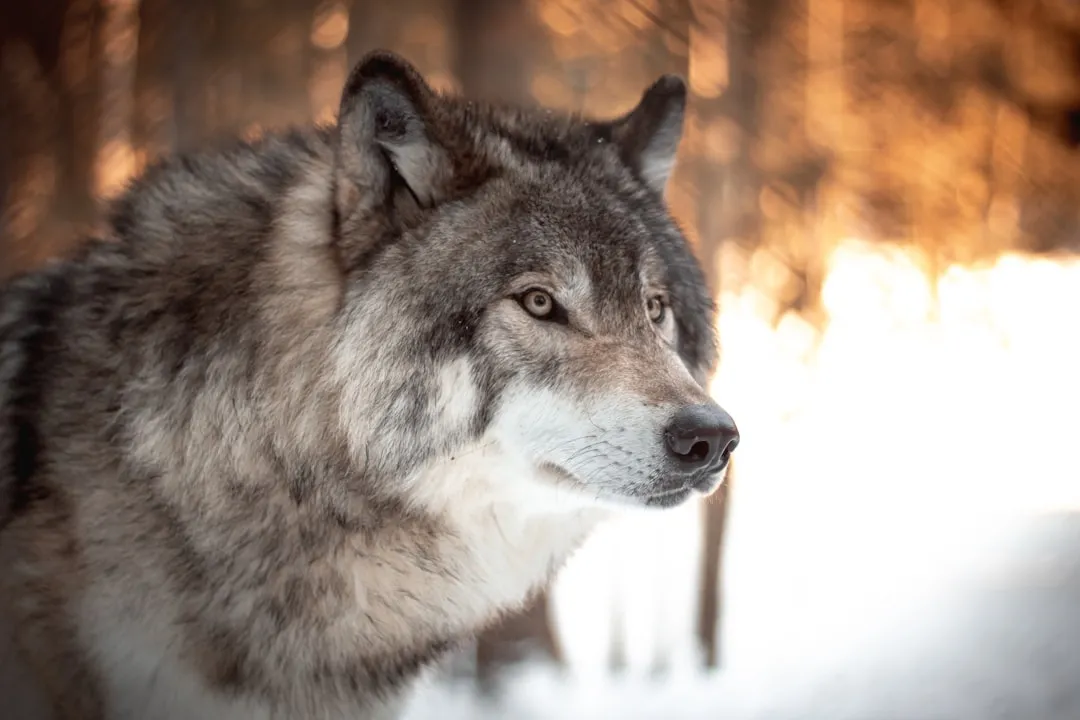
Different prey require different hunting strategies. Wolves adapt their approach based on the size, speed, and behavior of their target. This adaptability is facilitated by a flexible leadership structure during hunts, allowing the pack to modify its tactics in real-time.
For instance, when hunting larger prey like moose, wolves may employ a strategy that involves surrounding the animal and attacking from multiple angles, rather than a straightforward chase. This method reduces the risk to individual wolves and increases the likelihood of a successful hunt.
Training and Mentorship
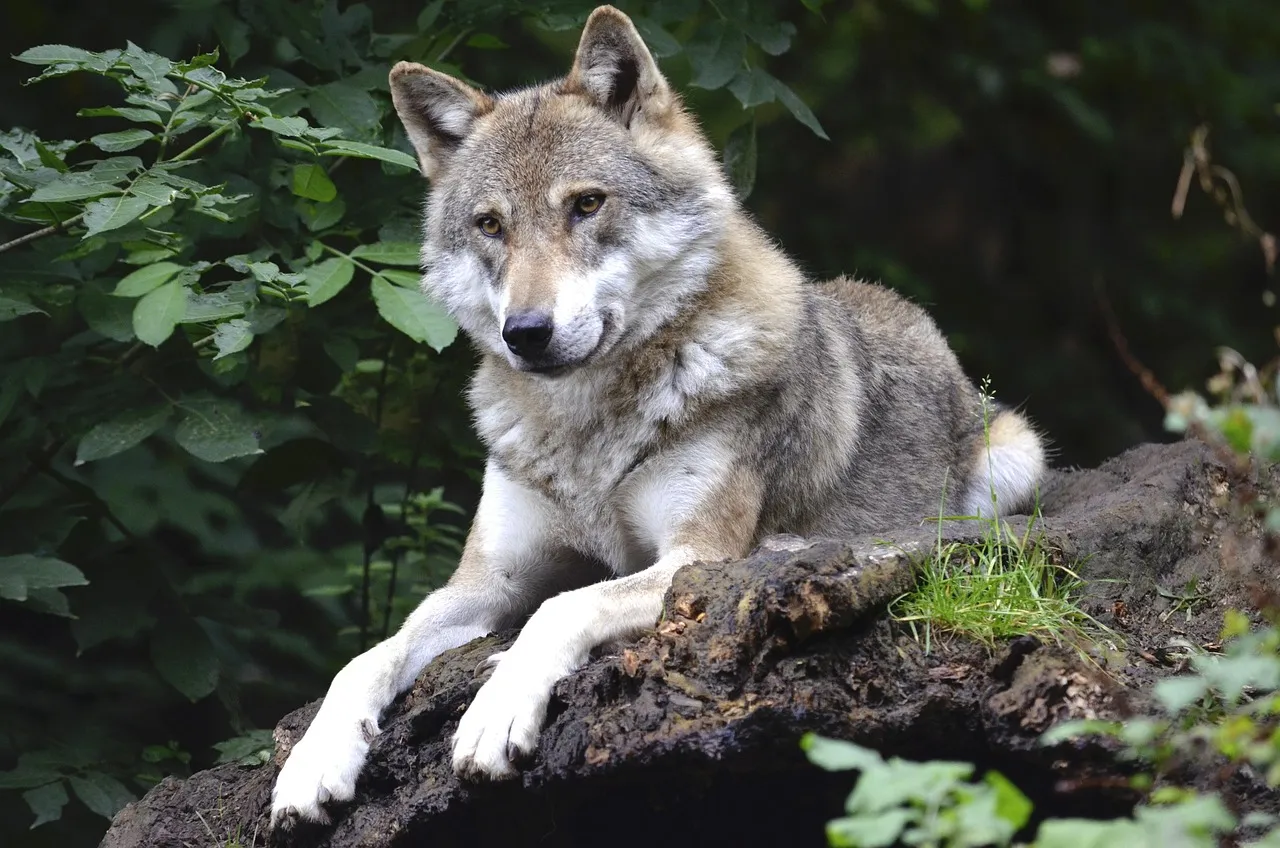
Younger wolves learn essential hunting skills by observing and participating in hunts led by more experienced members. This mentorship is crucial for the development of the pack’s future hunters and leaders.
By not always leading from the front, the alpha provides opportunities for younger wolves to take on different roles during the hunt, fostering a learning environment that benefits the entire pack.
Conclusion
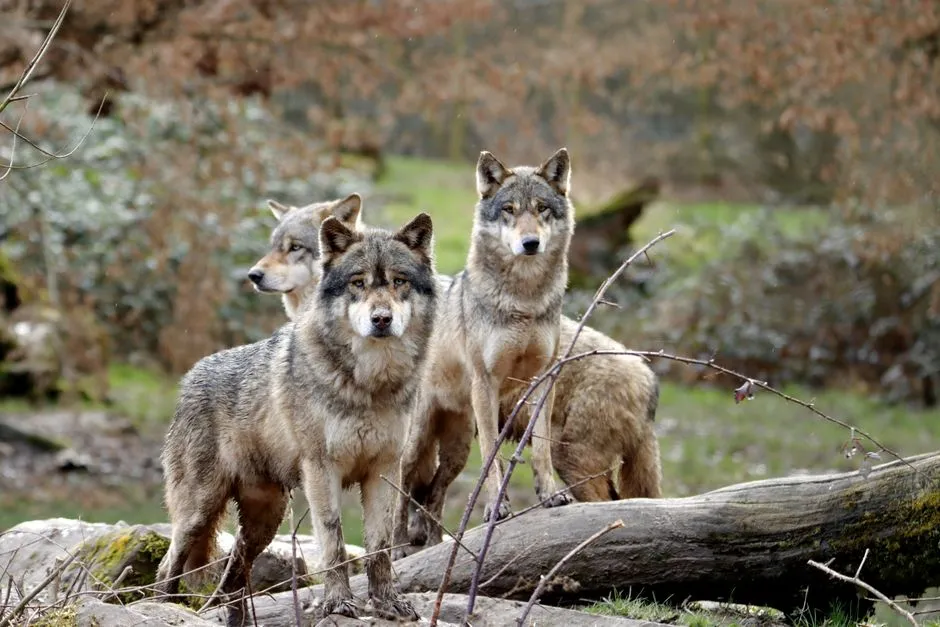
The hunting strategies of wolves reveal a complex social structure that values cooperation, adaptability, and collective success over individual dominance. By not leading from the front during dangerous hunts, wolves demonstrate a sophisticated understanding of teamwork and survival. This behavior challenges our traditional views of leadership and offers valuable insights into the importance of collaboration and shared responsibility. Perhaps it’s time we reconsider our own notions of leadership in light of these remarkable creatures.
