
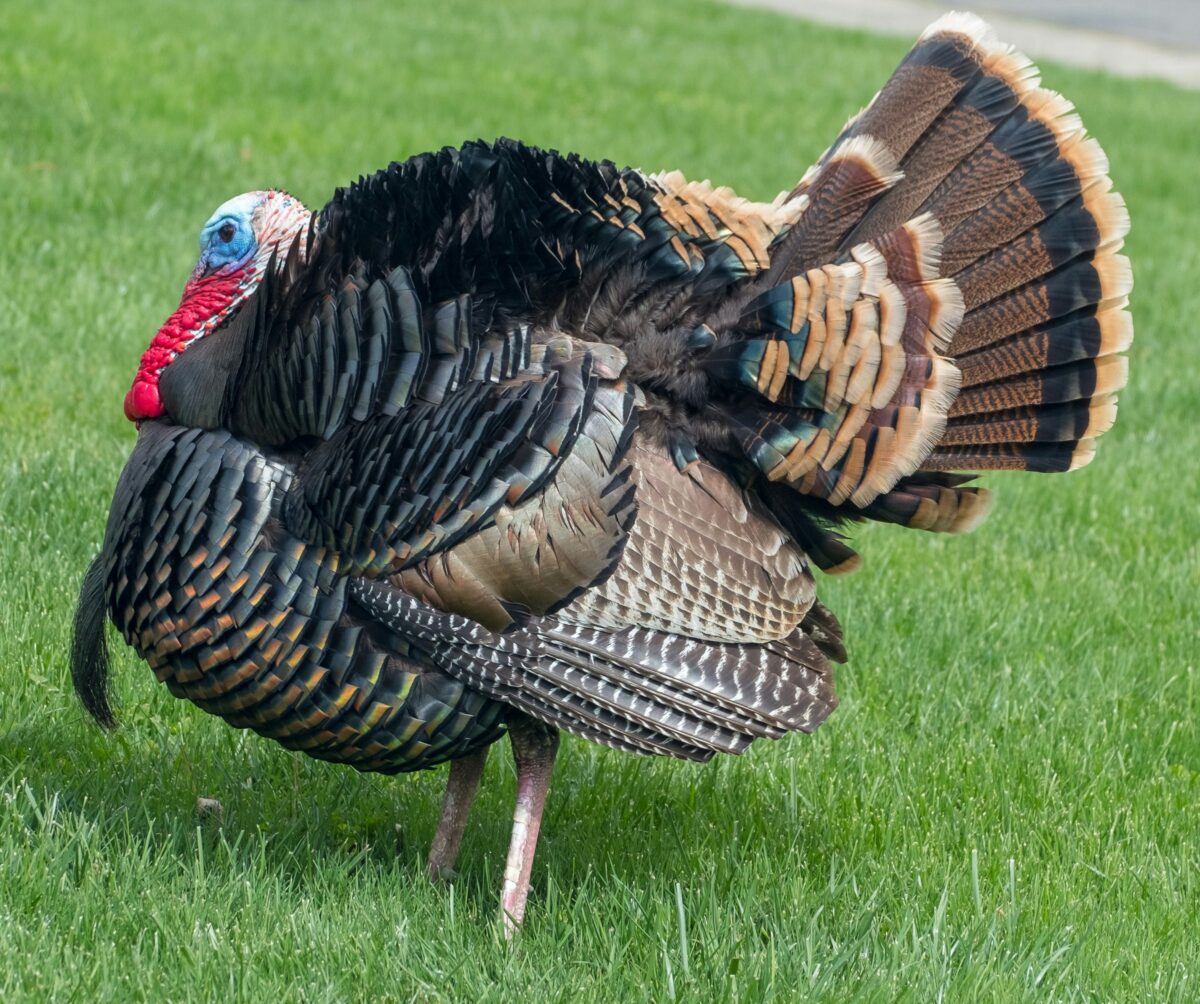
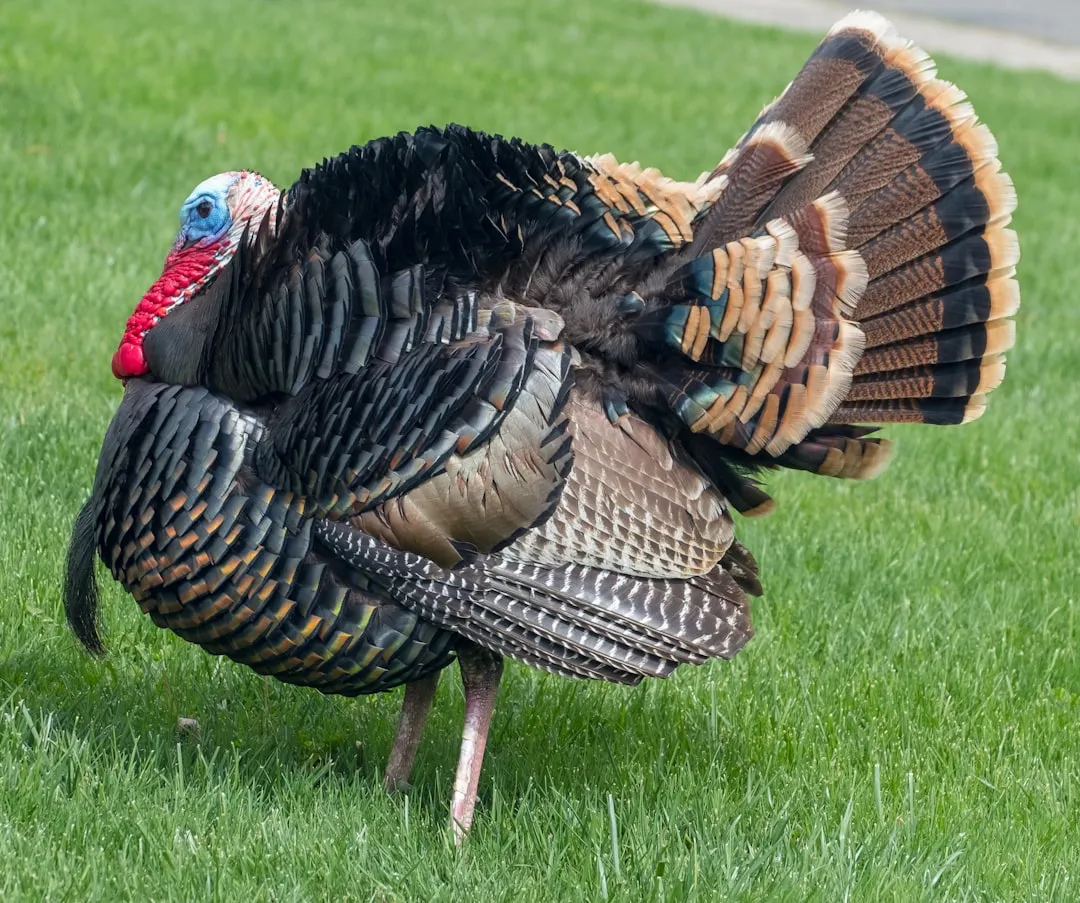
When the skies darken and raindrops begin to fall, you might notice wild turkeys engaging in a peculiar behavior: they suddenly spread their wings wide. This intriguing action isn’t just for show; it’s a vital part of their survival strategy. Let’s delve into the reasons behind this behavior and uncover the fascinating adaptations of these resilient birds.
Natural Waterproofing: The Role of Preening
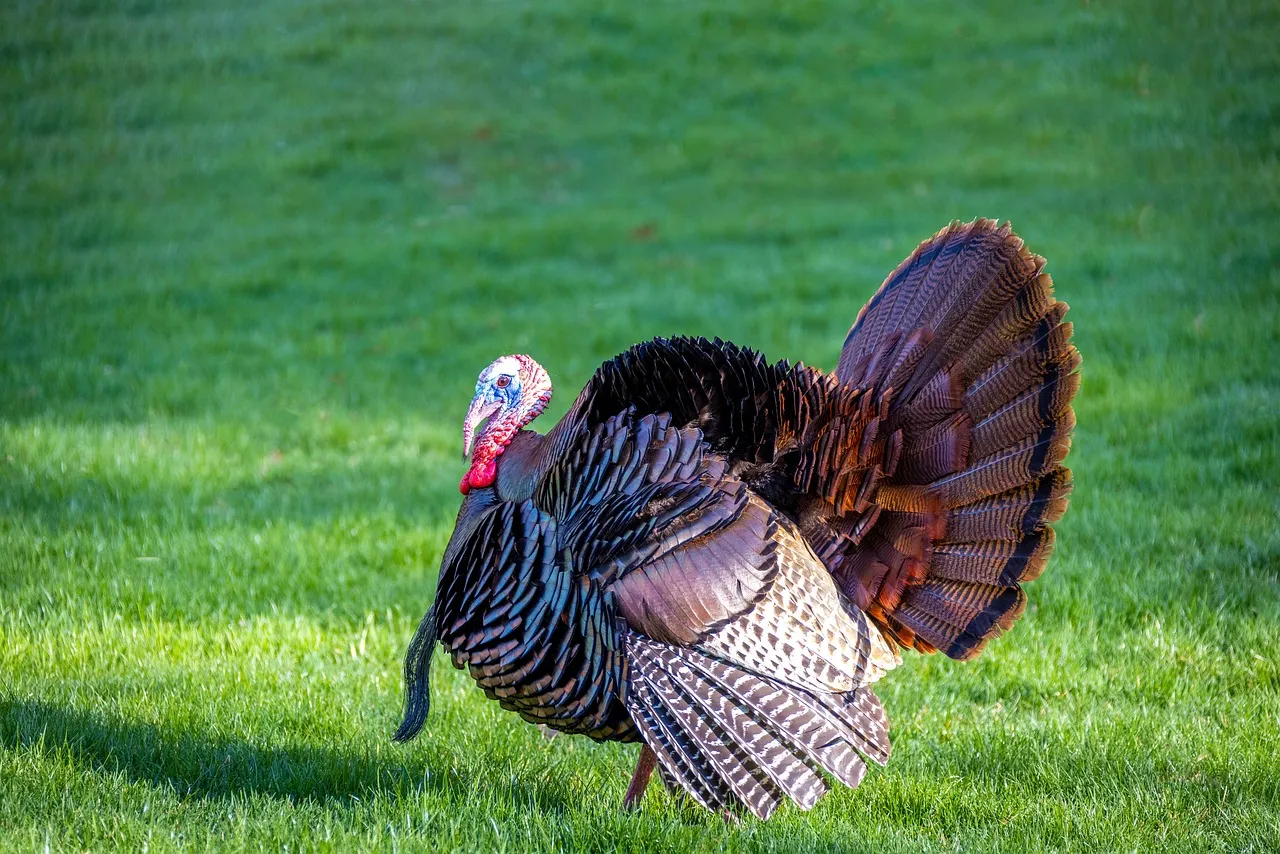
Wild turkeys possess a remarkable natural defense against the elements. At the base of their tails lies the uropygial gland, which secretes an oily substance. During preening, turkeys meticulously spread this oil across their feathers, creating a water-repellent barrier. This process ensures that water beads up and rolls off, preventing their plumage from becoming waterlogged. Without this waterproofing, turkeys would struggle to maintain their body temperature and could become more susceptible to predators.
Shaking Off the Rain: A Quick Drying Technique
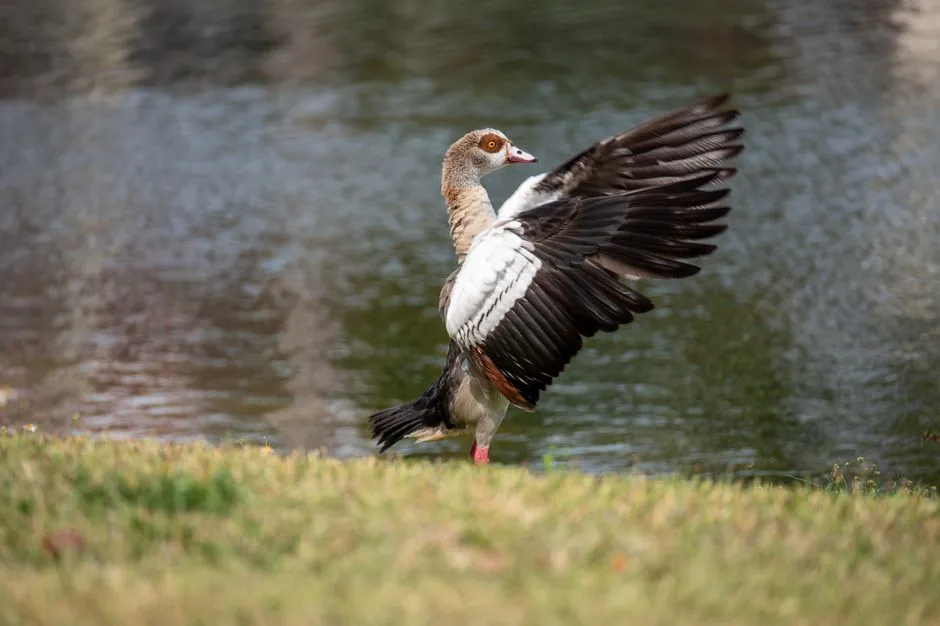
After a downpour, turkeys often engage in vigorous wing flapping. This behavior serves multiple purposes: it helps shake off excess water, realigns feathers for optimal insulation, and removes debris. By spreading their wings and flapping, turkeys can expedite the drying process, ensuring they remain agile and ready to respond to any threats. This quick-drying technique is essential, especially during colder months when prolonged dampness could lead to hypothermia.
Seeking Shelter: Strategic Movement During Rain
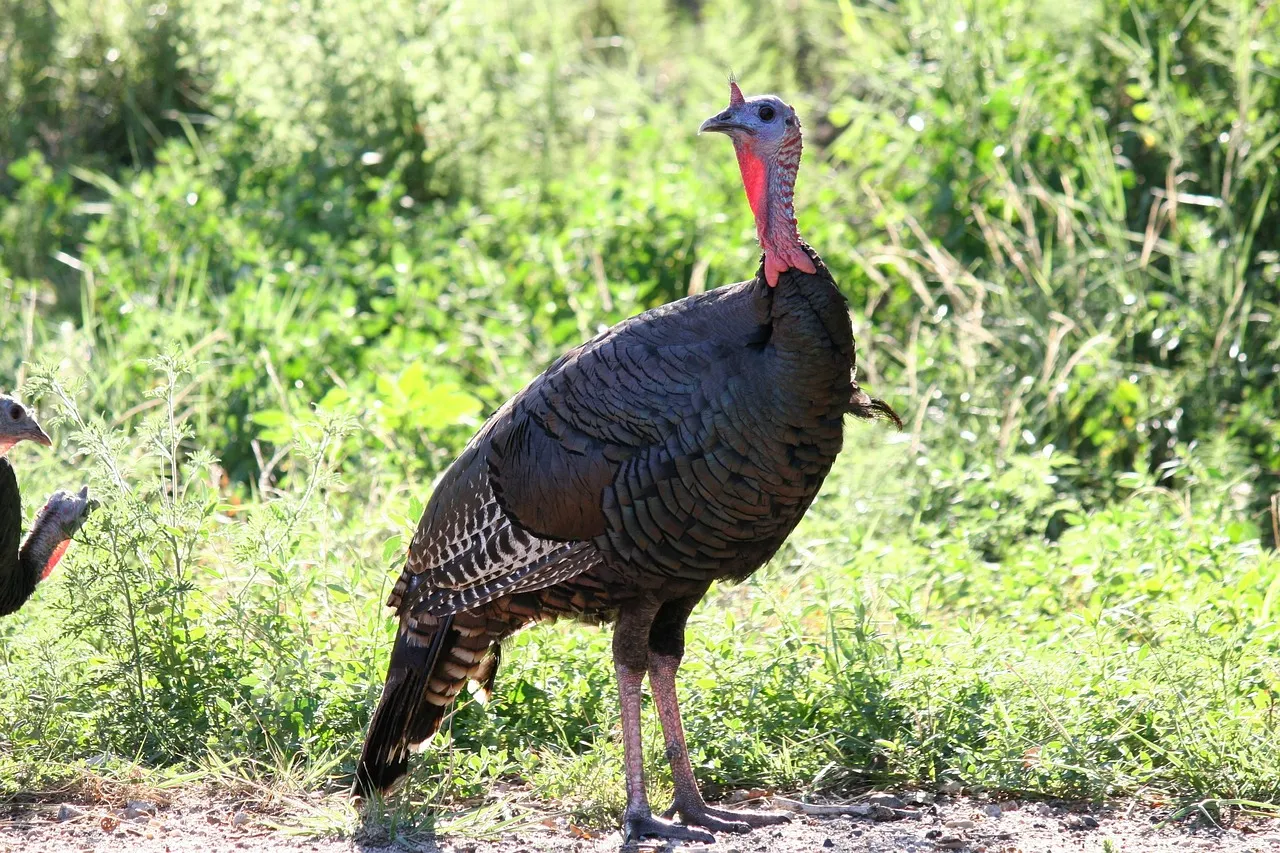
Turkeys are strategic in their movements during rainy conditions. They often seek out open fields or areas with less dense vegetation. This behavior might seem counterintuitive, but it offers several advantages. Open spaces provide better visibility, allowing turkeys to spot potential predators more easily. Additionally, these areas often have better air circulation, which aids in drying their feathers faster. By choosing such locations, turkeys balance the need for safety with the necessity of staying dry.
Feeding Opportunities: Rain Brings Abundant Prey
Rainy weather can be a boon for turkeys’ feeding habits. Moist conditions drive insects and worms to the surface, providing an abundant food source. Turkeys take advantage of this by foraging more actively during and after rain. This increased food intake not only satisfies their hunger but also provides the energy needed to maintain body heat and recover from the challenges posed by wet conditions.
Roosting Behavior: Adjusting to Wet Weather
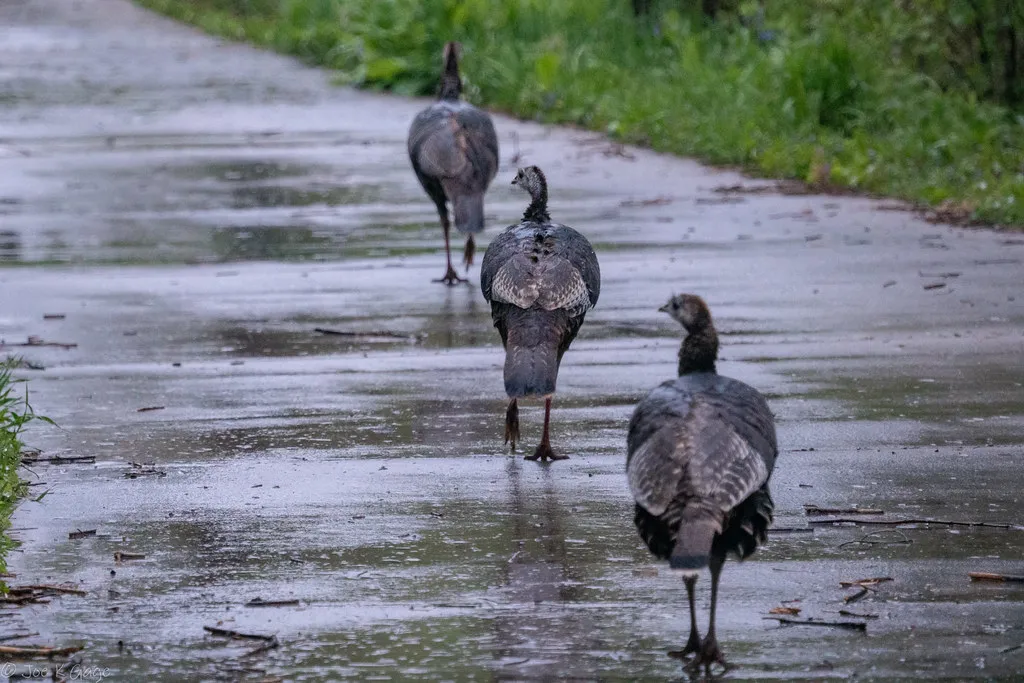
When heavy rain persists, turkeys may alter their roosting behavior. Instead of descending from their roosts at the usual time, they might delay their descent, waiting for the rain to subside. This adjustment minimizes their exposure to wet conditions and reduces the risk of hypothermia. By staying in their elevated roosts, turkeys can conserve energy and stay dry until the weather improves.
Myth Busting: Do Turkeys Drown in the Rain?
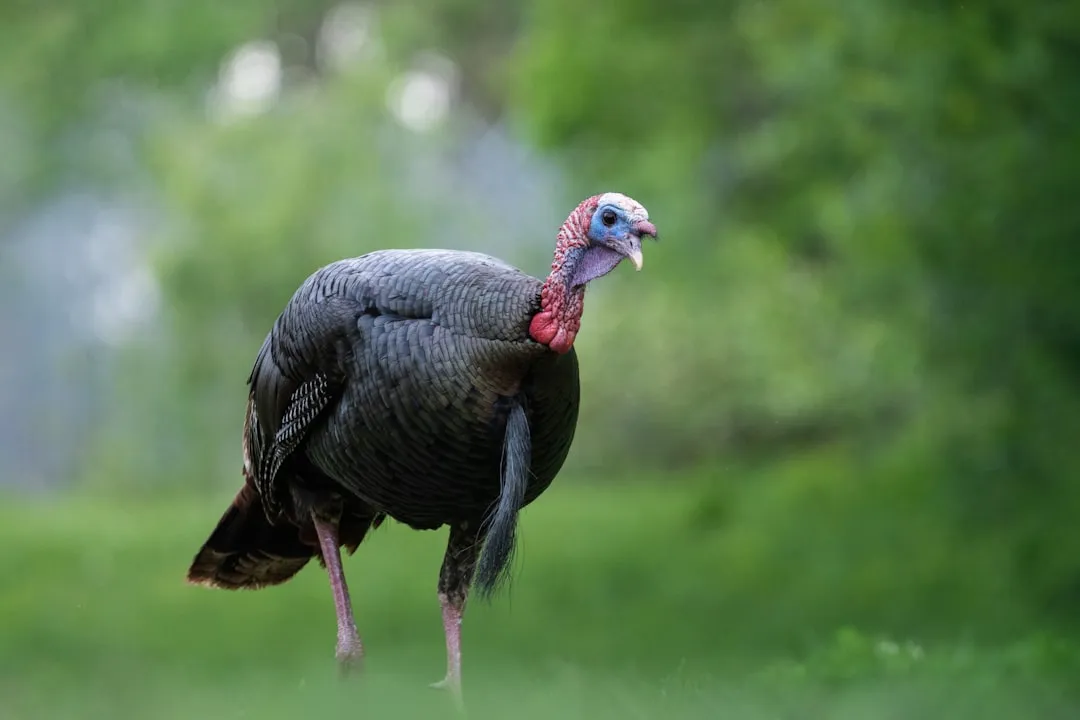
A longstanding myth suggests that turkeys can drown by looking up during rainstorms. This misconception likely stems from misunderstandings about turkey behavior. In reality, turkeys have evolved to handle rain effectively. Their respiratory systems are designed to prevent water from entering their lungs, and their behaviors during rain are geared towards survival, not self-harm. Dispelling such myths helps us appreciate the resilience and adaptability of these birds.
Conclusion: Nature’s Resilient Survivors
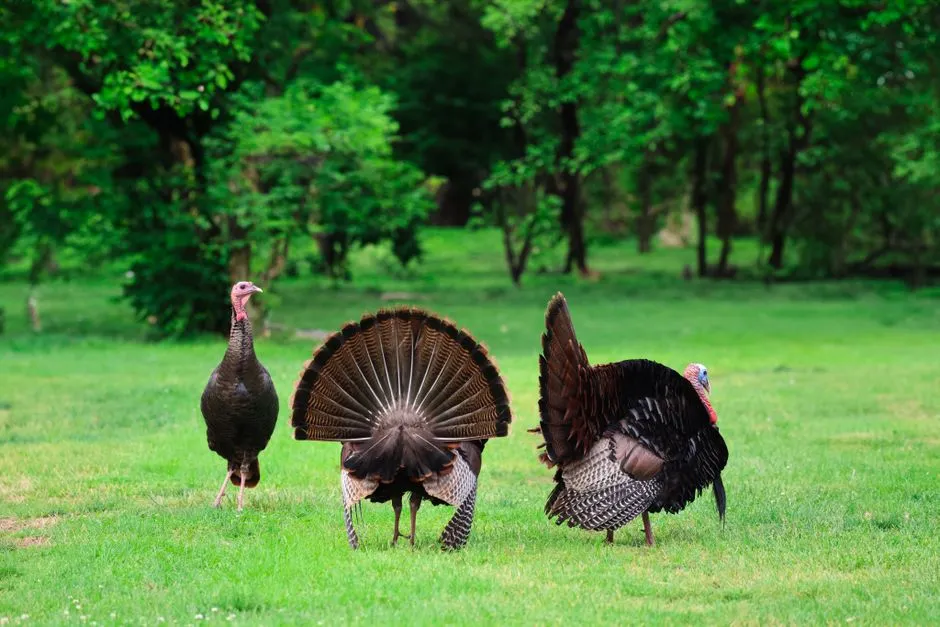
Wild turkeys are a testament to nature’s ingenuity. Their behaviors during rain – spreading wings, seeking shelter, adjusting feeding and roosting habits – are all finely tuned adaptations that ensure their survival. Observing these behaviors offers a glimpse into the complex interplay between wildlife and the environment. So, the next time you see a turkey spreading its wings in the rain, remember: it’s not just a random act; it’s a survival strategy honed over millennia. Isn’t nature fascinating?

- Which Zodiac Signs Are Naturally Drawn to Ocean Animals - July 14, 2026
- The Most Playful Horse Breeds That Love Bonding With Humans - July 14, 2026
- 24 Things Nobody Tells You About Adopting a Dog in Your Sixties - July 14, 2026