
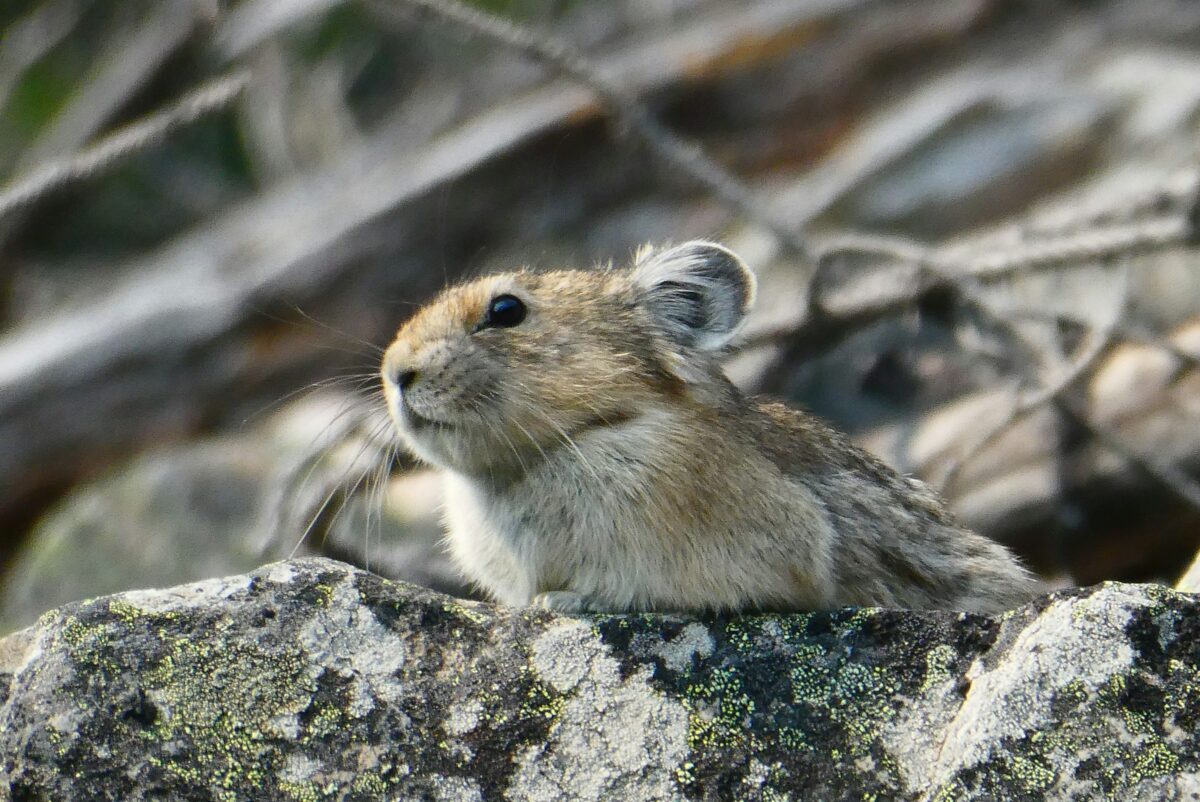
There’s a particular kind of quiet up above the tree line, the kind you only get where the air is thin and the wind never really stops. Yet if you sit still long enough near a boulder field in the Rockies or the Sierra, you might hear a sharp little “meep” cut through that silence. That sound belongs to one of the toughest small mammals on the continent, an animal that looks like a stuffed toy but survives conditions that would kill most creatures its size within hours.
Pikas have spent millions of years figuring out how to live somewhere almost nothing else can, and the tricks they use to get through nine months of snow are stranger and more specific than most people realize.
1. They Skip Hibernation Entirely
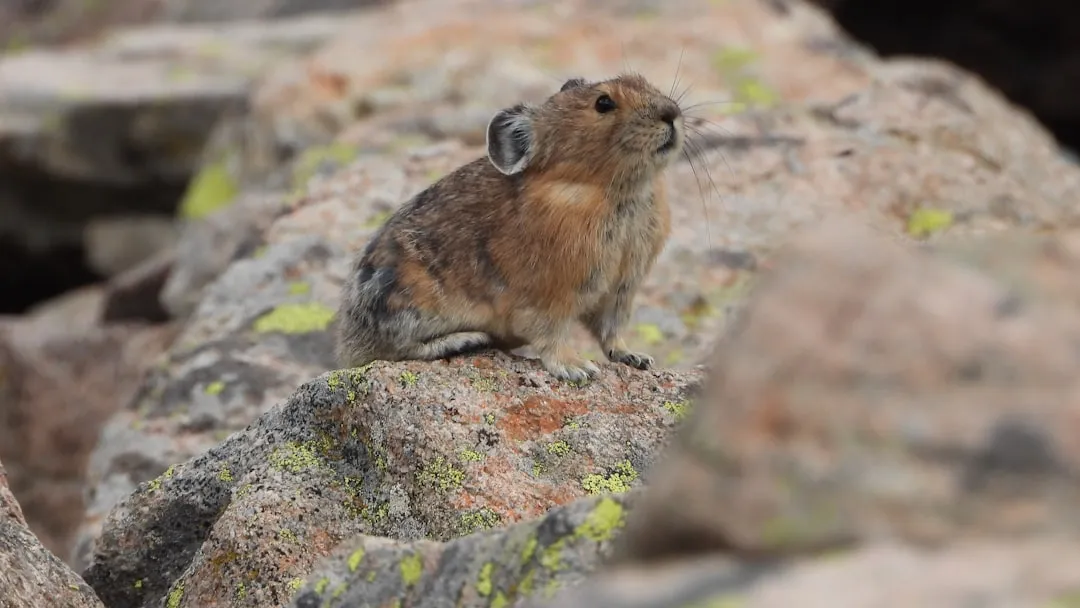
Most animals living at high elevation either migrate down the mountain when winter hits or sleep through the worst of it. Pikas are active in the daytime and they don’t hibernate in winter, though they tend to spend most of their time inside the den once the cold sets in. That’s a genuinely unusual strategy for a small mammal facing months of subzero temperatures and near constant snow cover.
Instead of powering down, pikas stay alert and active under the snowpack all winter long, moving through tunnels and gaps in the rock. Pikas do not hibernate and have adapted to survive the cold alpine winters, relying on stored vegetation to get them through the months when nothing green is growing. It’s a demanding way to live, but it also means pikas never lose the muscle mass or metabolic readiness that hibernators sacrifice during their long sleep.
2. Their Bodies Run Unusually Hot
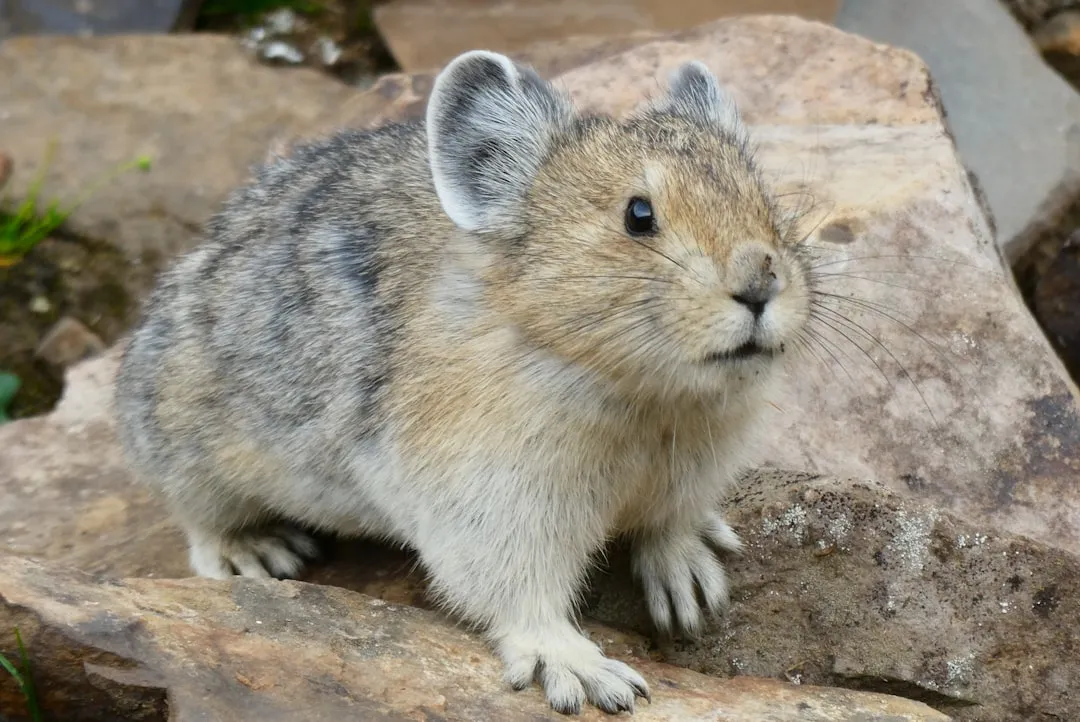
One of the biggest reasons pikas can stay active in freezing conditions comes down to basic physiology. They keep warm thanks to an extremely thick fur coat, a high metabolism, and a high resting body temperature of roughly 104.2°F, a level that would be life threatening for a human. That internal furnace burns constantly, generating enough heat to offset whatever the mountain throws at them.
Researchers studying pika physiology have found that this metabolic rate is far above what you’d expect for an animal their size. Pikas have several physiological adaptations that allow them to remain active year round in high elevation environments, including dense pelage, low thermal conductance, and a basal metabolic rate well above what allometric models would predict for a mammal their weight. Running that hot has a cost, though, and it’s one that becomes obvious later in this list.
3. Their Fur Coat Changes With the Seasons
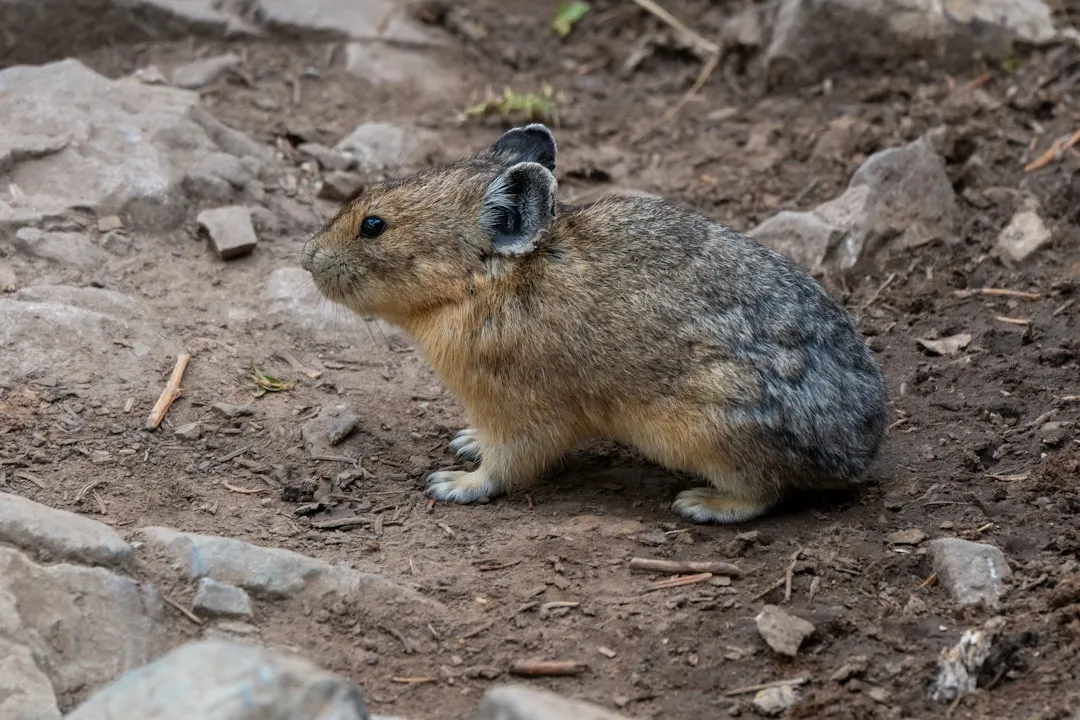
A pika in January looks noticeably different from a pika in July, and that’s by design rather than coincidence. Pika fur is thick to keep them warm in the winter, functioning almost like a built-in parka against the alpine cold. That dense winter coat traps air close to the skin, cutting down on heat loss even when the wind is howling across a talus slope.
Come summer, the pika swaps that heavy coat for something lighter, though not light enough to make them heat tolerant. During the summer they put on a much lighter coat of fur, though the hair is still thick enough that a pika might overheat if exposed to very high heat for long periods of time. The seasonal switch is a fine balancing act between staying warm enough in winter and not overheating once the snow melts.
4. They Build Elaborate Winter Food Stockpiles
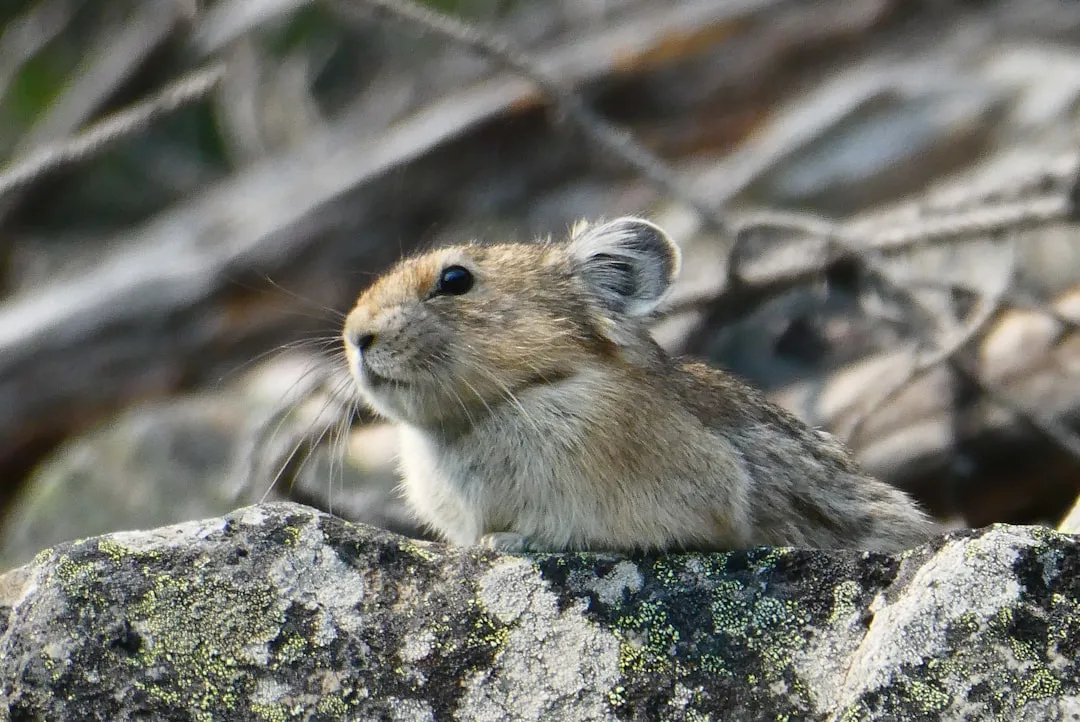
Since pikas don’t hibernate, they can’t simply sleep through the food shortage that winter brings to the alpine zone. Pikas have an ingenious adaptation for surviving the winter months without access to fresh food, spending most of the summer collecting grasses and forbs from nearby alpine meadows and laying them out to dry in organized piles tucked among the talus. These stockpiles, known as haypiles, are essentially a pantry built one mouthful at a time.
The scale of this effort is honestly a bit startling for an animal roughly the size of a potato. These haypiles serve as the winter food cache for each pika, its lifeline to survive until the next summer, and pikas will make up to fourteen thousand foraging trips in order to collect enough food. Watching one of these animals sprint back and forth with mouthfuls of grass all summer gives you a whole new respect for the idea of planning ahead.
5. Snow Becomes Their Insulation, Not Their Enemy
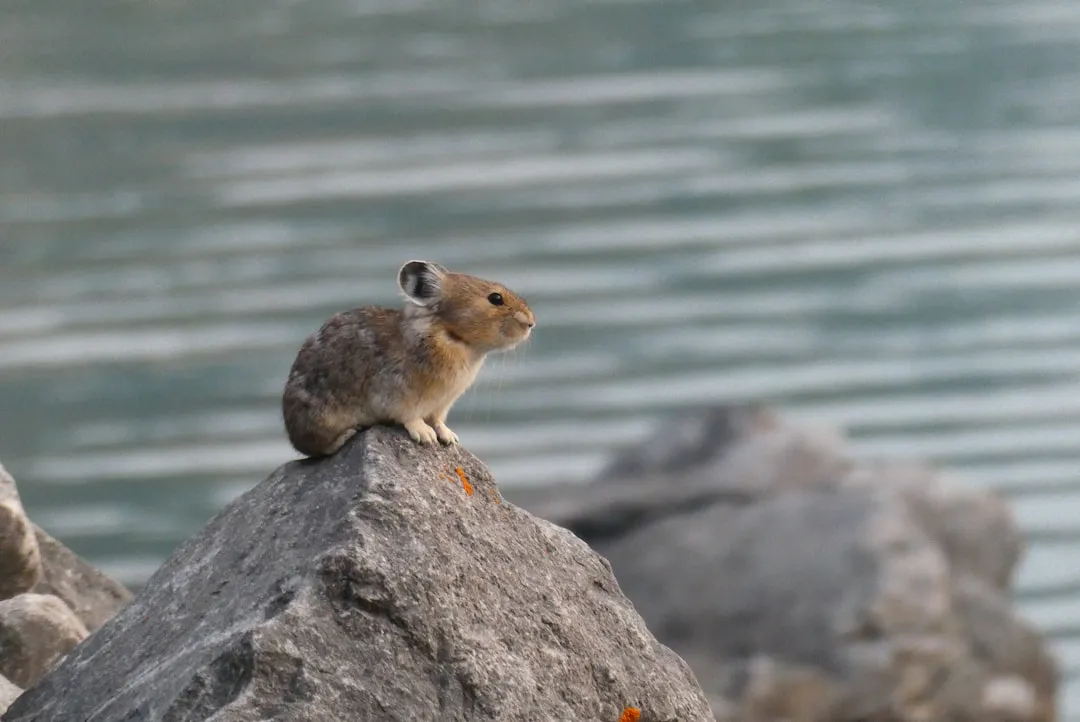
It sounds backwards, but heavy snowpack is actually one of the best things that can happen to a pika in winter. Pikas take advantage of the deep snowdrifts that cover their preferred talus habitat, which provide additional insulation against the cold by keeping temperatures beneath the talus around a relatively balmy 32°F. That thick blanket of snow traps a layer of warmer air right where pikas need it most, underneath the rocks.
Without that insulating layer, conditions in the open alpine can turn lethal fast. Since pikas do not hibernate, they rely on the insulating effect of ample snow to survive harsh winter temperatures, and a reduced snowpack or earlier snowmelt due to a changing climate may also limit their habitat range and ability to survive. A thin or patchy snow year can expose both the pikas and their carefully built haypiles to the kind of cold their bodies simply weren’t built to handle unprotected.
6. Talus Rock Fields Work Like Natural Thermostats
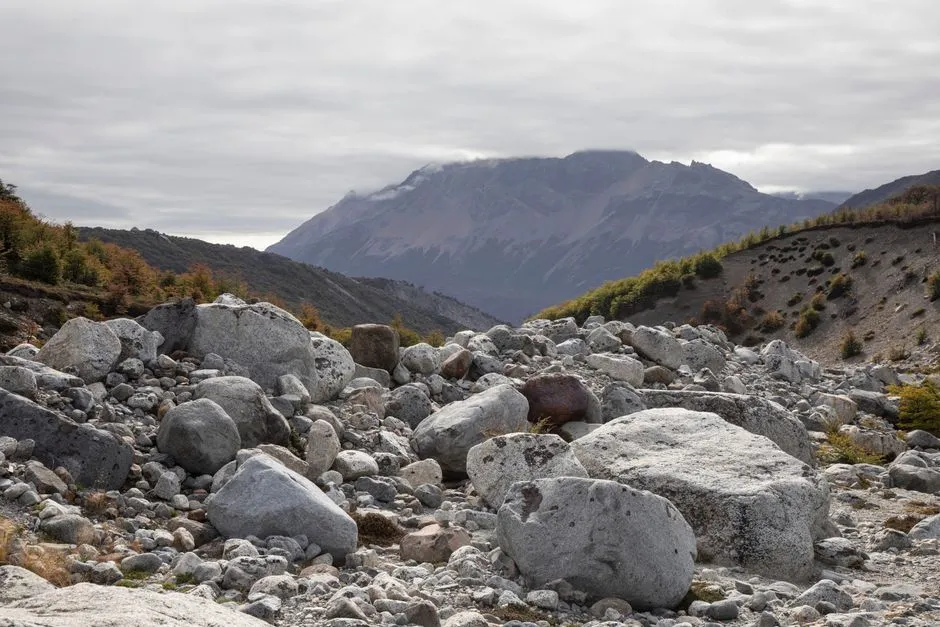
Pikas don’t just live near rock piles by accident, they depend on the specific thermal properties of talus to survive extremes in both directions. The temperature in talus habitat is fairly stable year round, which allows pikas to keep cool in the summer and warm in the winter. Those gaps and crevices between boulders create a buffered microclimate that smooths out the wild temperature swings happening on the surface.
Scientists who study this habitat describe it almost like a passive heating and cooling system built entirely out of loose rock. In winter, talus surfaces at snow-covered haypiles provide protection against severe cold temperatures of free air, and whether snow-covered or not, talus matrices are warmer yet, offering warm refuges during cold nights. That’s the quiet engineering trick that lets a small mammal with no burrow, no den insulation of its own making, and no fat reserves to speak of get through a Montana or Colorado winter.
7. They Defend Their Territory and Their Hay Fiercely
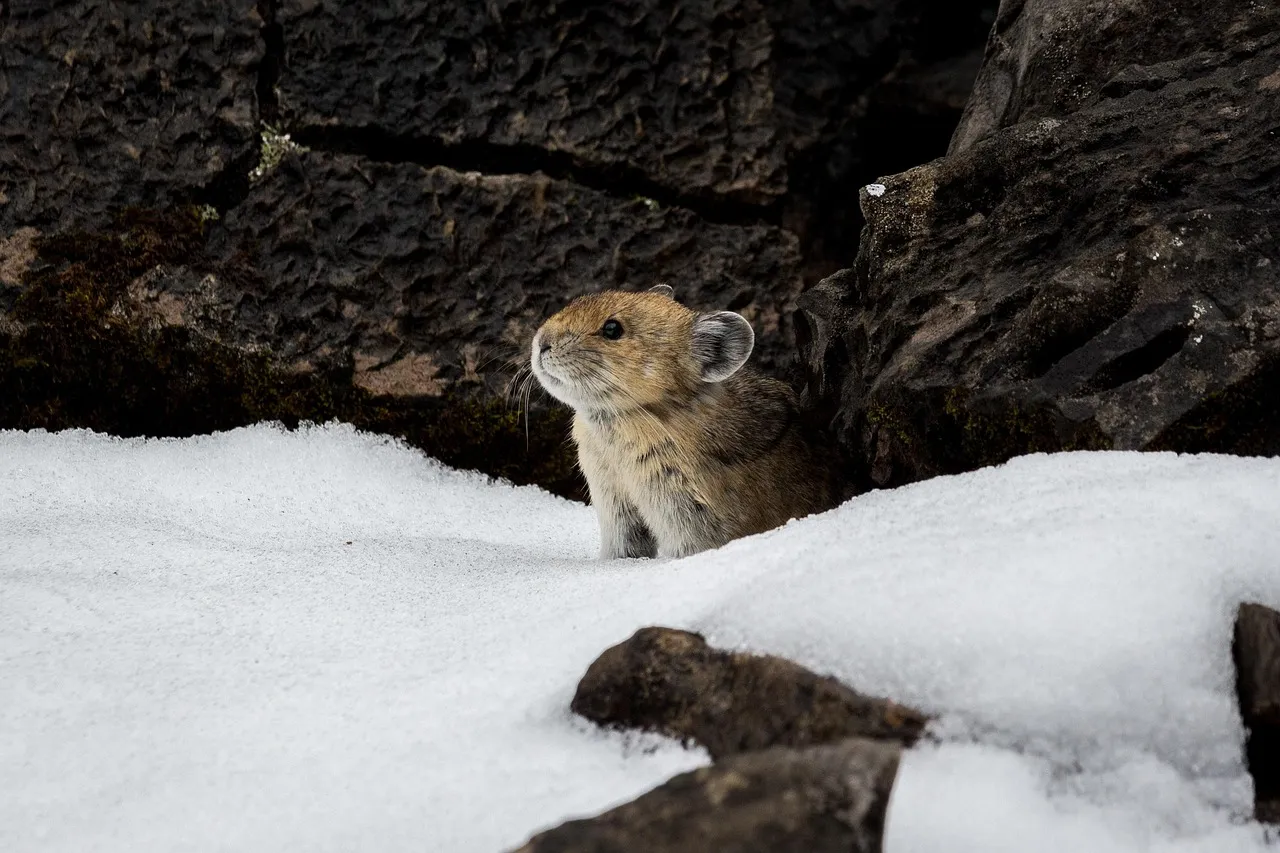
All that effort spent gathering winter food would be pointless if a neighbor could just wander over and take it, so pikas guard their turf closely. Although pikas live in colonies, they are very territorial over their den, which they build among rocks, and the surrounding area, giving off territorial calls to define the boundaries between each pika neighbor. Each individual essentially claims a patch of talus and treats it as private property for the winter.
This territorial instinct is especially intense around the haypile itself, since it represents months of stored survival. Because of this, pika territories and haypiles are defended fiercely. A stolen haypile in October could mean the difference between making it to spring and not, so the aggression makes complete sense once you understand the stakes.
8. Their Alarm Calls Keep the Whole Colony Safer
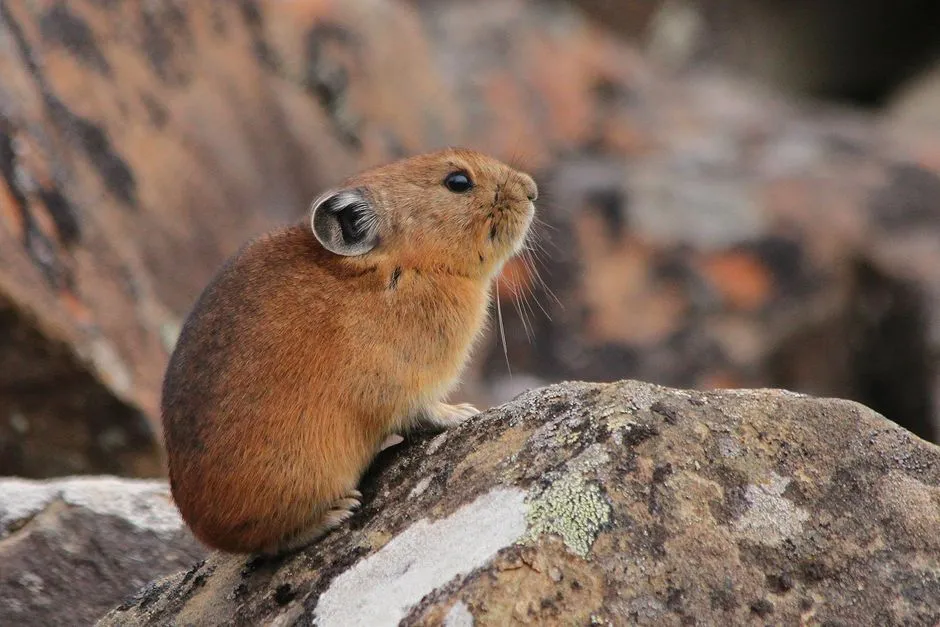
Pikas live within earshot of their neighbors, and that proximity turns into a built-in early warning system against predators. Pikas help protect themselves by living in colonies, staying near other pikas and alerting the group to predators by sending out a warning call. That sharp meep isn’t just noise, it’s information that can save a nearby pika’s life.
The threats these calls warn against are real and constant on an exposed mountainside. Weasels, hawks, and coyotes can prey on pikas, which is exactly why a fast, loud alert system matters so much for an animal with nowhere to run but the nearest rock crevice. Vocal communication, in this case, is as much a survival tool as fur or metabolism.
9. Small Ears and a Compact Body Cut Down on Heat Loss
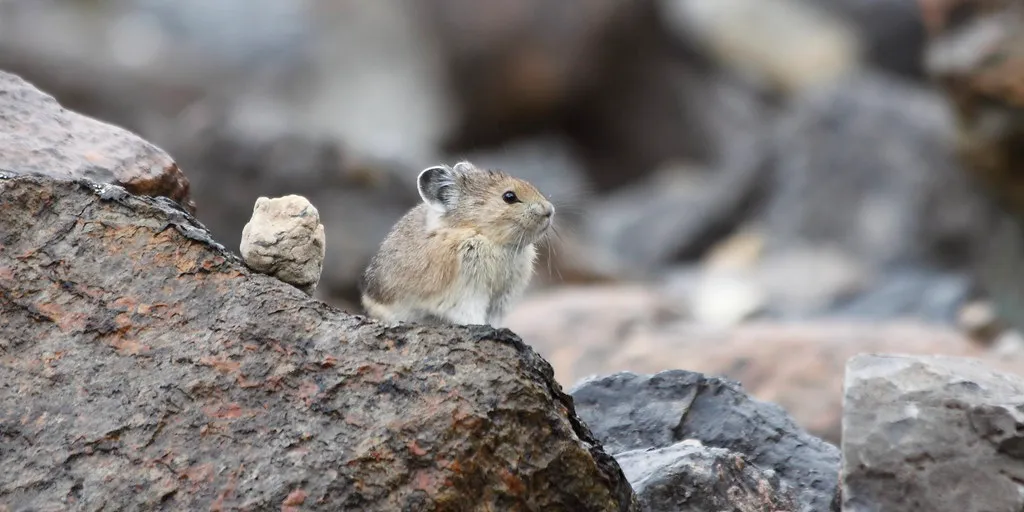
Body shape plays a quieter but still important role in how pikas handle the cold. They have compact, egg-shaped bodies and lack a visible tail, and their small, rounded ears are designed to minimize heat loss in the cold, high-altitude environments they inhabit. Less surface area relative to body mass means less heat escaping into the freezing mountain air.
That same shape and covering shows up across the broader pika description in field guides and wildlife accounts. American pikas are small, rodent-like mammals with short, stout bodies, big round ears, and no visible tail. It’s a body built by evolution for retaining warmth first, with everything else, including good looks by conventional mammal standards, coming second.
10. The Same Traits That Save Them in Winter Put Them at Risk in Summer
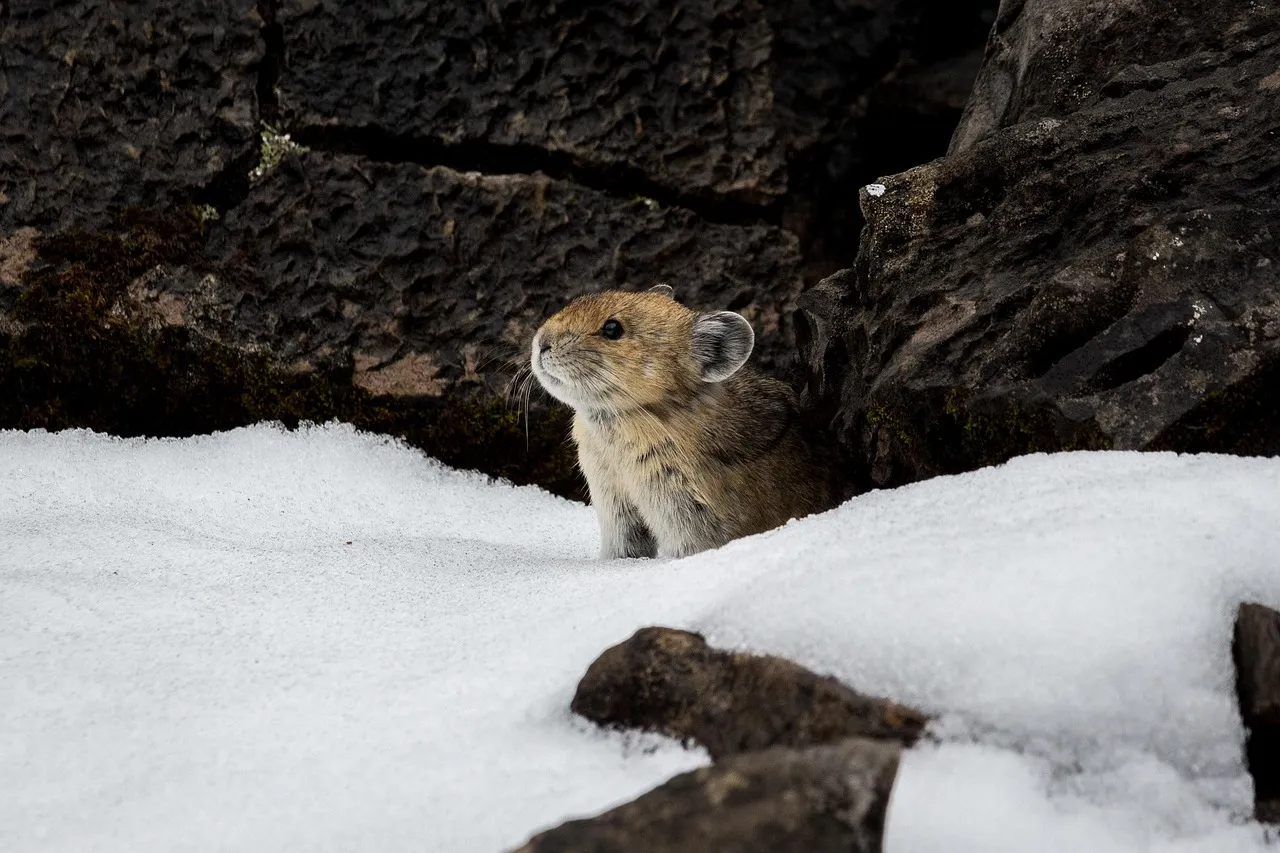
Here’s the twist that makes the pika’s story genuinely compelling rather than just a list of clever adaptations. American pikas don’t hibernate during the cold mountain winters and can survive all manner of inclement weather, but they simply can’t tolerate heat, starting to die off if the temperature rises above around 75 degrees Fahrenheit due to their extremely high metabolic rate. The very furnace that keeps them alive in January becomes a liability once summer temperatures climb.
This narrow safety margin is why pikas are often described as an early warning species for climate change in mountain ecosystems. They have an unusually warm resting body temperature that allows them to tolerate the cold, but they do not handle heat well at all, since their resting body temperatures lie within only a few degrees of their lethal maximum temperature of 109.4°F. Winter, oddly enough, isn’t the season that worries biologists most when it comes to the pika’s future. It’s the summers getting a little hotter each decade that pose the real long-term threat.
A Small Animal Worth Paying Attention To
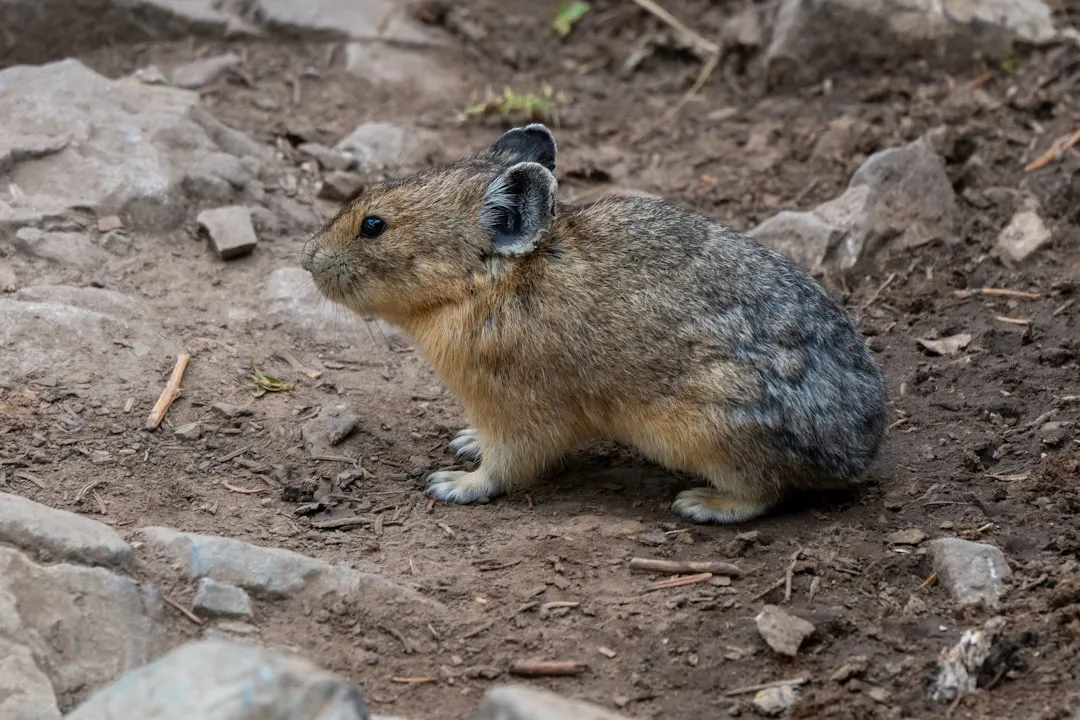
What strikes me most about pikas isn’t any single adaptation on this list, it’s how tightly they all fit together. The thick fur, the high metabolism, the haypiles, the talus shelter, none of these work in isolation. Pull one piece away and the whole survival strategy starts to wobble.
That interconnectedness is also what makes pikas such a useful, if slightly unsettling, indicator of how mountain ecosystems are faring. An animal this finely tuned to cold has very little room to adjust if winters keep getting shorter or summers keep getting hotter. Anyone who cares about high alpine wilderness would do well to keep an eye on this small, loud, hardworking little lagomorph, because its fate says a lot about the mountains it calls home.

- Could Rising Ocean Temperatures Create Super Hurricanes? - July 13, 2026
- These Majestic Birds Are Soaring to Unprecedented Heights Across the US - July 13, 2026
- 12 Amazing Things Only Dog Owners Truly Understand - July 13, 2026