
There’s a photograph that keeps resurfacing online, year after year, showing a long line of wolves trudging through snow. Every time it appears, it comes with a caption explaining who leads, who follows, and why the animal at the very back matters most of all. The image feels almost too neat, too symbolic, which is exactly why it’s worth taking a closer look at what’s actually happening when wolves move as a group.
The Photograph That Sparked a Global Fascination with Wolf Hierarchy
The image most people picture when they think of wolf walking order traces back to a real photograph taken by Chadden Hunter for the BBC series Frozen Planet in 2011. It showed a massive pack of twenty five timberwolves hunting in Wood Buffalo National Park, where temperatures in mid-winter hover around negative forty degrees Celsius. The scene was striking enough that it eventually took on a life of its own, separate from the documentary that produced it.
A caption attached to the photo on social media claimed a very specific order: the sick and elderly at the front, strong fighters next, then the bulk of the pack, and finally the alpha alone at the back, watching everything. It’s a compelling story, and it’s part of why the image went viral in the first place. But according to fact checkers who traced the claim back to its source, the attached description of the inner workings of a wolf pack was inaccurate, even though the photograph itself was genuine.
Breaking Trail: The Real Reason Wolves Walk in Single File
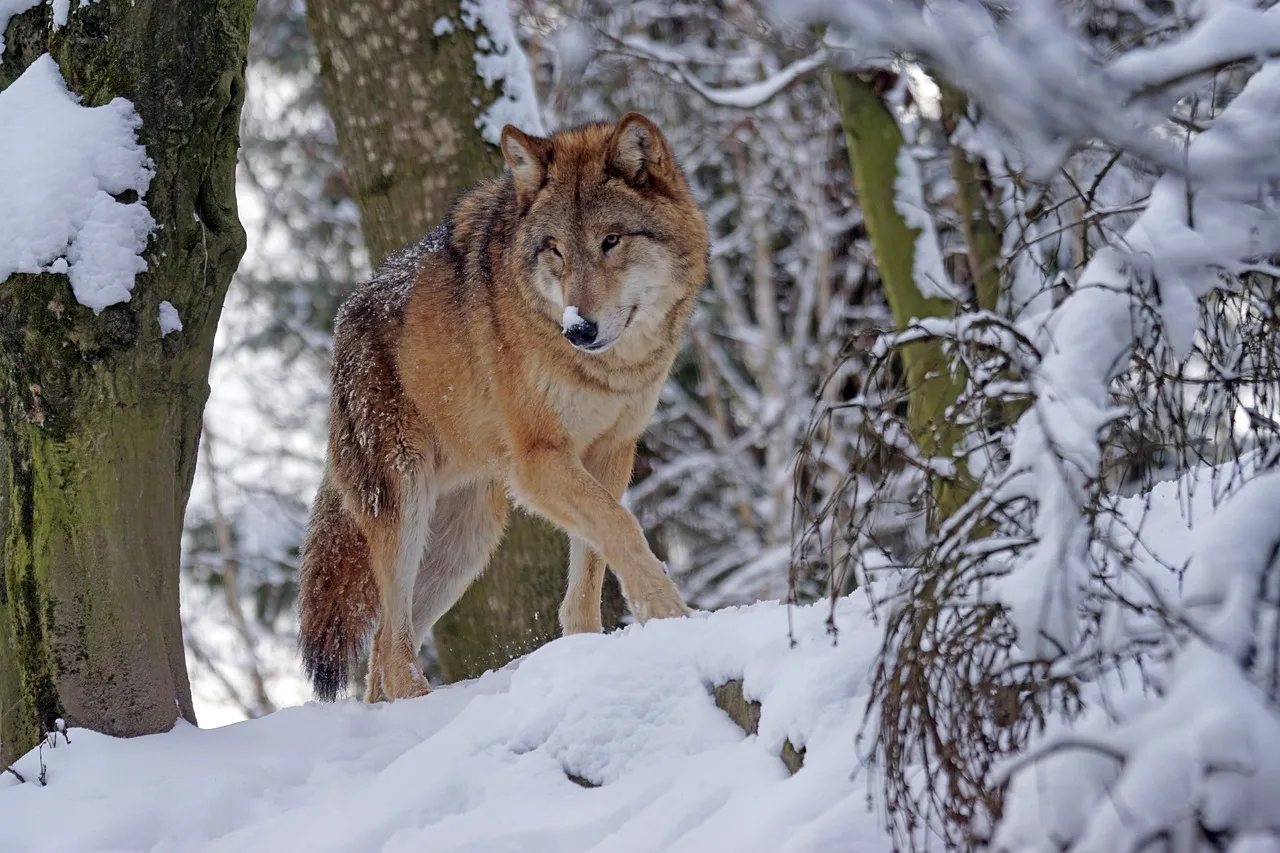
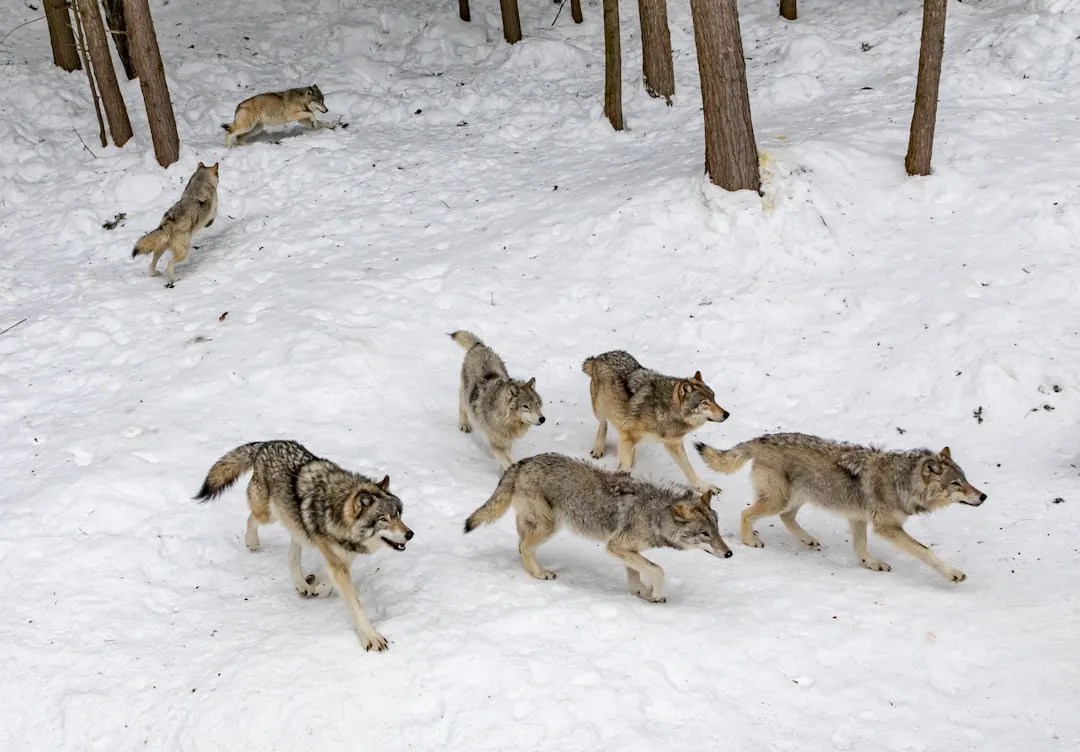
The single file line that shows up in so many wolf photos isn’t about rank at all. When traveling, wolves adopt specific formations for practical purposes, and a common pattern is the single-file line, especially in deep snow, which allows the lead wolf to break the trail and create a packed path that conserves energy for those following. It’s a physics problem before it’s a social one.
Each wolf behind the leader steps into the same prints left by the one ahead, which cuts down dramatically on the effort needed to move through heavy snow. Subsequent wolves step into the same footprints, significantly reducing their effort. That’s a smart, energy saving strategy for any animal that might need to run for miles during a hunt, and it has nothing to do with who is dominant and who isn’t.
Not a Monarchy, a Family: What Wild Packs Actually Look Like
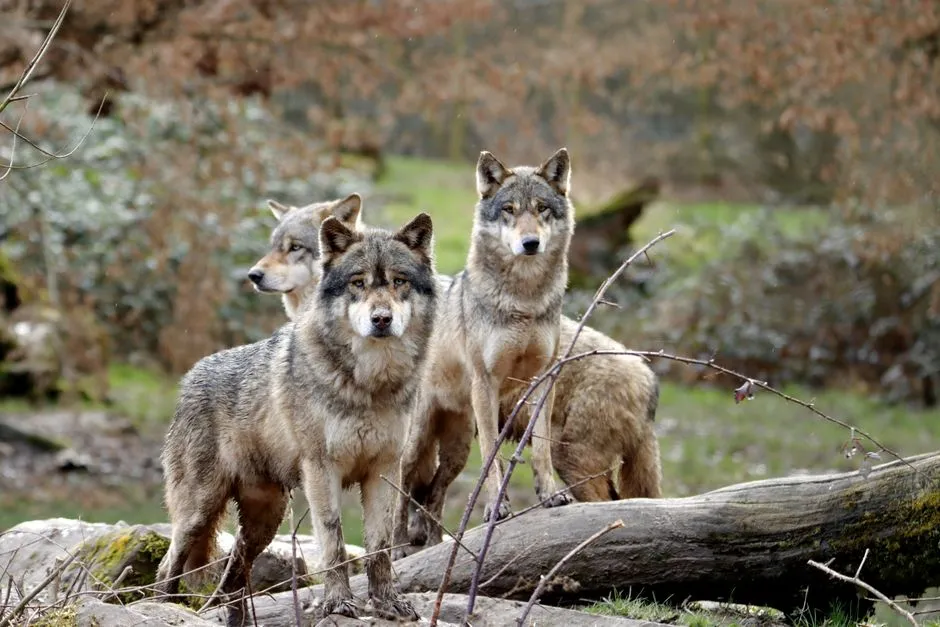
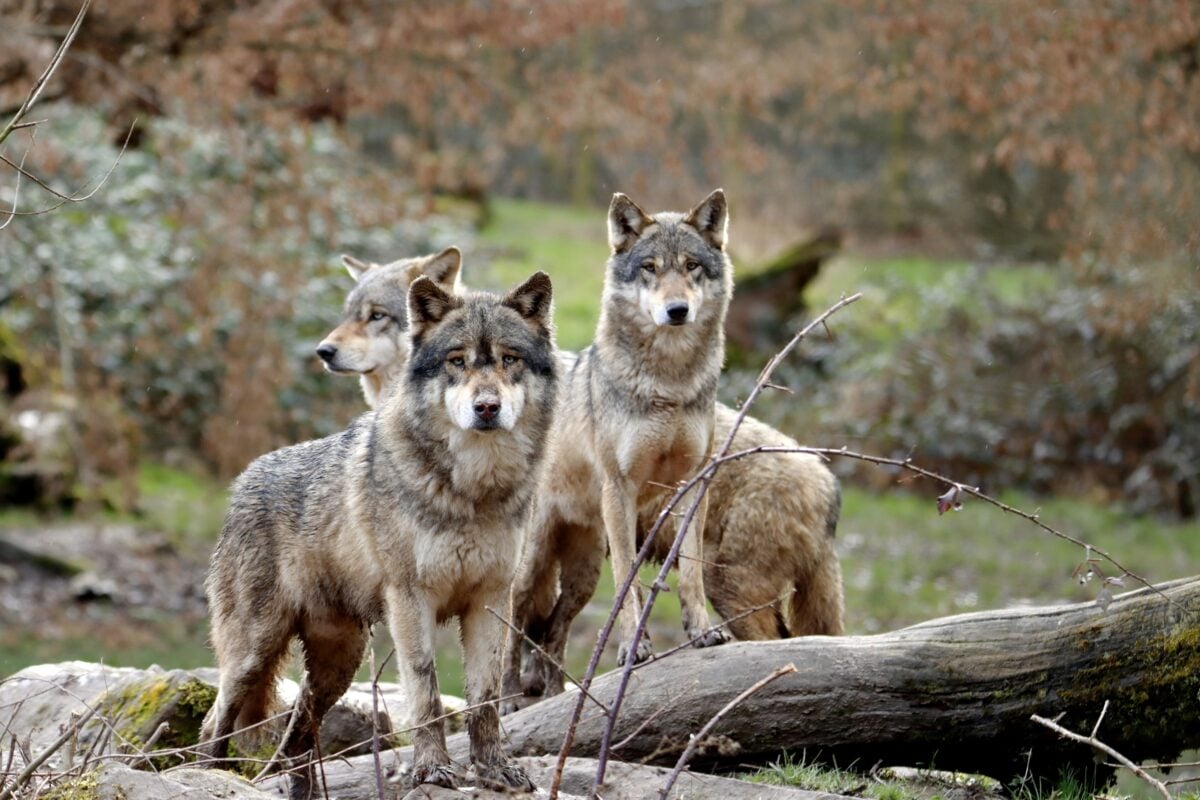
Much of what people believe about wolf pecking order comes from a single, highly influential source: Rudolph Schenkel’s 1930s and 1940s studies of captive wolves. Schenkel studied wolves at the Basel Zoo in Switzerland, where up to ten wolves were kept together in an area of 10 by 20 metres. Unrelated adults crammed into a small enclosure will behave very differently than a family moving freely across open territory.
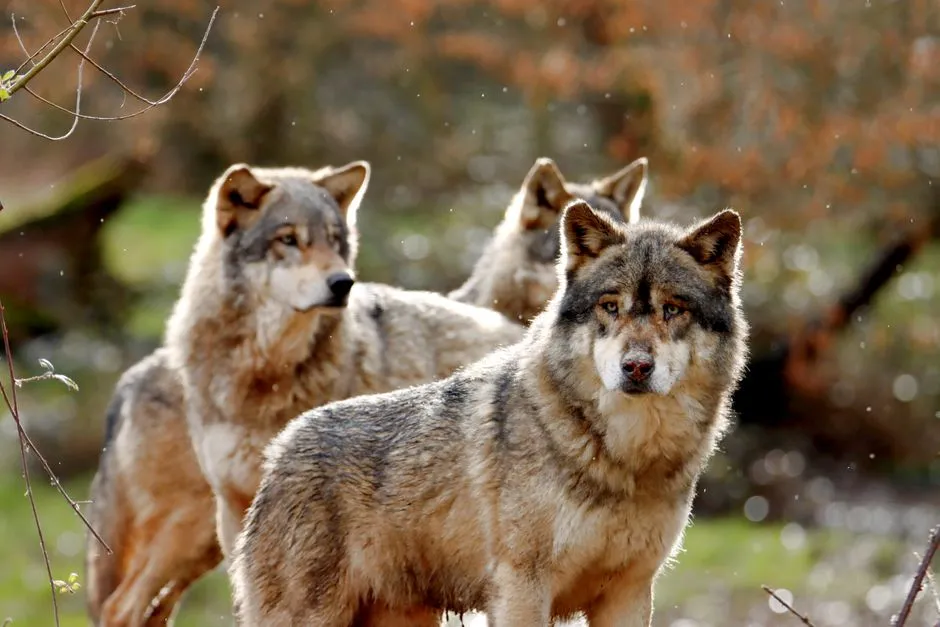
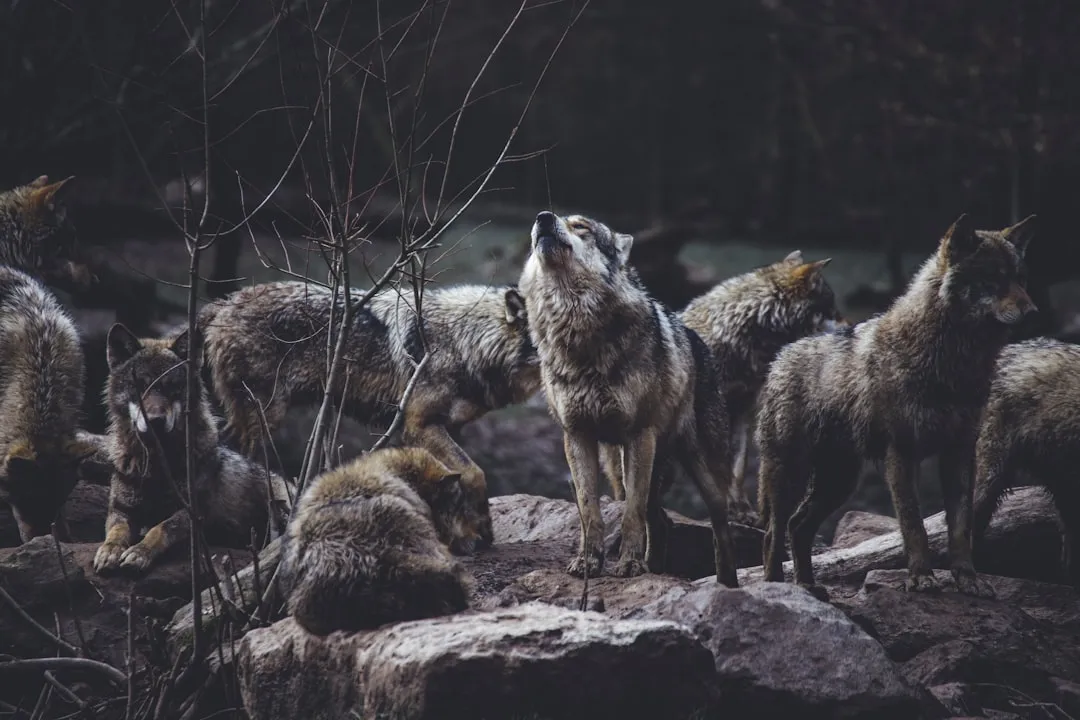
Biologist David Mech built on that research in his 1970 book and later spent decades trying to correct the record once he studied wild packs directly. In the wild, researchers have found that most wolf packs are simply families, led by a breeding pair, and bloody duels for supremacy are rare. Wild wolf packs are usually made up of a breeding male, a breeding female and their offspring from the past two or three years that have not yet set out on their own, perhaps six to ten individuals. There’s no throne to fight for, because the “leaders” are simply mom and dad.
Front of the Line: Strength, Experience, and Purpose
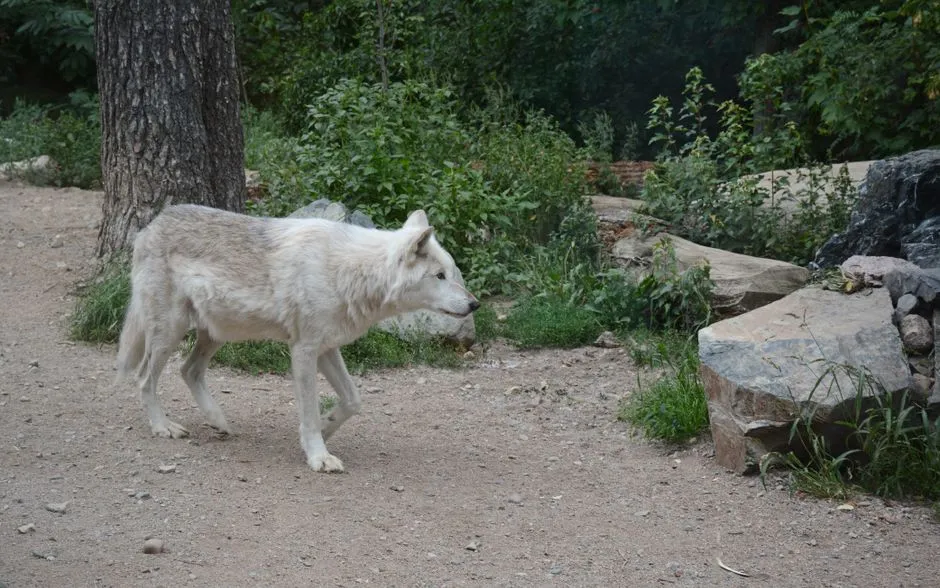
If a strict hierarchy isn’t determining who walks where, then what is? Terrain and immediate need seem to matter far more than status. Travel order and formations are not static but adapt dynamically to external factors, with terrain playing a significant role, as dense forests may necessitate a single file while open plains allow for spread-out formations.
The wolf out front breaking trail through deep snow is doing the hardest physical work of the journey, not claiming a throne. Deep snow often compels packs to maintain a single-file line to conserve energy, with the lead wolf expending the most effort to create a path. That role often falls to whichever adult is strongest and most capable at that moment, and it can shift depending on the situation, the prey nearby, or even a sudden threat on the horizon.
Guarding the Rear: The Protective Role of Position
Where the popular story gets something right, even if the details are oversimplified, is the idea that rear positioning can serve a watchful, protective function. Fact checkers who examined the viral claim noted that while the pack in the photo was not led by the three oldest members and trailed by an alpha as implied, one of the stronger animals leads the group in order to create a path through the snow for them. Real caption accompanying the original footage, meanwhile, described a different arrangement entirely.
According to the documentary’s own framing, the wolf pack, led by the alpha female, travel single-file through the deep snow to save energy. So the protective instinct is real in wolf behavior, expressed through parents shielding pups, older wolves shepherding the group, and adults staying alert to danger, but it doesn’t map neatly onto a fixed marching order where one spot always equals guardian and another always equals leader. Position shifts with purpose, not with rank.
What Field Biologists Like David Mech and Kira Cassidy Have Learned
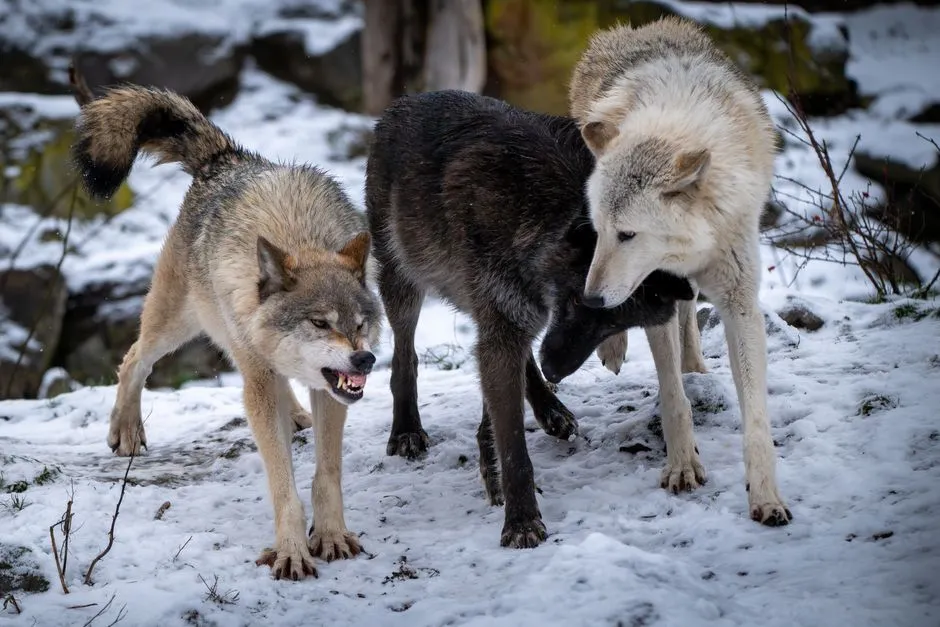
Decades of direct observation in the wild have replaced the old dominance model with something more grounded in relationships. Yellowstone researcher Kira Cassidy, who has spent years studying wolf social structures, found that seniority and experience, not force, tend to shape a wolf’s standing within the group. Packs in protected areas are often large and robust, including aunts and uncles, and occasionally more than one breeding pair, with order within these large packs maintained by respect and seniority.
Older wolves in particular seem to bring something the pack genuinely needs, calm judgment during tense moments. Having older animals in the pack provides an unexpected bonus, as older individuals provide much-needed calm and experience when the pack tussles with rival groups. Mech himself, after decades studying wild wolves on Ellesmere Island, concluded that there would be little value in calling a wolf parent an alpha, since it’s just the father or mother of the family, and that’s exactly the way it is with wolves. The science, in other words, replaced a story about combat with one about kinship.
What the Wolf Pack Actually Teaches Us About Strength
I’ll admit the viral version of this story is more satisfying than the real one. A lone alpha silently guarding the rear, watching over the weak, makes for a better meme than “wolves conserve energy by stepping in each other’s footprints.” But the accurate picture is arguably more impressive, not less.
What actual field research shows is a species organized around family, patience, and shared effort rather than domination. Parents lead because they’re parents, not because they won a fight. Elders earn their place through calm judgment rather than muscle, and the hardest job, breaking trail through snow, goes to whoever is capable of doing it that day. If there’s a lesson worth borrowing from wolves, it isn’t about who walks where. It’s that a group built on cooperation and earned trust tends to hold together far better than one built on fear.
