
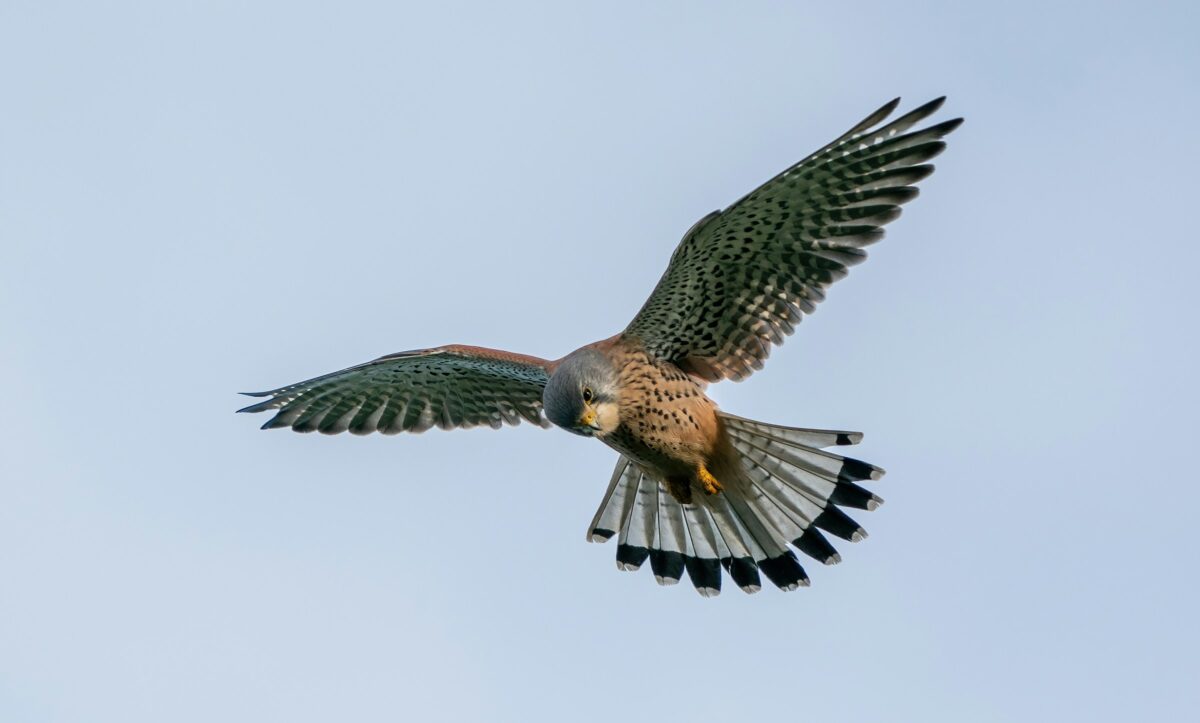
Most people who spot a kestrel do so for about four seconds. It’s usually a small, colorful shape on a roadside wire, gone before the binoculars even come up. That brief glimpse is honestly the extent of most encounters with North America’s smallest falcon, which means an entire hidden world of behavior slips past unnoticed every single day.
What’s strange is that kestrels aren’t rare or secretive birds. They’re one of the most widespread raptors on the continent, sitting on fence posts and power lines from Alaska to Argentina. Yet the gap between how often we see them and how little we actually understand about what they’re doing is surprisingly wide, and closing that gap changes how you look at every kestrel from here on out.
#1 They stash extra kills like a squirrel hides acorns
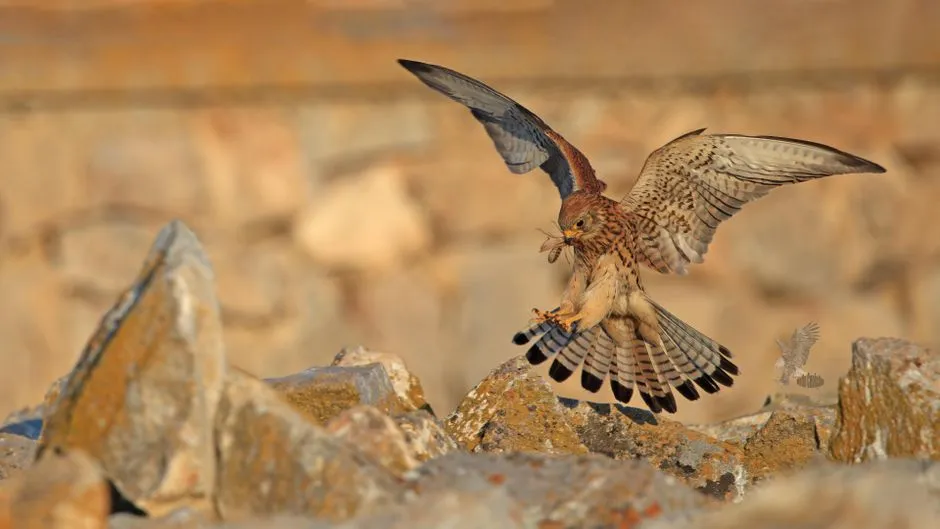
Kestrels don’t always eat what they catch right away. To save food for later, or to keep it from being stolen, kestrels will hide their extra kills, tucking them in tree roots, in clumps of grass, or in tree cavities. This caching behavior rarely happens in front of an audience, since the bird has every reason to be discreet about where its backup meal is stashed.
It’s a survival strategy that makes a lot of sense once you think about how unpredictable insect and rodent availability can be. Caching is a common behavior among predators to ensure that they have access to food if there is suddenly a lack of prey. A kestrel that catches a vole on a good day might be quietly banking it for a bad one, and you’d never know unless you happened to watch the exact moment it tucked the extra prey away.
#2 They see a glowing trail that’s invisible to us
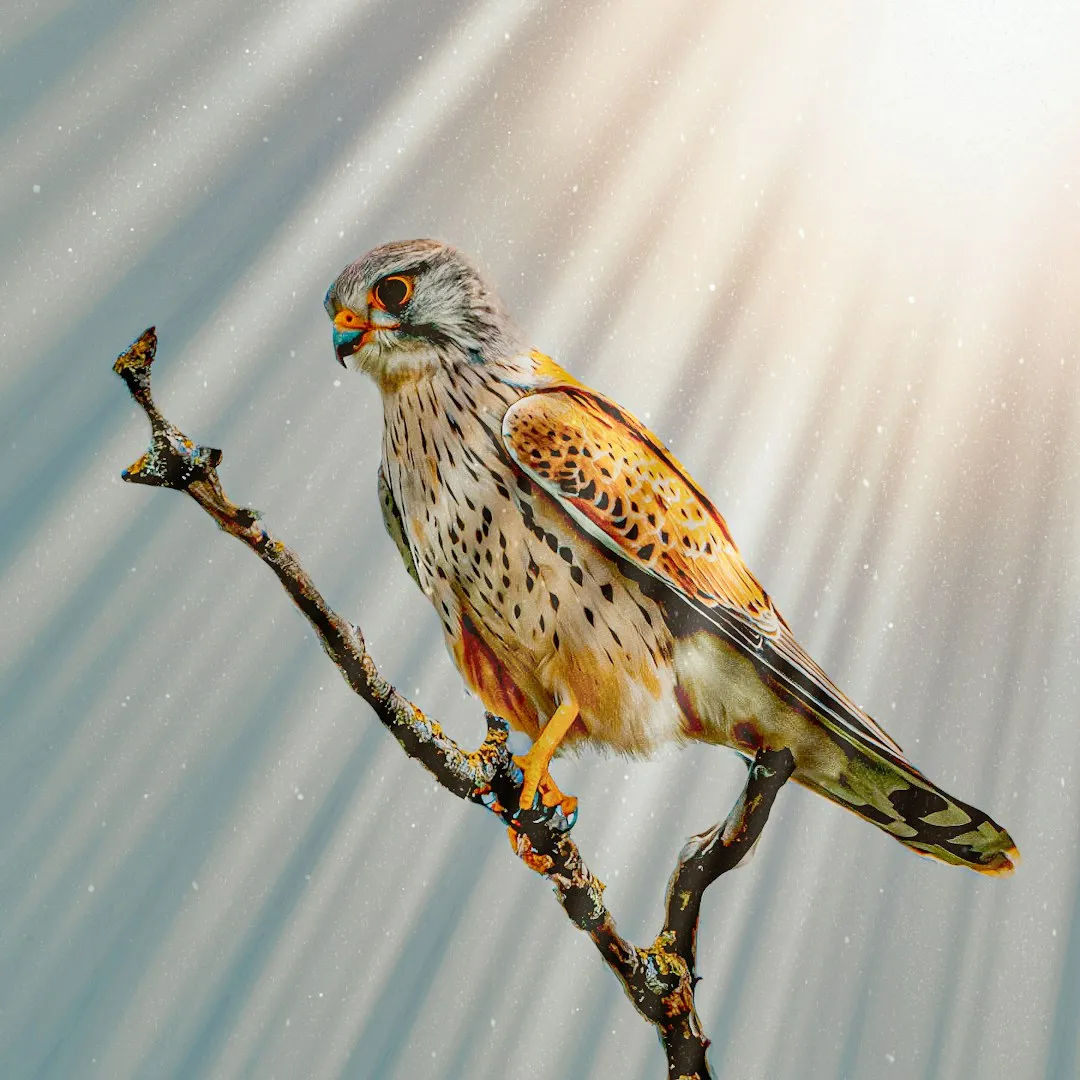
This is the one that tends to surprise people the most. Unlike humans, birds can see ultraviolet light, which enables kestrels to make out the trails of urine that voles, a common prey mammal, leave as they run along the ground. Researchers studying the closely related Eurasian kestrel found that wild birds could detect vole scent marks under ultraviolet light but not under normal visible light, which strongly suggests the trails function almost like a lit-up map of recent rodent activity.
Field experiments even showed kestrels hunting preferentially near locations where researchers had artificially treated the ground with vole urine and feces. Wild kestrels brought into captivity were able to detect vole scent marks in ultraviolet light but not in visible light, and in the field, kestrels hunted preferentially near experimental nest-boxes where artificial trails were treated with vole urine and faeces. Worth noting, some later vision studies have raised questions about exactly how strong this effect is in different falcon species, so the science isn’t entirely settled, but the basic idea that kestrels are reading a world of ultraviolet cues we can’t perceive is still remarkable on its own.
#3 That tail bob is actually a message
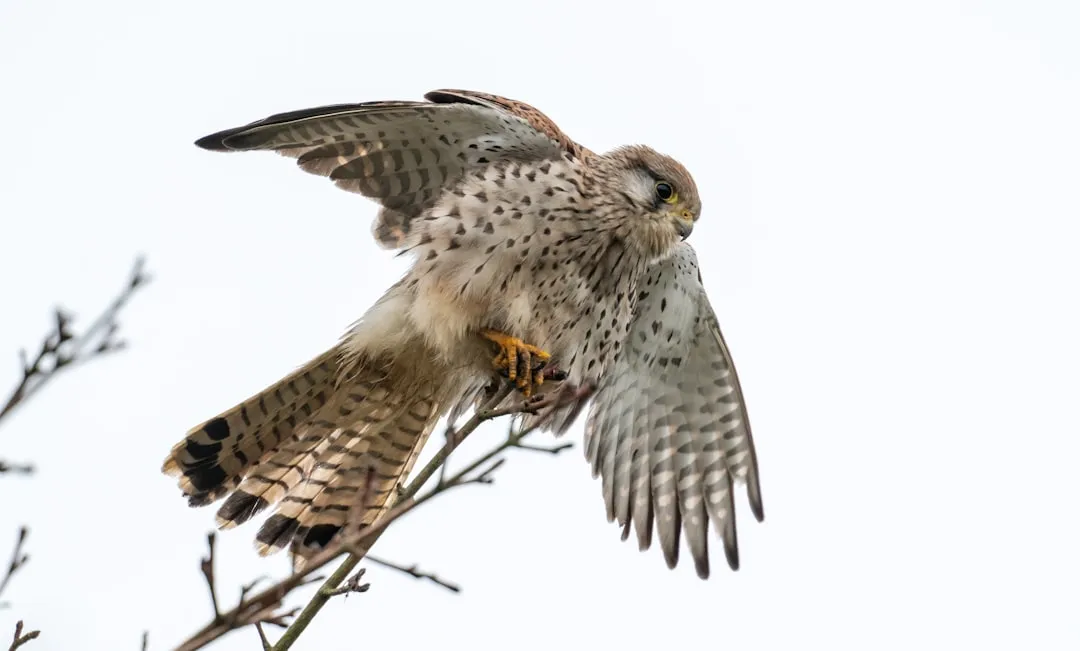
Anyone who’s watched a kestrel land has probably seen it pump its tail up and down a few times before settling. It looks almost nervous, like a tic, but it’s not random at all. Kestrels have a habit of pumping their tail feathers up and down when perched, especially after landing.
This bobbing motion is generally understood as a territorial signal, a subtle way of announcing presence without wasting energy on a full display. It’s easy to miss because it happens fast and settles within seconds, right around the time most observers are still fumbling with a camera or trying to get a clean look through binoculars. Once you know to watch for it, though, it becomes one of the more reliable ways to recognize a kestrel has just claimed its spot.
#4 They hunt insects under stadium floodlights
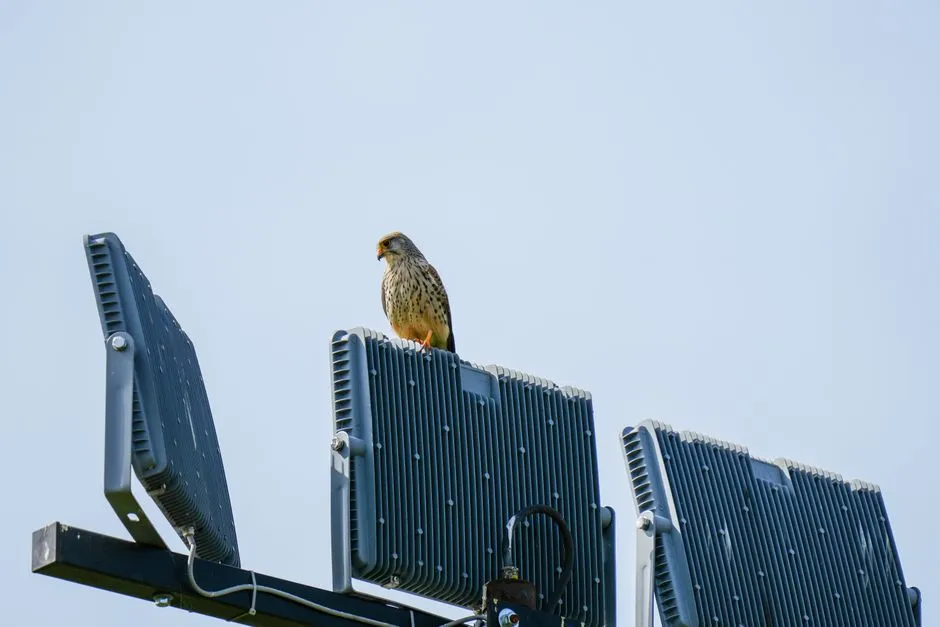
This might be the most unexpected entry on this list. Sports fans in some cities get an extra show during night games as kestrels perch on light standards or foul poles, tracking moths and other insects in the powerful stadium light beams and catching these snacks on the wing, with some of their hunting flights even making it onto TV sports coverage.
It makes sense once you consider what stadium lights do to a summer night. They pull in swarms of moths and other flying insects, essentially creating an artificial buffet that a sharp-eyed falcon can exploit without much effort. Most fans watching the game have no idea there’s a tiny falcon working the crowd from above, quietly picking off snacks between innings or plays.
#5 They pick fights with birds many times their size
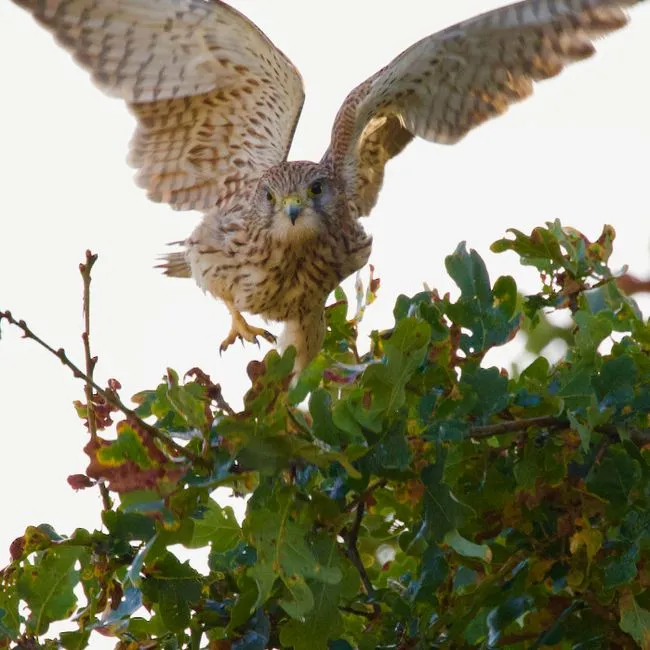
Kestrels have a reputation for being fierce, and this behavior backs it up completely. You may see American Kestrels harassing larger hawks and eagles during migration, and attacking hawks in their territories during breeding season. It’s a bold move for a bird roughly the size of a mourning dove, but territorial instinct and migratory competition seem to override any sense of size difference.
These clashes tend to happen quickly and at a distance, often high in the air where details are hard to make out even with good optics. A birdwatcher might catch a blur of motion and assume two birds are simply passing close together, never realizing they just witnessed a kestrel actively driving off something several times its weight. It’s one of those moments that rewards patience at migration hotspots, where this kind of aerial harassment happens more often than casual observers expect.
#6 Courtship comes with a food delivery service
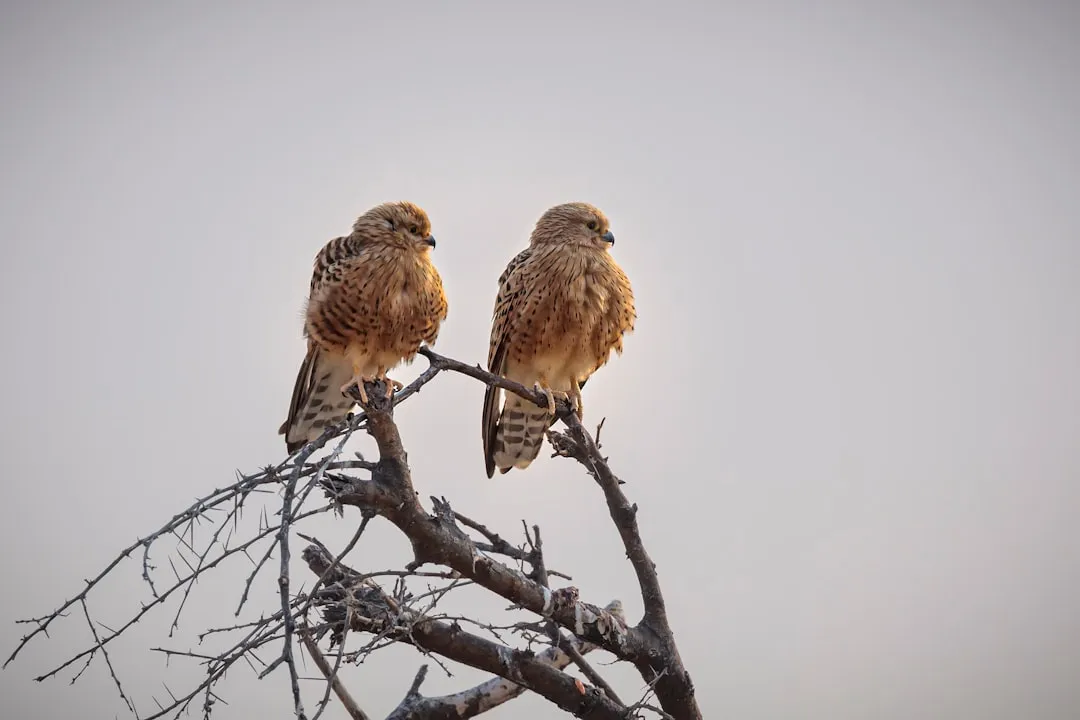
Kestrel pairs don’t just show up and nest together. There’s an actual courtship ritual involved, and it includes gift giving. Courting pairs may exchange gifts of food, usually with the male feeding the female. The male also handles the initial food transfer during flight, passing prey to the female mid-air in a maneuver that requires precise timing from both birds.
This behavior happens early in the breeding season, often before most people are even thinking about looking for kestrels, and it’s over in a matter of seconds. During courtship displays, the female flies slowly with stiff, fluttering wingbeats while the male repeatedly flies high, calling, and then dives, and the male brings food for the female, passing it to her in flight. It’s a small, fleeting display, but it says a lot about how much coordination goes into forming a breeding pair.
#7 Their nest sites are stranger than you’d guess
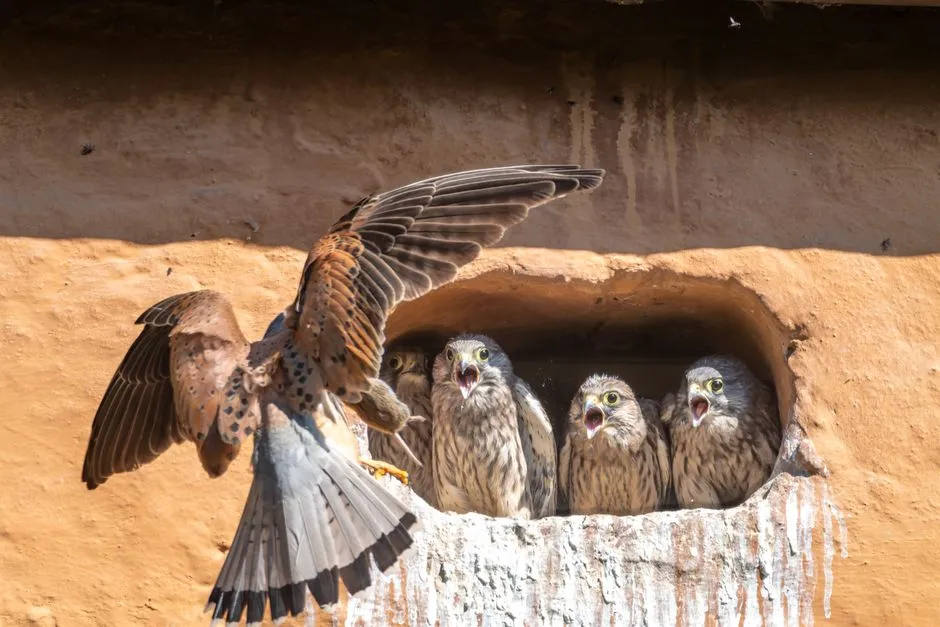
Kestrels are cavity nesters, which usually means old woodpecker holes or tree hollows, but their choices can get creative depending on where they live. The American Kestrel nests in cavities, most often in natural tree hollows, crevices, artificial nest boxes, sometimes in a dirt bank or cliff, or in woodpecker holes, and in the southwest, they often nest in holes in giant cactus.
In more developed areas, they’ll settle for whatever cavity is available, including structures built by humans. It is not unusual to find kestrels using urban and suburban areas and even buildings such as barns, silos, and cornices for nest sites. Because these sites are tucked away and often inaccessible, very few birdwatchers ever actually see the inside of an active kestrel nest, let alone the odd variety of places these birds are willing to call home.
#8 Chicks keep the nest surprisingly tidy
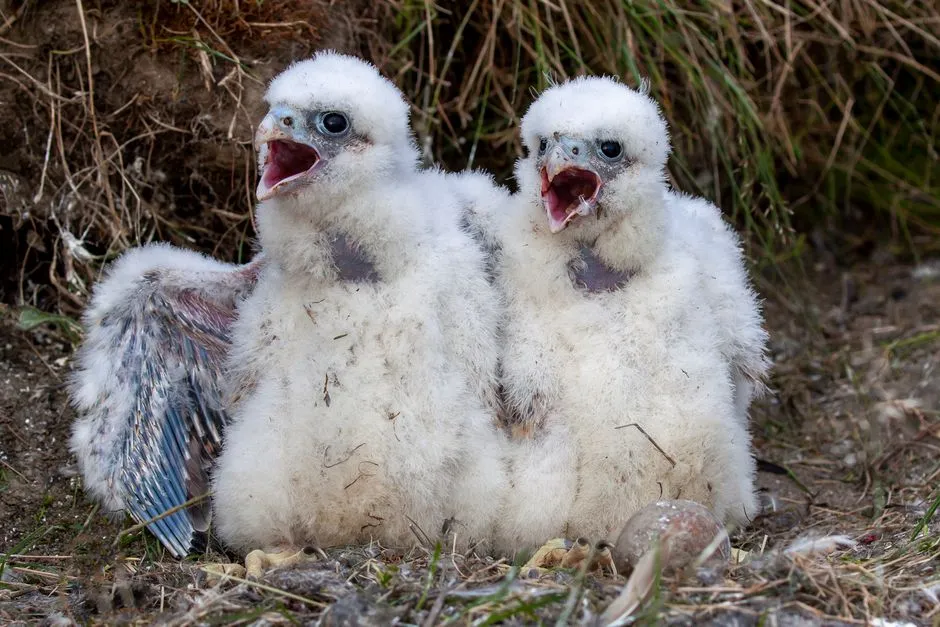
You’d expect a cavity packed with growing falcon chicks to be a mess, and in some ways it is, but the chicks themselves have a system. When nature calls, nestling kestrels back up, raise their tails, and squirt feces onto the walls of the nest cavity, where the feces dry on the cavity walls and stay off the nestlings.
It’s a small adaptation, but an effective one for birds spending weeks in a confined space with siblings. Even so, the nest gets to be a smelly place, with feces on the walls and uneaten parts of small animals on the floor. Nobody outside of researchers running nest box monitoring programs typically gets a look inside during this stage, which is exactly why this bit of housekeeping stays hidden from almost everyone.
#9 They never actually need to drink
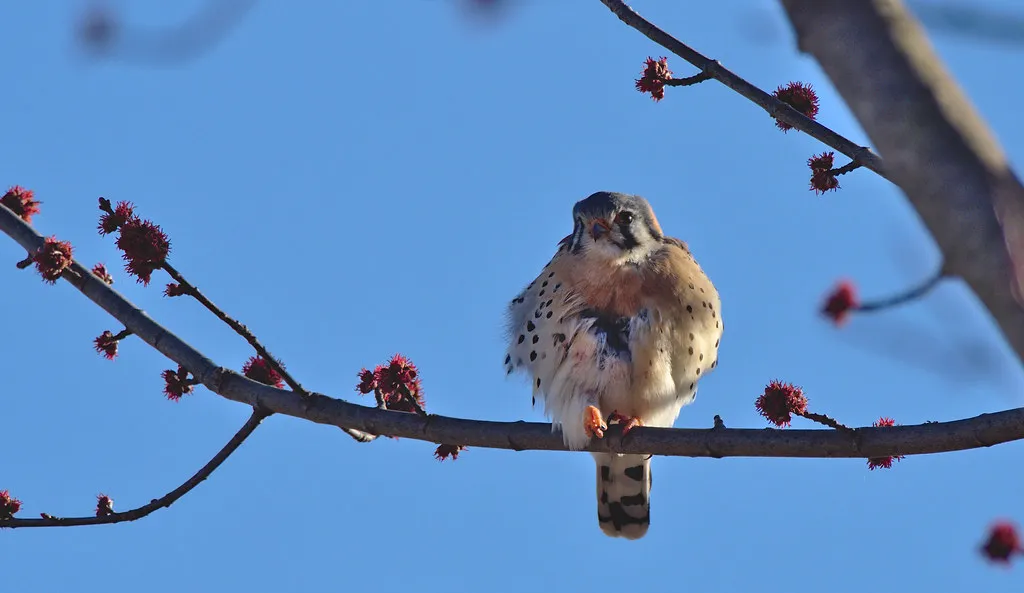
This one flips a common assumption about wildlife needing regular access to water. American kestrels do not need to drink free-standing water, getting all the water they need from the moisture of their prey.
It’s a quiet but efficient adaptation, and it partly explains why kestrels can thrive in dry, open habitats like deserts and prairies where standing water might be scarce for long stretches. There’s no dramatic moment to witness here, no visit to a puddle or stream that would confirm the behavior. The absence itself is the story, and it’s one that most people never think to look for because we simply assume every bird needs a drink eventually.
#10 Their hover is a genuine aerial rarity
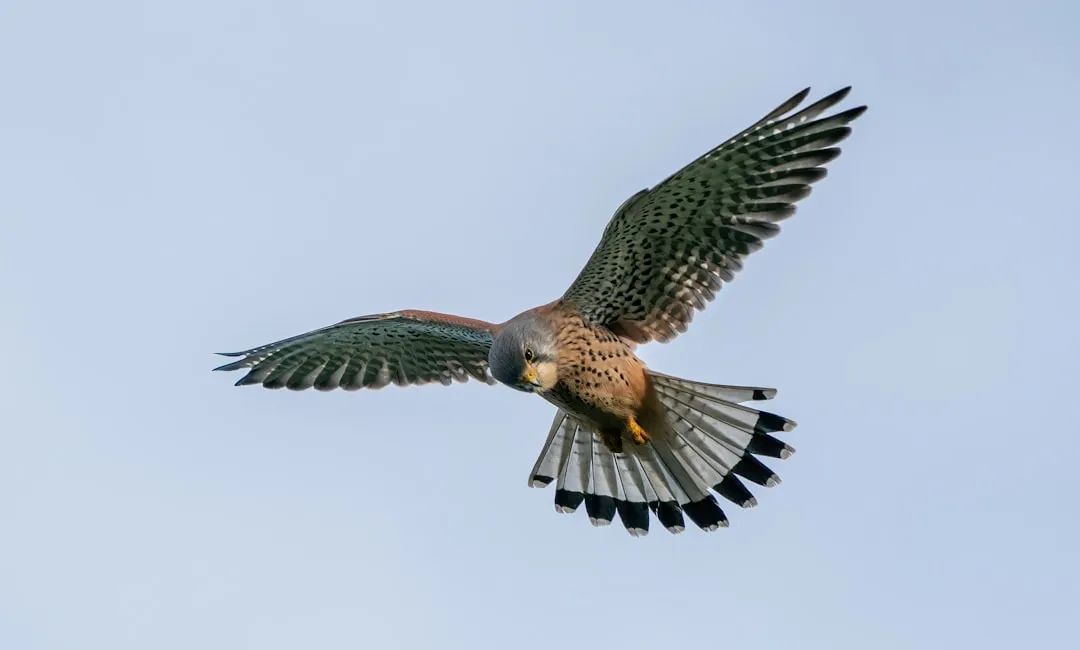
Kestrels hovering over a field is a fairly familiar sight, but what’s less appreciated is how physically demanding and rare that skill actually is among birds. Kestrels are often seen hovering in place over a field searching for prey, and hovering requires a lot of energy, with kestrels, along with hummingbirds and kingfishers, being among the only birds in the world that can sustain a hover for any extended period without the help of a headwind.
Most raptors rely on wind currents to hang in place, essentially getting some help from the air itself. A kestrel doing it on a still day is generating all that lift purely through wingbeats and tail adjustments, which is a far more impressive feat than it looks from the ground. Few birdwatchers realize they’re watching one of the more physically taxing behaviors in the entire bird world, mistaking it for something almost casual.
#11 Females leave for the winter before the males do
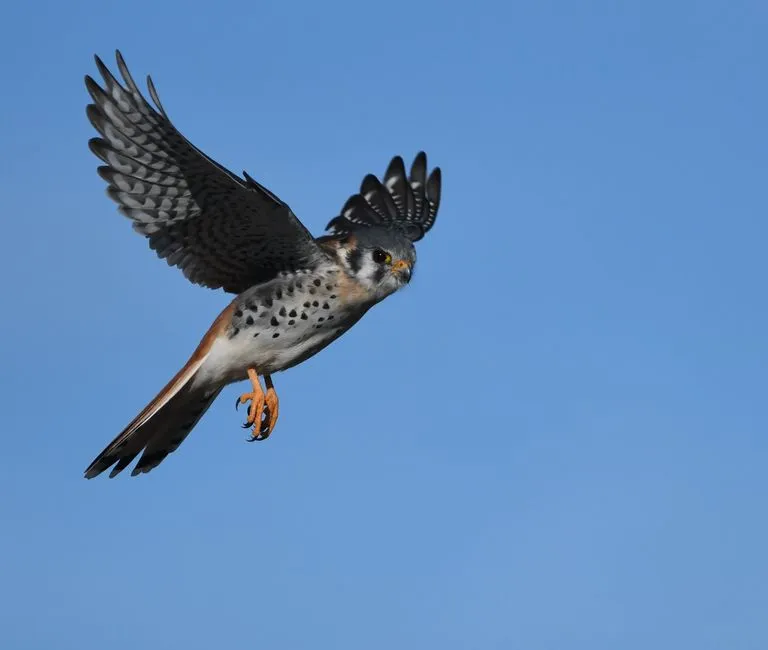
Migration timing in kestrels isn’t uniform across sexes, and the reason likely comes down to feather maintenance. This may be because females finish molting sooner than males and get a head start, with female American Kestrels leaving for their winter homes about 11 days before males.
It’s a subtle staggering that plays out over weeks, not something you’d catch in a single day of observation. In winter, females may tend to be found in more open habitats than males as well, adding another layer to how the sexes separate once breeding season ends. Unless someone is tracking banded individuals or spending serious time comparing sex ratios at a given site across the fall, this quiet split in departure schedules goes completely unnoticed.
The takeaway
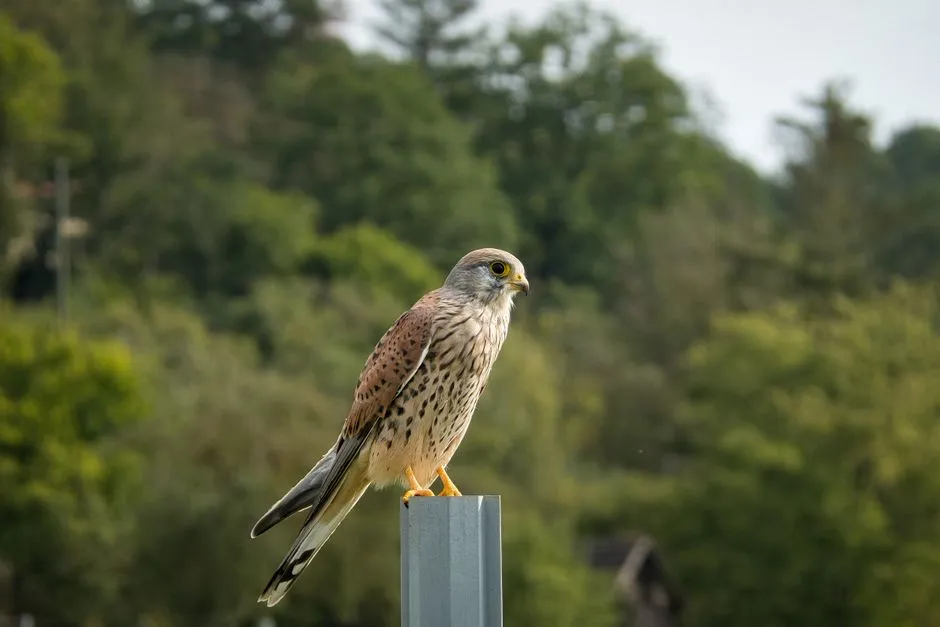
Kestrels get treated like background scenery a lot of the time, the small bird on the wire that barely earns a second glance. That’s a mistake, honestly. Once you start paying attention to the details, the caching, the ultraviolet vision, the tiny falcon squaring up against a red-tailed hawk twice its size, it becomes obvious that this bird has an entire complicated life happening just outside the edge of what most of us bother to notice.
The species is also facing real, documented declines, largely tied to habitat loss and fewer nesting cavities. That makes paying closer attention feel like more than a hobbyist’s curiosity. It’s worth slowing down next time one shows up on a fence post, because there’s clearly a lot more going on than a few seconds through binoculars will ever reveal.

- 6 US States With the Most Salmon - July 12, 2026
- 14 Signs Your Dog Has Started Living in the Moment More Than You Do - July 12, 2026
- 8 Fascinating Facts About the Elusive Red Wolf, America’s Most Endangered Canine - July 12, 2026