
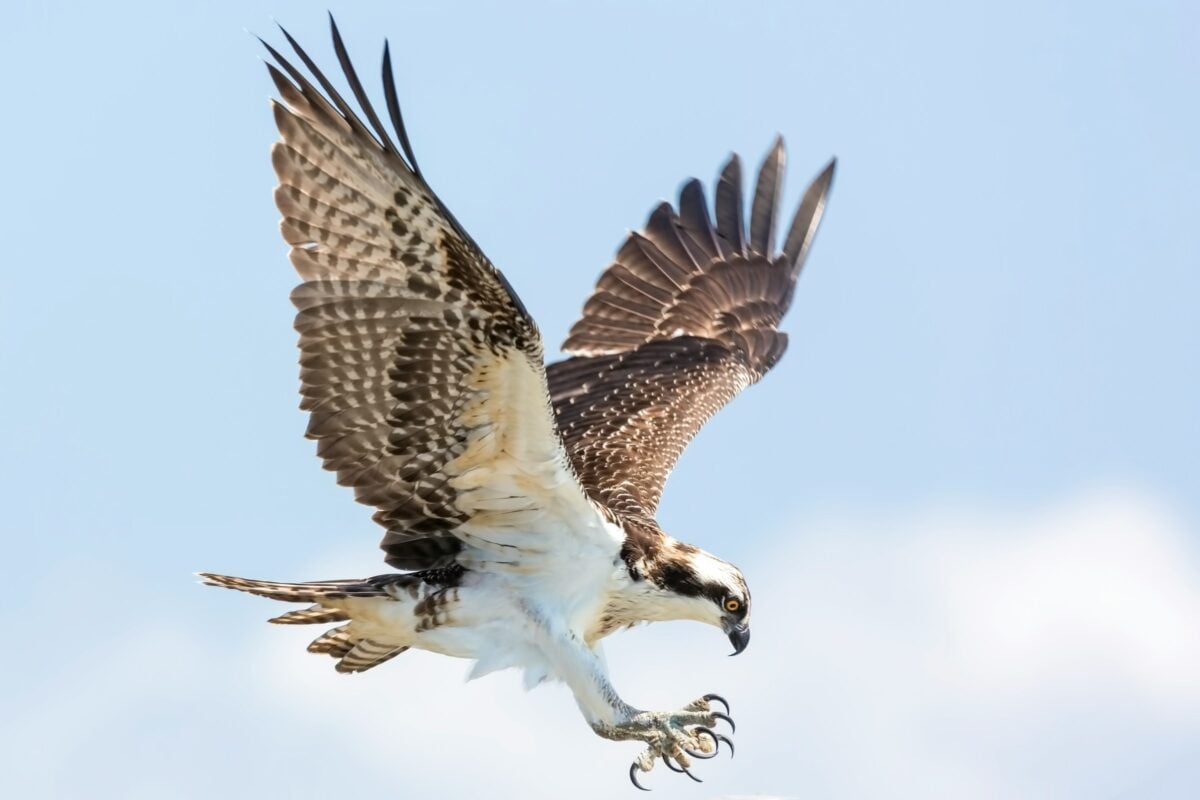
When you think of master anglers, images of seasoned fishermen might come to mind. But soaring above America’s waterways is a bird that outperforms even the most skilled human fishers – the osprey. These raptors have evolved a suite of remarkable behaviors and adaptations that make them unparalleled in the art of fishing. Let’s dive into the 12 extraordinary things ospreys do that solidify their status as America’s ultimate fishing birds.
1. Masterful Aerial Surveillance
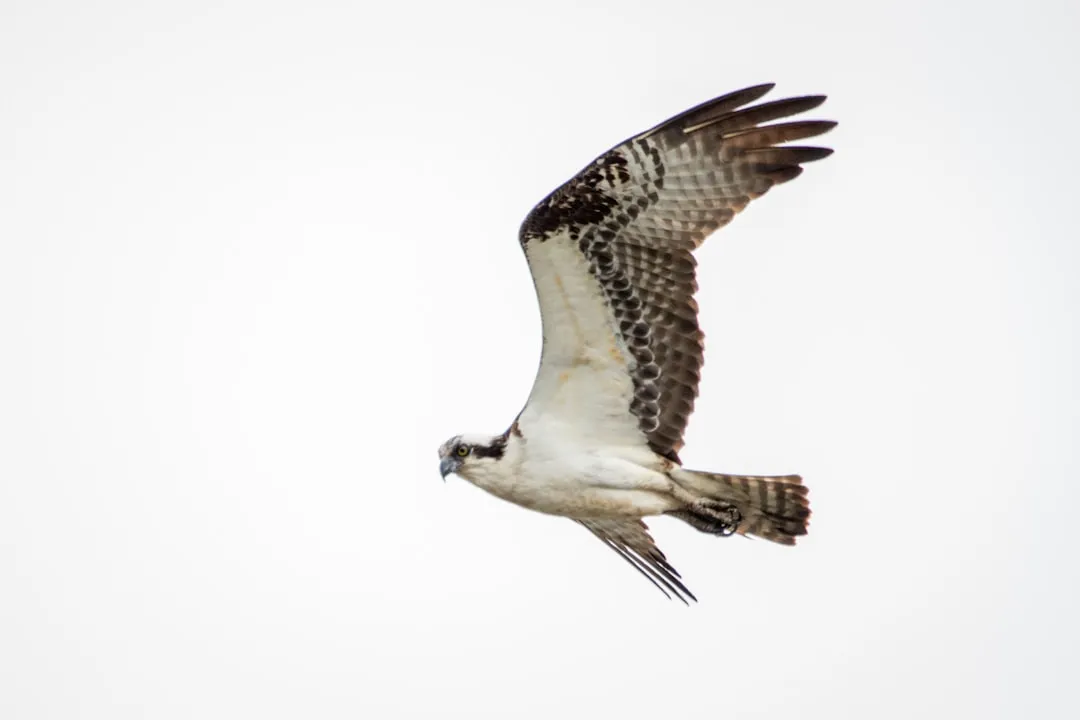
Ospreys possess exceptional eyesight, allowing them to spot fish from heights of up to 100 feet. This keen vision enables them to detect subtle movements beneath the water’s surface, even in murky conditions. By soaring and hovering over bodies of water, they can meticulously scan for their next meal, ensuring a high success rate in their hunts.
Their ability to hover in place, adjusting their position with precision, sets them apart from many other raptors. This hovering behavior provides them with a stable vantage point, reducing the chances of missing their target due to water distortions or reflections.
2. Dramatic Feet-First Plunges
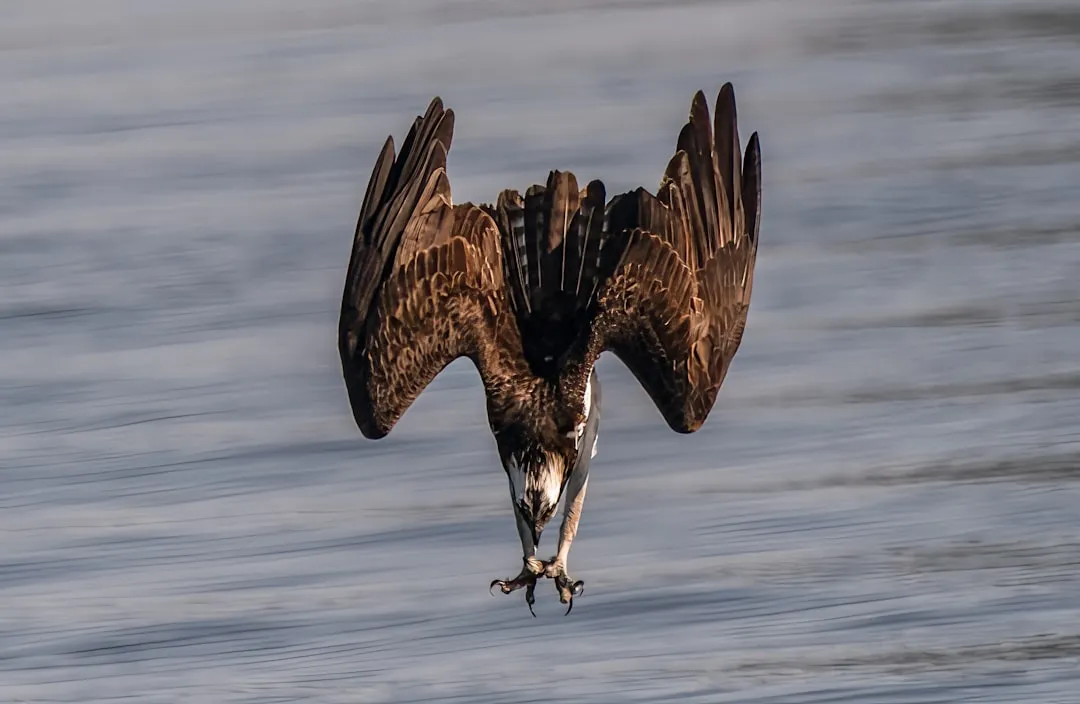
Unlike other birds of prey, ospreys execute spectacular feet-first dives to capture fish. Upon spotting a target, they fold their wings and plummet towards the water, extending their talons forward just before impact. This technique allows them to snatch fish with remarkable accuracy, often submerging completely before emerging with their catch.
This diving method is not only effective but also energy-efficient. By entering the water feet-first, ospreys minimize resistance and maximize the force of their strike, ensuring a firm grip on slippery prey.
3. Specialized Talons for a Firm Grip
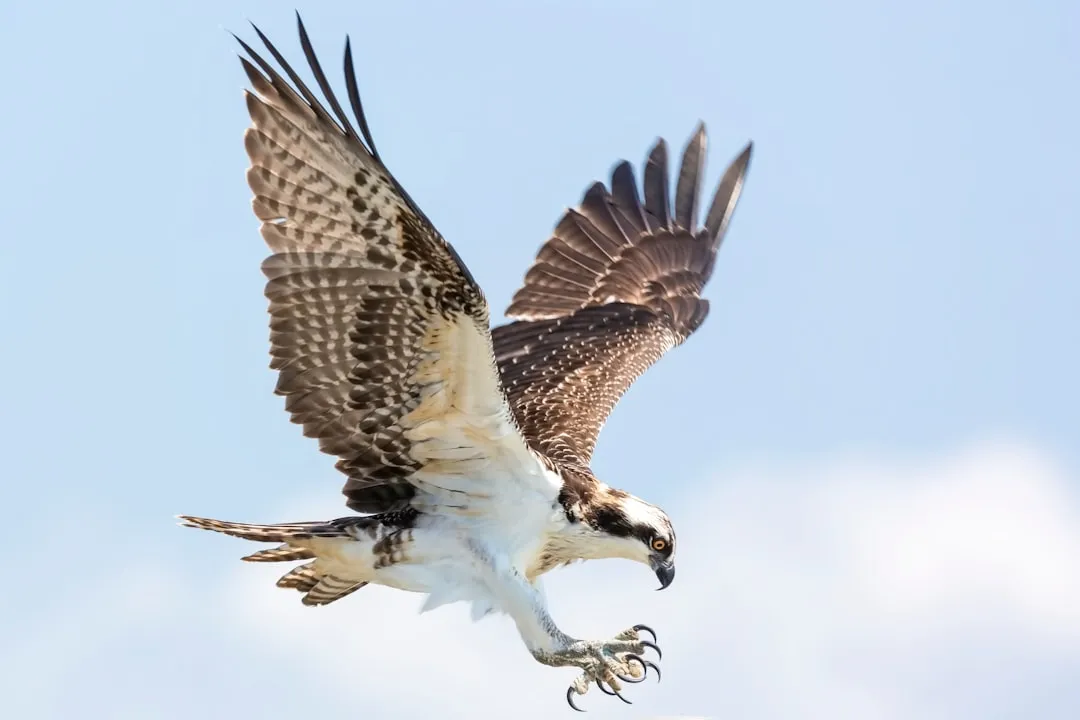
Ospreys have evolved unique talons perfectly suited for grasping fish. Their feet feature reversible outer toes, allowing them to position two toes in front and two behind – a configuration known as zygodactyl. This arrangement provides a vice-like grip, essential for holding onto wriggling fish during flight.
Additionally, the undersides of their toes are equipped with sharp spicules, or barbs, that act like Velcro, preventing slippery fish from escaping. This combination of features ensures that once an osprey has caught a fish, it’s unlikely to lose it.
4. Waterproof Feathers for Aquatic Hunts
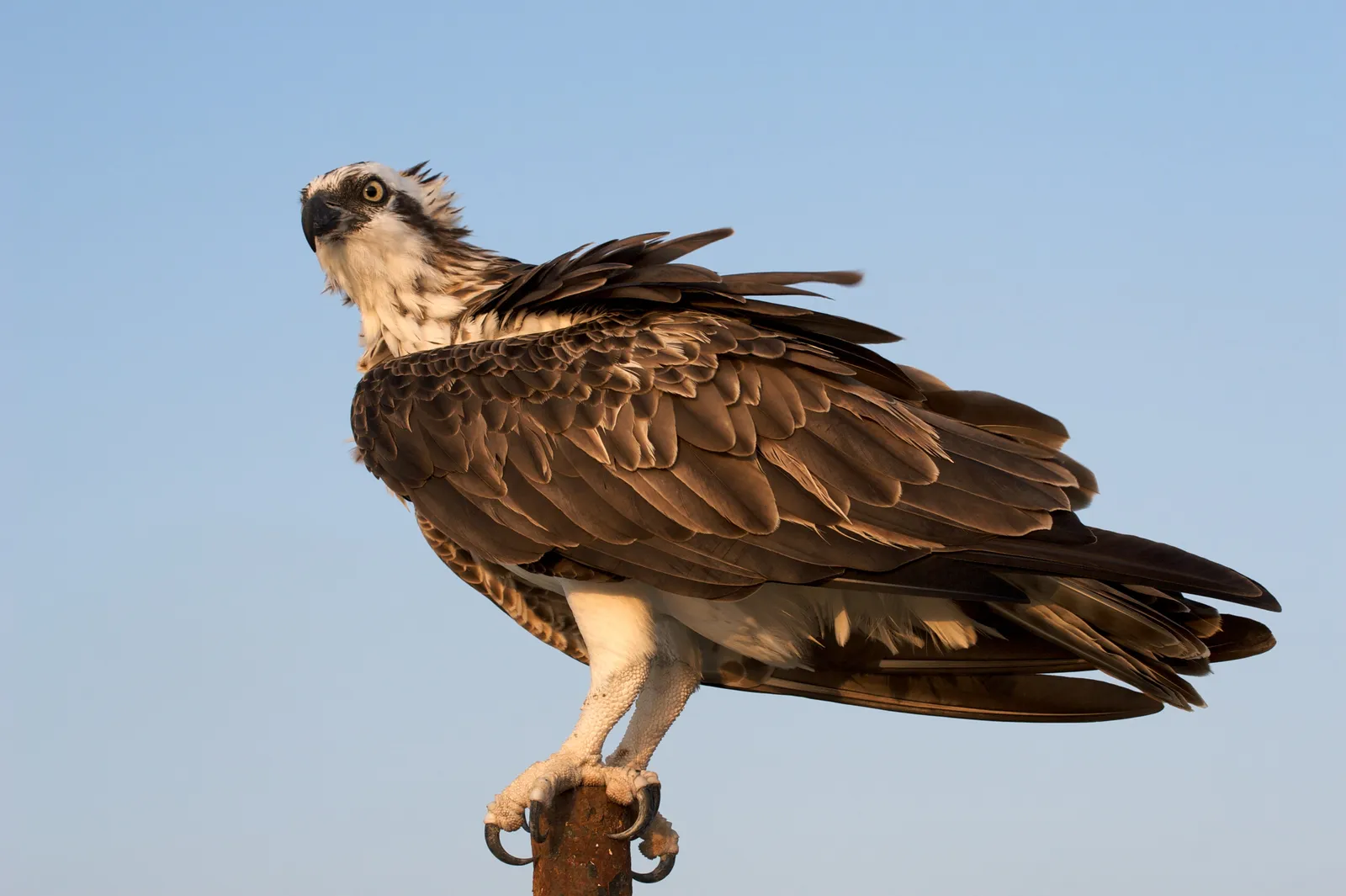
Diving into water poses the risk of waterlogging, but ospreys have adapted to this challenge. Their feathers are coated with a special oily substance that repels water, keeping them buoyant and allowing for quick takeoffs after a dive. This waterproofing is crucial, as it prevents the birds from becoming too heavy to fly after repeated fishing attempts.
Moreover, their dense plumage provides insulation, enabling them to hunt in various weather conditions without compromising their body temperature. This adaptability ensures they can fish year-round, regardless of the climate.
5. Aerodynamic Fish Transport
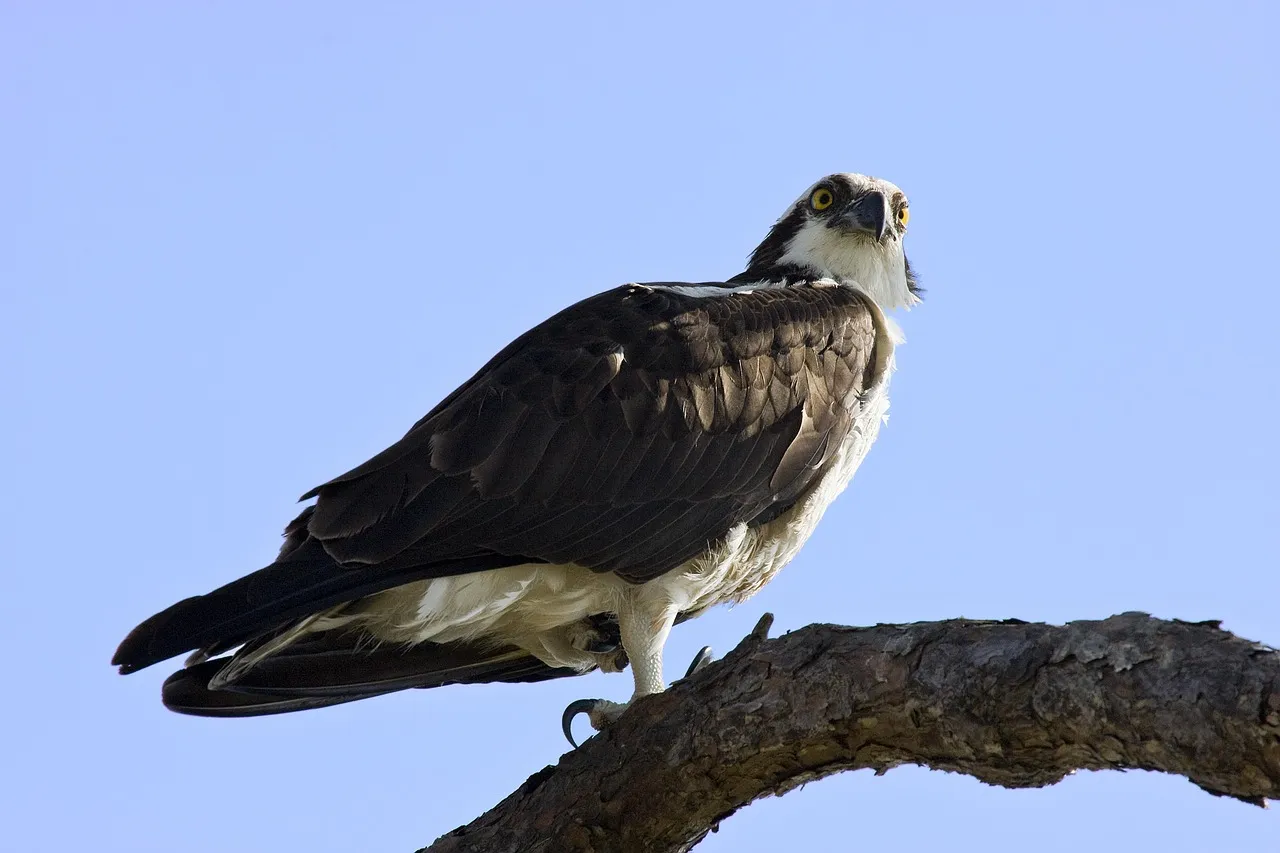
After capturing a fish, ospreys exhibit a fascinating behavior: they orient the fish head-first in flight. This positioning reduces aerodynamic drag, making it easier for the bird to carry its prey over long distances. By aligning the fish with the direction of flight, ospreys conserve energy and maintain stability, even when transporting large catches.
This behavior also minimizes the risk of dropping the fish, as the streamlined position reduces air resistance and potential turbulence during flight.
6. Nesting Near Prime Fishing Spots
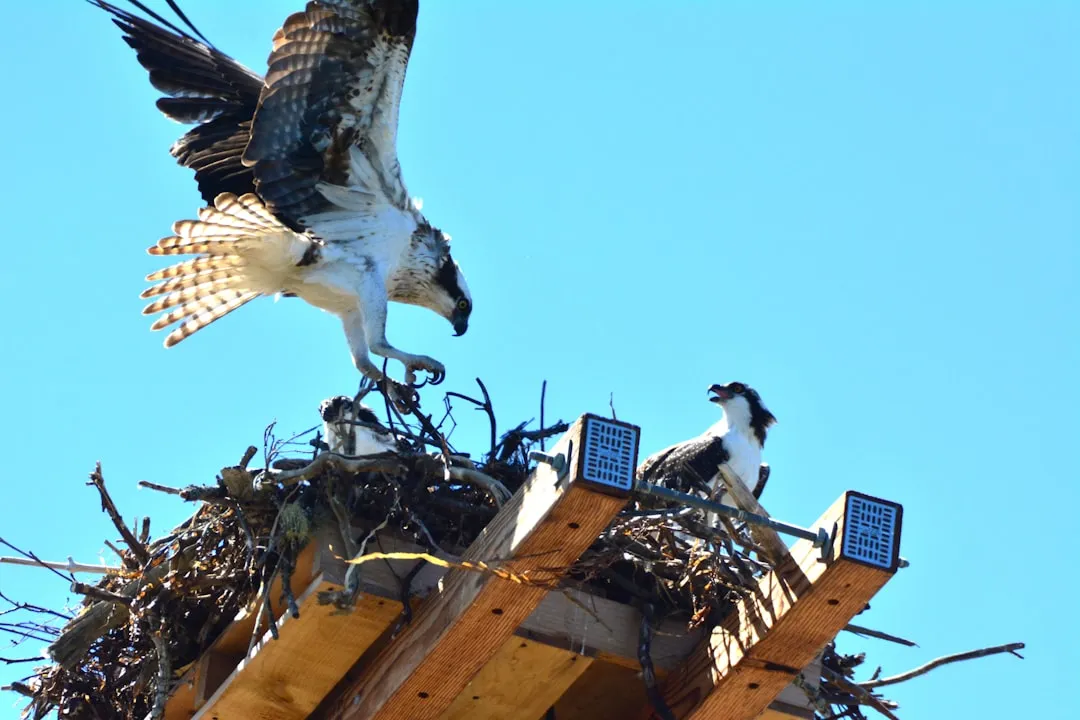
Ospreys are strategic in selecting nesting sites, often choosing locations close to abundant fishing grounds. They build large stick nests atop trees, cliffs, or human-made structures like utility poles and platforms. Proximity to water ensures a steady food supply for their young, reducing the energy expended during hunting trips.
These nests are often reused and added to each year, becoming substantial structures over time. Their elevated positions provide safety from ground predators and a clear vantage point for spotting potential threats.
7. Monogamous Partnerships for Life
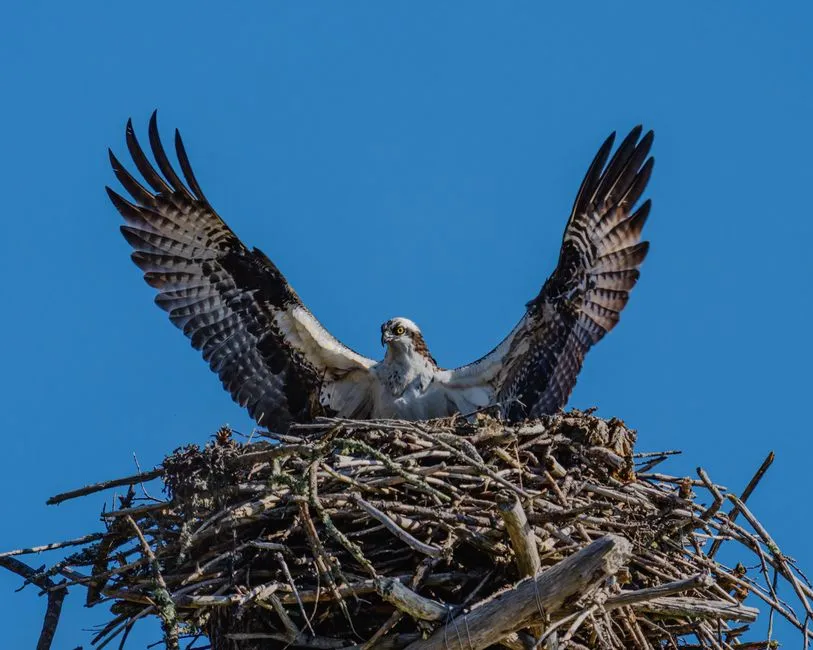
Ospreys typically form monogamous pairs, often mating for life. This long-term partnership enhances their breeding success, as both parents share responsibilities in nest building, incubation, and feeding the young. Such cooperation ensures that chicks receive ample care and nourishment, increasing their chances of survival.
The bond between osprey pairs is reinforced through mutual displays and coordinated hunting efforts. This teamwork exemplifies the importance of partnership in raising the next generation of these remarkable birds.
8. Long-Distance Migrations
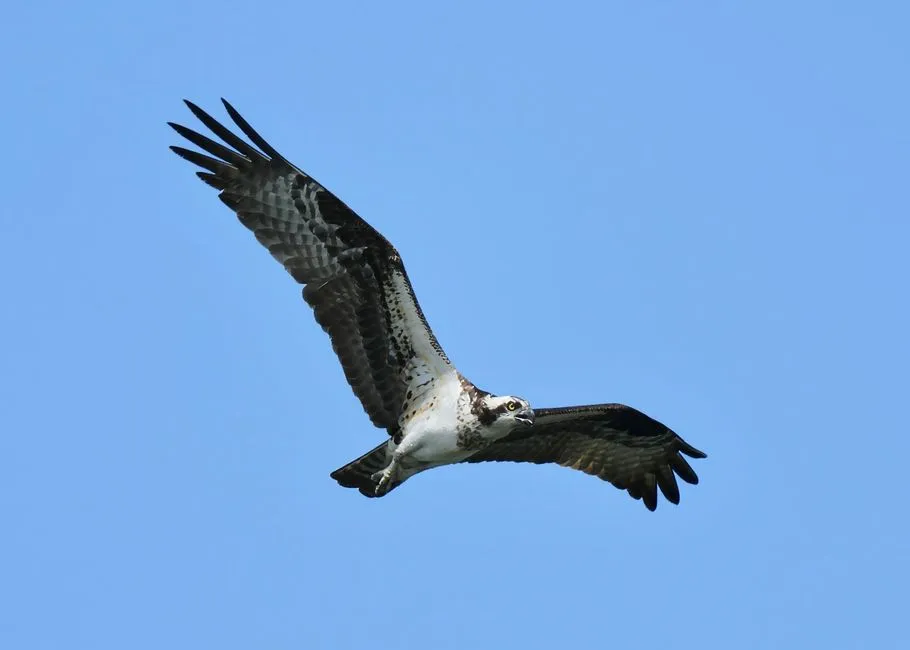
Ospreys undertake impressive migrations, traveling thousands of miles between breeding and wintering grounds. Some individuals migrate from North America to South America, showcasing their endurance and navigational skills. These journeys ensure they have access to fish-rich waters year-round, adapting to seasonal changes in food availability.
During migration, ospreys rely on innate cues and environmental landmarks to navigate, often returning to the same nesting sites each year. This fidelity to specific locations underscores their remarkable memory and homing abilities.
9. Adaptability to Human Environments
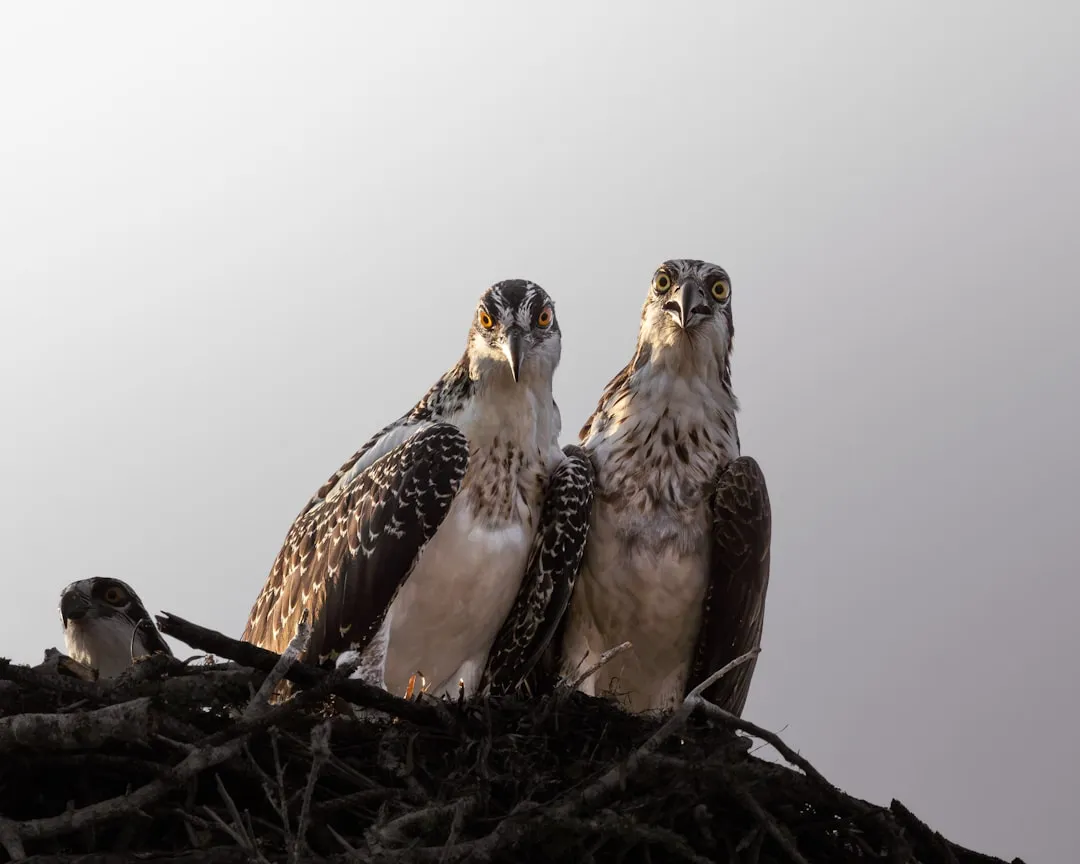
Despite habitat changes, ospreys have shown remarkable adaptability to human-altered landscapes. They readily nest on artificial structures and thrive in areas with human activity, as long as fishing opportunities are abundant. This resilience has contributed to their population recovery after declines due to pesticide use in the mid-20th century.
Conservation efforts, such as the installation of nesting platforms, have further supported osprey populations. Their ability to coexist with humans highlights the potential for wildlife to adapt to changing environments when given the opportunity.
10. Exceptional Parental Care
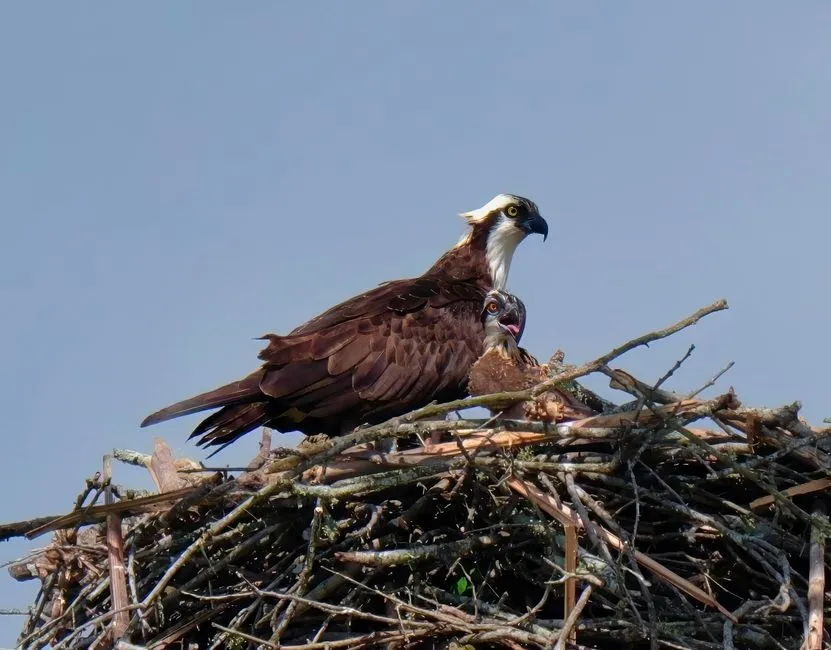
Both male and female ospreys are dedicated parents. While the female primarily incubates the eggs, the male provides food, ensuring the female remains nourished during this period. After hatching, both parents feed and protect the chicks, demonstrating a strong commitment to their offspring’s survival.
This shared parental investment results in higher fledgling success rates, as chicks receive continuous care and feeding. The dedication of osprey parents is a testament to the species’ emphasis on family and reproduction.
11. Vocal Communication
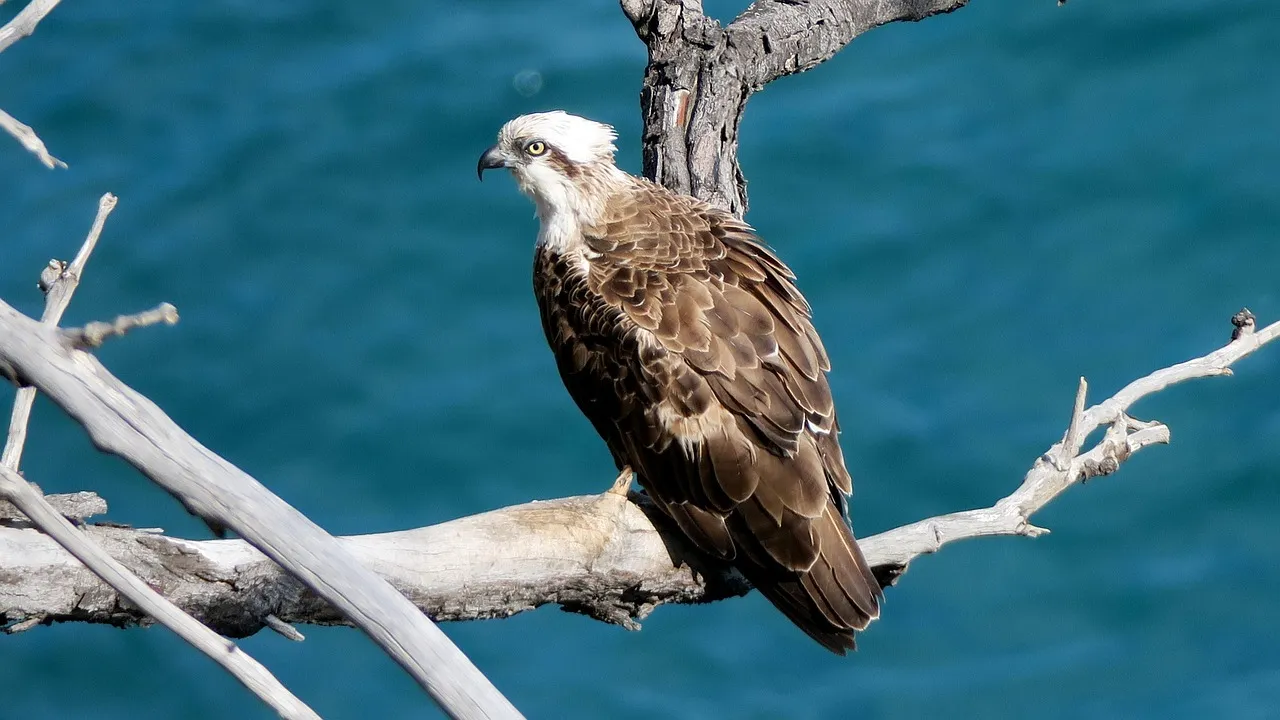
Ospreys use a range of vocalizations to communicate with their mates and offspring. Their calls can signal alarm, coordinate feeding, or reinforce pair bonds. This vocal communication is essential for maintaining the social structure within the nest and ensuring the well-being of their young.
Distinctive calls also help in territory defense, warning potential intruders of the presence of an established pair. This auditory signaling plays a crucial role in the complex social dynamics of ospreys.
12. Conservation Success Story
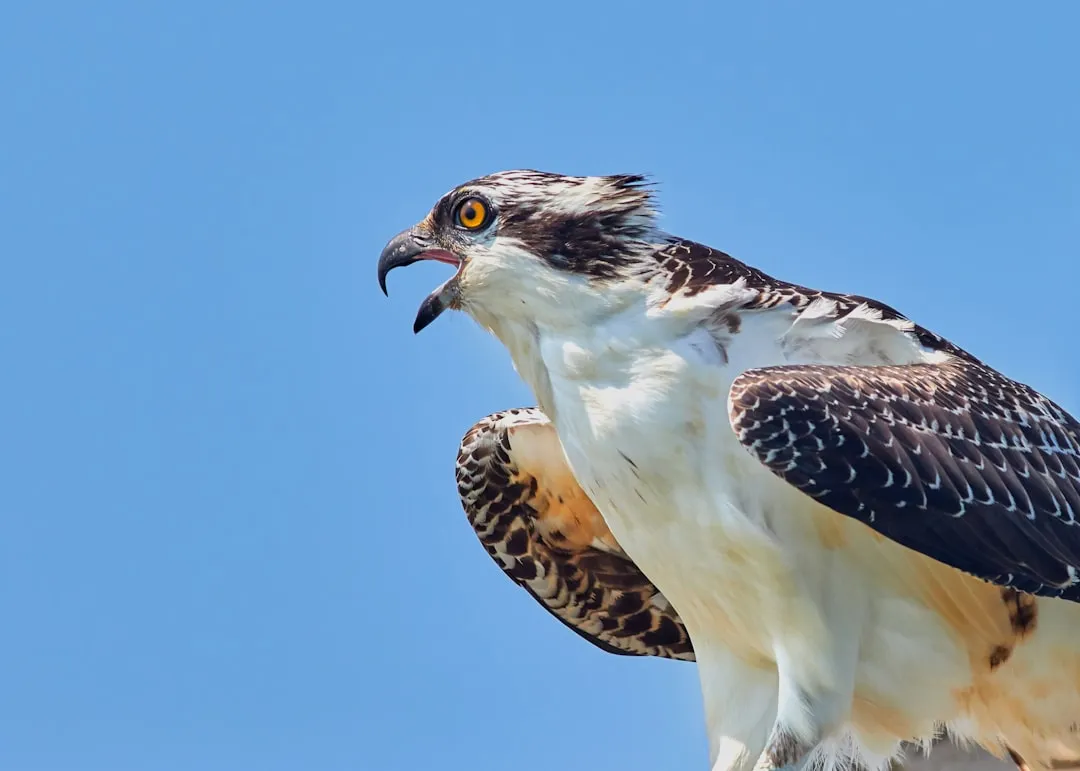
Once threatened by pesticide use, particularly DDT, osprey populations have rebounded significantly due to conservation efforts. The banning of harmful chemicals and the provision of nesting platforms have facilitated their recovery. Today, ospreys serve as a symbol of successful wildlife conservation and the resilience of nature when given a chance to recover.
Their comeback story underscores the importance of environmental stewardship and the positive impact of targeted conservation initiatives. Ospreys remind us that with concerted efforts, species can recover and thrive.
In conclusion, the osprey’s combination of specialized hunting techniques, physical adaptations, and behavioral traits make it America’s ultimate fishing bird. Their resilience and adaptability serve as a testament to nature’s ingenuity and the importance of conservation efforts. Next time you spot an osprey soaring overhead

- 6 US States With the Most Salmon - July 12, 2026
- 14 Signs Your Dog Has Started Living in the Moment More Than You Do - July 12, 2026
- 8 Fascinating Facts About the Elusive Red Wolf, America’s Most Endangered Canine - July 12, 2026