
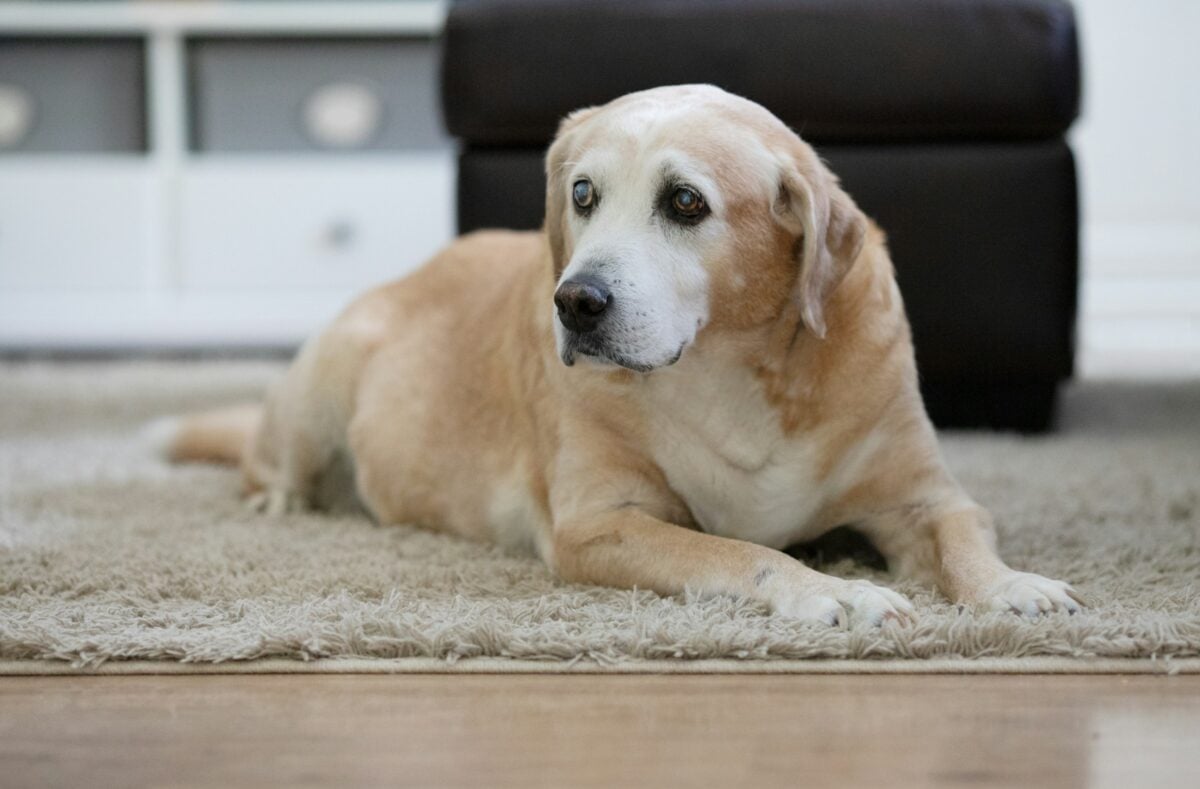
Most people see a graying muzzle and a slower walk to the mailbox and think the same sad thing: my dog is fading. But that’s not what a vet sees. A vet looks at the exact same dog and often sees something closer to a quiet success story, proof that a body is aging the way it’s supposed to, not falling apart the way owners fear.
The gap between “just getting old” and “aging beautifully” isn’t as obvious as people think, and it’s rarely about the absence of gray hair or stiff mornings. It’s about a handful of small, easy-to-miss signals that vets quietly check for at every senior wellness visit. Once you know what they’re actually looking for, you’ll never look at your old dog the same way again.
#1 – The Silver Muzzle That Reads as Wisdom, Not Wear
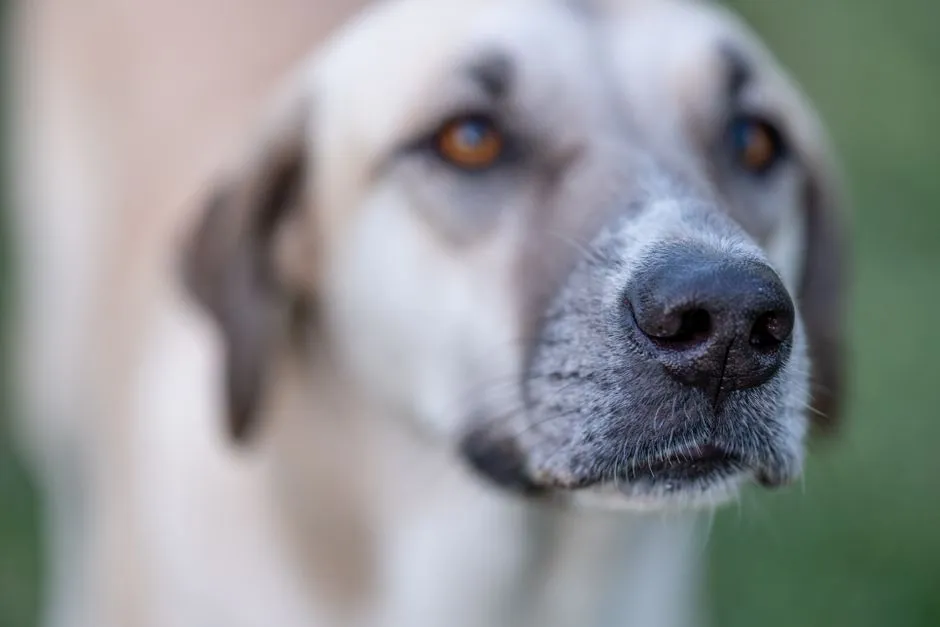
That frosty patch spreading across your dog’s chin isn’t a warning sign. It’s one of the most reassuring things a vet can see, because it usually means pigment cells are simply doing what they naturally do after years of service, not that something has gone wrong underneath. Vets will tell you plain gray, on its own, means almost nothing medically. It’s practically cosmetic.
What actually matters is what’s happening around it. Dogs whose owners keep up with regular brushing near the graying areas tend to have healthier skin and fewer irritations, simply because someone’s hands are on that face often enough to catch problems early. So that distinguished, silver-fox look your dog is sporting? It’s less “getting old” and more “aging on purpose,” especially if it comes with a coat that still feels clean and cared for underneath.
#2 – Slower Steps, Same Spark
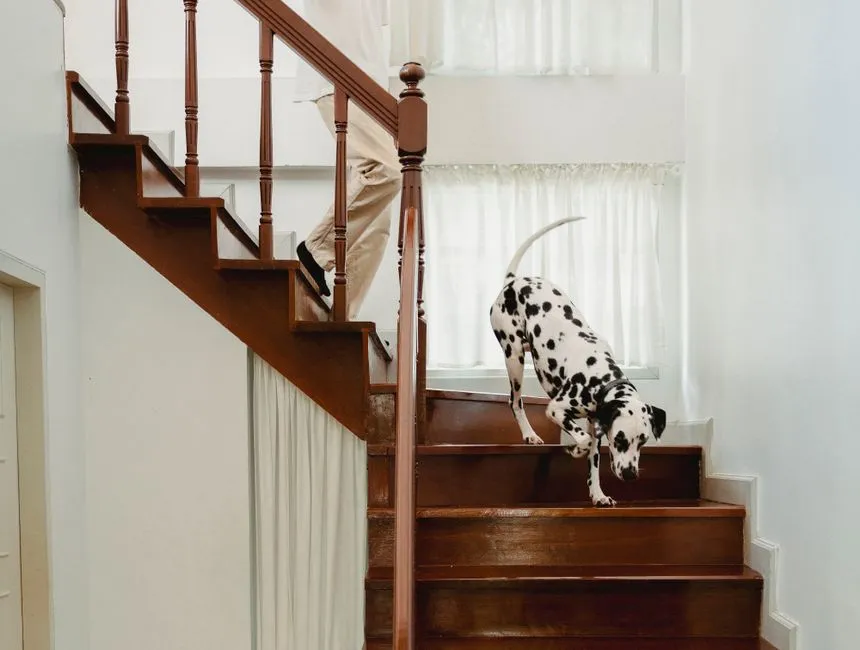
Here’s the contrast vets watch for: a dog who takes the stairs a little more carefully but still trots to the door when the leash comes out. That combination, slower body, undimmed enthusiasm, is exactly what “aging well” looks like in a clinic setting. It’s the dogs who show sudden, total disinterest in things they used to love that raise red flags, not the ones who simply pace themselves.
Vets often coach owners to shorten walks rather than cancel them, because staying moving, even gently, protects joints and muscle far better than resting on the couch all day. The dogs who age most gracefully are frequently the ones initiating their own gentle games, nudging a toy across the floor or asking for a slow lap around the yard on their own terms, proof the drive is still very much alive underneath the slower pace.
Fast Facts
- Large and giant breeds are typically considered “senior” around age 5 to 6, while small breeds often aren’t classified that way until 10 to 12.
- Once a dog crosses into senior status, most vets recommend wellness visits twice a year instead of once.
- Short, frequent walks tend to preserve joint mobility better than long, occasional ones.
- Mobility and mental sharpness are closely linked, which is why vets often check both at the same visit.
#3 – The Number on the Scale That Doesn’t Budge

A weight that barely shifts month to month might sound boring, but to a vet, it’s quietly impressive. It tells them digestion, metabolism, and portion control are all still working the way they should, which is no small thing in a body that’s been running for a decade or more.
It’s the sudden swings, unexplained weight loss or a creeping gain, that actually worry vets enough to order bloodwork. Owners who weigh their senior dog at home once a month, and stick with a proper senior formula instead of guessing at portions, tend to catch problems long before they become emergencies. Stable weight isn’t glamorous, but it’s one of the clearest signs a dog’s body is still running like it should.
#4 – Cloudy Eyes That Still Know Your Face
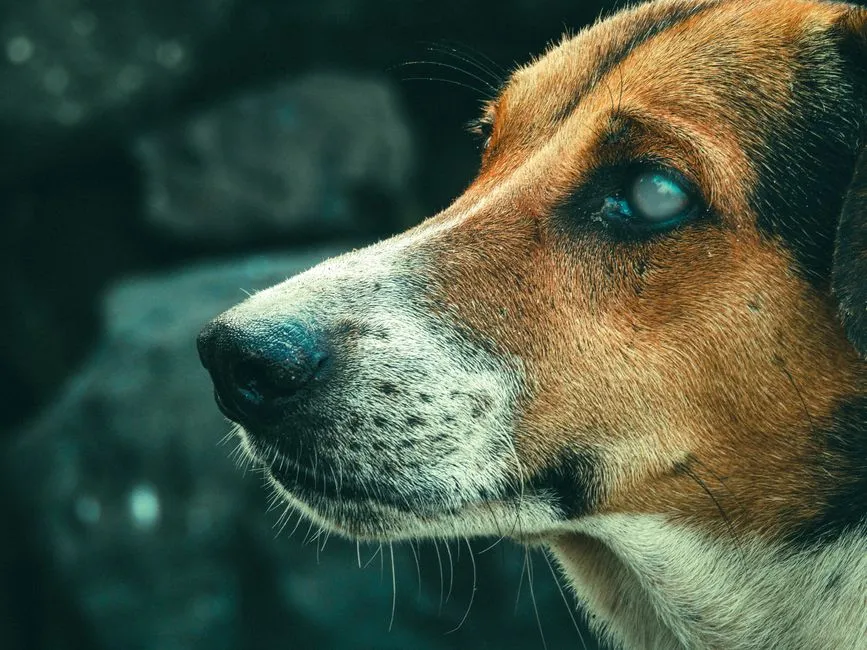
Most dogs develop a faint blue-gray haze in their eyes as they age, something called lenticular sclerosis, and it looks alarming to owners who’ve never seen it before. Vets, though, barely blink at it. What they actually test is whether the dog still tracks a moving hand, still turns toward a familiar voice, still navigates the living room without hesitation.
A dog who does all of that with slightly clouded eyes is doing just fine. It’s the dogs who start bumping into furniture or hesitating at thresholds who need closer attention, not the ones with a little haze and total confidence. Gentle eye-area cleaning helps keep things comfortable, but the real marker of healthy aging here is behavior, not appearance.
#5 – Still Listening When You Call Their Name
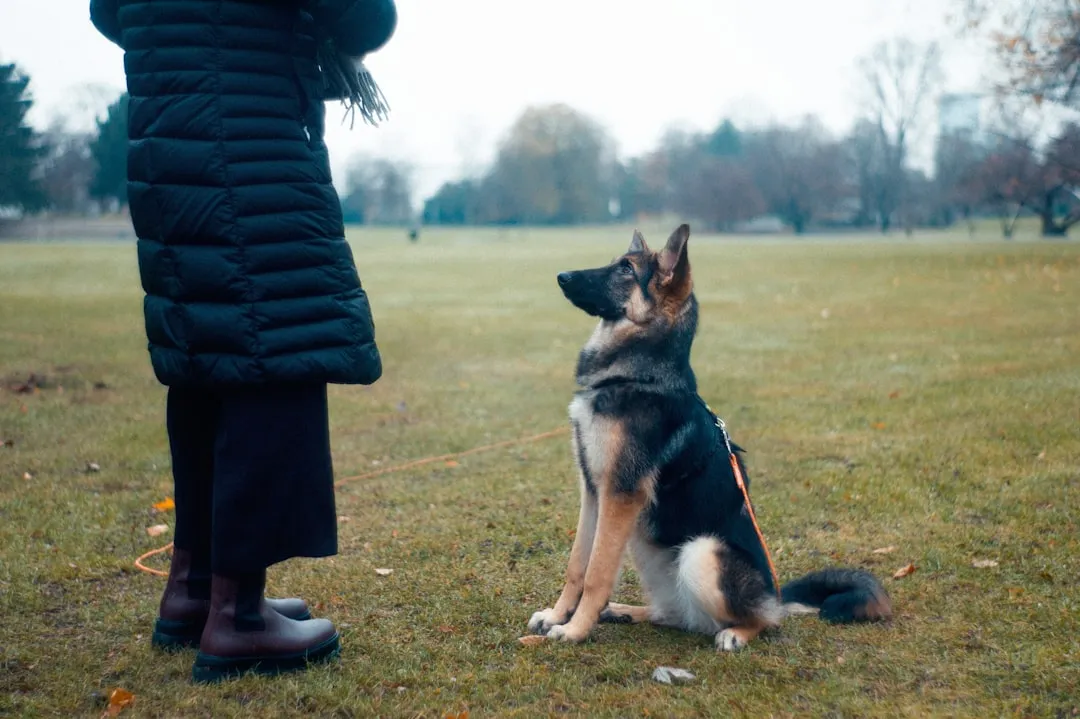
A dog that still comes when called, still sits on cue, still perks up at “walk” is telling a vet something important about what’s happening upstairs. Cognitive sharpness doesn’t vanish just because a dog turns gray, and dogs who stay responsive to familiar commands are often aging with their minds fully intact.
This is exactly why vets encourage short, low-pressure training refreshers well into a dog’s senior years, not to teach anything new necessarily, but to keep those neural pathways active. Plenty of owners are surprised to discover their ten- or twelve-year-old dog can still pick up a simple new trick, slower to learn it, sure, but just as capable of getting there. That mental engagement is a quiet, powerful sign of beautiful aging.
#6 – Showing Up Hungry, Every Single Meal
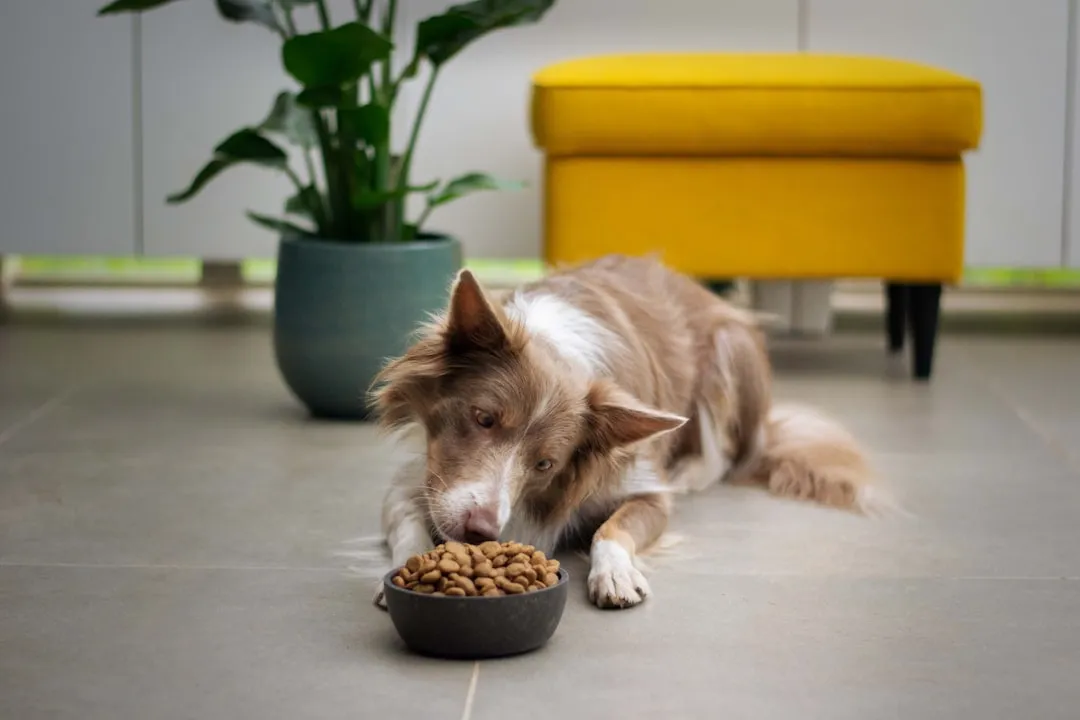
A dog who still shows up eager at the food bowl, no dramatics, no turned-up nose, is showing a vet that the whole digestive system is humming along fine. Appetite is one of the simplest, most honest health indicators there is, and steady interest in senior-formula meals speaks volumes about how well the body is functioning underneath.
It’s picky eating that lingers, or appetite that suddenly disappears, that gets flagged during exams. Vets generally just want owners watching for sudden changes rather than obsessing over small preferences. A dog who still gets a little excited at dinnertime, even a slightly pickier version of that excitement, is holding onto one of the clearest signs of good health there is.
#7 – A Coat That Still Catches the Light
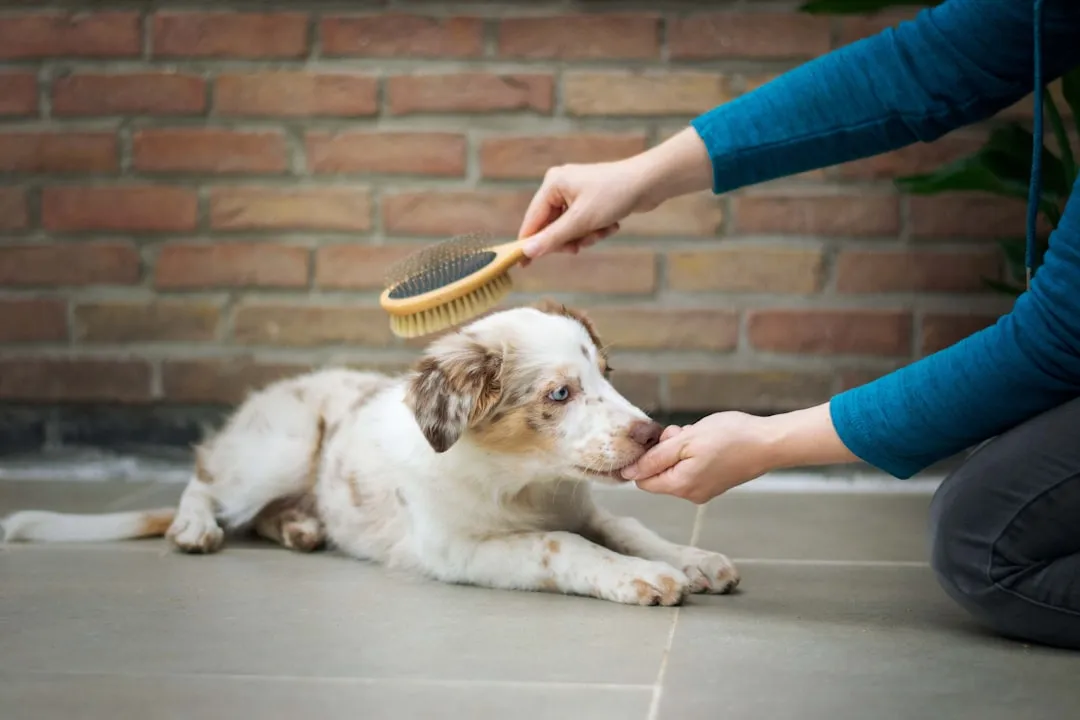
Fur can thin with age, that part’s normal and expected. But a coat that still has some shine to it, even a thinning one, tells a vet that circulation and nutrition are still solid underneath the surface. Dullness, brittleness, or bald patches are the things that actually raise concern, not a lighter coat that still gleams a little in the sun.
Weekly brushing sessions do double duty here: they keep that shine going, and they give owners a hands-on chance to feel for new lumps, bumps, or sore spots before they become bigger problems. Most senior dogs end up loving this ritual, too, turning a grooming habit into a bonding one, which only adds to the case that this dog isn’t declining, it’s thriving with a little extra care.
Worth Knowing
- A thinning coat is a normal part of aging; brittleness or bald patches usually point to something else going on.
- Weekly brushing doubles as an informal skin check, often catching new lumps or sore spots early.
- Omega-rich diets or fish oil supplements are commonly used to support coat shine in older dogs.
- Grooming time is also a low-stress bonding ritual many senior dogs come to genuinely look forward to.
#8 – The Tail Still Wags for the Right People
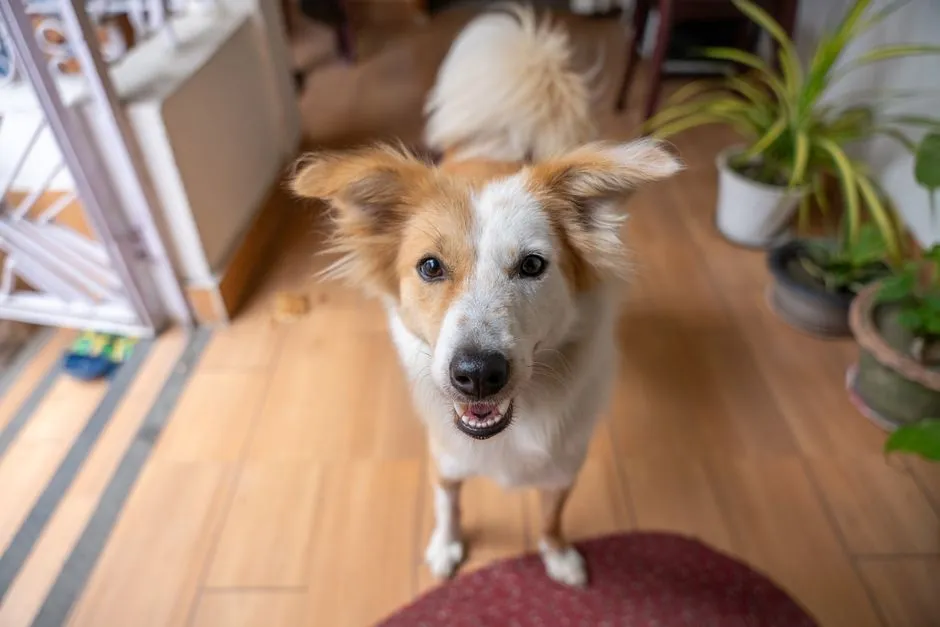
Dogs who still light up at the sound of a specific person’s footsteps, who still have that unmistakable “you’re home” greeting, are showing vets that emotional and social memory is holding strong. That recognition doesn’t fade just because hearing starts to dull, dogs lean harder on scent and sight to compensate, and the bond stays just as sharp.
This is one of the more overlooked signs, honestly, because owners assume a quieter greeting means a dog who cares less. In reality, dogs who keep up daily routines with their families, same walks, same feeding times, same evening couch spot, tend to show far fewer signs of confusion or isolation as they age. The wagging tail isn’t just sentimental. It’s a genuine marker of a mind still fully present.
#9 – Sleep That Looks Like Rest, Not Retreat
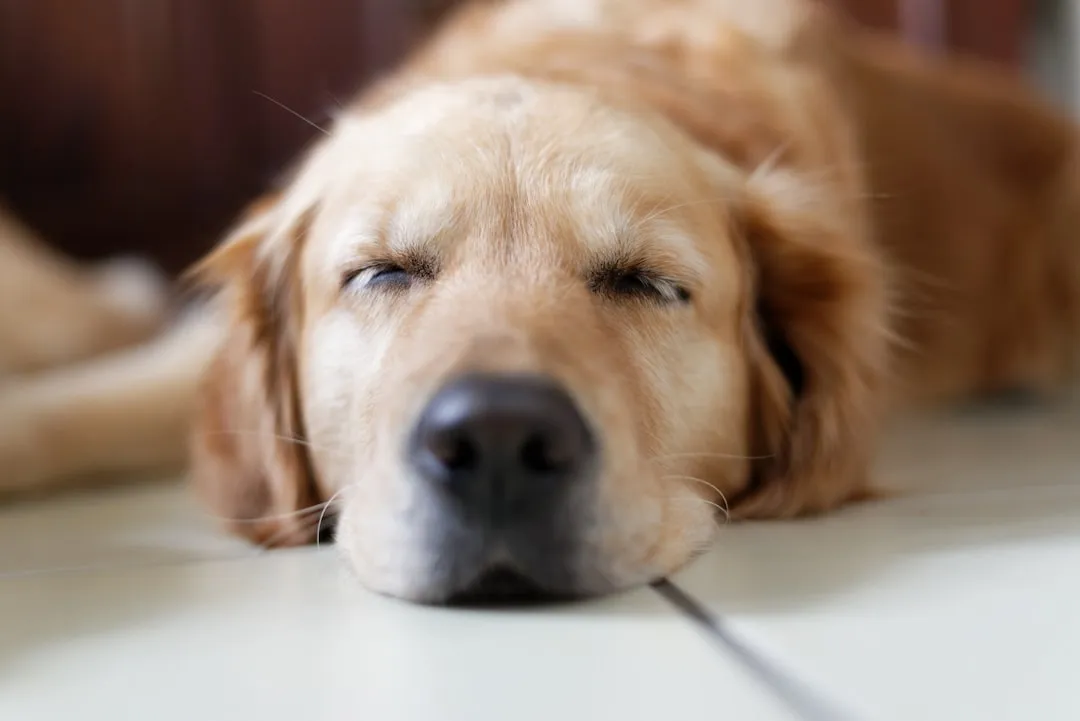
All senior dogs sleep more, that’s not up for debate. What vets pay attention to is the texture of that sleep. Is it broken up by stretches of alert, active time? Does the dog wake up genuinely eager for a short outing, or does it seem to be sinking deeper and deeper into a kind of permanent drowsiness?
The first pattern is healthy aging. The second often points to underlying discomfort or illness that hasn’t been diagnosed yet. Comfortable bedding in a quiet corner supports real, restorative rest, and dogs who bounce back from naps with some enthusiasm left in them are showing vets exactly the kind of resilience that separates thriving seniors from declining ones.
#10 – Rolling With the Punches When Life Changes
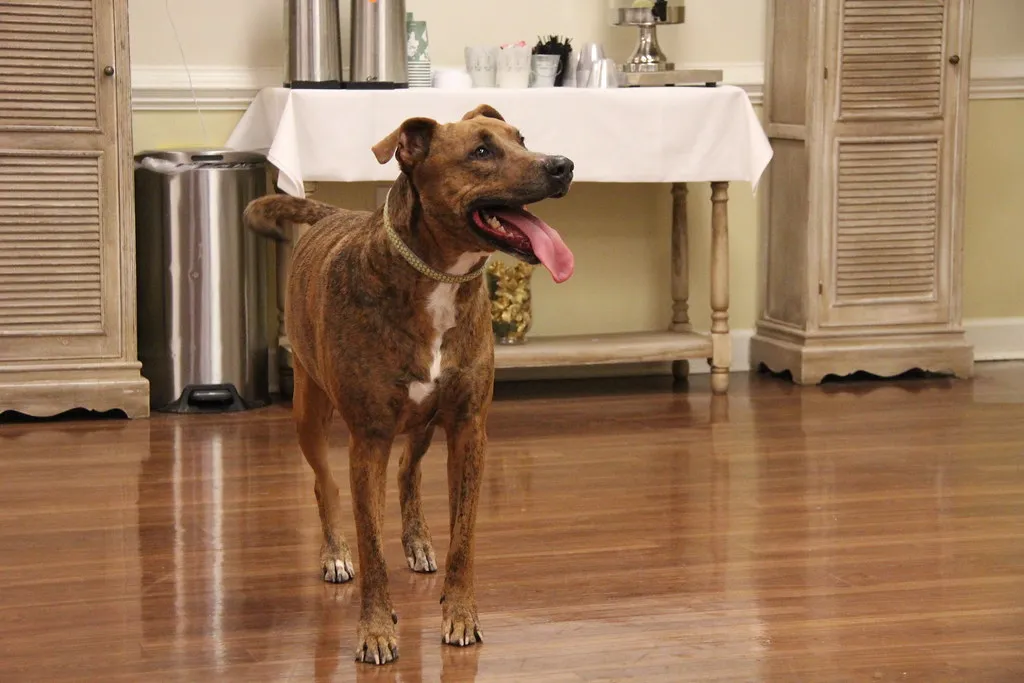
A move, a new pet in the house, a rearranged living room, these things unsettle a lot of older dogs badly. But the ones aging most gracefully tend to adapt with surprising flexibility, especially when changes are introduced gradually rather than all at once. Vets see this resilience as a genuine marker of a healthy nervous system, not just a good temperament.
Small accommodations help enormously here, raised food bowls, non-slip mats, a ramp instead of a step. Dogs who get these little adjustments tend to show far fewer anxiety behaviors overall. It’s a subtle sign, but a telling one: a dog who can handle change without spiraling is a dog whose whole system, mind included, is still working the way it should.
#11 – Never Losing the Plot on Potty Training
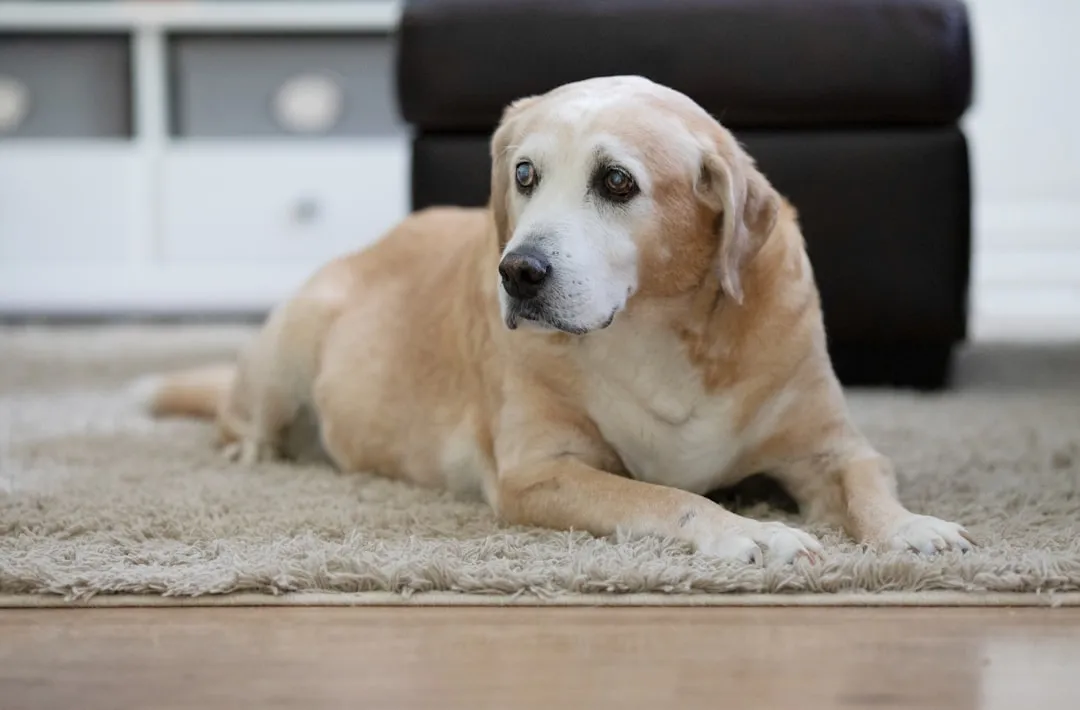
It sounds almost too simple to matter, but reliable house training well into old age tells a vet that bladder and bowel function are still intact, something that quietly starts slipping in dogs dealing with underlying issues. Accidents that suddenly appear out of nowhere are one of the first things vets ask about during senior checkups, precisely because they’re such an early, honest signal.
Scheduled potty breaks, easy access to the door, and a fiber-rich senior diet all help maintain this kind of consistency. It’s not glamorous, and nobody’s bragging about it at the dog park, but a dog who’s still fully reliable here is quietly winning at aging, and making everyone’s daily life a lot easier in the process.
At a Glance
- Sudden house-training accidents are a top reason vets ask owners to schedule an unplanned senior checkup.
- Fiber-rich diets help keep bowel movements consistent as digestion naturally slows with age.
- Easy, frequent outdoor access reduces stress-related accidents in older dogs.
- Increased thirst paired with new accidents is worth mentioning to a vet, since it can flag kidney concerns.
#12 – Still Chasing the Puzzle, Not Just the Treat
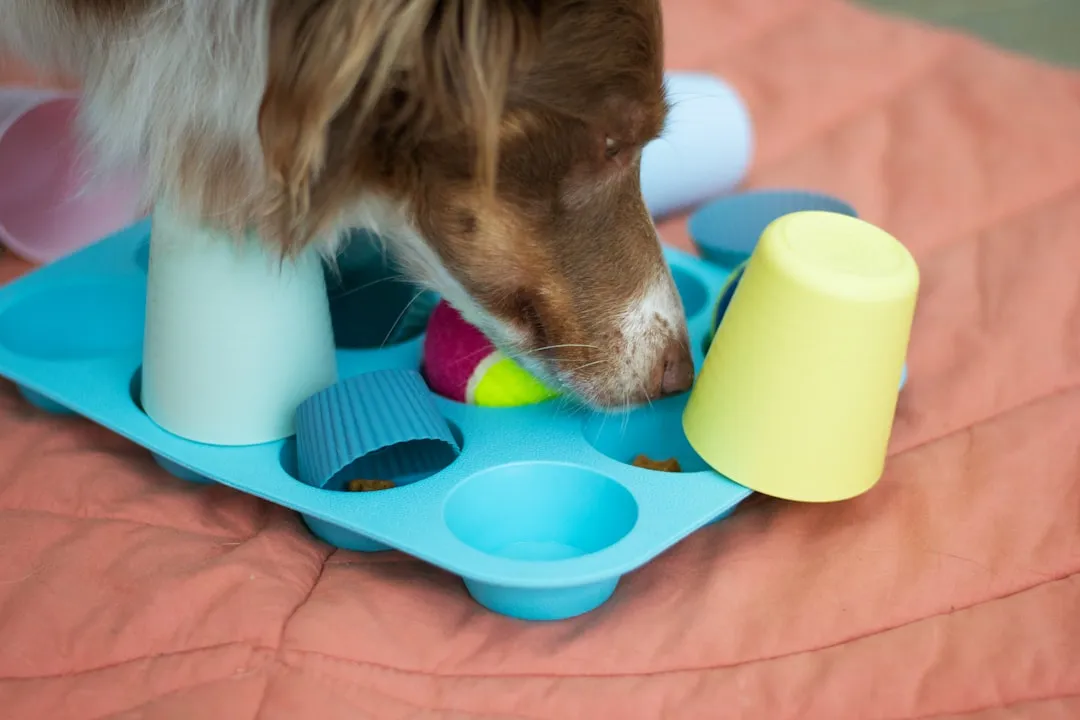
A dog who still gets genuinely interested in a snuffle mat or a slow-moving scent trail is showing off something vets love to see: a brain that hasn’t checked out. Mental engagement matters just as much as physical health in senior dogs, and curiosity is one of the last things to fade in dogs who are aging well.
This directly counters the assumption that old dogs just want to sleep all day. Short, low-pressure puzzle sessions, nothing frustrating, nothing that requires jumping or straining, keep the mind sharp without tiring the body out. Many seniors even develop clear favorites over time, a certain toy, a certain game, proof that personality and preference are alive and well, not fading into the background.
#13 – Muscle That Hasn’t Given Up
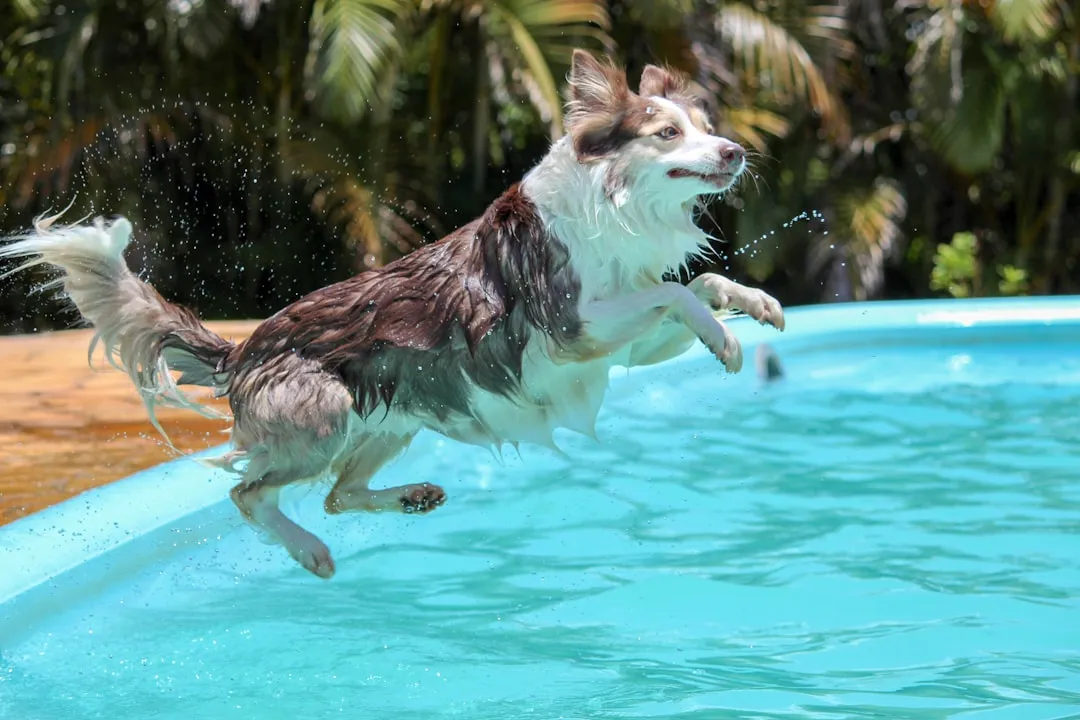
Run a hand along an aging dog’s hindquarters and you can tell a lot. Visible muscle tone, especially around the back legs, tells a vet that this dog has stayed active enough to preserve strength, not just survive on rest. Muscle wasting, by contrast, is one of the clearest physical signs of a dog sliding into decline rather than aging gracefully.
Low-impact activity is the secret here, swimming especially, along with slow, steady walks that don’t overtax stiff joints. Vets often pair this kind of movement with joint supplements for extra support. Owners who keep this up consistently tend to report far fewer mobility complaints down the line, and better balance and posture as an added bonus.
#14 – A Mouth That Tells the Real Story
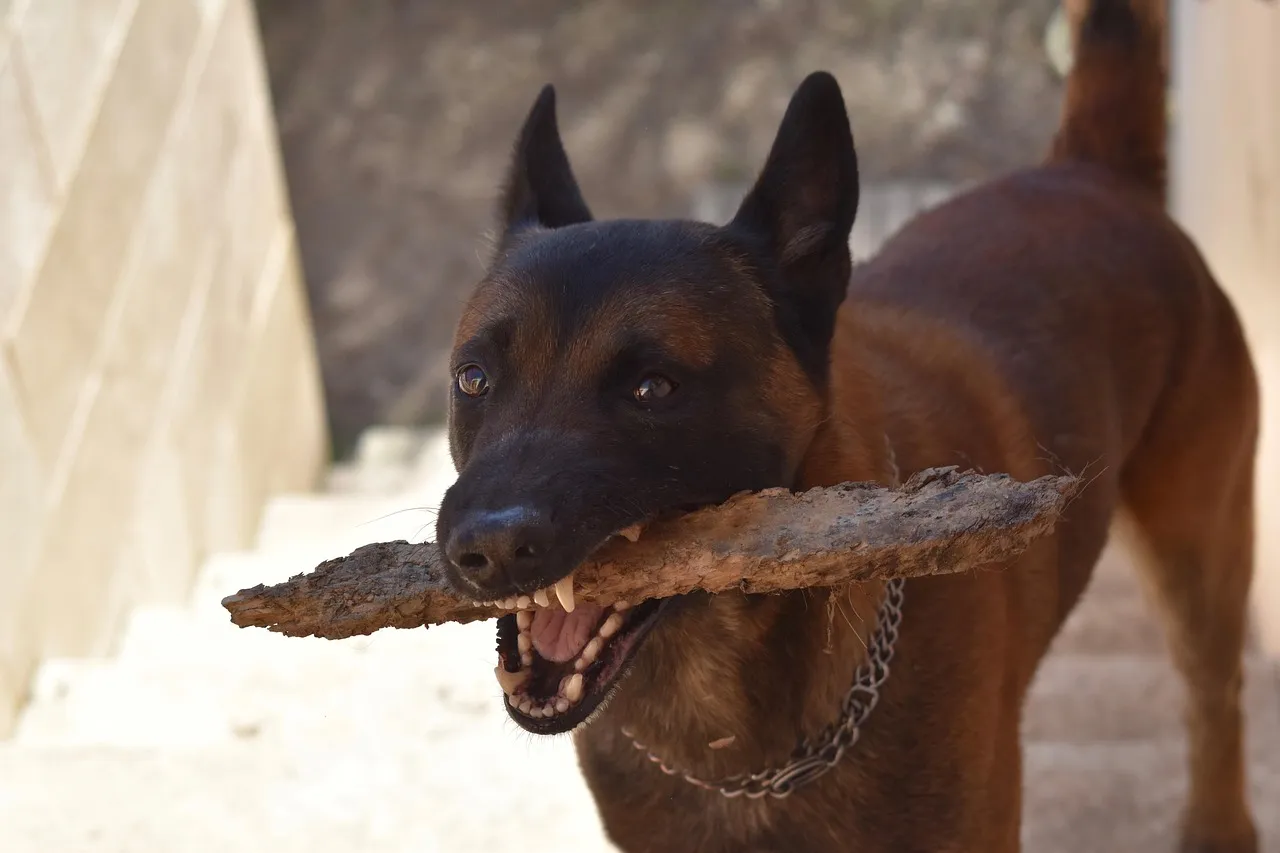
Open your dog’s mouth and you’ll find one of the most underrated health indicators there is. Minimal tartar, pink healthy gums, and decent breath all point to an owner who’s stayed on top of dental care, and a body that’s benefiting from it in ways that go far beyond the mouth. Vets link poor dental health directly to heart, kidney, and liver issues in aging dogs, it’s not a cosmetic concern.
Daily brushing or vet-approved dental chews make a measurable, visible difference over time. Dogs with clean mouths tend to keep eating well, keep their breath tolerable for cuddles, and avoid a whole cascade of downstream health problems. It’s a small daily habit with an outsized payoff, exactly the kind of thing that separates dogs who age beautifully from dogs who just age.
Quick Compare
| Healthy Aging Mouth | Signs to Watch For |
|---|---|
| Pink, firm gums | Red, swollen, or bleeding gums |
| Light tartar buildup | Heavy tartar or visible plaque |
| Tolerable breath | Persistent foul odor |
| Steady chewing and appetite | Dropping food or chewing on one side |
#15 – The Bloodwork That Surprises the Vet
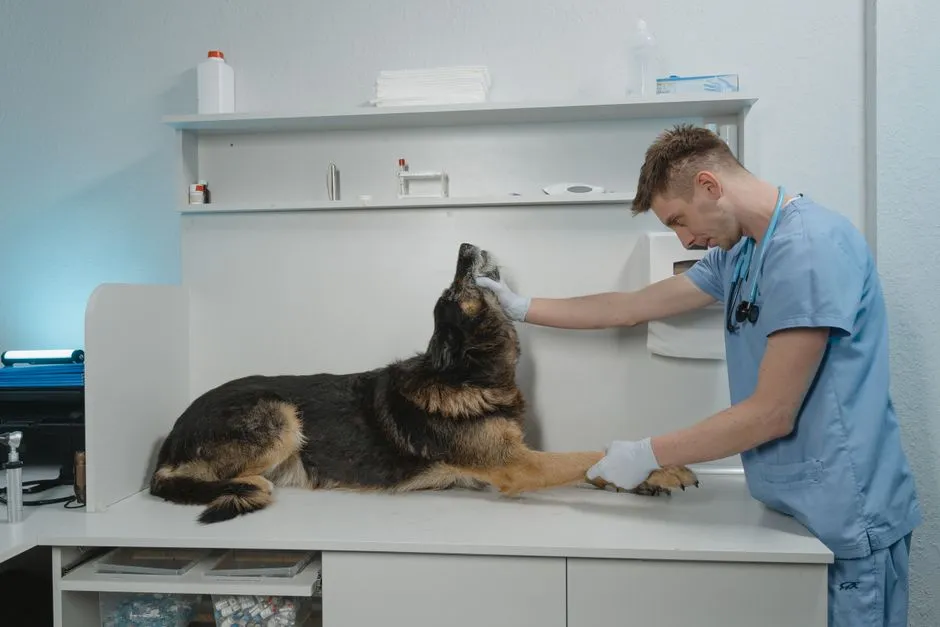
Here’s the sign that actually matters most, the one every other item on this list is quietly building toward. A senior dog who walks into a wellness visit still curious, still tail-wagging, still engaged with the room, and then comes back with clean bloodwork, that’s the full picture of aging beautifully. It’s not one trait. It’s all of them showing up together, confirmed by the numbers.
Annual or biannual panels exist specifically to catch trouble early, but vets will openly admit some of their favorite moments are the ones where nothing alarming shows up at all, just a dog who’s simply, thoroughly, doing great for its age. Owners who prioritize these checkups consistently end up with dogs who defy expectations, not because they got lucky, but because every small habit on this list quietly added up.
The Bottom Line
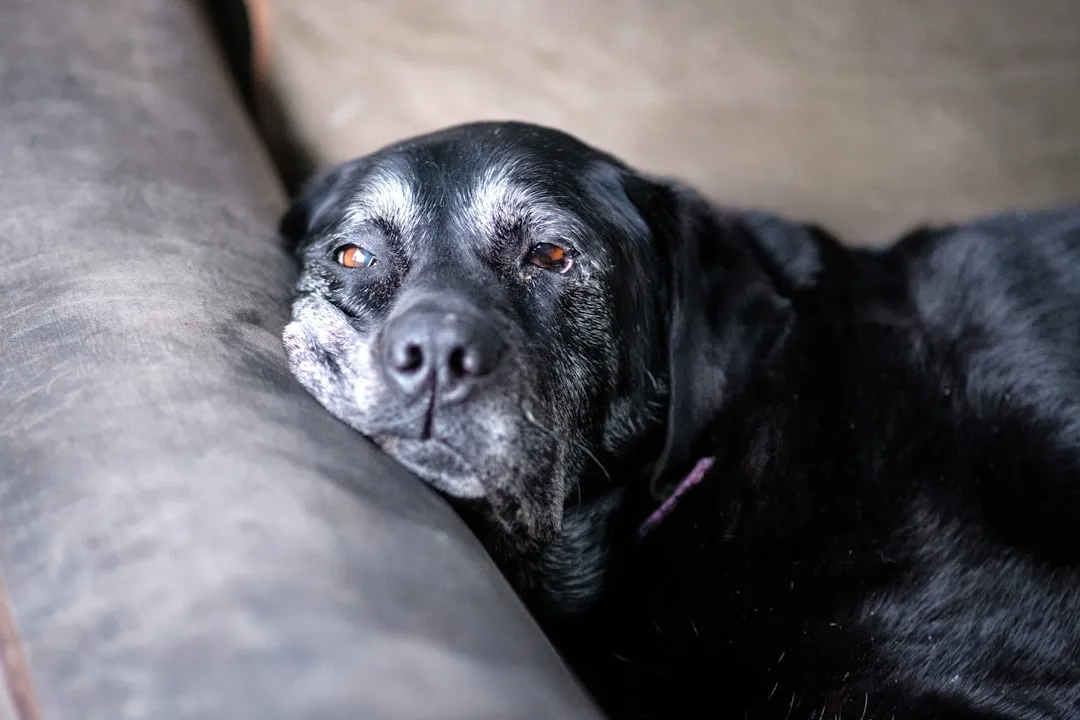
Here’s my honest take after going through all fifteen of these: aging beautifully has almost nothing to do with luck, and everything to do with a thousand small, unglamorous choices made over years. The brushing, the shorter walks, the fiber in the food, the puzzle toy nobody thinks twice about. None of it looks impressive in the moment. All of it adds up to a dog who gets to grow old instead of just getting old.
If there’s one thing worth stealing from how vets actually think about this, it’s that they’re not hunting for perfection. They’re hunting for resilience, curiosity, and consistency, three things that have nothing to do with age and everything to do with care. Did your vet ever point out a sign that didn’t make this list? Drop it in the comments, because chances are, someone else’s dog needs to hear it too.

- These Incredible Insects Play a Vital Role in Your Garden’s Health - July 12, 2026
- 8 Unique Animals That Call Florida Wetlands Home - July 12, 2026
- 6 Wild Theories About Lost Civilizations and Their Downfall - July 12, 2026