
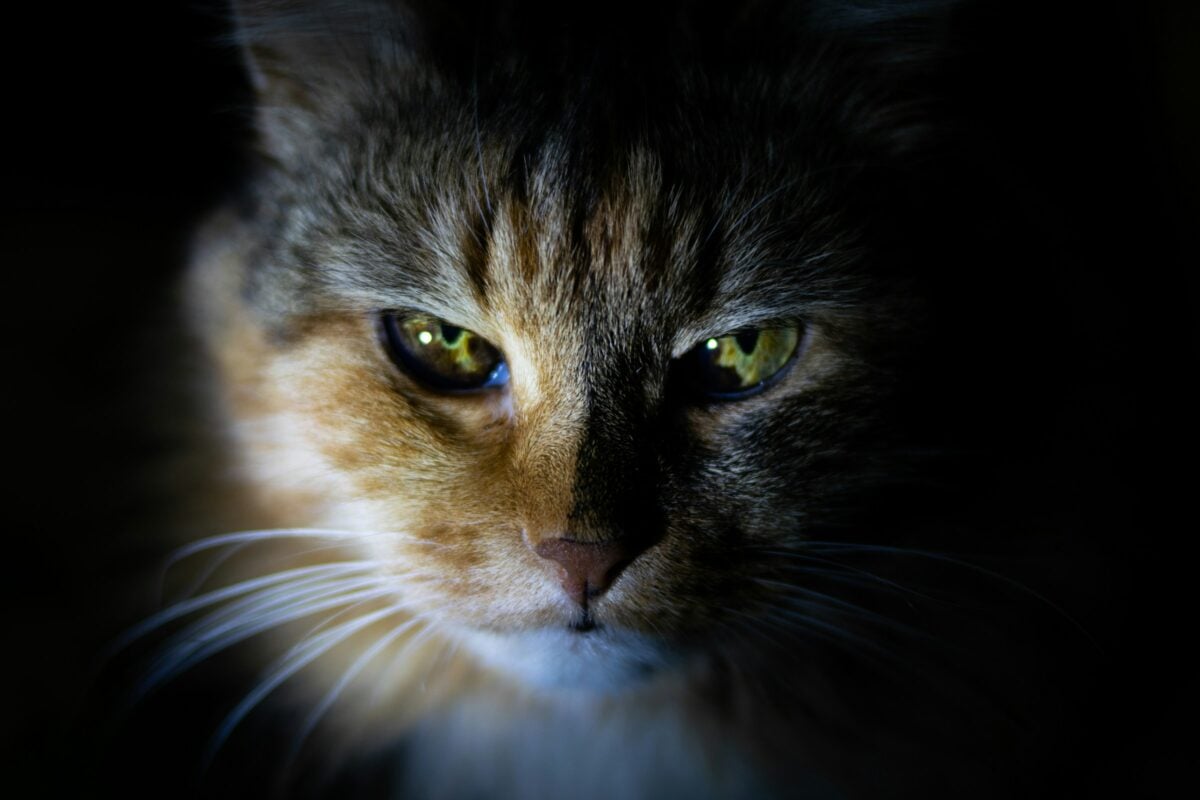
Most people assume a dying cat simply grows quiet, stops eating, and hides under the bed until the end. That’s the version you hear at the vet’s office, the short summary everyone nods along to. But ask anyone who has actually sat with a cat through those final weeks, and they’ll tell you the truth is stranger, softer, and far more specific than that.
The real signs rarely look like sickness at all. They look like small personality shifts – a new favorite chair, a purr that sounds slightly off, a housemate cat suddenly acting like a bodyguard. Most people miss every one of them. Long-time owners don’t, and once you know what to look for, you won’t miss them again either.
#1 – Unusual Changes in Favorite Resting Spots
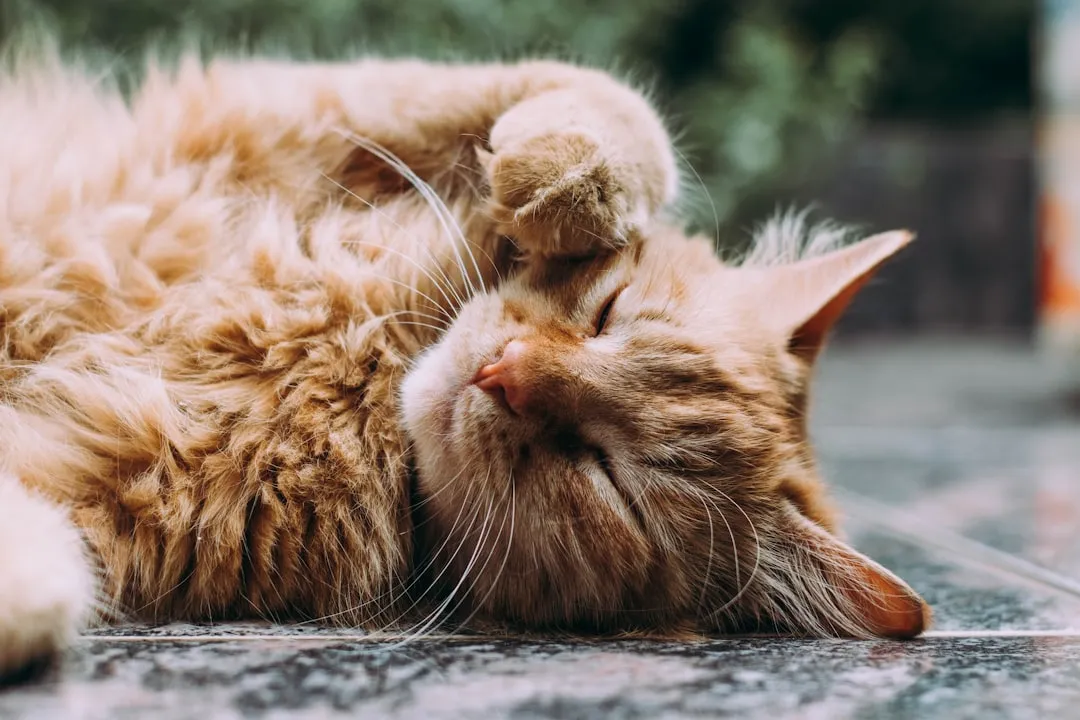
Everyone expects a dying cat to retreat into dark corners and disappear from view. The real tell usually shows up earlier and looks nothing like hiding – a cat abandons the spot they’ve slept in for years and claims somewhere completely new. Maybe it’s the top of a cabinet nobody ever climbs, or a sunny windowsill they walked past a thousand times without interest.
This isn’t random. It’s an instinctive search for better airflow, warmth, or proximity to the people they trust most, as their body starts working harder to regulate itself. Owners usually notice it happening gradually, over days or weeks, not as one dramatic overnight change. Vets say this quiet relocation can start showing up well before any other visible sign of decline.
#2 – Shifts in Purring Frequency and Tone
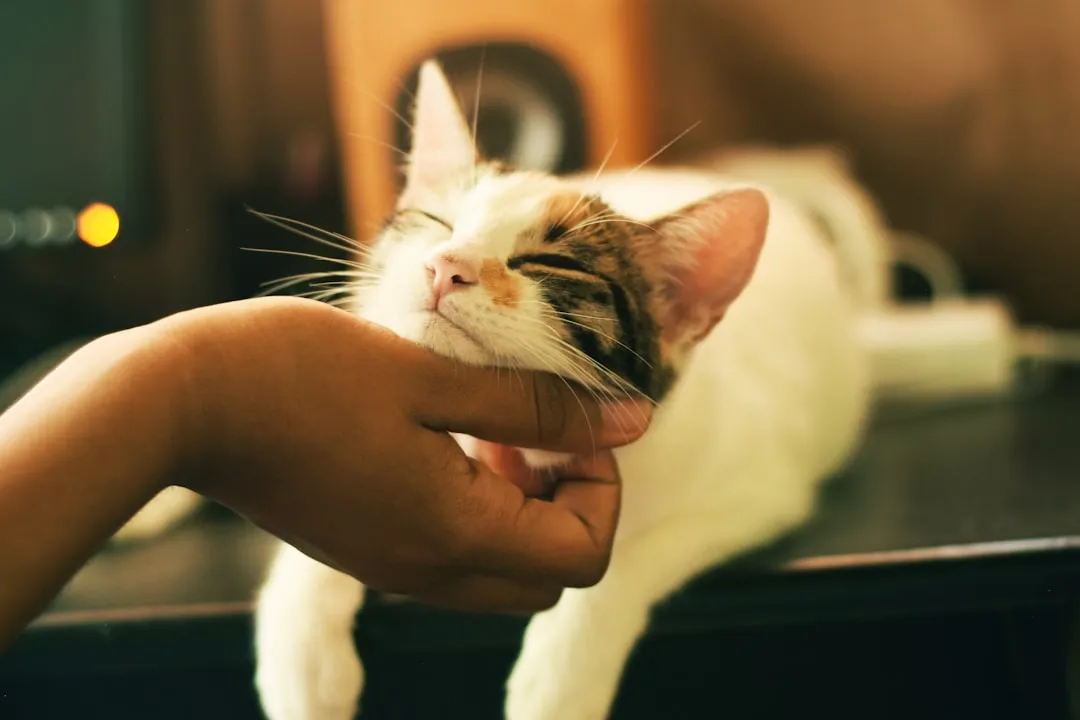
Purring gets read as a universal sign of happiness, so it throws people off completely when a dying cat purrs more than ever. In the final weeks, that purr often changes character – it gets softer, longer, strangely rhythmic, sometimes running almost nonstop even when the cat is alone in a room. Other cats do the opposite and go quiet during the exact moments, like a favorite chin scratch, that used to set them off every time.
Vets believe this shift is tied to self-soothing and pain management rather than contentment at all. The detail that catches most owners off guard is how the vibration itself changes – what used to be a strong rumble under your palm turns into a faint hum you have to concentrate to feel. People who’ve lived with a cat for over a decade learn to read this difference almost instantly, even though it’s nearly impossible to explain to someone who hasn’t felt it.
Fast Facts
- A healthy cat’s purr typically vibrates at roughly 25 to 150 cycles per second, though the rhythm can shift as health declines.
- Cats purr not only when content, but also when frightened, in pain, or actively self-soothing.
- A weakening purr often feels like a faint tremor instead of the usual strong rumble.
- Vocal changes like this frequently show up alongside other quiet cues, such as reduced grooming or appetite.
#3 – Altered Interactions With Other Household Pets
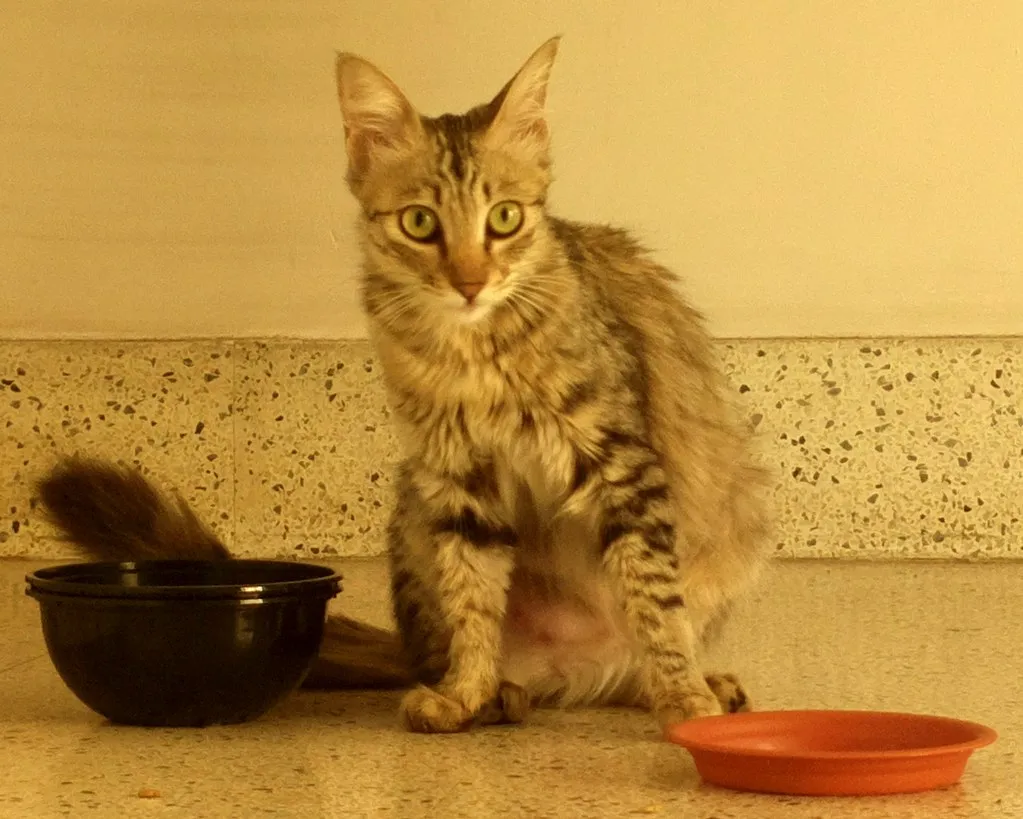
People assume a healthy cat just ignores a sick housemate, but multi-cat homes tell a very different story. Owners report one cat suddenly grooming the declining one far more intently than usual, or the reverse – avoiding shared spaces the two of them used to share without issue. Sometimes it shows up as sleeping unusually close, other times as sudden hissing at play that was tolerated for years.
Cats pick up on scent and movement changes in each other long before any human notices a thing. In some homes the response flips entirely into protectiveness, with one cat physically blocking access to the sick cat’s new resting spot like a self-appointed guard. Vets recommend watching the entire household closely during this stretch, since the stress isn’t limited to the cat who’s declining.
#4 – A Sudden Drop in Grooming, Leaving Fur Dull or Matted
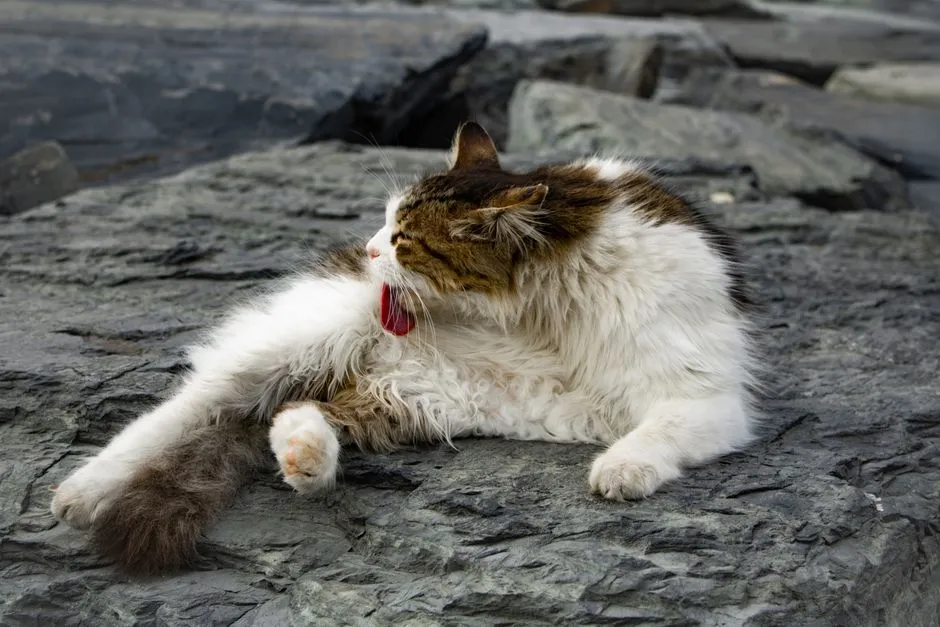
A cat that has spent its whole life meticulously clean will suddenly stop bothering, and the change can be startling. Fur that used to gleam turns dull and slightly greasy within days, and mats start forming in spots the cat can no longer reach or care about – behind the ears, along the spine, near the tail.
Grooming takes energy most declining cats simply don’t have anymore, and it’s often one of the first “extra” behaviors to disappear once the body starts conserving what little it has left. Owners frequently describe this as one of the hardest signs to watch, because a scruffy coat on a once-immaculate cat feels like watching their personality fade along with their health. Gently brushing them at this stage isn’t just cosmetic – many owners say it becomes one of the few comforts the cat still visibly enjoys.
#5 – Longer, Softer Eye Contact That Feels Different
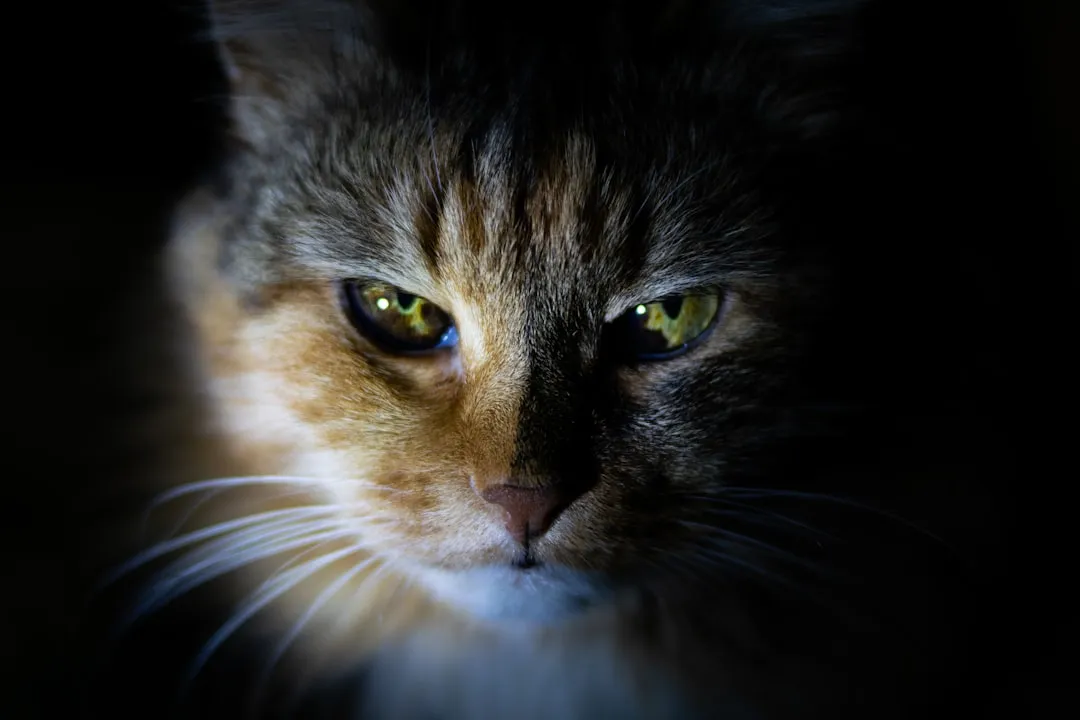
Cats are famous for treating direct eye contact like a mild threat, offering slow blinks instead of long stares. In the final weeks, that pattern often flips entirely – a cat who avoided prolonged gazing for years will suddenly hold eye contact with an owner for uncomfortably long stretches.
Owners consistently describe it as feeling deliberate, almost communicative, in a way that’s hard to put into words without sounding sentimental. Nobody can prove what’s behind it, and vets are careful not to overstate the science here, but the behavioral shift itself is real and widely reported. Whatever is driving it, most owners say it’s the moment that finally made the decline feel undeniable.
#6 – A New Kind of Silence Where Meows Used to Be
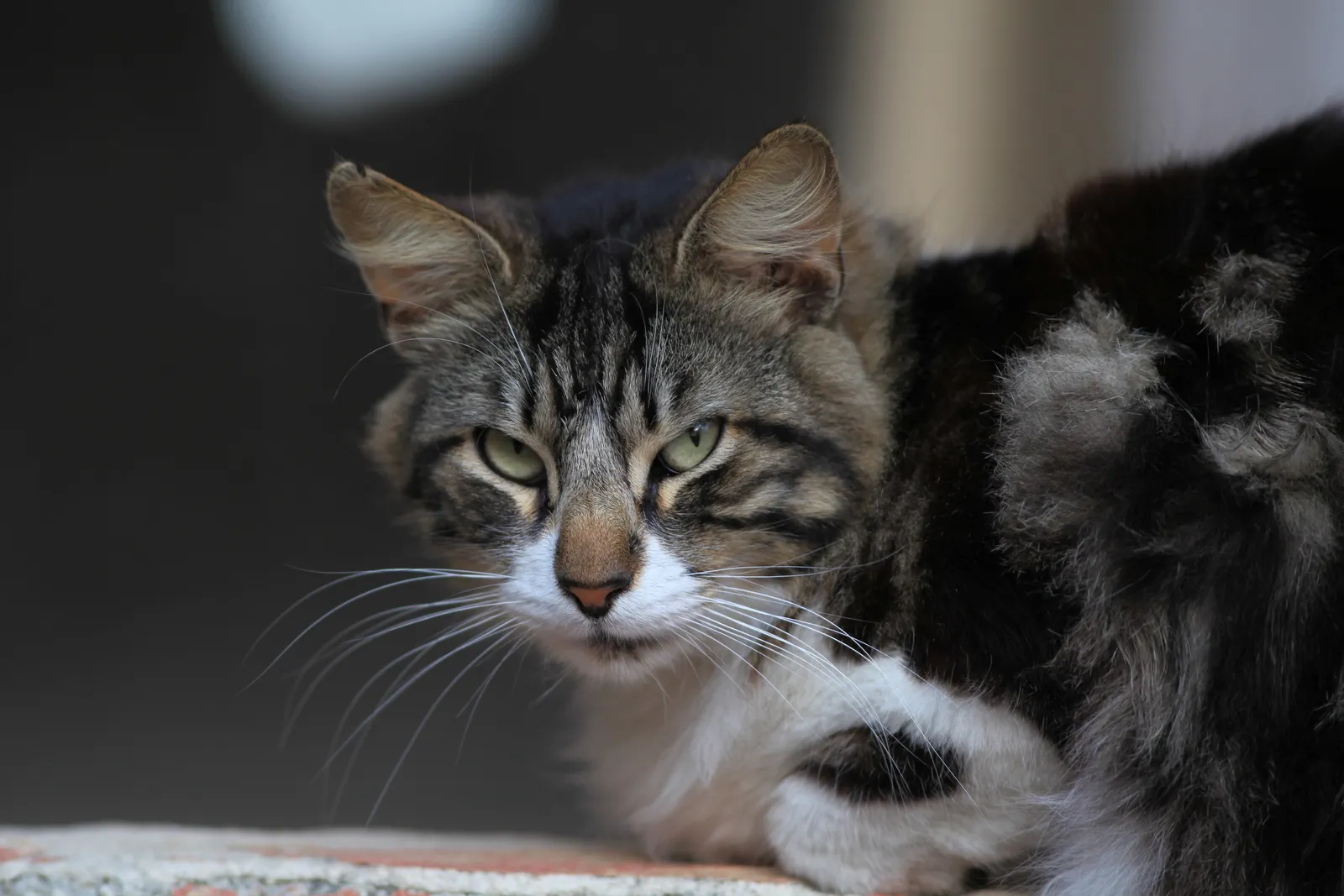
A cat with a big vocal personality – the kind that narrates every trip to the kitchen – can go almost completely silent in their last weeks. The demanding chirps at feeding time, the complaints about a closed door, all of it just stops, and the quiet is jarring in a house that used to never be quiet.
Other cats swing the opposite direction and develop a new vocalization nobody’s heard before – a low, drawn-out yowl, often at night, that sounds nothing like their usual voice. Vets link both patterns to discomfort and disorientation rather than distress alone. Either way, owners say the changed voice is often what finally makes them start paying closer attention to everything else.
#7 – Litter Box Habits That Change Almost Overnight
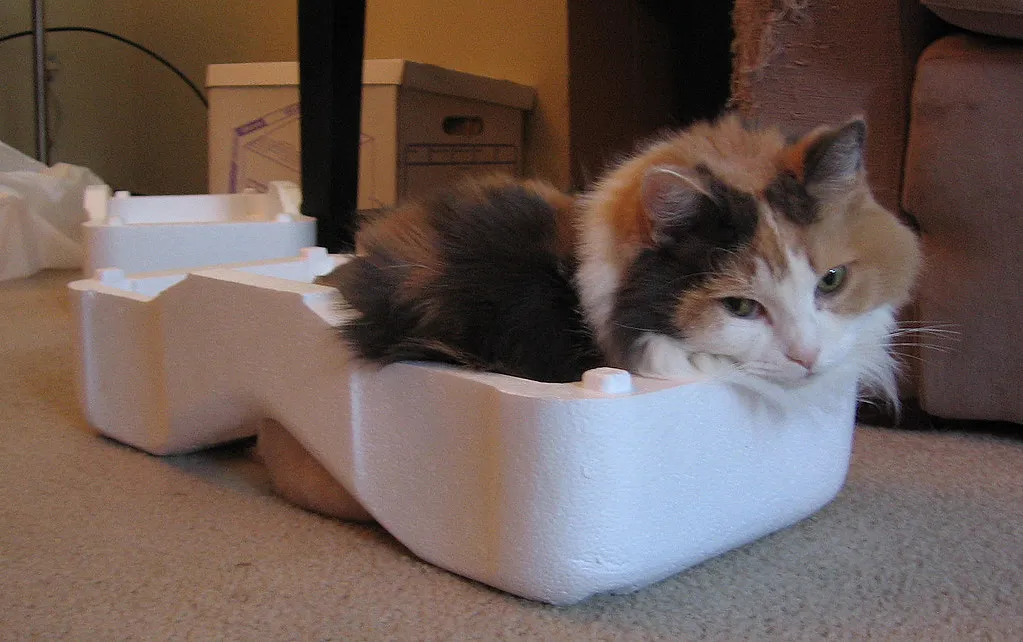
Litter box changes get dismissed as a simple health issue, but the specifics matter more than people realize. A cat that always buried its waste meticulously may stop covering it entirely, or start missing the box by inches in a way that has nothing to do with laziness.
These shifts usually point to reduced mobility, joint pain, or kidney and organ changes that are common in the final weeks of life. Owners who track litter box habits closely often notice the pattern days before any other physical symptom shows up. It’s an unglamorous sign, but experienced owners will tell you it’s one of the most reliable early warnings there is.
Quick Compare
- Normal aging: slightly less frequent visits and a little more stiffness getting in and out of the box.
- End-of-life signs: no longer burying waste, or missing the box entirely in new spots around the house.
- Normal aging: fairly consistent stool and urine patterns from month to month.
- End-of-life signs: noticeable shifts in frequency, color, or odor often tied to kidney or organ decline.
#8 – Clinginess That Wasn’t There Before
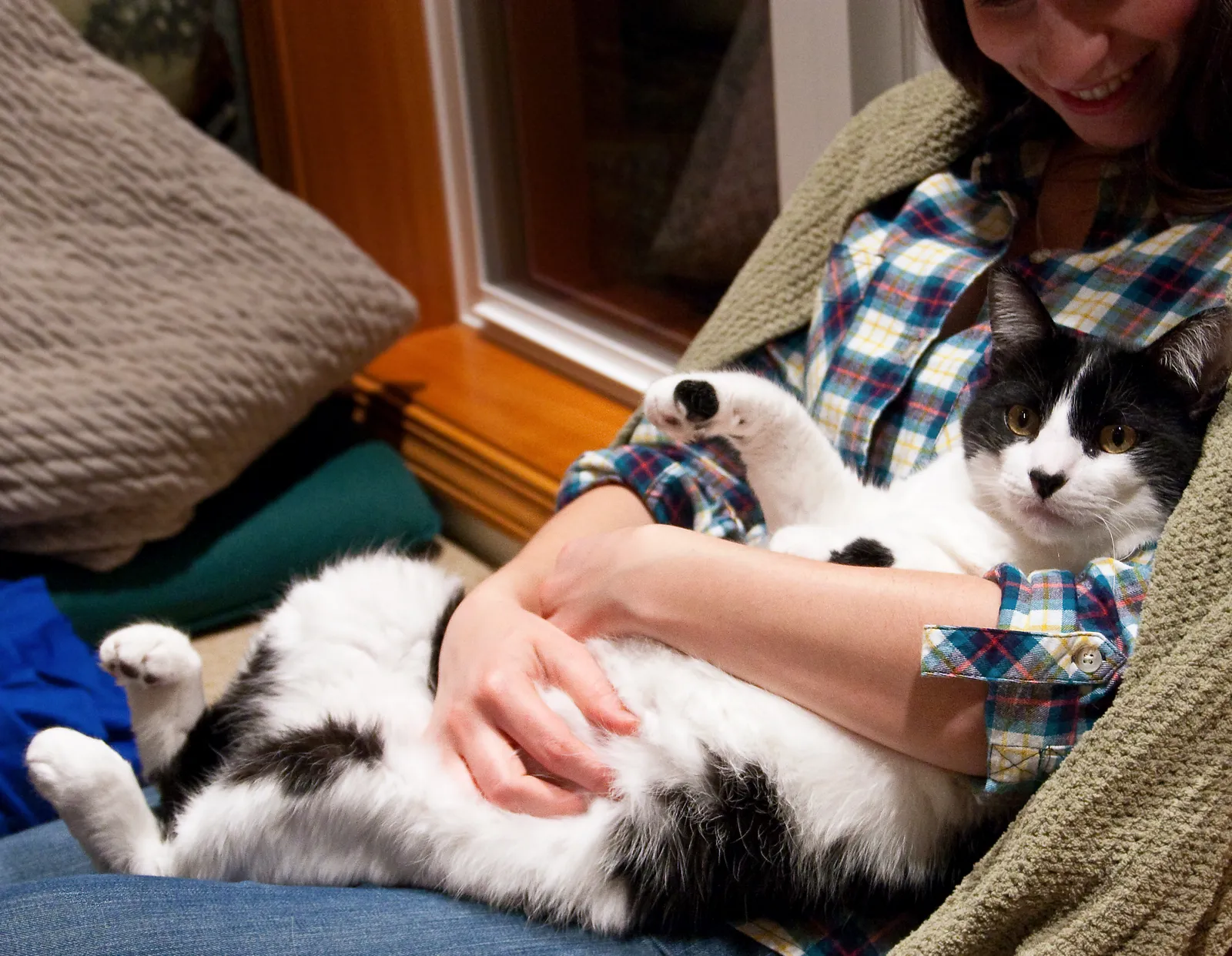
An independent, aloof cat suddenly wanting to be within arm’s reach at all times catches most owners off guard, especially if that cat spent years politely avoiding laps. In the final weeks, that same cat may follow their person from room to room, wait by the bathroom door, or insist on sleeping pressed against them for the first time ever.
This isn’t neediness in the way people assume – it’s often the cat seeking warmth, security, and the comfort of a familiar presence as their body starts to feel less predictable. Owners describe it as bittersweet, since it’s often the closest a cat has ever let them get, right at the moment they’re preparing to let go. Many say this is the sign that hits hardest, because it feels like affection finally being spoken out loud.
#9 – Sleep That Looks Deeper Than Usual
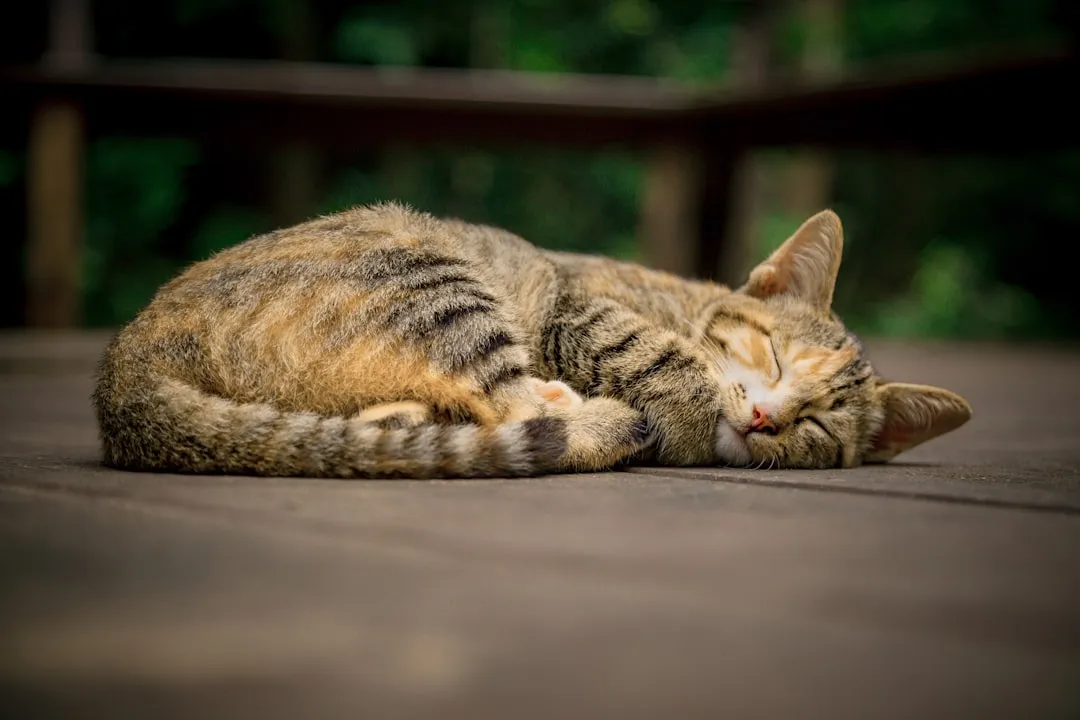
Cats already sleep the majority of their lives away, so a change in sleep is easy to miss unless you know what you’re looking for. In the final weeks, that sleep often deepens noticeably – the cat becomes harder to rouse, doesn’t stir at sounds that used to snap them awake instantly, like a can opener or a door.
Sleeping position shifts too, with many cats curling into a tighter, smaller ball than their usual sprawled-out stretch. Vets attribute this to the body redirecting energy toward essential functions as everything else slows down. Owners who’ve been through this before say the depth of the sleep, more than the amount of it, is what tips them off first.
#10 – Weight Loss That Feels Different From Normal Aging
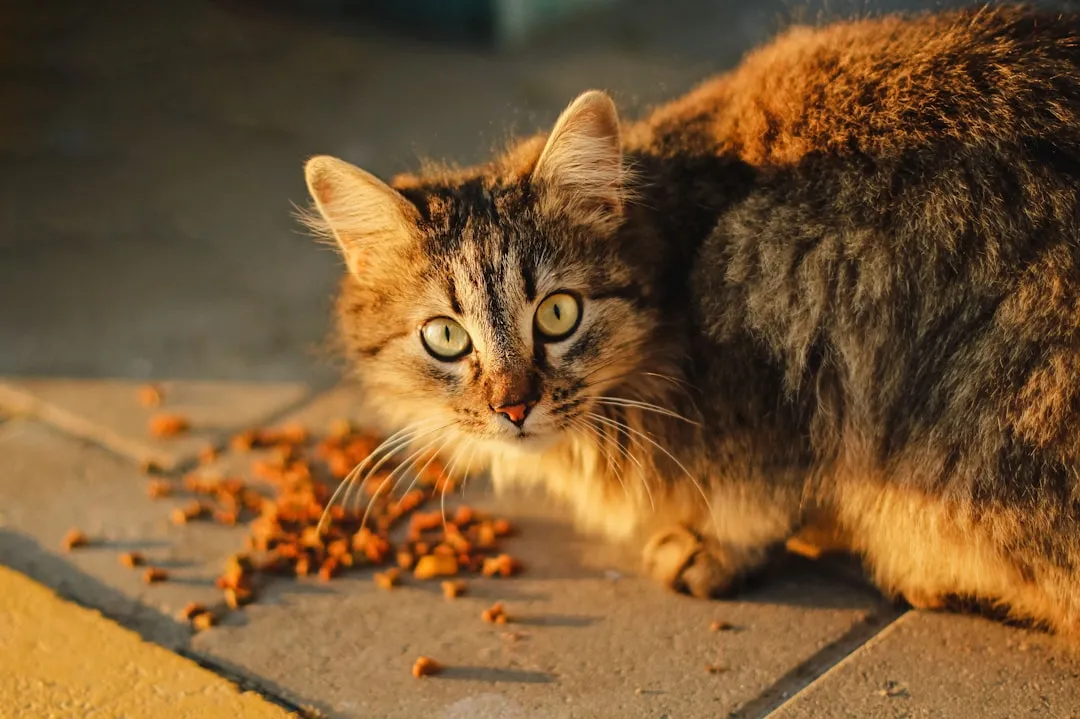
Older cats naturally lose a bit of muscle and weight over the years, so it’s easy to write off early weight loss as just getting old. What owners describe in the final weeks is different – a rapid, visible thinning along the spine and hips that seems to accelerate week over week rather than settling into a slow plateau.
The face often changes shape too, with cheekbones and skull structure becoming more prominent in a way that photos from just a month earlier make painfully obvious. Vets explain this as the body losing its ability to maintain muscle mass once organ function starts declining. Owners frequently say this is the sign that finally moves the conversation from “getting older” to “getting close.”
At a Glance
- Rapid thinning along the spine and hips, often noticeable within just a few weeks.
- A more prominent skull and cheekbone structure compared to photos from a month earlier.
- Loss of muscle mass even when appetite seems only slightly reduced.
- Weight loss that keeps progressing instead of leveling off, unlike typical age-related decline.
#11 – Turning Away From Foods They Used to Love
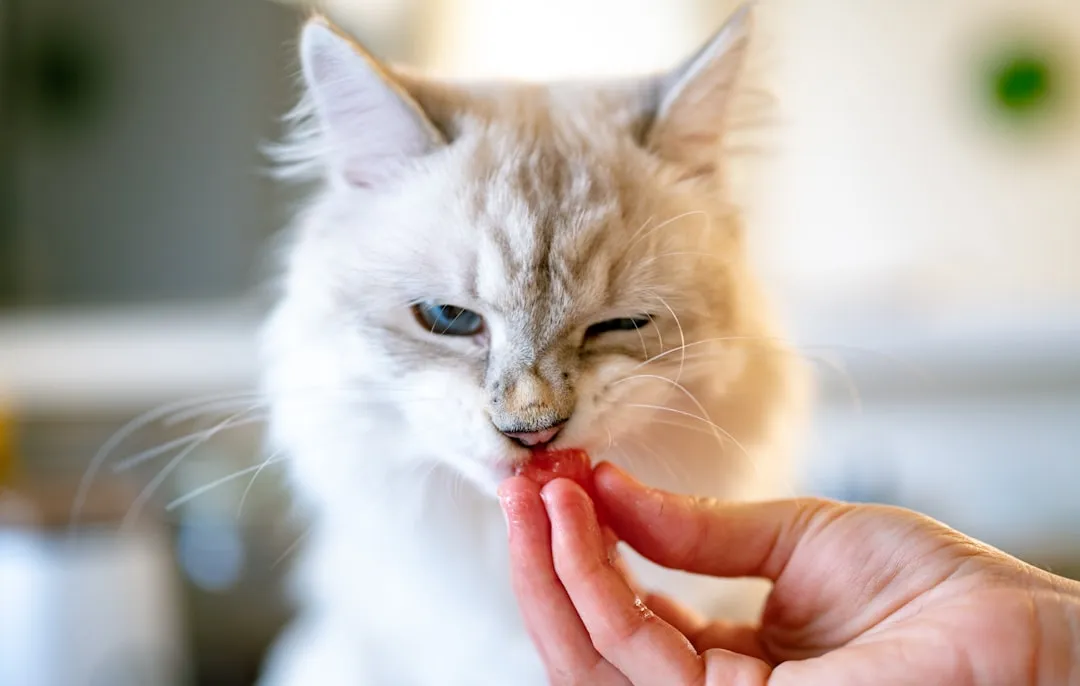
A cat that would sprint across the house for a specific treat suddenly sniffing it and walking away is one of the more heartbreaking shifts owners describe. It’s not pickiness – the sense of smell itself often changes as the body declines, making once-favorite foods smell wrong or unappealing for reasons the cat can’t communicate.
Some cats develop odd new preferences instead, suddenly wanting only warmed food, or only food eaten straight from a hand rather than a bowl. Owners who catch this early often say hand-feeding small amounts becomes less about nutrition and more about connection in those final weeks. It’s rarely about hunger by this point – it’s about comfort, and most owners instinctively understand that shift without needing anyone to explain it.
#12 – A Faraway Look During Petting Sessions
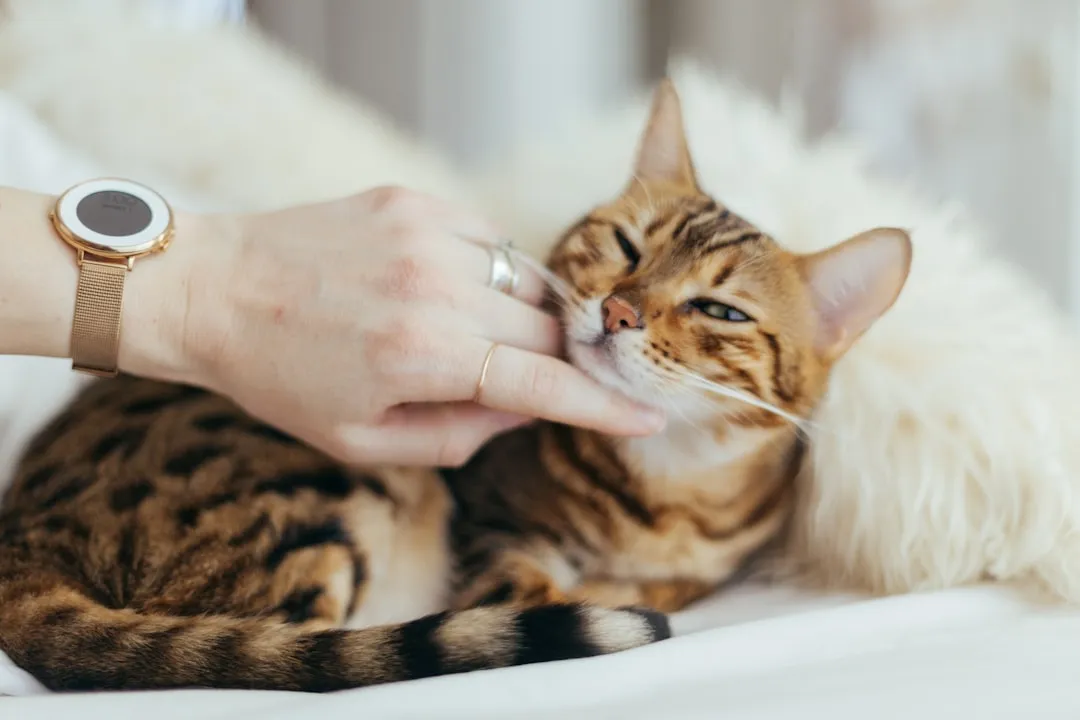
Owners describe a specific, hard-to-name expression that shows up in the final weeks – the cat’s eyes go slightly unfocused during petting, as if they’re present but somewhere else at the same time. It’s subtle enough that a stranger wouldn’t notice it, but anyone who has spent years reading that cat’s face catches it immediately.
This isn’t necessarily distress; many owners say it reads more like deep relaxation, almost meditative, rather than discomfort. Whatever is happening internally, the change in expression is consistent enough across different cats and different owners that it’s become one of the most commonly reported signs in this final stretch. It’s also, by most accounts, one of the gentlest ones to witness.
#13 – One Last Burst of Energy Before the End
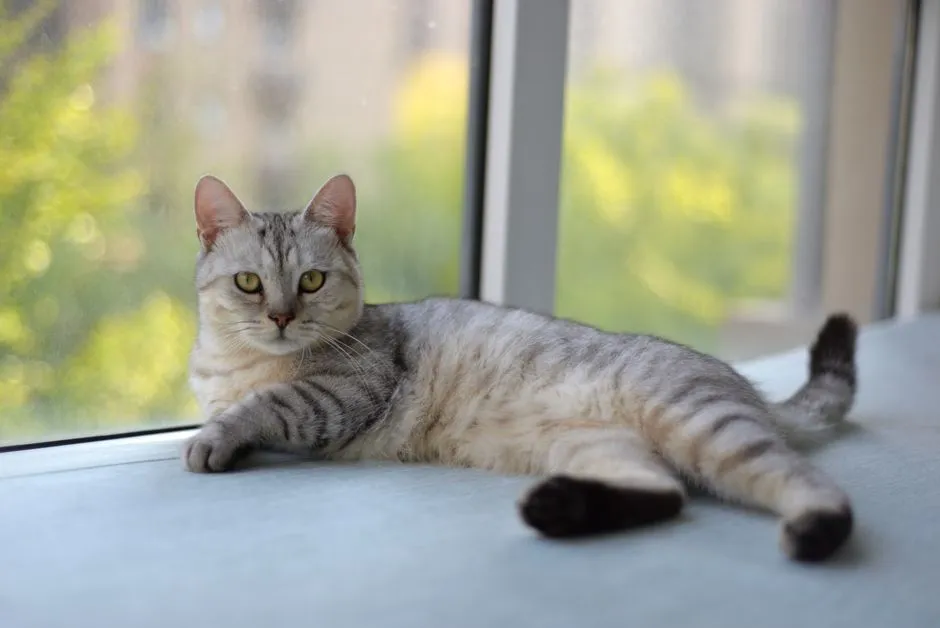
Just when a cat seems to be settling into steady decline, many owners describe a sudden, almost startling rally – the cat gets up, eats with real appetite, wants to play, and seems briefly like their old self again. It can last a few hours or stretch across a full day, and it often catches owners completely off guard after weeks of gradual fading.
Vets and hospice caregivers see this pattern often enough that it has an informal name in end-of-life care circles: the rally. It isn’t recovery, and it doesn’t mean the decline has reversed, but it’s real, and it’s one of the most emotionally complicated signs on this entire list. Owners who’ve experienced it describe it less as false hope and more as an unexpected gift – one last good day, offered right before the goodbye.
Worth Knowing
- Hospice caregivers and vets often refer to this brief resurgence simply as “the rally.”
- It can last anywhere from a few hours to a full day or two.
- The pattern is documented widely enough in both human and animal end-of-life care to be considered common, not rare.
- It does not indicate recovery or a reversal of the underlying decline.
If there’s one thing worth saying plainly, it’s this: none of these signs show up in a neat checklist, and no cat hits all thirteen in order. That’s exactly why they’re so easy to miss and so important to know. A cat can’t tell you they’re scared or in pain or simply tired, so they tell you in the only language they have – a new sleeping spot, a softer purr, a longer stare.
Paying attention to these small shifts isn’t morbid, and it isn’t giving up early. It’s the last form of listening you can offer an animal who spent years listening to you. That, more than any single sign on this list, is what separates a cat owner from someone who simply owns a cat.

- 13 Things Only Cat Owners Notice in the Last Weeks of a Cat's Life - July 12, 2026
- Was Yellowstone National Park Once Covered by Lava Flows? - July 11, 2026
- Scientists Say The Universe Will Evaporate Sooner Than We Thought - July 11, 2026