
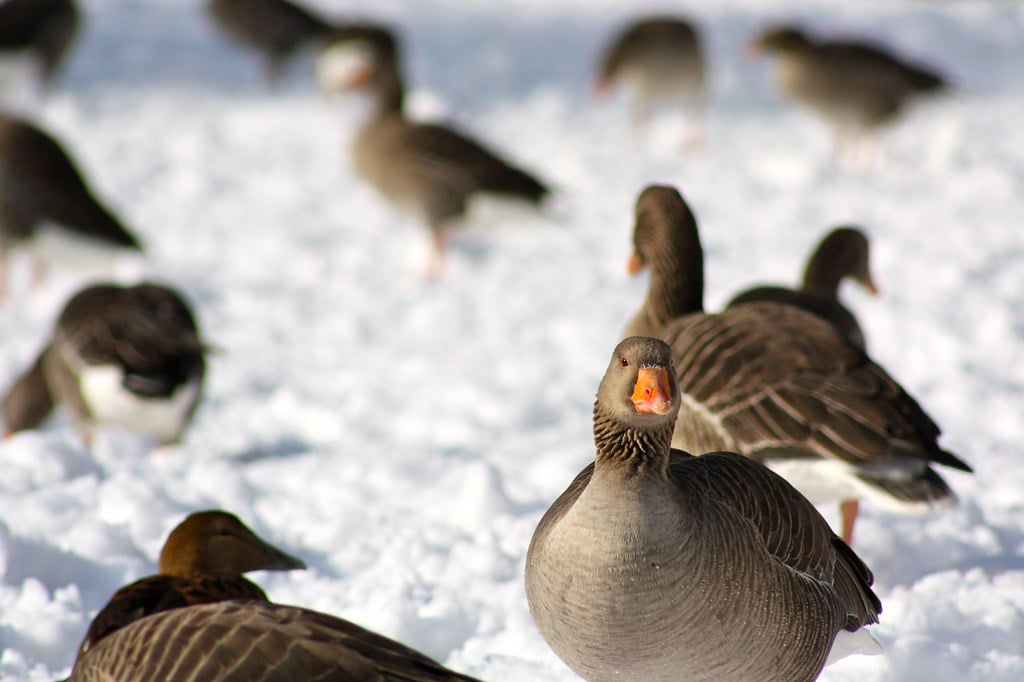
Imagine a serene pond, its surface gently rippling under the morning sun, dotted with a group of ducks gliding peacefully. Suddenly, as if on cue, they all take flight, leaving the pond deserted. This abrupt departure can be both mesmerizing and puzzling. What prompts such synchronized behavior? Let’s delve into the fascinating world of ducks to uncover the reasons behind this phenomenon.
Instinctual Responses to Predators
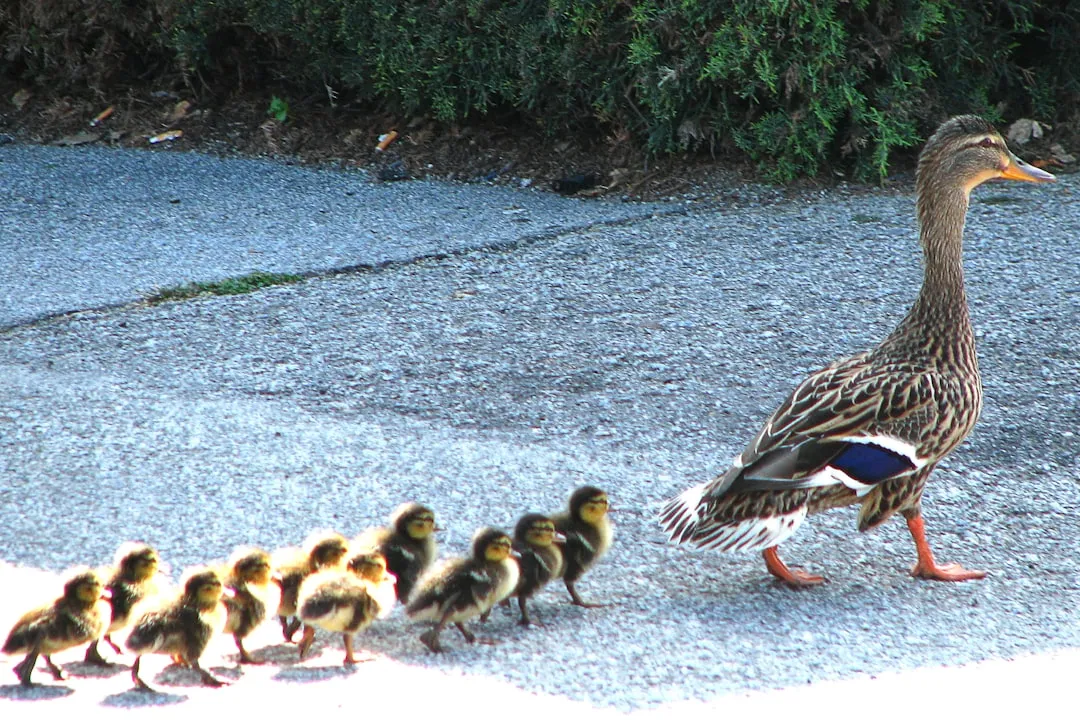
Ducks possess an acute awareness of their surroundings, always on the lookout for potential threats. When a predator, such as a fox or hawk, approaches, ducks often react collectively. This mass exodus serves as a survival mechanism, reducing the likelihood of any single duck falling prey. The sudden departure can also confuse predators, making it harder for them to target an individual duck.
In some cases, the mere presence of a perceived threat, even if not immediately dangerous, can trigger this behavior. For instance, a human approaching too closely or a loud noise can cause the entire group to vacate the pond in unison.
Seasonal Migration Patterns
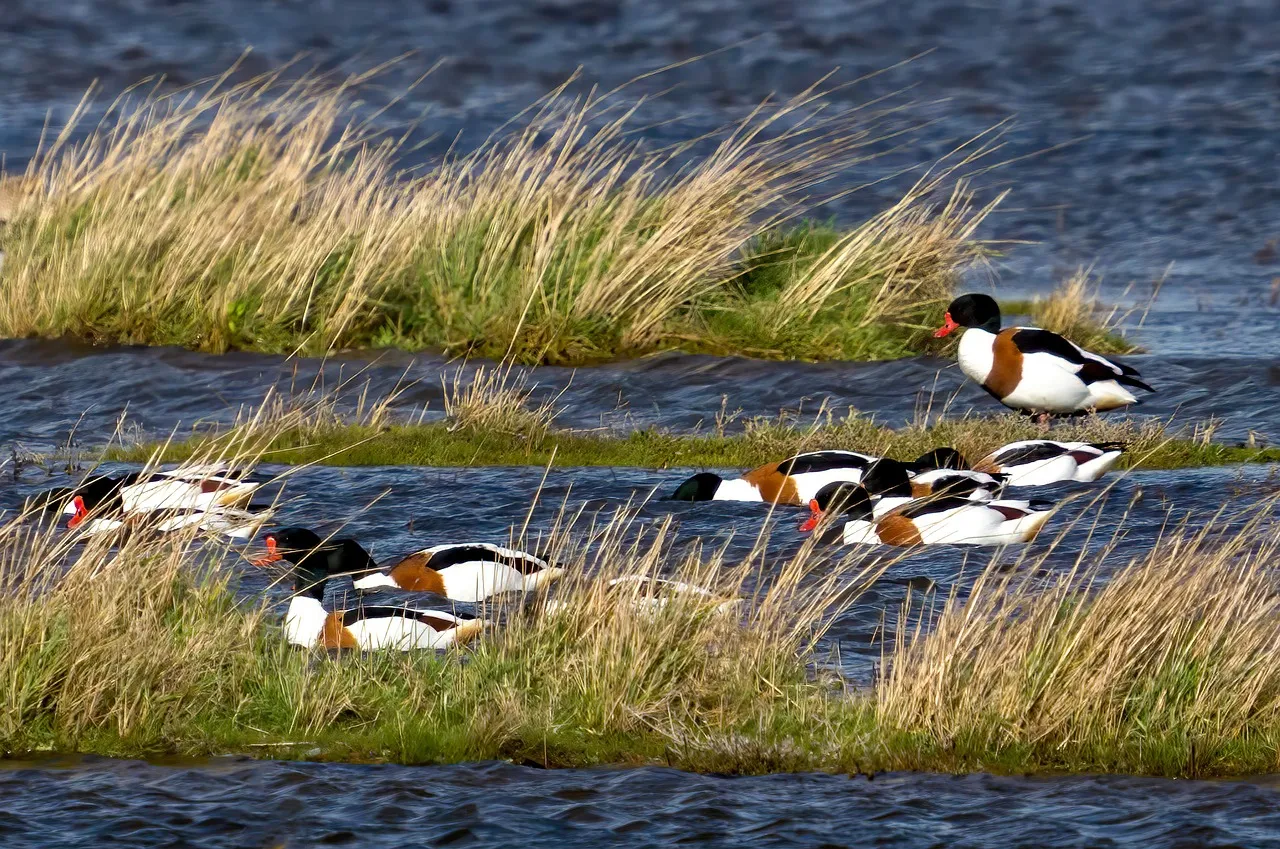
Migration is a deeply ingrained behavior in many duck species. As seasons change, ducks embark on journeys to find optimal breeding or feeding grounds. When the time comes, entire flocks will depart together, leaving ponds that were once bustling with activity eerily quiet.
This synchronized departure ensures that ducks can take advantage of favorable weather conditions and abundant food sources in their new locations. It’s a testament to their remarkable navigational skills and the importance of timing in their survival strategy.
Environmental Changes and Habitat Disturbance
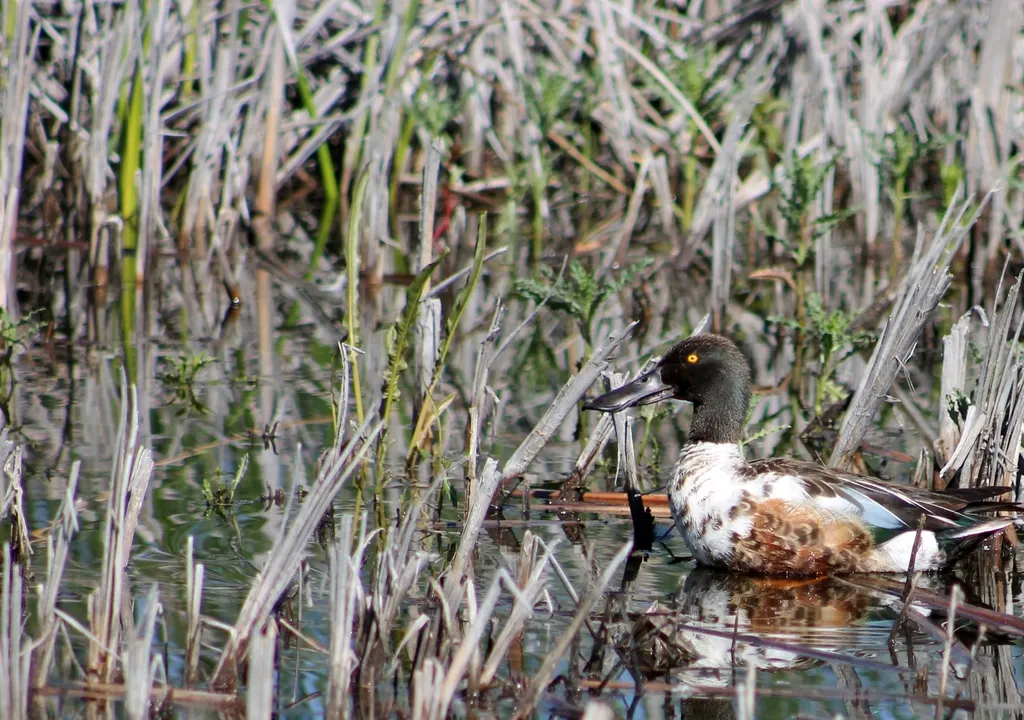
Ducks are sensitive to alterations in their habitat. A sudden drop in water quality, depletion of food sources, or increased human activity can make a pond less hospitable. In response, ducks may collectively decide to seek out a more suitable environment.
For example, if a pond becomes polluted or overrun with algae, the aquatic plants and insects that ducks feed on may diminish. Recognizing the decline in resources, the ducks will move to a healthier habitat to meet their nutritional needs.
Social Dynamics and Flock Behavior
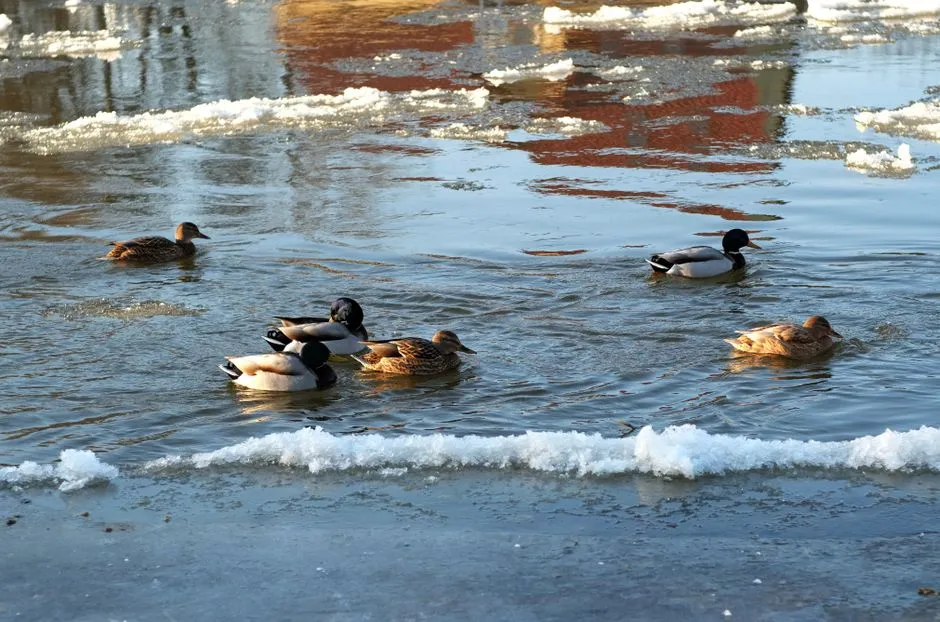
Ducks are inherently social creatures, often moving and acting as a cohesive unit. This flock mentality means that when one duck perceives a reason to leave – be it due to a threat or the need to migrate – the rest often follow suit.
This behavior is not just about safety; it’s also about maintaining social bonds and ensuring the group stays together. The collective movement helps in coordinating activities like feeding, resting, and migrating, which are crucial for their survival.
Breeding Season and Territoriality

During breeding season, ducks can become territorial. If a dominant pair claims a pond for nesting, other ducks might be driven away. This can result in a sudden departure of non-breeding ducks seeking less contested waters.
The need for a safe and undisturbed nesting site is paramount. Therefore, ducks will vacate areas where competition is high, ensuring that their offspring have the best chance of survival in a secure environment.
Weather and Climatic Factors
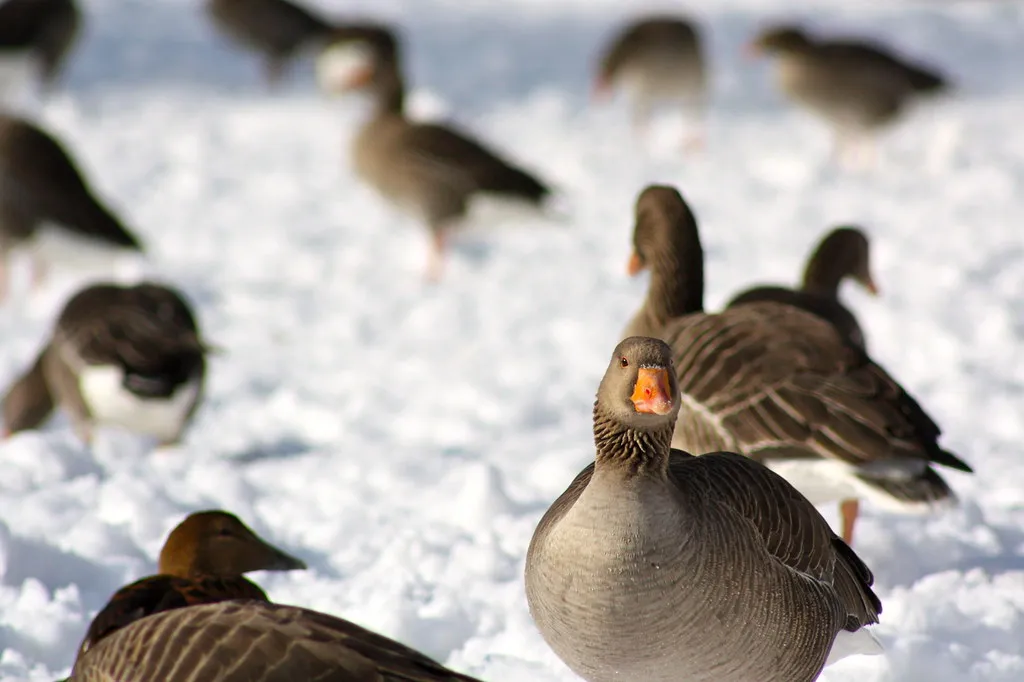
Adverse weather conditions, such as storms or sudden temperature drops, can prompt ducks to leave a pond. Seeking shelter or more favorable conditions, they might relocate to other bodies of water or sheltered areas.
Ducks are attuned to changes in barometric pressure and can sense impending weather shifts. This sensitivity allows them to preemptively move to safer locations, ensuring they are not caught in unfavorable conditions.
Human Disturbance and Habitat Encroachment
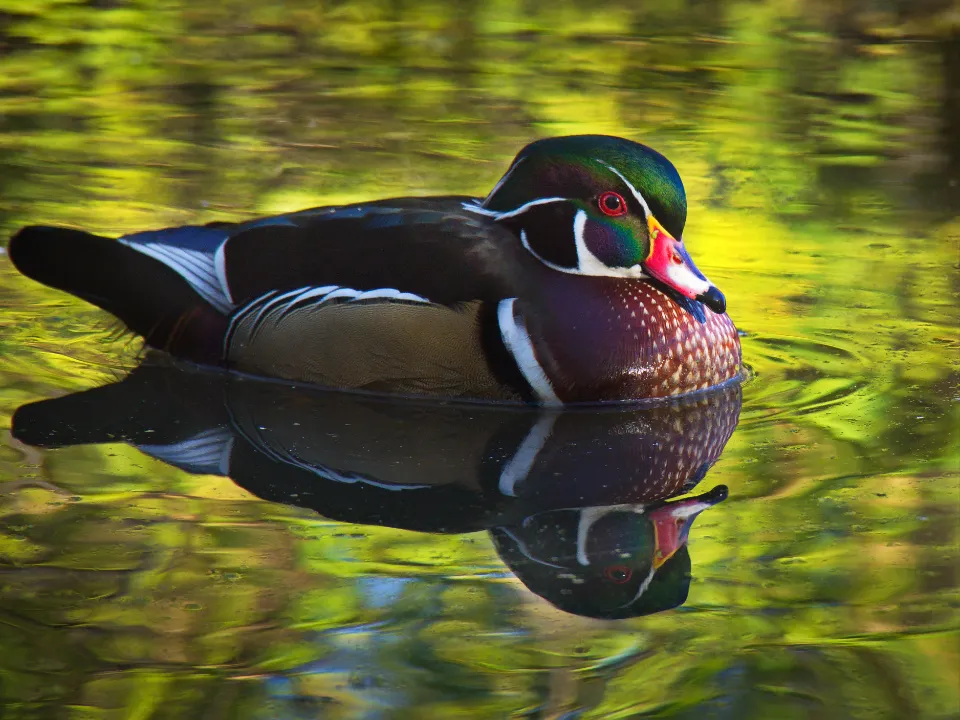
Increased human activity around a pond – be it from construction, boating, or frequent foot traffic – can disrupt the tranquility ducks seek. Such disturbances can lead to a collective decision to vacate the area in search of a more peaceful habitat.
It’s a stark reminder of the impact human presence can have on wildlife. Even well-intentioned activities can inadvertently drive ducks away, highlighting the need for mindful coexistence.
Conclusion: A Symphony of Survival
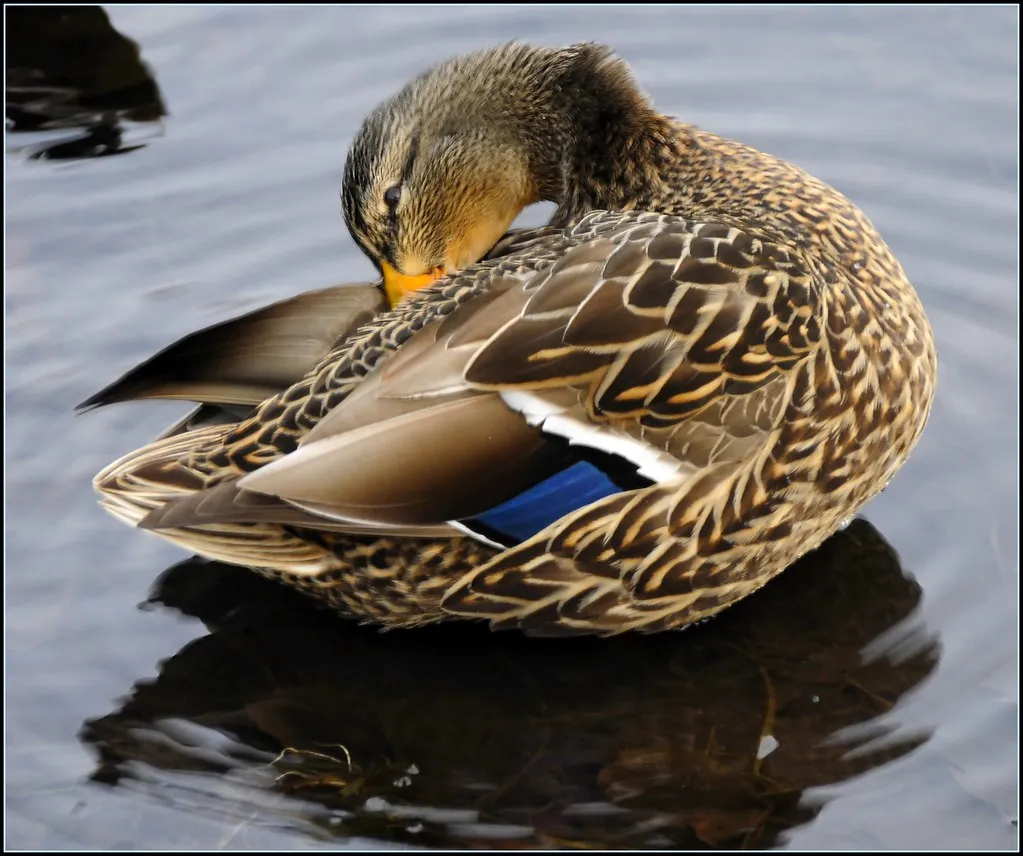
The sudden departure of ducks from a pond is a multifaceted behavior rooted in survival instincts, environmental awareness, and social dynamics. Whether fleeing from predators, responding to environmental changes, or following migratory patterns, these synchronized movements underscore the complexity of duck behavior. As observers, recognizing and respecting these patterns allows us to appreciate the delicate balance ducks maintain with their habitats. So, the next time you witness a pond emptying in unison, consider the myriad factors at play in this avian ballet. What other secrets might nature be subtly revealing to us?
