
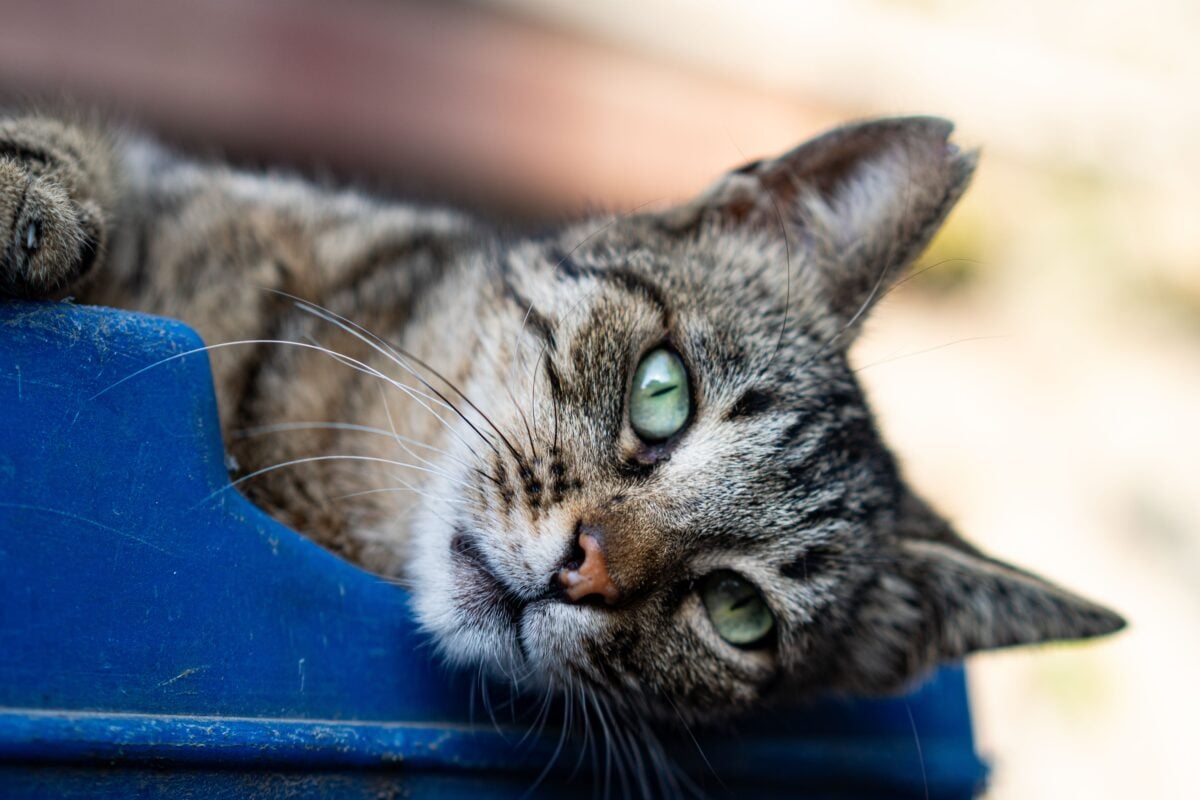
Everyone in the house feeds the cat. Everyone refills the water bowl, scoops the litter, and gets the occasional walk-by ankle rub. But only one person in that house gets the real cat – the one who slow-blinks like it’s a secret handshake, who exposes a soft belly with zero intention of clawing anyone, who waits by the door like clockwork for exactly one set of footsteps.
Cat lovers have long suspected their pet plays favorites, but the specific ways a cat proves it are stranger, more deliberate, and more touching than most owners realize. Some of these signals are so subtle they go unnoticed for years. Here are the 13 behaviours cats genuinely reserve for the one human they trust above all else.
#1 – The Slow Blink That Skips Everyone Else in the Room
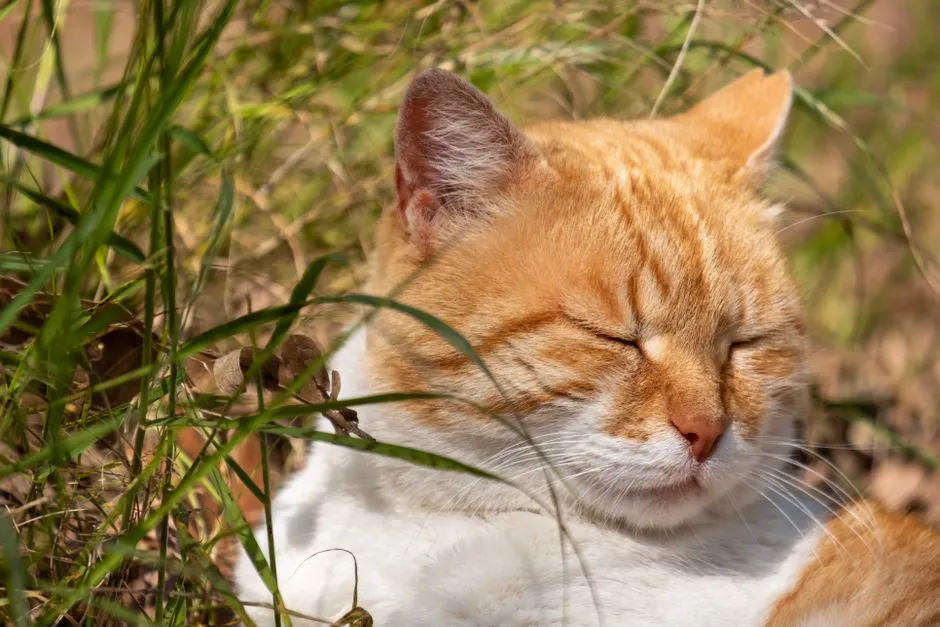
A cat’s slow blink isn’t a random blink-and-yawn combo – it’s closer to a whispered confession. Closing the eyes in front of another creature is, in cat language, an admission of total safety, because in the wild that split-second of vulnerability could get you killed. Cats don’t hand this out to just anyone who walks through the door.
Owners describe their cat developing this blink only after months of quiet, consistent care, and it almost never shows up for visitors, delivery drivers, or even secondary family members living in the same house. The strange part is how much it costs to earn: no amount of treats seems to fast-track it. Return the blink slowly, though, and most owners say the bond visibly deepens within days.
#2 – Kneading and Deep Purring That Only Happens on Your Lap
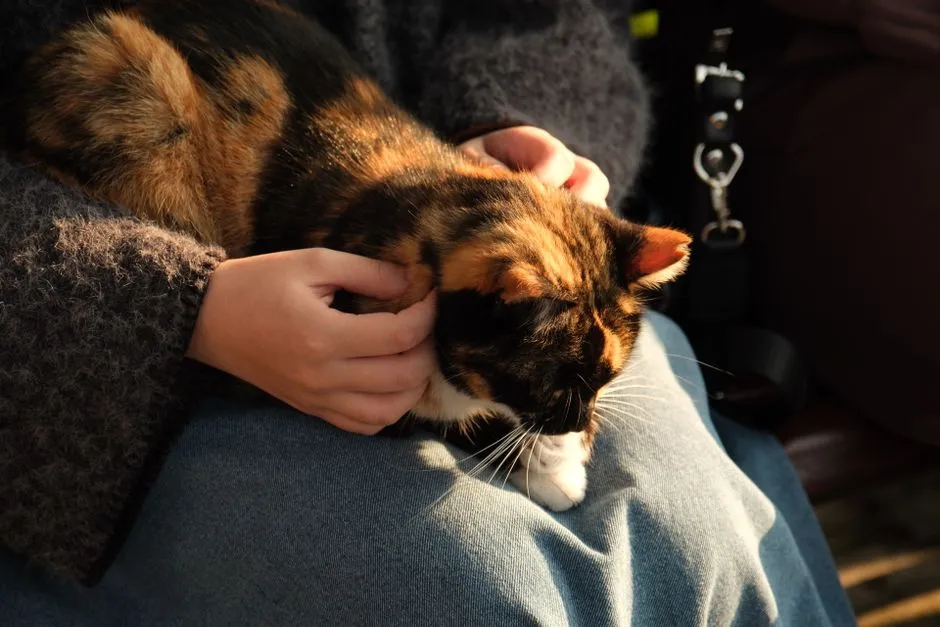
Kneading is a leftover kitten habit, a muscle memory from nursing that never fully switches off. When a cat combines that rhythmic pawing with a slow, chest-rattling purr, it’s recreating the safest feeling it has ever known – and it only does that in front of the person who feels like home.
Try to recreate the exact same lap, same blanket, same lighting with another family member, and often it just doesn’t happen. The purring itself seems to shift too; some owners notice it drops into a lower, almost meditative rhythm specifically during these sessions, as if the cat has settled somewhere it never has to be on guard. It’s rarely performed on furniture alone or with strangers nearby – it needs the person, not just the comfort.
#3 – Head Bunts That Leave a Scent Signature Only You Get
Head bunting looks like affection because it is affection – but it’s also a quiet act of claiming. Cats carry scent glands along their head and cheeks that activate during moments of real attachment, and rubbing them against a person’s hands or legs leaves an invisible signature that says, unmistakably, mine.
The behavior tends to spike right after something stressful, like a vet visit or a loud thunderstorm, as if the cat needs to reset its sense of safety immediately. Some cats take this exclusivity further than expected: they’ll bunt their favorite person daily while flatly ignoring a roommate who’s lived in the same apartment for years. It’s one of the clearest signs a cat has quietly picked its person and has no plans to share.
Fast Facts
- Scent glands cluster around a cat’s cheeks, chin, and forehead – prime real estate for bunting.
- Bunting is a form of allorubbing, a behavior cats normally reserve for trusted group members.
- The scent left behind is undetectable to humans but instantly readable to the cat itself.
- Stress often triggers extra bunting sessions as a self-soothing reset.
#4 – Belly Exposure With Zero Trap Waiting Behind It
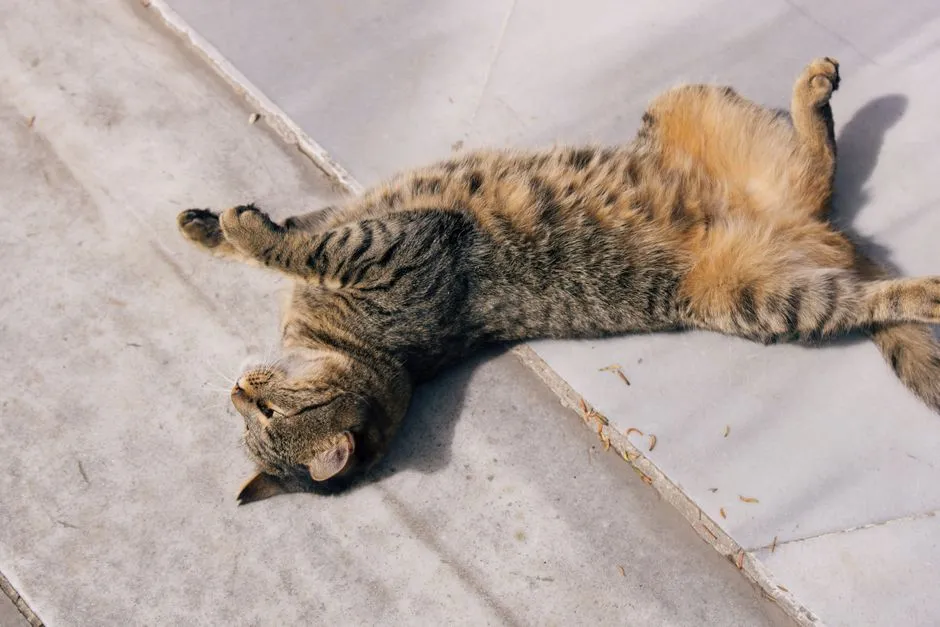
Most cats treat their belly like a vault – exposed rarely, and usually as a warning shot before claws come out. But with the one human they trust completely, that same rollover becomes something else entirely: total, unguarded vulnerability, no ambush included.
The tell is in the details. Relaxed breathing, half-closed eyes, and a belly exposure that can stretch for several minutes rather than seconds – all of it appears almost exclusively with the favorite person. Put another family member in the same spot on the floor and the moment often evaporates instantly, replaced by a quick roll-away or a paw ready to swat.
#5 – Bringing You “Gifts” That Never Go to Anyone Else
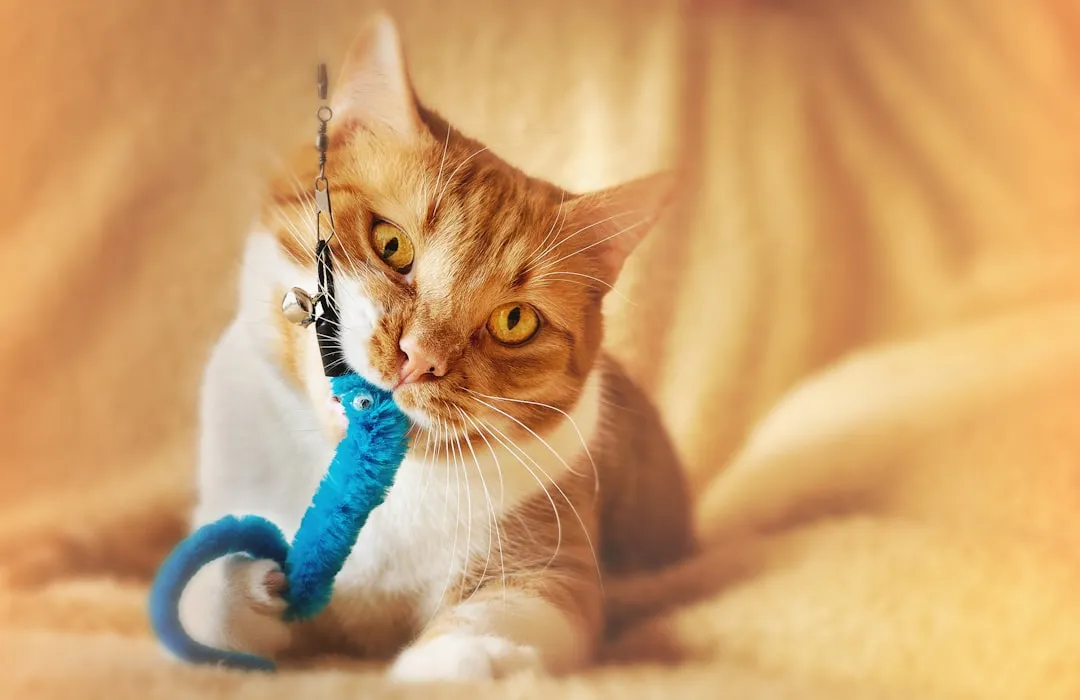
When a cat drops a toy, a bug, or occasionally something far less pleasant at someone’s feet, it’s not confusion or bad manners – it’s a hunting invitation extended only to trusted members of the inner circle. In the cat’s mind, that person has been formally included in the group that gets fed.
These offerings usually show up right after a successful hunt or an intense play session, almost like the cat can’t wait to share the win. And the exclusivity is almost brutal in how consistent it is: if a cat later bonds with someone new in the household, the gifts often stop for the old favorite completely and transfer over, with zero going to anyone in between.
#6 – Following You Room to Room Like a Quiet Shadow

Some cats don’t just wait for their person to come home – they orbit them the second they’re inside. Trailing someone from the kitchen to the bathroom to the bedroom isn’t about food or territory; it’s about refusing to let the favorite human out of sight.
This devotion can look almost stubborn. Cats have been known to stay curled up indoors, ignoring a wide-open door or window, simply because their person is sitting in another room. Meanwhile, calls, treats, and toy squeaks from someone else in the house barely register. It’s loyalty dressed up as mild obsession, and most owners secretly love it.
#7 – Sleeping Pressed Directly Against Your Body
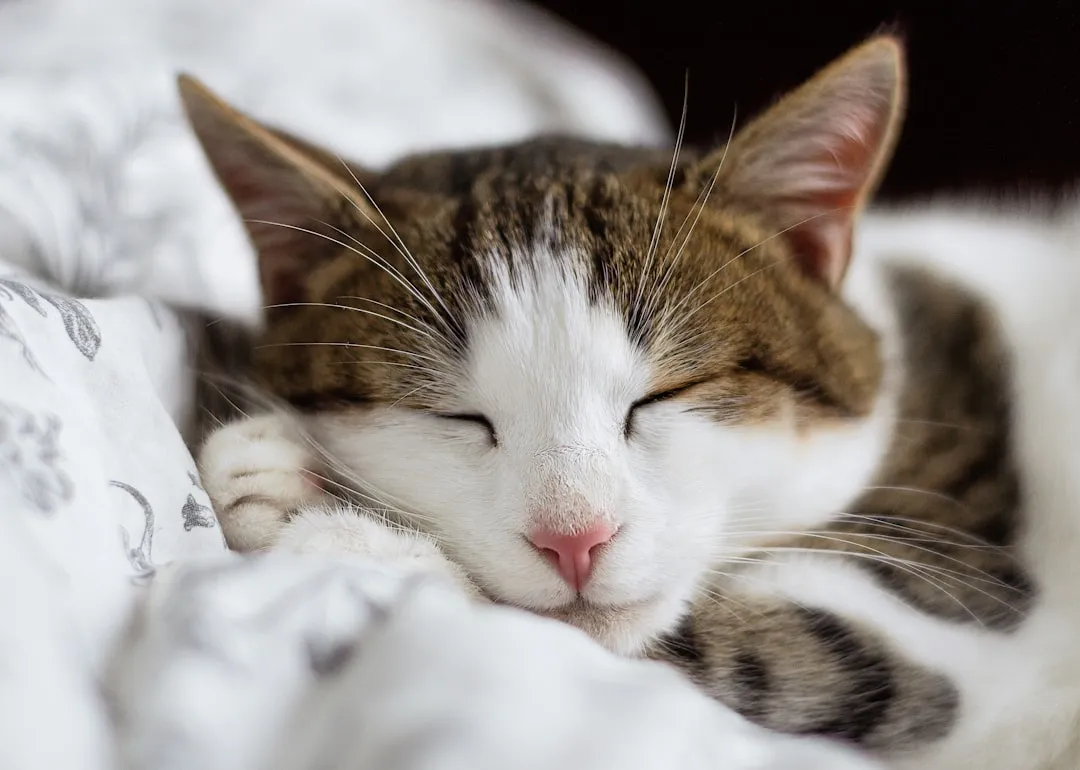
Sleep is the most vulnerable state a cat enters, so where it chooses to do it says everything about who it trusts. Curling against or on top of one specific person, night after night, isn’t convenience – it’s a security decision made fresh every evening.
The tell that separates real trust from simple warmth-seeking is how the cat reacts to movement. If the favorite person shifts even slightly, the cat often stirs instantly, alert and checking in. But identical movement from someone else in the bed barely gets a twitch. The body has learned exactly whose motion matters.
Worth Knowing
- Cats spend roughly 12 to 16 hours a day asleep, so who they choose to nap beside is a real decision, not a coincidence.
- A sleeping cat is briefly defenseless, which is why proximity to one person over another is a genuine trust signal.
- Exposing the back or belly while asleep shows the cat isn’t bracing for a surprise threat.
- Many cats pick one consistent side of the bed tied to one specific human, night after night.
#8 – Grooming Your Hair Like You’re Part of the Litter
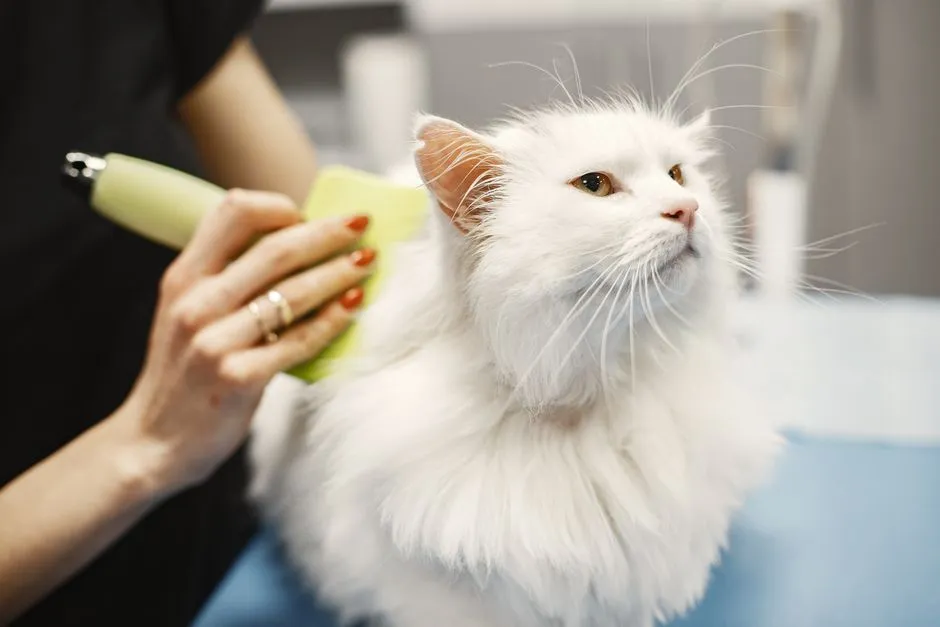
When a cat licks a person’s hair or hands, it’s doing something it would normally reserve for littermates or a mate – transferring scent, reinforcing the bond, treating that human as genuine family rather than a roommate who happens to own the food bowl.
It’s a behavior that tends to intensify during illness or emotional stress, almost like the cat is trying to comfort its person the only way it knows how. And the exclusivity creates its own quiet household drama: many owners notice this grooming stops the instant another family member reaches for the same spot, as if the invitation was never extended past one name.
#9 – A Private Vocabulary of Chirps Built Just for You
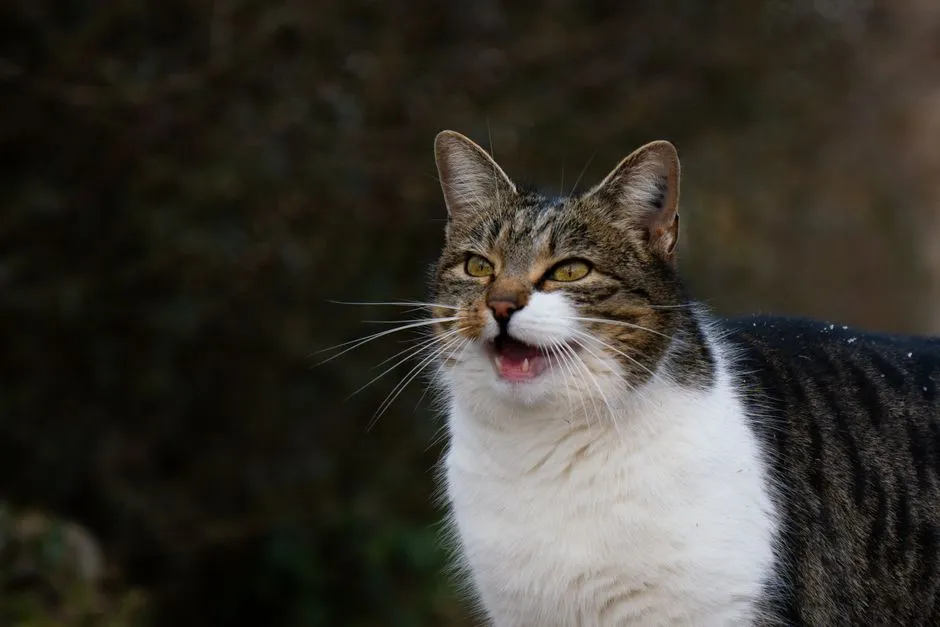
Cats develop distinct sounds for different people, and the ones reserved for a favorite human are often noticeably different in pitch and rhythm from the general household meows. It’s less “feed me” and more an actual, ongoing conversation.
“Cats are always trying to figure us out. If they’ve made you their person, they’ll talk to you differently than they talk to everyone else.”
Jackson Galaxy, cat behaviorist
Some owners have noticed something even stranger: playing back a recording of these specific chirps only gets a response from the cat when the favorite human is physically in the room. Away from that person, the same sound barely registers.
#10 – The Tail Hook That Only Rises for One Person
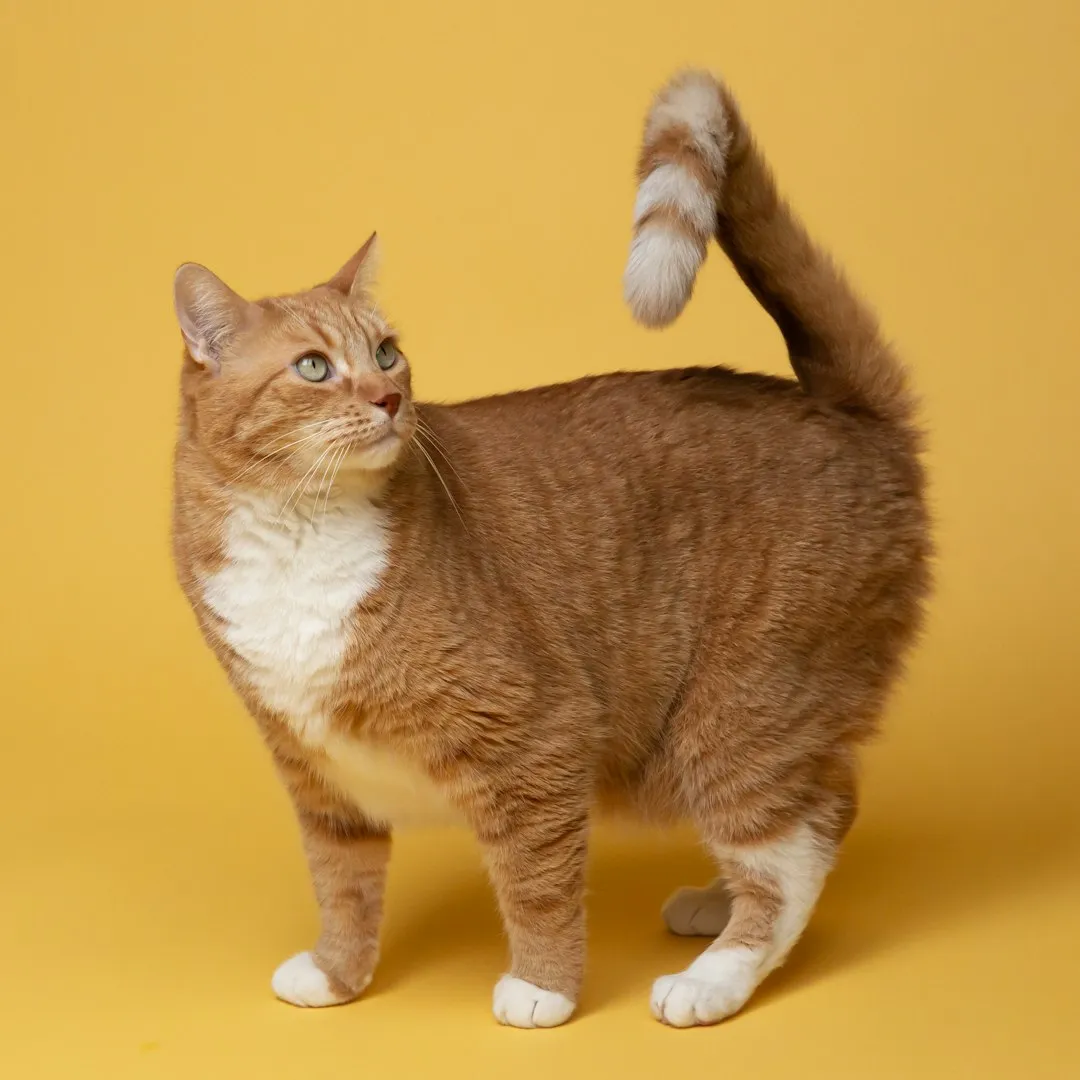
A cat’s tail is basically a mood broadcast, and the upright tail with a soft hook at the tip is one of the most honest signals it sends. It’s a greeting, and it’s almost never offered indiscriminately.
Watch closely and the pattern becomes obvious: the tail rises high with a slight quiver the moment the favorite person walks in, then flattens or drops entirely around less-preferred people in the same room. Cats aren’t subtle about this one – they just expect no one to be paying close enough attention to notice.
At a Glance: Reading the Tail
- Straight up with a hooked tip: a warm, trusted greeting.
- Low or tucked: uncertainty or mild fear.
- Puffed out: startled or feeling defensive.
- Slow side-to-side sway while seated: alert curiosity, not aggression.
#11 – Full-Body Leg Rubs With Figure-Eight Precision
A quick brush past the ankles is polite. A full-body rub, complete with tight figure-eight loops around the legs, is something else – deliberate scent-marking aimed at claiming ownership of one specific person, usually right after they’ve been away.
The intensity climbs the longer the separation lasts, which is why reunions after a trip or a long workday often turn into an all-out leg-weaving performance. Try to force the same behavior toward someone else, and some owners report it can actually backfire, cooling the bond with the original favorite instead of spreading the affection around.
#12 – Play That Only Starts If You’re the One Who Starts It
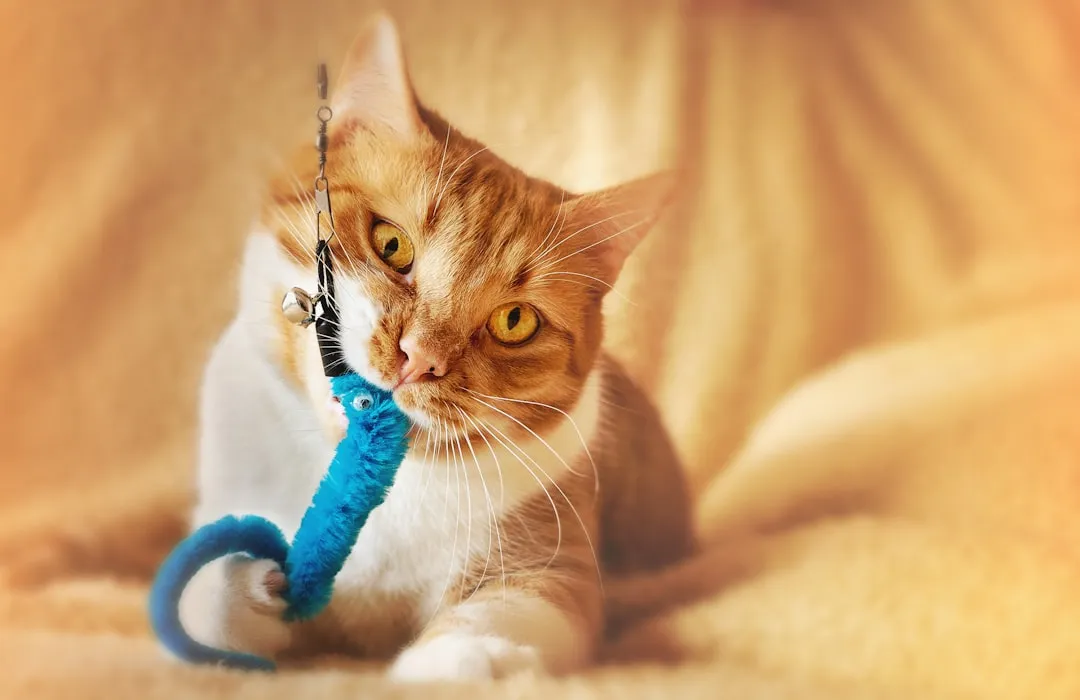
Plenty of cats own dozens of toys, yet some of them will only truly play when one particular person picks the toy up first. Offered by anyone else, the exact same feather wand or ball might as well be invisible.
These sessions with the favorite human tend to run longer and come with more vocal feedback – chirps, trills, the occasional excited meow mid-chase. The clearest giveaway, though, is when the cat starts bringing a specific toy directly to that one person, dropping it at their feet as an unmistakable invitation to play.
Quick Compare: Favorite Person vs. Everyone Else
- Favorite person offers the toy: instant pounce and sustained play.
- Someone else offers the same toy: a sniff, maybe a paw tap, then a walk-away.
- Vocal feedback during play: frequent chirps and trills with the favorite, near silence with others.
- Who starts the game: the favorite person can initiate; anyone else often can’t.
#13 – Chattering at Birds Through the Window, But Only With You Watching
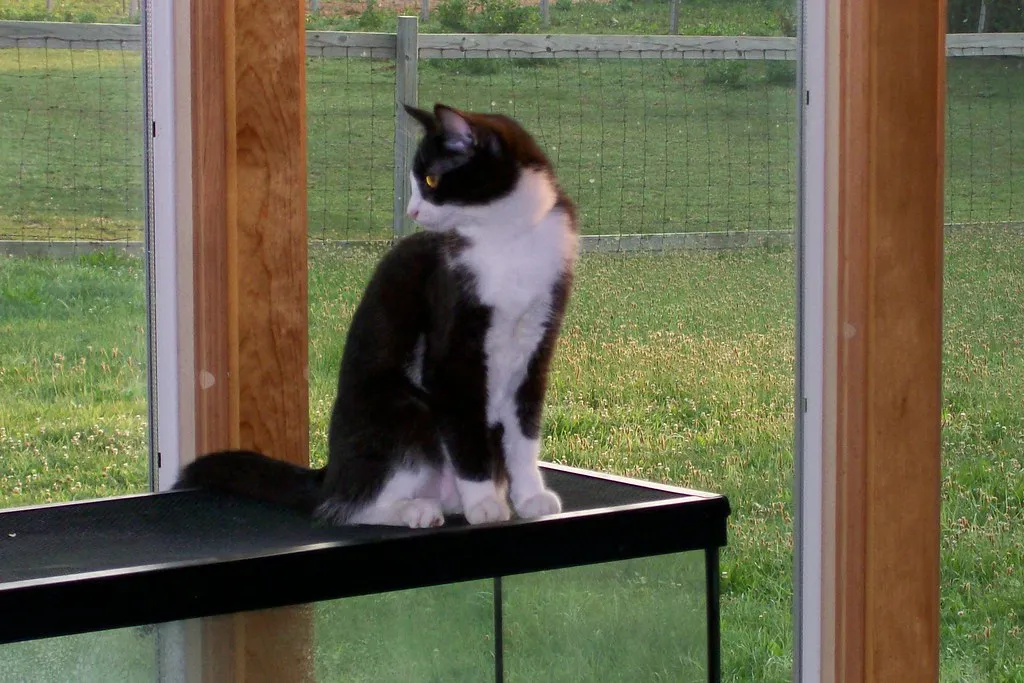
That strange chattering, chirping sound cats make at birds or squirrels through a window isn’t random excitement – it’s widely believed to be a social hunting call, and cats tend to save the fullest version of it for whoever they consider their hunting partner.
The moment that favorite person leaves the room, the display often stops entirely, even if the bird is still sitting right there. What’s left behind is a strange kind of stillness – proof that the moment wasn’t really about the bird at all. It was about sharing it with one specific person.
The Bottom Line
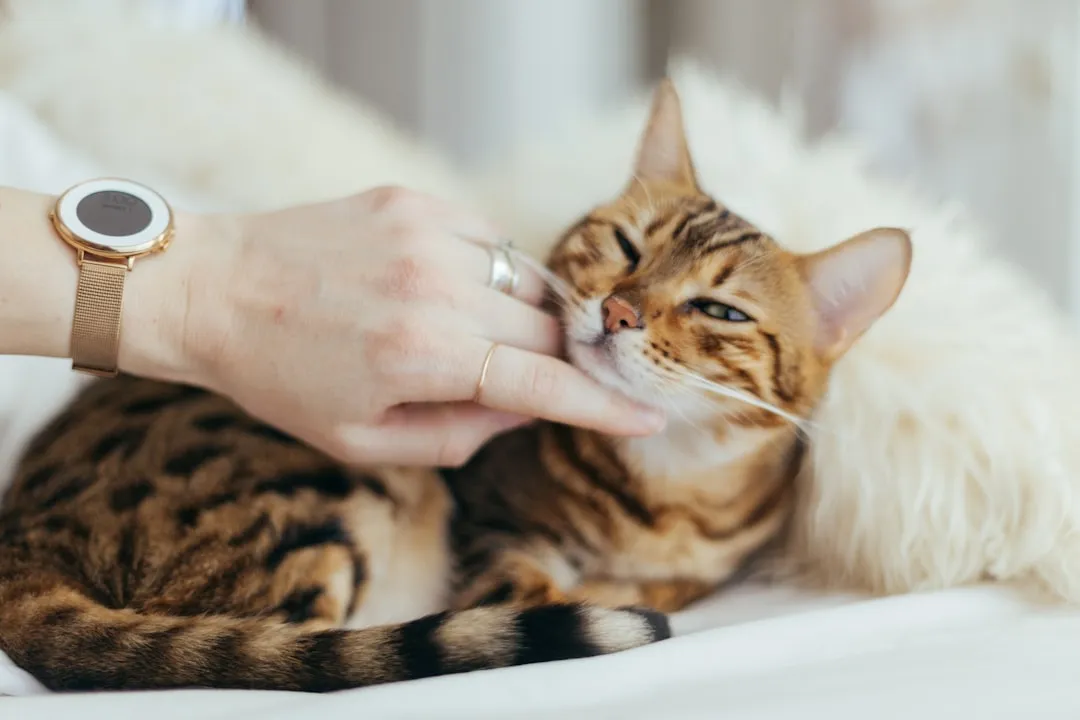
Cats get an unfair reputation for being aloof, but the truth is almost the opposite: they’re just extremely selective about who gets the real version of them. Everyone else in the house gets the polite roommate. One person gets the full, unfiltered, deeply attached animal underneath.
If your cat blinks slowly at you, drops toys at your feet, or falls asleep pressed against your side while ignoring everyone else in the room, that’s not coincidence – that’s the closest thing to “I choose you” a cat is capable of saying. Not every human in a house earns that. If you have, it’s worth noticing, because it doesn’t happen by accident.
