
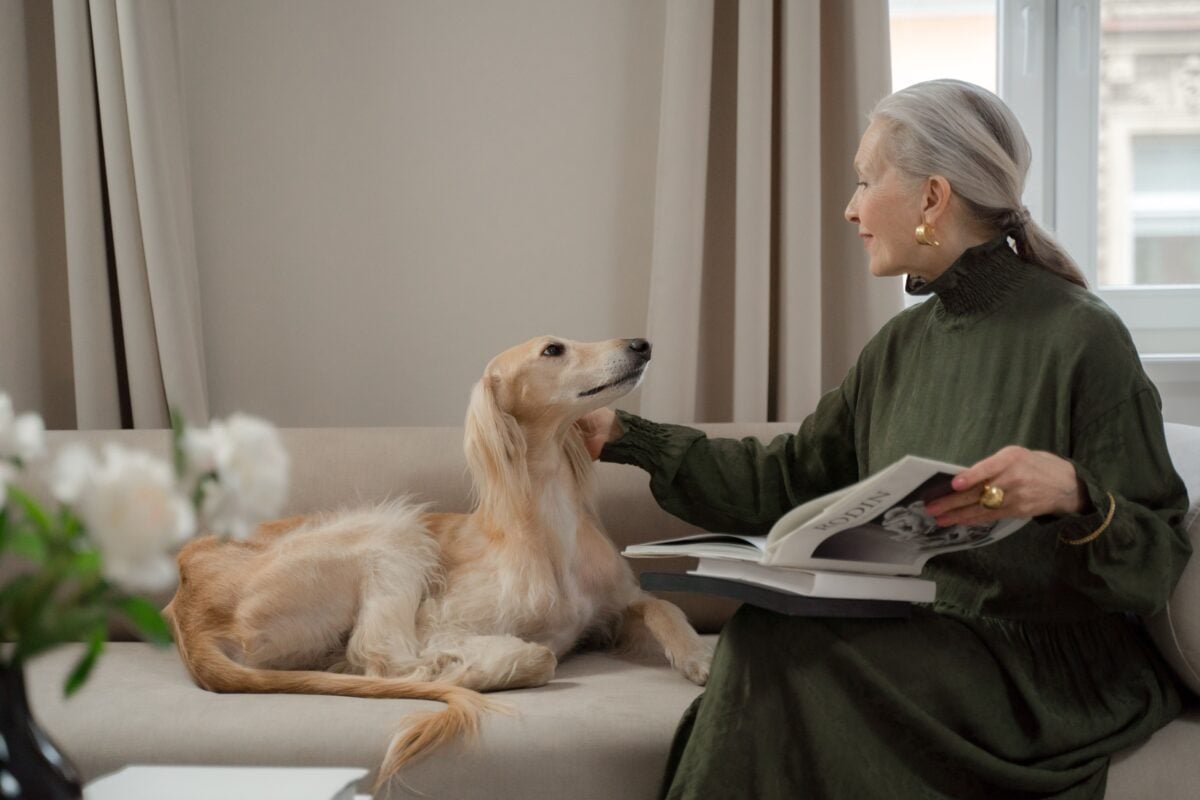
You picture slow mornings, a wagging tail by the door, maybe someone to finally talk to when the house feels too quiet. What nobody mentions is how fast that picture gets complicated – not because the dog is wrong, but because no one warns you about the fine print of loving something that depends on you completely, at exactly the age your own body has started asking for a little grace too.
From surprise home visits to the quiet grief that sneaks up when you least expect it, this list pulls back the curtain on the parts of adopting a dog after sixty that shelters gloss over and adult children rarely bring up until it’s too late. Some of it will make you laugh. A few will make you rethink everything you assumed about companionship in this chapter of life.
#24 – The Screening Process Gets Personal Fast

You’d think adopting a dog is a form, a fee, and a handshake. Instead, many shelters quietly ask more of applicants over sixty than they do of anyone else – proof of stable housing, a recent vet-style checkup for yourself, sometimes even a written plan for who steps in if your health changes down the road.
It can feel invasive the first time a volunteer asks about your energy level or your support system, but it isn’t personal. Rescues have watched too many dogs get returned after a sudden hospitalization, and the extra questions exist to protect the animal, not to judge you. Once you understand that, the process feels less like an interrogation and more like someone finally taking the placement seriously.
#23 – The “Small Dog Is Safer” Myth Falls Apart
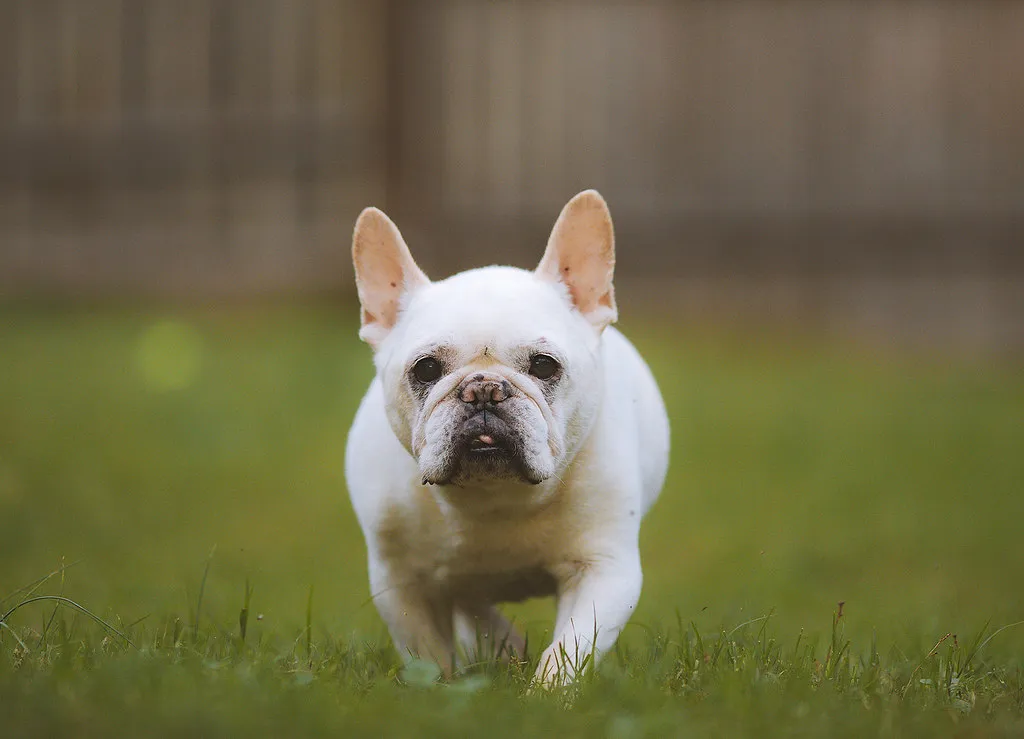
Most people over sixty reach for a small dog on instinct, assuming less weight means less risk. In practice, a wiry ten-pound dog darting underfoot causes more falls and twisted ankles than a calm, well-trained fifty-pounder walking politely beside you.
Temperament, not size, is the real predictor of a good match. A mellow medium or large breed that’s already past its puppy chaos can be gentler on your joints and your nerves than a tiny dog that never stops needing to be watched. It’s worth asking a shelter about a dog’s energy level before you ever ask about its weight.
Quick Compare
- Small, high-energy dog: Darts underfoot, higher trip-and-fall risk for unsteady joints
- Calm medium or large dog: Walks steadily beside you, easier to anticipate movements
- Puppy of any size: Unpredictable bursts of energy, needs constant supervision
- Adult or senior dog: Established temperament, easier to match to your activity level
#22 – Your Walking Routine Becomes Non-Negotiable
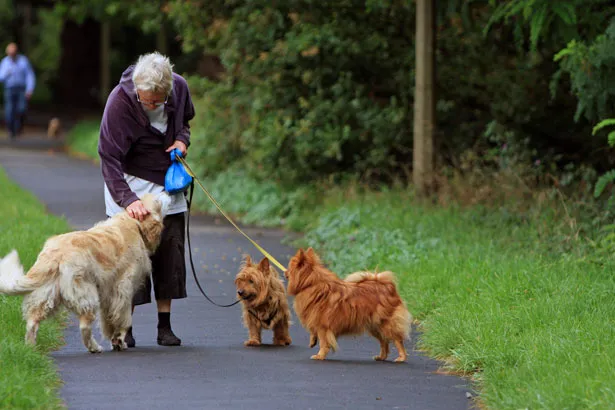
Retirement is supposed to mean flexibility, but a dog quietly rewrites your calendar. Rain, heat, a stiff knee day – none of it matters to a dog that needs to move, and skipping it too often shows up fast as restlessness or destructive habits.
Plenty of new senior dog owners end up leaning on a neighbor, a dog walker, or a nearby doggy daycare within the first few months, not because they failed, but because consistency matters more than heroics. Building that backup plan early saves you the guilt of feeling like you’re letting the dog down on the days your body simply says no.
#21 – Old-School Training Tricks Backfire
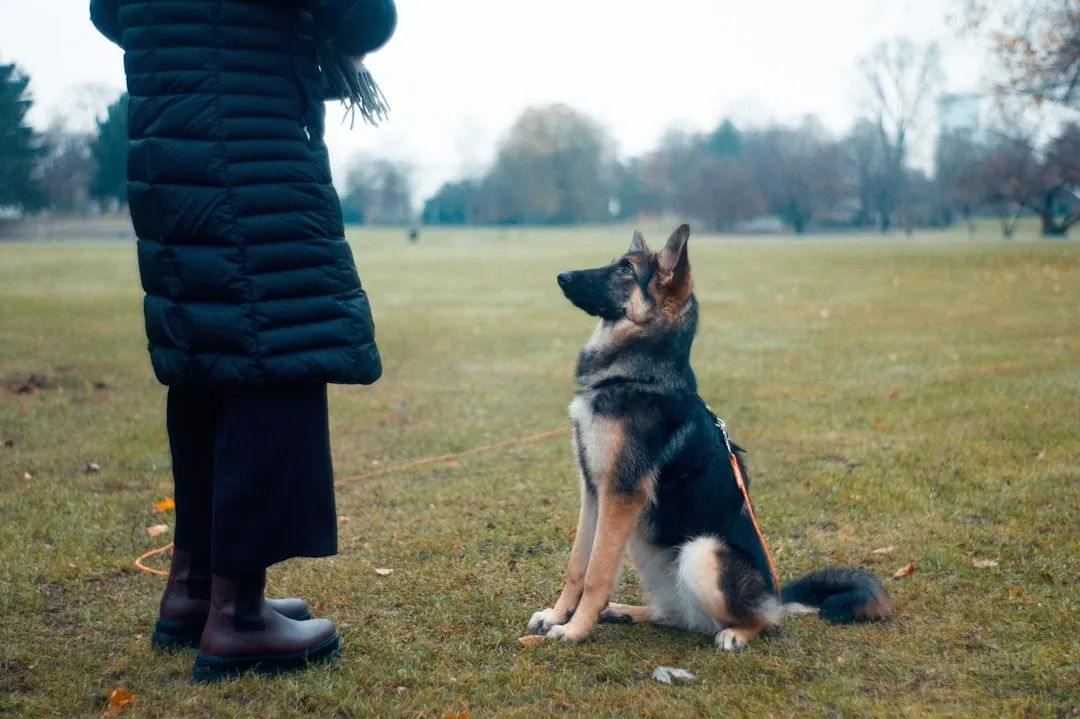
A lot of rescue dogs arrive carrying invisible baggage, and the stern, old-fashioned corrections many of us grew up seeing simply don’t work on a nervous or previously mistreated animal. What actually works is slow, boring, repetitive positive reinforcement – treats, patience, and a lot of quiet consistency.
The timeline is longer than people expect, sometimes months instead of weeks, and that can feel discouraging when you were hoping for an easy companion right away. But the payoff is a dog that trusts you specifically because you didn’t rush it, which tends to build a deeper bond than a dog trained the fast, harsh way ever could.
#20 – Vet Bills Don’t Slow Down With Age
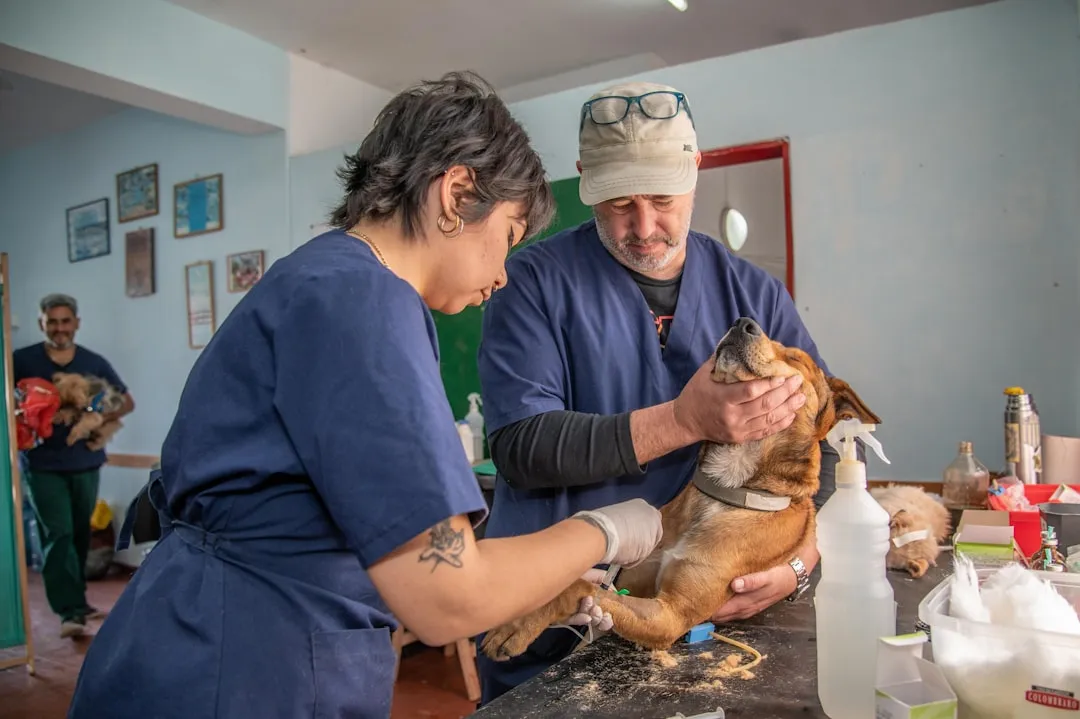
Whether you adopt a puppy or a dog already gray around the muzzle, veterinary care gets more frequent and more expensive as the years go by. Bloodwork, dental cleanings, and joint checks add up in ways that a young, healthy dog simply doesn’t require.
Nobody hands you a real number before you sign the adoption papers, which means the first unexpected bill can feel like a gut punch. Setting aside a modest monthly cushion from day one turns those bills from a crisis into a line item, and that peace of mind is worth more than people expect going in.
#19 – Pet Insurance Has Fine Print of Its Own
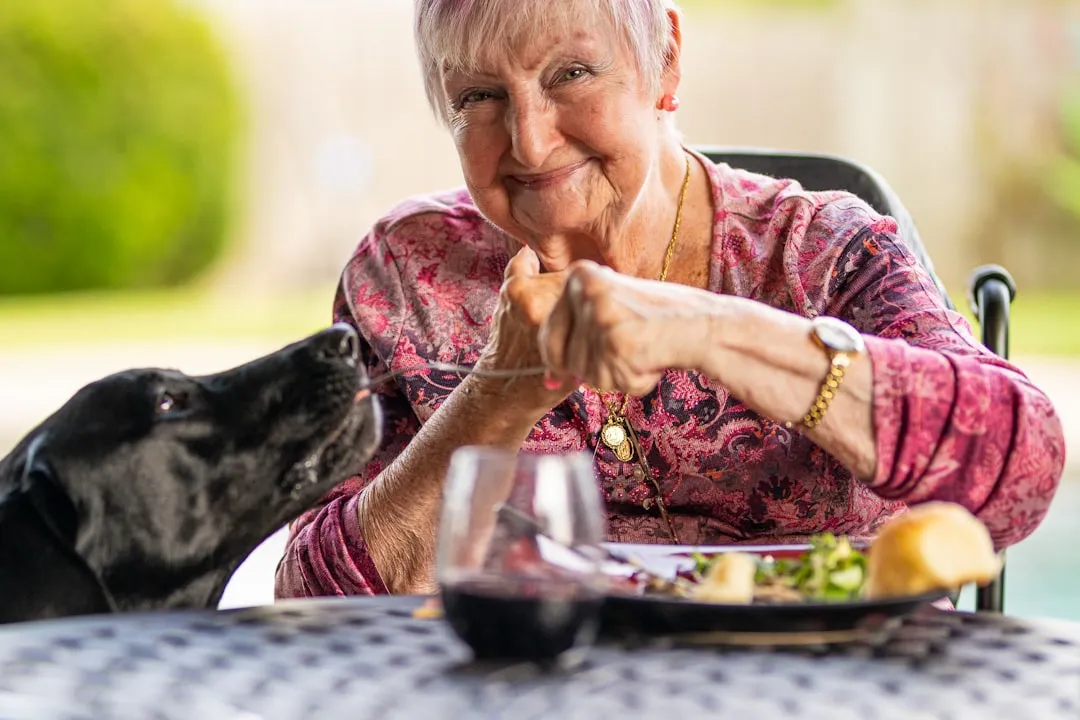
Many older rescue dogs come with pre-existing conditions, and most insurance policies simply won’t cover them. That surprises a lot of new owners who assumed a policy would catch whatever comes next.
Reading the fine print before you adopt, rather than after the first vet visit, saves a lot of frustration. Some owners skip insurance altogether and build a dedicated savings account instead, which offers the same peace of mind without the exclusions buried in a contract.
#18 – Grooming Turns Into a Bigger Job Than Expected

Brushing out mats, trimming nails, and bathing a wriggling dog all require more bending, kneeling, and grip strength than most people anticipate. What used to be a quick weekend chore can turn into a genuine physical strain if your knees or hands aren’t what they used to be.
A lot of seniors end up outsourcing grooming to a professional, and mobile groomers who come right to your driveway have become a popular fix. It’s an added cost, but it’s also one less thing your body has to fight through every few weeks.
Fast Facts
- Nail trims are typically needed every 3 to 4 weeks for most dogs
- Long or thick coats often need brushing several times a week to prevent mats
- Full grooming sessions are usually recommended every 4 to 6 weeks for coated breeds
- Mobile groomers can come directly to your home, cutting out car rides and waiting rooms
#17 – Spontaneous Travel Becomes a Thing of the Past
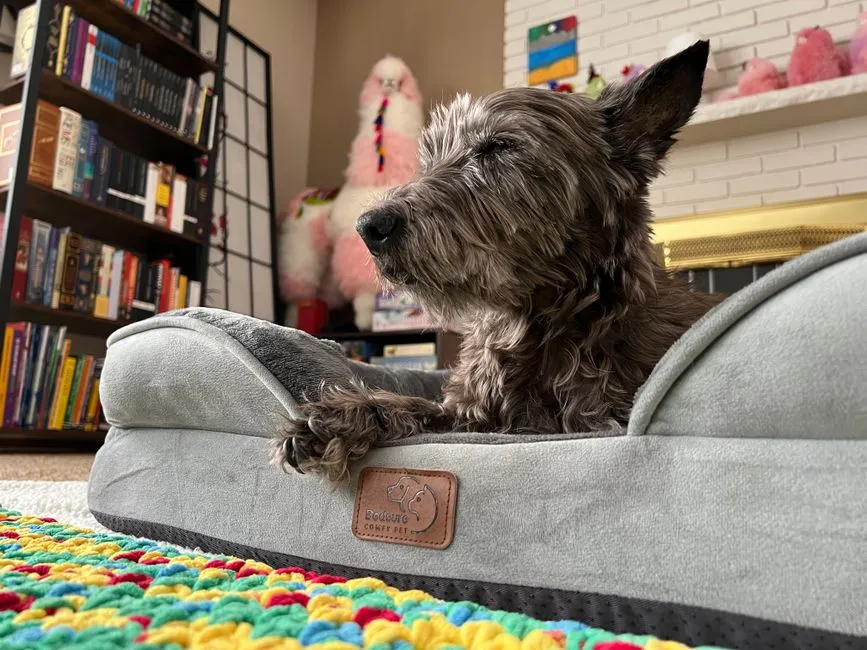
The freedom to pack a bag and go, one of retirement’s biggest promises, shrinks the moment a dog enters the picture. Boarding costs money, and trusted pet sitters aren’t always available on short notice.
Owners who adjust well usually build a small trusted network in advance – a neighbor, a family member, a local sitter – rather than scrambling every time. Others simply shift toward dog-friendly travel instead, which turns out to be its own kind of adventure once you stop resisting it.
#16 – Grown Children Often Push Back Harder Than Friends
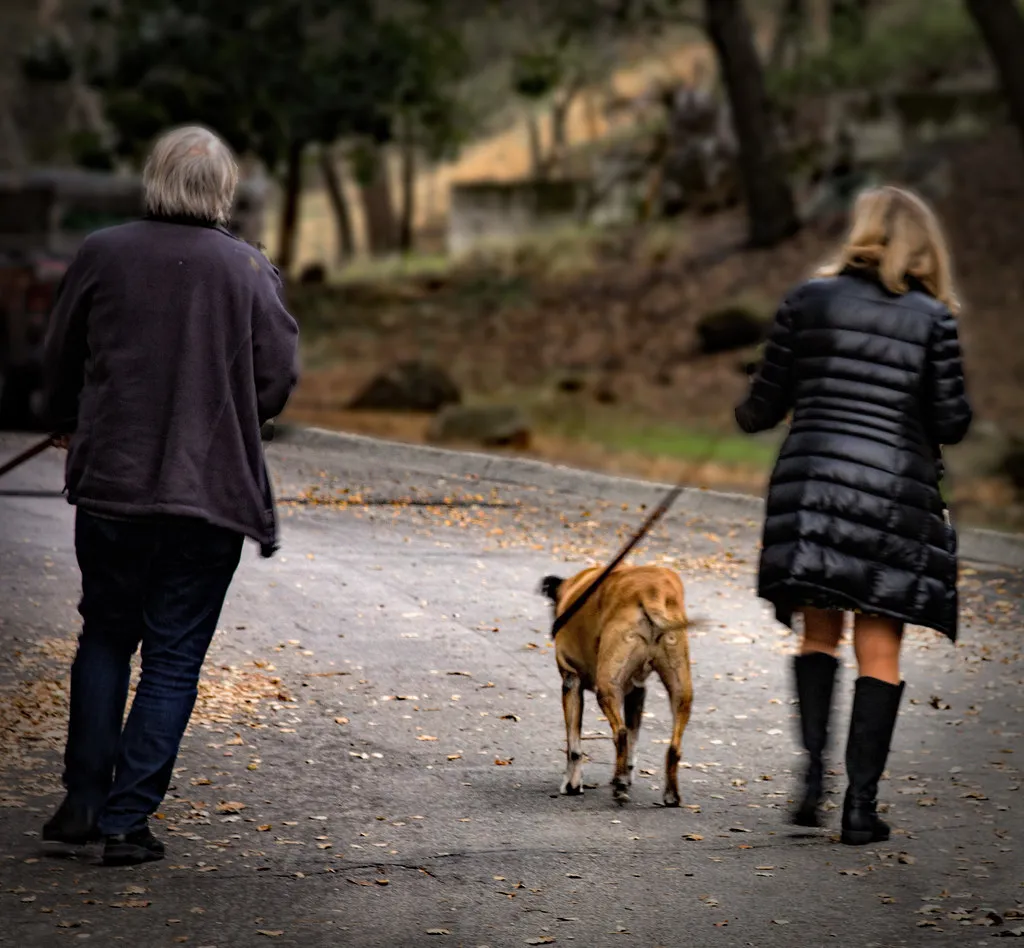
Friends tend to say “how sweet.” Adult children tend to ask harder questions about falls, hospital stays, and who’s really going to walk the dog on the tough days. It can sting when the people who love you most seem the least supportive of a decision that feels obviously good for you.
Most of that worry softens once you show up with an actual plan – a backup walker, a vet on speed dial, a friend who’s agreed to step in if needed. The conversation usually isn’t about the dog at all; it’s about them seeing you as capable, and a little preparation goes a long way toward proving it.
#15 – The Question of Who Outlives Who Gets Real

It’s an uncomfortable thing to think about, let alone say out loud, but adopting in your sixties means genuinely considering lifespan math. A young, energetic breed might outlive your ability to care for it the way it deserves, and that’s not morbid, it’s just honest.
This is exactly why so many shelters now actively encourage senior-to-senior adoptions, matching older dogs with older owners so the years line up more naturally. It’s also why a simple backup caregiver plan, written down and shared with someone you trust, brings a surprising amount of relief once it exists.
#14 – Getting Up And Down Off The Floor Becomes a Daily Workout

Feeding, cleaning up an accident, or comforting a dog during a thunderstorm all involve bending or kneeling in ways nobody warns you about. If arthritis or a bad hip is part of your daily reality, this small stuff adds up fast.
Raised feeding bowls, ramps instead of stairs, and non-slip mats solve more of this than people expect. It’s a small investment that quietly protects both your joints and the dog’s safety at the same time.
#13 – Loneliness Doesn’t Disappear Overnight
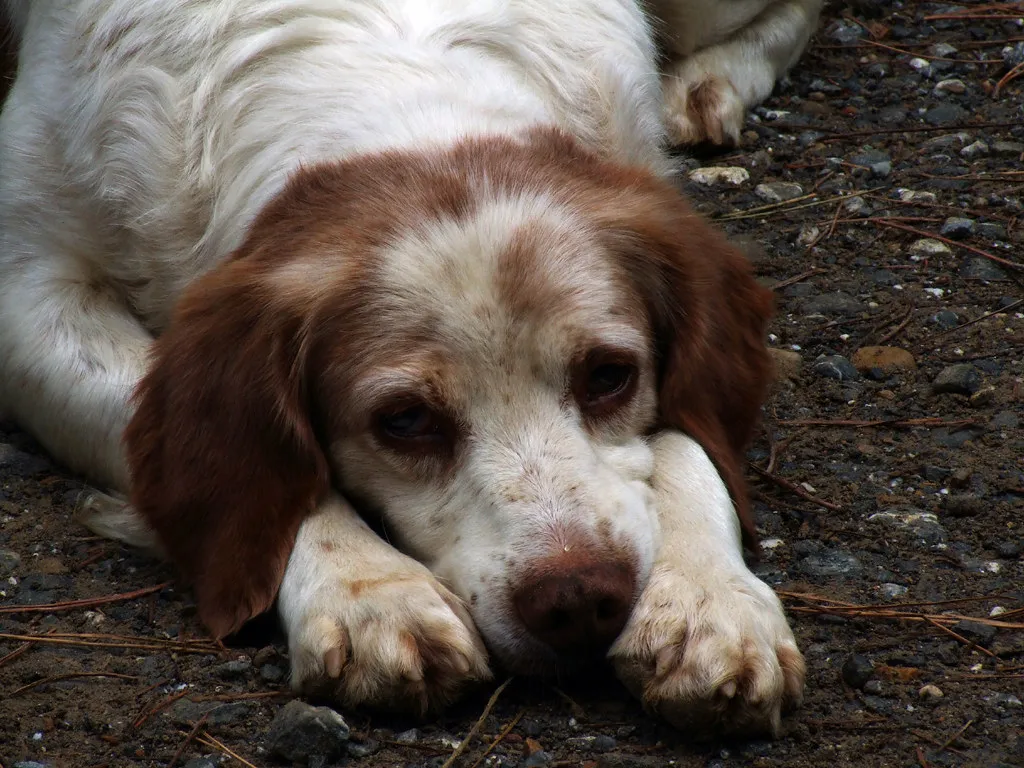
There’s a common assumption that a dog instantly cures the quiet of an empty house. In reality, the first few weeks are often awkward for both of you – a new dog is adjusting to a strange home while you’re adjusting to suddenly being needed again.
Give it time. The companionship that people describe as life-changing usually shows up gradually, in small moments, not all at once on day one.
Dogs are not our whole life, but they make our lives whole.
Roger Caras
#12 – Home Modifications Sneak Onto the To-Do List
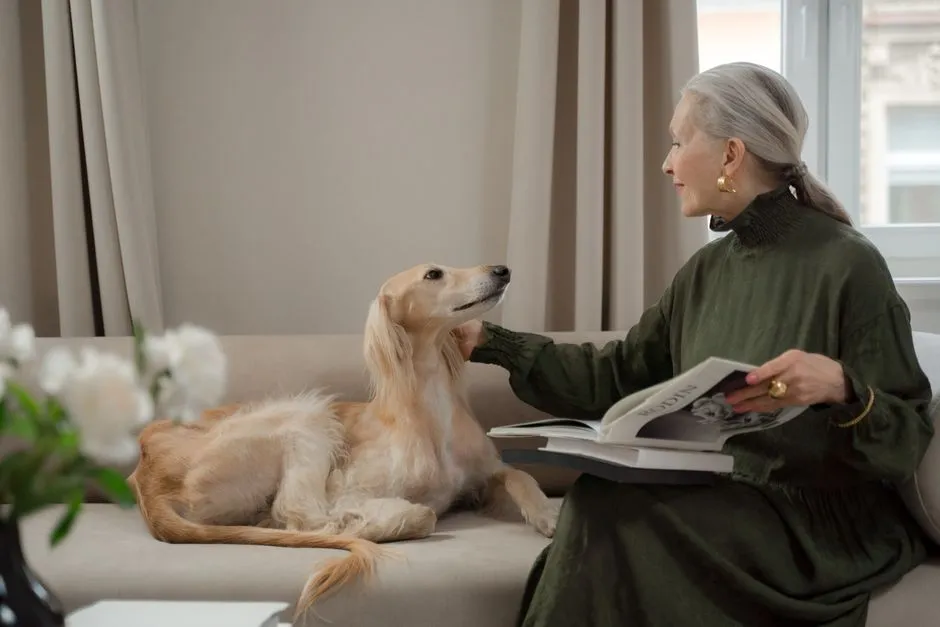
Slippery hardwood floors, steep stairs, and a yard without proper fencing all become bigger concerns once a dog is part of the household, especially an older or anxious one. These aren’t things most people think to fix before adoption day.
A few rubber-backed rugs, a low ramp by the porch steps, and a secured gate usually solve most of it without a major renovation. It’s a small upfront effort that protects both of you from an accident nobody wants to deal with later.
#11 – Your Schedule Suddenly Has a Boss

Feeding times, bathroom breaks, and walk windows start dictating your day in a way retirement freedom didn’t prepare you for. Sleeping in becomes a negotiation rather than a given.
The unexpected upside is that this structure often ends up good for you too. Many owners find their own sleep, appetite, and daily rhythm improve simply because the dog forces a routine they weren’t disciplined enough to keep on their own.
#10 – Adopting a Senior Dog Might Beat a Puppy
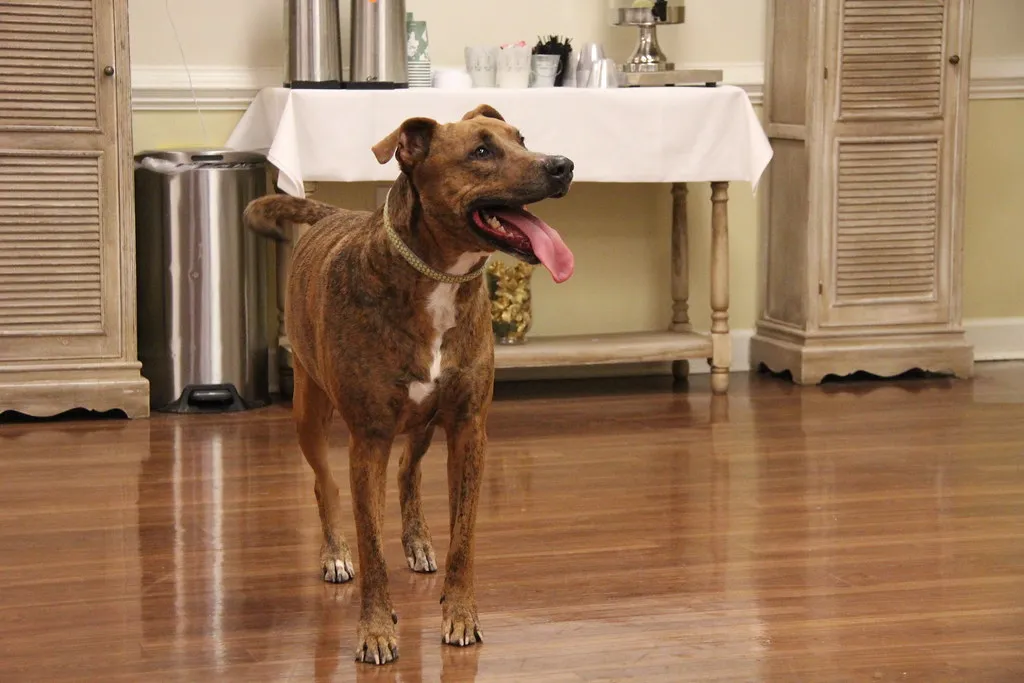
Everyone pictures a puppy when they imagine adopting, but senior dogs are almost always the hardest to place and the most overlooked in shelters. They’re also usually calmer, already house-trained, and far less demanding than a bouncing ball of chaos that hasn’t learned anything yet.
A lot of first-time senior adopters find their gray-muzzled match ends up being the easiest, most grateful companion they could have asked for. There’s a quiet symmetry in two creatures, both a little slower now, choosing each other anyway.
At a Glance
- Puppies: Need extensive training, higher energy, longer to house-train
- Senior dogs: Usually already house-trained, calmer temperament, immediate companionship
- Shelter reality: Senior dogs are consistently among the last chosen for adoption
- Best fit: A calmer pace that matches a slower daily routine
#9 – Grief From Past Pets Creeps Back In
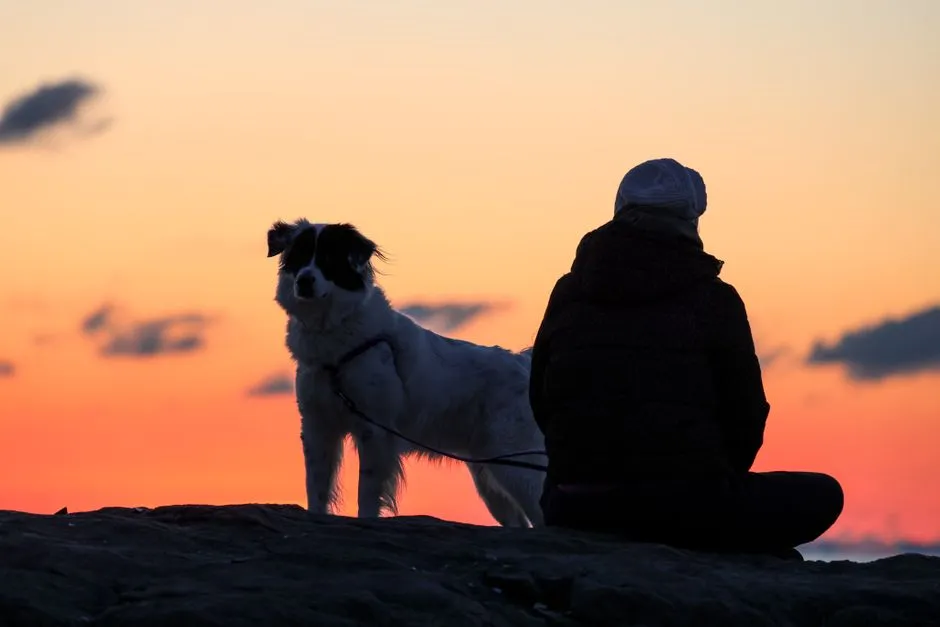
Many people adopt after losing a beloved dog, and the new arrival can unexpectedly stir up grief instead of relief. It can feel disloyal at first, like you’re somehow replacing a bond that took years to build.
That reaction is normal, not a warning sign. Love for a new dog doesn’t erase love for the old one; it simply proves you still have more of it to give, and most people find that realization softens the guilt fairly quickly.
#8 – Your Own Health Might Quietly Improve
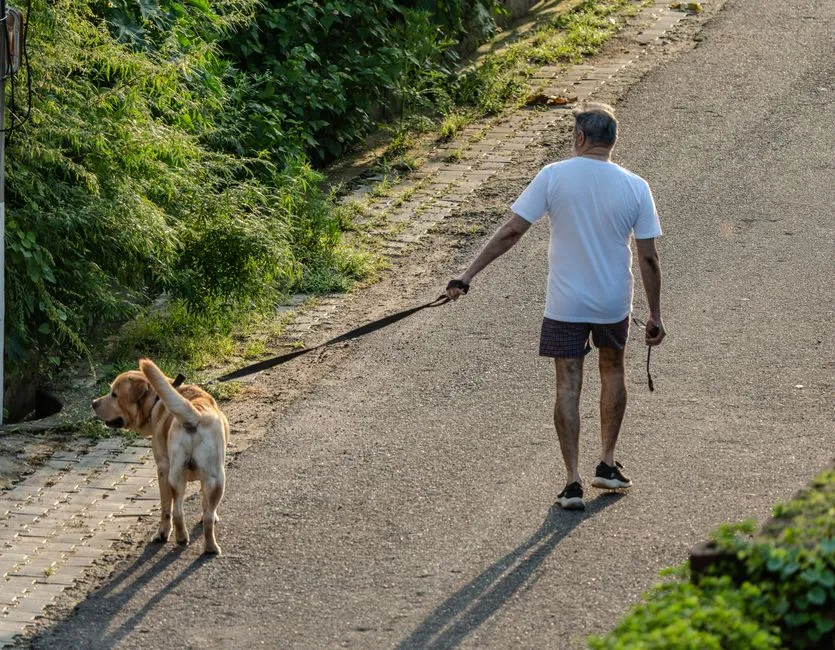
Beyond the emotional companionship, dog ownership tends to nudge people into more daily movement, more outdoor time, and a steadier routine than they had living alone. It’s one of the more genuinely surprising side effects for people who adopt later in life.
Doctors often notice it before the owner does – a few more steps a day, a little more consistency in sleep and meals. Nobody adopts a dog for the health benefits, but plenty of seniors end up grateful for them anyway.
#7 – A Whole New Social Circle Opens Up
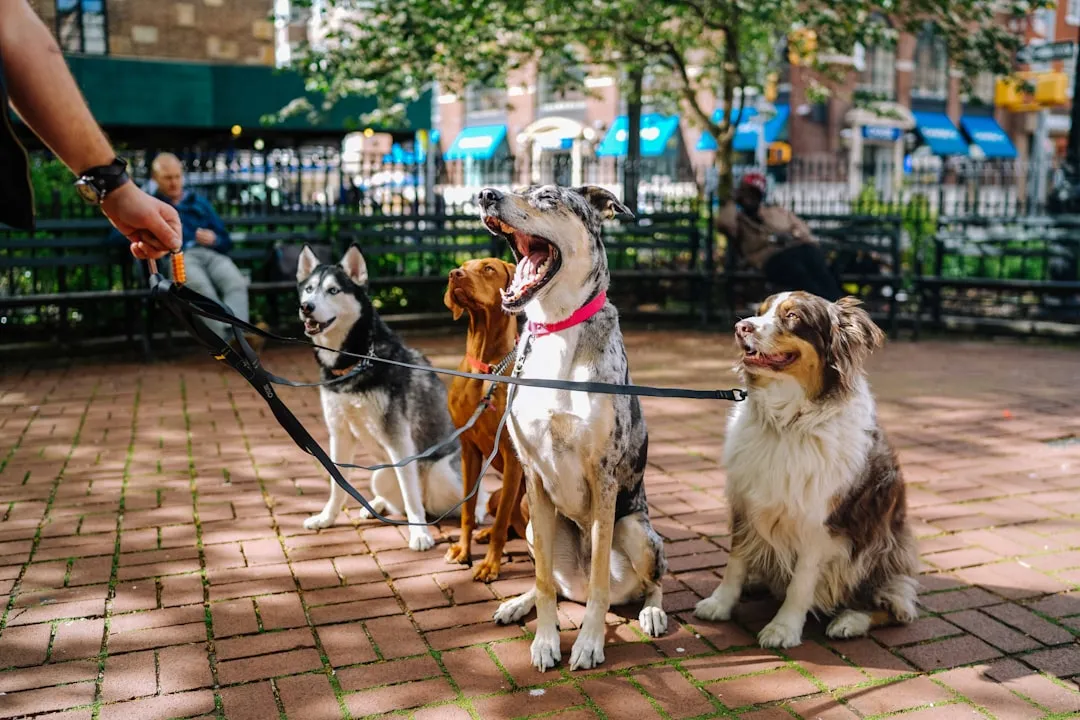
Dog parks, vet waiting rooms, and morning walk routes turn into unexpected meeting grounds at a stage of life when social circles often quietly shrink. A leash in your hand gives strangers a reason to stop and talk in a way nothing else quite does.
These small daily exchanges add up into real friendships over time, built on nothing more complicated than shared dog stories and familiar faces on the same street corner. It’s one of the least advertised perks of adopting later in life.
#6 – You Need a Backup Plan Before You Need It
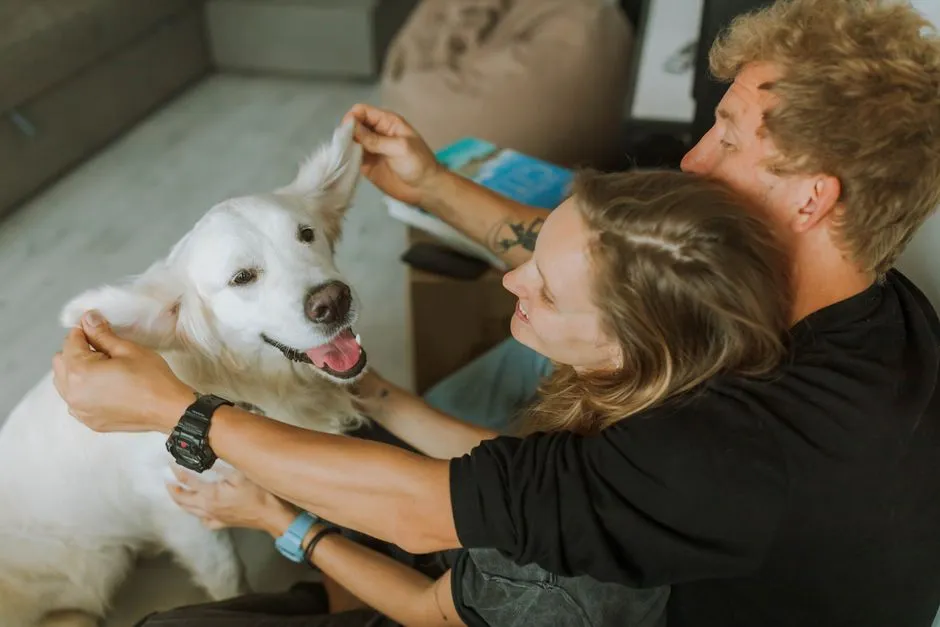
An unexpected hospital stay doesn’t just disrupt your life, it leaves a dog alone and confused with no one to feed or walk it. Most new adopters don’t think this far ahead until the moment it actually happens.
A simple written plan – a trusted neighbor with a spare key, a family member who knows the routine – turns a potential crisis into a minor inconvenience. It takes an afternoon to set up and buys real peace of mind for years afterward.
Worth Knowing
- Keep a spare house key with a trusted neighbor or family member
- Write down feeding times, medications, and vet contact info in one place
- Share the plan with at least two people, not just one, in case of scheduling conflicts
- Update the plan whenever the dog’s routine or health needs change
#5 – Estate Planning Gets a New Line Item
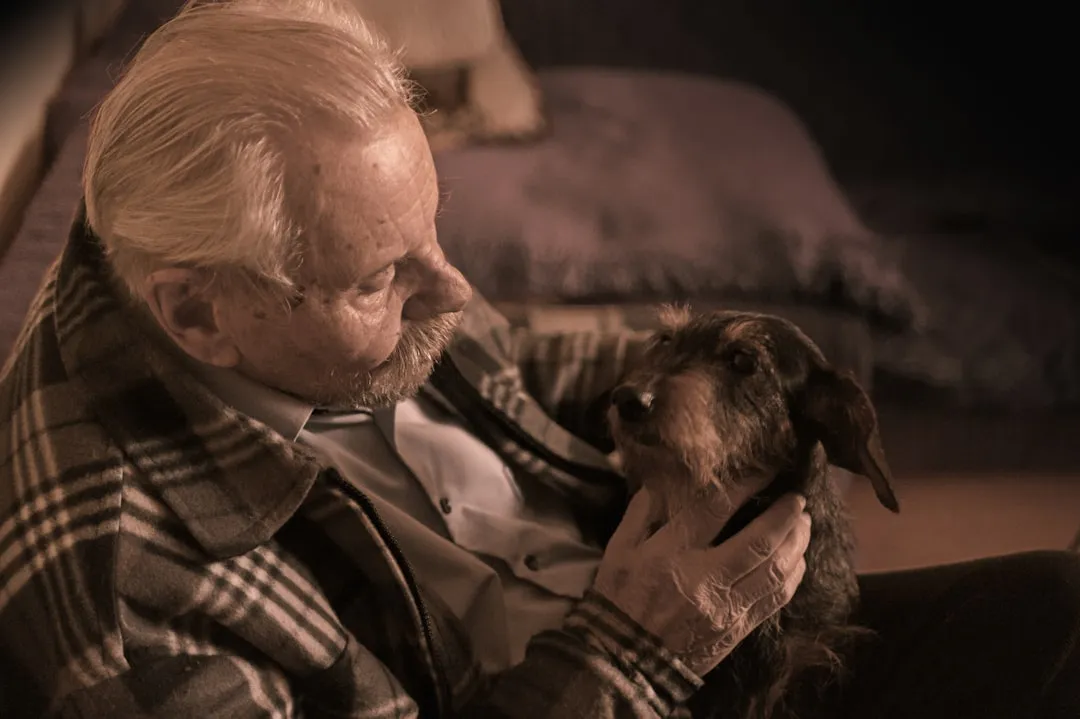
Naming a caregiver for your dog, or setting aside a small amount in your will for its future care, isn’t something most people consider until someone else brings it up. For solo adopters especially, it’s an easy detail to overlook in the excitement of bringing a dog home.
Many attorneys can add a simple pet clause to an existing will without much extra cost. It’s a quiet, unglamorous step, but it’s one of the most loving things you can do for an animal that has no way of planning for itself.
#4 – Doggy Daycare Isn’t Just for Working Parents
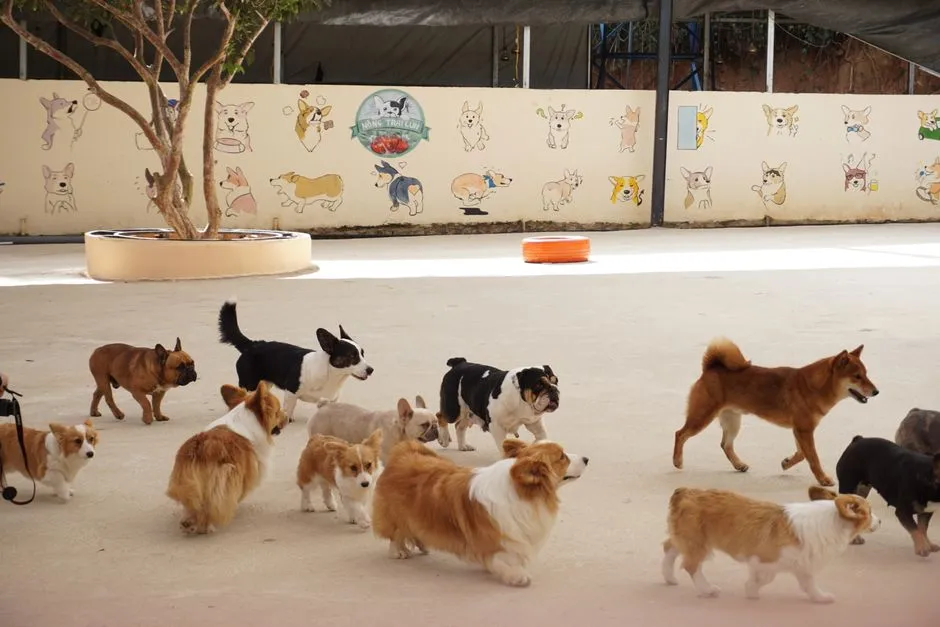
Seniors need backup care just as much as busy families do – for travel, medical appointments, or simply a low-energy day. Some local boarding facilities now offer senior-friendly rates or shorter daytime stays built for exactly this situation.
Finding a trusted option before you need it, rather than scrambling during an emergency, makes the whole system far less stressful. It’s worth a phone call or two soon after adoption, even if you don’t think you’ll need it right away.
#3 – The Chaos-to-Calm Trade-Off Is Real
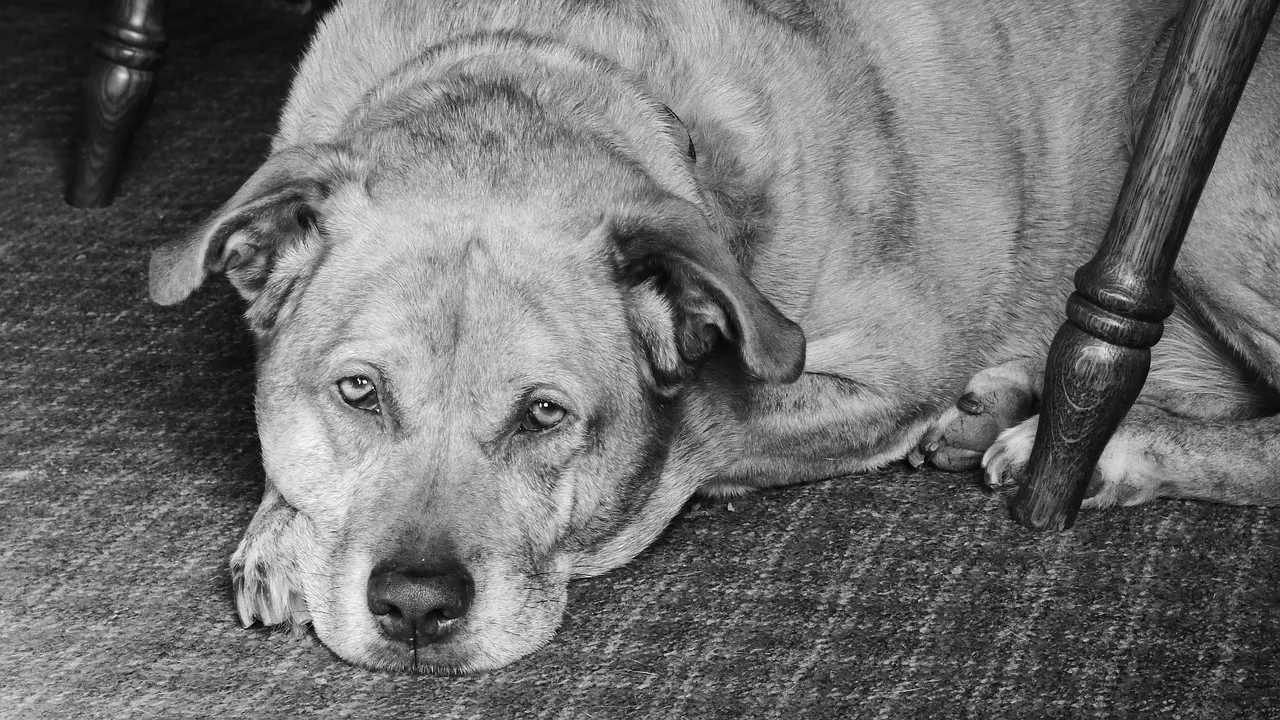
Choosing between a puppy’s nonstop energy and an older dog’s steady calm is one of the biggest decisions in this whole process, and it’s rarely discussed honestly. A puppy can undo a peaceful retirement routine faster than almost anything else.
Most experienced adopters over sixty end up recommending an adult or senior dog for exactly this reason, saving the puppy-raising marathon for younger owners with more stamina to spare. The trade-off isn’t a compromise so much as a better fit for the life you’re actually living now.
#2 – The Bond Forms Faster Than You’d Expect
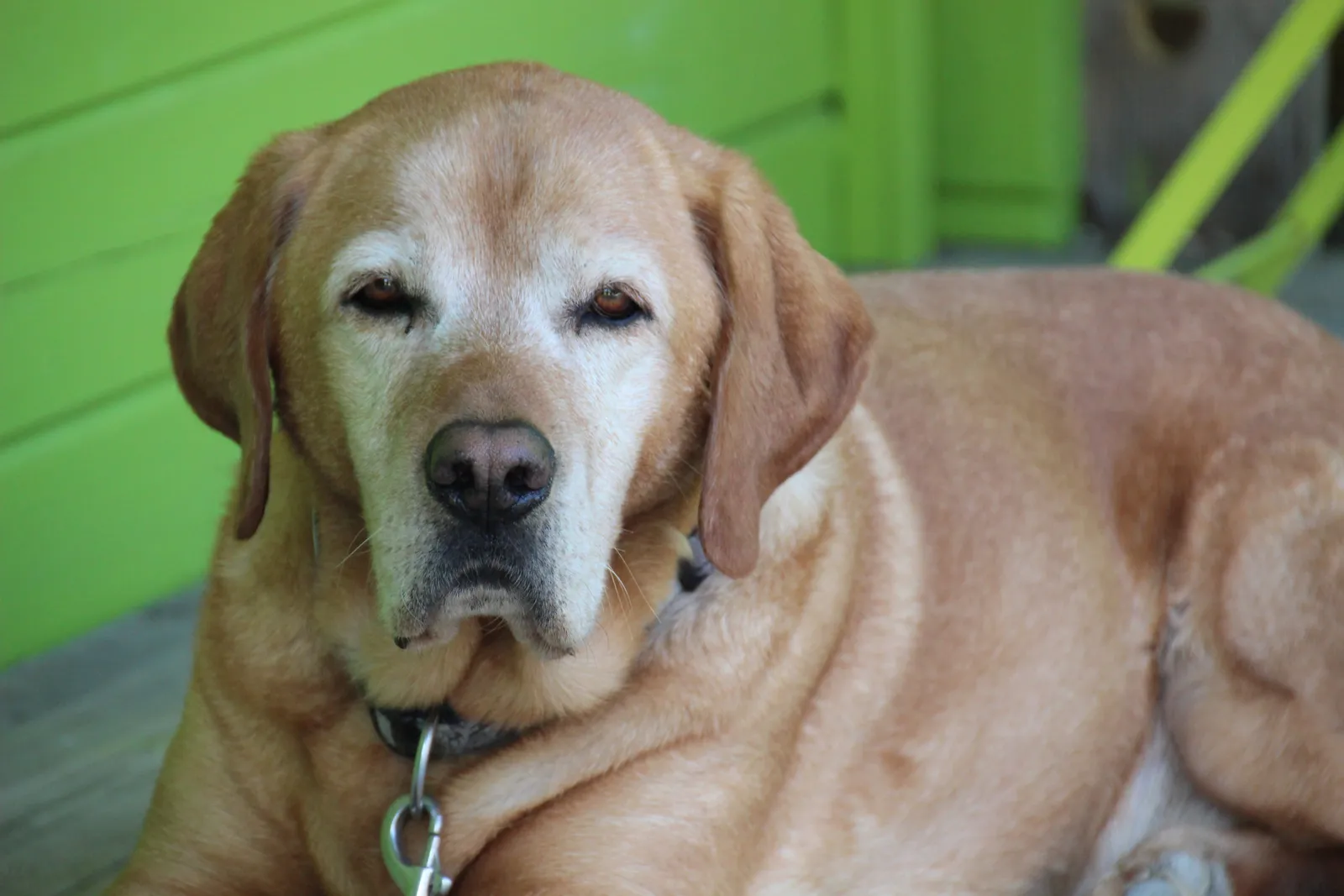
There’s a quiet fear that attachment gets harder to build later in life, that somehow the heart doesn’t open as fast as it used to. In practice, plenty of adopters describe the opposite – a real connection forming within days, not months.
Maybe it’s because both of you are craving the same thing: calm, routine, and someone who simply shows up. Whatever the reason, that fast, quiet bond tends to surprise people more than almost anything else on this list.
#1 – It Might Add Years to Your Life, Not Just Theirs
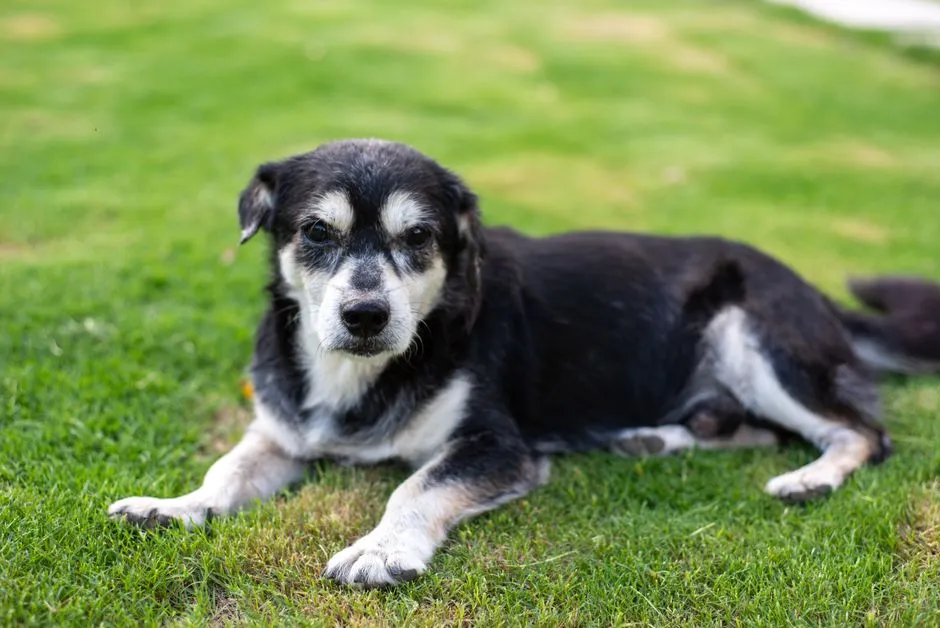
The deepest, least advertised truth about adopting a dog in your sixties is the sense of purpose it hands back to you. Having something depend on you, wait for you, and greet you at the door tends to sharpen the reasons to stay active, stay social, and take better care of yourself than you might have otherwise.
You adopt the dog thinking you’re the one doing the rescuing. More often than people expect, it turns out to be mutual, and that’s the part nobody puts in the adoption pamphlet.
Adopting a dog in your sixties isn’t the simple, sunlit decision it looks like in the brochures, and honestly, it shouldn’t be treated that way. It’s a real commitment with real costs, real physical demands, and a few uncomfortable conversations along the way. But strip away the fine print and what’s left is still one of the most quietly rewarding decisions a person can make later in life – not because it’s easy, but because it asks something of you again, and that turns out to be exactly what a lot of people over sixty didn’t know they were missing.

- The Most Playful Horse Breeds That Love Bonding With Humans - July 14, 2026
- 24 Things Nobody Tells You About Adopting a Dog in Your Sixties - July 14, 2026
- 14 Hummingbird Secrets Experienced Gardeners Finally Admit Work - July 14, 2026