
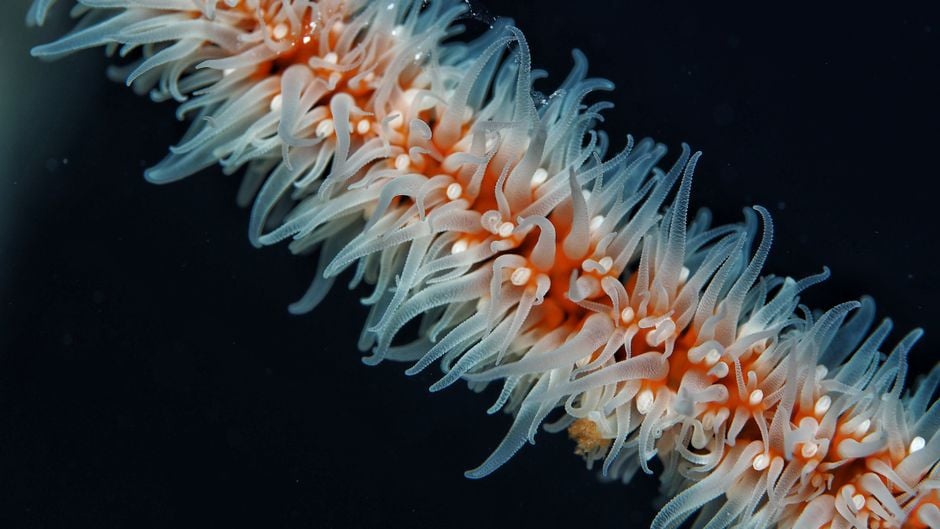
The deep sea, Earth’s final frontier, harbors creatures so bizarre and unique that they’ve compelled scientists to rethink biological classifications. These organisms, thriving in extreme conditions, challenge our understanding of life and evolution. Let’s dive into the depths and meet 11 such extraordinary beings.
The Mystery Mollusc: Bathydevius caudactylus
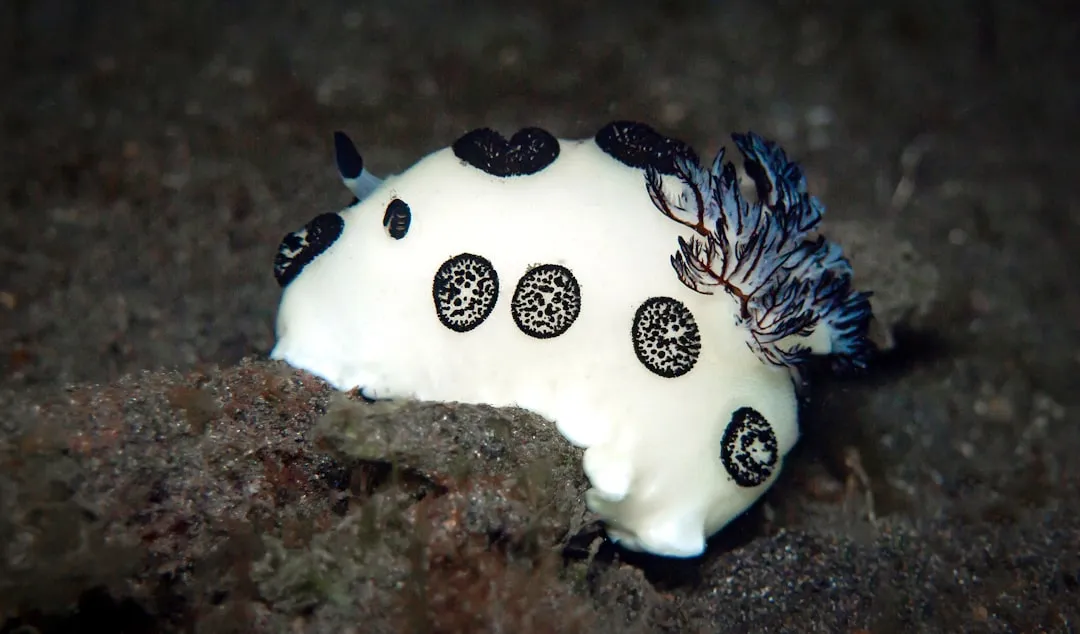
Imagine a sea slug that not only glows but also swims gracefully through the ocean’s midnight zone. Discovered by researchers at the Monterey Bay Aquarium Research Institute, Bathydevius caudactylus, nicknamed the “mystery mollusc,” boasts a gelatinous hood and a paddle-like tail. Its bioluminescence illuminates the dark depths, making it a beacon in the abyss.
This nudibranch’s unique adaptations, including its swimming capabilities and luminous display, set it apart from its relatives. Its discovery necessitated the creation of a new genus, highlighting the vast unknowns lurking beneath the waves.
Elvis Worms: Shimmering Deep-Sea Dwellers
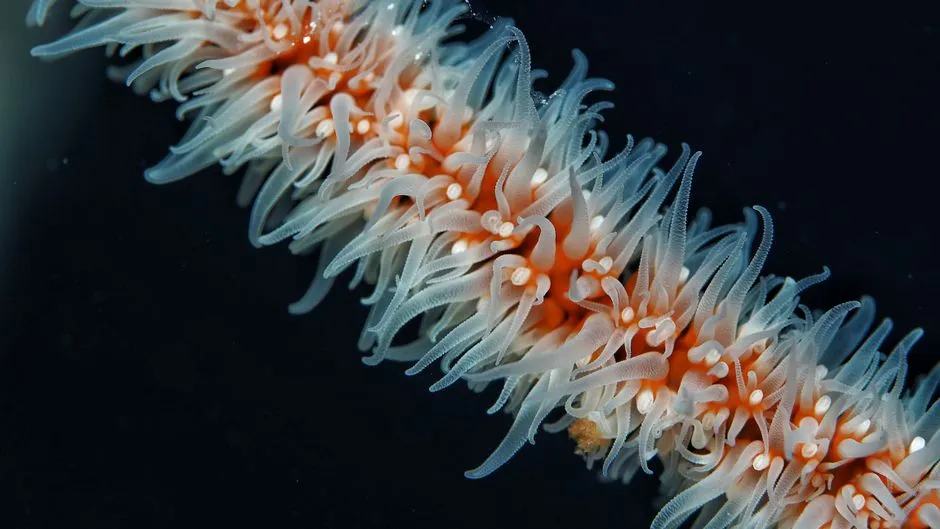
With iridescent scales reminiscent of Elvis Presley’s sequined jumpsuits, the “Elvis worms” are a sight to behold. Belonging to the genus Peinaleopolynoe, these deep-sea polychaete worms were identified in 2020. Their shimmering exteriors and unique feeding habits distinguish them from other scale worms.
Residing in nutrient-rich areas of the deep sea, these worms have adapted to thrive in extreme environments. Their discovery expanded the Polynoidae family, showcasing the deep sea’s capacity for evolutionary innovation.
Pyrolycus jaco: The Hydrothermal Eelpout
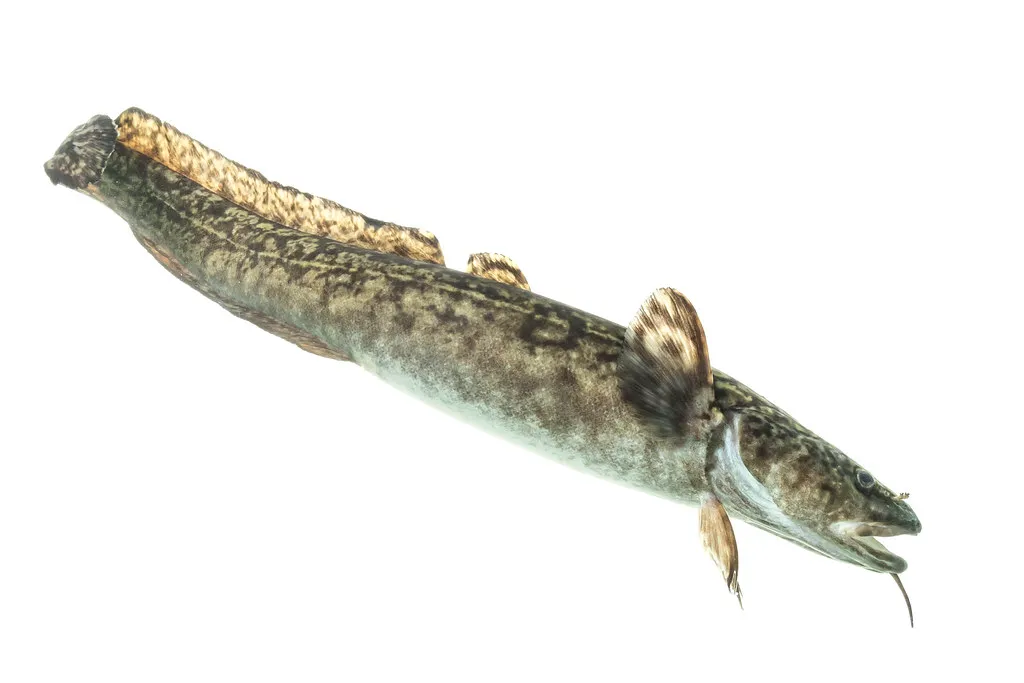
In the hydrothermal seep site known as Jacó Scar off Costa Rica, scientists uncovered Pyrolycus jaco, a new species of eelpout. Measuring approximately six inches, this eel-like fish exhibits a light pink to lavender hue and was observed among tubeworms at depths exceeding 5,700 feet.
Its unique habitat and morphological features prompted the establishment of a new genus, Pyrolycus. This discovery underscores the deep sea’s role as a crucible for evolutionary diversity.
Torquaratoridae: The Drifting Acorn Worms
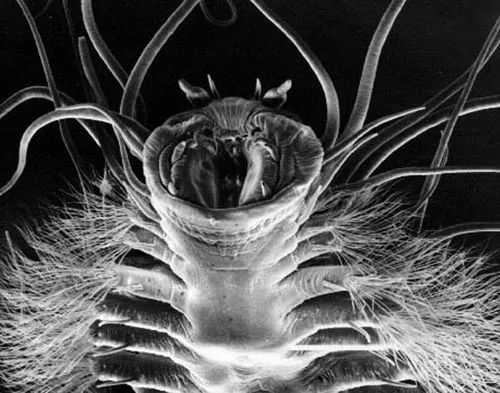
Acorn worms of the family Torquaratoridae glide over the ocean floor using cilia, leaving behind trails of feces as they consume detritus. Measuring up to three feet, their gelatinous, often brightly colored bodies are adapted for life between 1,150 and 13,000 feet deep.
Their unique locomotion and feeding strategies led to the creation of the Torquaratoridae family. These worms exemplify the deep sea’s penchant for producing organisms with novel adaptations.
Dulcibella camanchaca: The Hadal Predator
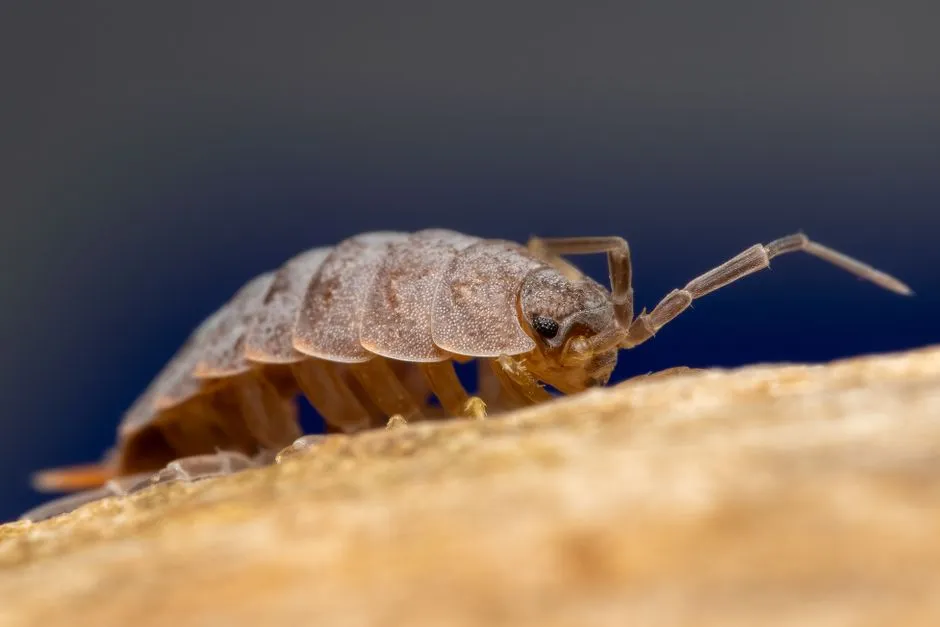
Discovered in the Atacama Trench, Dulcibella camanchaca is a predatory amphipod thriving at depths nearing 26,000 feet. Larger than most amphipods found at similar depths, it uses specialized appendages to capture and consume smaller crustaceans.
Its predatory behavior and unique morphology necessitated the establishment of a new genus, Dulcibella. This discovery sheds light on the complex food webs existing in the hadal zone.
Gigantopelta aegis: The Vent Guardian Snail
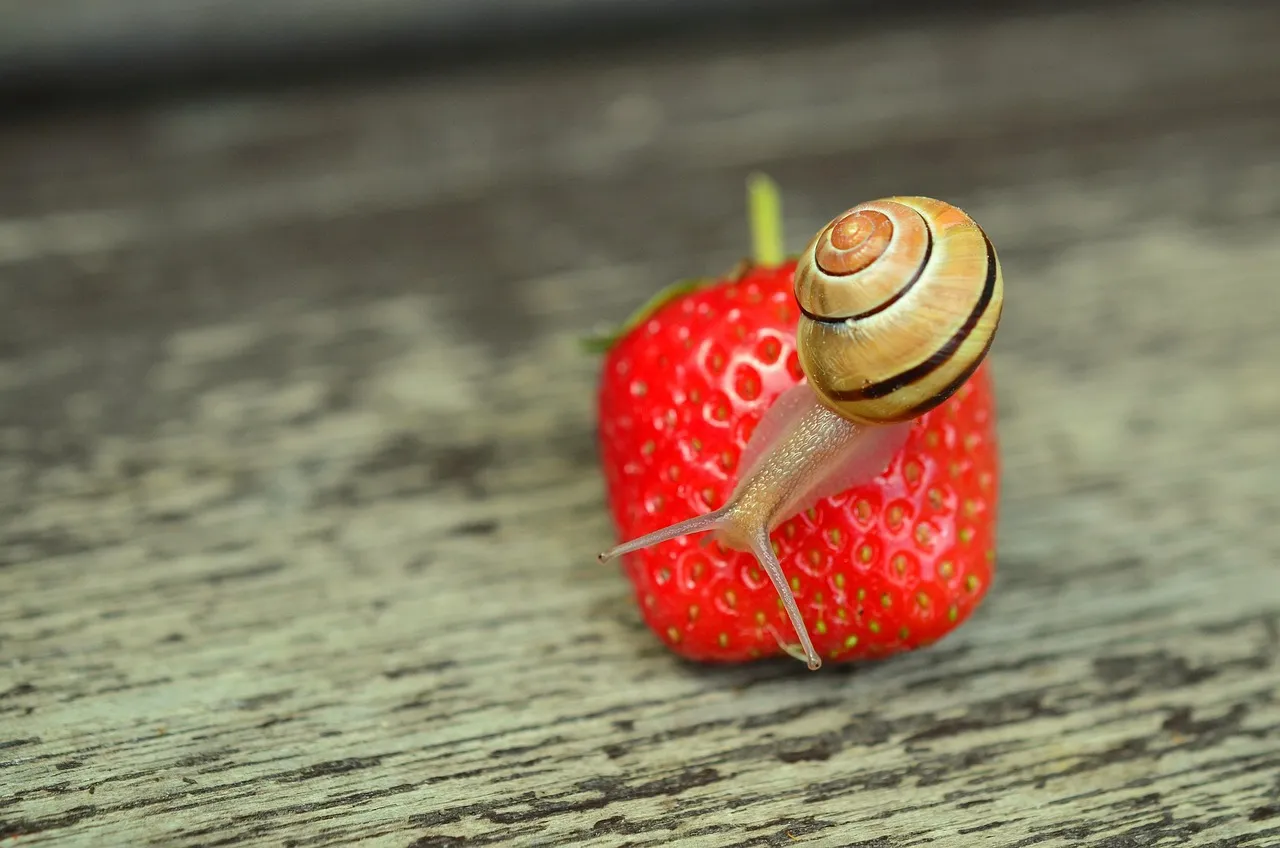
At hydrothermal vents on the Southwest Indian Ridge, scientists found Gigantopelta aegis, a deep-sea snail with a shell width reaching up to 1.77 inches. Its size and unique adaptations distinguish it from other vent-dwelling gastropods.
The establishment of the genus Gigantopelta highlights the evolutionary pressures exerted by hydrothermal vent environments, leading to the emergence of novel life forms.
Iskra’s Glitter Worm: The Shimmering Scaleworm
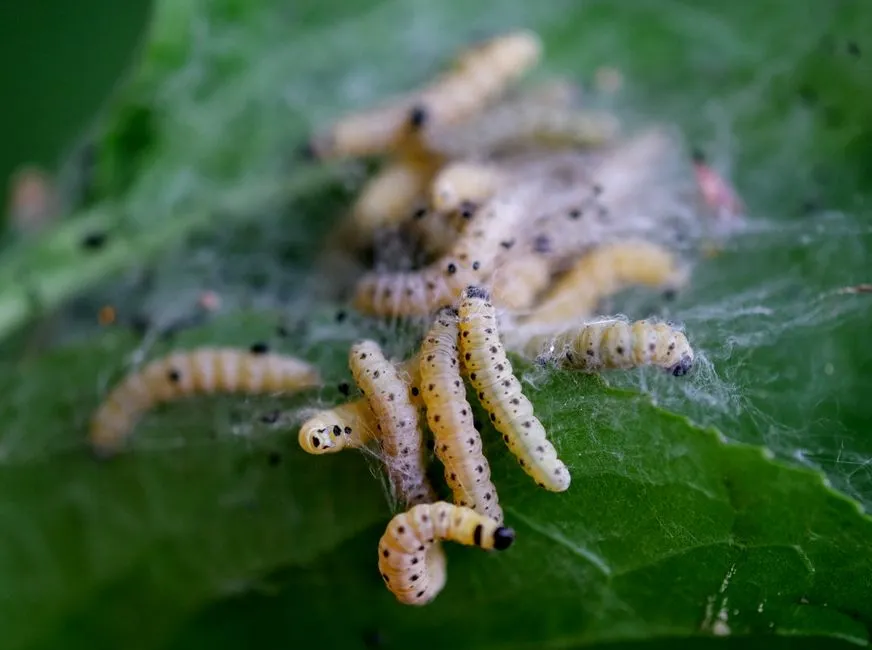
In the depths off California’s coast, researchers discovered Iskra’s glitter worm (Photinopolynoe iskrae), a scaleworm with a shimmering, scale-covered body. Found in habitats like whale falls and methane seeps, this worm’s iridescence and habitat preferences set it apart.
Its discovery expanded our understanding of deep-sea polychaetes, emphasizing the diverse strategies organisms employ to survive in extreme environments.
The Elven Abyss Tunicate: A Deep-Sea Filter Feeder
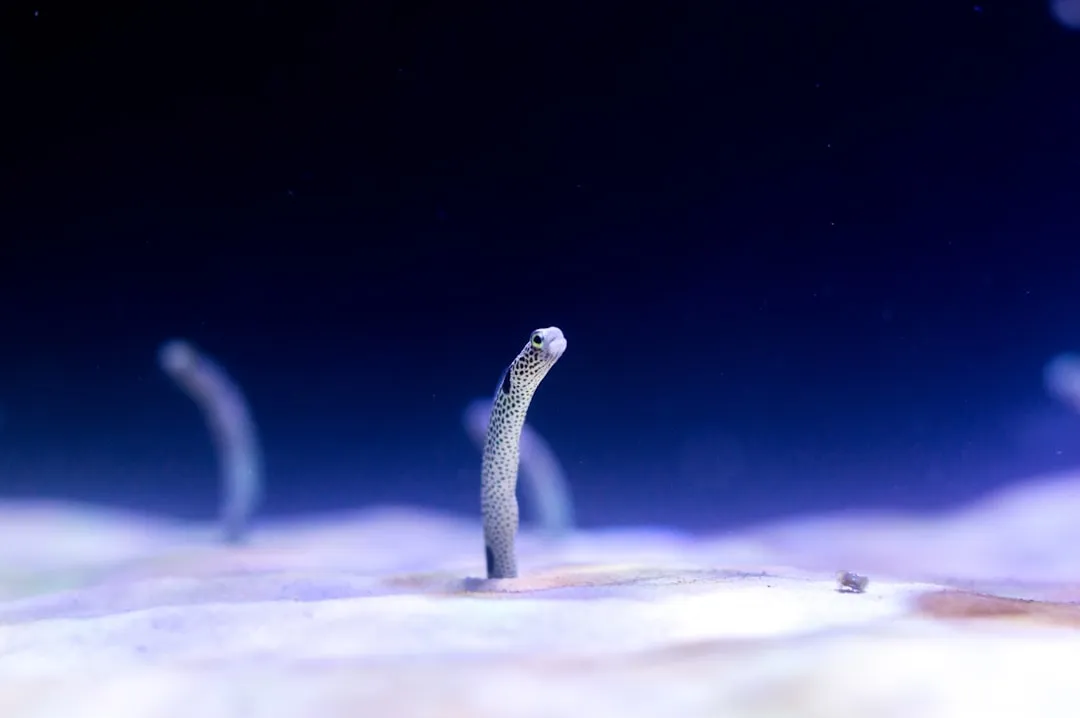
Resembling something from a fantasy realm, the Elven abyss tunicate is a gelatinous filter feeder anchored to the seafloor. Unlike its shallow-water relatives, this deep-sea tunicate has evolved a large, Venus flytrap-like oral siphon to capture larger prey.
This adaptation led to the identification of a new species, highlighting the deep sea’s influence on the evolution of feeding mechanisms.
Psednos gulliensis: The Gully Snailfish
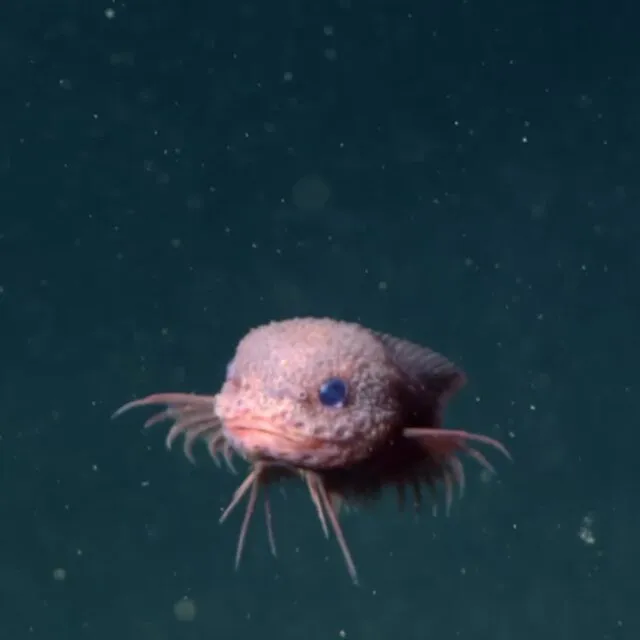
In the Gully Marine Protected Area off Nova Scotia, scientists described Psednos gulliensis, a small deep-sea snailfish measuring about 1.6 inches. Its distinctive morphological characteristics, including fin ray arrangements and body shape, differentiate it from related species.
This discovery added to the genus Psednos, showcasing the deep sea’s role in fostering unique evolutionary paths.
Peinaleopolynoe orphanae: The Hungry Scale Worm
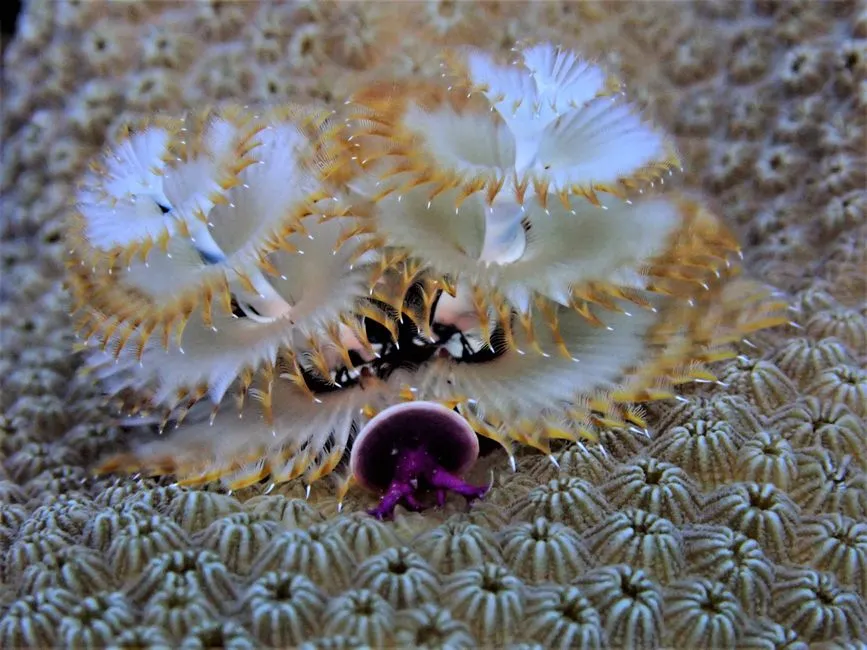
Among the “Elvis worms,” Peinaleopolynoe orphanae stands out with its shimmering scales and scavenging behavior. Discovered in 2020, this worm thrives in nutrient-rich deep-sea environments, feeding on decaying organic material.
Its unique morphology and feeding habits led to its classification within the newly established genus Peinaleopolynoe, emphasizing the deep sea’s capacity for producing specialized life forms.
Careproctus colliculi:

- 11 Things Red Foxes Do That Most Homeowners Never Notice - July 15, 2026
- What It Means When a Butterfly Lands on You and Refuses to Leave – and Why Five Distinct Cultures Arrived at the Same Interpretation Without Ever Meeting - July 15, 2026
- 8 Animals Once Listed in Ancient Sources as Mythology That Turned Out to Be Real When Specimens Were Finally Collected - July 15, 2026