

Red foxes are more than just the occasional rustle in your backyard; they’re complex creatures with behaviors that often go unnoticed. Let’s delve into some of these intriguing habits.
1. Utilizing Urban Structures as Dens
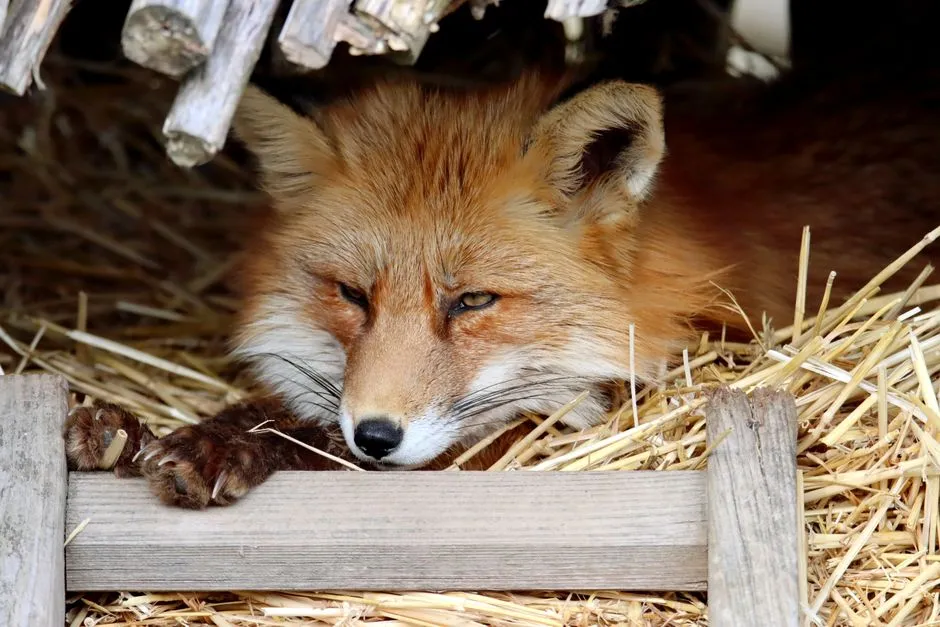
Red foxes have adapted remarkably to urban environments, often choosing to den under sheds, decks, or even in crawl spaces. These man-made structures provide shelter and proximity to food sources. Homeowners might be unaware of a fox family residing just beneath their feet. Regular inspections can help identify and humanely address these hidden tenants.
2. Storing Surplus Food
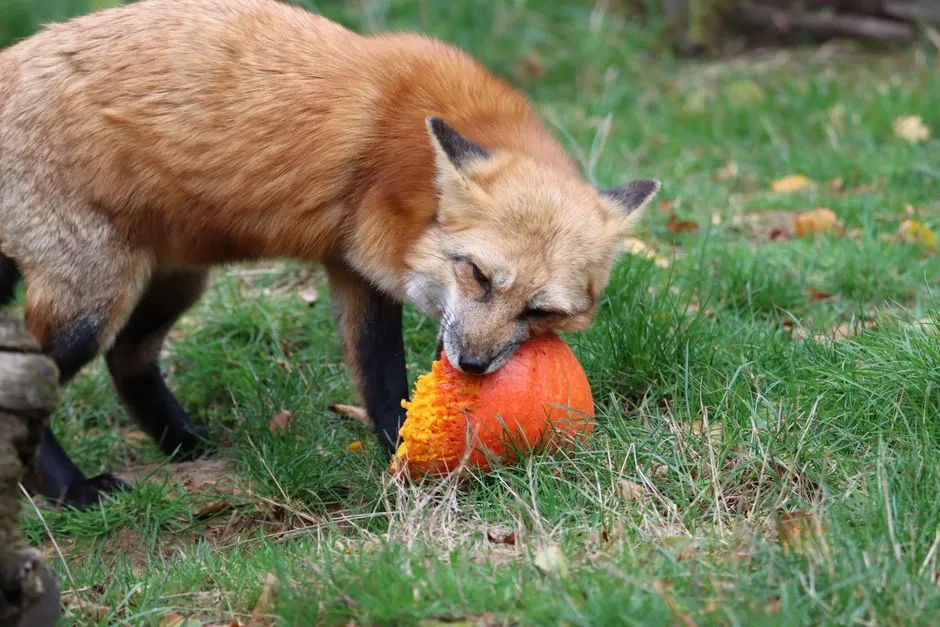
Ever found a stash of food in your garden? Foxes are known to cache excess food, burying it for later consumption. This behavior ensures they have sustenance during leaner times. These hidden food reserves can sometimes be unearthed by unsuspecting homeowners during routine gardening.
3. Nocturnal and Crepuscular Activity

While foxes are primarily nocturnal, they’re also active during dawn and dusk. This behavior allows them to hunt when their prey is most active. Homeowners might hear rustling or see fleeting shadows during these times, often attributing them to other causes.
4. Vocalizations That Mimic Human Sounds
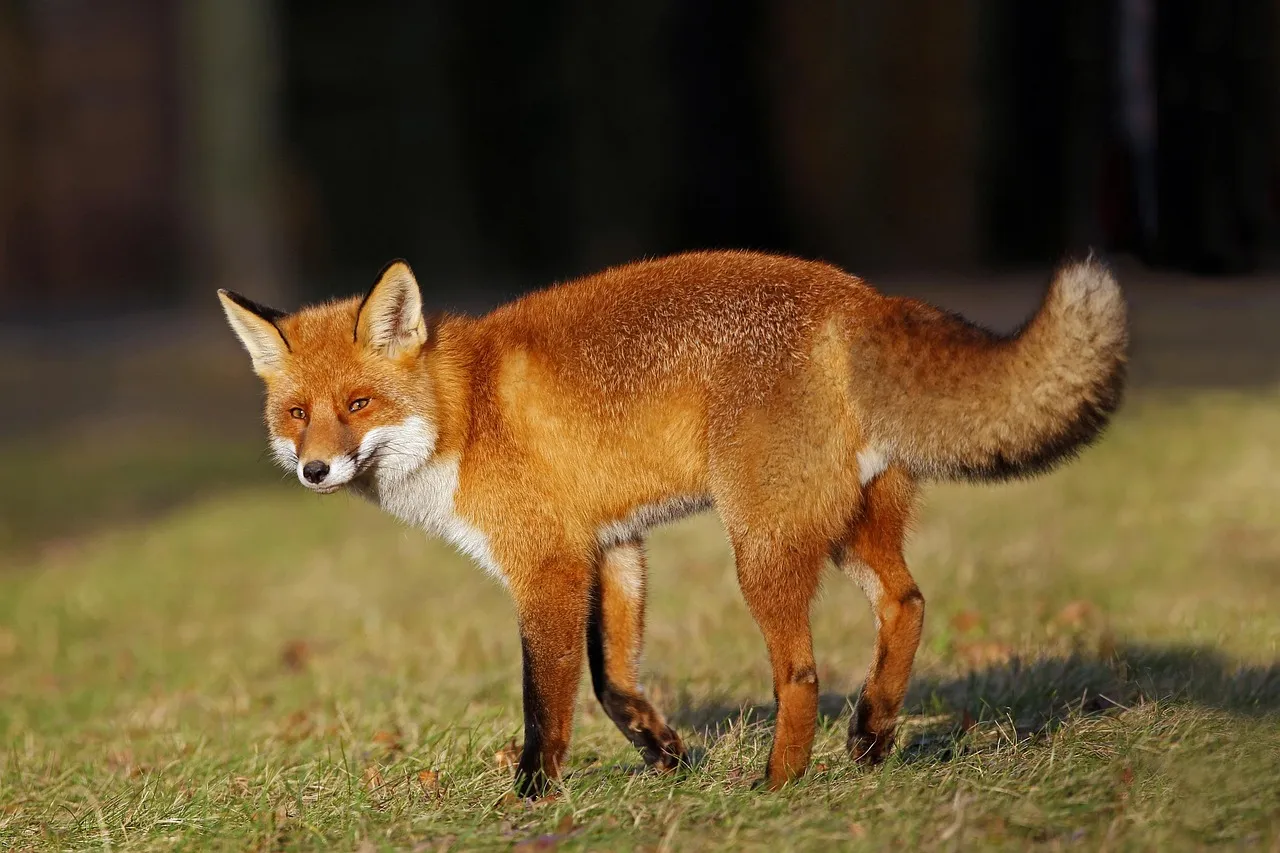
Foxes produce a range of sounds, from barks to eerie screams. These vocalizations can be mistaken for human distress calls, especially during the breeding season. Such sounds can be unsettling, but they’re a natural part of fox communication.
5. Climbing Trees

Unlike many canines, red foxes can climb trees, especially when escaping predators or searching for food. This arboreal ability often goes unnoticed, as homeowners rarely look up when considering fox activity. It’s a testament to their adaptability and survival instincts.
6. Using Multiple Dens
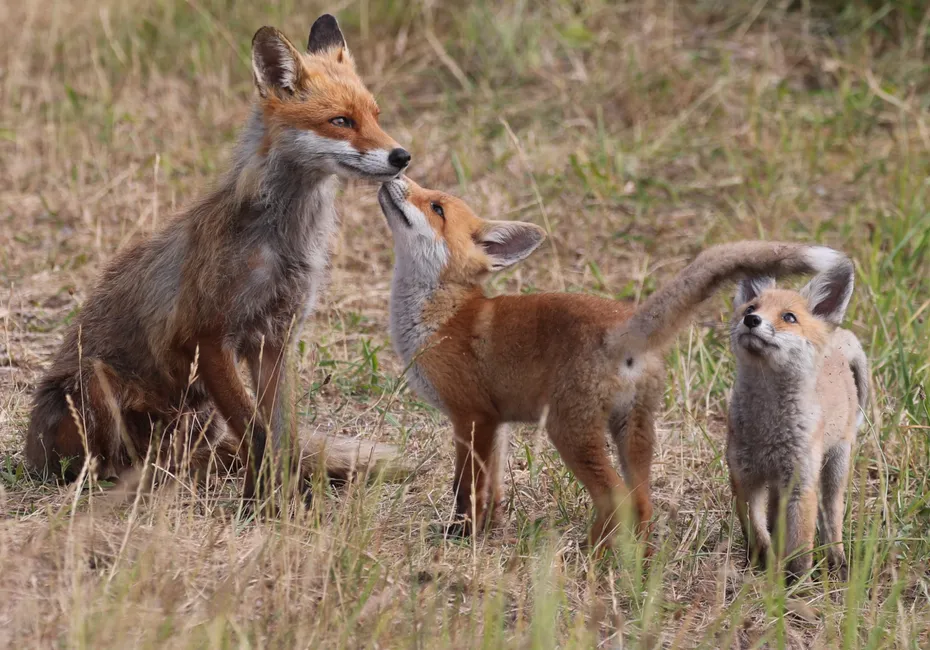
Foxes often maintain several dens within their territory, moving their young between them to avoid predators. This behavior means that even if a homeowner identifies and blocks one den, the fox family might simply relocate to another nearby. Understanding this can help in implementing effective deterrent strategies.
7. Hunting in Residential Areas
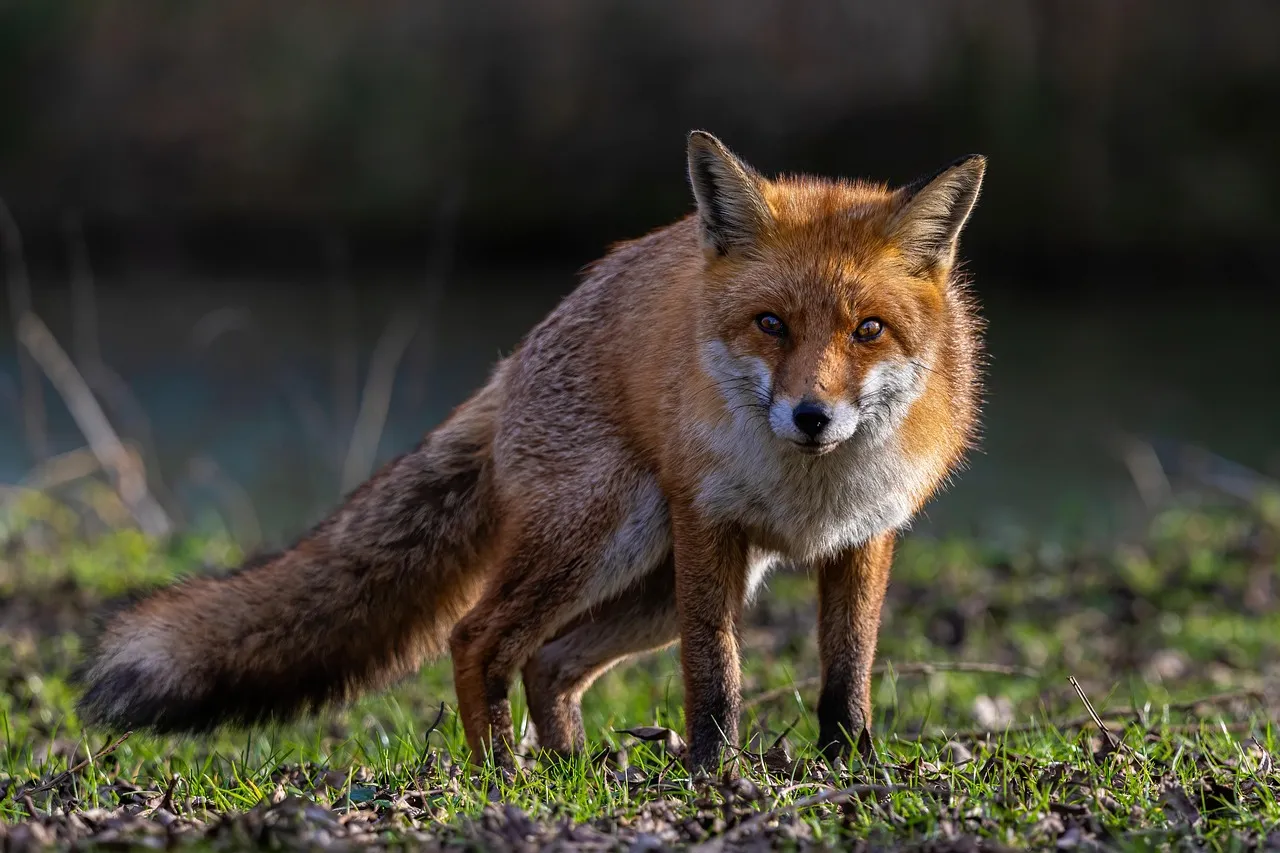
Foxes are opportunistic feeders and will hunt small mammals, birds, and even insects in residential areas. Their presence can help control rodent populations, but homeowners might not realize the role foxes play in maintaining this balance. Observing a decrease in pests could be a subtle sign of a fox’s presence.
8. Displaying Boldness During Breeding Season
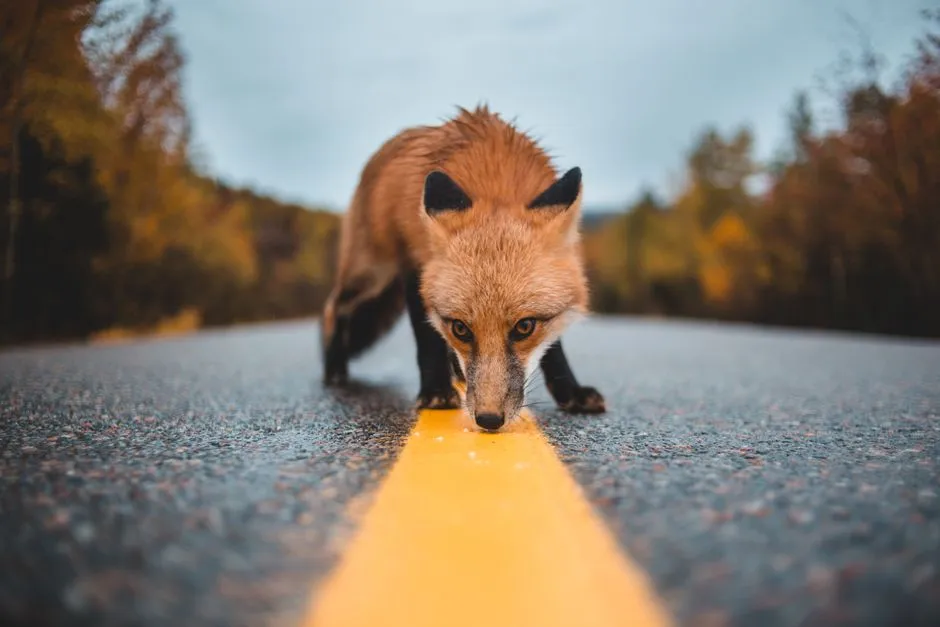
During the breeding season, foxes can become more visible and bold, often seen during daylight hours. This change in behavior is driven by the need to find mates and secure resources for their future offspring. Homeowners might mistake this for illness or aggression, but it’s a natural seasonal behavior.
9. Marking Territory with Scent

Foxes use scent marking to establish territory, often urinating on prominent objects. This behavior can go unnoticed unless the scent becomes particularly strong. Recognizing these signs can help homeowners understand the presence and movements of local foxes.
10. Playing with Objects
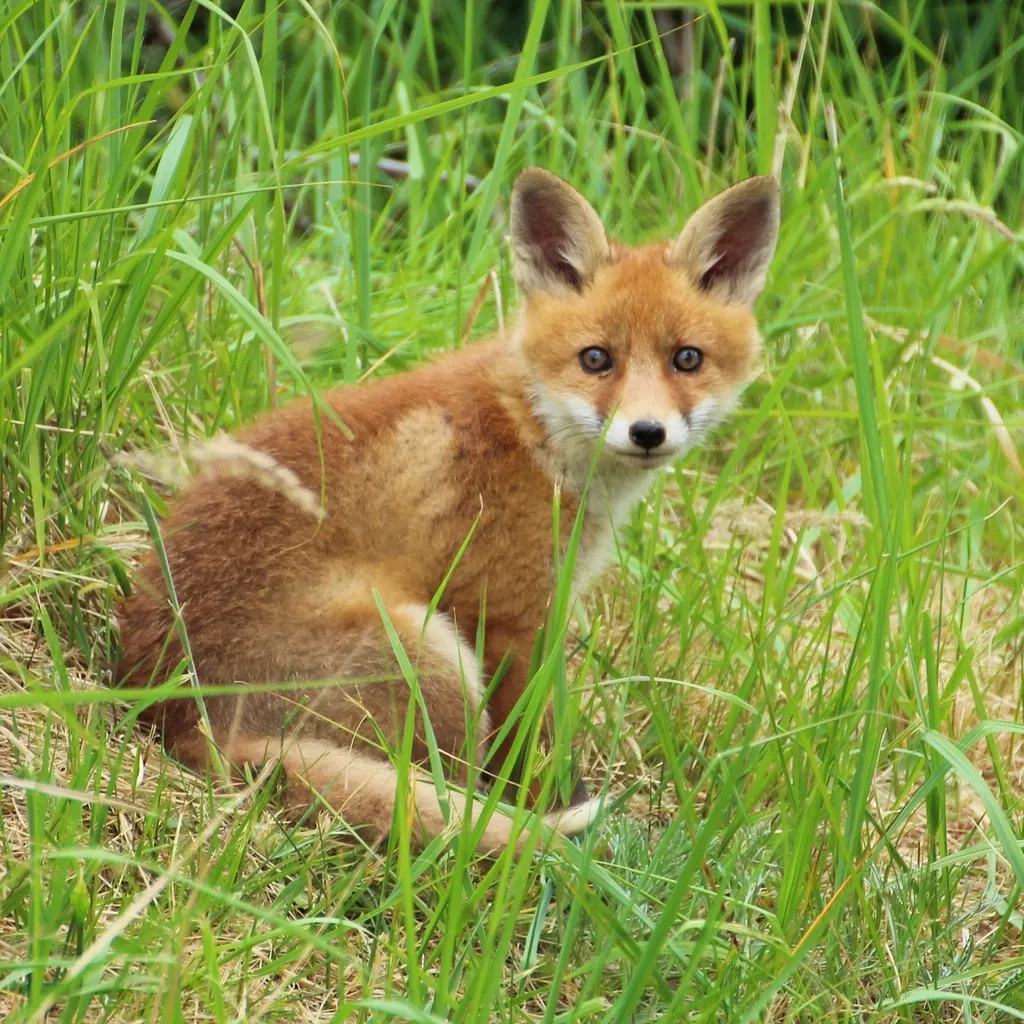
Foxes are curious creatures and will often play with objects they find, including garden tools, shoes, or toys left outside. This playful behavior can result in items being moved or damaged, leading homeowners to blame other culprits. Securing loose items can prevent such interactions.
11. Adapting Diets Seasonally
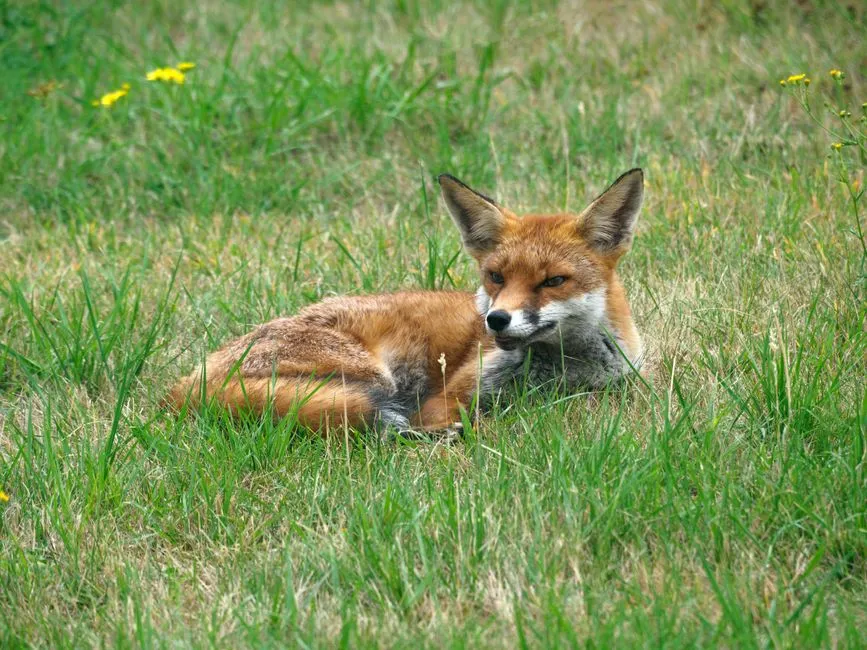
Foxes adjust their diets based on seasonal availability, consuming more fruits and insects in the summer and relying on small mammals in the winter. This adaptability ensures their survival but means their impact on local ecosystems can vary throughout the year. Homeowners might notice changes in local wildlife populations as a result.
Understanding these behaviors can foster a greater appreciation for the red foxes sharing our environments. By recognizing their habits, homeowners can coexist peacefully with these fascinating creatures.

- 11 Things Red Foxes Do That Most Homeowners Never Notice - July 15, 2026
- What It Means When a Butterfly Lands on You and Refuses to Leave – and Why Five Distinct Cultures Arrived at the Same Interpretation Without Ever Meeting - July 15, 2026
- 8 Animals Once Listed in Ancient Sources as Mythology That Turned Out to Be Real When Specimens Were Finally Collected - July 15, 2026