
Most dog owners think they’ve already cracked the code – wagging tail, happy bark, slobbery kiss, case closed. Except that’s barely half the story.
Turns out the real proof lives in the stuff most people scroll right past: a sigh, a paw pressed on your arm, a look held a beat too long. Veterinary behaviorists have been quietly cataloging these tiny “tells” for years, and once you know what to look for, you’ll never see your dog’s weird little habits the same way again.
#1 – He Follows You From Room to Room (Even to the Bathroom)
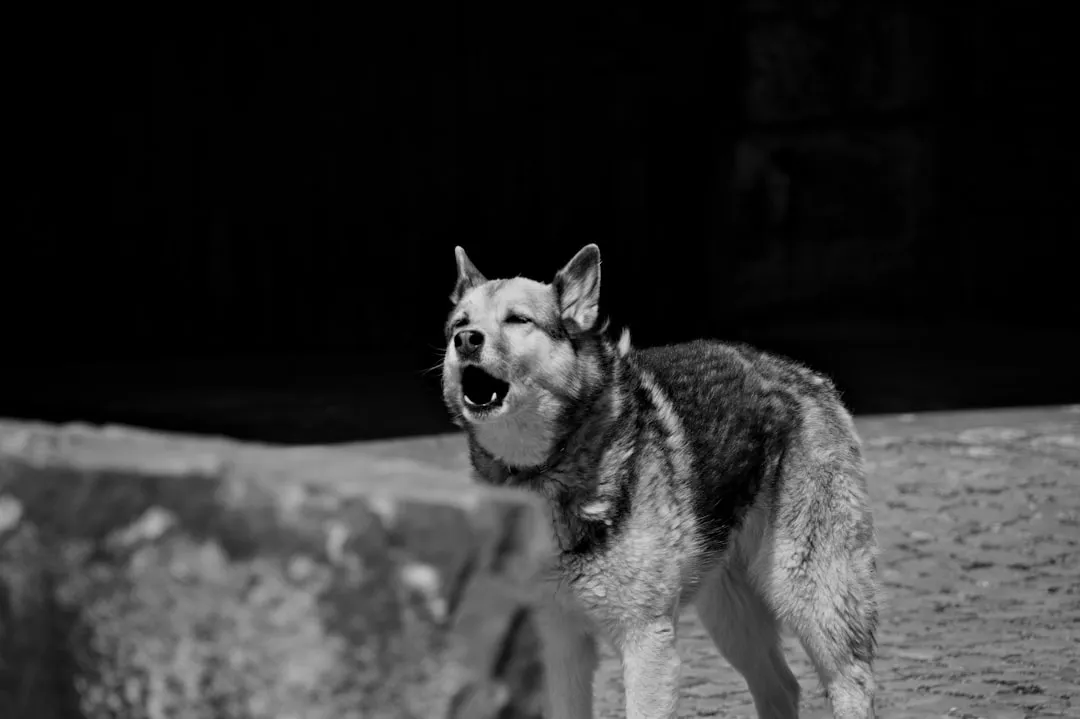
This isn’t neediness. It’s a biological compliment.
Dogs who shadow their owners constantly are exhibiting what behaviorists call “velcro dog” behavior, and while some assume it’s separation anxiety, most of the time it’s simple preference – your dog would rather watch you brush your teeth than nap alone in the living room. Wolves don’t do this with pack members they don’t trust. They reserve close-proximity monitoring for the individuals they consider essential to their safety and comfort.
Secretly, this is your dog telling you that you are the center of his emotional world. He’s not checking if you have food. He’s checking if you’re still there.
Most people don’t realize constant shadowing is actually a sign of a securely attached dog, not an anxious one – the anxious version usually comes with pacing, whining, or destruction when you’re out of sight.
#2 – He Makes Prolonged Eye Contact
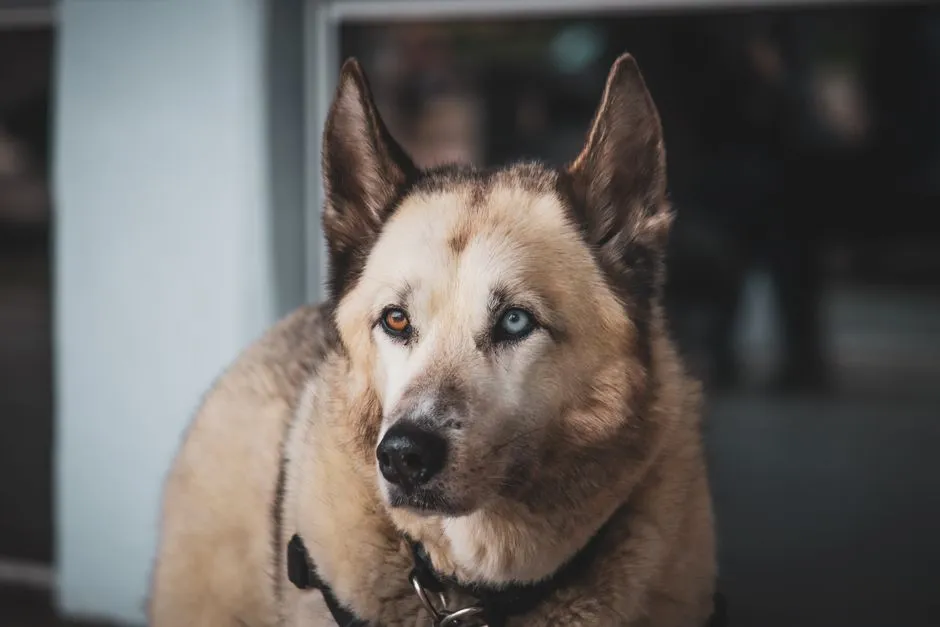
A dog staring into your eyes isn’t rude. It’s oxytocin in action.
Researchers have found that mutual gazing between dogs and their owners triggers a spike in oxytocin – the same “love hormone” released when a mother looks at her baby. This is a stunning discovery, because in the wild, direct eye contact between canines is often a threat signal. Your dog has essentially rewired an instinct just to bond with you.
That soft, lingering stare during a quiet evening on the couch isn’t your dog waiting for a treat. It’s a domesticated form of affection that doesn’t really exist between dogs and other species in nature.
Fast Facts
- The landmark “oxytocin-gaze” study on dogs and owners was published in the journal Science in 2015
- Longer mutual eye contact was linked to a bigger oxytocin boost in both dog and human
- Wolves raised by humans don’t show this same gaze-triggered bonding response
- The effect mirrors the hormonal loop seen between human parents and infants
Experts point to this eye-contact loop as one of the clearest, most scientifically-backed signs of genuine canine love – and it’s something strangers, or even other pets in the house, rarely get from him.
#3 – He Sighs When He Settles Next to You
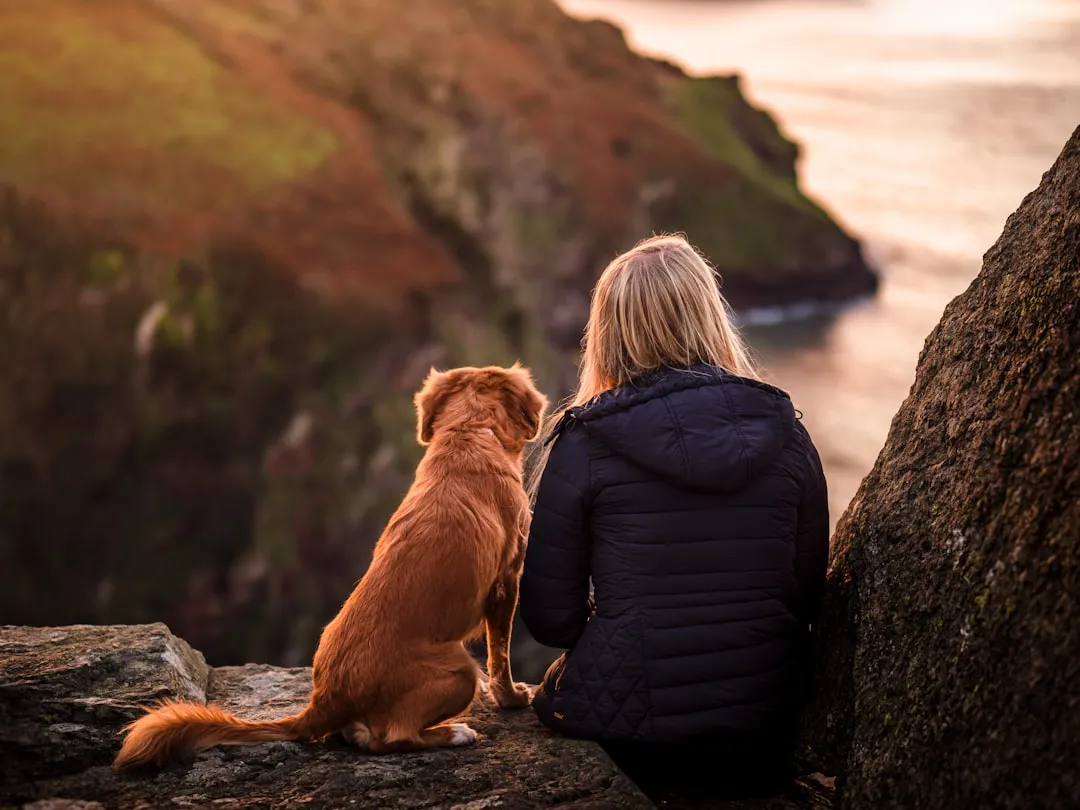
That long, heavy exhale means more than you think.
A contented sigh right after your dog flops down beside you is a physiological release of tension. Dogs sigh when their nervous system shifts from alert mode into full relaxation, and they only fully relax around beings they trust completely. This small sound is actually a signal that your presence lowers his stress hormones in real time.
Compare that to the tense, shallow breathing you’d see if he settled near a stranger or somewhere unfamiliar. The difference is subtle, but it’s real.
Most owners hear that sigh and think nothing of it. Veterinary behaviorists say it’s one of the most honest, involuntary signs of comfort a dog can give – his body simply telling the truth.
#4 – He Brings You His Toys (Even Broken Ones)
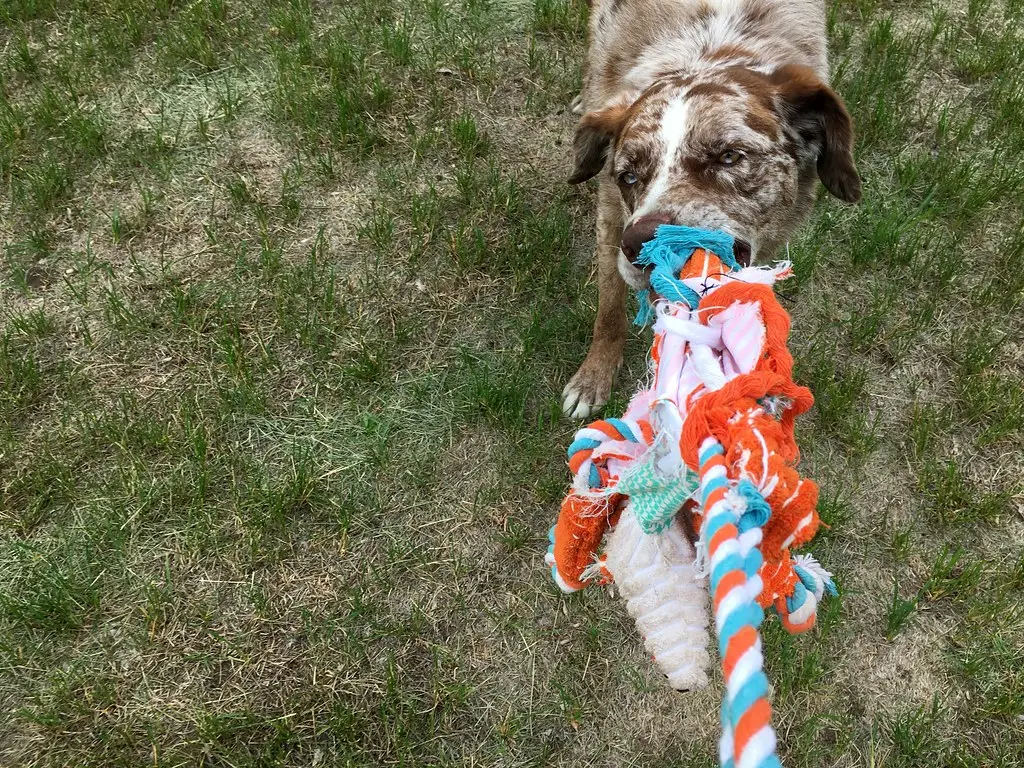
This isn’t about playing fetch. It’s an offering.
When a dog drops a toy in your lap, he’s engaging in a behavior rooted in resource-sharing, something wild canines rarely do outside of a mother feeding her pups. Bringing you his favorite possession – even a chewed-up, half-destroyed toy – is one of the highest forms of trust in the dog world.
This behavior gets misread constantly as “he wants to play,” when really it’s closer to a gift exchange. He’s not asking for something back every time.
Sometimes he just wants you to acknowledge the object he values, almost like showing you his favorite thing. It’s small, but it reveals a generosity that’s rare even among dogs who are best friends with each other.
#5 – He Leans His Full Body Weight Against You
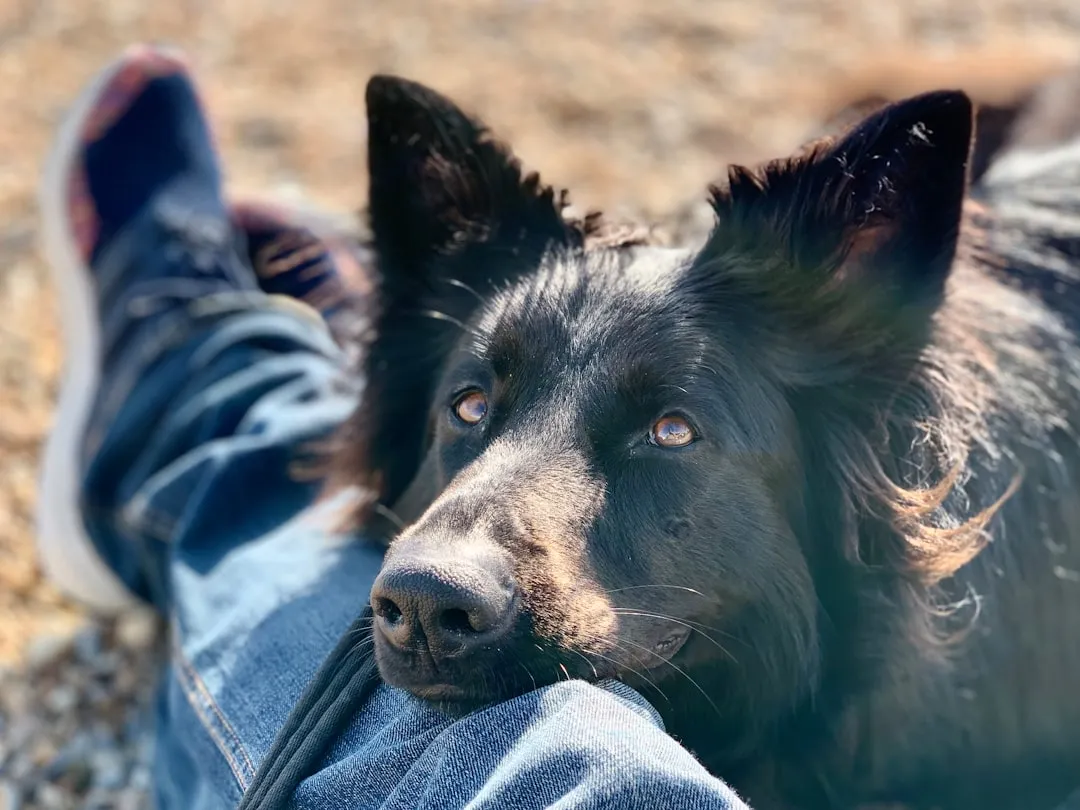
A dog leaning into your legs is claiming you as his safety zone.
This isn’t your dog being clumsy or seeking warmth. Full-body leaning is a documented affiliative behavior where dogs physically anchor themselves to a person they see as their protector. The heavier and more relaxed the lean, the deeper the trust – a stiff lean can mean anxiety, but a floppy, weighted lean means total comfort.
Interestingly, some breeds do this more than others, and size doesn’t matter – small dogs lean just as hard as giant breeds.
What’s controversial is that many trainers now rank leaning above tail wagging as an affection indicator, since wagging can also happen during arousal or fear, while leaning almost exclusively signals trust and calm attachment.
#6 – He Yawns When You Yawn
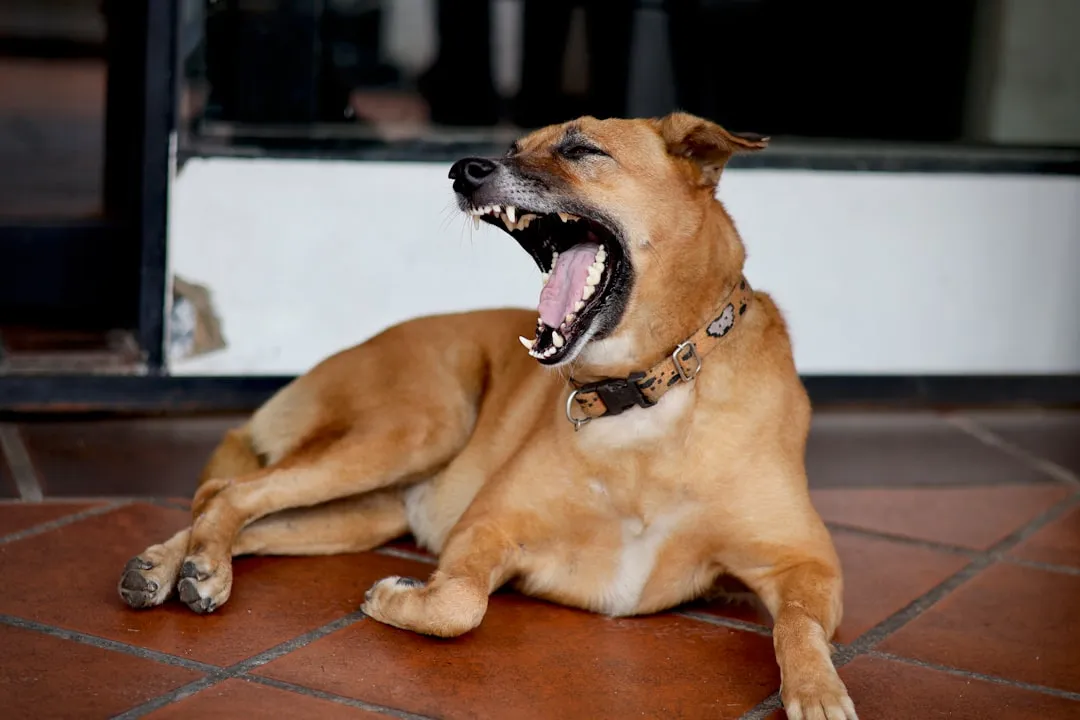
Contagious yawning between species is rarer than people think.
Studies on interspecies yawning have found that dogs are significantly more likely to “catch” a yawn from their owner than from a stranger. This mirrors a social bonding behavior seen almost exclusively among humans and their closest primate relatives – and dogs are one of the only non-primate species that do it too.
Some scientists believe this points to a form of empathy, not just mimicry. Your dog isn’t randomly yawning because he’s tired.
He’s subconsciously syncing his physical state with yours, the same way you might unconsciously mirror a close friend. It’s small and easy to miss, but it’s one of the clearest signs his brain has filed you under “family” instead of “roommate.”
#7 – He Tilts His Head When You Talk to Him
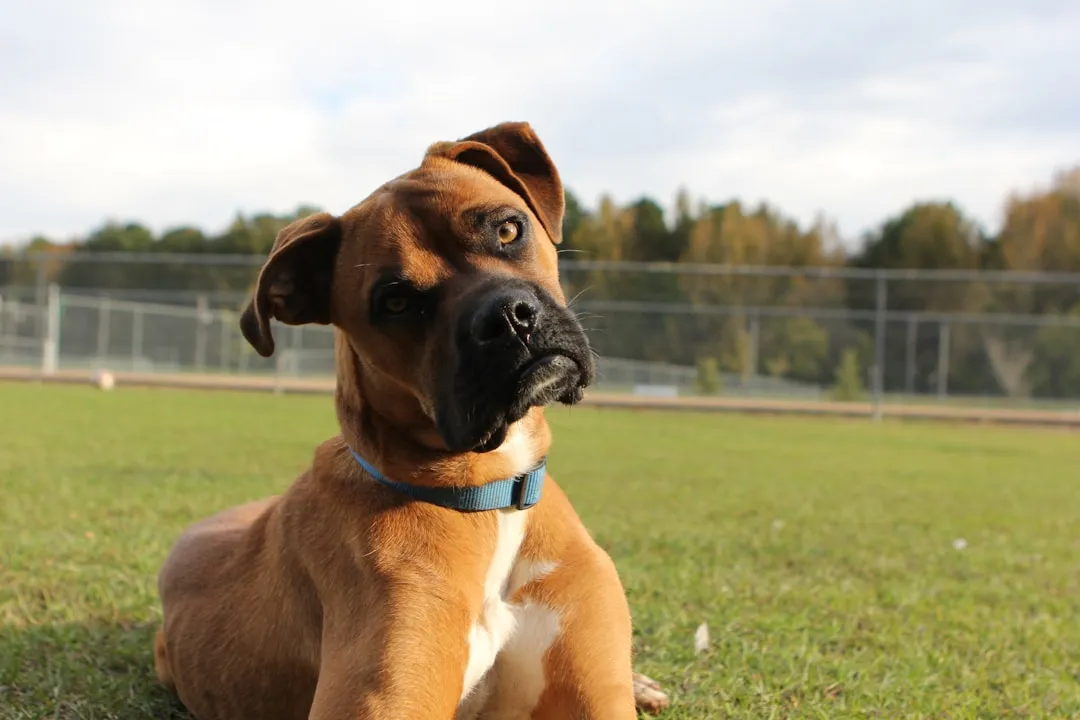
That head tilt is doing more than looking adorable for your camera.
Vets believe dogs tilt their heads to better process the emotional tone of your voice, particularly when they’re trying hard to understand you. Dogs are remarkably attuned to human speech patterns, picking up on tone shifts long before they understand actual words.
The tilt often intensifies when you use a higher-pitched, affectionate voice – the same “baby talk” tone people use with infants.
Behaviorists argue dogs who tilt frequently are showing a stronger desire to communicate, not just curiosity. It’s a small gesture that reflects an animal actively trying to bridge the language gap just to stay connected to you.
#8 – He Sleeps With His Back Against You
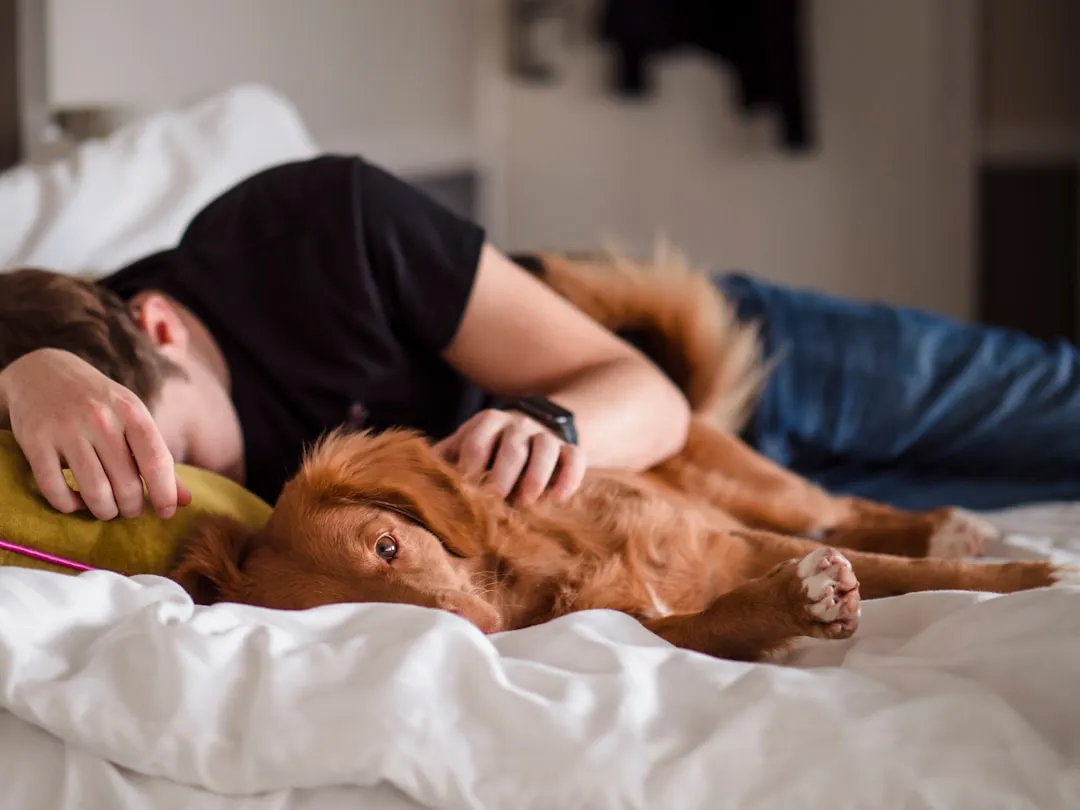
Turning his back to sleep next to you isn’t rudeness – it’s vulnerability.
In the animal kingdom, exposing your back means exposing your most defenseless position. A dog who sleeps back-to-back or fully turned away while still touching you is showing extreme trust. He’s essentially saying he feels safe enough to be unaware and unguarded in your presence.
This differs from dogs who sleep facing the door or facing you directly, which can indicate a slightly more alert, protective state.
Trainers say the “back-turned trust sleep” is one of the most underrated signs of affection because it’s easy to miss – most owners assume their dog is just shifting positions, when really it’s one of the purest displays of comfort a dog can offer.
#9 – He Groans With Pleasure When You Pet Certain Spots
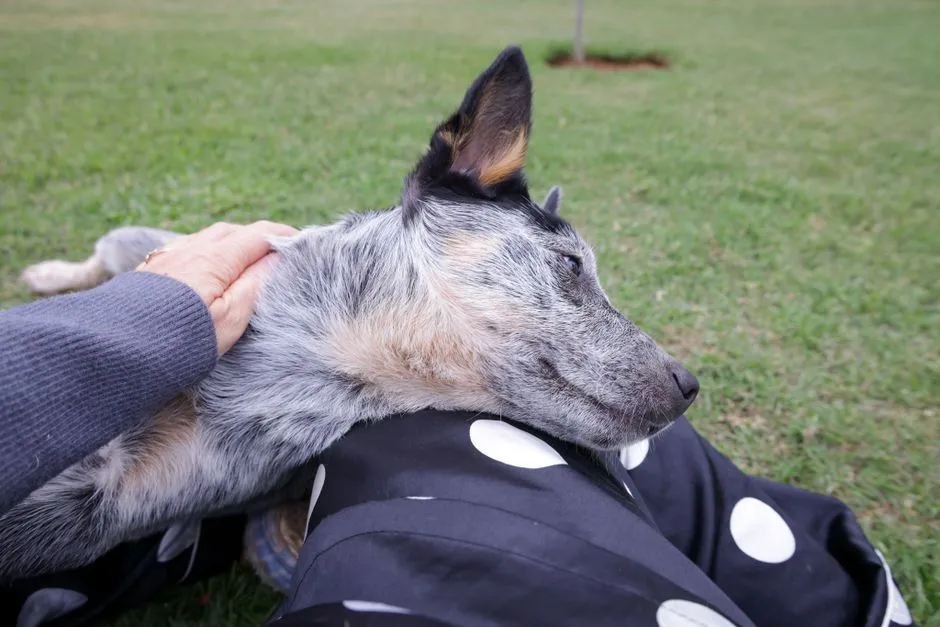
That low groan isn’t discomfort. It’s bliss.
Dogs have specific “feel-good zones” – often near the base of the tail, behind the ears, or along the chest – where touch triggers a release of endorphins. A deep, rumbling groan during petting is a dog’s version of a contented moan, and it only happens with people he’s fully relaxed around.
Some owners mistake this sound for pain and stop petting immediately, which is the opposite of what their dog wants.
Worth Knowing
- Base of the tail – packed with nerve endings and rarely reachable by the dog himself
- Behind the ears – a classic soothing spot tied to grooming instincts
- Chest and sternum – often triggers a leaning or leaning-in response
- Base of the neck – mimics the grooming pressure littermates once gave each other
Veterinary behaviorists note that dogs rarely make this sound around strangers or unfamiliar handlers, since it requires complete physical surrender. If your dog groans happily when you scratch a specific spot, you’ve unlocked one of his most private comfort signals.
#10 – He Watches You Sleep
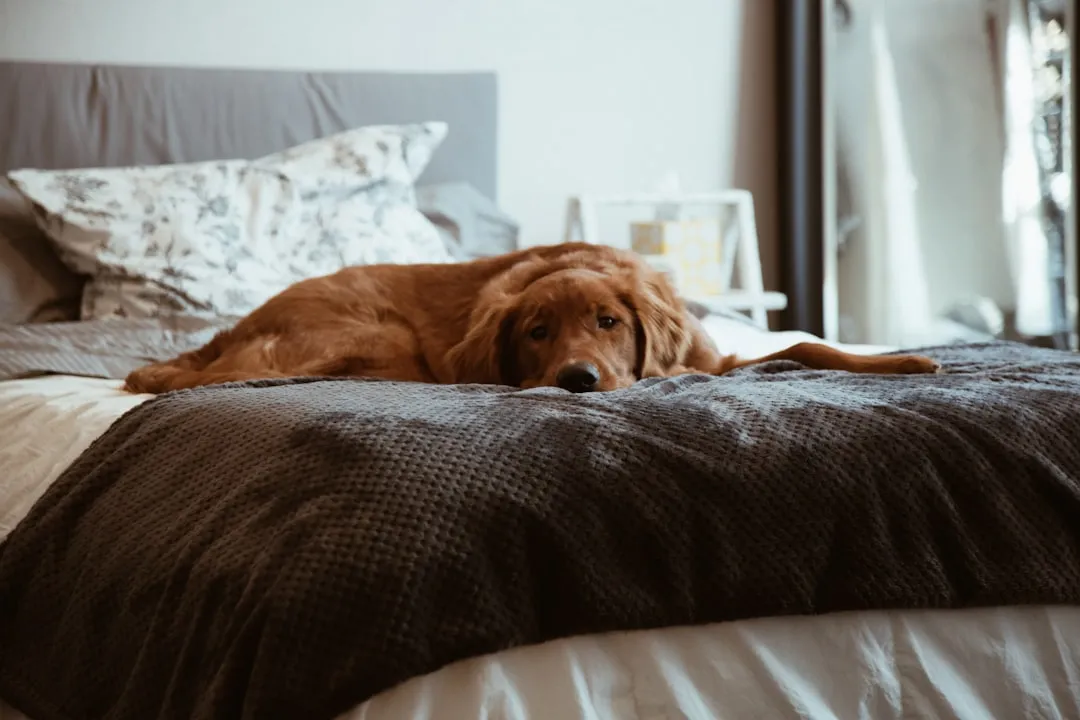
Waking up to your dog just staring at you isn’t creepy. It’s devotion.
Dogs are highly attuned to changes in breathing and movement, and many will position themselves to watch over a sleeping owner, particularly in the early morning hours when their internal clock naturally wakes them first. This behavior closely resembles the “guarding” instinct seen in working and herding breeds, except it’s aimed at protecting you specifically, not livestock or property.
Some experts call this quiet vigilance one of the most overlooked signs of canine loyalty, precisely because it happens while you’re unconscious and unaware.
Your dog isn’t just passing time. He’s actively choosing to monitor your safety instead of sleeping longer himself, which, frankly, is a bigger sacrifice than most owners give him credit for.
#11 – He Gets Excited Over Small, Everyday Things You Do
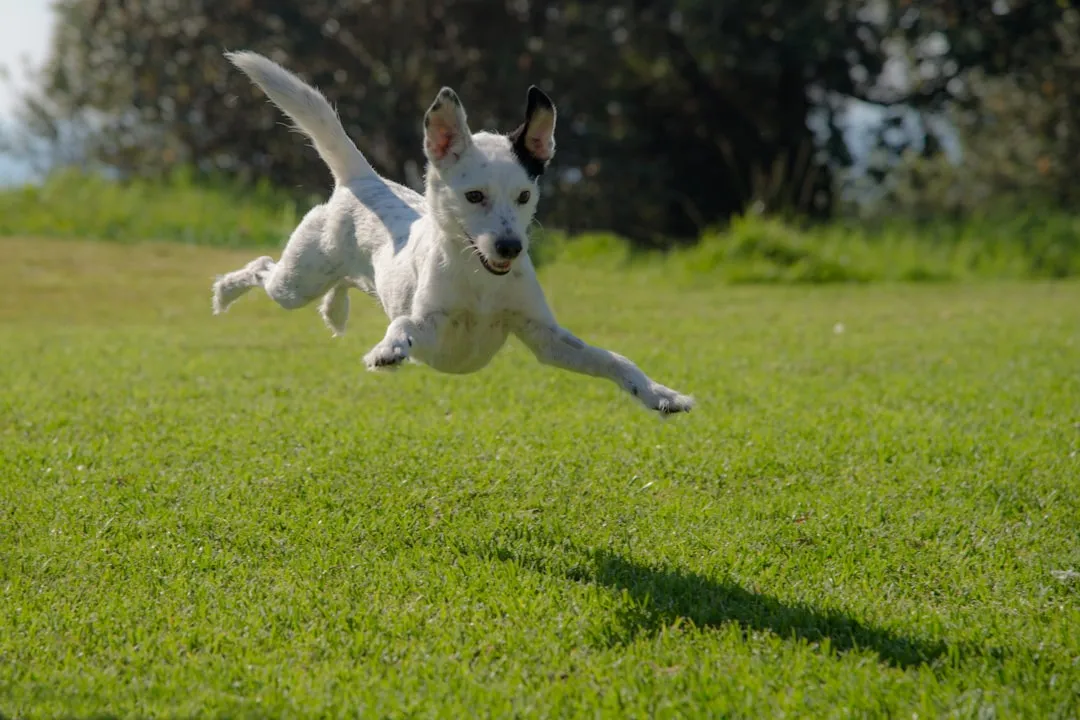
A dog who lights up when you simply stand up from the couch is showing you something big.
This isn’t about food or walks. Dogs who show enthusiasm for mundane human actions – grabbing your keys, putting on shoes, even just stretching – are demonstrating that your movements themselves are exciting to them. He’s not anticipating a reward. He’s anticipating more time with you, which behaviorists say is a distinctly different motivation.
Compare this to a dog who only perks up during feeding time or leash-grabbing – that’s transactional excitement.
The dog who gets thrilled over you simply walking into the kitchen is displaying pure relational excitement, a distinction most people never learn to spot.
#12 – He Presses His Paw on You
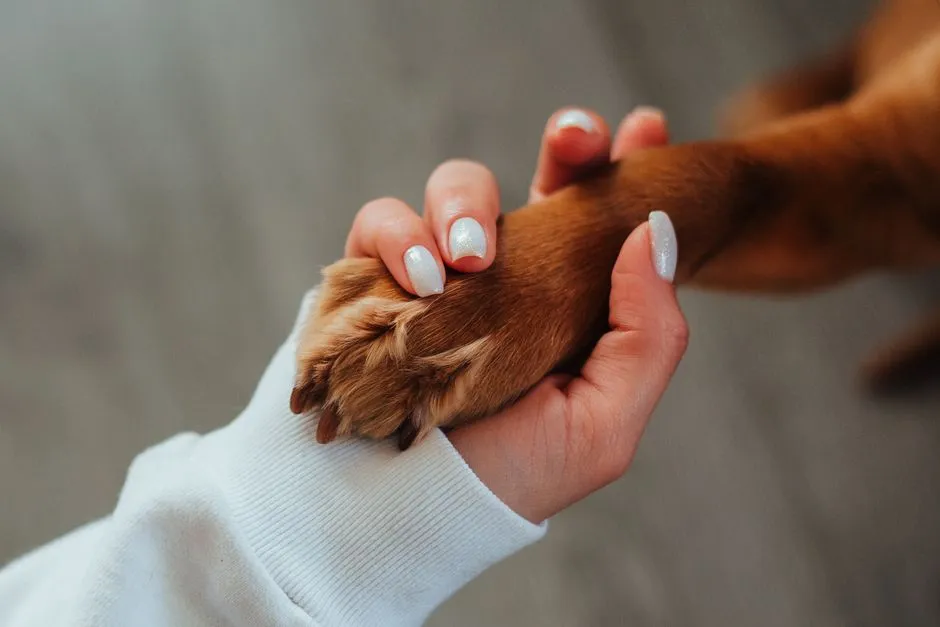
A paw resting on your arm, leg, or hand is a deliberate, learned gesture.
Unlike some instinctive behaviors, paw-pressing is often something dogs develop specifically with their favorite humans, almost like a physical checkpoint to confirm you’re still paying attention to him. This behavior is rarely random – it typically escalates when a dog senses your attention drifting elsewhere, like toward your phone or a conversation with someone else.
Some trainers call this “the reconnect paw,” since dogs seem to use it as a subtle way of pulling your focus back without demanding it loudly.
It’s a small, quiet act, but it shows emotional awareness that goes beyond instinct – your dog is actively managing the relationship, not just reacting to it.
#13 – He Mirrors Your Emotional State
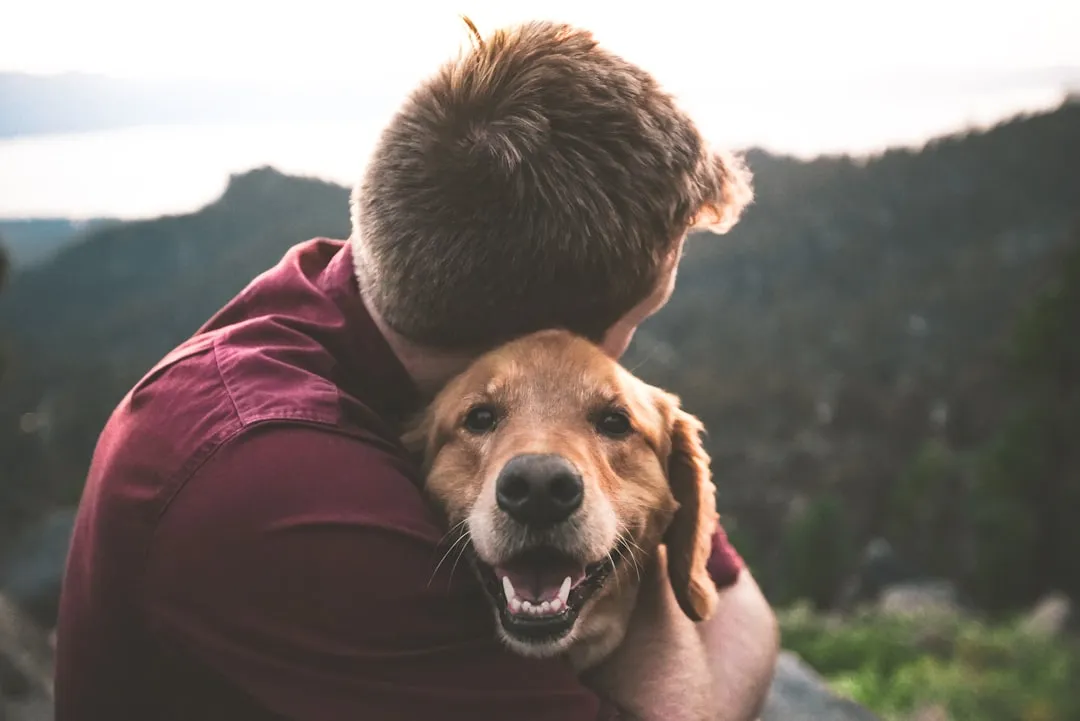
If you’re upset, does your dog get quiet and clingy? That’s not coincidence.
Dogs are exceptionally skilled at reading human emotional cues through voice tone, posture, and even scent changes linked to stress hormones. Multiple studies have shown dogs experience a form of emotional contagion, meaning they can absorb and reflect your mood rather than simply reacting to your actions.
This is why so many dogs seem to “know” when you’re sad before you’ve said a word.
This emotional mirroring is one of the strongest indicators of a deep bond, since it requires the dog to prioritize your internal state over his own immediate interests, like play or food. He’s not ignoring his instincts. He’s overriding them for you.
#14 – He Chooses to Nap Near You Over a Comfortable Bed
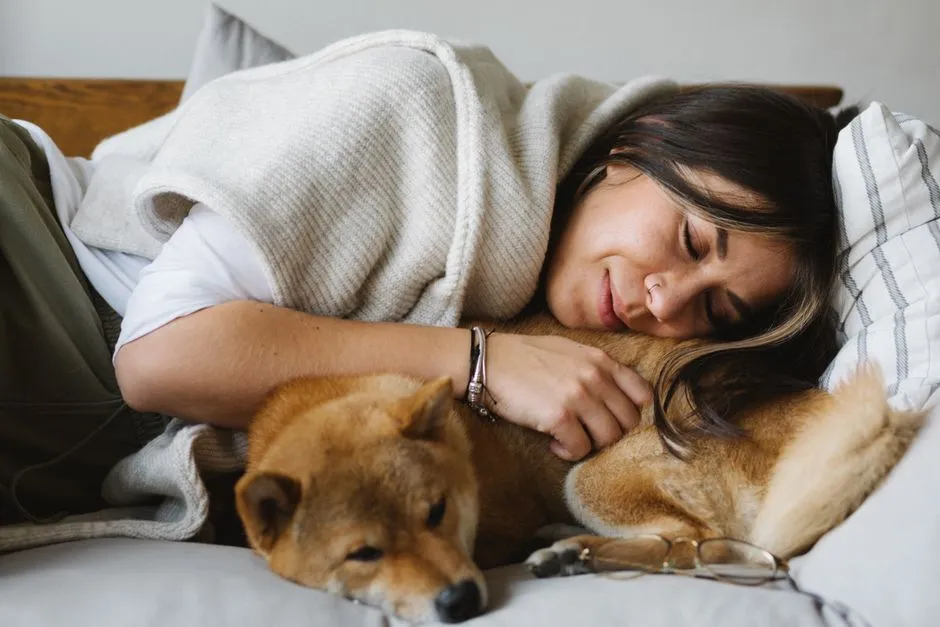
Ignoring an expensive dog bed to nap on your feet isn’t about comfort. It’s about proximity.
Dogs are highly motivated by scent, and sleeping close to you means surrounding themselves with your smell, which behaviorists say has a calming, almost sedative effect on anxious or bonded dogs. This preference often overrides physical comfort entirely – dogs will choose a hard floor next to you over a plush bed across the room.
Some owners spend hundreds of dollars on orthopedic beds only to find their dog dragging himself back to the exact spot where they sit or sleep.
Dogs are not our whole life, but they make our lives whole.
Roger Caras
No amount of memory foam competes with the simple comfort of your scent and presence – one of the clearest financial ironies in dog ownership.
#15 – He “Talks” to You With Specific Sounds
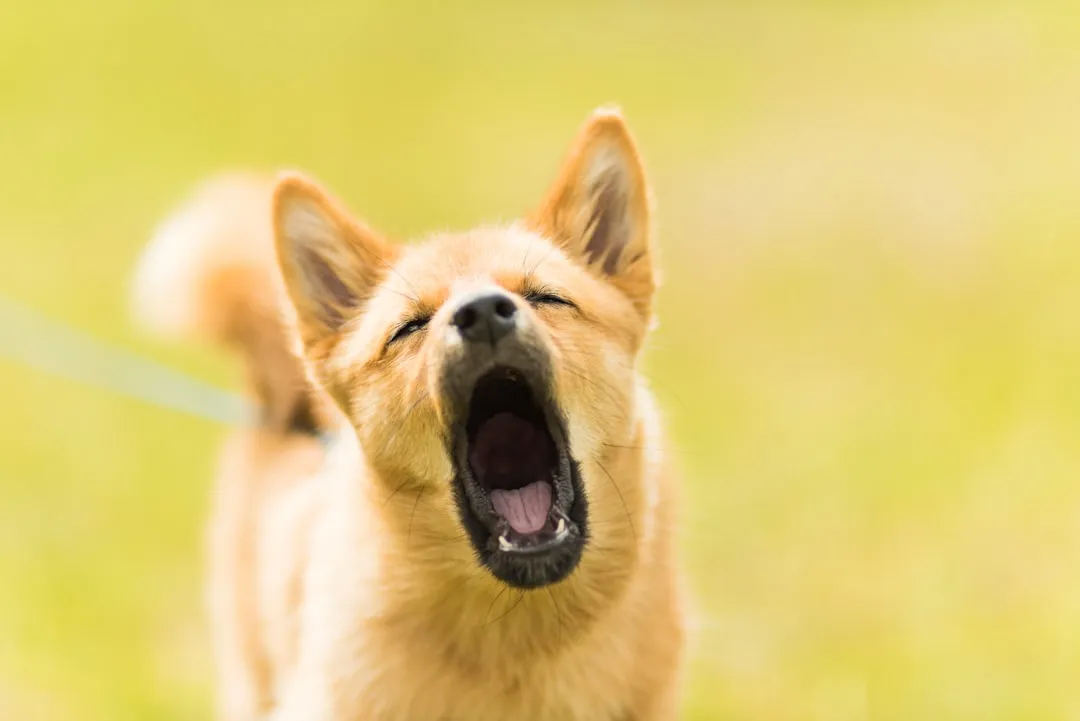
Not all barks are the same, and your dog knows it.
Dogs develop distinct vocal patterns specifically for their favorite humans, different from the sounds they use with strangers, other animals, or general excitement. Bonded dogs often develop a “conversation” pattern, using soft grumbles, specific whines, or rhythmic barks that function almost like a personalized dialect.
Some trainers believe dogs intentionally vary their vocal tone based on how their owner responds, essentially training themselves to communicate more effectively with the one person they care most about pleasing.
This is a stark contrast to random barking at delivery drivers or other dogs, which tends to be far less nuanced and far more instinctual.
#16 – He Protects You Without Being Asked
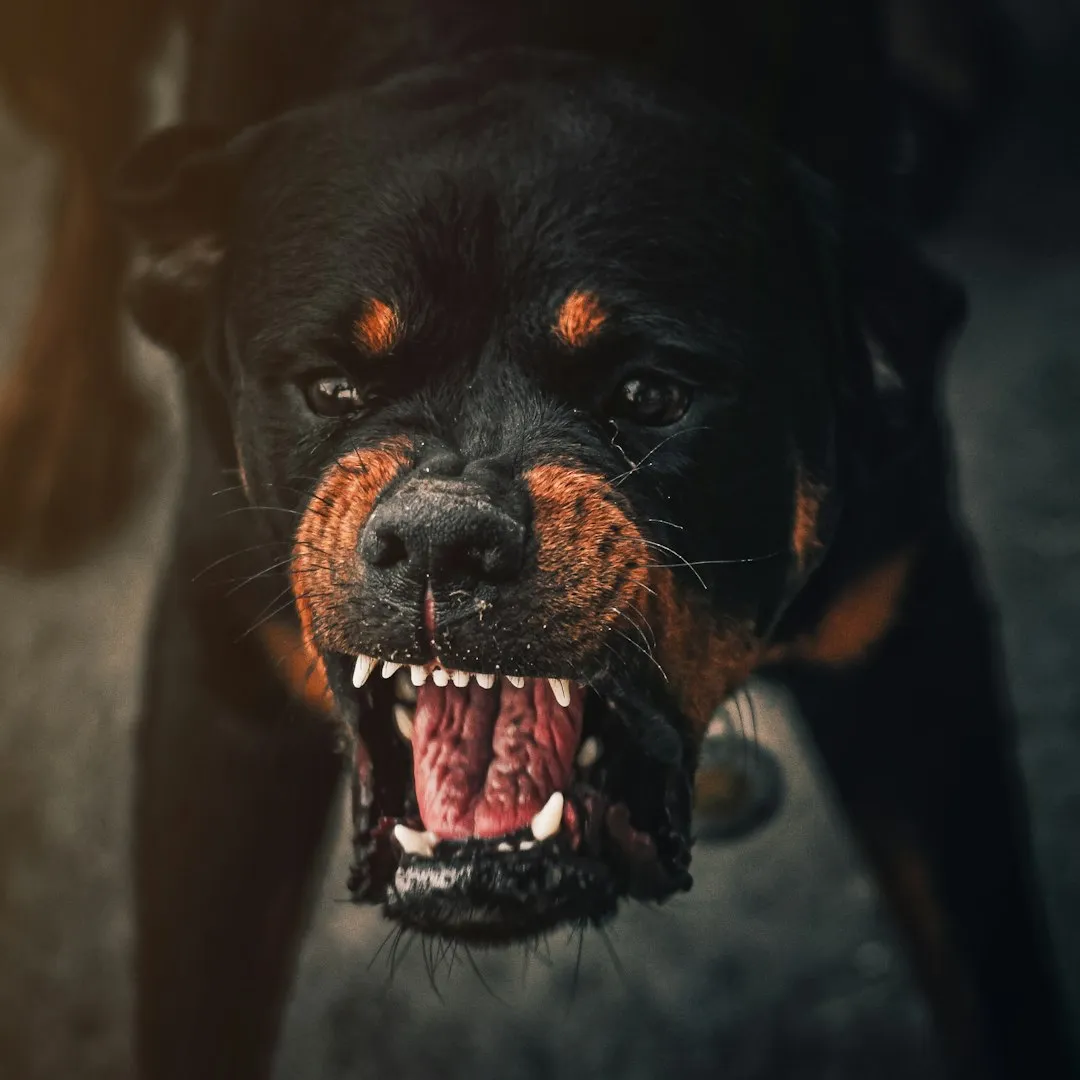
A dog who positions himself between you and a perceived threat isn’t just being territorial.
This behavior, often called “guarding,” is rooted in ancient pack loyalty, but modern behaviorists say the target of that guarding reveals a lot. Dogs who selectively protect one household member over others are showing a hierarchy of attachment, not blanket protectiveness.
This is one of the most misunderstood signs of affection, because people assume protective behavior is aggression-based rather than love-based.
In reality, a dog who steps in front of you during a tense moment – with a stranger, another animal, or even a loud noise – is making a calculated choice to prioritize your safety over his own comfort.
#17 – He Gets Jealous When You Show Affection to Others
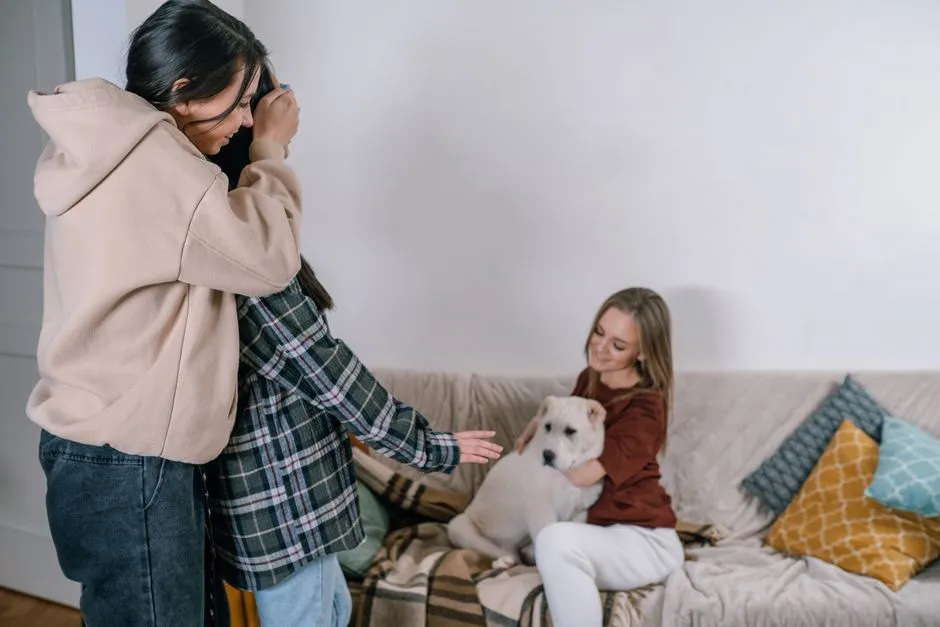
That huffy, pushy behavior when you pet another dog? It’s not just attention-seeking.
Canine jealousy has been documented in controlled studies, where dogs displayed clear signs of distress – nudging, whining, or physically inserting themselves – when their owner showed affection to another dog or even a stuffed animal. This response mirrors social jealousy seen in young children, suggesting dogs may have a more sophisticated emotional range than previously believed.
It’s a controversial take, but some behaviorists argue this jealousy isn’t a flaw to train out completely – it’s proof of exclusivity in the bond.
Your dog isn’t just possessive over resources. He’s possessive over your attention specifically, which is a very different, much more personal form of attachment.
#18 – He Licks You Gently, Not Frantically
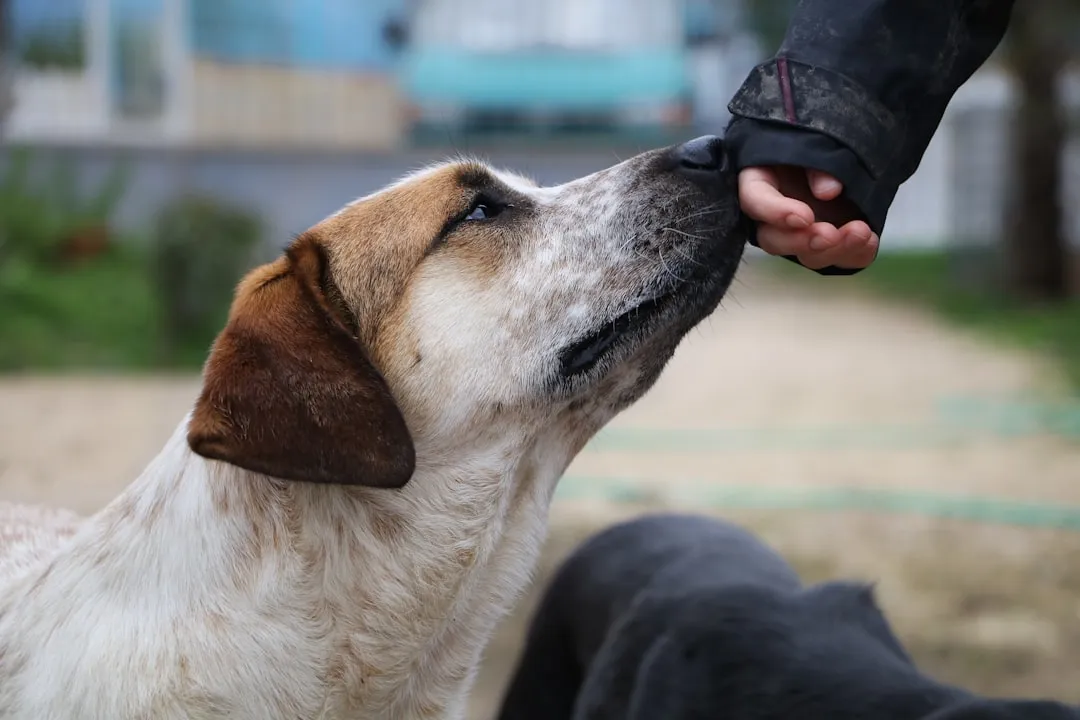
There’s a difference between anxious licking and affectionate licking, and most owners miss it.
Frantic, repetitive licking can sometimes signal stress or compulsive behavior, but slow, gentle licking – especially on the hands or face – closely resembles grooming behavior seen between bonded dogs or a mother and her puppies. This type of licking is a social bonding behavior, not a hygiene one, and it’s typically reserved for individuals the dog feels emotionally close to.
Dogs who groom their owners this way are essentially treating you as part of their inner circle, similar to how they’d groom a trusted packmate.
It’s slower, calmer, and far less insistent than attention-seeking licks, which tend to be quick and repetitive.
#19 – He Relaxes His Ears and Tail Around You
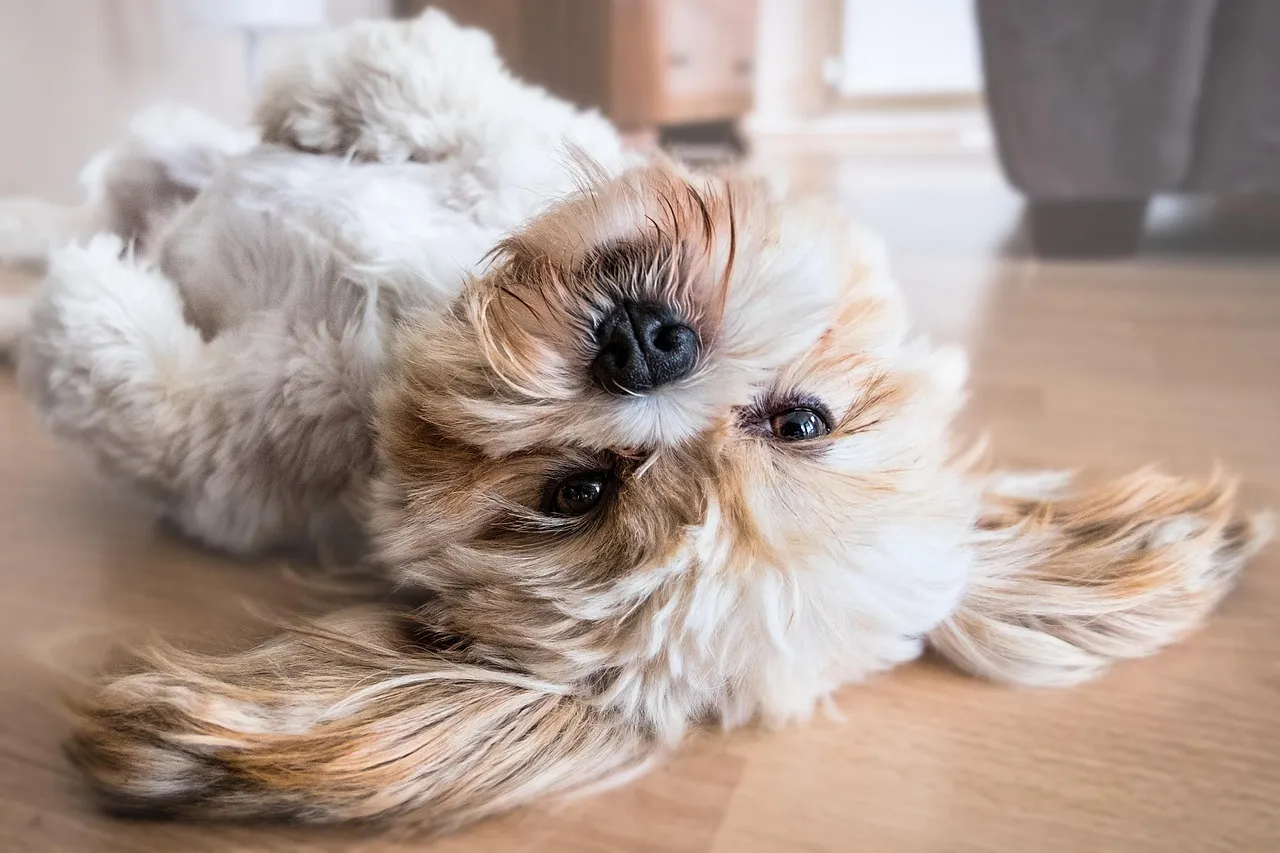
Body tension tells you more than facial expressions ever could.
A dog’s ears and tail are two of the most reliable indicators of emotional state, and around trusted humans, both tend to soften into a neutral, relaxed position rather than pinned back or held stiffly upright. This relaxed posture is involuntary, meaning your dog can’t fake it – it’s a direct physical readout of how safe he feels.
Quick Compare
- Relaxed dog: ears neutral or soft, tail loose and swaying, weight evenly balanced
- Tense dog: ears pinned back or rigid forward, tail tucked or held unnaturally high, weight shifted backward
- Relaxed dog: soft, blinking eyes and a loose jaw
- Tense dog: hard stare, tight mouth, stiff overall posture
Owners should pay more attention to this subtle body language than to more obvious signals like tail wagging, since wagging can occur during excitement, anxiety, or arousal, while true relaxation is much harder to fake.
#20 – He Waits by the Door or Window for You
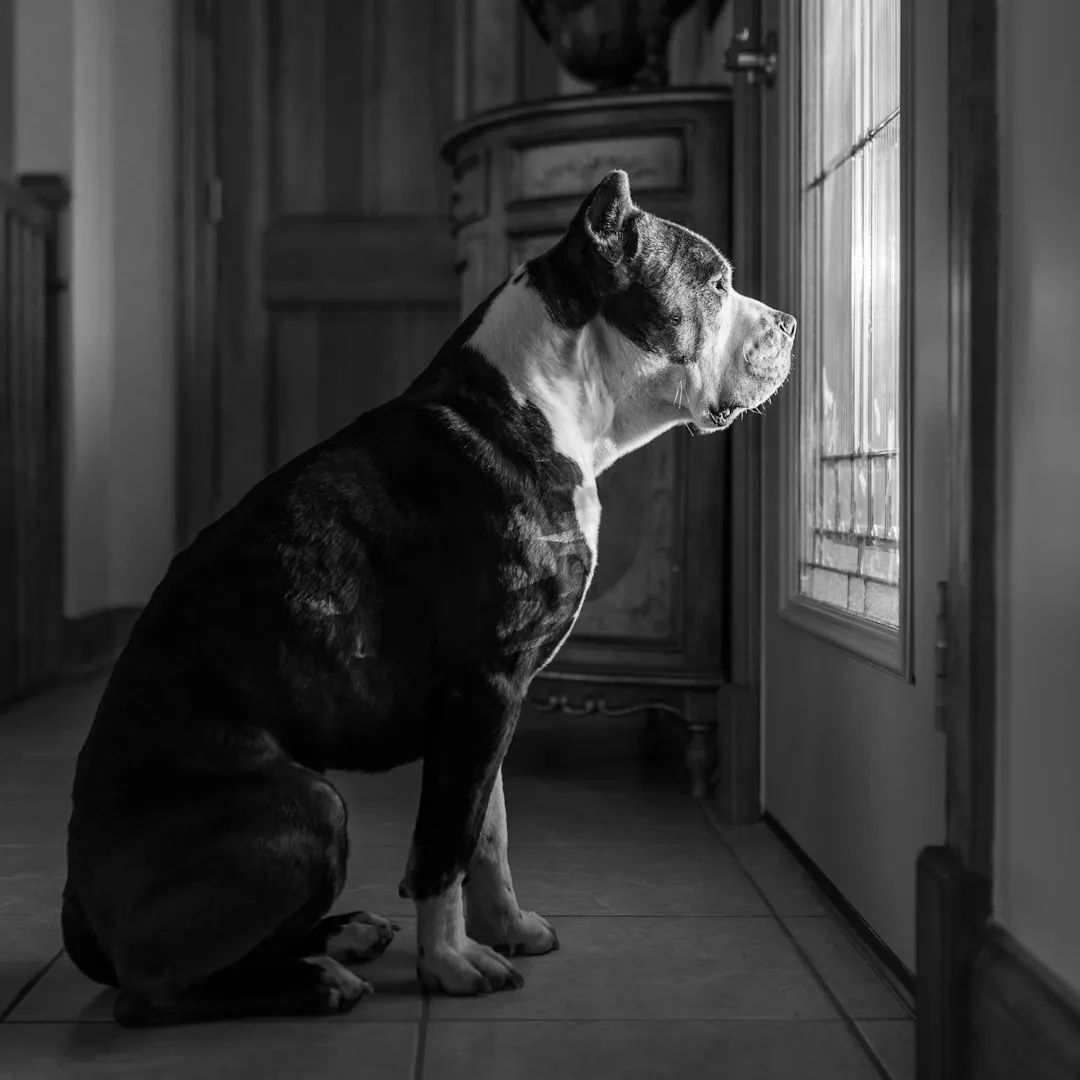
That daily vigil isn’t just boredom. It’s anticipation rooted in memory.
Dogs have a remarkably accurate internal sense of time, and many studies suggest they can distinguish between short and long absences based on scent decay and routine patterns. A dog who consistently waits at the same time you’re due home is engaging in complex anticipatory behavior, not random pacing.
This waiting ritual is one of the most emotionally charged signs of attachment, because it reflects consistent, repeated anticipation rather than a single isolated moment of excitement.
He’s not just happy when you walk in. He’s been mentally preparing for your return the entire time you were gone.
#21 – He Copies Your Routine
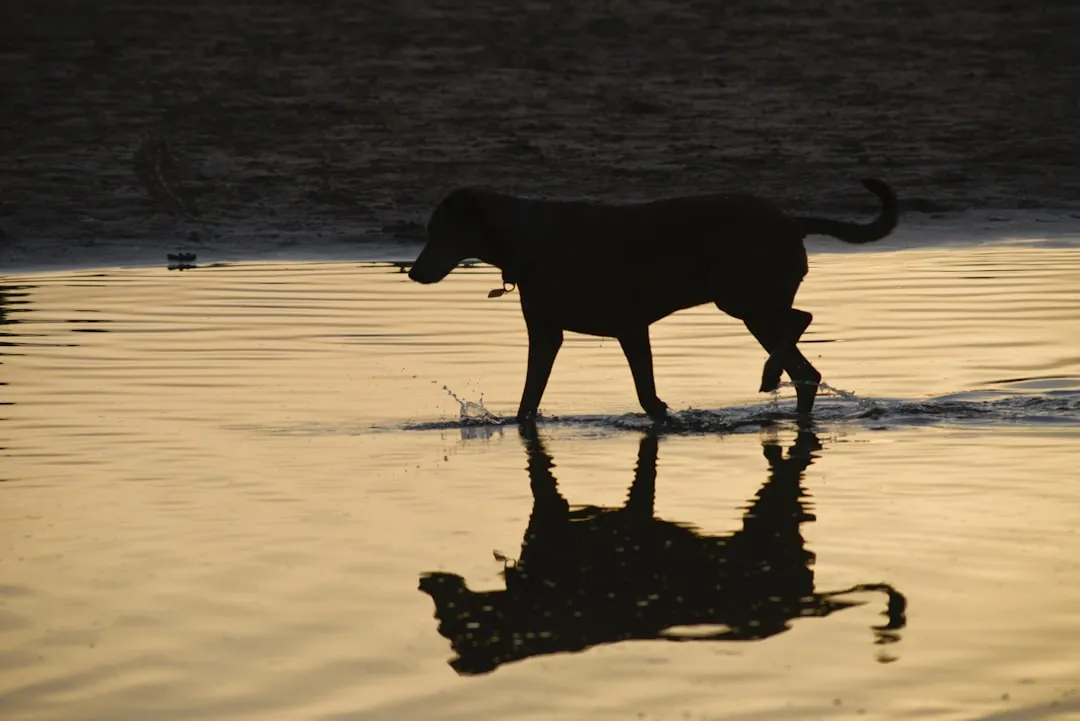
If your dog naps when you work and gets active when you relax, that’s not coincidence.
Dogs are highly adaptive to their owner’s schedule, often syncing their energy levels and rest cycles to match the humans they’re most bonded to. This behavioral mirroring goes beyond simple routine – it reflects an animal actively organizing his day around your presence rather than his own natural instincts.
Dogs left with multiple caretakers often show different activity patterns depending on which person they favor most, essentially proving they adjust their behavior specifically for their preferred human.
It’s a subtle but telling sign that your schedule has become his schedule, not the other way around.
#22 – He Gives You Slow Blinks
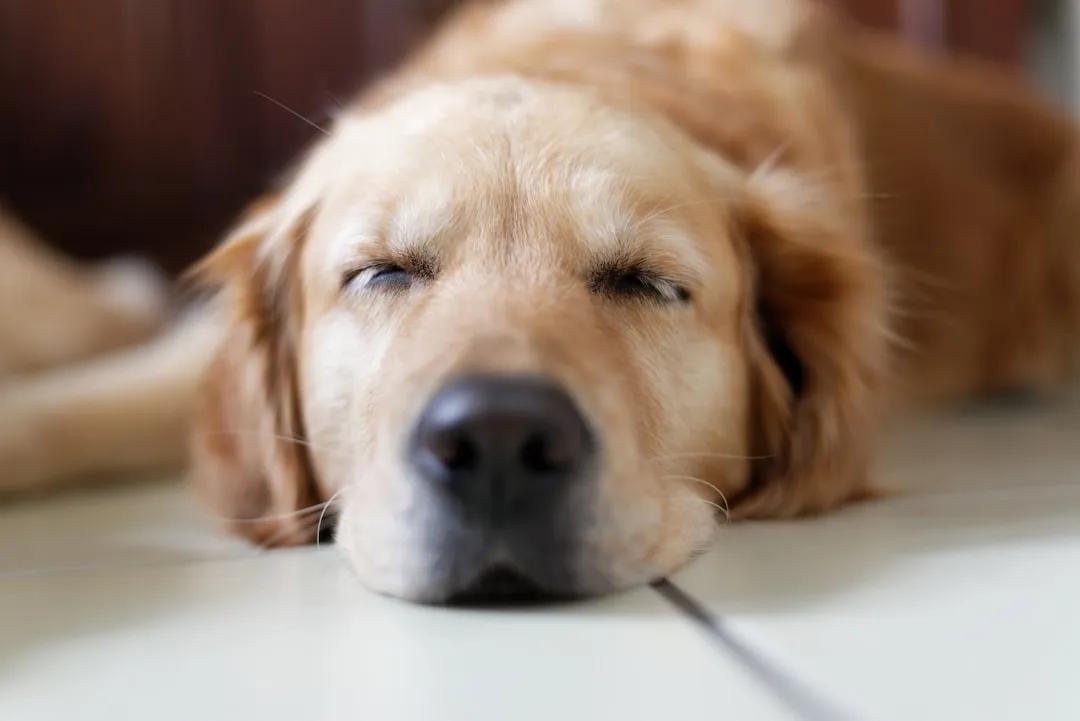
A slow, relaxed blink from your dog is often called a “dog kiss,” and for good reason.
This behavior, similar to slow blinking in cats, signals extreme comfort and trust. Dogs rarely offer slow, soft-eyed blinks to people or animals they don’t feel completely safe around, making it one of the quieter, more intimate signs of affection.
Some trainers even recommend practicing slow blinks back at your dog as a way to reinforce the bond, since dogs often respond to calm, deliberate eye behavior with more relaxed body language themselves.
It’s an easy sign to miss because it happens in a split second, but once you notice it, you’ll start seeing it everywhere your dog feels most at ease.
#23 – He Nudges You for No Reason
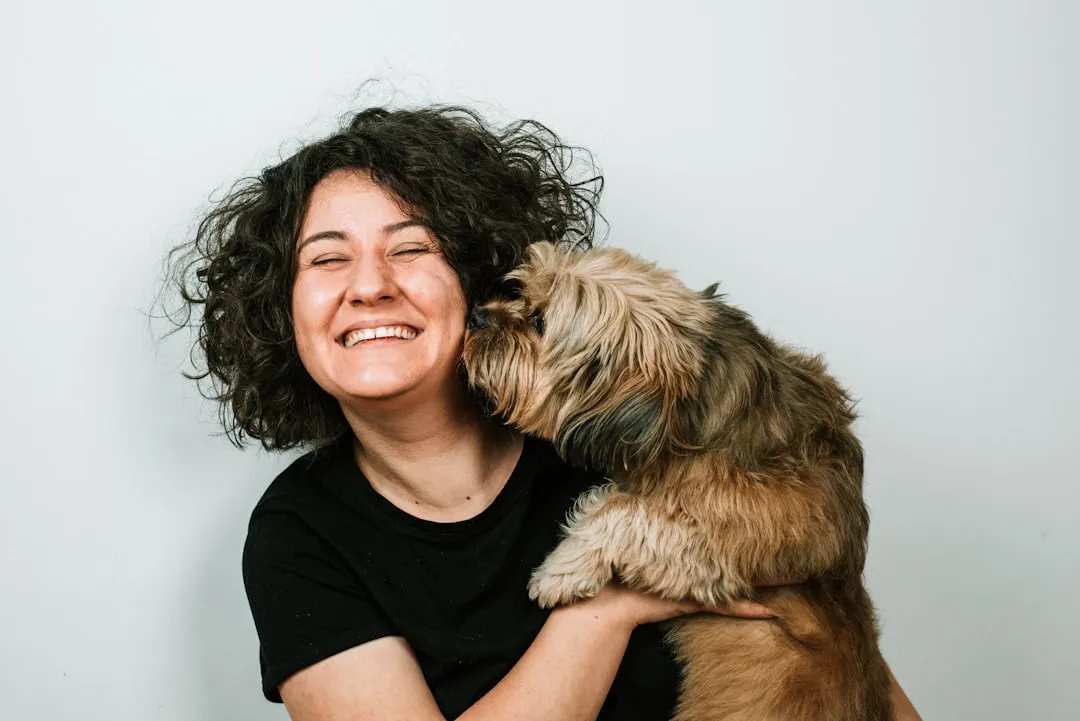
An unprompted nudge from your dog isn’t random. It’s a check-in.
Dogs frequently use physical touch as a way to reaffirm connection, especially during quiet moments when nothing else is happening. This isn’t attention-seeking in the demanding sense – it’s closer to a quiet reassurance behavior, almost like checking that you’re both still on the same page.
This differs sharply from nudging for food or play, which tends to be more insistent and repetitive.
The quiet, single nudge – followed by your dog simply settling back down – is a subtler gesture, and it’s often overlooked entirely because it doesn’t come with the dramatic excitement people associate with affection.
#24 – He Trusts You With Vulnerable Positions (Belly, Paws, Neck)
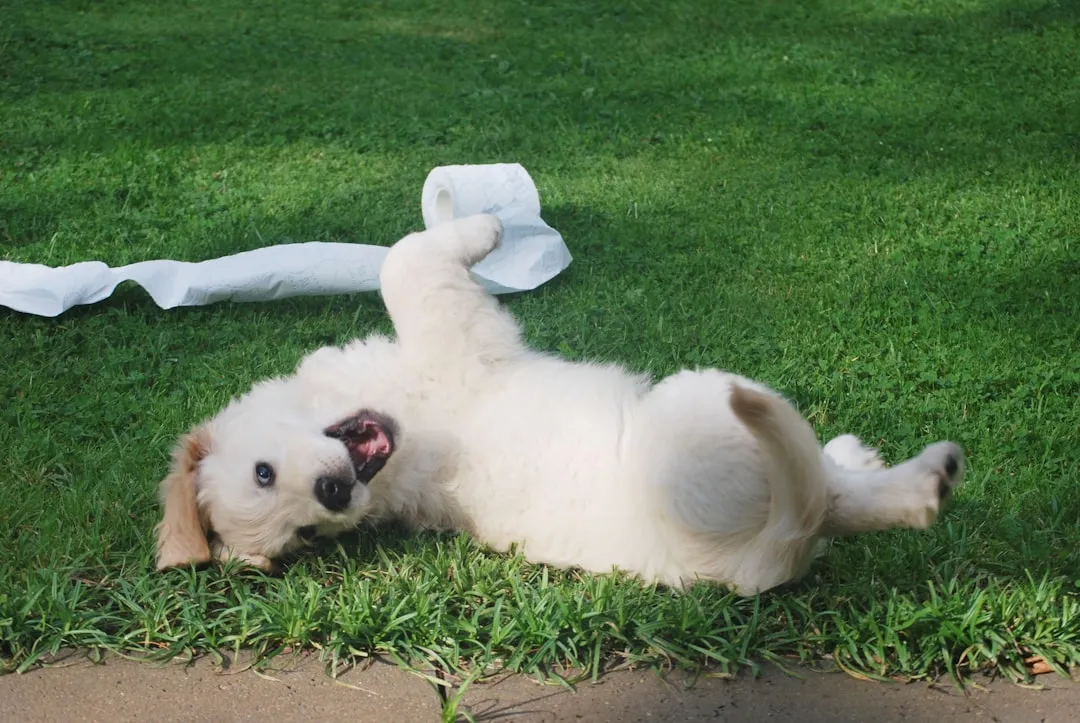
Letting you touch his belly or paws isn’t just about scratches. It’s an act of surrender.
These are the most physically vulnerable parts of a dog’s body, and exposing them requires a level of trust that most dogs reserve exclusively for their closest bonded humans. A dog who rolls over for belly rubs or allows paw handling without resistance is signaling total physical trust, not just comfort.
At a Glance
- Belly – covers vital organs, rarely exposed to anyone but a trusted bonded human
- Throat and neck – a classic vulnerable zone in canine body language
- Paws – sensitive and instinctively protected, especially in anxious dogs
- Ears – easily startled area that most dogs guard around unfamiliar hands
Dogs who are anxious or insecure will avoid exposing these areas entirely, even with familiar people, which makes this one of the strongest indicators of deep security in the relationship.
It’s not just a cute pose. It’s a calculated risk your dog is willingly taking, over and over, because he trusts you completely.
#25 – He Simply Chooses You, Every Time, Without Being Told To
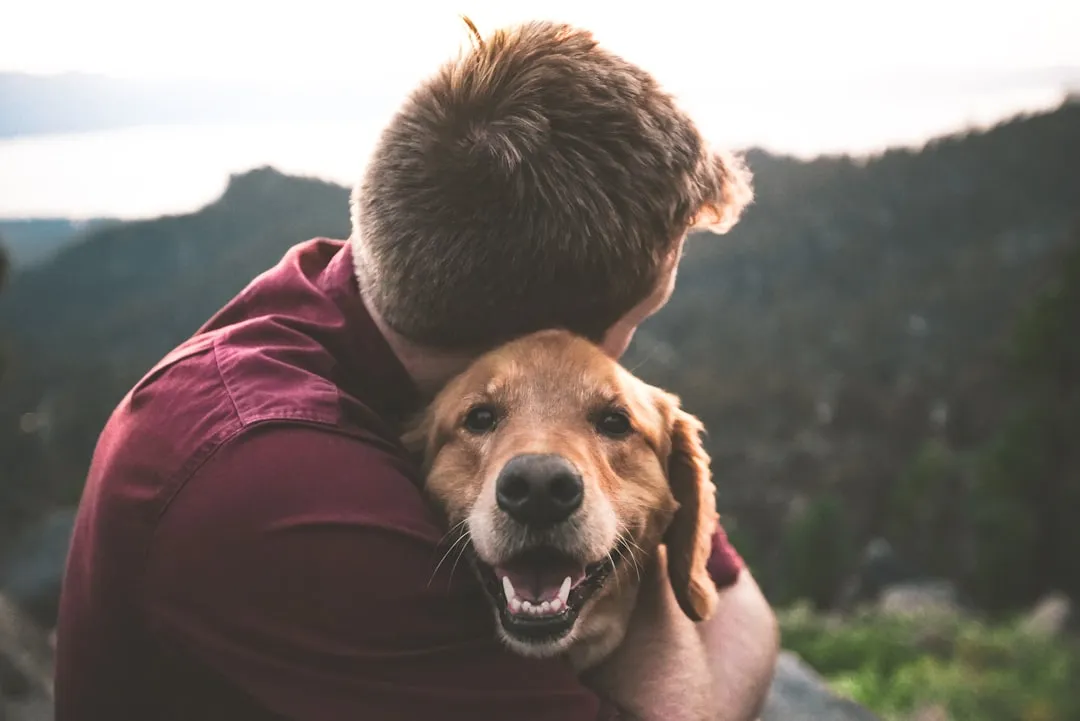
Out of every person in the room, he ends up next to you. That’s not an accident.
When given the freedom to choose where to sit, sleep, or settle, dogs consistently gravitate toward the person they feel most emotionally connected to – not necessarily the person who feeds them or walks them most. This preference, observed repeatedly in multi-person households, is considered one of the strongest overall indicators of canine attachment.
This final, cumulative behavior ties every other sign on this list together: the eye contact, the leaning, the paw touches, the vigilant waiting.
It’s not one dramatic gesture. It’s dozens of small, quiet choices, made consistently, that reveal where your dog’s loyalty actually lives.
The Bottom Line
Dogs don’t say “I love you” with words, so they say it through dozens of tiny, easy-to-dismiss behaviors most owners never learn to read.
The real signs of canine love aren’t the dramatic ones – they’re the quiet sighs, the slow blinks, the paw checks, and the choice to sleep on your feet instead of a memory-foam bed. Too many owners chase big, showy affection while completely ignoring the small, consistent signals that actually matter more.
If your dog is doing even half of these, he’s not just living with you – he’s chosen you as his person. Which of these did your dog do today? Tell us in the comments.
