
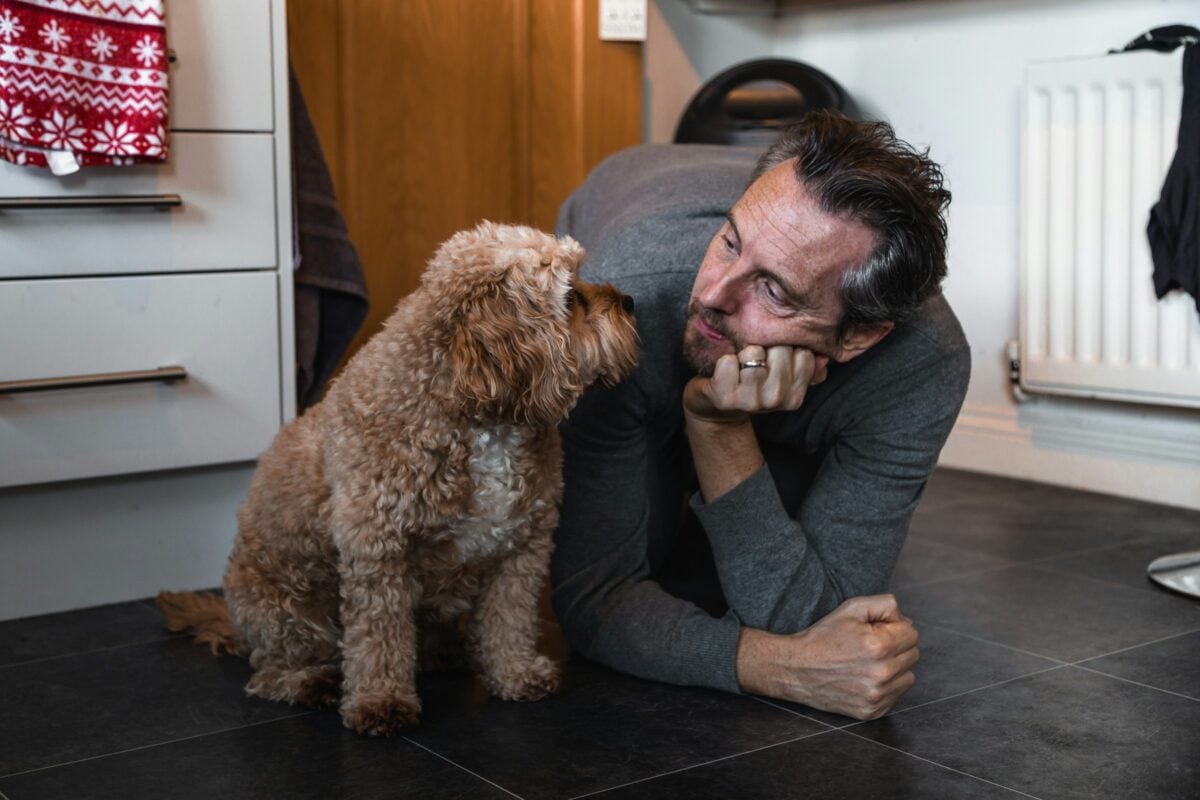
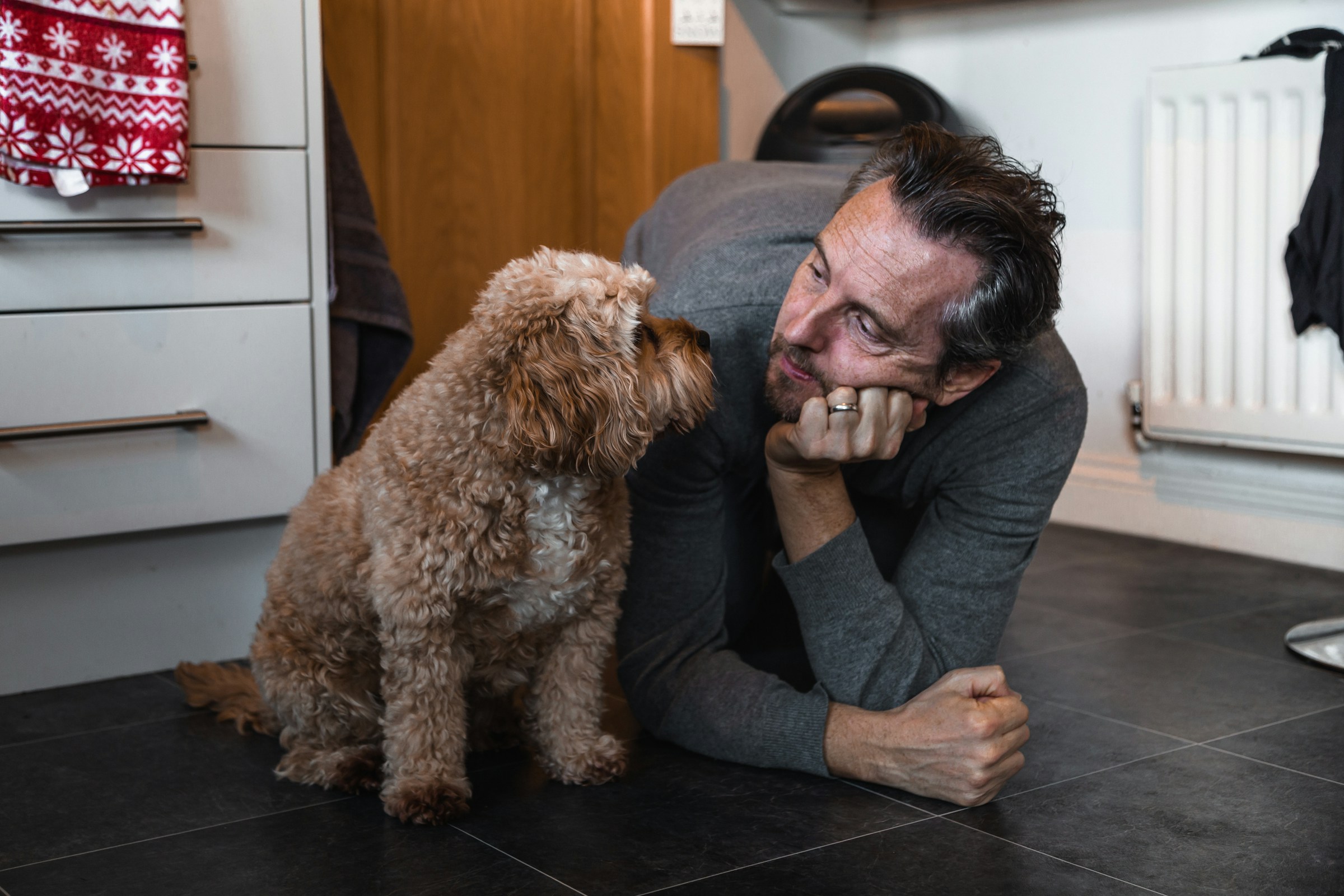
Everyone assumes the dog going wild at the door loves them the most. Wagging tail, spinning circles, jumping up like you’ve been gone a decade. But here’s the uncomfortable truth trainers rarely say out loud: that dog might do the exact same routine for the mail carrier.
Real trust doesn’t look like a party. It looks like a dog who goes quiet, exposes its belly, or presses its back against you in the middle of the night. If you’ve never noticed these moments, you’re about to start seeing them everywhere – and you might realize you’ve been the safe person all along without knowing it.
#1 – Your Dog Brings You Their Favorite Toy, Unprompted
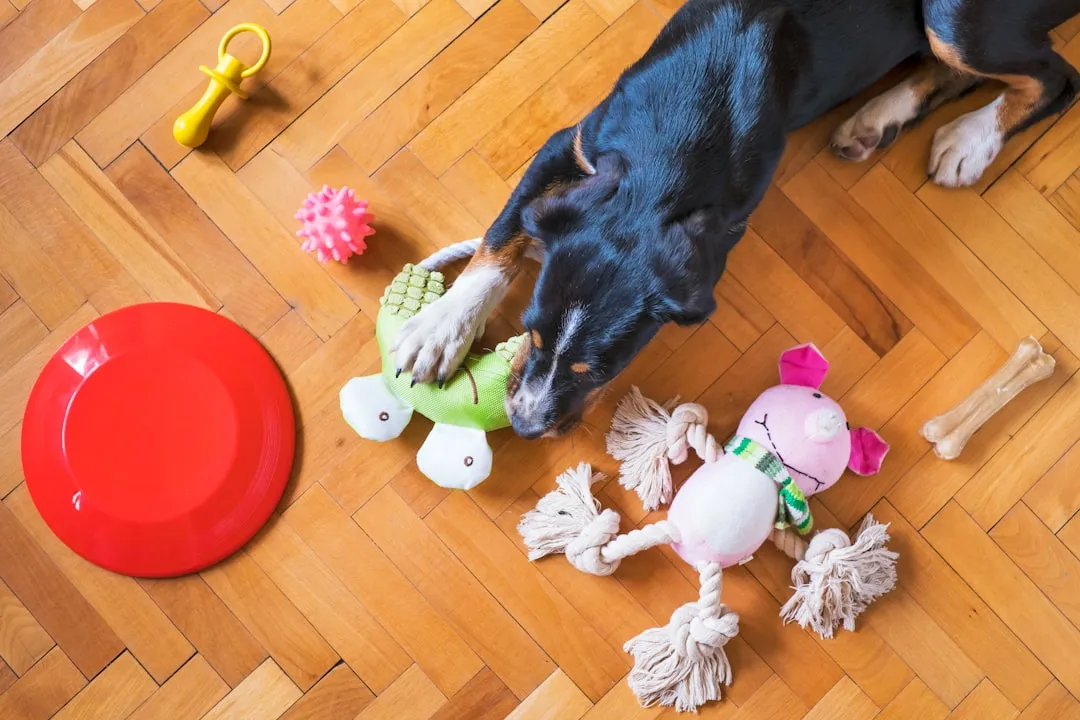
Most people read this as a play invitation. It’s actually closer to a small act of faith. Dogs only offer up their most prized possessions to people they trust won’t snatch it away, tease them, or punish them for having it in the first place.
Watch how the toy arrives. A dog that feels unsafe drops it from a distance or hides it under the couch instead. A dog that trusts you sets it down gently, right at your feet, and waits with soft eyes to see what you’ll do next.
#2 – Your Dog Mirrors Your Yawns and Stretches
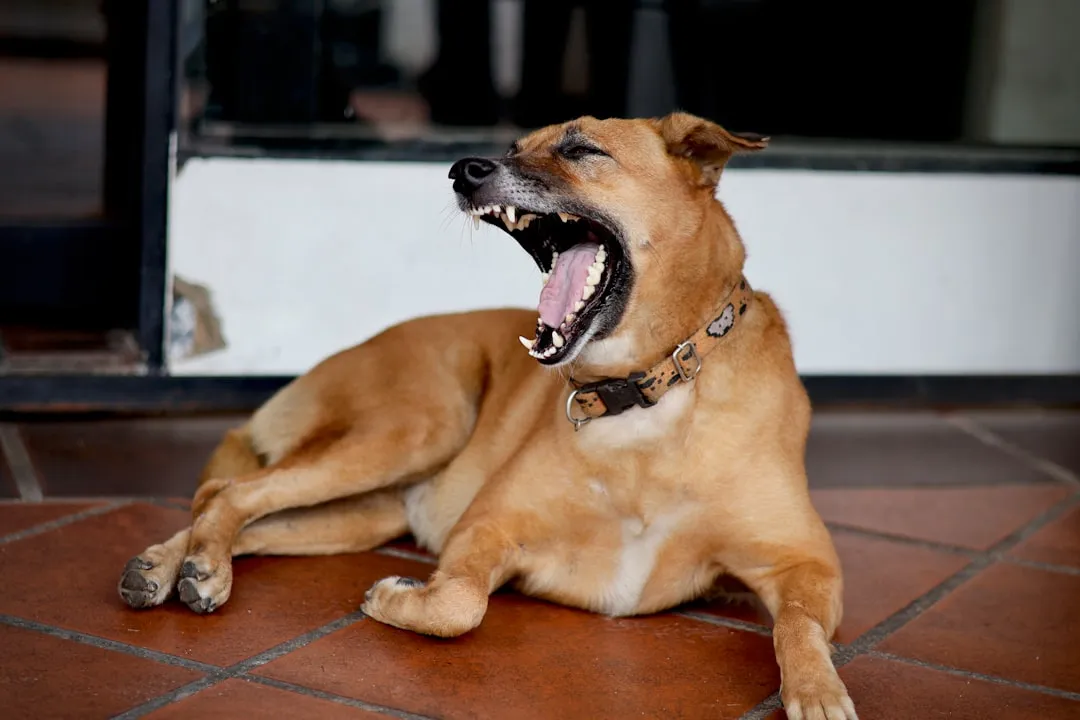
Contagious yawning isn’t just a quirky dog fact for trivia night. It’s a documented empathy response, and it only shows up reliably in dogs who feel calm and bonded with the person in front of them. Around strangers or tense housemates, the mirroring drops off almost completely.
The stretch usually follows right behind the yawn, like the dog is syncing its whole body to yours. Most owners write it off as coincidence because it happens so quietly. It isn’t coincidence – it takes a relaxed nervous system to even notice your cues that closely.
#3 – Your Dog Sleeps With Its Back Pressed Against You
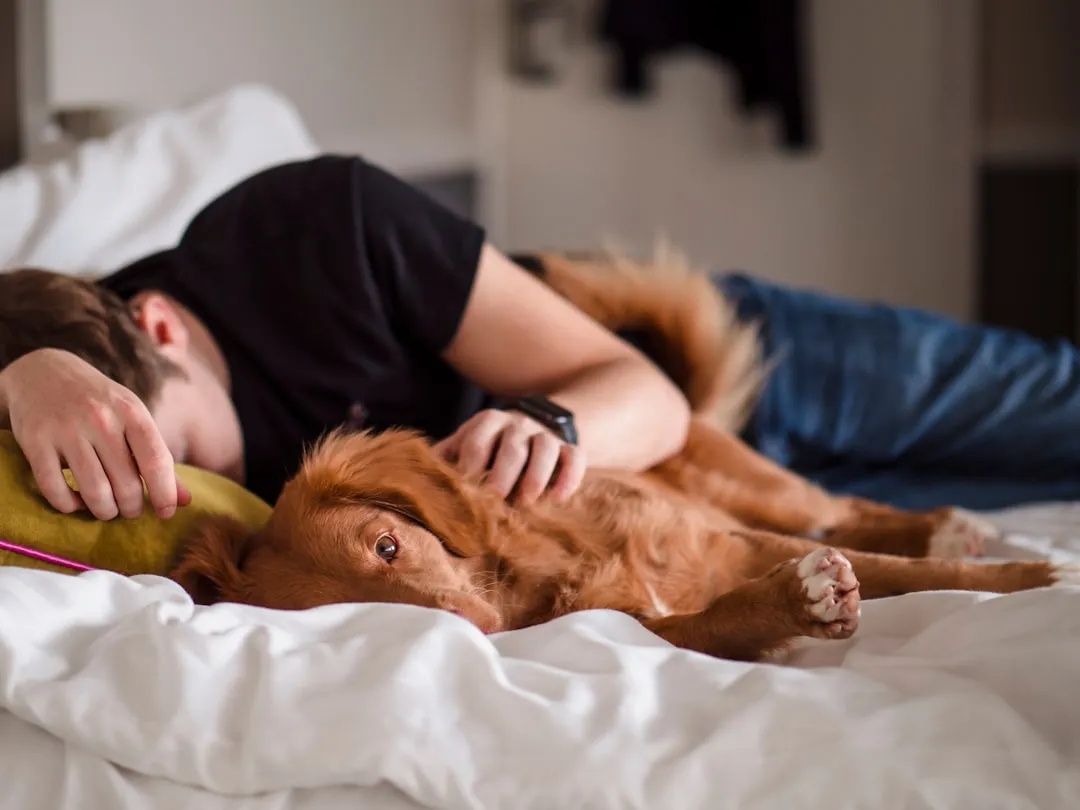
Turning their back on you sounds like rejection. In dog language, it’s the opposite. A dog sleeping back-to-you has handed over its blind spot completely, trusting you to notice if anything goes wrong while its guard is down.
Dogs that feel uneasy sleep facing the room, angled toward the door, or in a different room entirely. The ones who trust you fully will find your side in the quiet of the night and settle there without needing eye contact or reassurance. It’s one of the most physical forms of trust a dog can offer.
#4 – Your Dog Seeks You Out During Thunder or Strangers
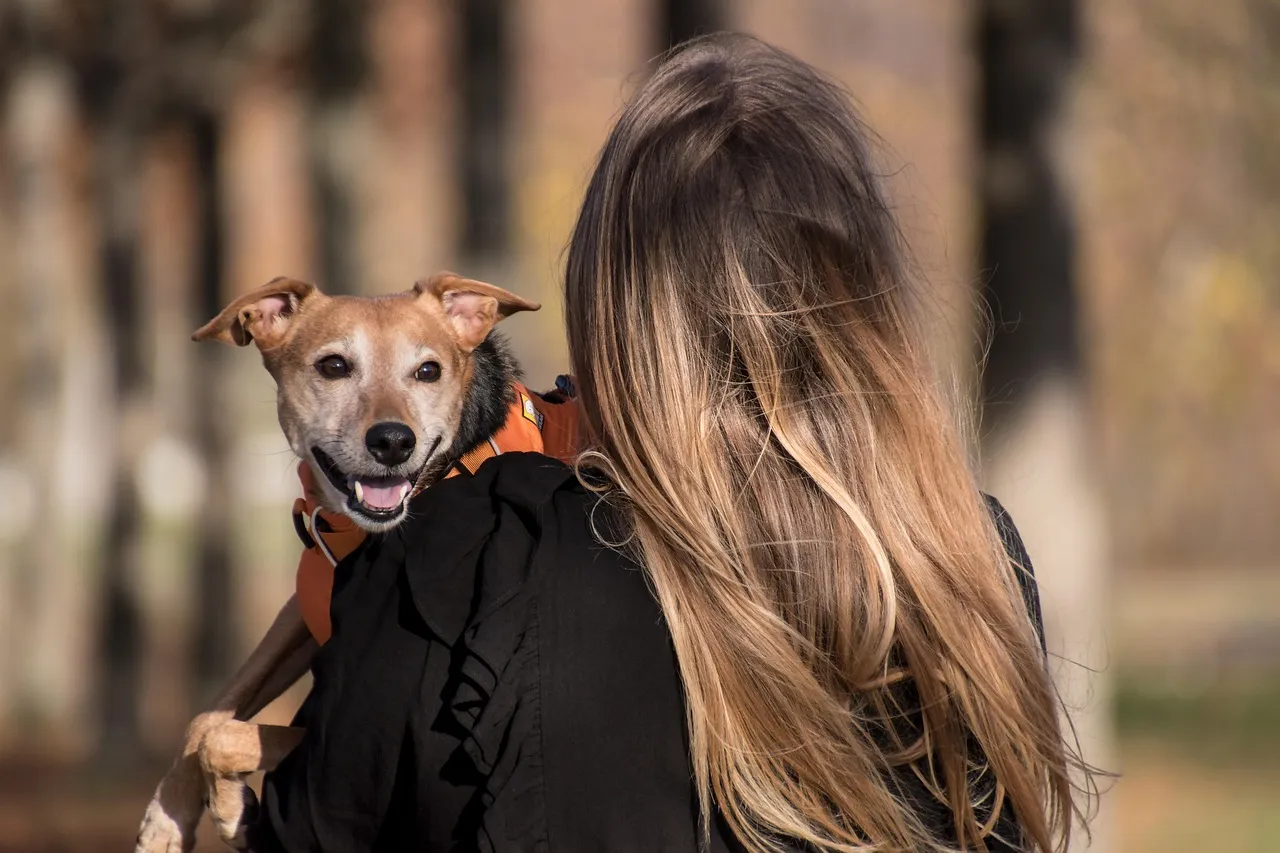
Thunderstorms and unfamiliar guests send plenty of dogs scrambling for a hiding spot. But the safe person doesn’t get avoided – they get sought out. The dog presses against your legs or climbs into your lap instead of bolting for the closet.
This isn’t generic clinginess; it’s targeted. The dog has decided, specifically, that you’re the one who can handle the situation. That belief usually gets built after several calm, steady responses from you during past storms or chaotic moments the dog still remembers.
Quick Compare
- Secure dog during a storm: presses close, checks your face, settles once you’re near
- Anxious or unbonded dog: paces, hides alone, ignores attempts to comfort
- Secure dog with strangers: stays near you, watches your reaction before approaching
- Anxious or unbonded dog: bolts to another room or freezes near the door
#5 – Your Dog Exposes Its Belly and Stays Fully Relaxed
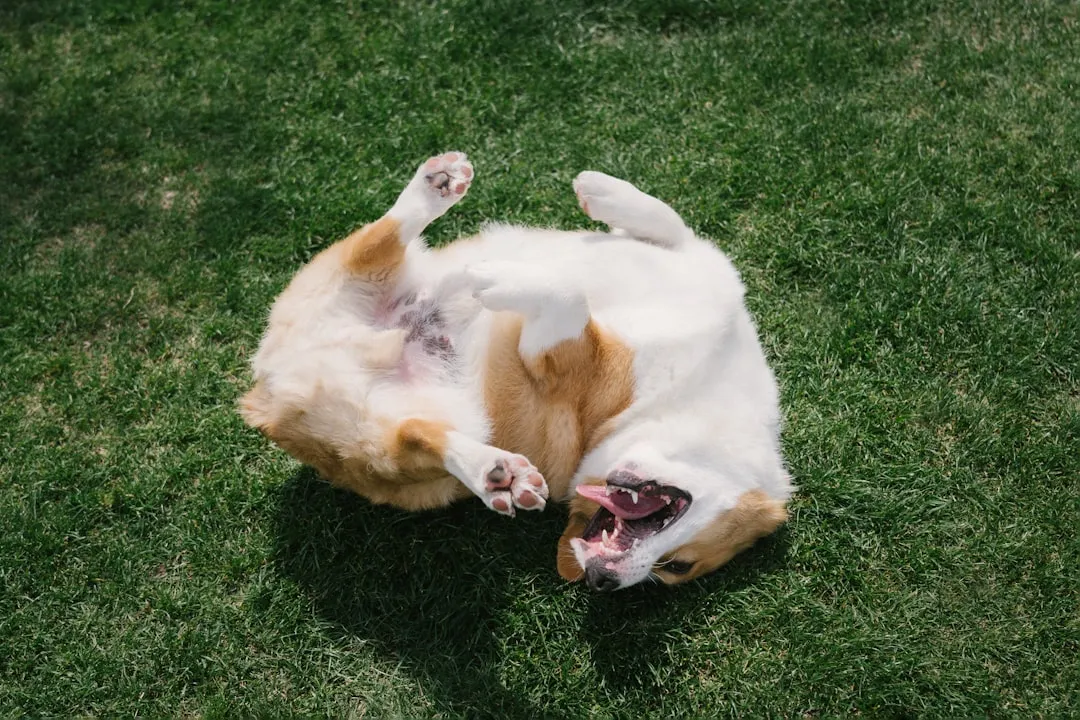
A rolled-over belly gets misread as a request for rubs, but the real story is in what happens next. A dog that stays loose, breathing easy, muscles slack, is showing total trust. A tense dog flips onto its belly briefly then scrambles back up almost immediately.
This full exposure tends to happen in quiet, low-stakes moments – on the couch, on the bedroom floor, somewhere the dog already feels safe. It almost never happens in front of visitors or less familiar faces in the house. Behaviorists consider it one of the clearest trust signals a dog can give with its whole body.
#6 – Your Dog Follows You Room to Room, No Commands Needed
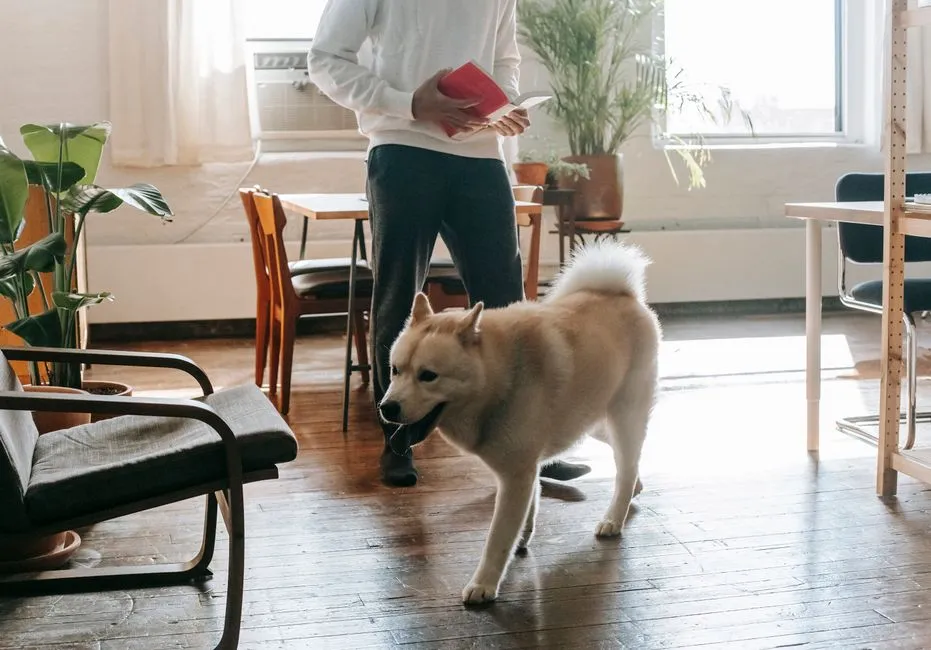
Shadowing gets a bad reputation because people assume it’s anxiety. But when the dog stays loose and settles the moment you stop moving, it’s something calmer than that – a simple preference for your presence as the baseline of safety.
In homes with several people, this pattern gets even more telling. The dog still picks one person to trail from the kitchen to the living room to the bedroom, ignoring everyone else along the way. Most owners only notice it once they actually start counting how often it happens.
#7 – Your Dog Sighs or Groans the Moment You Sit Down
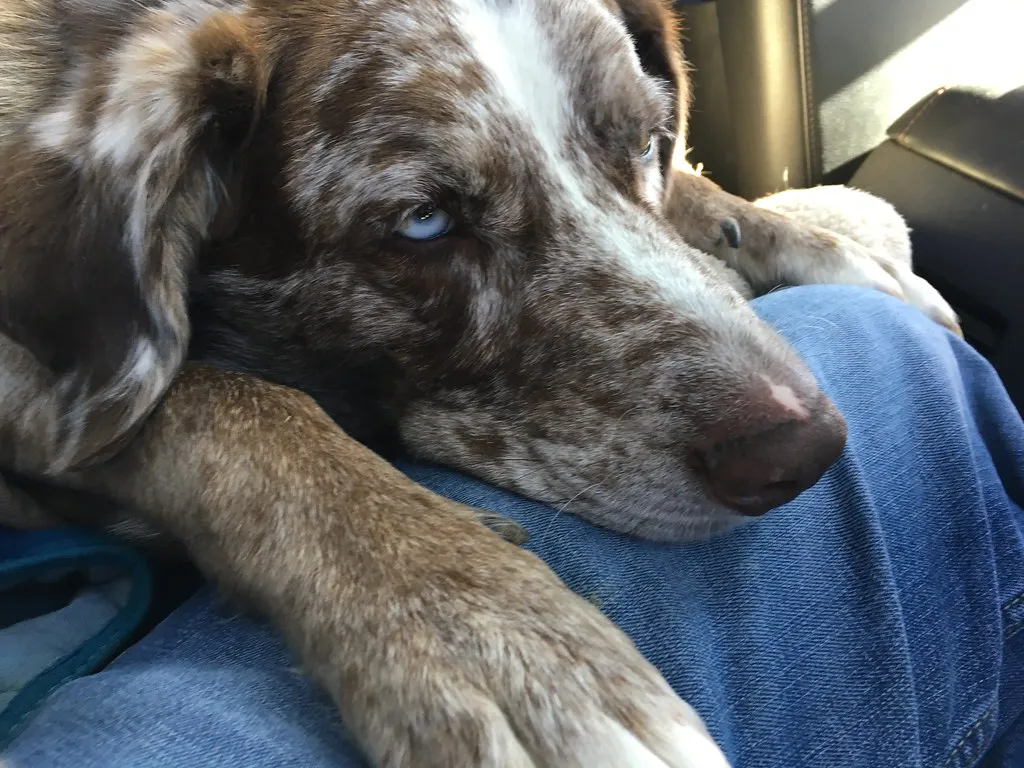
That deep exhale right after you settle onto the couch isn’t random. It’s a release – the sound of a nervous system finally letting go because its person is close. It’s different from the huff of boredom or the whine that’s begging for attention.
It tends to happen fast, within seconds of you walking into the room or sitting nearby. Trainers describe it as one of the quietest but most reliable markers of trust, precisely because it costs the dog nothing to fake and yet almost none of them do it for people they don’t feel secure around.
#8 – Your Dog Lets You Touch Its Paws and Ears Without Flinching
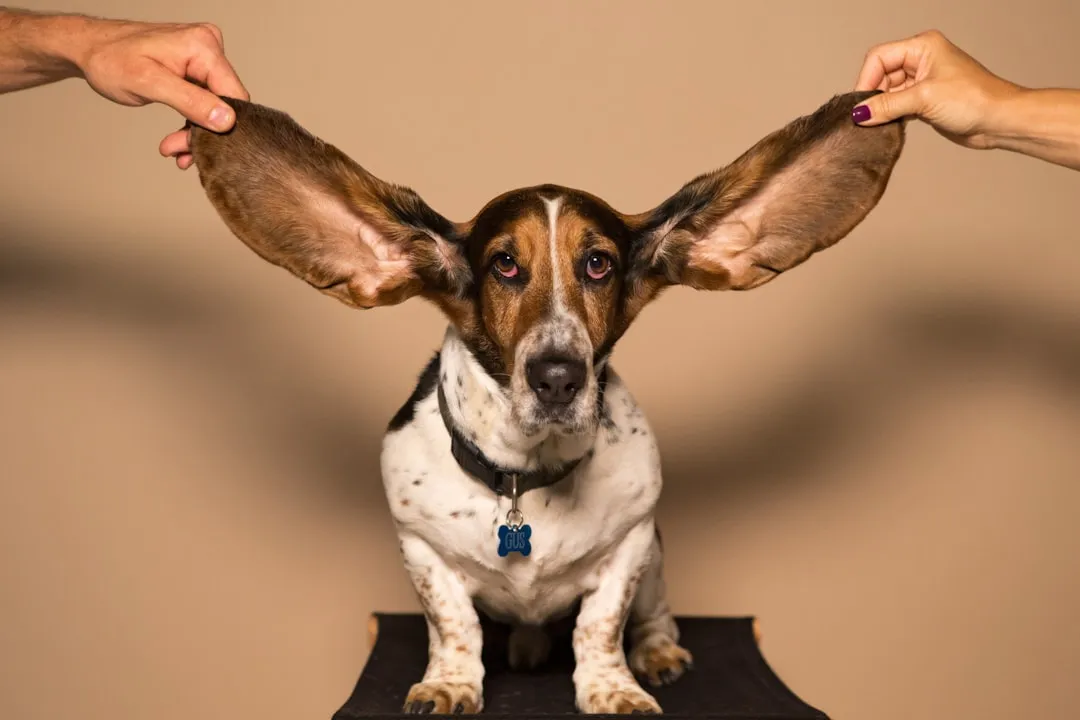
Paws and ears are some of the most sensitive, most defended parts of a dog’s body. A dog who feels unsure will pull away, stiffen, or duck out of reach the second you go near them.
Full relaxation during that kind of handling means something specific: this person has never hurt me here, never surprised me here, never made this scary. That trust gets built slowly, often through gentle grooming or at-home checkups, and it shows up as the dog actually leaning into your hand instead of tolerating it.
Worth Knowing
- Vets and groomers often see a very different reaction than the one a dog shows at home
- Gentle, gradual handling from puppyhood builds lifelong comfort with touch
- A dog leaning into an ear scratch is different from one merely tolerating it
- Regular paw-handling practice can make nail trims far less stressful for both of you
#9 – Your Dog Brings You Sticks and Random Treasures From Outside
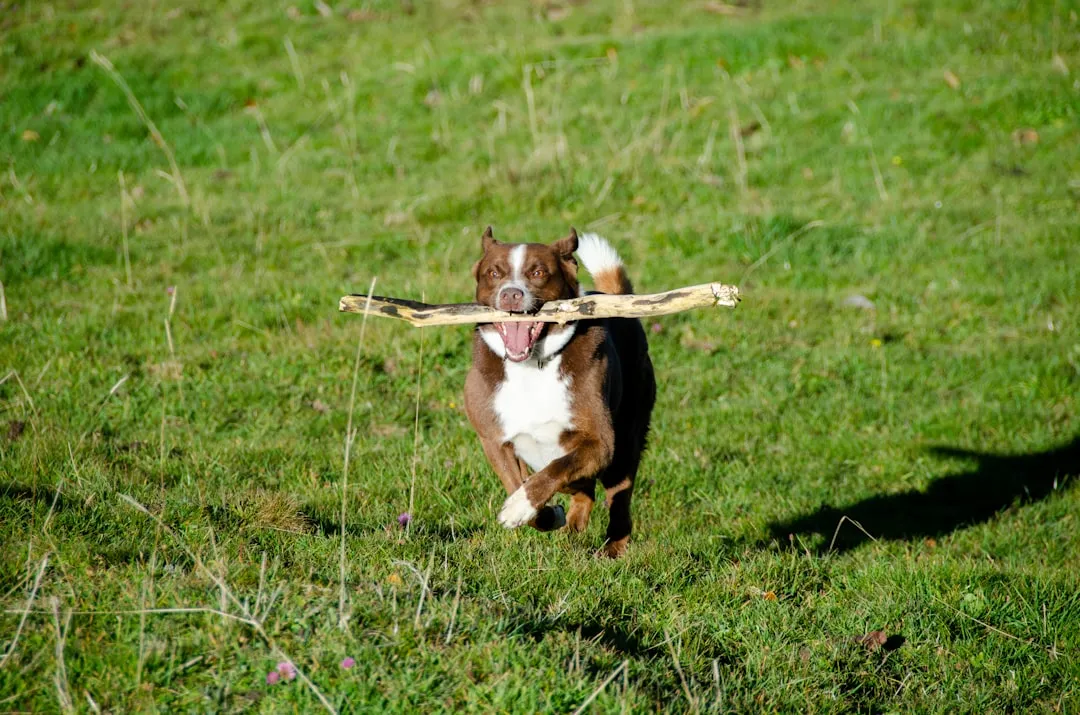
Not every dog does this, but the ones who do save it for one person. The stick, the tennis ball found in the bushes, the mystery object from three yards over – it all gets carried straight to the safe person like a small offering.
The key difference from fetch is that nobody asked for it. The dog initiates the whole exchange, then waits to see your reaction instead of running off to chew it alone. It’s the dog’s way of including you in something it found interesting, and it’s usually reserved for whoever it checks in with first.
#10 – Your Dog Holds Soft, Blinking Eye Contact With You
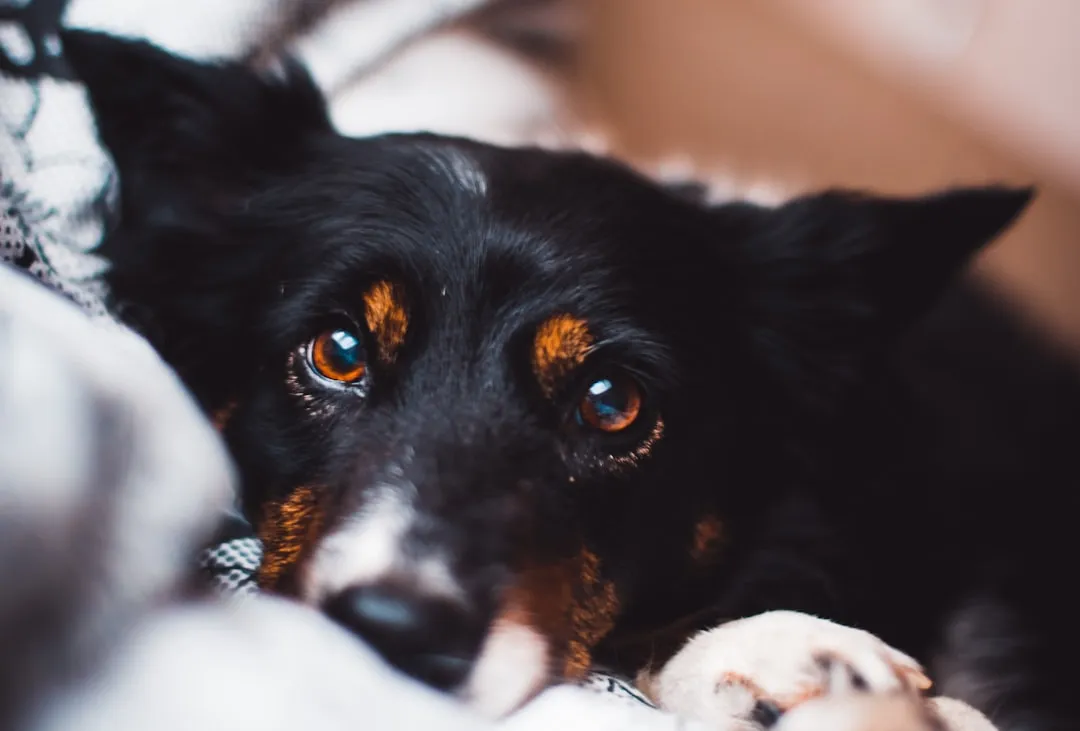
A hard, unblinking stare from a dog usually signals tension or a warning. Soft eye contact – slow blinks, relaxed facial muscles, no stiffness around the mouth – is the opposite. It’s comfort, and dogs don’t hand it out freely.
This kind of gaze tends to show up during quiet petting sessions or lazy evenings, lasting several seconds at a time. Plenty of dogs actively avoid eye contact with people they haven’t fully bonded with, which makes this one of the most overlooked signs of all – it’s easy to miss precisely because it feels so ordinary.
#11 – Your Dog Drops Everything When You’re Upset
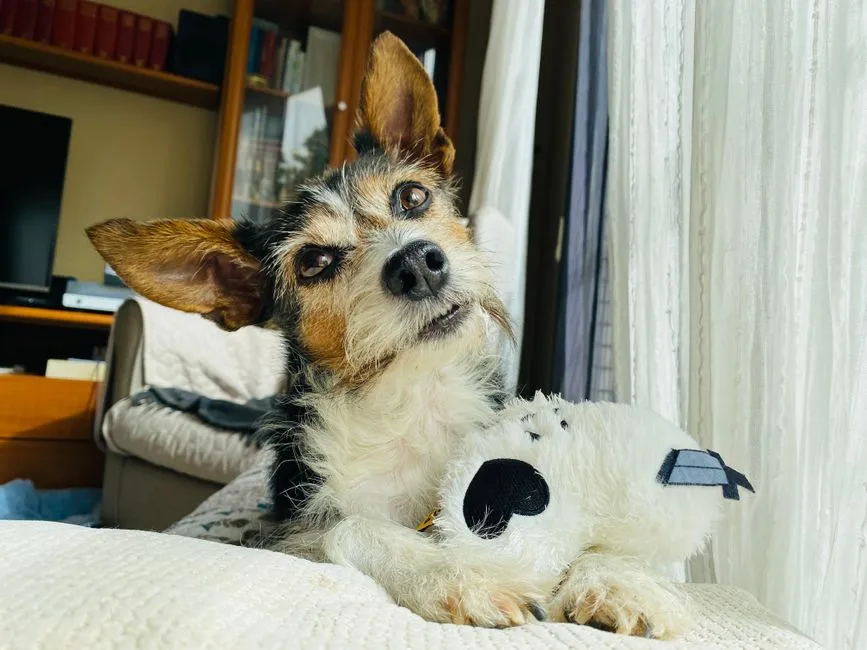
Dogs that read human emotion well will pause their own agenda – food, toys, a good nap – the second their safe person seems stressed or upset. Instead of demanding play, they’ll sit close or nudge gently, checking in without being asked.
That kind of emotional attunement only happens when the dog feels secure enough to look outward instead of managing its own needs first. It rarely shows up around people the dog isn’t deeply bonded to. Once you start watching for it, the shift becomes obvious – and a little humbling.
#12 – Your Dog Always Claims the Spot Next to You
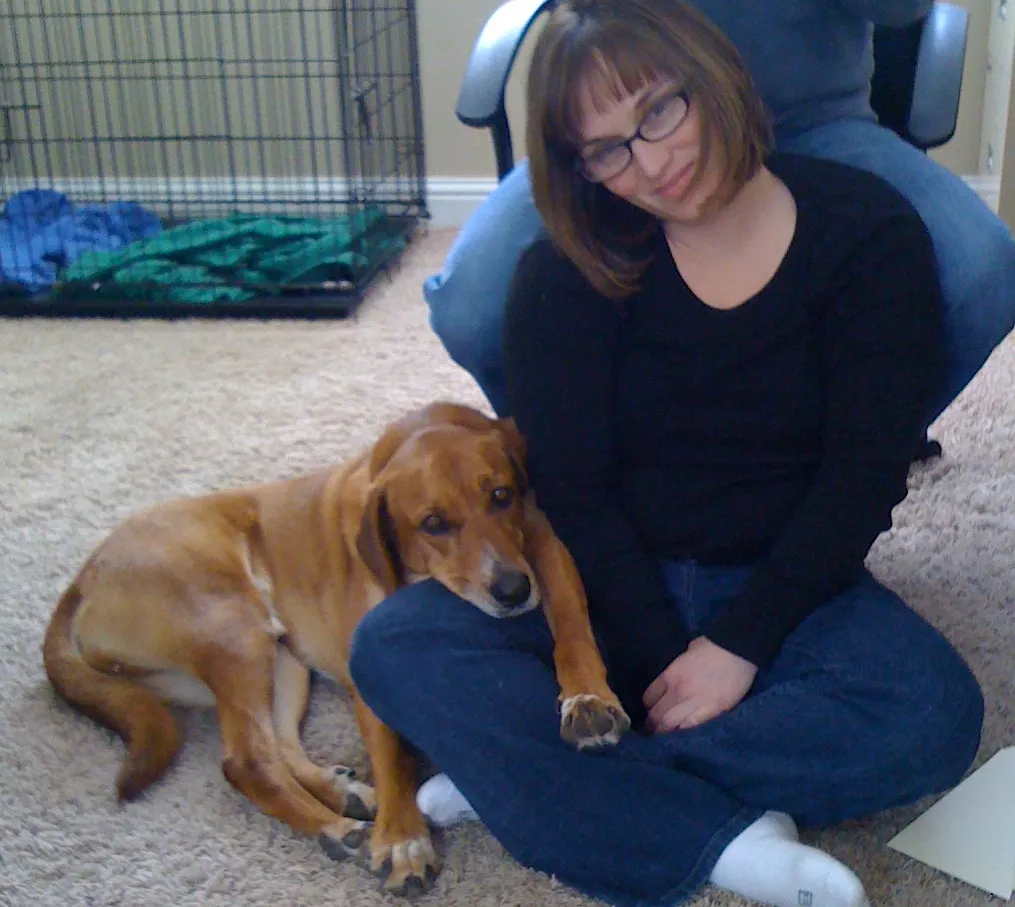
In homes with more than one person, dogs often develop a clear favorite spot – and it’s rarely about which lap is warmest. It’s about which lap feels the safest. The dog will wait, sometimes for a while, until that specific person sits down before claiming the space.
This preference holds steady even when other, more comfortable options are sitting right there empty. It tends to strengthen the longer the relationship stays predictable and calm. Most owners only notice the pattern when something disrupts it – a move, a new schedule, someone gone for a week – and the dog’s spot suddenly changes too.
Fast Facts
- Mutual gazing between dogs and their people has been linked to rising oxytocin levels in both species
- Oxytocin is the same bonding hormone tied to human parent-child attachment
- Dogs can release stress hormones like cortisol around unfamiliar or distrusted people
- Consistent, low-drama interactions tend to build canine trust faster than treats alone
#13 – Your Dog Stops Barking the Second You Walk In
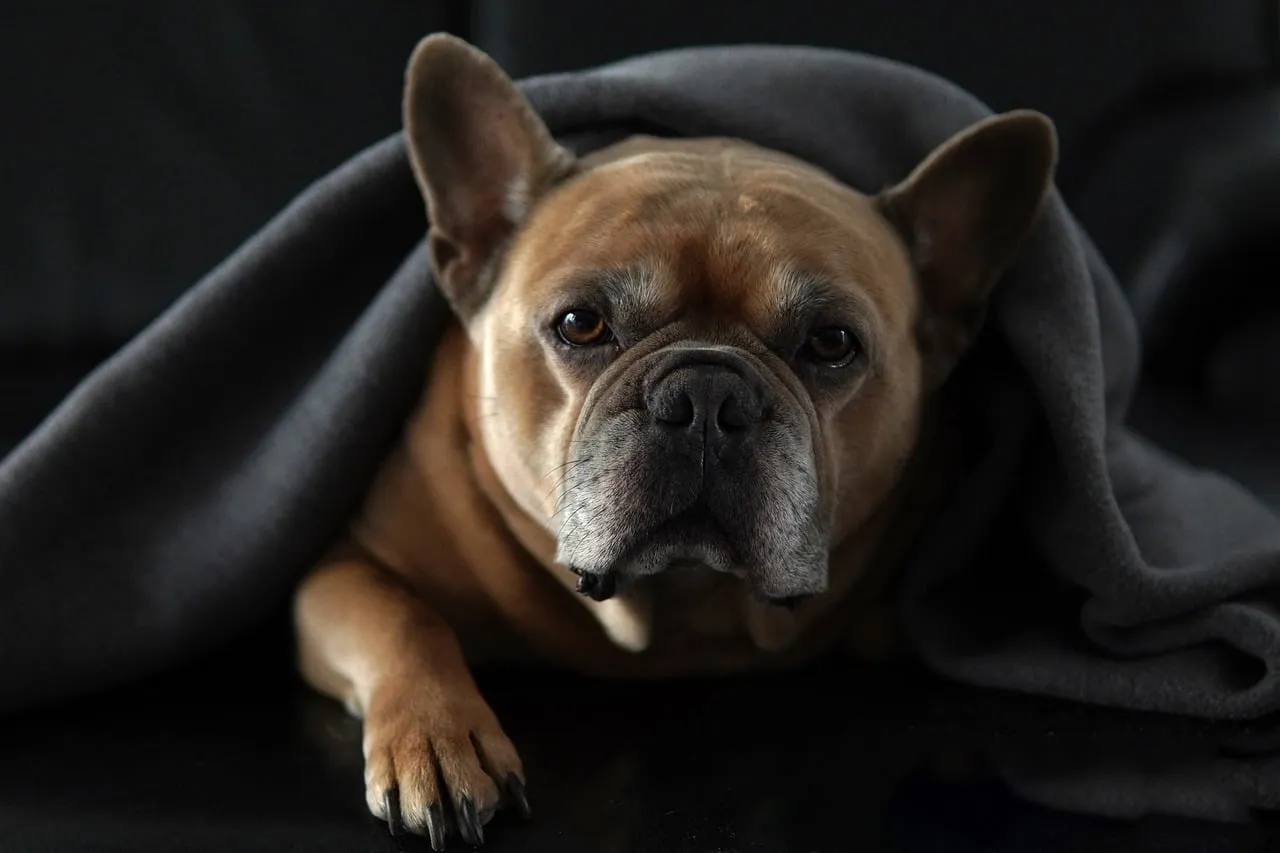
A strange noise outside can set a dog off instantly – until the safe person walks into the room. Then the barking often drops away almost immediately, even before you’ve said a word.
This isn’t obedience, and it isn’t about commands. It’s a shift in how threatening the situation feels once you’re standing there. The dog may still notice the sound, but it looks to you for confirmation instead of escalating on its own. That kind of calm leadership gets built through repetition, one uneventful evening at a time.
#14 – Your Dog Leans Its Full Weight Into You
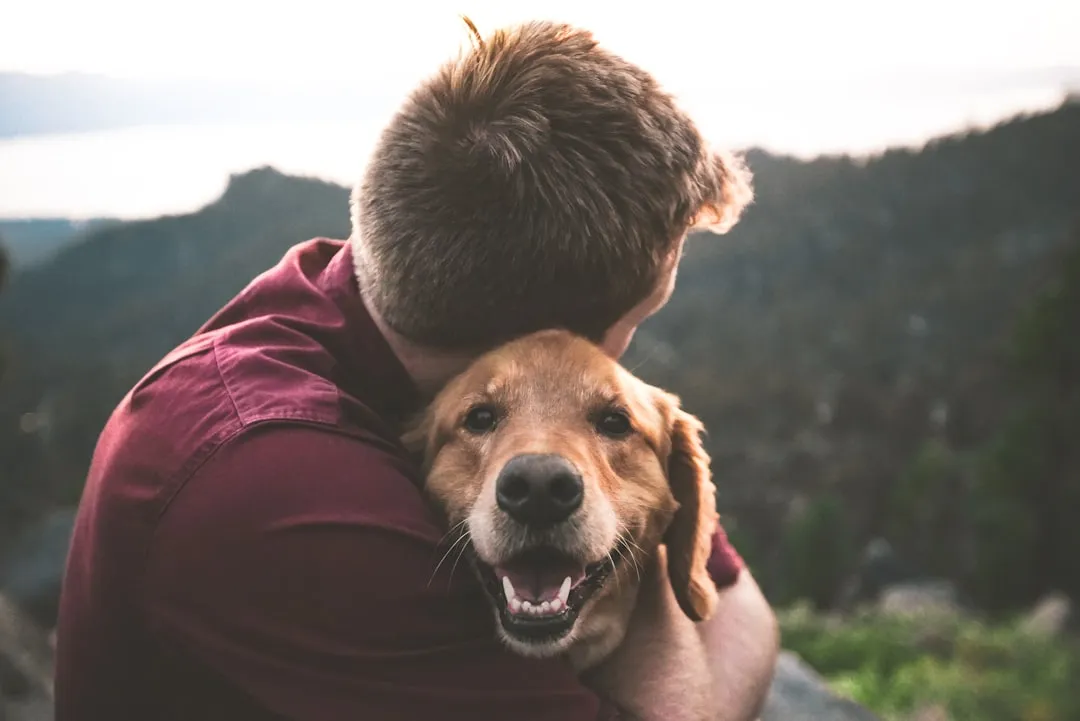
A quick lean for balance is nothing. A dog settling its entire body weight against your leg or side during petting is something else entirely – it’s handing over its balance, its ability to react quickly, to someone it trusts completely.
Dogs that feel unsure keep their weight centered under themselves, ready to move if needed. The ones who trust you fully will lean in, stay leaning, and relax into the pressure during long petting sessions on the floor or couch. It’s steady, it’s deliberate, and it’s not something they do with just anyone.
#15 – Your Dog Buries Its Face in Your Clothes When You’re Gone
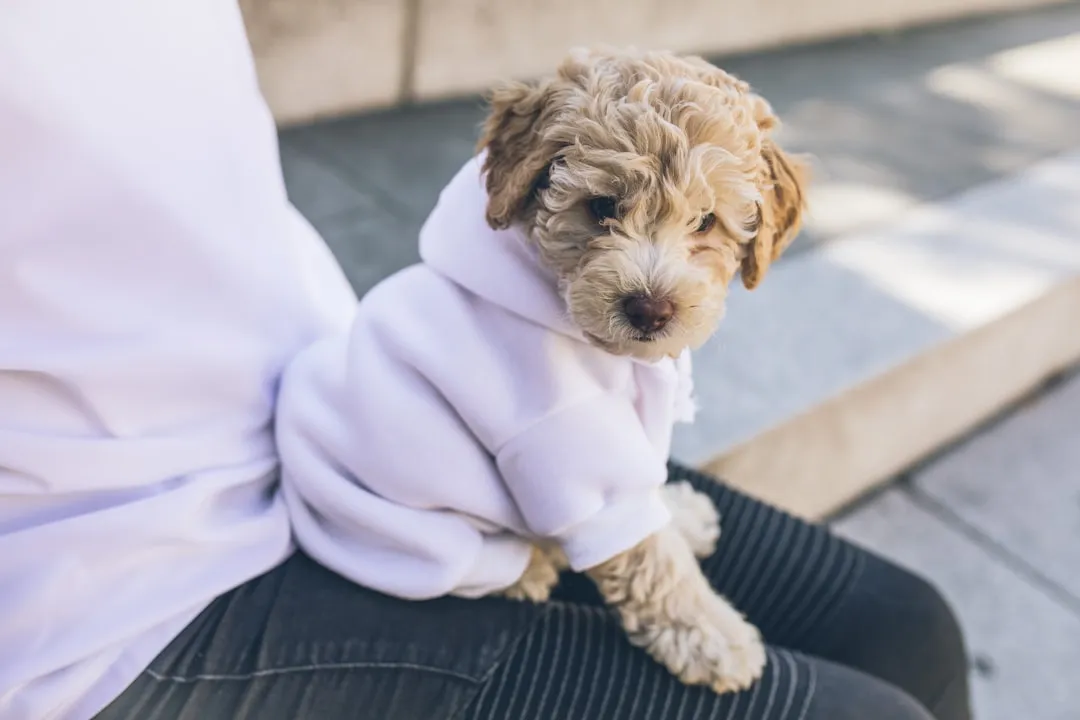
Finding your laundry rumpled or a sock mysteriously missing from the hamper isn’t always mischief. Plenty of dogs use their person’s scent as a self-soothing tool during long absences, burying their face in a favorite chair or blanket that smells like you.
This behavior tends to intensify the longer you’re gone, and it’s rarely destructive – it’s comfort-seeking, plain and simple. If you’ve ever come home to find your hoodie dragged off the bed and slept on, that’s not laziness. That’s the dog telling you exactly who it misses most.
#16 – Your Dog Has a Greeting Ritual It Saves Just for You
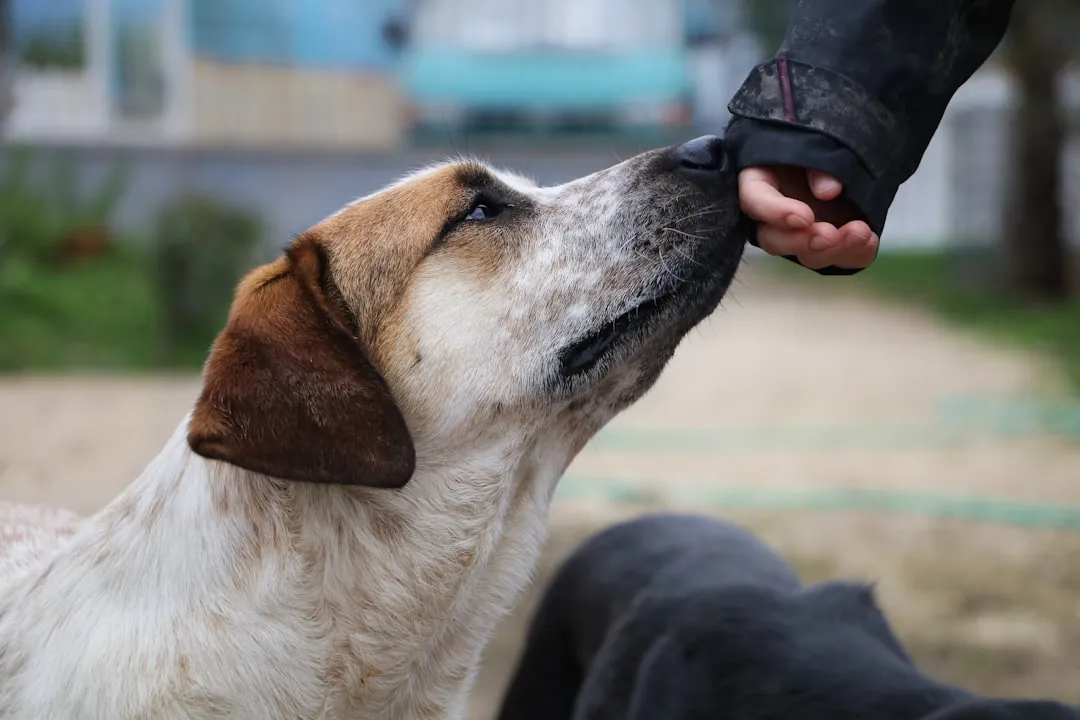
Some dogs develop a very specific hello – a particular spin, a certain grumble-vocalization, a paw lift, a sequence that repeats almost identically every single time. And they save it for one person, and one person only.
This is different from the generalized excitement a dog shows the whole family. It’s personalized, consistent, and clearly rehearsed in the dog’s own way. If your dog has a move it never does for anyone else, that’s not a coincidence – that’s a bond with its own private language.
#17 – Your Dog Lets You Interrupt Its Meals Without Growling
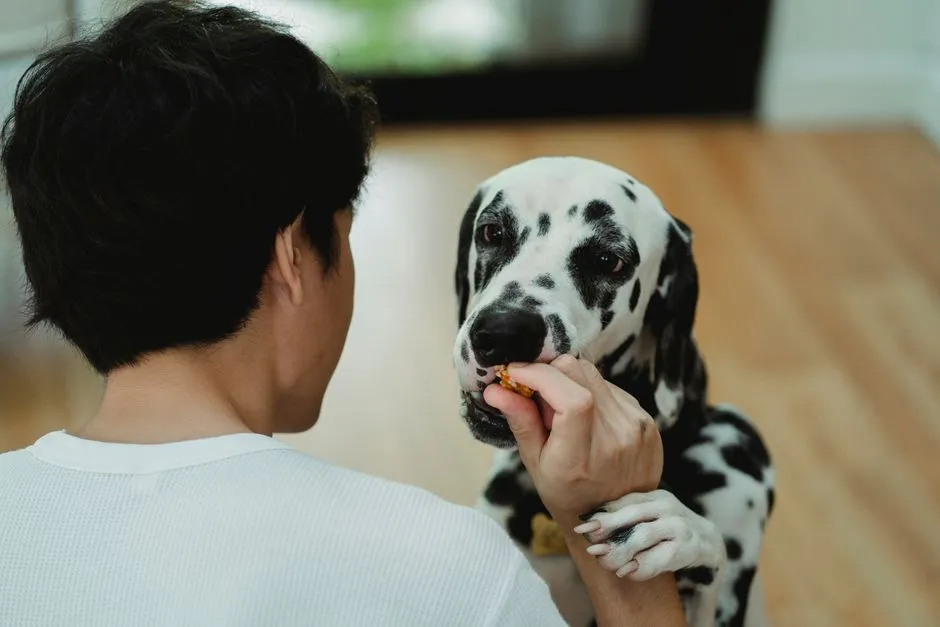
Resource guarding around food or a favorite resting spot is common, and it’s usually aimed squarely at people the dog trusts least. The safe person is the exception – they can approach the bowl, sit near the bed, even reach a hand close, and the dog stays loose instead of tensing up.
Sometimes the dog will actually pause mid-meal and glance up calmly, unbothered by the interruption. That kind of ease only develops after repeated experiences where nothing was ever taken away without warning. It’s one of the most practical, real-world tests of trust there is – and most owners stumble into discovering it completely by accident.
#18 – Your Dog Slows Down the Moment You Do
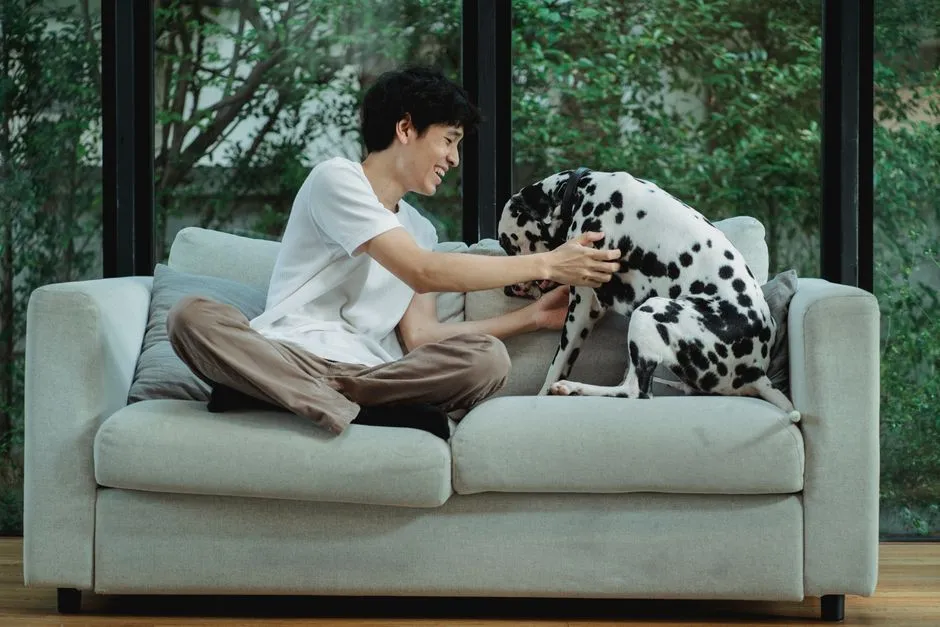
High-energy dogs will happily play zoomies with anyone in the house. But watch what happens when the safe person is worn out – the dog often winds down too, without being told to, matching the mood instead of demanding attention.
This mirroring shows up most clearly in the evenings, after a long day, when the dog reads your exhaustion and settles beside you instead of pushing for one more round of fetch. It’s subtle attunement, and it’s easy to mistake for the dog just being tired too – except it only happens around certain people, not everyone.
#19 – Your Dog Brings You Its “Problems” to Solve
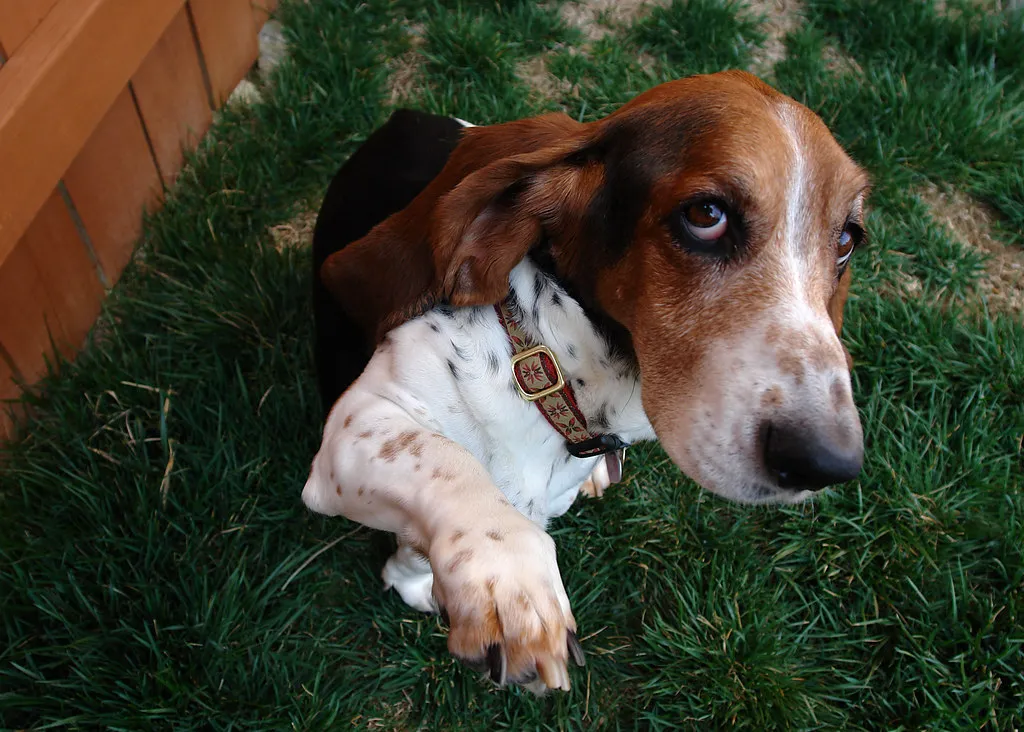
A toy stuck under the couch, a closed door standing between the dog and the backyard – these become tiny emergencies, and dogs direct them at exactly one person. The paw at your knee, the specific bark aimed only at you, even when someone else is standing right there.
This targeted request is learned, built from a history of that particular person actually solving the problem before. It’s a quiet vote of confidence: the dog has decided you’re capable and reliable, and it isn’t wasting the request on anyone else.
#20 – Your Dog Stays Calm When You Leave and Come Back
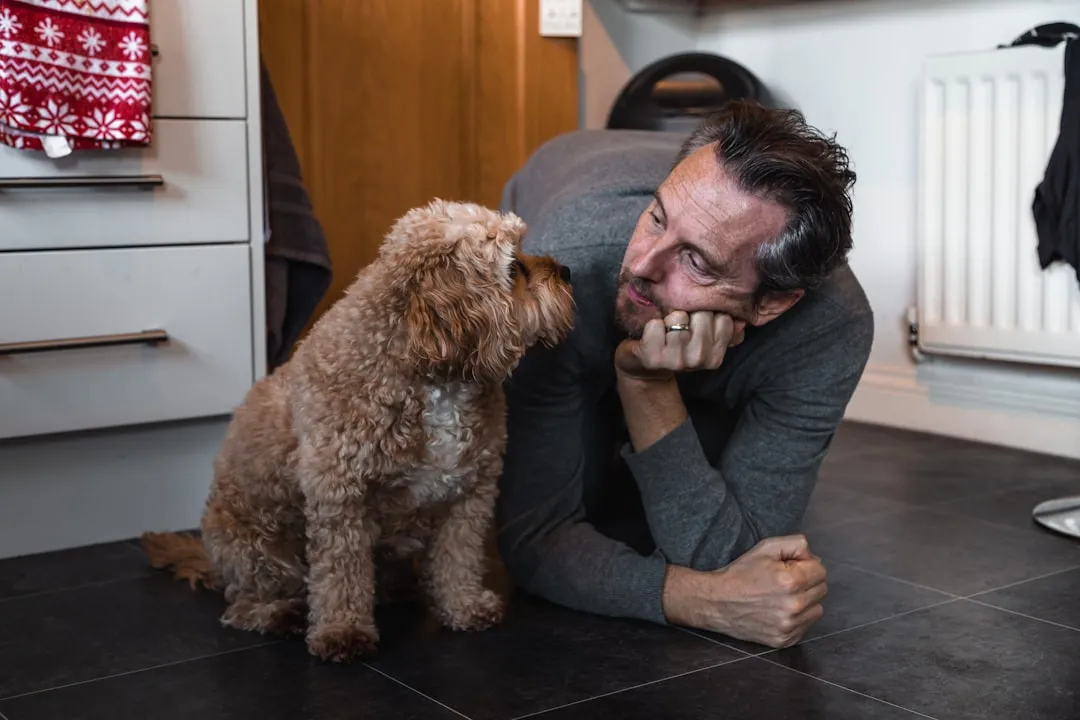
It sounds backwards, but the calmest goodbyes often belong to the strongest bonds. With the safe person, the dog trusts the return is coming, so there’s mild interest at the door but no full-blown panic.
The greeting when you walk back in is warm, not frantic – a world away from the anxious pacing or destructive behavior that shows up with dogs who genuinely fear abandonment. This kind of ease usually builds over months of predictable comings and goings, and owners often notice it improving gradually rather than appearing overnight.
At a Glance
- Secure dogs show mild interest at departures, not panic
- Reunions tend to be warm and brief, not frantic or clingy
- Separation anxiety often includes destructive chewing or nonstop pacing
- This kind of calm usually builds over weeks and months, not days
#21 – Your Dog Shakes Off Like a Reset Button After You Touch It
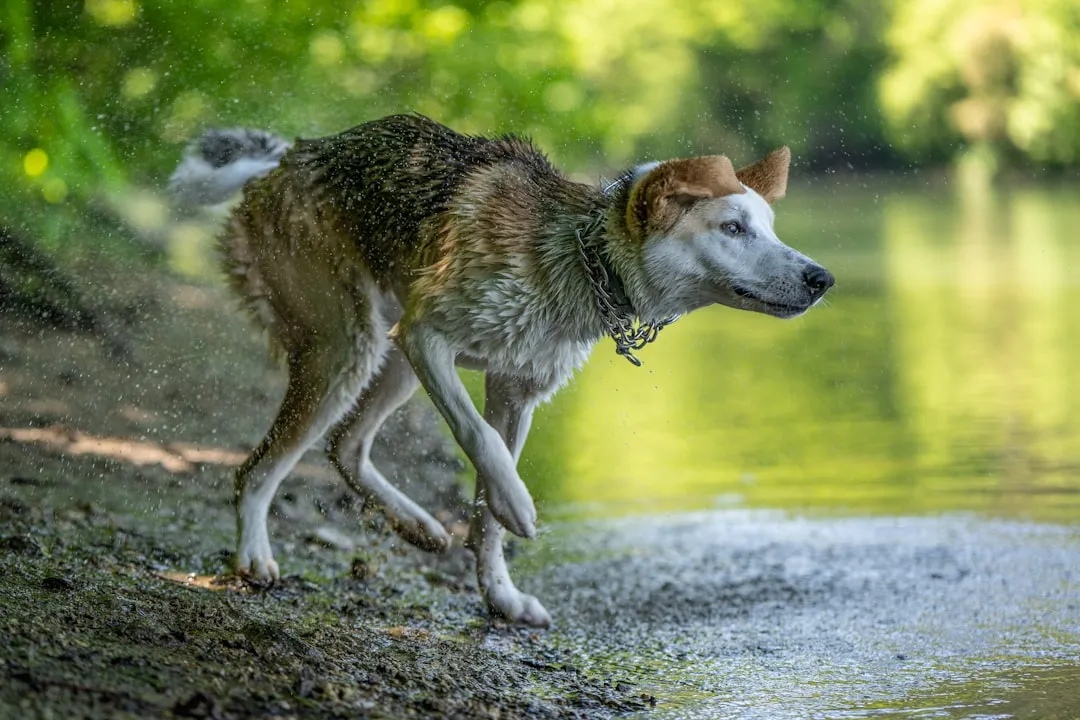
A full-body shake right after a cuddle session or a long petting stretch looks like nothing much, but it’s actually a release valve. It signals the dog felt the interaction was complete and positive, and now it’s resetting.
This shake shows up more often with the safe person than with anyone else in the house. It’s a small, easy-to-miss stress-release behavior that trainers watch closely, precisely because it only appears in company the dog genuinely trusts.
#22 – Your Dog Looks to You First in Unfamiliar Places
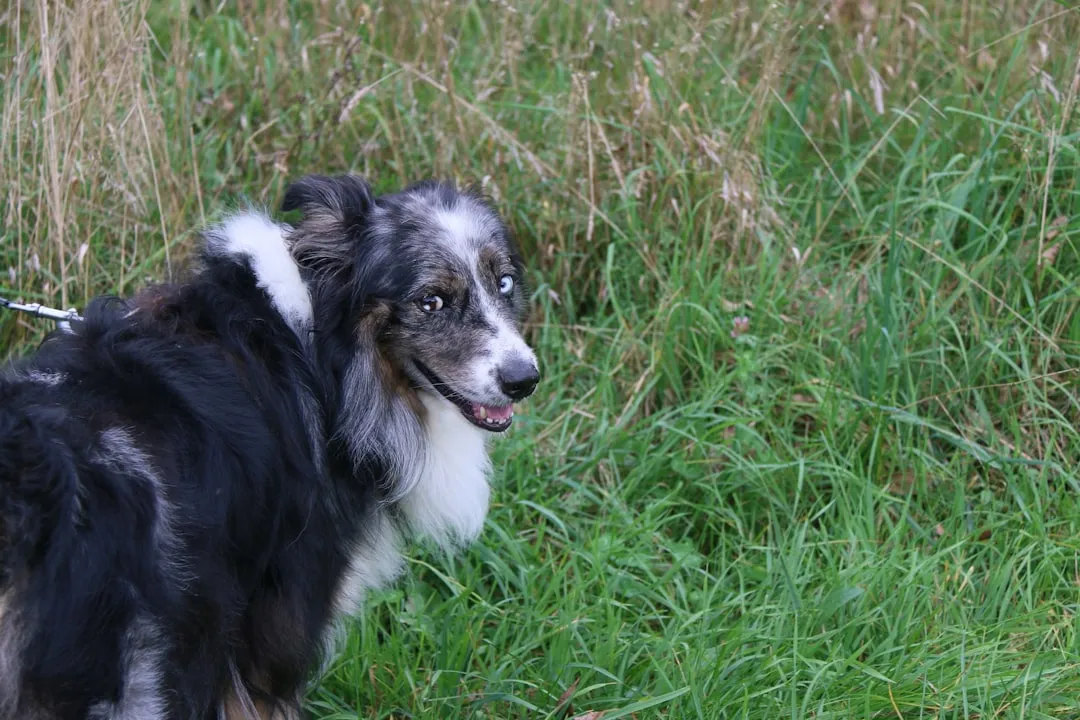
New environments and new people make most dogs a little uneasy, and the way they cope reveals a lot. In an unfamiliar spot, the dog checks in with its safe person first – a glance back, a moment of staying close, before deciding how to react to whatever’s happening.
This isn’t fear driving the behavior. It’s preference. The dog has decided your reaction is the one worth waiting for, and it shows up most clearly on walks in new neighborhoods or visits to someone else’s house. The longer the bond exists, the more automatic this check-in becomes.
#23 – Your Dog Melts With a Sigh and a Slow Blink Only for You
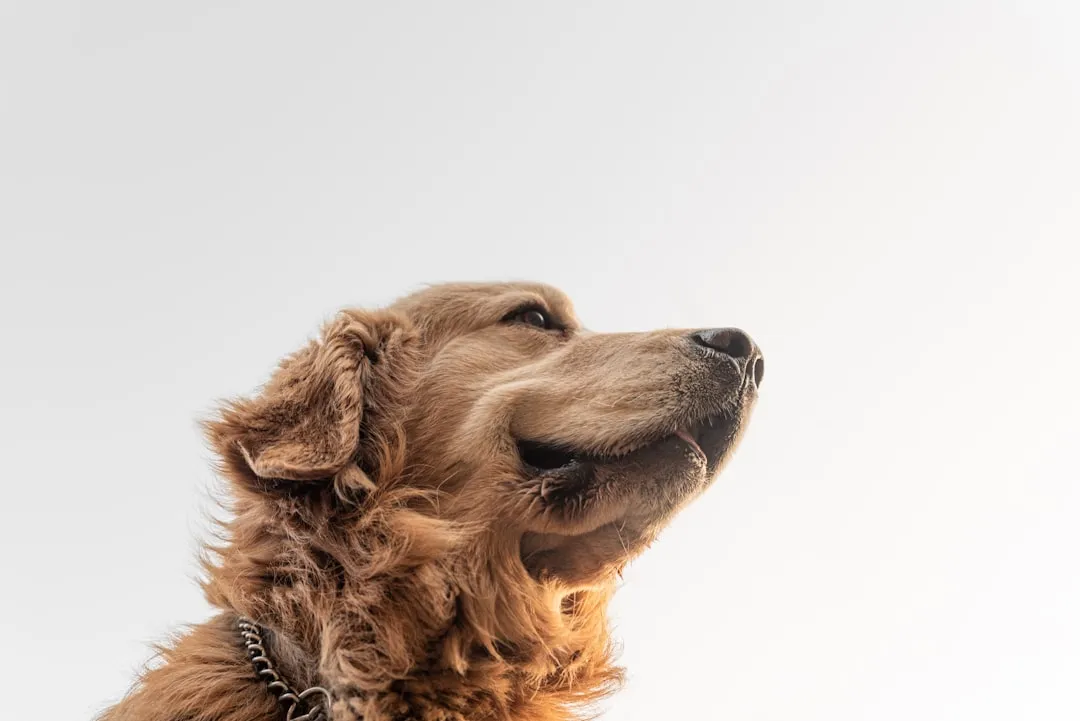
Here’s the sign that ties every other one together. A deep sigh, a slow blink, a full-body release of tension – all three arriving at once, and almost exclusively in your presence. It’s the dog’s way of saying, finally, this is safe.
Owners who see this regularly describe it as watching their dog physically melt into the moment. It rarely happens around visitors or less familiar family members, no matter how friendly the dog seems on the surface. Behaviorists point to this exact combination as the clearest, most reliable marker of who a dog has truly chosen as its person.
The Bottom Line
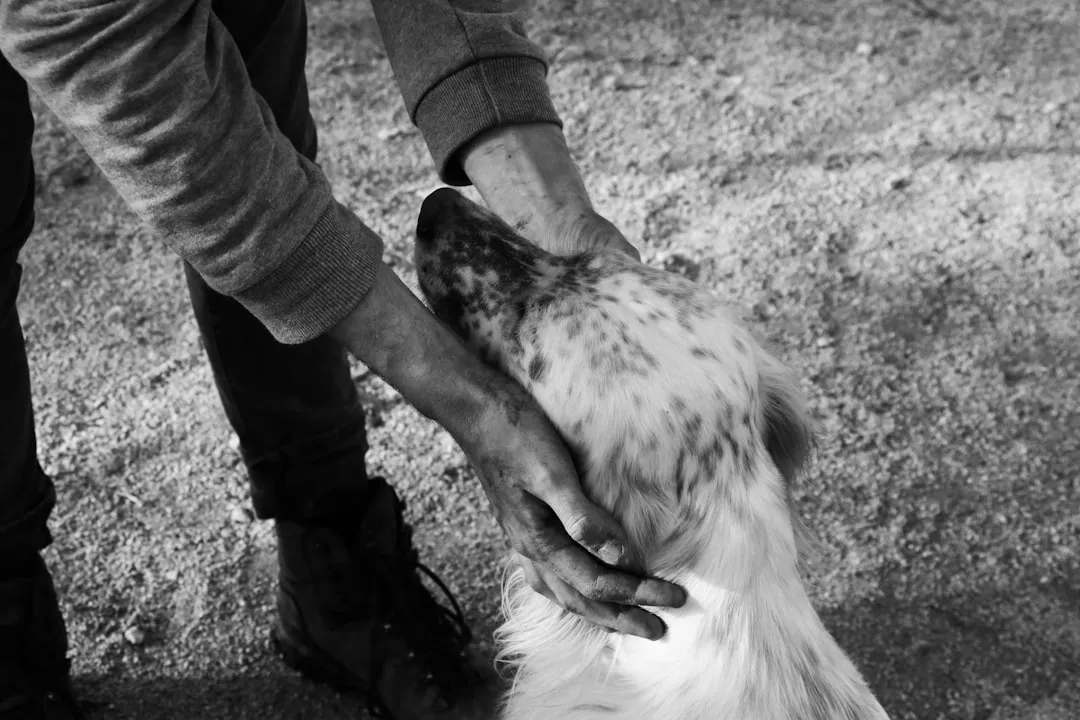
None of these 23 signs involve fireworks. No frantic tail-wagging, no dramatic reunions at the door – just quiet, repeated choices a dog makes when it finally feels safe enough to stop performing. That’s the part most owners get wrong. They’re waiting for a loud sign of love when the real one is a sigh, a slow blink, a back turned trustingly toward them in the dark.
If you recognized even half of these in your own dog, you’re not just the owner. You’re the person your dog has quietly decided is worth trusting with its most vulnerable moments – and that’s a title no amount of enthusiastic greetings at the door could ever fake. Did we miss a sign your dog only shows with you? Drop it below.

- 23 Signs You Are Your Dog's Safe Person, Not Just Their Owner - July 15, 2026
- 12 Fragrant Herbs That Attract 5 Times More Honeybees Than Any Traditional Flower Bed - July 15, 2026
- 10 Species That Refused to Go Extinct - July 15, 2026