
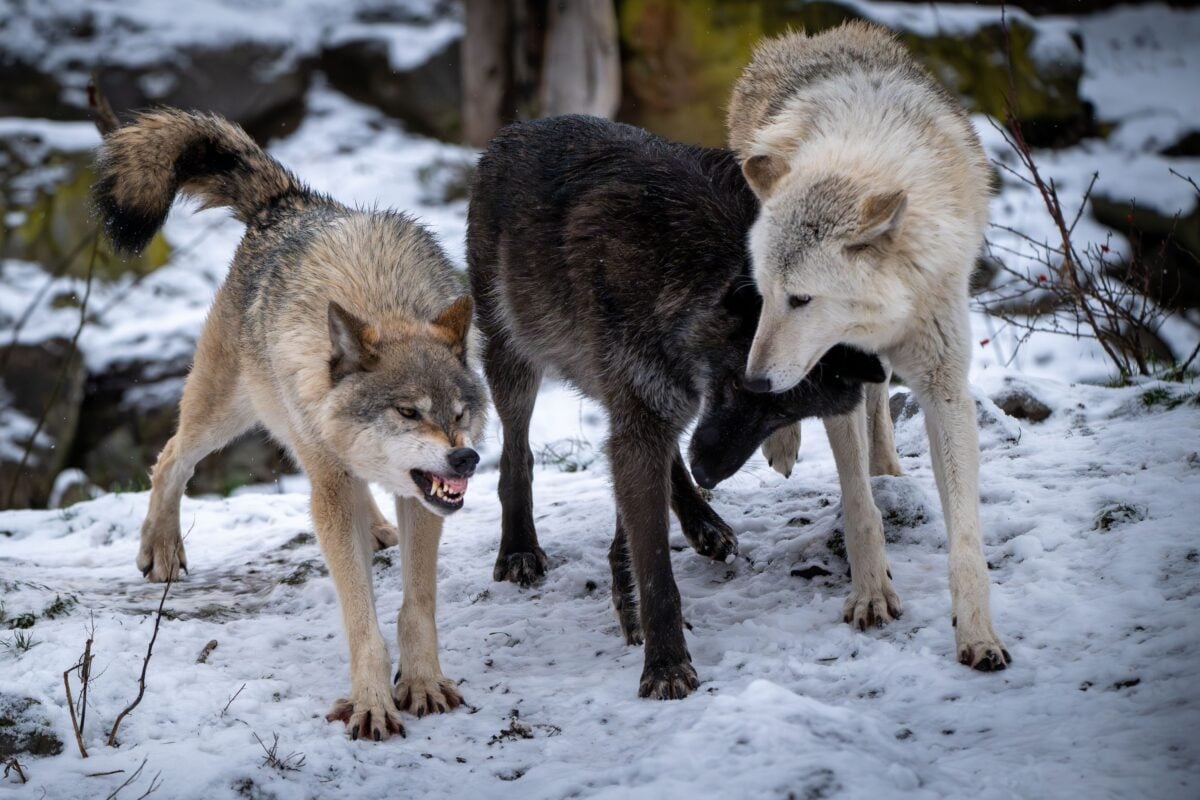
Wolves are often romanticized as lone wanderers, yet their true strength lies in their remarkable ability to work together. These apex predators exhibit a suite of cooperative behaviors that make them some of nature’s most efficient hunters. Let’s delve into the 12 key behaviors that underscore their collaborative prowess.
Strategic Pack Formation
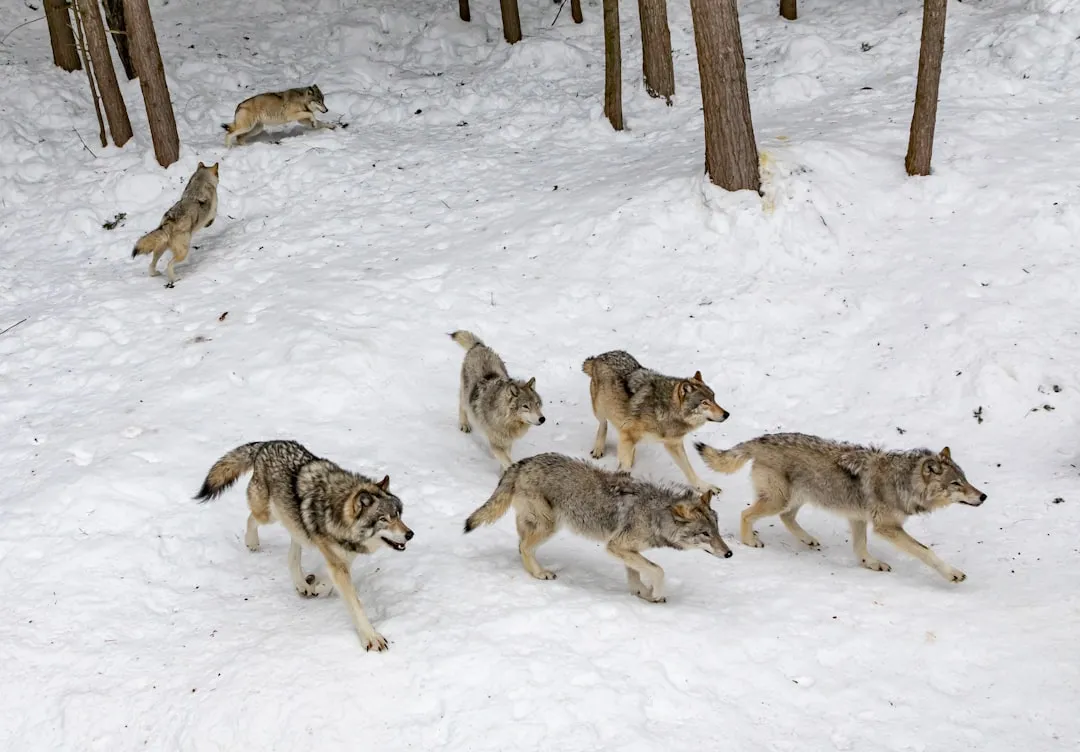
Wolves operate within structured family units known as packs, typically comprising a breeding pair and their offspring. This familial bond fosters a deep-seated cooperation, essential for orchestrating complex hunting strategies. Each member has a role, from scouting to leading the chase, ensuring the pack functions as a cohesive unit.
The pack’s hierarchy isn’t just about dominance; it’s about efficiency. By understanding their positions and responsibilities, wolves can execute hunts with precision, reducing energy expenditure and increasing success rates.
Advanced Communication Techniques
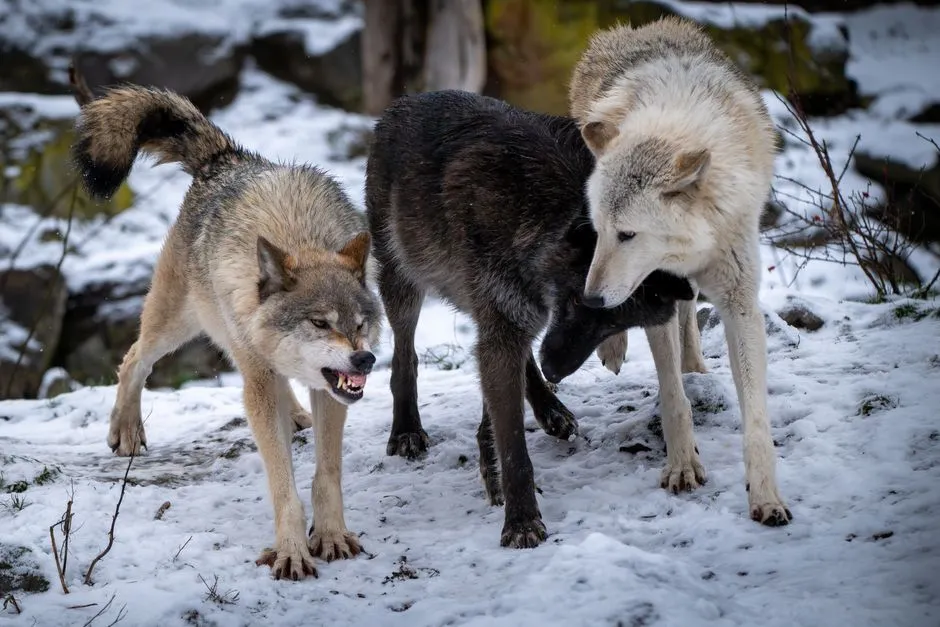
Effective communication is the backbone of wolf hunting. Through a combination of vocalizations, body language, and scent marking, wolves convey critical information about prey location, movement, and strategy adjustments. This constant exchange ensures that all members are synchronized during the hunt.
For instance, a subtle change in tail position or a specific howl can signal a shift in tactics, allowing the pack to adapt in real-time to the prey’s actions. This level of communication minimizes errors and maximizes hunting efficiency.
Role Specialization Within the Pack
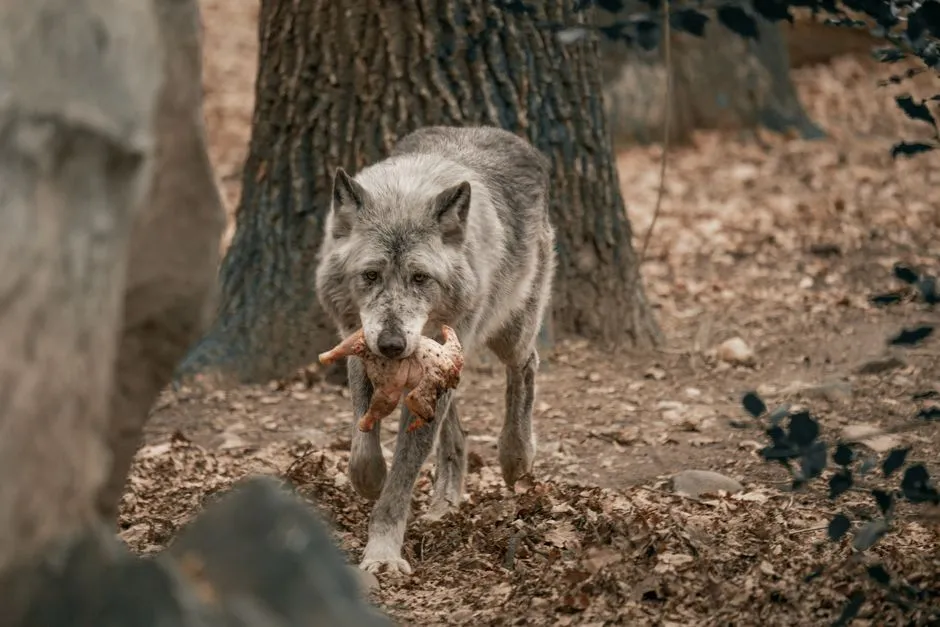
Not all wolves perform the same tasks during a hunt. Some act as chasers, driving prey towards ambush points, while others position themselves strategically to intercept or flank. This division of labor allows the pack to tackle prey much larger and faster than an individual wolf could manage alone.
This specialization is often based on individual strengths and experiences. Younger wolves might take on more active roles, while older, more experienced members may strategize and direct the hunt, showcasing a dynamic and adaptive team structure.
Coordinated Ambush Tactics
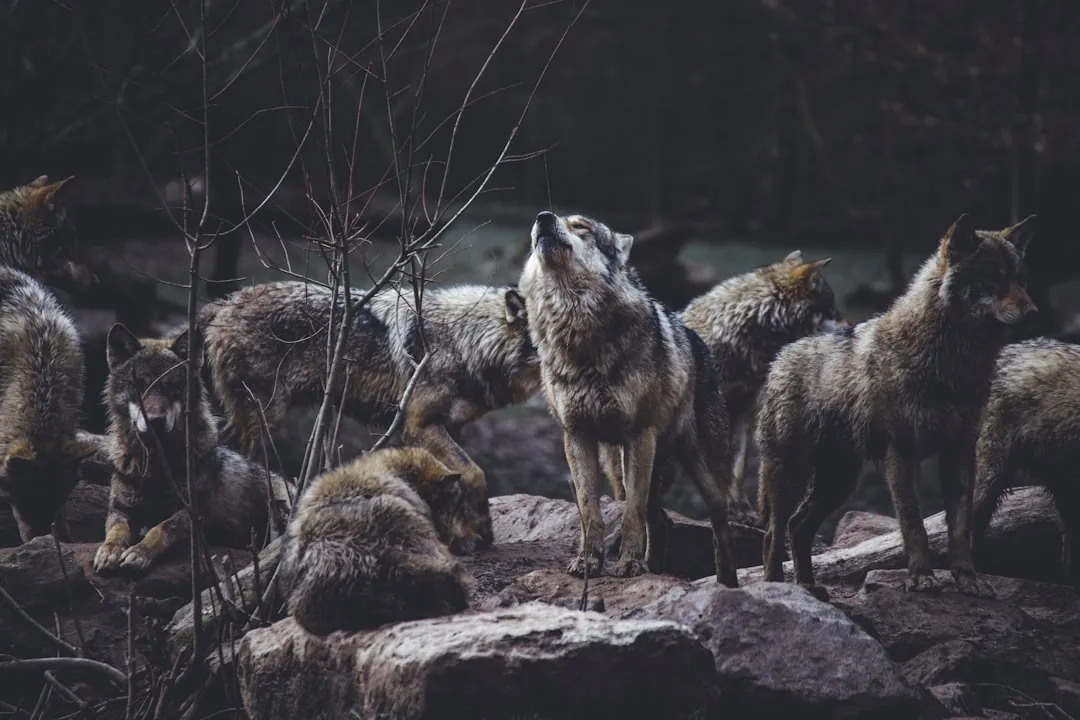
Wolves are not just endurance predators; they also employ ambush strategies. By understanding the terrain and prey behavior, wolves can position themselves to surprise their target, reducing the need for prolonged chases. This method is particularly effective in dense forests or rugged landscapes where visibility is limited.
Such tactics require meticulous planning and silent coordination. A misstep or premature movement can alert the prey, so wolves rely heavily on their ability to read each other’s cues and the environment to execute a successful ambush.
Adaptive Hunting Strategies
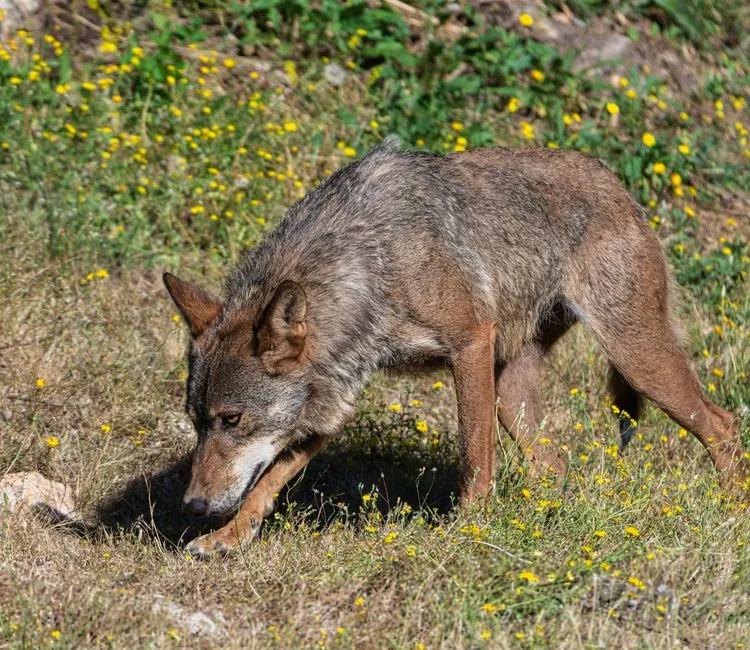
Wolves are opportunistic and adaptable hunters. Depending on the prey species, terrain, and environmental conditions, they can switch between endurance chases and stealthy ambushes. This flexibility ensures they can exploit a wide range of food sources, from large ungulates to smaller mammals.
For example, in open terrains, wolves might rely on their stamina to outlast prey, while in wooded areas, they might use cover to get closer before launching an attack. This adaptability is a testament to their intelligence and survival instincts.
Utilization of Environmental Features
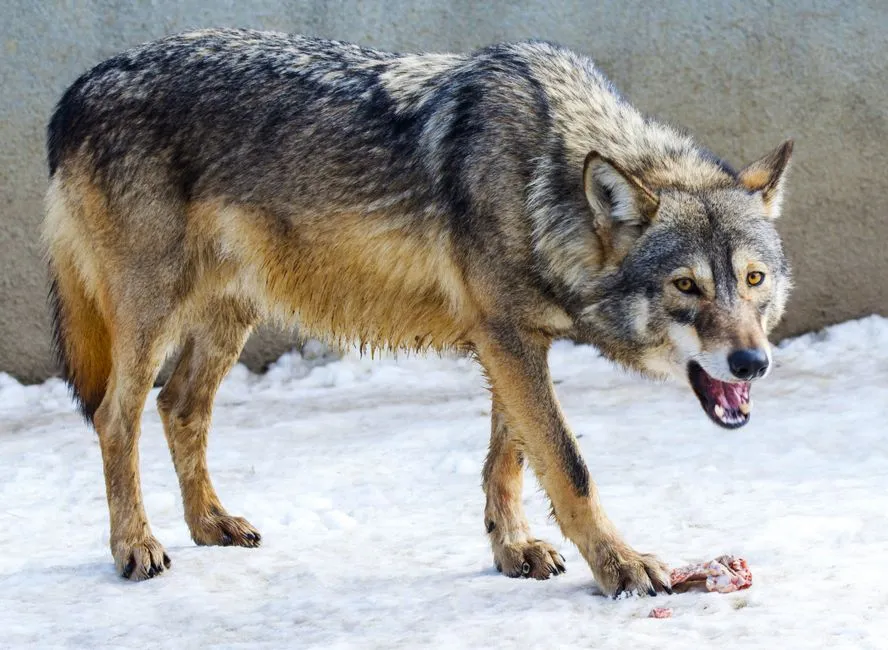
Wolves are keenly aware of their surroundings and use environmental features to their advantage. They might drive prey towards natural obstacles like cliffs, rivers, or dense vegetation to limit escape routes. This strategic use of the landscape increases the likelihood of a successful kill.
By understanding the topography of their territory, wolves can plan hunts that minimize risk and energy expenditure. This environmental intelligence showcases their deep connection to and understanding of their habitat.
Energy Conservation and Efficiency
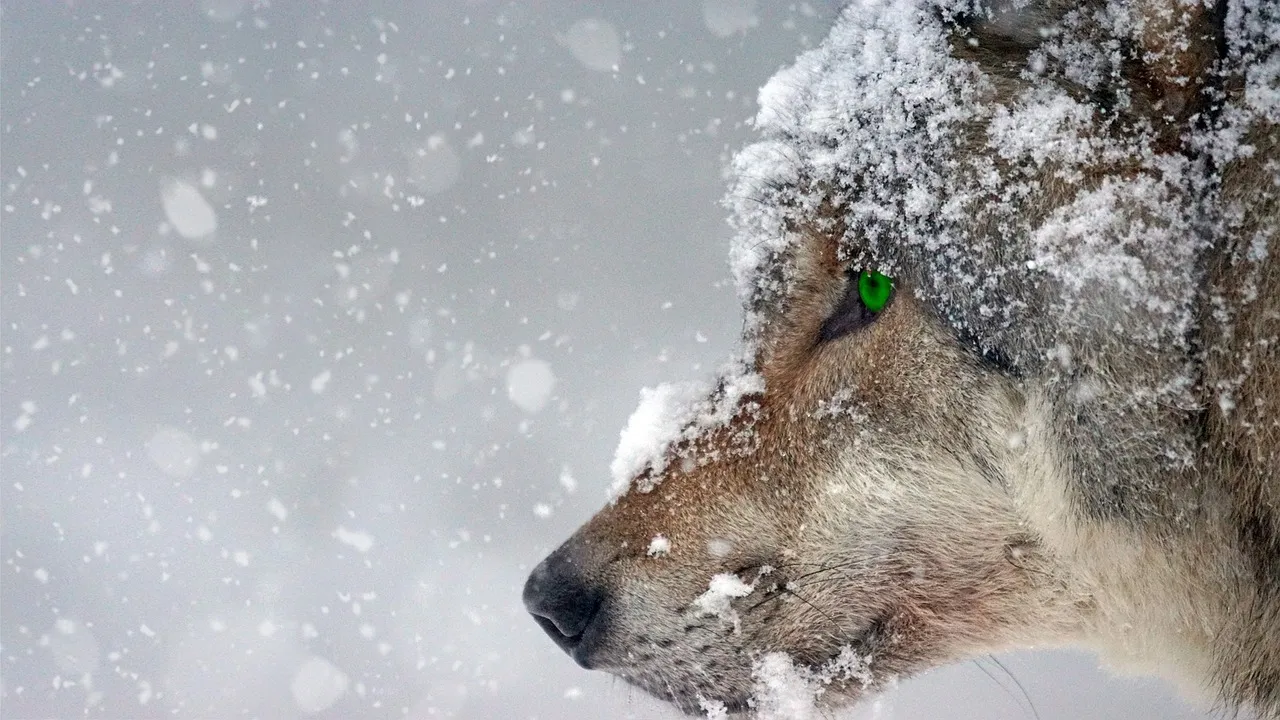
Hunting is energy-intensive, so wolves have developed behaviors to conserve energy. They often target weaker or injured individuals within a herd, ensuring a higher success rate with less effort. This selective predation also plays a role in maintaining the health of prey populations.
By focusing on vulnerable prey, wolves not only ensure their own survival but also contribute to the natural selection process, promoting stronger and healthier prey populations over time.
Teaching and Learning Within the Pack
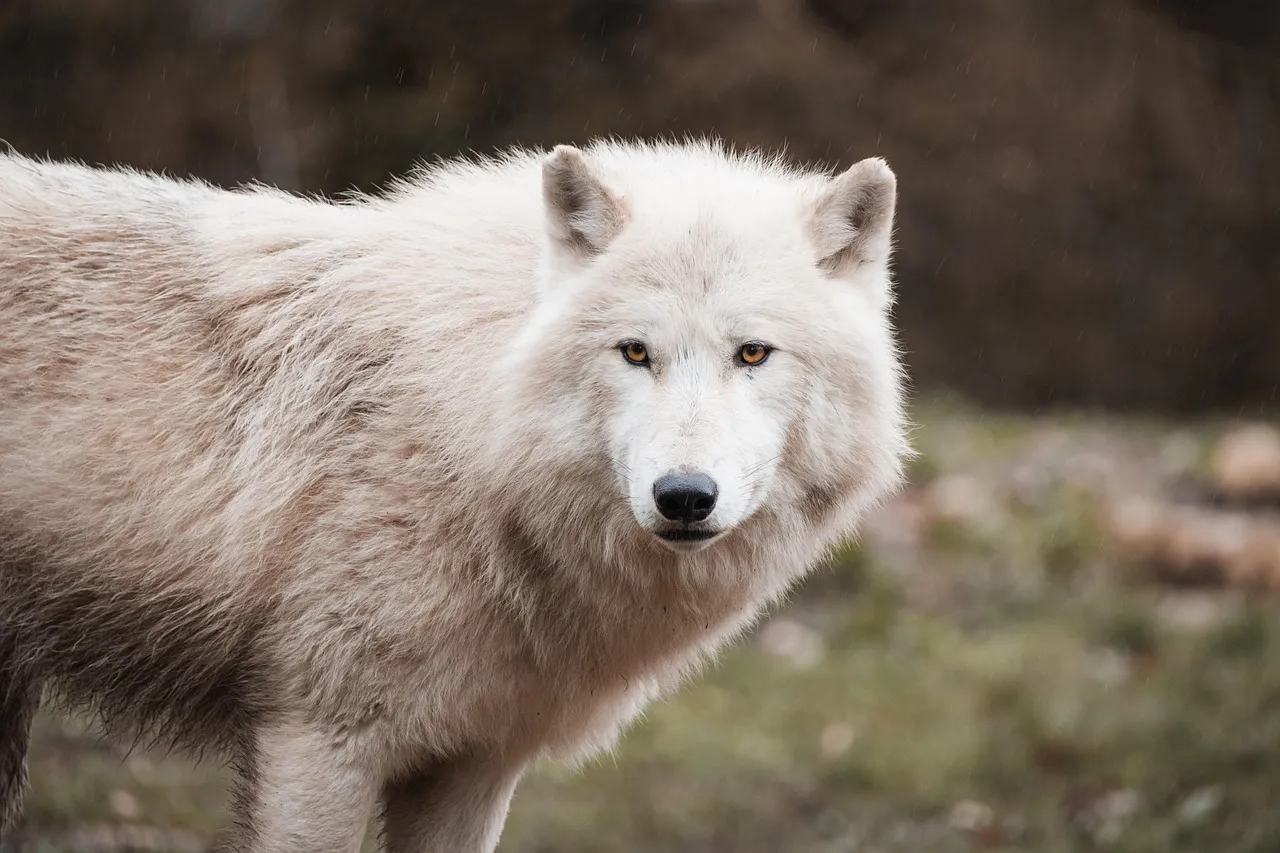
Knowledge transfer is vital in wolf packs. Experienced members teach younger wolves hunting techniques, from stalking to the final kill. This mentorship ensures that hunting skills are passed down through generations, maintaining the pack’s effectiveness.
Observational learning is common, with pups watching and mimicking adults. This hands-on education allows for the refinement of techniques and adaptation to new challenges, ensuring the pack’s continued success.
Risk Assessment and Management
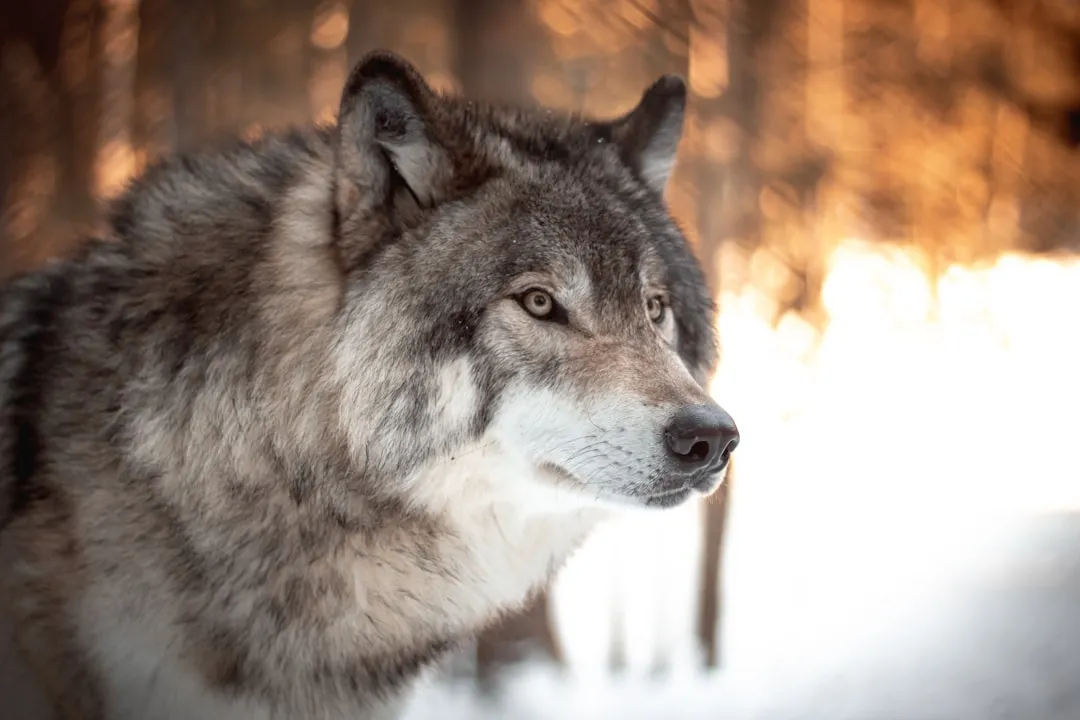
Wolves are not reckless hunters. They assess the risk associated with each hunt, considering factors like prey size, health, and defensive capabilities. If the potential danger outweighs the benefit, they may abandon the pursuit, showcasing a calculated approach to hunting.
This risk assessment ensures the safety of the pack, as injuries can be detrimental to their survival. By choosing battles wisely, wolves maintain their strength and cohesion.
Post-Hunt Cooperation
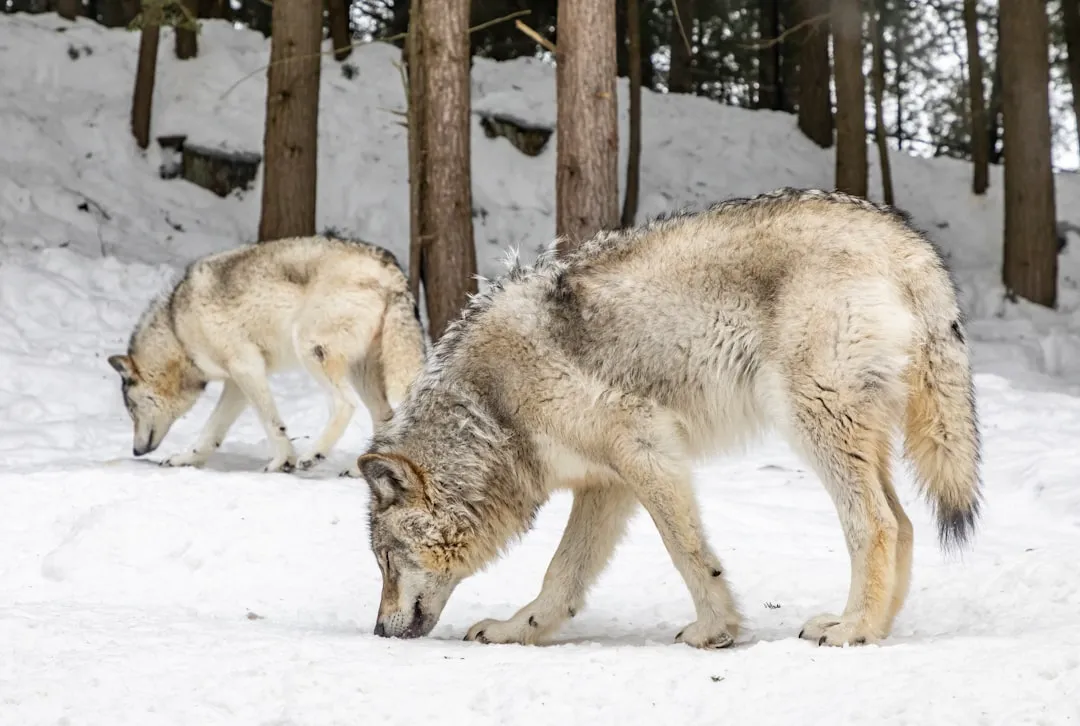
After a successful hunt, wolves exhibit cooperative behaviors in feeding. The breeding pair often eats first, followed by other members in a structured manner. This order reduces conflict and ensures that all members receive nourishment, reinforcing social bonds.
Sharing food also strengthens pack unity, as communal feeding fosters trust and reinforces the cooperative nature essential for future hunts.
Territorial Defense and Resource Management
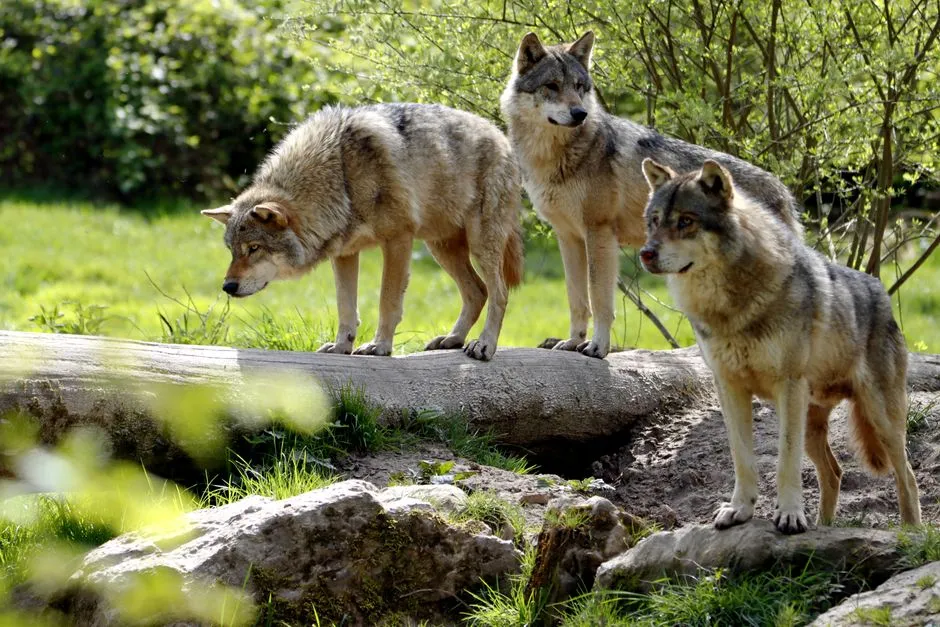
Wolves are territorial animals, and defending their hunting grounds is crucial. By marking and patrolling their territory, they deter rival packs, ensuring access to food resources. This territorial behavior is a collective effort, with all members participating in defense.
Maintaining a
