
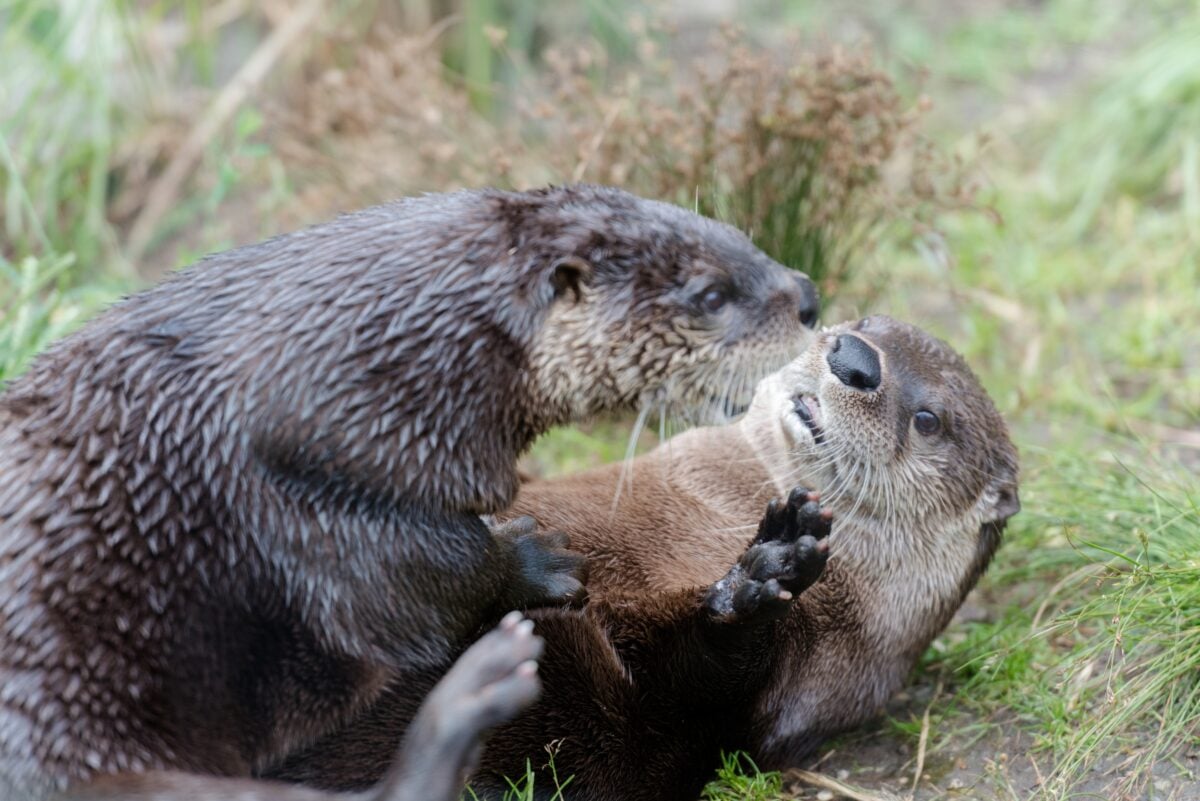
Otters, with their playful antics and endearing appearances, are more than just charming creatures of the waterways. Beneath their playful exterior lies a tapestry of intricate social behaviors that rival those of many other mammals. Let’s dive into the fascinating world of otter social dynamics and uncover the behaviors that highlight their complex social lives.
Forming Tight-Knit Family Units
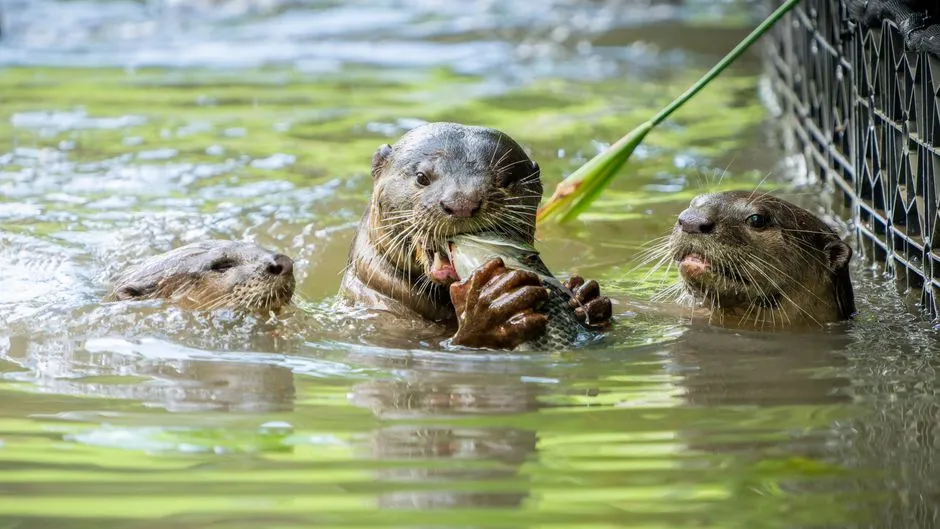
Giant otters, native to South America’s river systems, exemplify strong familial bonds. They live in cohesive groups, often comprising a monogamous pair and their offspring. These family units collaborate in hunting, territory defense, and rearing young, showcasing a level of cooperation that underscores their social complexity.
In these groups, older siblings play a role in nurturing and teaching younger pups, ensuring the transmission of essential survival skills. This cooperative rearing strategy not only strengthens family ties but also enhances the group’s overall success in their environment.
Engaging in Playful Behaviors
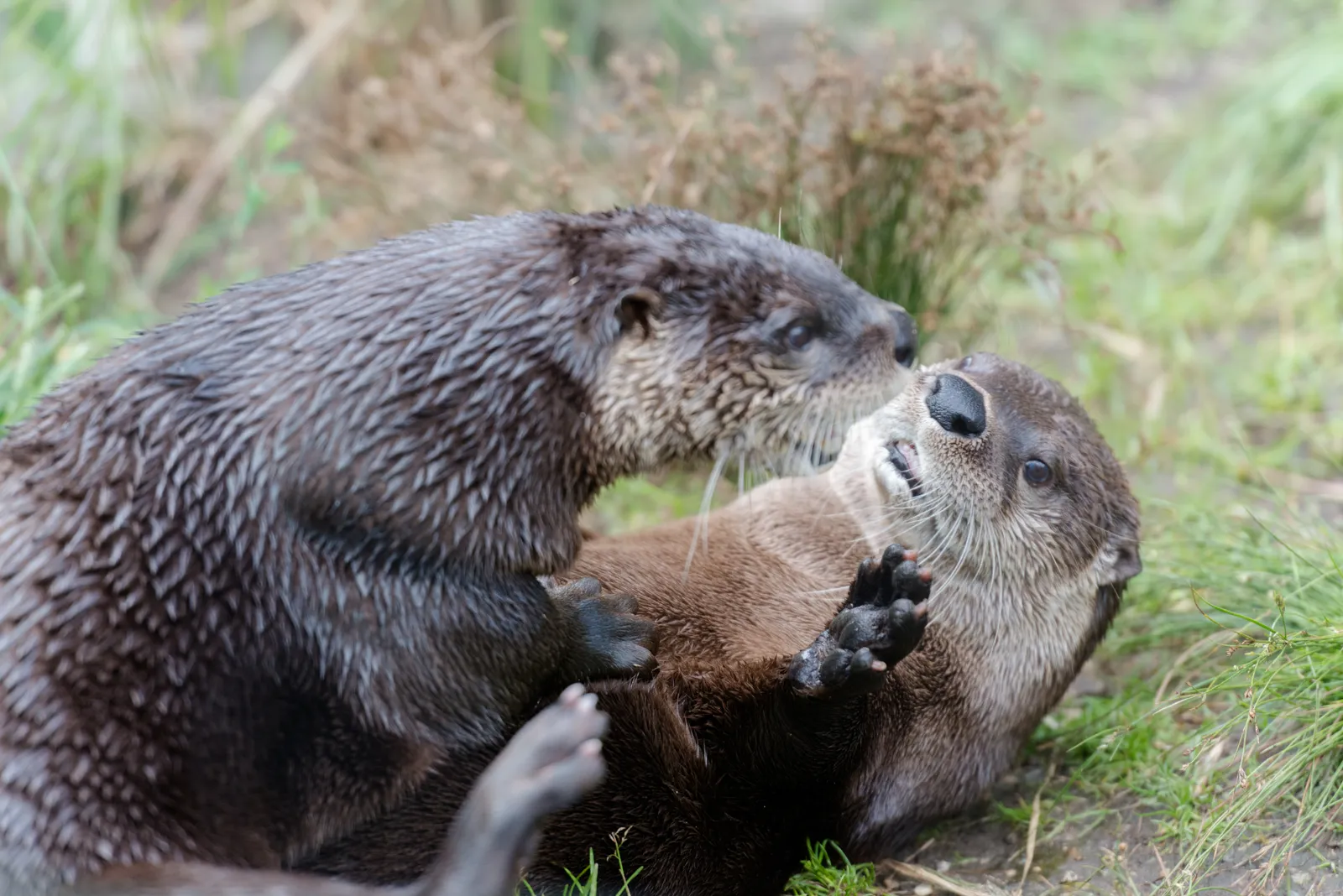
Otters are renowned for their playful nature, often seen sliding down muddy banks or engaging in mock wrestling. While these behaviors appear whimsical, they serve critical functions. Play helps young otters develop hunting techniques, social skills, and physical coordination, all vital for their survival.
Moreover, play strengthens social bonds within groups. Through these interactions, otters establish hierarchies, resolve conflicts, and reinforce group cohesion, highlighting the importance of play in their social structures.
Utilizing Vocal Communication
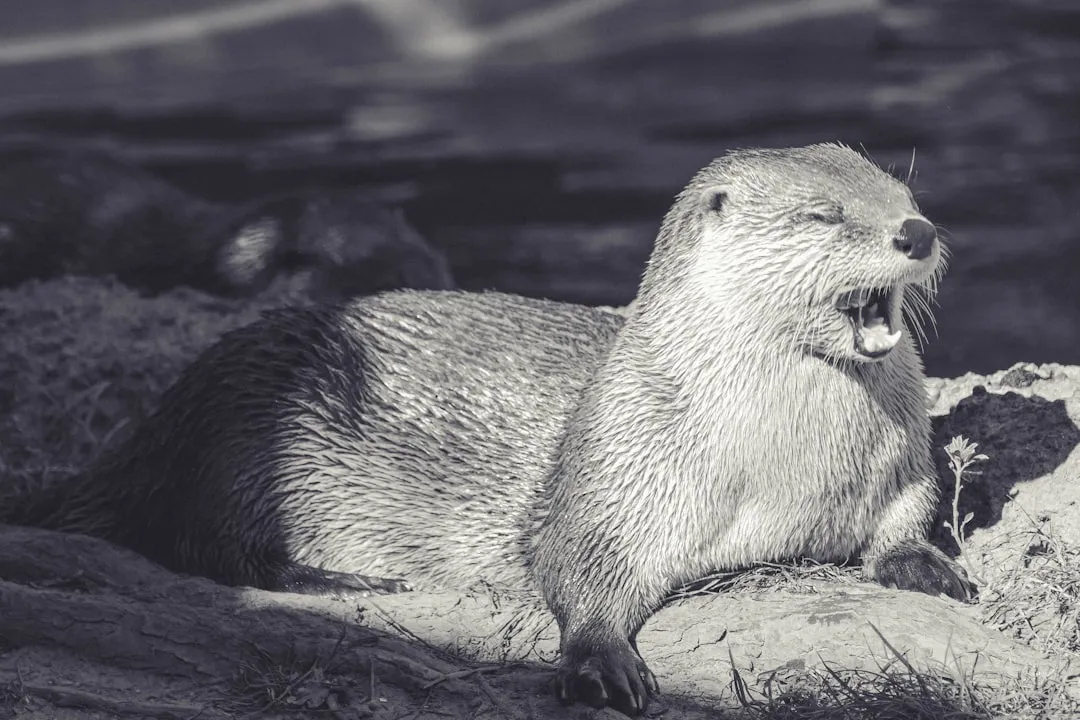
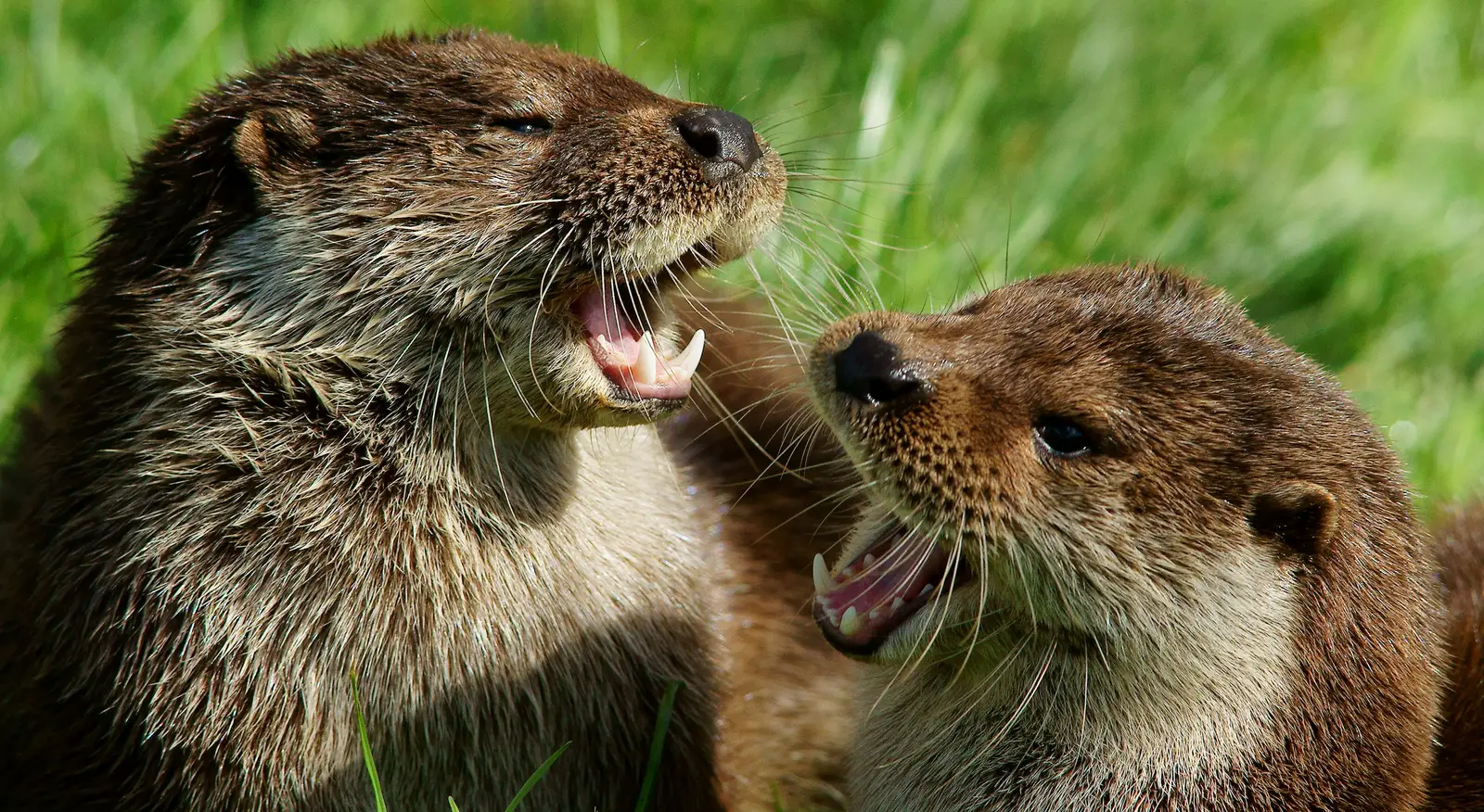
Communication among otters is rich and varied. They employ a range of vocalizations, from whistles and chirps to growls and screams, each conveying specific messages. For instance, a particular whistle may signal a call to gather, while a growl could indicate a warning of potential danger.
This vocal repertoire facilitates coordination during group activities like hunting and alerts members to threats, emphasizing the complexity of their social interactions.
Practicing Mutual Grooming
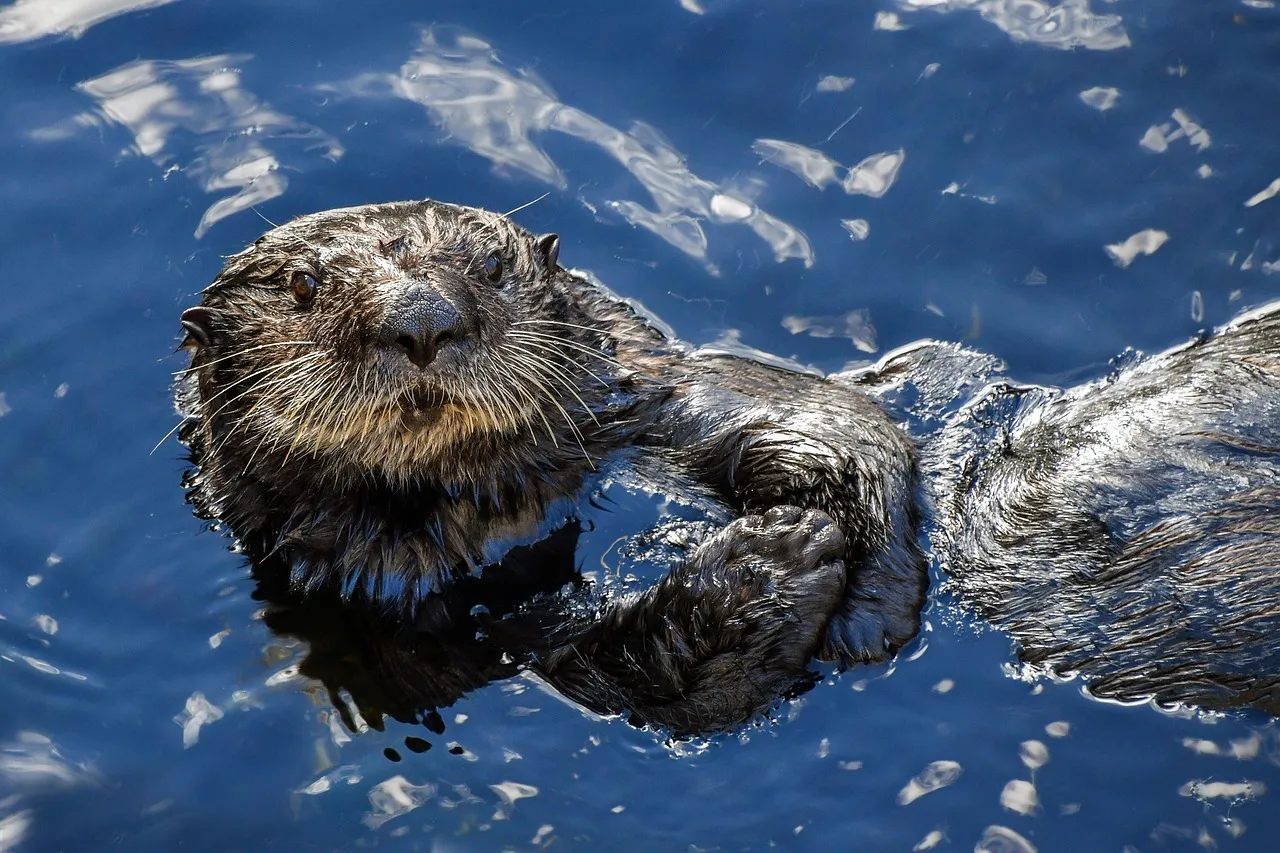
Grooming is not merely about hygiene for otters; it’s a social activity that reinforces bonds. Sea otters, in particular, are observed grooming each other, which helps maintain their dense fur’s insulating properties and strengthens social connections within the group.
This mutual grooming also serves as a calming mechanism, reducing stress and promoting group harmony, further illustrating the depth of their social behaviors.
Cooperative Hunting Strategies

Some otter species, like the giant otter, engage in cooperative hunting. By working together, they can corral fish into shallow areas, making them easier to catch. This teamwork not only increases hunting efficiency but also demonstrates advanced social coordination.
Such collaborative efforts require communication, role assignment, and trust among group members, reflecting the sophisticated nature of their social structures.
Establishing and Defending Territories
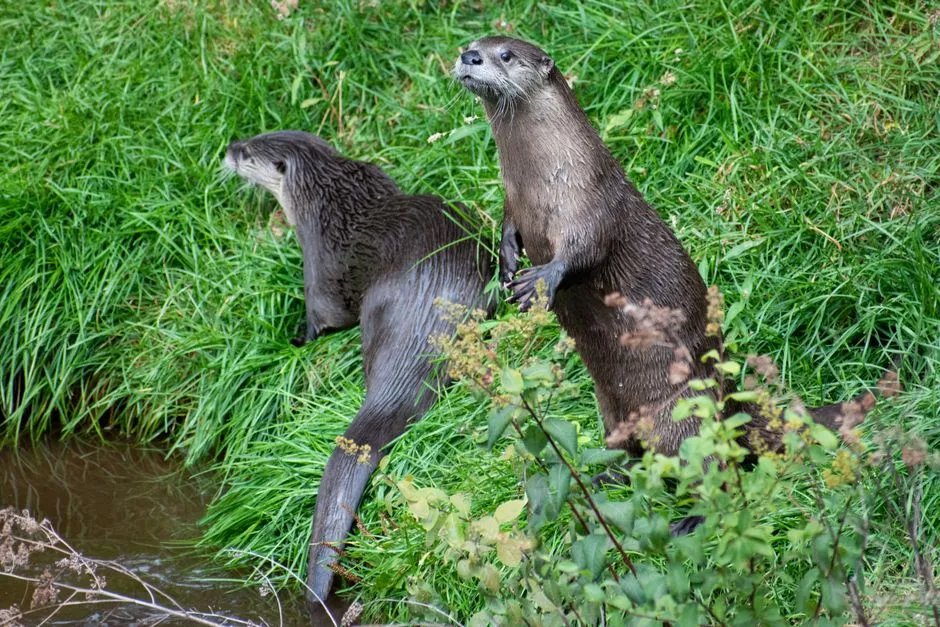
Territoriality is a significant aspect of otter social life. They mark their territories using scent glands, leaving spraints (feces) in prominent locations to signal ownership. This behavior helps prevent conflicts by delineating boundaries recognized by other otters.
When intrusions occur, otters may engage in vocal displays or physical confrontations to defend their space, showcasing their commitment to maintaining social order within their habitats.
Demonstrating Tool Use
Sea otters exhibit remarkable intelligence through tool use. They use rocks to crack open hard-shelled prey like clams and sea urchins, a behavior that requires learning and practice. This not only highlights their cognitive abilities but also their capacity to pass on knowledge within social groups.
Young otters learn these techniques by observing and mimicking adults, emphasizing the role of social learning in their communities.
Participating in Group Rafting

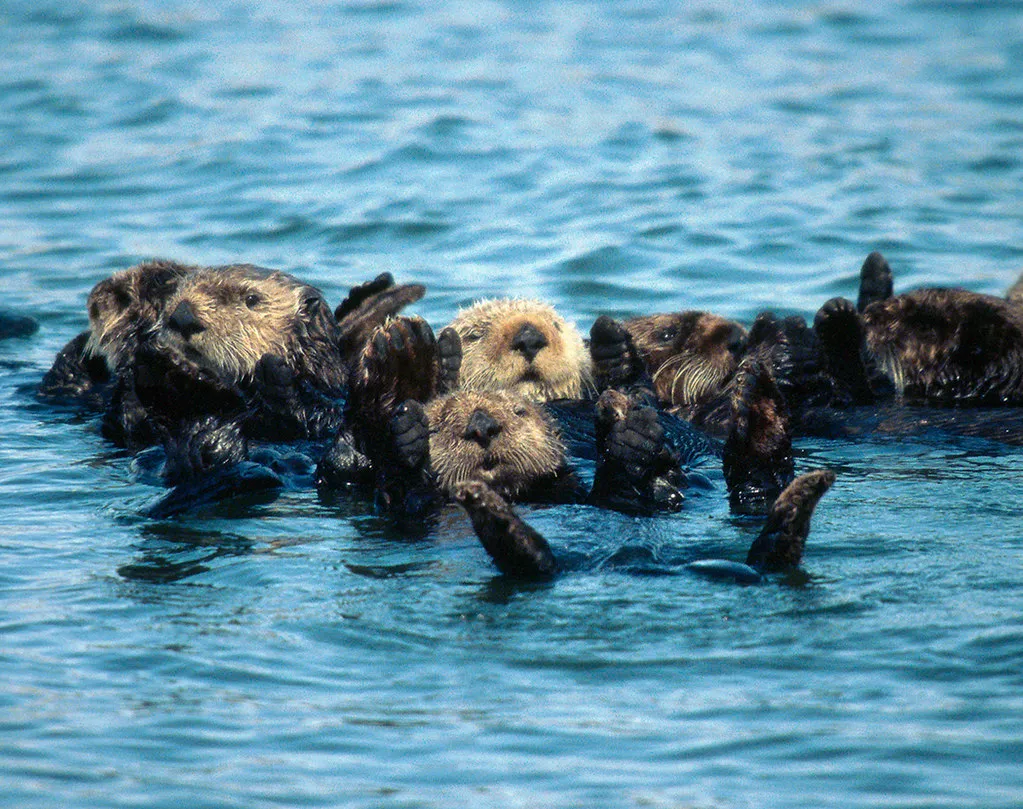
Sea otters often form groups called rafts, where they float together, sometimes holding paws to stay connected. These rafts can consist of dozens of individuals and serve multiple purposes, including protection from predators and maintaining social bonds.
Rafting behavior underscores the importance of social connections and collective security in otter communities, reflecting their intricate social dynamics.
Exhibiting Maternal Care
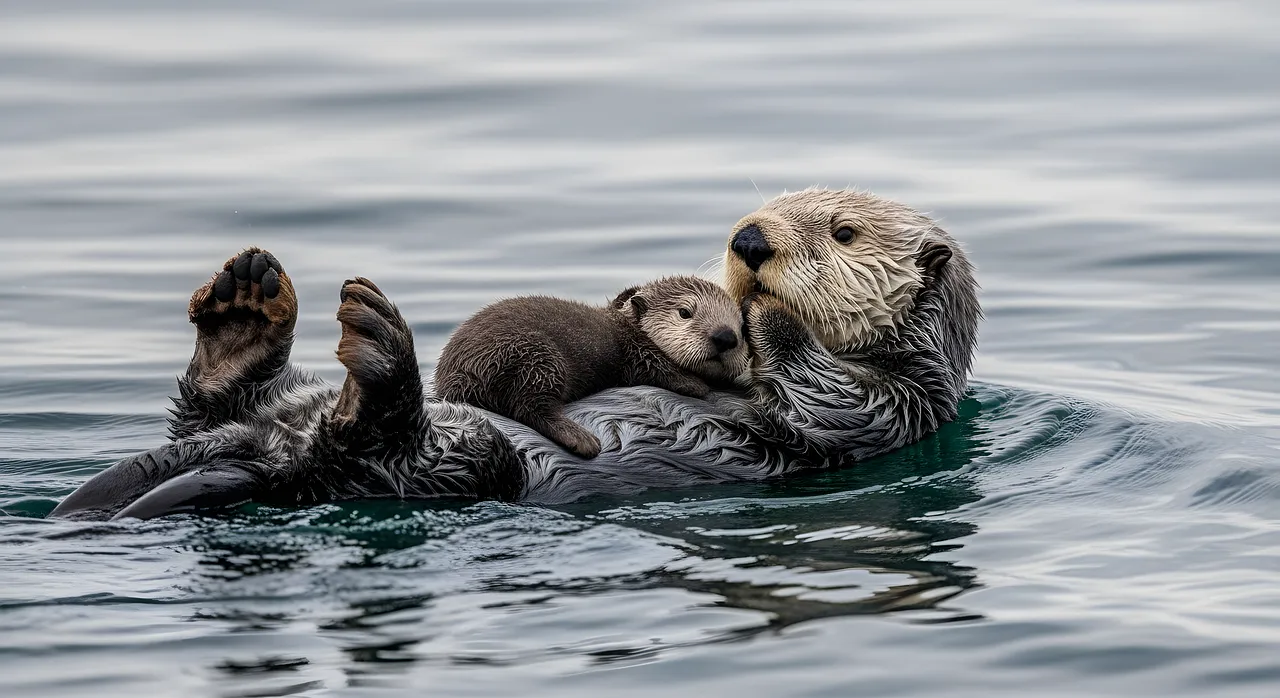
Female otters invest heavily in rearing their young. They carry pups on their bellies, groom them meticulously, and teach them essential survival skills. This intense maternal care ensures the offspring’s survival and integration into the social structure.
The dedication of otter mothers highlights the significance of familial bonds and the transmission of social behaviors across generations.
Engaging in Scent Marking
Scent marking is a crucial communication tool for otters. By depositing scent marks, they convey information about their identity, reproductive status, and territorial boundaries. This chemical communication helps maintain social order and facilitates interactions among individuals.
Through scent marking, otters can avoid unnecessary conflicts and coordinate activities, reflecting the complexity of their social networks.
In conclusion, otters are far more than playful aquatic mammals; they are social beings with intricate behaviors that foster cooperation, communication, and community. Their actions reveal a depth of social complexity that continues to captivate and inspire. Isn’t it remarkable how these creatures navigate their social worlds with such finesse?
