
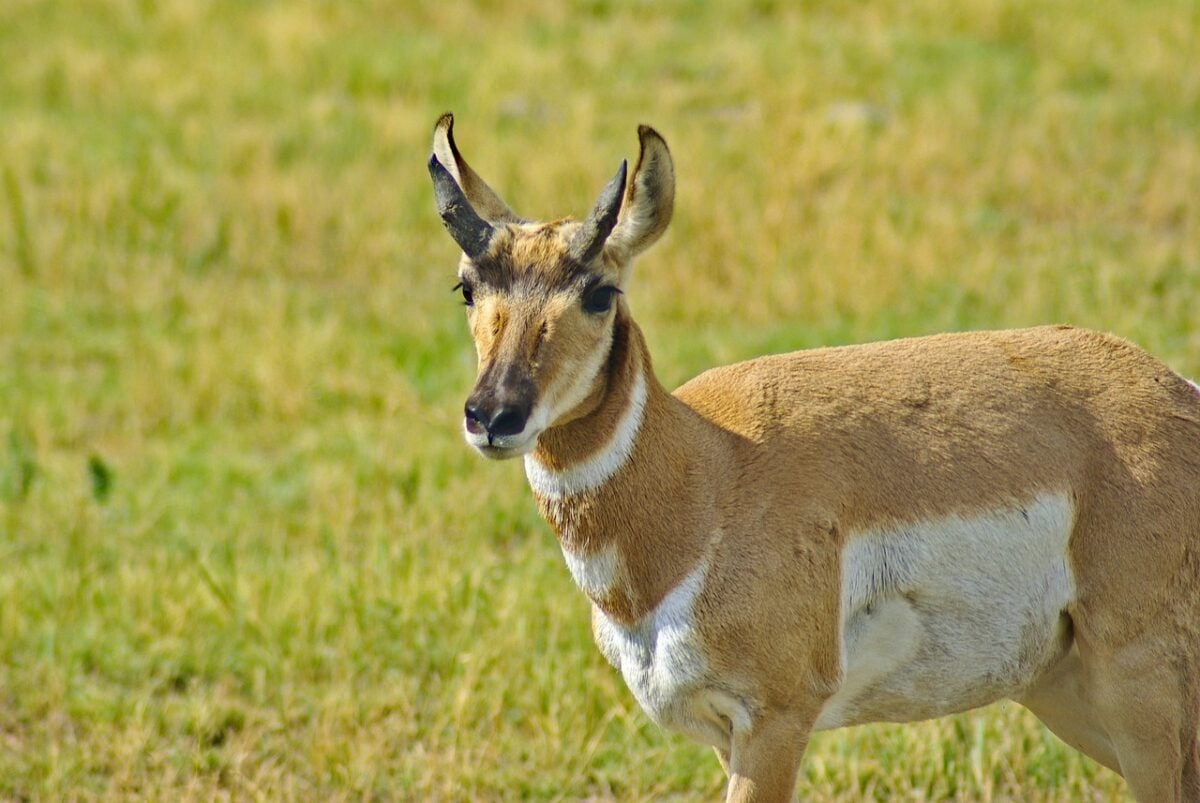
Imagine standing on the vast, open plains of North America, where the horizon stretches endlessly. Suddenly, a pronghorn lifts its head, ears twitching, eyes scanning the distance. Within moments, the entire herd is on high alert, poised to flee. What allows these creatures to detect danger from miles away? The answer lies in their extraordinary vision.
Exceptional Eyesight: Nature’s Binoculars
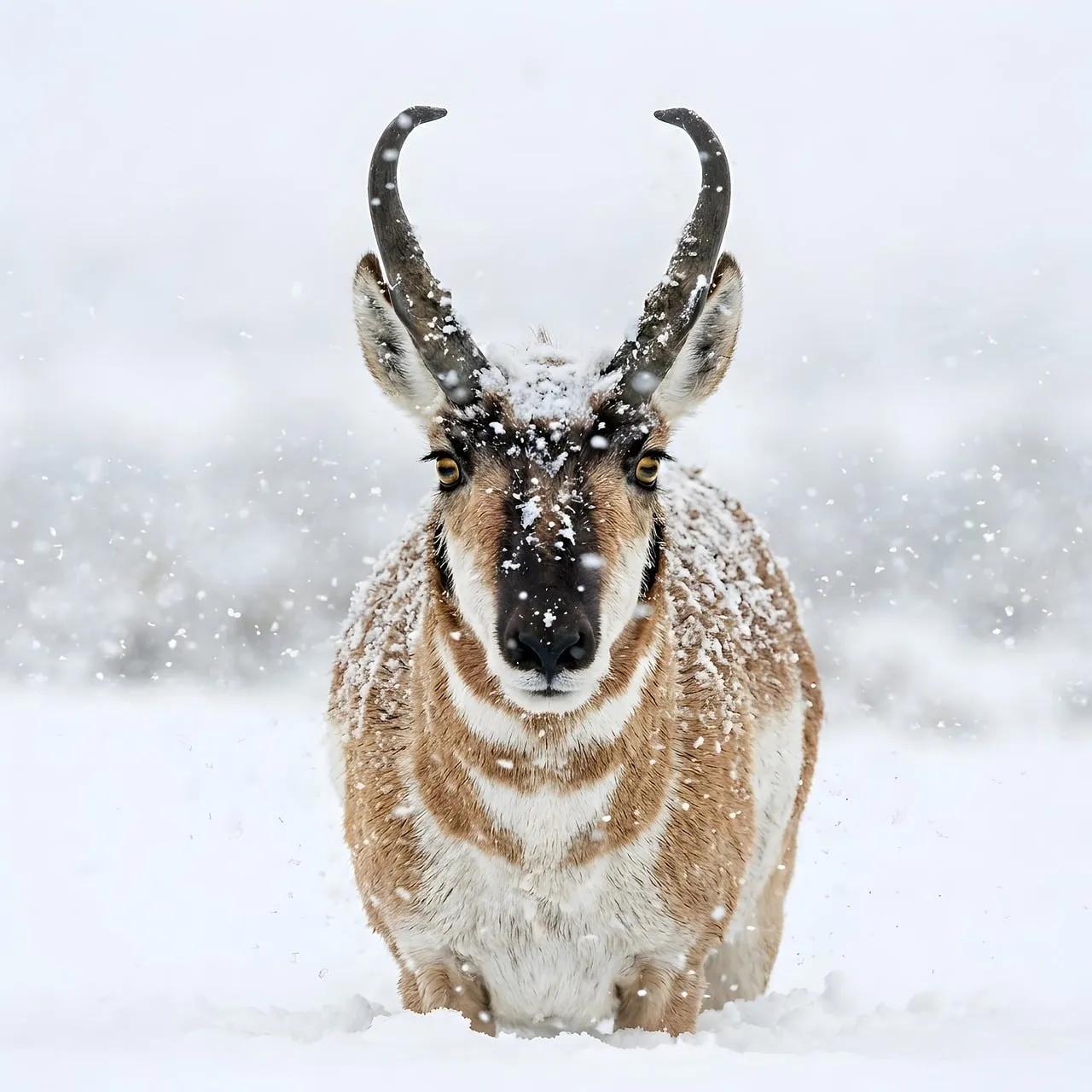
Pronghorns possess some of the largest eyes relative to their body size among North American mammals. These oversized eyes grant them a panoramic field of vision, estimated at around 320 degrees. This wide-angle perspective enables them to detect movement from nearly any direction without turning their heads.
Their visual acuity is so sharp that they can spot predators or other threats from distances up to four miles away. This keen eyesight is comparable to looking through a pair of high-powered binoculars, allowing pronghorns to monitor their surroundings with remarkable precision.
Adaptations for Open Terrain
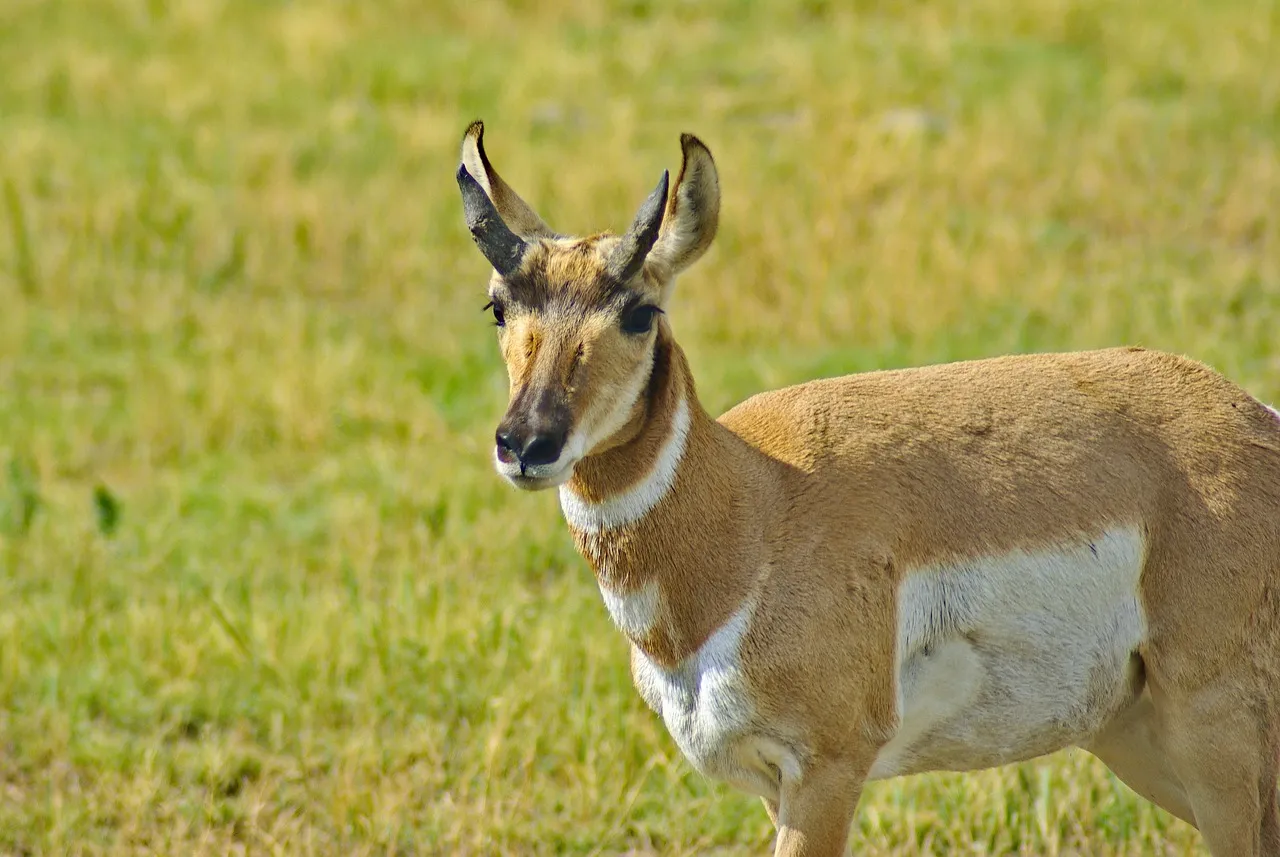
In the expansive grasslands and deserts they inhabit, pronghorns rely heavily on their vision to survive. The lack of dense vegetation means there’s little cover to hide from predators. Their large, protruding eyes are strategically positioned high on their heads, providing an unobstructed view of the horizon.
This adaptation ensures that pronghorns can detect potential threats from afar, giving them ample time to react. It’s a crucial survival mechanism in environments where early detection can mean the difference between life and death.
Speed: The Ultimate Escape
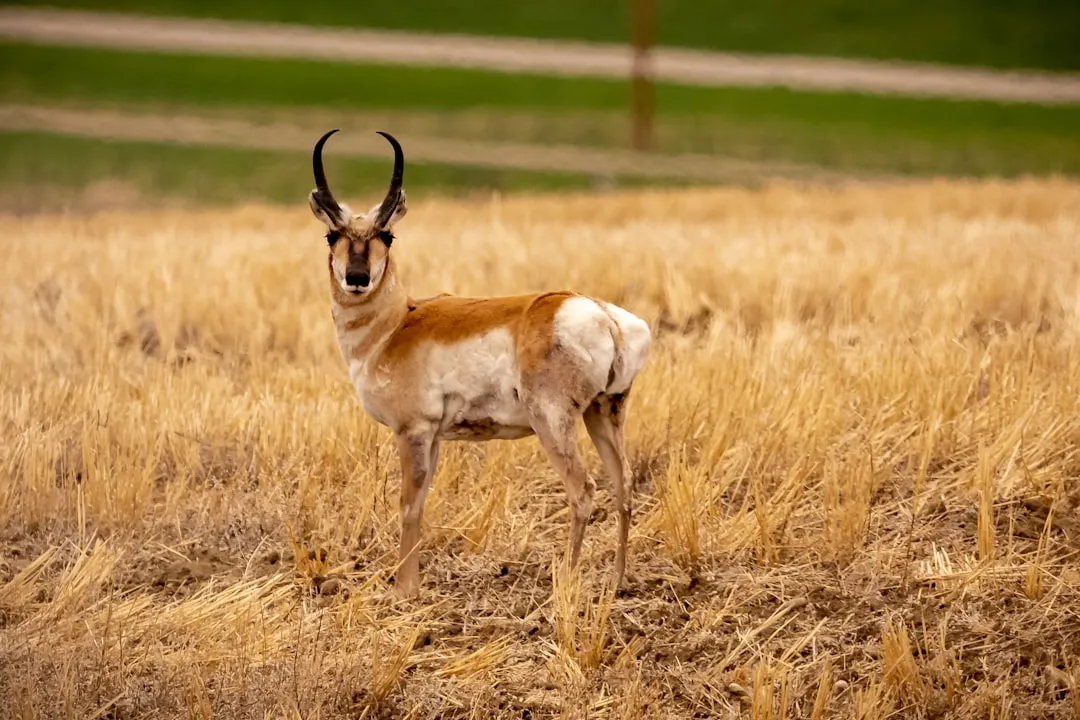
Once a pronghorn identifies a threat, its response is swift and decisive. Renowned as the fastest land mammal in North America, pronghorns can reach speeds up to 60 miles per hour. This incredible velocity allows them to outrun most predators, ensuring their safety across the open plains.
Their bodies are built for speed, with long, slender legs and lightweight frames. This combination of keen eyesight and rapid acceleration makes them formidable survivors in their natural habitats.
Unique Horns: A Distinctive Feature
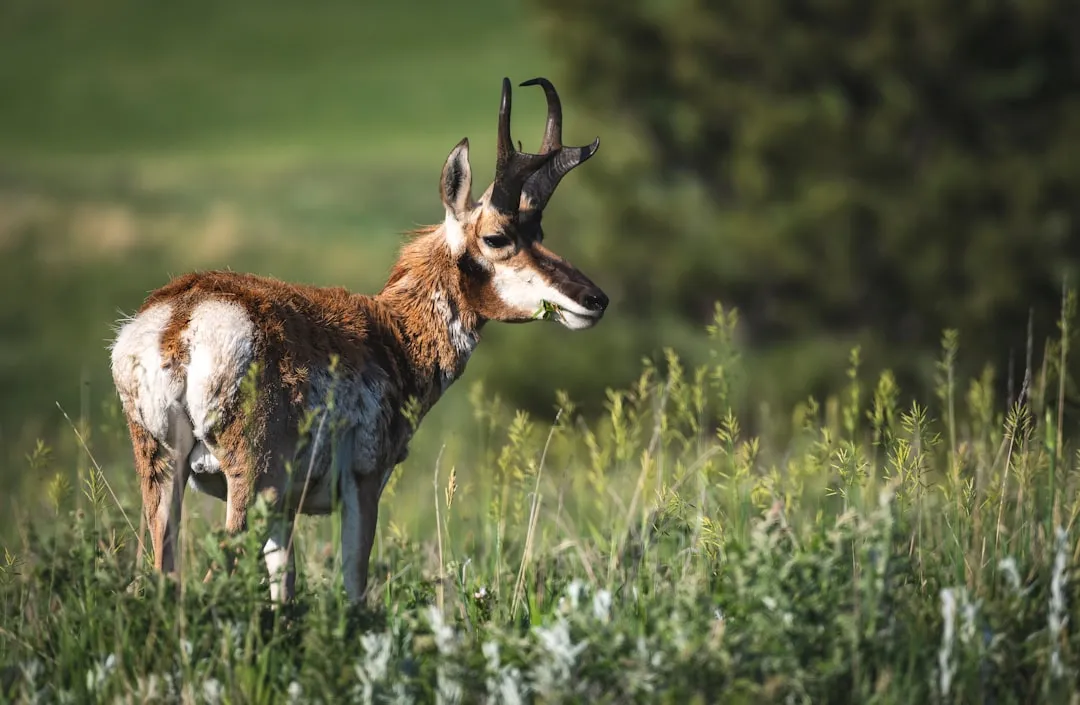
Both male and female pronghorns possess horns, a rarity among horned mammals. Males typically have larger, pronged horns that can grow up to 18 inches long, while females have smaller, often unpronged horns. Unlike true antelopes, pronghorns shed their horn sheaths annually, a trait they share with deer.
This unique characteristic sets them apart in the animal kingdom and adds to their distinctive appearance on the plains.
Social Behavior and Communication
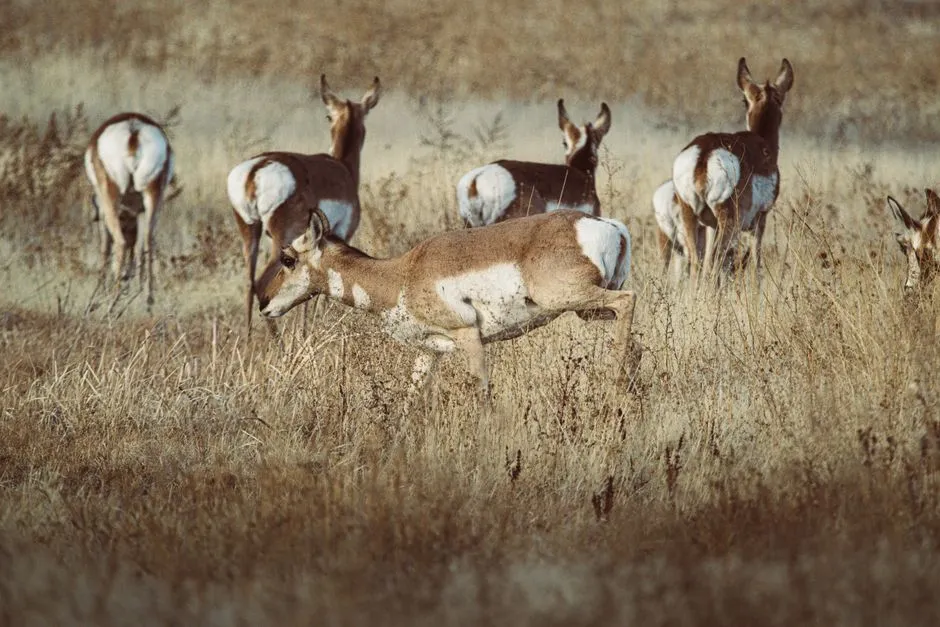
Pronghorns are social animals, often forming groups that provide collective vigilance against predators. When one individual detects danger, it raises the white hairs on its rump, signaling the rest of the herd to be on alert. This visual cue, combined with their exceptional eyesight, ensures that the entire group can respond swiftly to threats.
This communal approach to safety highlights the importance of their visual communication in predator detection and avoidance.
Evolutionary Arms Race
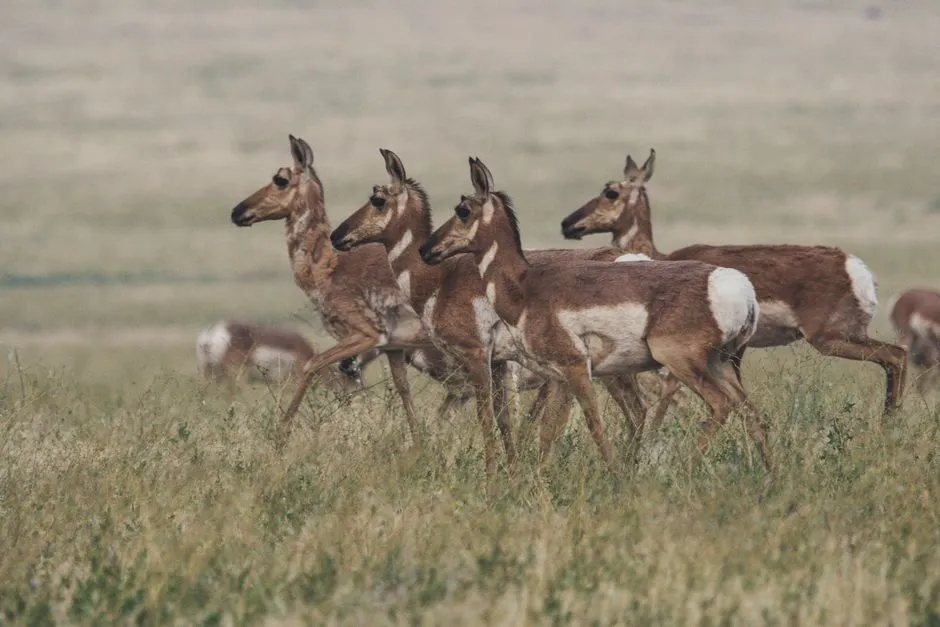
The pronghorn’s remarkable speed and vision are believed to have evolved as defenses against now-extinct predators like the American cheetah. This evolutionary arms race has left pronghorns with abilities that far exceed the demands of their current environment, showcasing nature’s capacity for over-preparation.
Their continued survival is a testament to these adaptations, allowing them to thrive in the modern era despite the absence of their historical predators.
Conservation and Future Challenges
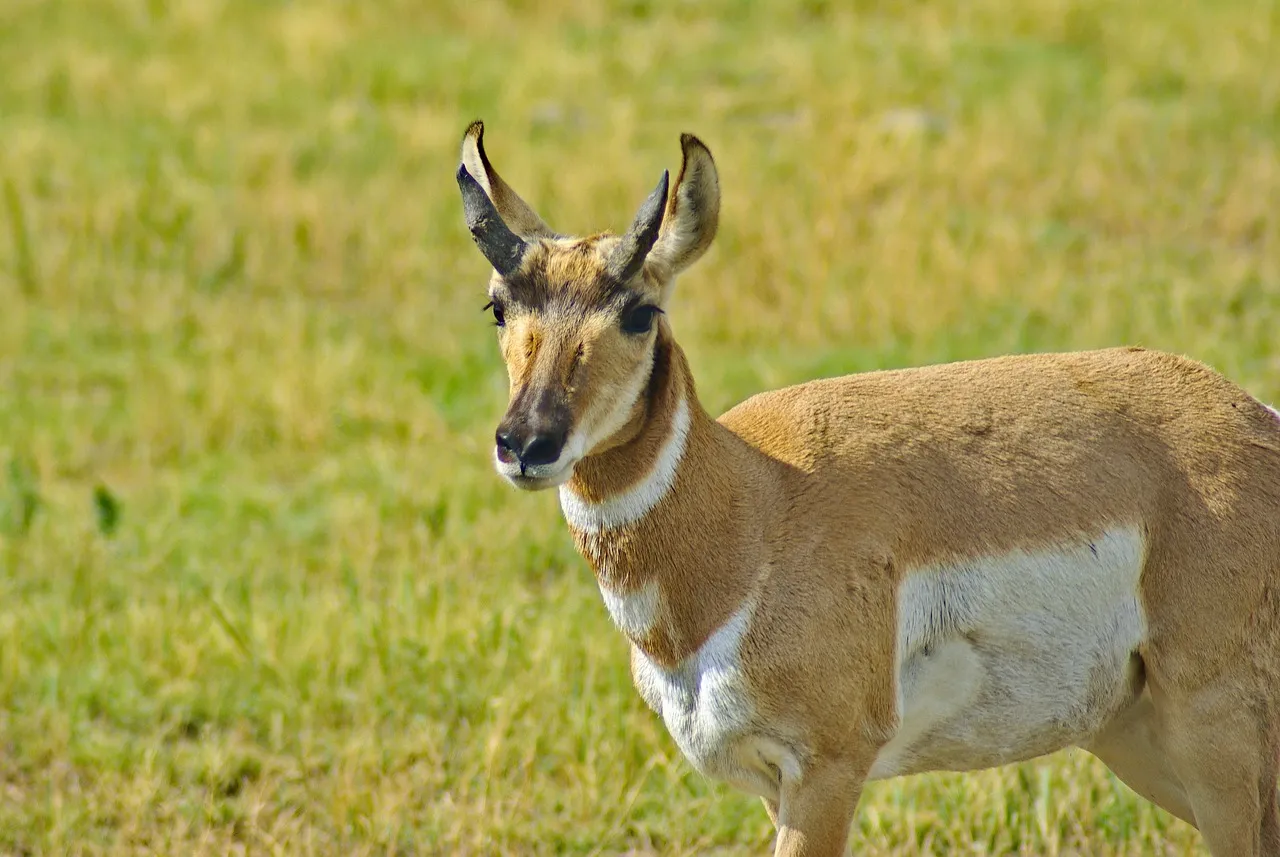
While pronghorn populations have rebounded from historical declines, they still face challenges such as habitat fragmentation and climate change. Conservation efforts focus on preserving open landscapes and migration corridors to ensure these animals can continue to utilize their speed and vision effectively.
Protecting their habitats is crucial for maintaining the delicate balance that allows pronghorns to detect and evade danger, ensuring their continued presence on the North American plains.
In conclusion, the pronghorn’s extraordinary vision is a marvel of evolution, perfectly suited to the open terrains they inhabit. Their ability to detect danger from miles away, combined with their unparalleled speed, underscores the intricate adaptations that have allowed them to survive and thrive. As we continue to study and protect these remarkable creatures, we gain deeper insights into the delicate interplay between anatomy, behavior, and environment. Isn’t it fascinating how nature equips its creatures with such specialized tools for survival?
