
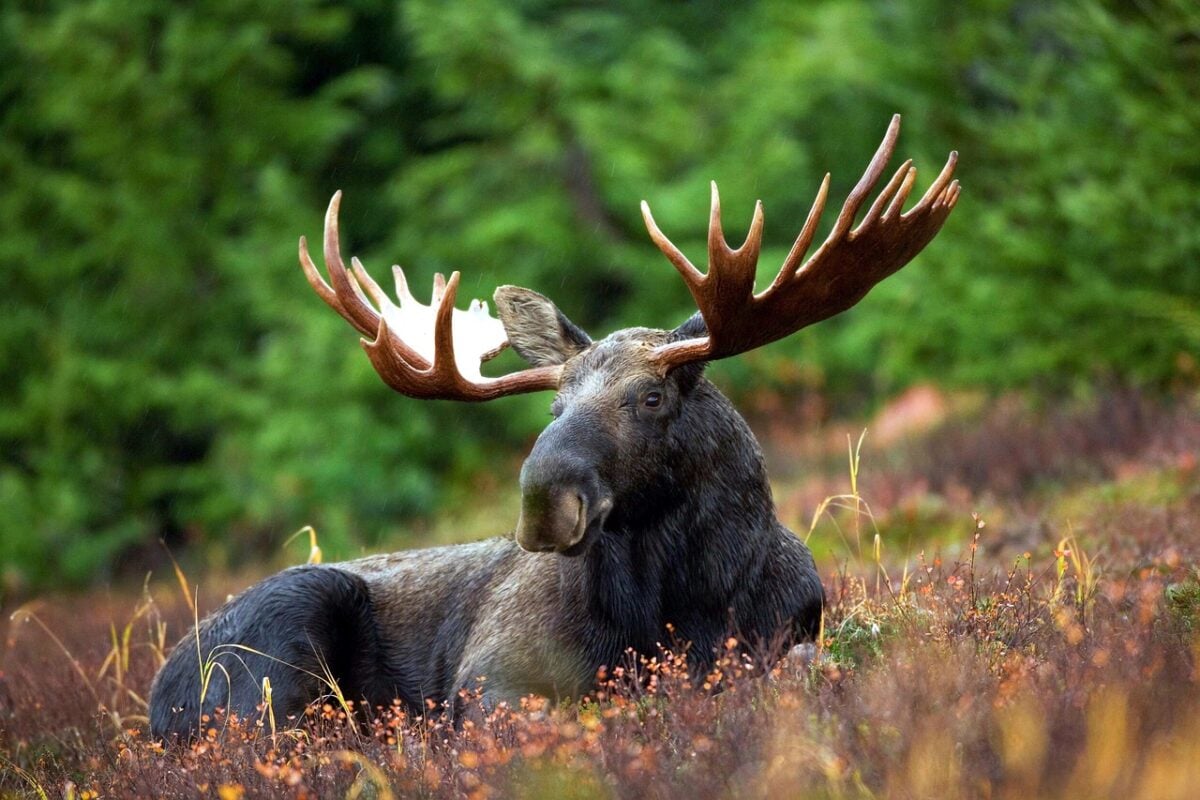
Elk, majestic creatures of the wild, are often observed grazing peacefully in large herds. But what does it signify when these animals abruptly cease this communal activity? Such behavior can be a window into the complex social and environmental factors influencing elk dynamics.
Seasonal Shifts and Mating Rituals
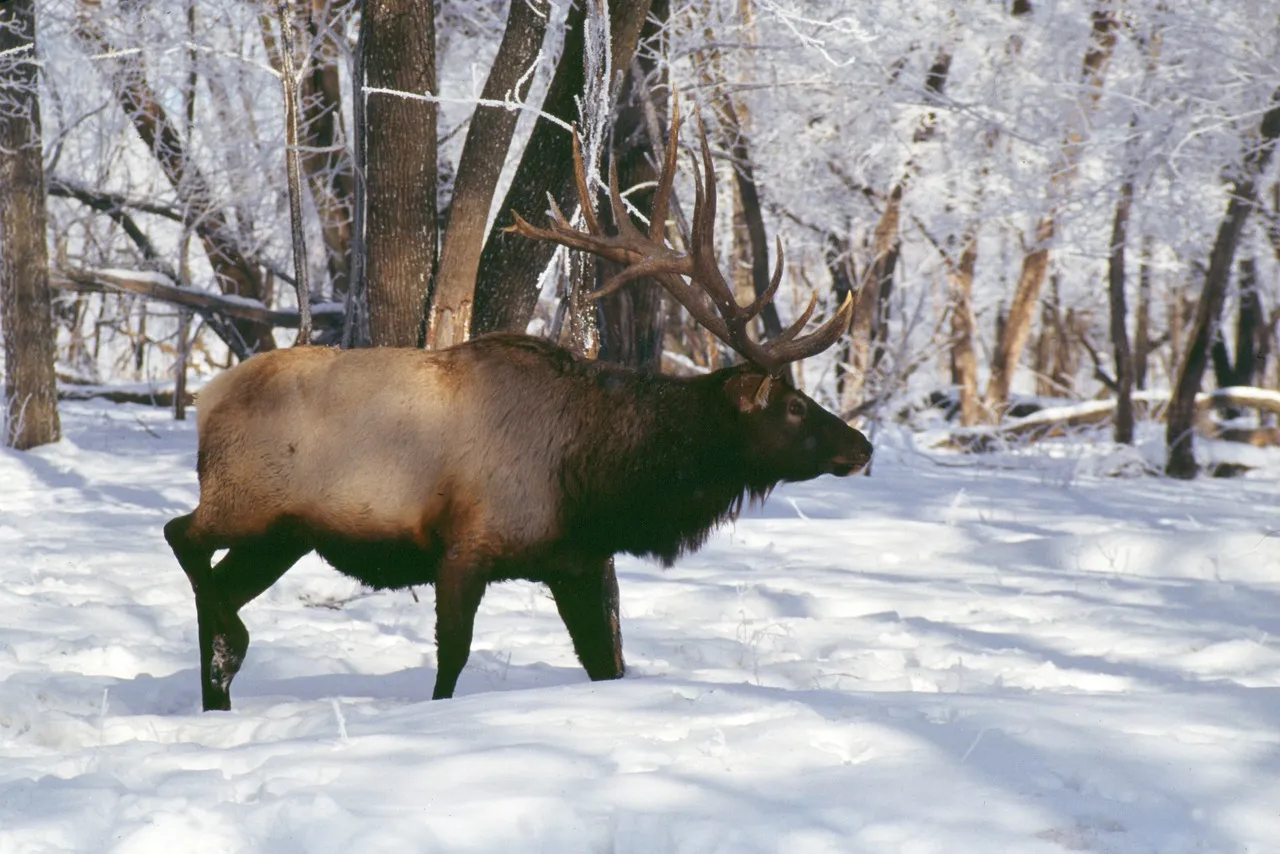
As autumn approaches, elk behavior undergoes a dramatic transformation. The onset of the rut, or mating season, prompts bulls to become more aggressive and territorial. They gather harems of cows, leading to a fragmentation of the larger herds. This shift from communal grazing to more isolated groups is a natural part of their reproductive cycle.
During this period, bulls engage in displays of dominance, including bugling and sparring, to attract mates and deter rivals. The once harmonious grazing patterns are disrupted as the focus shifts to reproduction. This behavior is essential for the continuation of the species, ensuring that only the strongest bulls pass on their genes.
Predator Presence and Vigilance
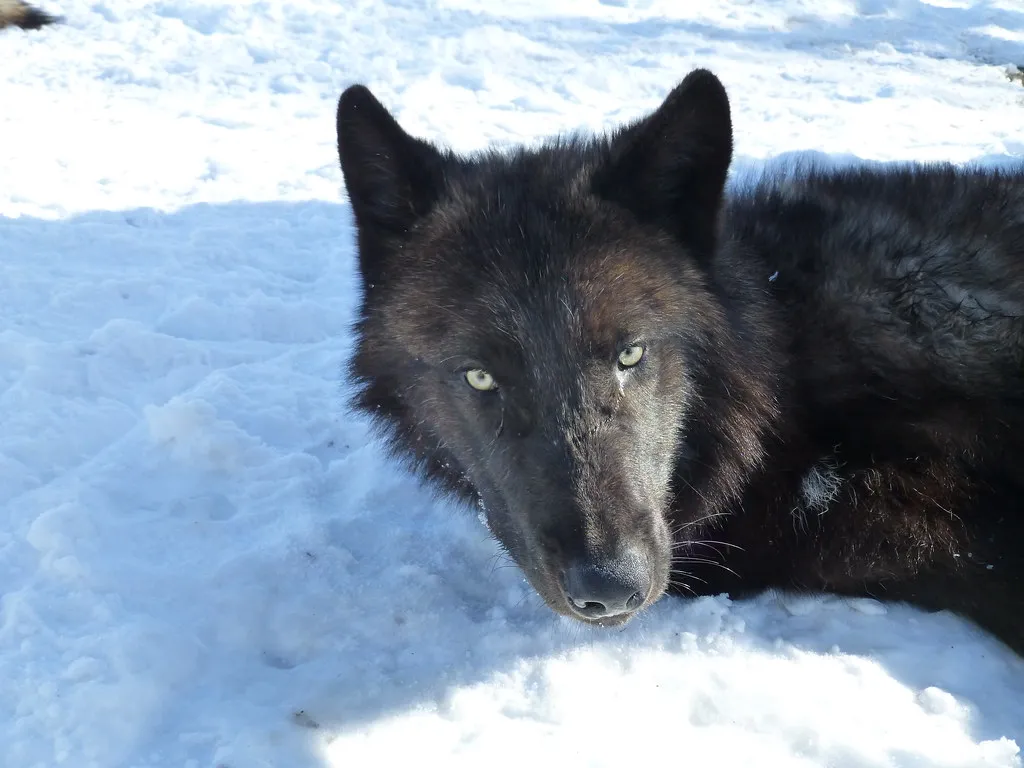
The sudden cessation of grazing can also be a response to the presence of predators. Elk are highly attuned to their surroundings and will halt feeding to assess potential threats. This heightened vigilance is crucial for survival, as predators like wolves and bears are always on the lookout for vulnerable prey.
In areas with high predator activity, elk may alter their grazing habits, opting for more secure locations or times of day when threats are minimized. This behavior underscores the delicate balance between feeding and safety that elk must navigate daily.
Environmental Factors and Forage Availability
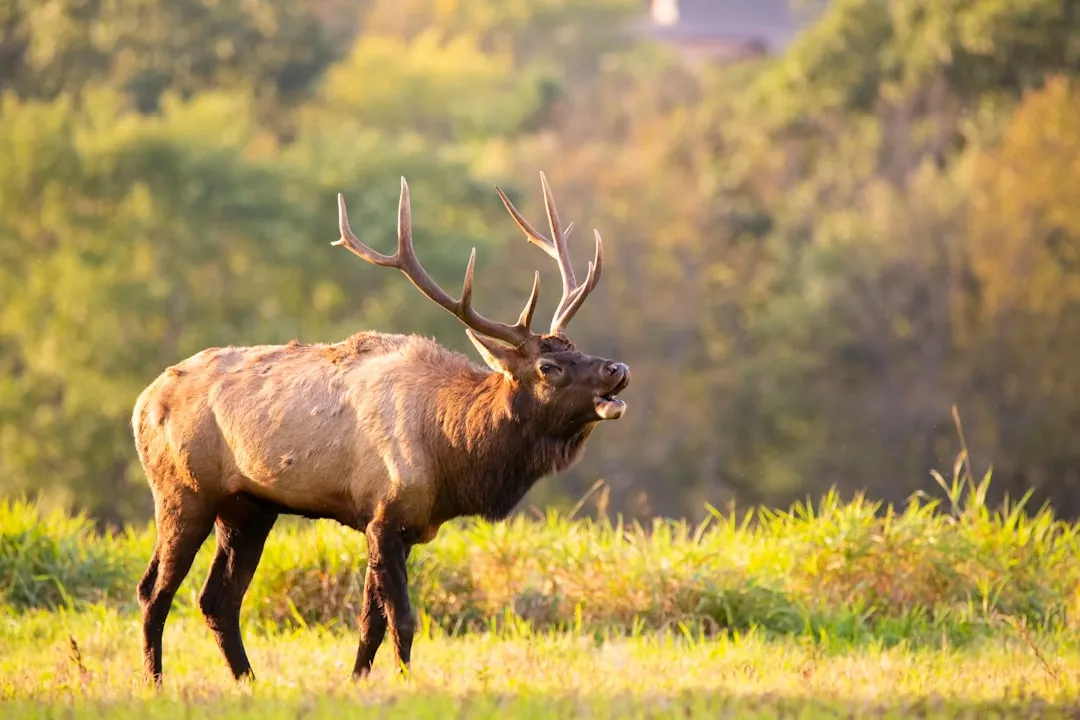
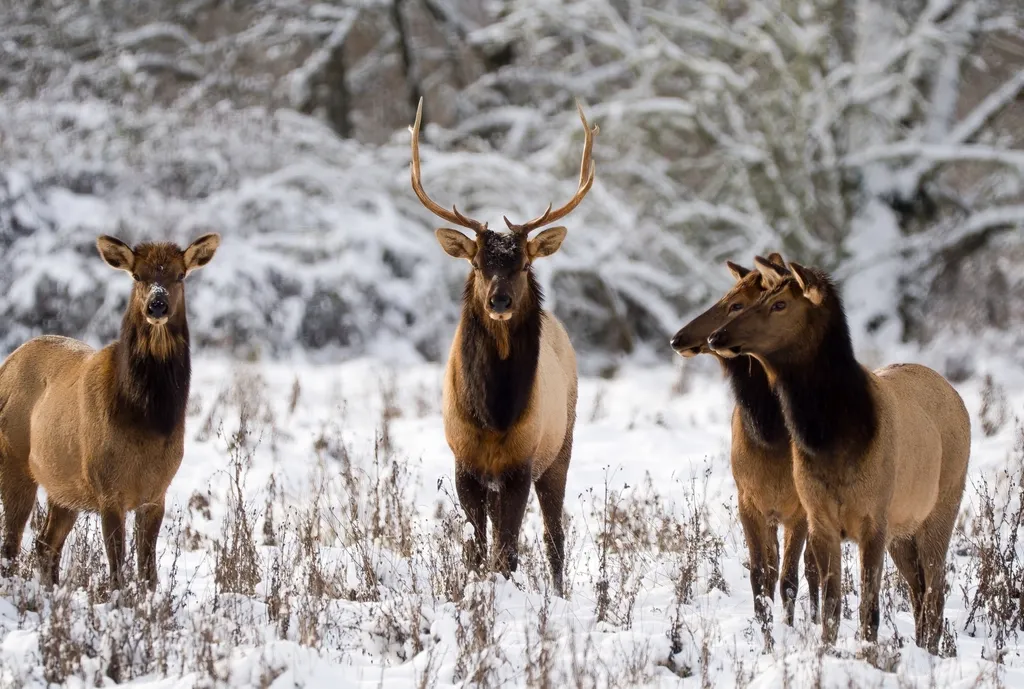
Changes in the environment, such as sudden weather shifts or depletion of food sources, can prompt elk to stop grazing together. For instance, early snowfall can cover grasses, forcing elk to seek alternative food sources like tree bark or shrubs. This dietary shift often leads them to disperse into smaller groups or solitary foraging.
Additionally, human activities like logging or agriculture can alter the landscape, affecting the availability and quality of forage. Elk may respond by changing their grazing patterns, sometimes ceasing communal feeding to adapt to the new conditions.
Human Disturbance and Hunting Pressure
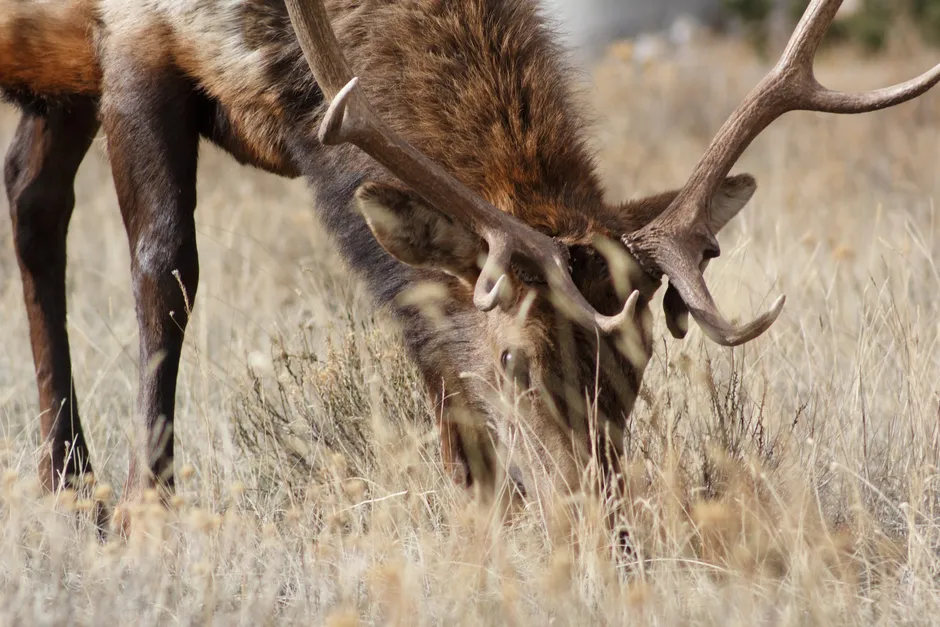
Human presence, especially during hunting seasons, can significantly impact elk behavior. The sound of gunshots or the scent of humans can cause elk to become more cautious, often leading them to stop grazing and seek cover. This response is a survival mechanism to avoid potential threats.
In areas with heavy hunting pressure, elk may alter their daily routines, becoming more nocturnal or moving to less accessible regions. This behavioral adaptation helps them evade hunters but also disrupts their normal grazing patterns.
Social Dynamics and Hierarchical Changes
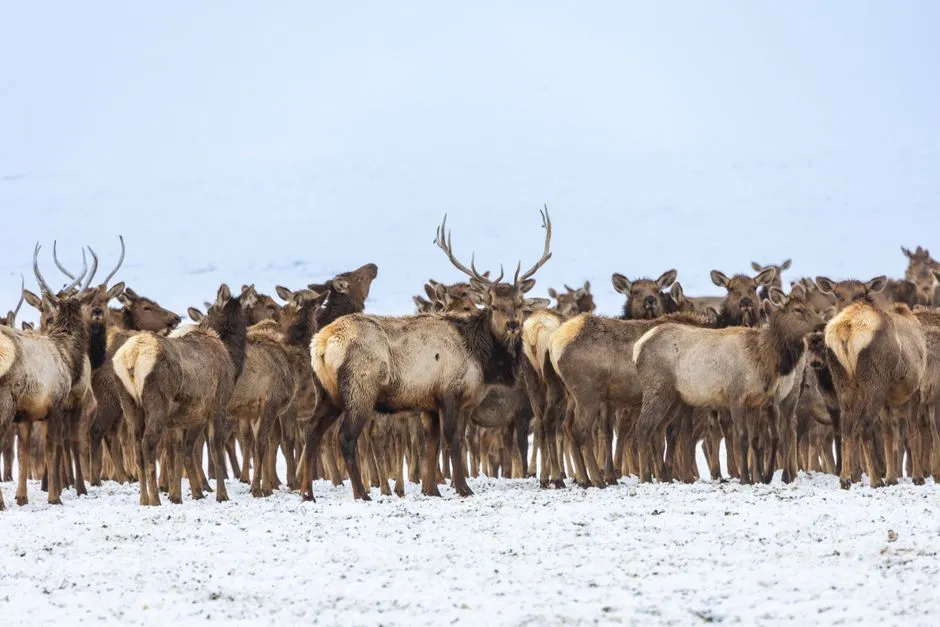
Elk herds have complex social structures, with dominant individuals often leading the group. Changes in leadership or internal conflicts can cause temporary disruptions in grazing behavior. For example, the death or displacement of a leading cow can lead to a period of instability as a new hierarchy is established.
During these times, elk may stop grazing together as they navigate the social changes within the herd. Once a new order is established, communal grazing typically resumes.
Health Issues and Disease Outbreaks
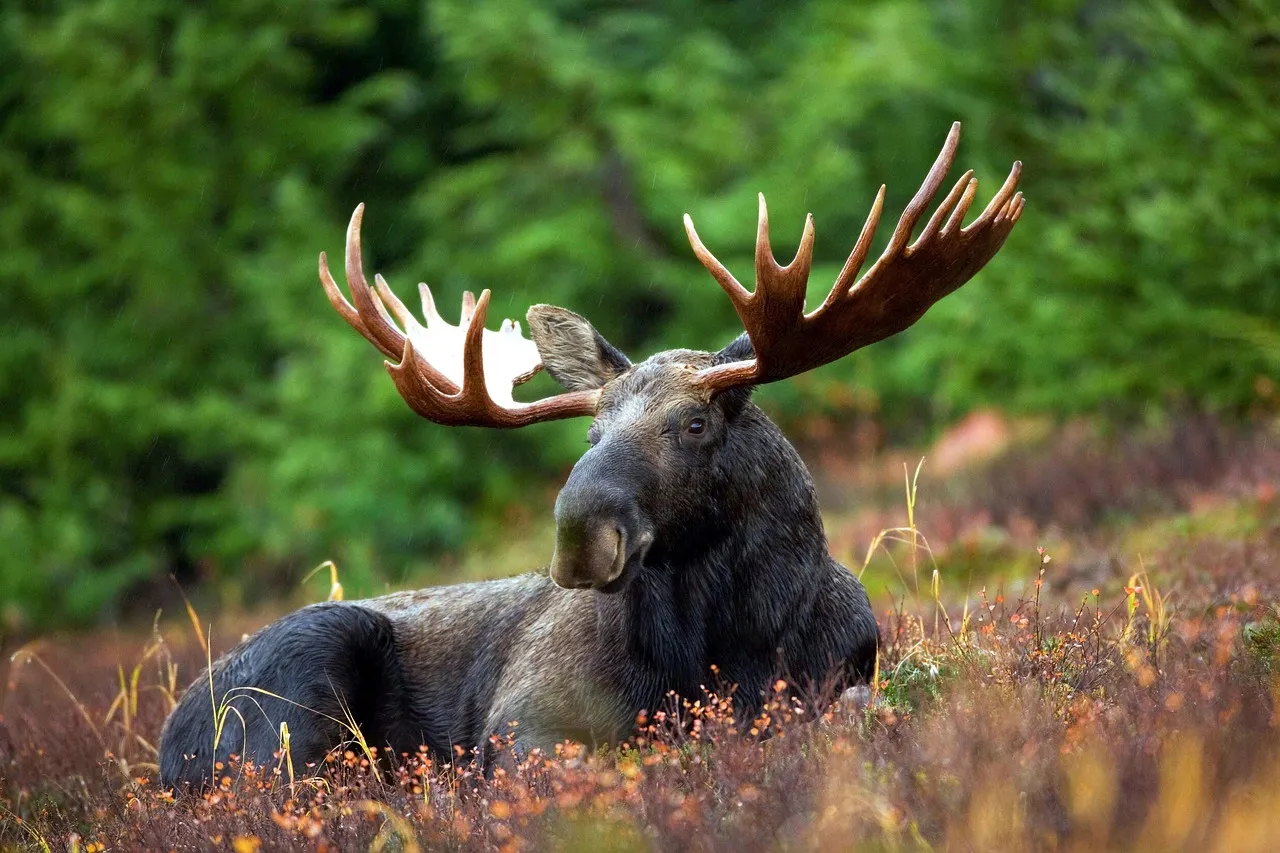
Illnesses or parasites can affect elk populations, leading to changes in behavior. Sick individuals may isolate themselves to prevent the spread of disease or because they are too weak to keep up with the herd. This can result in a noticeable decrease in communal grazing activities.
Monitoring these behavioral changes is essential for wildlife management, as they can indicate health issues within the population that may require intervention.
Migration and Habitat Transitions
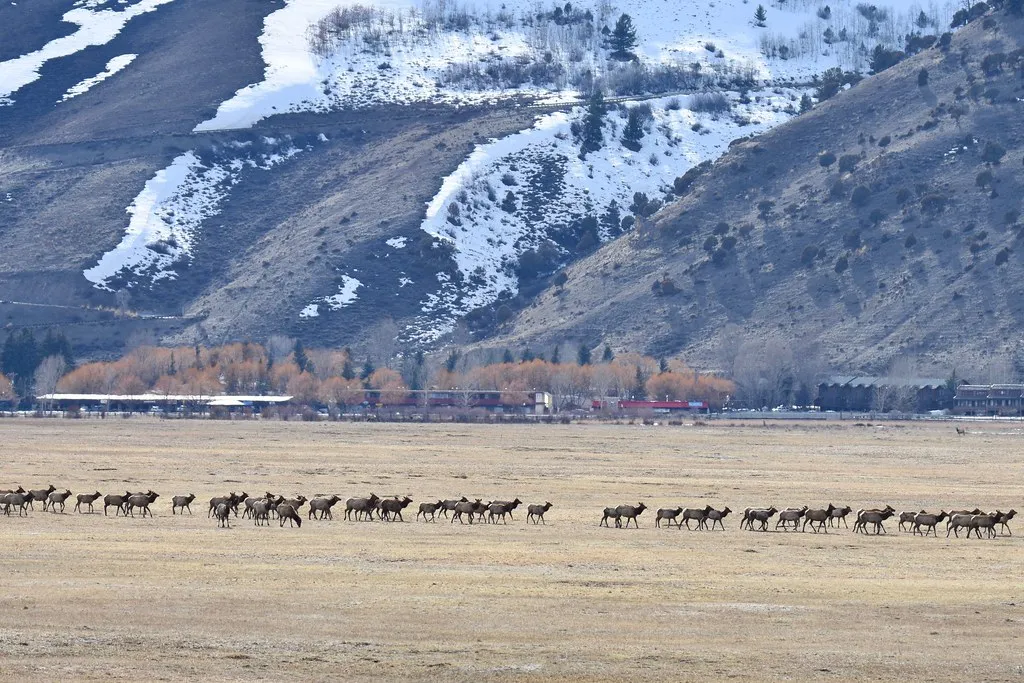
Elk are migratory animals, moving between habitats to access seasonal resources. During migration periods, herds may break up temporarily as individuals or smaller groups travel at different paces or take varied routes. This can lead to periods where communal grazing is less common.
Understanding these migration patterns is crucial for conservation efforts, as it helps predict where elk will be at different times of the year and how they utilize various habitats.
Conclusion
When elk suddenly stop grazing together, it’s a signal worth noting. Whether due to seasonal changes, predator threats, environmental factors, human disturbance, social dynamics, health issues, or migration, these behavioral shifts offer insights into the challenges and adaptations of elk populations. Recognizing and understanding these patterns is vital for effective wildlife management and conservation strategies.
