
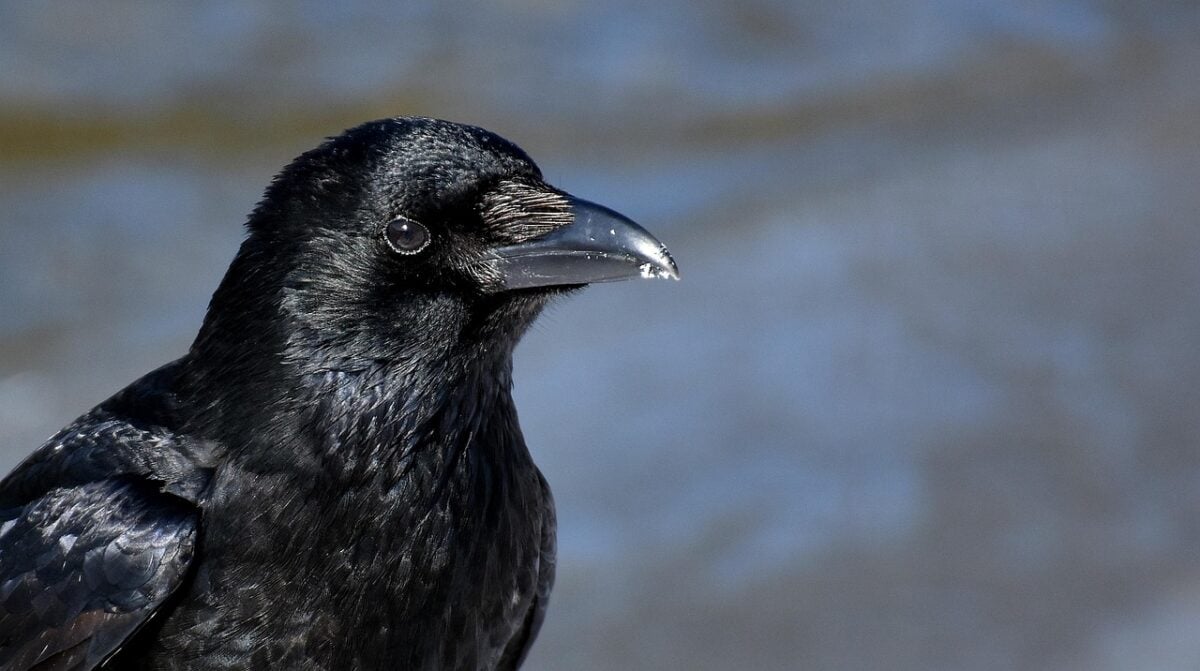
Ravens, those enigmatic black-feathered birds, have long captured human imagination with their intelligence and mysterious behaviors. When these birds begin to congregate in areas they once shunned, it raises intriguing questions about their motivations and the messages they might be conveying.
Ravens’ Remarkable Memory and Spatial Awareness
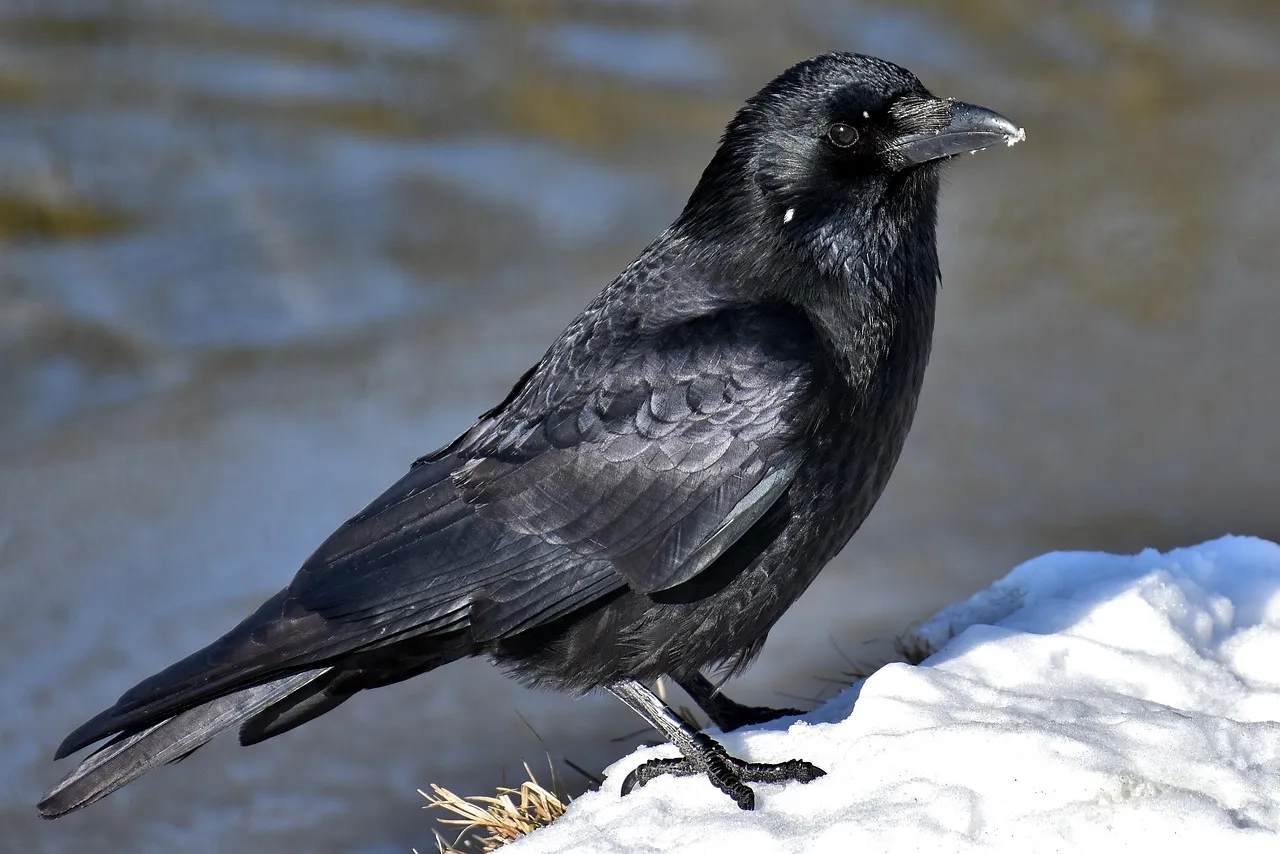
Ravens possess an extraordinary ability to remember specific locations, especially those associated with food sources. Research indicates that instead of merely following predators like wolves to fresh kills, ravens rely on their spatial memory to revisit areas where they have previously found sustenance. This behavior suggests that a sudden gathering of ravens in a previously avoided area could indicate a newfound or remembered food source.
This spatial intelligence allows ravens to efficiently locate resources without expending unnecessary energy. By recalling and returning to fruitful locations, they optimize their foraging strategies, ensuring survival even in challenging environments.
Environmental Changes and Resource Availability
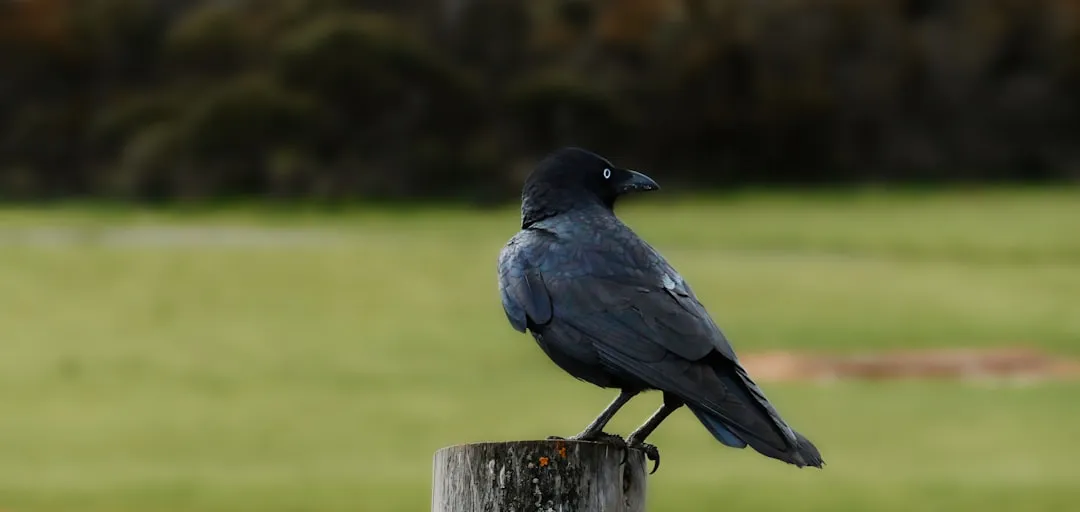
Alterations in the environment, such as deforestation, urban development, or changes in agricultural practices, can create new opportunities for ravens. An area that once lacked appeal might now offer abundant food or nesting sites due to human activity or natural events. Consequently, ravens may begin to frequent these areas, adapting swiftly to the new conditions.
This adaptability showcases the raven’s resilience and ability to exploit changing landscapes. Their presence in new areas often reflects the dynamic interplay between wildlife and human-induced environmental shifts.
Social Dynamics and Information Sharing

Ravens are highly social creatures, often forming complex social structures. When one raven discovers a rich food source or a safe nesting area, it can attract others through vocalizations and behavior. This communal sharing of information can lead to gatherings in locations that were previously overlooked or avoided.
Such gatherings are not random; they result from deliberate communication and social bonding. The collective intelligence of ravens allows them to exploit resources more effectively, demonstrating the strength of their social networks.
Seasonal Movements and Breeding Behavior

Seasonal changes significantly influence raven behavior. During breeding seasons, ravens may seek out new territories that offer optimal conditions for raising their young. A previously avoided area might become attractive due to increased food availability or suitable nesting sites, prompting ravens to gather and establish a presence.
This seasonal adaptability ensures the survival and propagation of the species. By selecting the most favorable environments for breeding, ravens demonstrate a keen awareness of their ecological needs.
Human Interaction and Food Sources
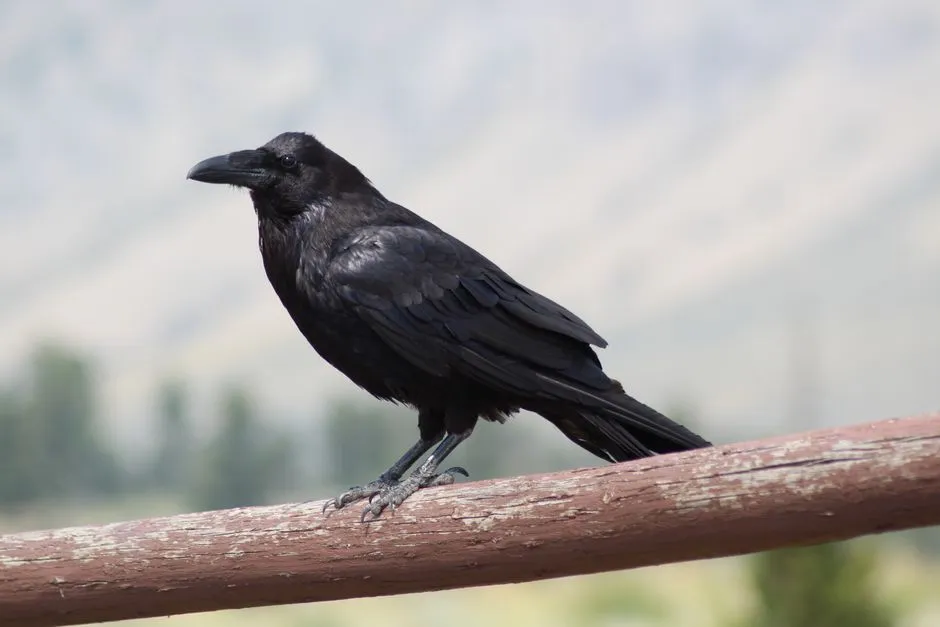
Human activities often inadvertently provide food sources for ravens. Landfills, agricultural fields, and urban areas can become feeding grounds. If such resources emerge in areas ravens previously avoided, their opportunistic nature will draw them in, leading to noticeable gatherings.
This behavior underscores the raven’s ability to coexist with humans, capitalizing on the unintended consequences of our activities. Their presence serves as a reminder of the interconnectedness between human society and wildlife.
Predator-Prey Dynamics and Safety

The presence or absence of predators can influence where ravens choose to gather. If a dominant predator vacates an area, ravens might move in, sensing reduced threats. Conversely, the arrival of a new predator could drive ravens to congregate in previously avoided locations that now offer better safety.
This strategic behavior highlights the raven’s acute awareness of their surroundings and their ability to assess and respond to potential dangers, ensuring their continued survival.
Symbolic Interpretations and Cultural Significance
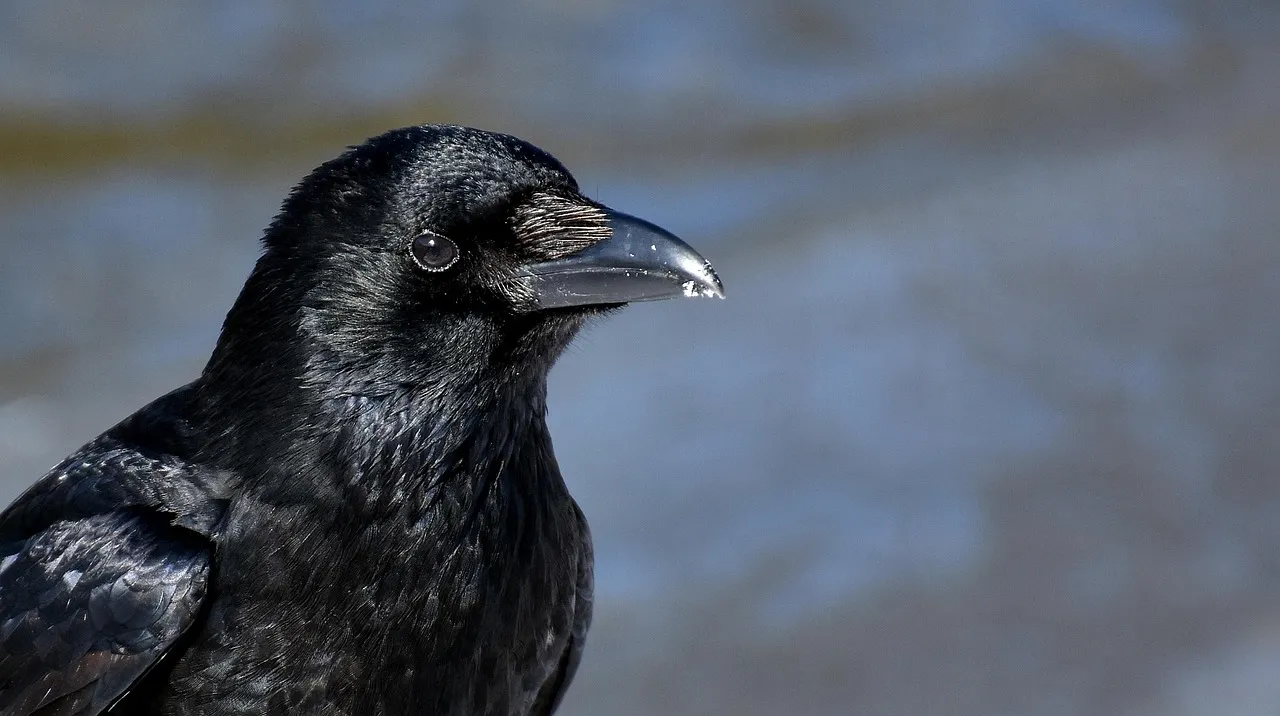
Throughout history, ravens have been symbols of transformation and change. Their sudden appearance in new areas has often been interpreted as omens or messages. While these interpretations are culturally rich, they also reflect the raven’s real-world adaptability and the human tendency to find meaning in nature’s patterns.
This cultural significance adds depth to our understanding of ravens, bridging the gap between scientific observation and human storytelling.
Conclusion
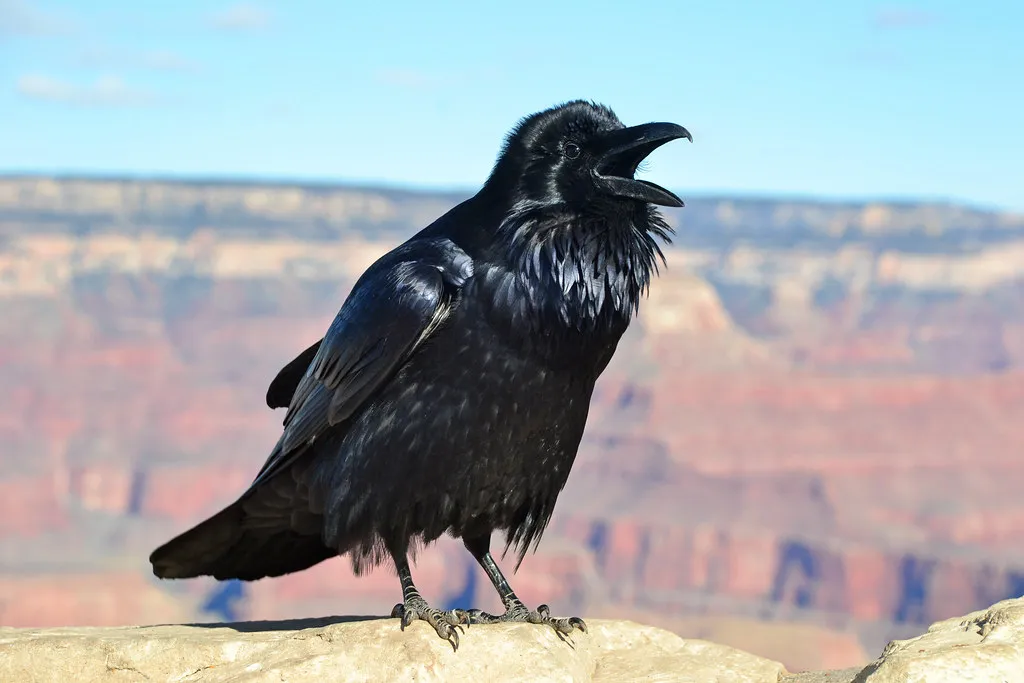
The gathering of ravens in previously avoided locations is a multifaceted phenomenon, rooted in their intelligence, adaptability, and social structures. Whether driven by environmental changes, resource availability, or social dynamics, these behaviors underscore the raven’s remarkable ability to navigate and thrive in a constantly changing world. Observing such gatherings offers a glimpse into the complex interplay between wildlife and the environments they inhabit.
So, the next time you notice ravens congregating in unexpected places, consider the myriad factors at play. What changes might they be responding to, and what can their behavior teach us about the world we share?
