
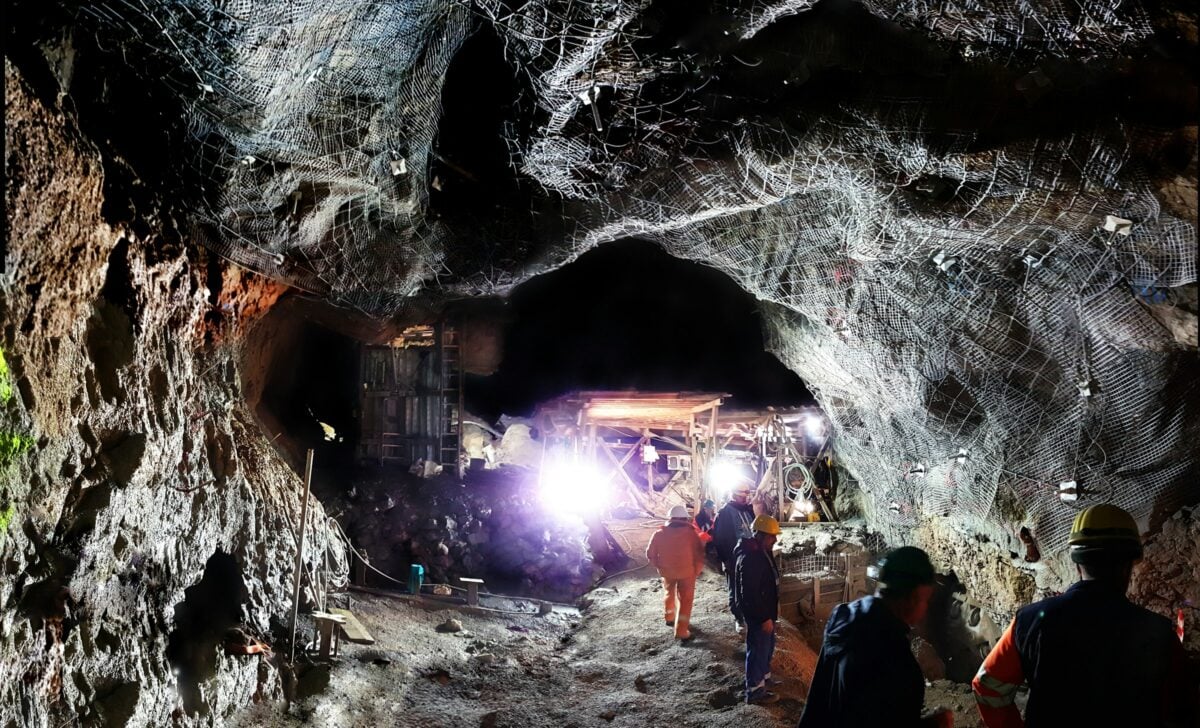
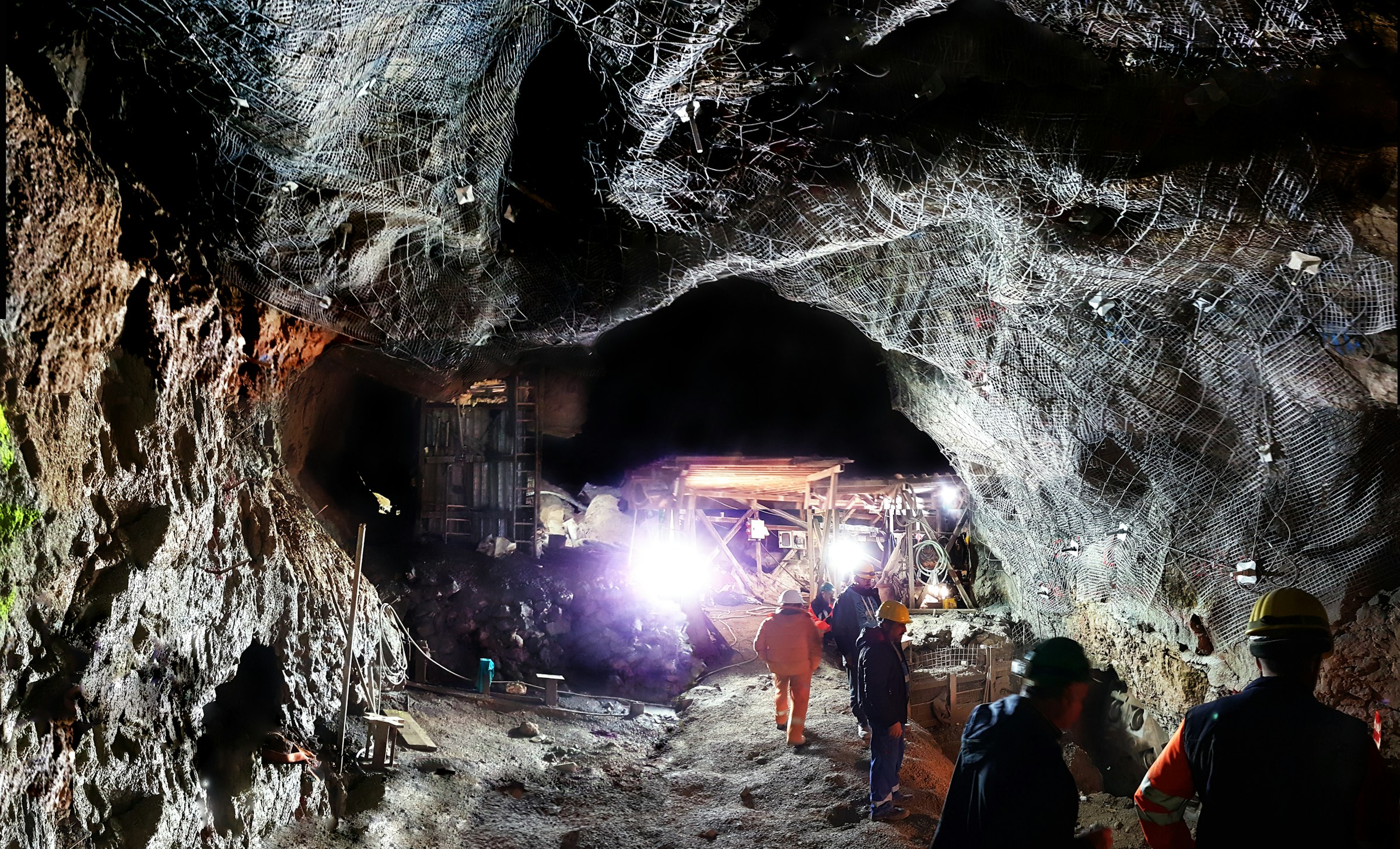
Most people picture Mammoth Cave as a few damp tunnels you shuffle through on a school field trip, flashlight guide included, gift shop at the exit. That image falls apart the second you look at the numbers. This cave system doesn’t just outrank every other cave on Earth – it beats the next closest contender by hundreds of miles, and surveyors still aren’t sure where it actually stops.
Underneath that record-breaking maze is a story most brochures never mention: a vanished ocean, enslaved miners chasing gunpowder for a war, a doomed hospital built inside solid rock, and a man who died reaching for a piece of stone two thousand years ago. The deeper you go, the stranger – and more human – this place gets.
#10 – The Record-Breaking Length No One Expected
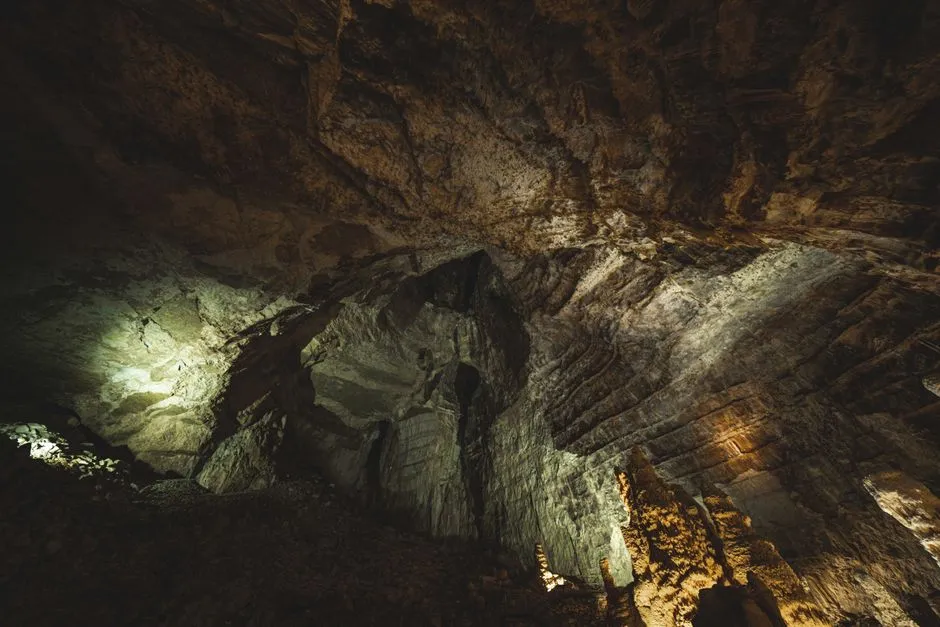
Surveyors have mapped more than 426 miles of passageways inside Mammoth Cave, making it the longest known cave system on the planet, and it’s not even close. Most travelers assume the marked tour route is basically “the cave.” That’s a little like assuming you’ve seen an entire city because you walked through one subway station.
The scale exploded overnight in September 1972, when explorers finally connected Mammoth Cave to the neighboring Flint Ridge system and instantly doubled the known length of the whole thing. Volunteer surveyors still add new passages almost every year, and researchers now think the true total could eventually top 600 miles once every crawlspace and flooded crack gets checked.
Fast Facts
- More than 426 miles of passageways had been surveyed as of 2025 – over 1.5 times longer than the next-longest cave system on Earth.
- Mammoth Cave National Park was officially established as a national park on July 1, 1941.
- UNESCO named it a World Heritage Site on October 27, 1981, and an International Biosphere Reserve on September 26, 1990.
- Guided tours have run since 1816, making it the second-oldest tourist attraction in the U.S., behind only Niagara Falls.
#9 – Formed in an Ancient Sea Nobody Talks About
The limestone that makes up Mammoth Cave was laid down roughly 330 million years ago, back when Kentucky sat at the bottom of a shallow tropical sea. Nobody hiking the rolling hills above the cave today would guess they’re standing on top of an old seabed. But the fossils packed into the rock don’t lie – marine creatures once drifted through water where dry tunnels now run.
Over millions of years, that same water slowly dissolved the limestone from the inside out, carving the labyrinth explorers walk through today. A tough sandstone cap sitting above the limestone acted like a roof, protecting the fragile cave system while everything around it eroded away. That accident of geology is the entire reason Mammoth Cave still exists instead of collapsing into a canyon.
#8 – Biodiversity That Shames Surface Ecosystems
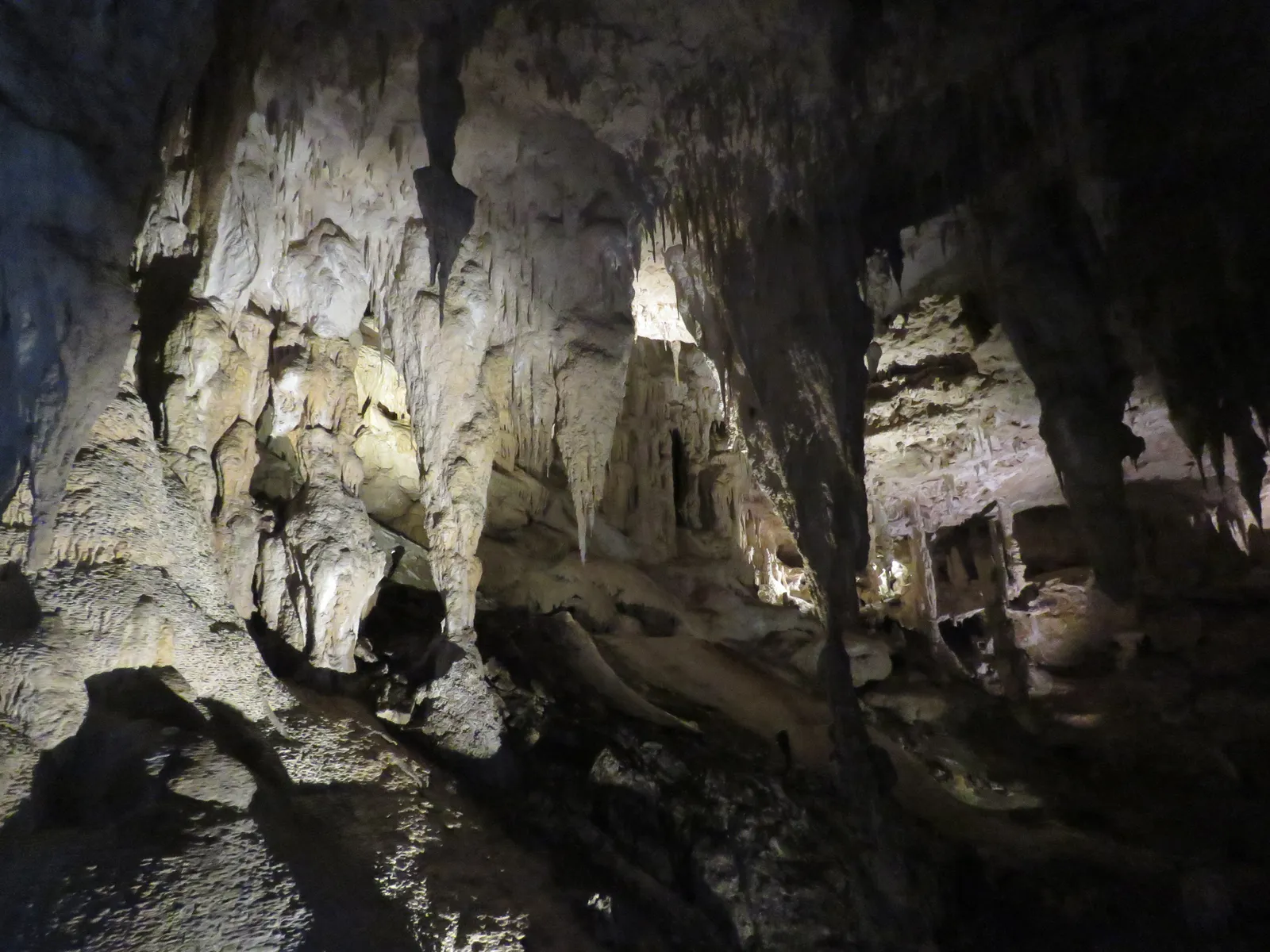
More than 130 species live inside Mammoth Cave, and 14 of them exist nowhere else on Earth. Most people imagine total darkness meaning total emptiness. The reality is a quiet, thriving web of life that’s been evolving in isolation for longer than most surface species have existed in their current form.
Blind cave fish and eyeless shrimp glide through underground streams, while bats, crickets, and specialized crustaceans depend on the cave’s rock-steady temperature and constant moisture to survive. The park’s designation as an International Biosphere Reserve isn’t a formality – it’s a recognition that nutrients falling through sinkholes from the forest above feed an ecosystem found in almost no other place on the planet.
#7 – Prehistoric Miners Beat Modern Explorers by Millennia
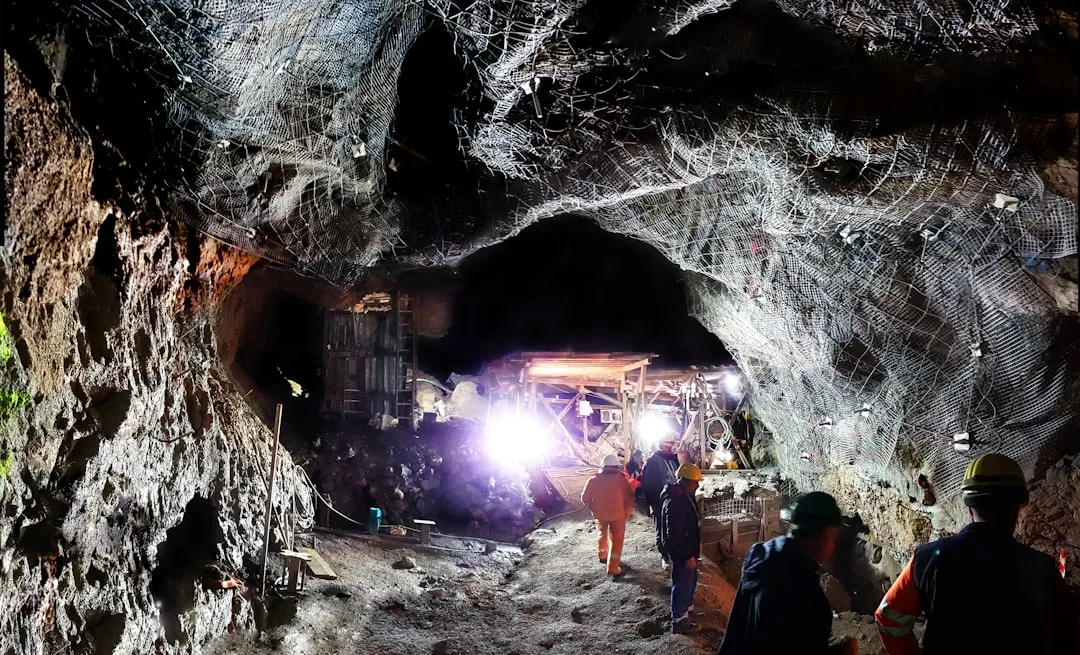
Native Americans were mining gypsum and other minerals deep inside Mammoth Cave as early as 5,000 years ago, long before most history books even start the conversation. These weren’t quick trips near the entrance either. Preserved woven sandals, cane torches, and even human remains show people traveling miles into total darkness on purpose, again and again.
This activity predates farming in the region, which means people had already mapped the cave’s resources in their heads before they’d figured out how to plant a reliable crop. That timeline forces a real rethink of how sophisticated prehistoric life in Kentucky actually was. The underground wasn’t feared – it was worked.
#6 – The 1972 Breakthrough That Changed Everything
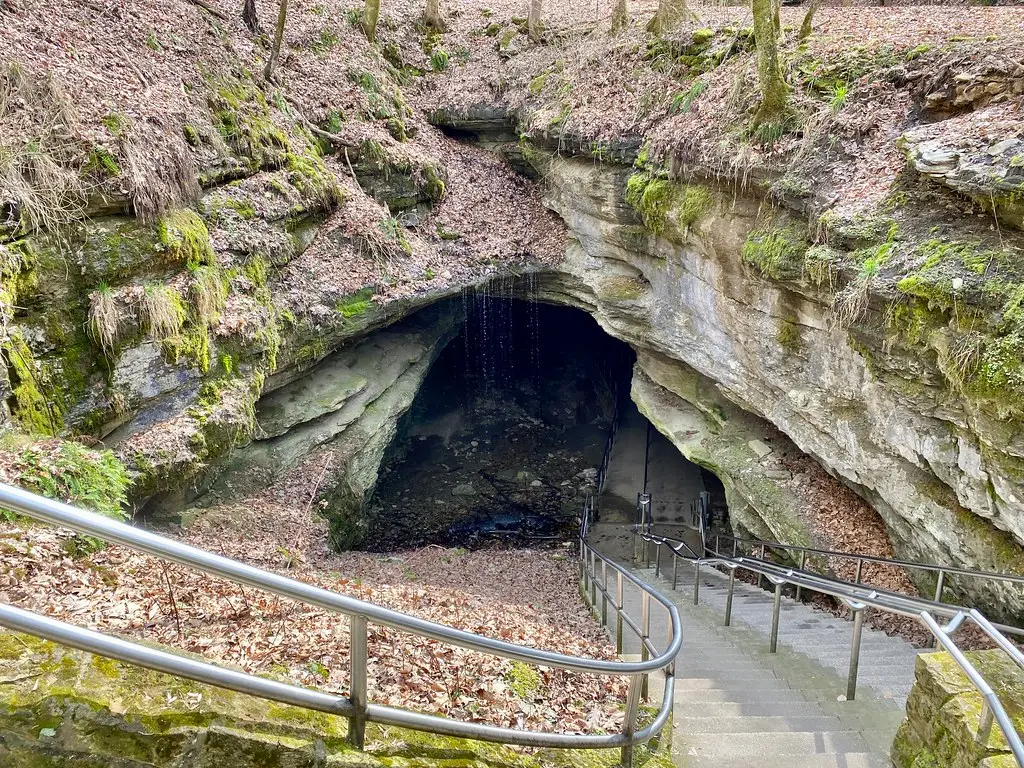
Before September 1972, Flint Ridge held the world record at 86 miles of mapped passage, while Mammoth Cave trailed behind at just 58. Two separate systems, two separate legacies – until one team of exhausted cavers found the passage that linked them forever.
That single connection created the Mammoth-Flint Ridge System and instantly crowned a new global champion, a title it has never lost. It also proved something bigger: these ridges are far more interconnected than anyone assumed, which is exactly why surveyors have kept adding hundreds of miles since, one patient, muddy survey trip at a time.
Quick Compare
- Before 1972: Flint Ridge held the record at 86 miles; Mammoth Cave trailed at 58.
- After 1972: The two merged into the Mammoth-Flint Ridge Cave System, a name that has stuck ever since.
- 1983 bonus: Explorers found a further connection to Roppel Cave to the east, adding even more mileage to the record.
#5 – Unique Mineral Formations Found Only Here
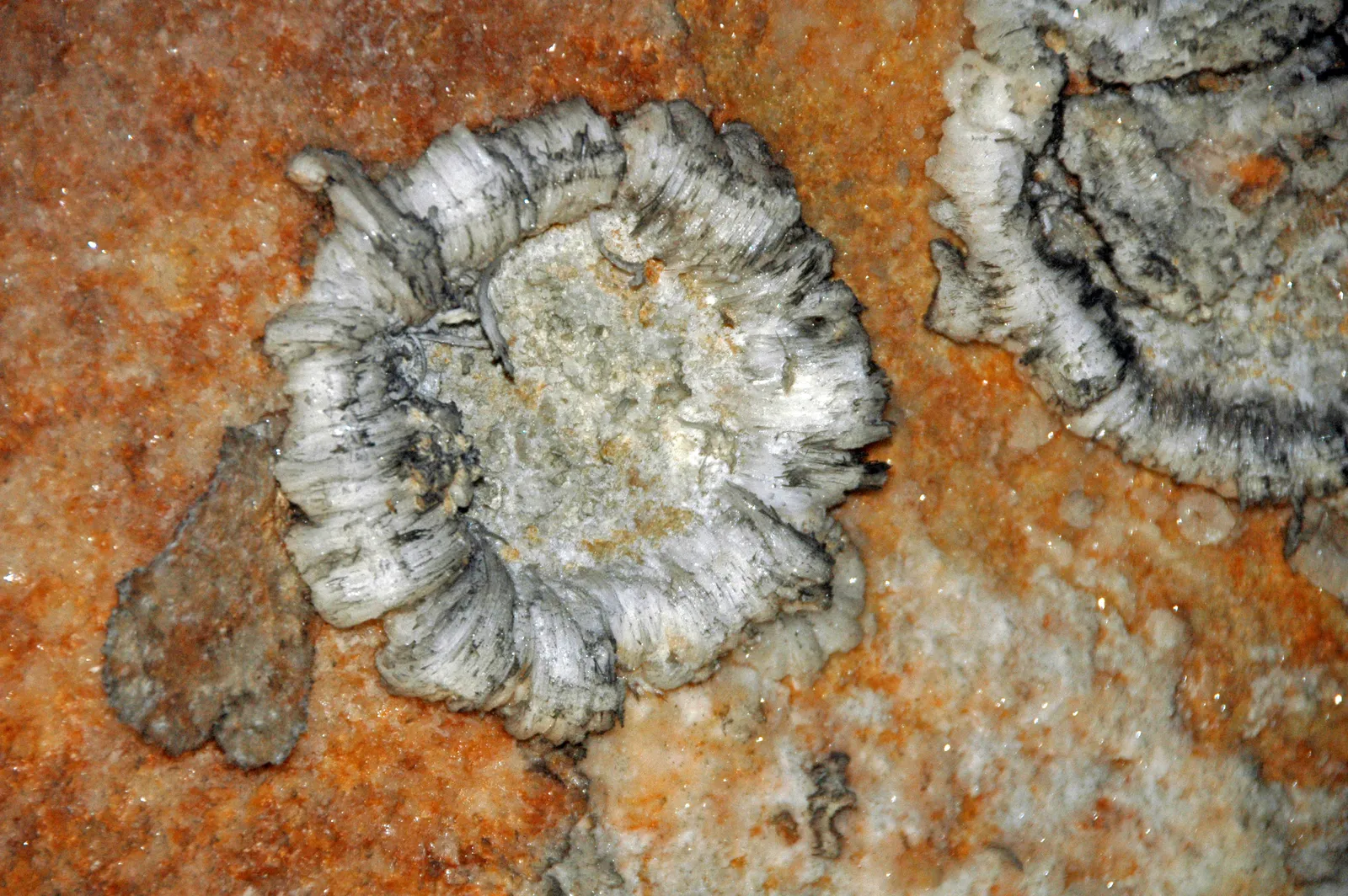
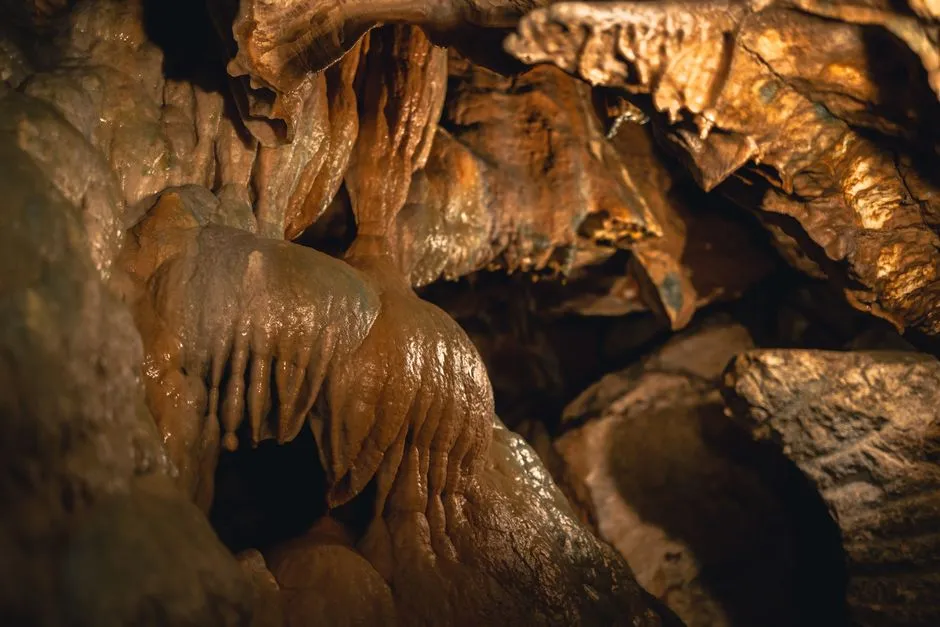
Gypsum flowers, delicate needle-thin crystals, and rare mirabilite formations decorate Mammoth Cave’s passages in ways that don’t show up anywhere else on Earth. Rushed group tours often blaze right past them. Slow down, and you’re looking at mineral art that took millennia of patient chemistry to build.
These structures form through a slow dance of water chemistry and evaporation, sometimes growing in total darkness where no light has ever reached. The variety and concentration of sulfate minerals here outclasses anything documented in another cave system, which is exactly why geologists keep coming back with cameras and sample kits instead of flashlights and snacks.
#4 – Blind Creatures That Defy Common Sense
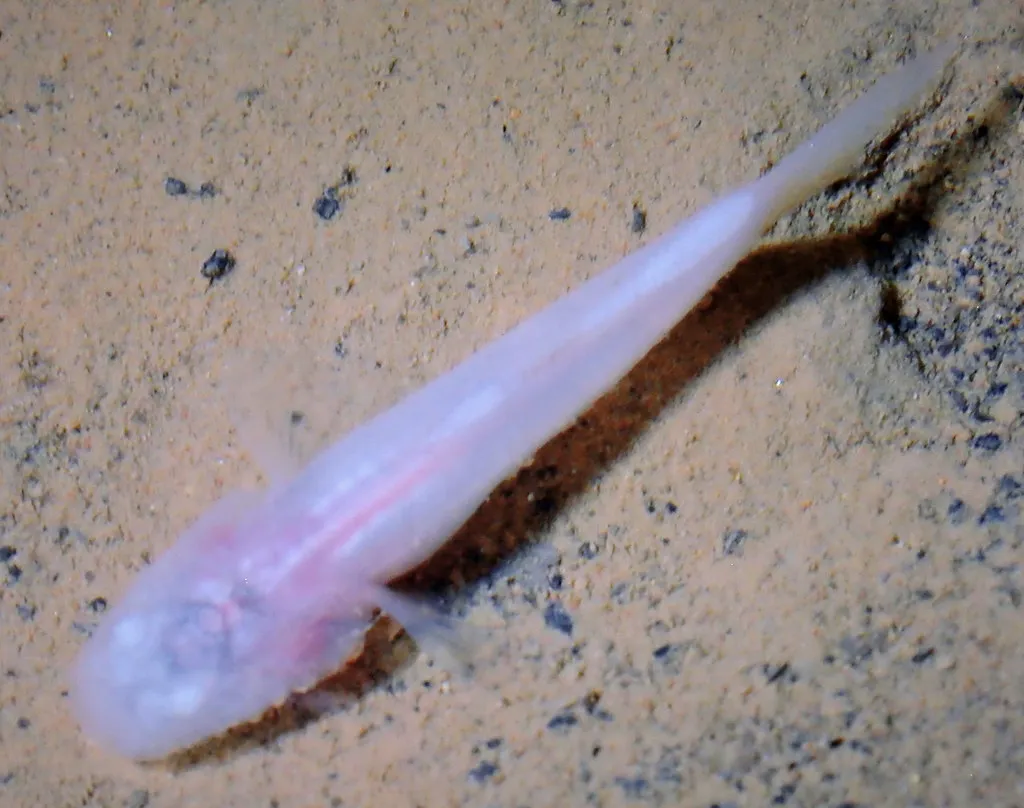
Eyeless fish and shrimp navigate Mammoth Cave’s total darkness using senses most surface animals never had to develop. It sounds like something out of science fiction, but it’s just evolution doing its job with brutal efficiency. Vision is expensive to maintain, and in a world with zero light, it offers nothing.
So these troglobites simply stopped growing eyes generation after generation, redirecting that energy toward touch and vibration instead. Scientists discovered these strange creatures in the 1800s, and the find helped launch an entire field of study: cave biology. The experiment is still running today, quietly, a few hundred feet under Kentucky.
Why It Stands Out
- The cave holds a constant 54°F year-round, no matter the season outside.
- Three federally listed species call these passages home: Indiana bats, gray bats, and the sightless, albino Kentucky cave shrimp.
- Losing eyesight down here isn’t a disadvantage – it’s evolution rerouting energy toward senses that actually matter in permanent dark.
#3 – Saltpeter Mining Powered a War
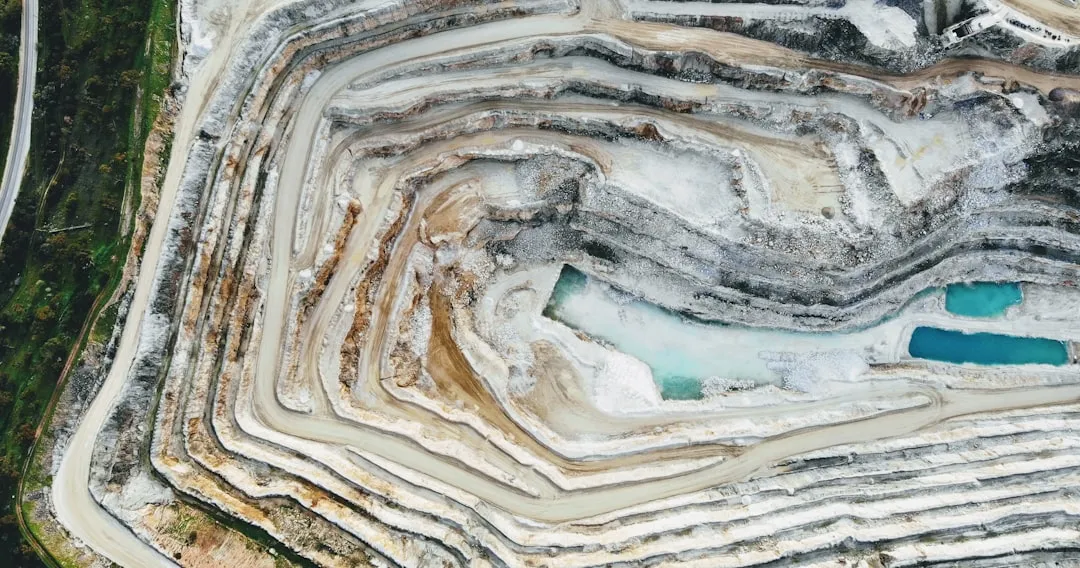
During the War of 1812, enslaved workers were forced to mine saltpeter deep inside Mammoth Cave to manufacture gunpowder for the American war effort. Most tourism narratives skip straight past this chapter, preferring the prettier stories about crystals and blind fish. But for a stretch of years, this cave wasn’t a curiosity – it was a strategic industrial site.
Wooden pipes and mining equipment from that operation still sit in the passages today, silent evidence of brutal, forced labor happening in near-total darkness. This grim industrial period overlapped almost seamlessly with the earliest tourist visits, creating an uncomfortable overlap of exploitation and spectacle that the cave’s history rarely lets you forget.
#2 – A Failed Tuberculosis Hospital Nobody Mentions
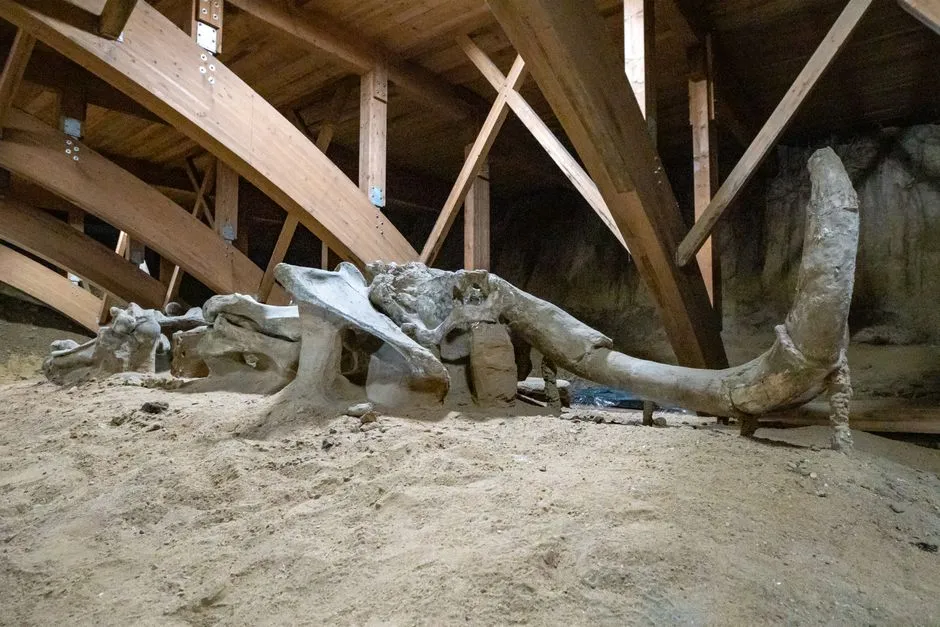
In the 1840s, doctors had a theory: maybe the cave’s constant temperature and humidity could help tuberculosis patients breathe easier and heal. So they built a rudimentary hospital deep inside Mammoth Cave and moved patients in to test it. It did not go well.
Several patients died in that stone hospital, and the experiment was abandoned once it became painfully clear the cave air was doing nothing to cure the disease. Remnants of the huts still appear on certain tours today, a quiet, eerie reminder of how little medicine understood back then. Around that same era, one of the cave’s most famous guides was leading visitors through these same passages.
Grand, gloomy, and peculiar.
Stephen Bishop, enslaved guide who mapped much of Mammoth Cave in the 1840s
#1 – The Mummy That Rewrote Human History
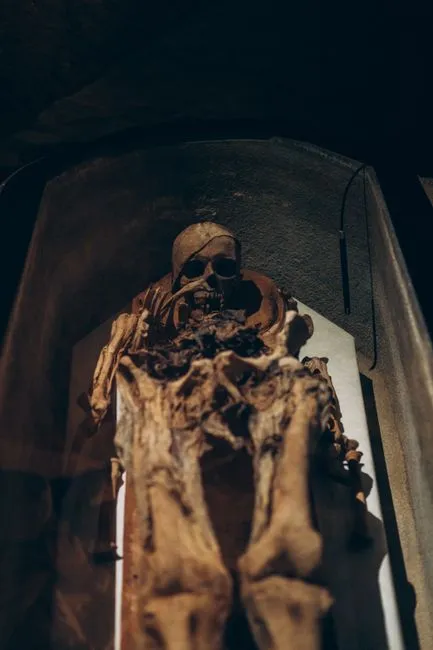
In the early 1800s, explorers found something inside Mammoth Cave that stunned scientists of the time: a remarkably preserved Native American body, still dressed in cane-woven sandals, wrapped clothing, and even a feathered headdress. This wasn’t an accidental burial. Radiocarbon dating placed the remains at roughly 2,000 years old or more, confirming this person had gone deep into the cave on purpose, for the same reason others had for centuries – to mine gypsum.
A rockfall trapped and killed them mid-task, and the cave’s dry, stable environment did the rest, preserving the body instead of destroying it. Similar discoveries since have confirmed this wasn’t a one-time event; people returned to these same dark passages generation after generation for thousands of years. Of everything hidden inside Mammoth Cave, this is the find that turns it from a geological wonder into a genuine piece of human history.
At a Glance
- Native Americans mined the cave’s sulfate minerals somewhere between 2,000 and 4,000 years ago.
- A separate set of remains found in 1935, nicknamed “Lost John,” died the same way – crushed by a shifting boulder while mining.
- Lost John’s remains were publicly exhibited into the 1970s, when they were finally interred at a protected, undisclosed location.
- Federal and state law now protects all human remains and artifacts still inside the cave.
The Bottom Line
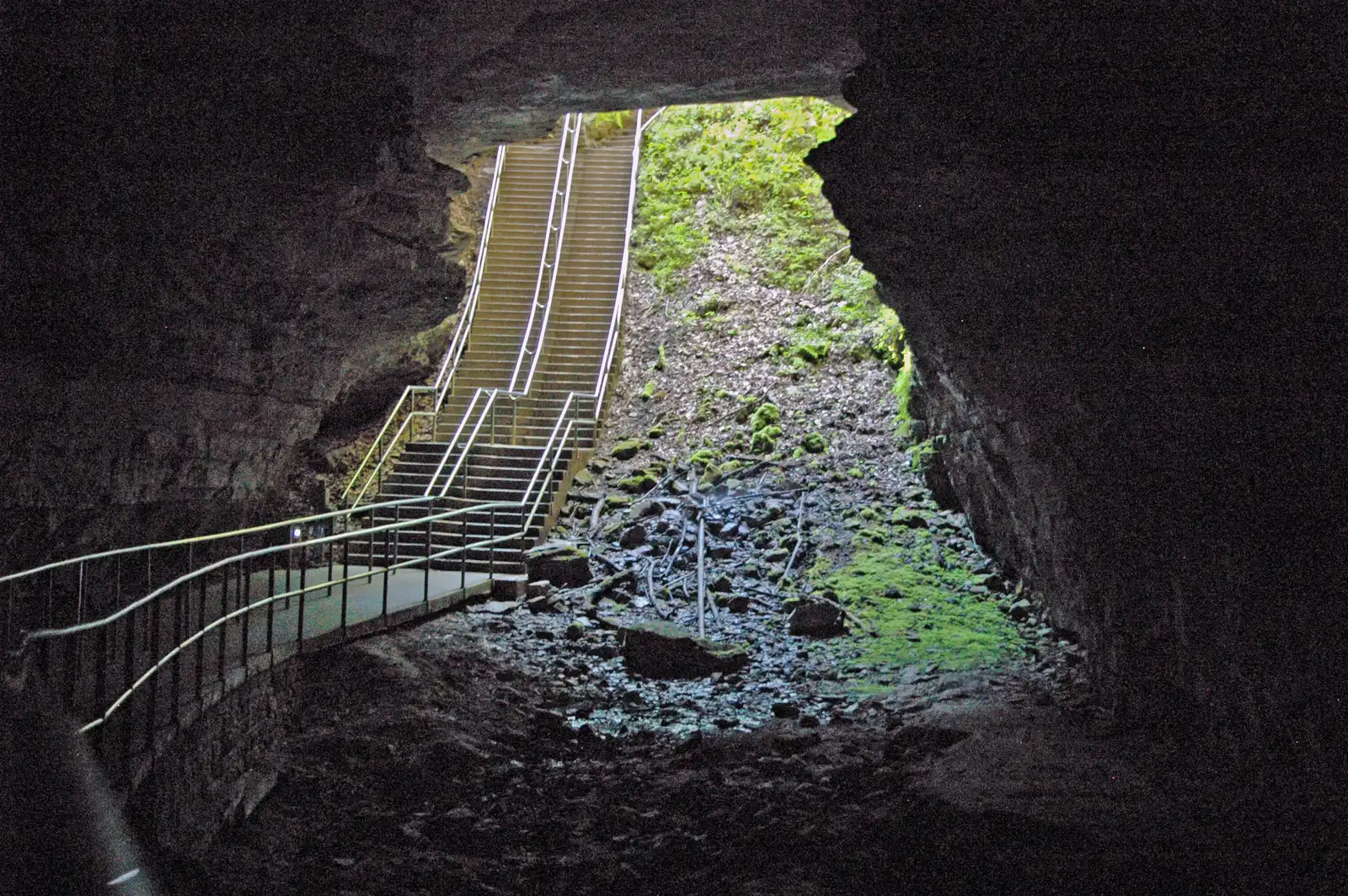
Here’s the part that’s hard to admit: most people will drive past the entrance to the largest cave system on Earth and only remember the gift shop. That’s a shame, honestly. Mammoth Cave isn’t a novelty stop between highway exits – it’s 426-plus miles of ancient seabed, forced labor, failed medicine, blind evolution, and a 2,000-year-old mystery, all stacked on top of each other in the dark.
The people who built the myth of “just a cave” clearly never sat with the fact that surveyors are still finding new passages every year. Kentucky isn’t hiding a tourist attraction underground. It’s hiding an entire unfinished chapter of natural and human history, and nobody alive today has read the whole thing yet.
