


Wildebeest as a Reliable Target
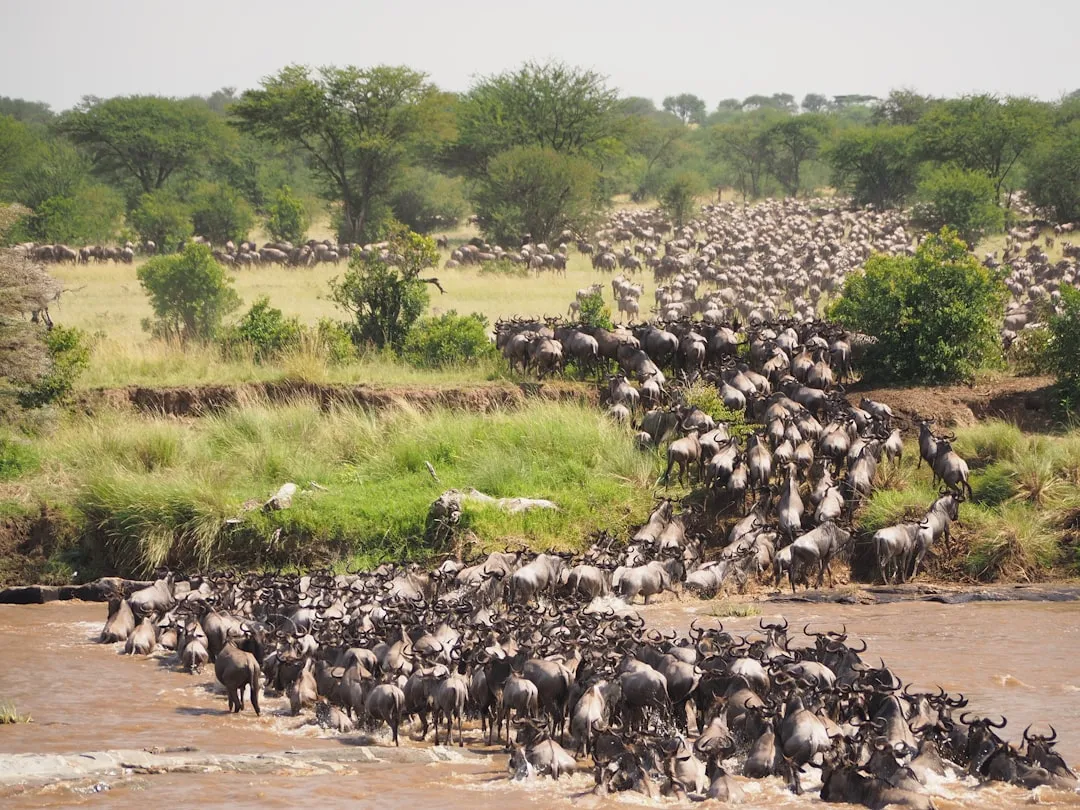
Wildebeest form massive herds that migrate across the plains, making them a frequent choice for lion prides. Their numbers provide plenty of chances for a successful hunt, especially when young or weaker individuals fall behind. Prides often work together to isolate one from the group during these movements.
These antelope offer solid nutrition without the extreme danger that comes with larger animals. Lions time their attacks around the migration seasons when wildebeest are most concentrated. This strategy helps sustain the pride through lean periods when other food sources thin out.
Plains Zebra for Steady Meals
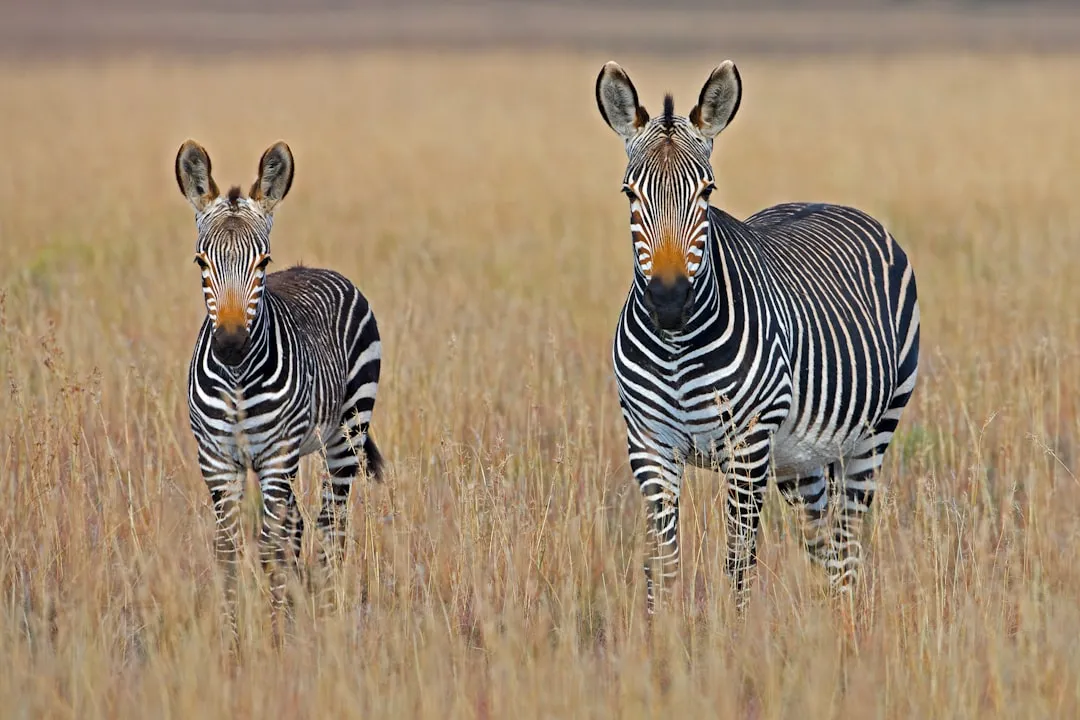
Zebras travel in family groups and rely on speed and group vigilance to stay safe. Lions still manage to catch them regularly by using the cover of tall grass or striking at night when visibility drops. The striped pattern does little to deter determined hunters once the chase begins.
These equids deliver a good amount of meat and fat that supports the energy needs of growing cubs and adults alike. Prides learn the routes zebras favor near water sources, turning those spots into reliable ambush points. Over time this familiarity boosts success rates during repeated encounters.
African Buffalo When the Pride Is Strong
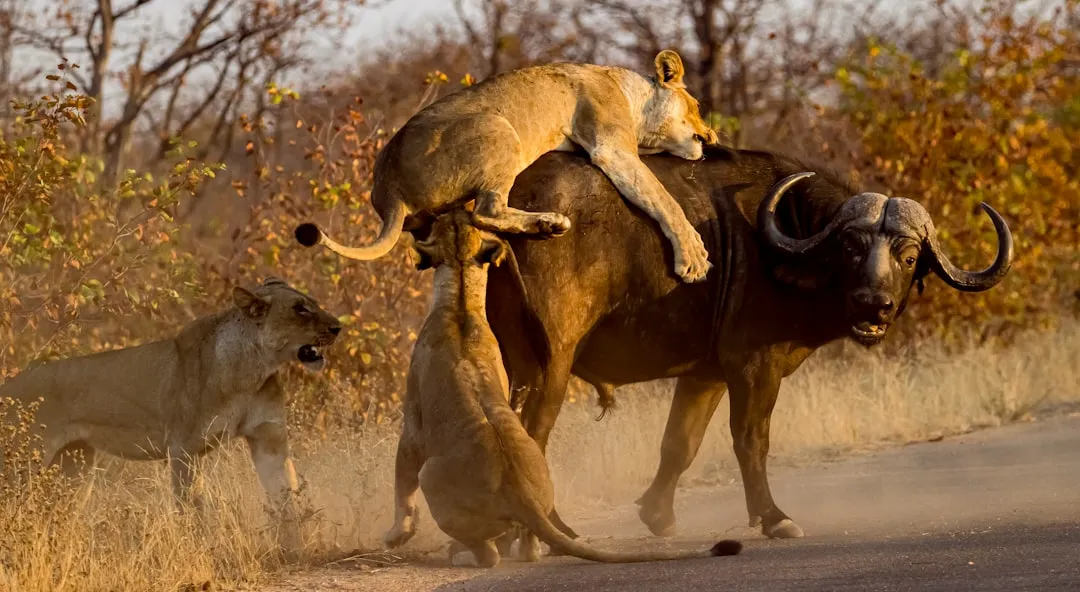
Buffalo stand out for their size and defensive horns, yet lions take them down when the pride has enough members to overwhelm a single target. Calves and older bulls become especially vulnerable during dry seasons when herds spread out in search of grass. Coordinated attacks from multiple directions often tip the balance.
The reward comes in the form of substantial protein that can feed an entire pride for days. Lions avoid healthy adults in prime condition unless hunger pushes them to take greater chances. This selective approach keeps injuries low while still securing big meals.
Impala for Quick and Frequent Success
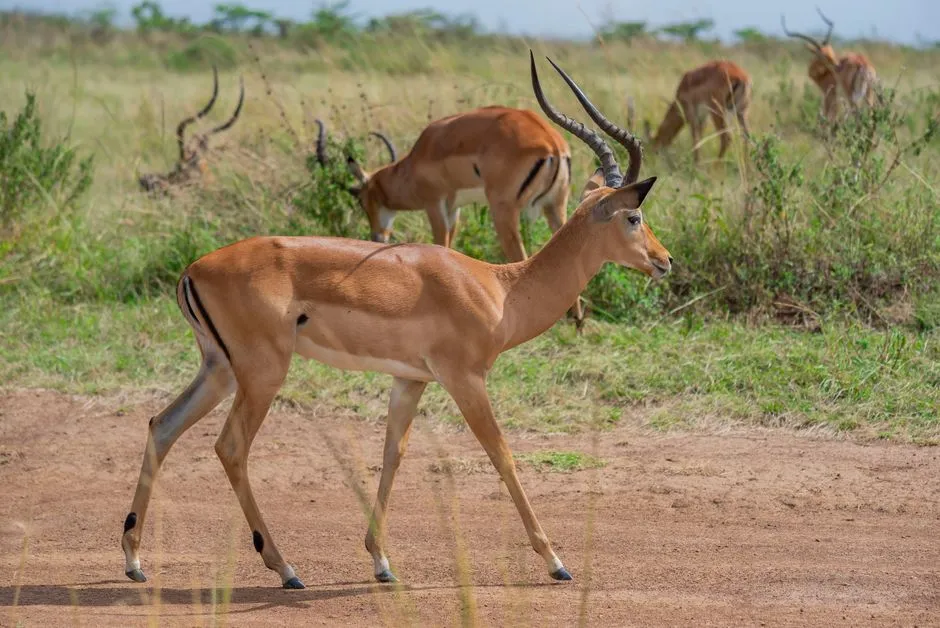
Impala leap high when alarmed, yet their smaller size makes them easier to bring down than bulkier species. Lions often target them in woodlands where cover helps close the distance before the prey reacts. These antelope appear regularly in lion diets across many regions.
Their abundance in suitable habitats supports consistent hunting without exhausting the local population too quickly. Prides may split up to pursue different individuals at once, raising the odds of at least one capture. This flexibility suits both small and large groups of lions.
Thomson’s Gazelle in Open Terrain
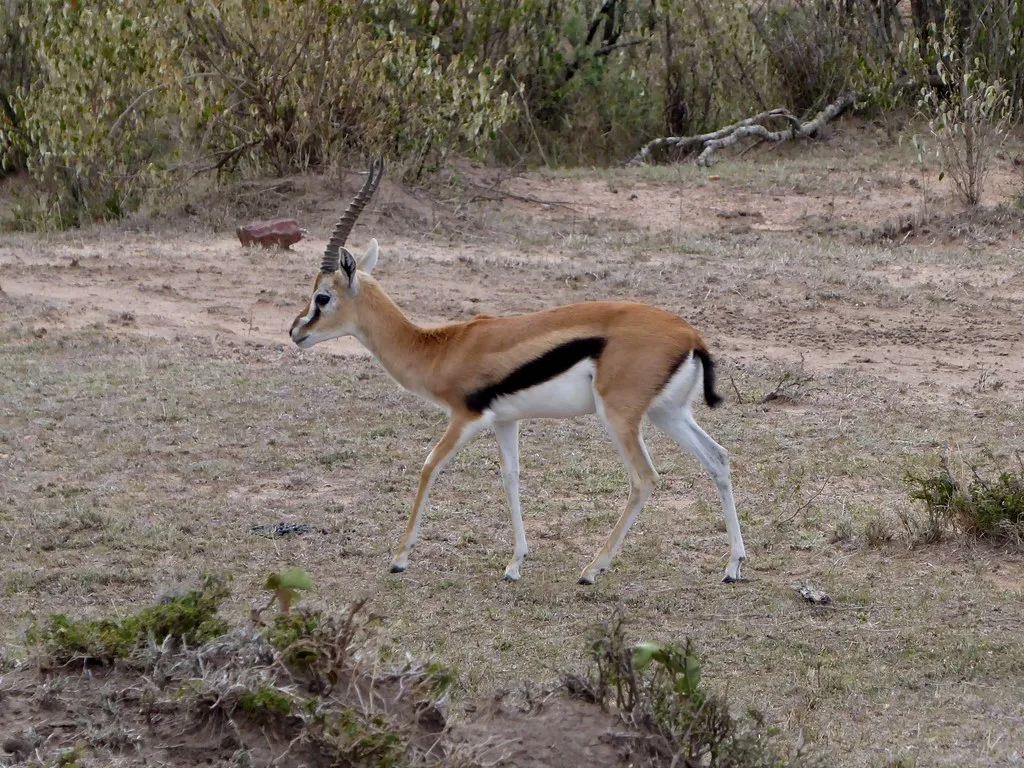
Gazelles rely on sharp eyesight and bursts of speed across open grasslands. Lions counter this by stalking low to the ground and waiting for the right moment to sprint. Young gazelles prove especially tempting when separated from the main herd.
These small antelope provide fast meals that require less effort than tackling heavier prey. Their presence near lion territories ensures regular opportunities throughout the year. Prides adapt their tactics based on whether the gazelles are alert or distracted by feeding.
Warthog as an Accessible Option
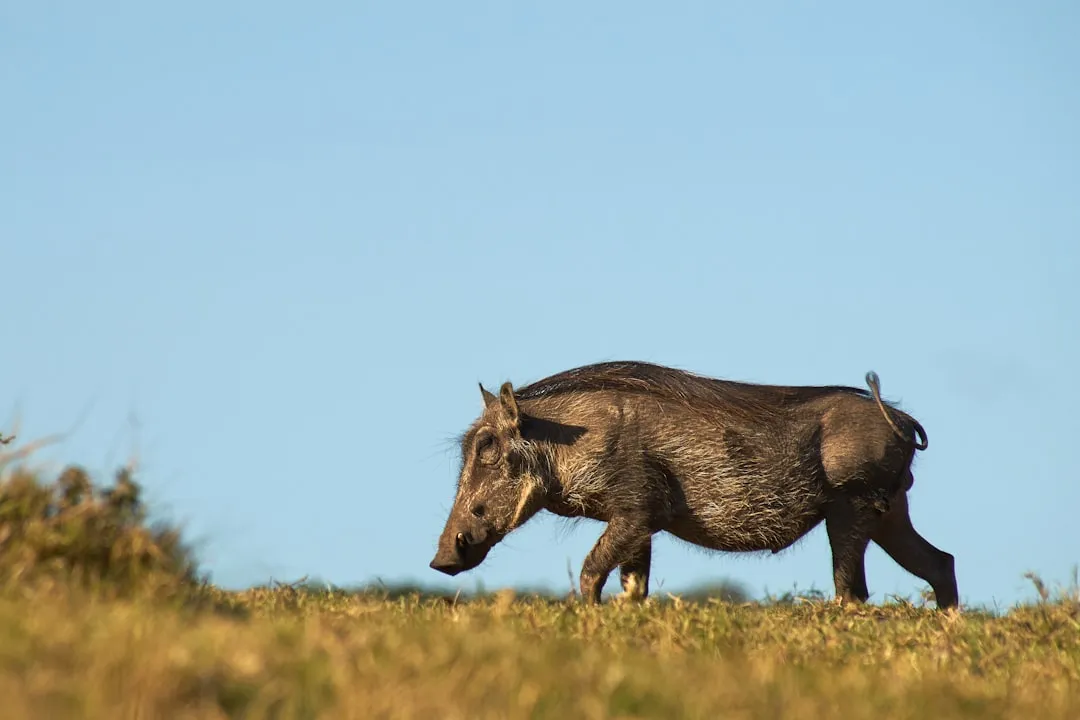
Warthogs spend time rooting in the soil and often use burrows for shelter. Lions catch them by surprising them in the open or blocking escape routes to those holes. The pigs move with a distinctive trot that can turn into a run when threatened.
Despite their tusks, warthogs lack the mass to pose serious danger to a coordinated pride. They appear in diets more often in areas where larger prey migrates away seasonally. This makes them a useful backup when primary targets are scarce.
Greater Kudu in Wooded Areas
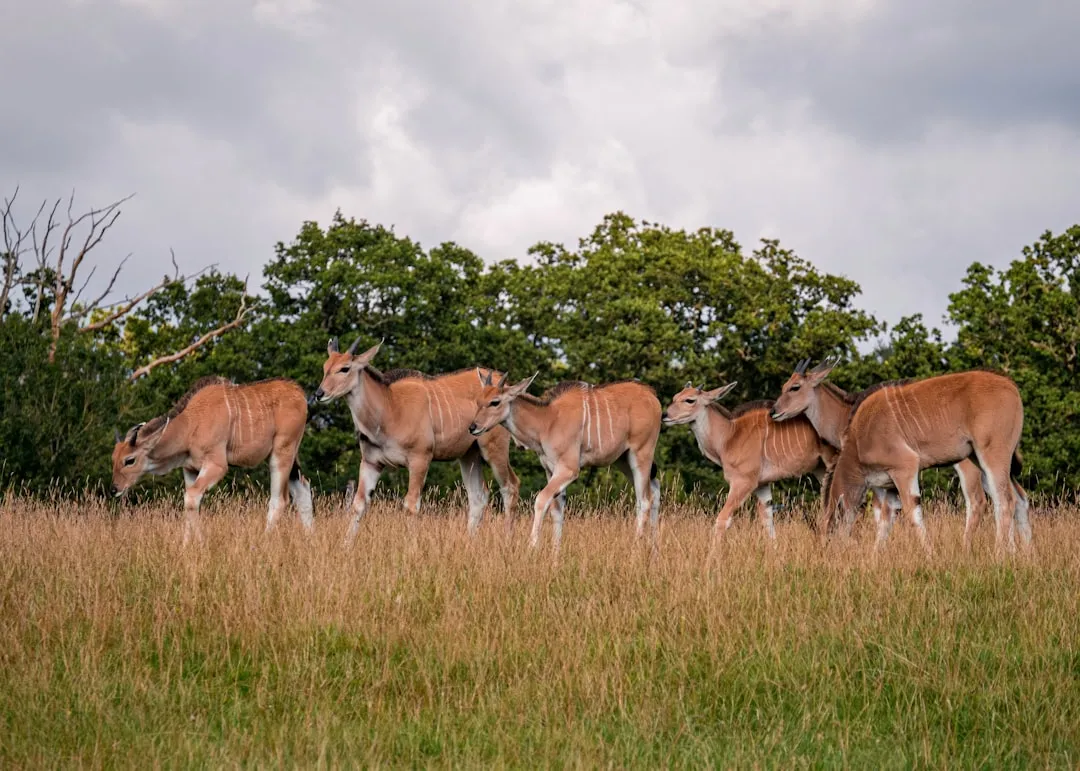
Kudu blend into bushy landscapes with their spiral horns and striped coats. Lions locate them through patient tracking and by listening for movement in the undergrowth. These antelope favor thicker cover that sometimes limits their escape options.
Their meat supports prides that operate in mixed savanna and woodland zones. Attacks tend to succeed more when kudu venture into clearer patches to drink or graze. This pattern repeats across different lion populations that share similar habitats.
Waterbuck Near Water Sources
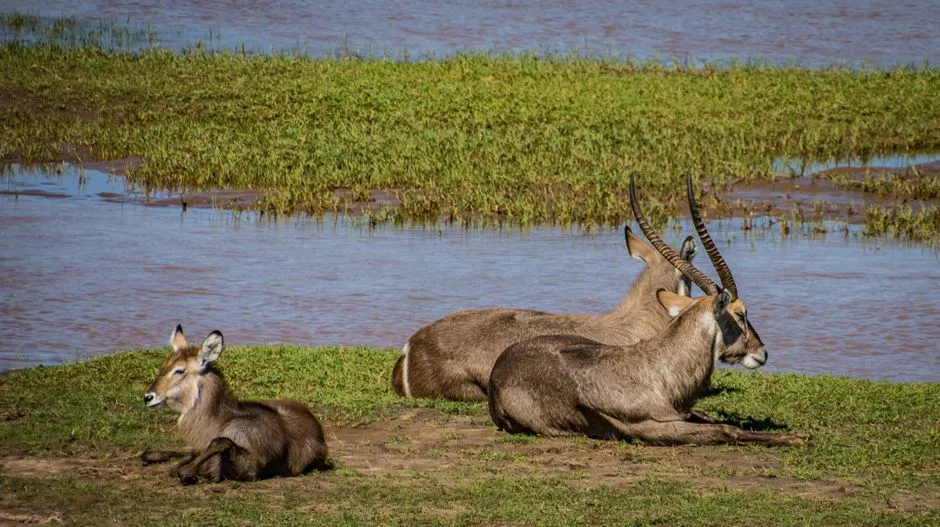
Waterbuck stay close to rivers and lakes, which creates predictable locations for lions to watch. Their shaggy coats and strong build do not fully protect them from group assaults. Lions often approach from the land side to cut off access to the water.
These antelope offer decent nutrition and appear regularly where water draws multiple species together. Prides learn to time hunts around dawn or dusk when waterbuck lower their guard slightly. The strategy works well in regions with steady river systems.
Hartebeest for Varied Hunting Grounds
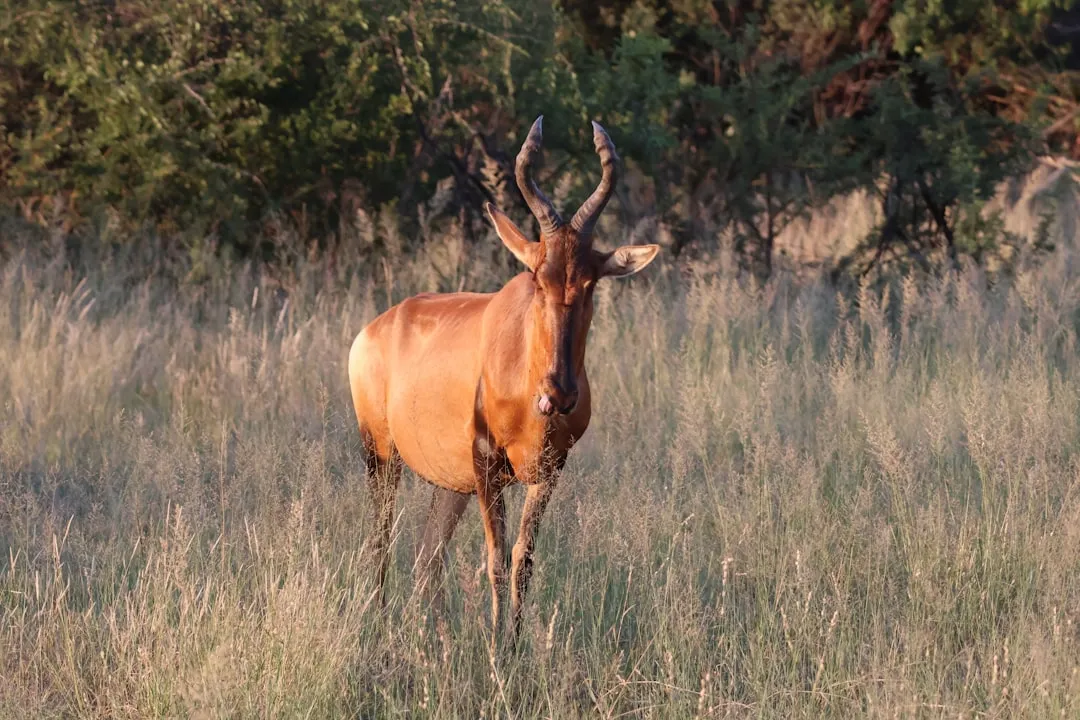
Hartebeest roam in smaller groups across grasslands and lightly wooded zones. Their long faces and curved horns mark them clearly, yet speed remains their main defense. Lions use terrain features like slight rises to gain an advantage during the chase.
These antelope fill gaps in the diet when wildebeest or zebra numbers drop locally. Their presence across wide areas gives prides options in different territories. Successful hunts often involve multiple lions cutting off escape paths at once.
Springbok in Arid Regions

Springbok gather in large numbers during favorable seasons in drier landscapes. Their pronking behavior when alarmed draws attention but does not always prevent capture. Lions target them by moving in from downwind to reduce detection.
These gazelles provide lighter but frequent meals that help sustain prides between bigger kills. Their migrations create temporary concentrations that lions exploit efficiently. This keeps hunting pressure balanced across the available prey base.
Understanding Lion Choices in the Wild
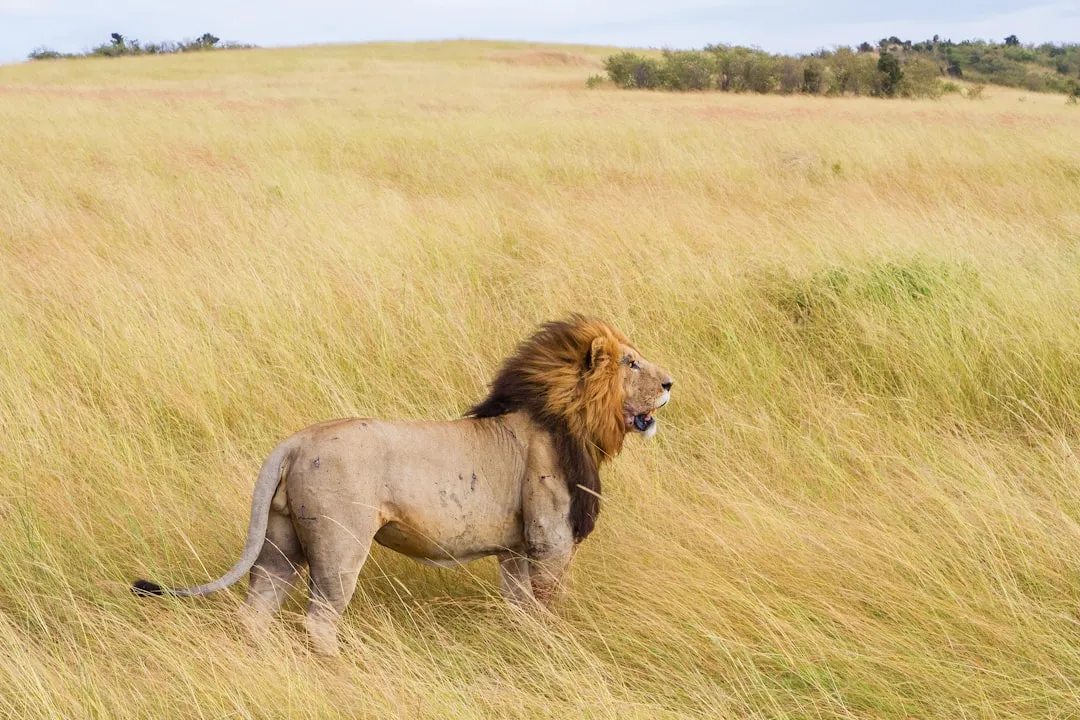
Lions show clear preferences that reflect both opportunity and the need to minimize injury. The animals they pursue most often share traits like moderate size and predictable movement patterns. This approach supports the long term survival of the pride.
At the same time, certain large or dangerous species stay off the regular menu. Elephants, rhinos, hippos, adult giraffes, and humans fall into this category because the risks usually outweigh the rewards. Such selectivity highlights how lions weigh costs against benefits in real time.
These patterns remind us that even top predators operate within limits set by their environment and their own capabilities. Watching how lions navigate those limits offers a window into the practical side of life on the savanna. Their decisions keep the ecosystem in a delicate balance that has lasted for generations.
