
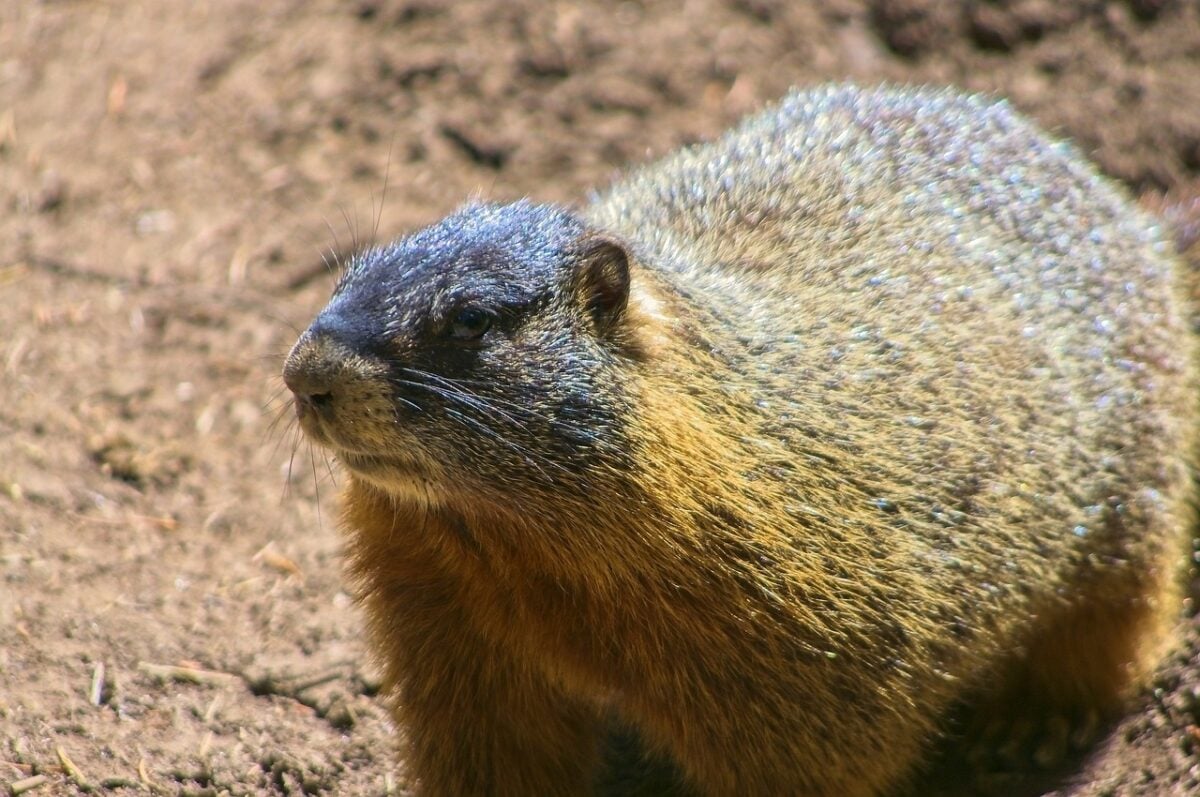
Marmots, those charismatic, whistle-blowing rodents, are more than just mountain dwellers; they’re vital components of their ecosystems, influencing soil composition and serving as prey for various predators. While they predominantly inhabit the western United States, certain states boast particularly robust marmot populations. Let’s delve into the eight U.S. states where these fascinating creatures are most prevalent.
Washington: A Marmot Haven
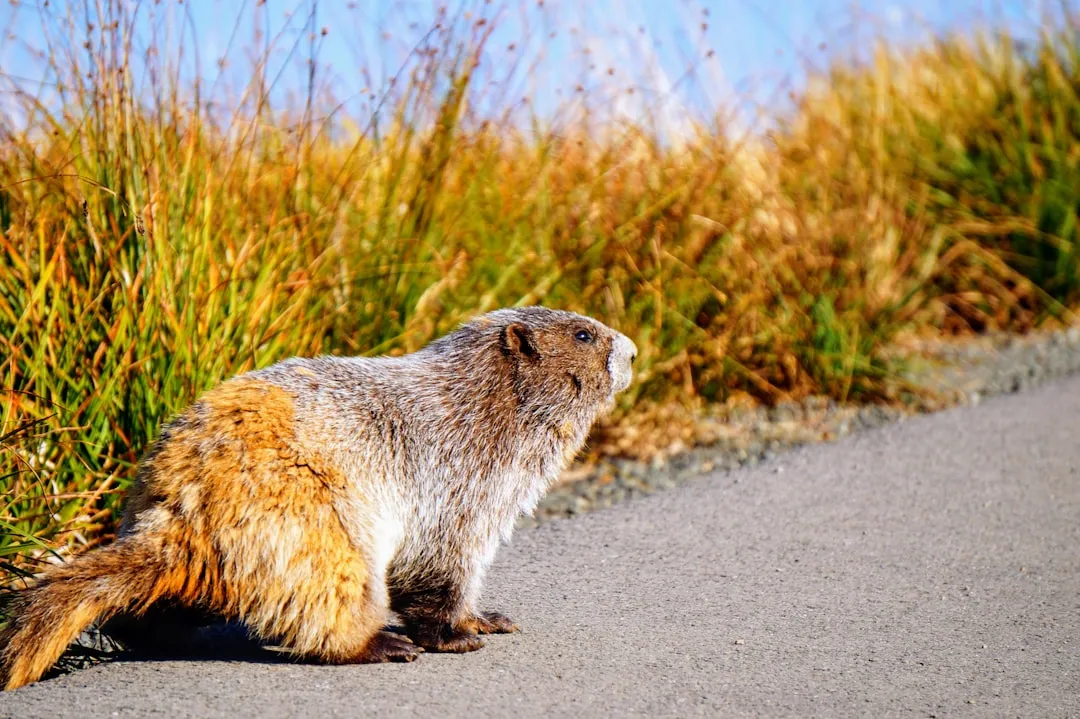
Washington stands out as a marmot hotspot, hosting four distinct species: the hoary marmot, yellow-bellied marmot, groundhog, and the endemic Olympic marmot. The Olympic marmot, found exclusively in the Olympic Mountains, has become a symbol of the state’s rich biodiversity. ([defenders.org](https://defenders.org/blog/2026/07/locals-who-shape-us-marmots-of-washington?utm_source=openai))
The state’s diverse topography, from coastal regions to alpine meadows, provides ideal habitats for these species. However, challenges like climate change and habitat fragmentation pose threats, especially to the Olympic marmot, leading to ongoing conservation efforts. ([wdfw.wa.gov](https://wdfw.wa.gov/species-habitats/species/marmota-olympus?utm_source=openai))
Colorado: Rocky Mountain Residents
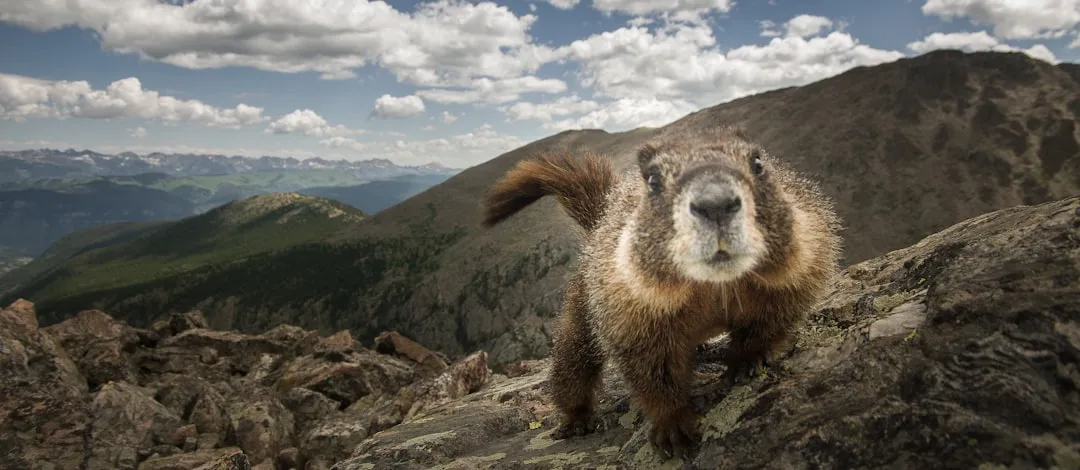
Colorado’s rugged Rocky Mountains are home to substantial populations of yellow-bellied marmots. These creatures thrive in the state’s alpine meadows and talus slopes, where they can be spotted basking in the sun or foraging for vegetation.
The state’s commitment to preserving its natural landscapes ensures that marmots continue to flourish. Protected areas and national parks offer safe havens, allowing these rodents to maintain healthy populations amidst increasing human activity.
Montana: Wilderness and Wildlife
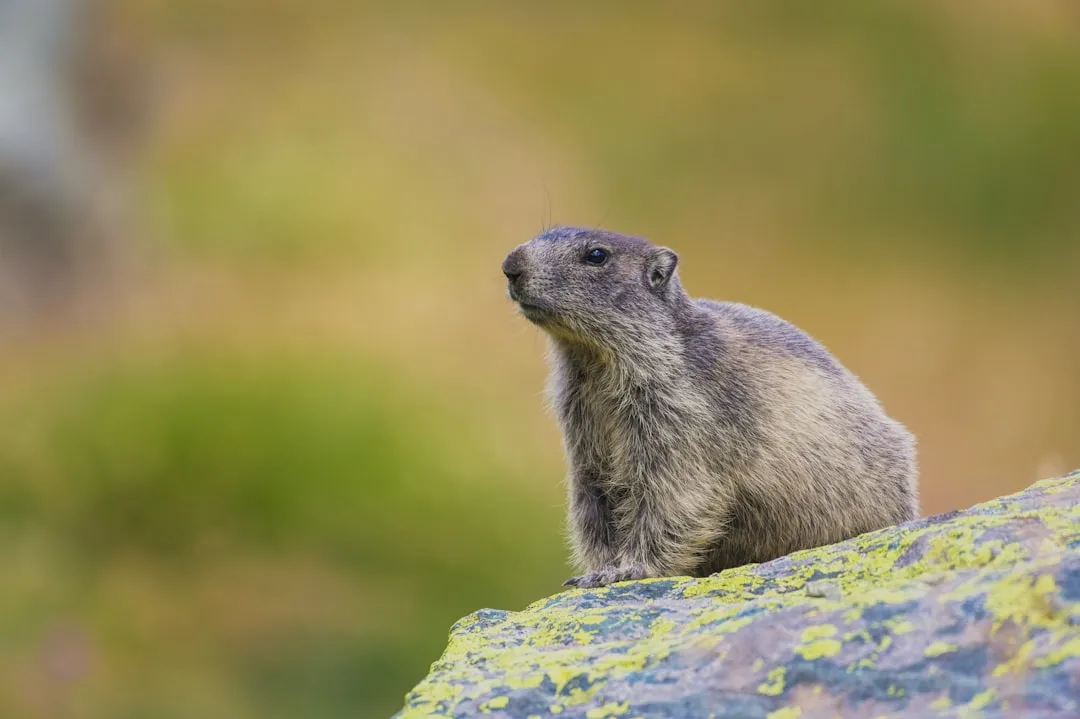
Montana’s vast wilderness areas, including parts of the Rocky Mountains, provide ideal habitats for both hoary and yellow-bellied marmots. The state’s commitment to conservation ensures that these species continue to thrive in their natural environments.
Visitors to Montana’s national parks and reserves often encounter marmots during hikes, as these curious creatures are known for their lack of fear towards humans. Their presence adds to the rich tapestry of wildlife that defines the state’s natural heritage.
Idaho: Alpine Abundance
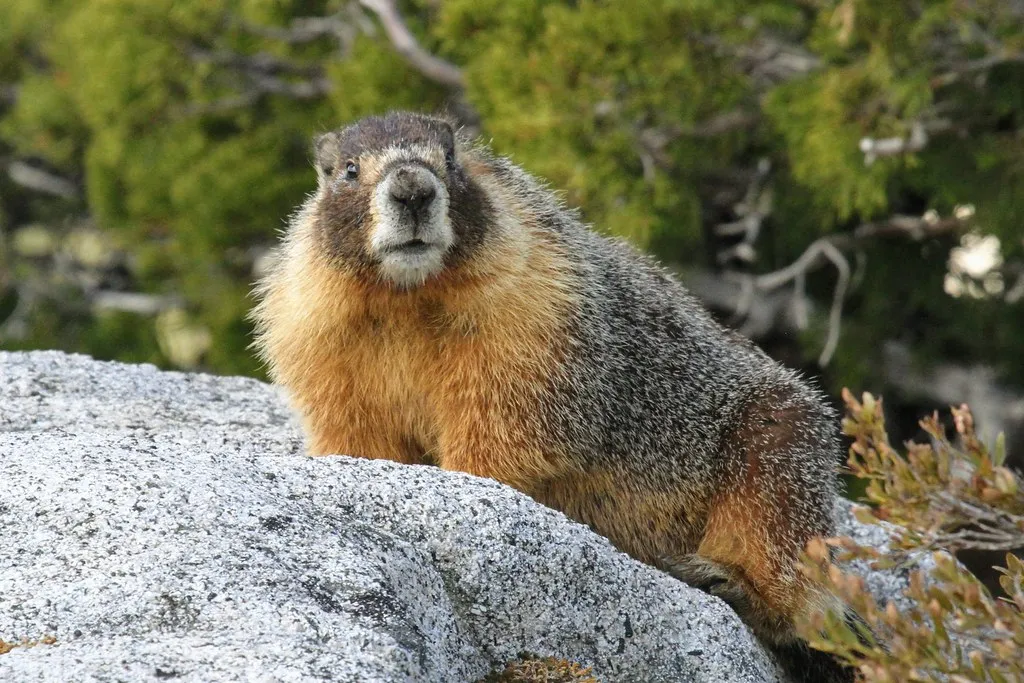
Idaho’s mountainous regions, particularly the Sawtooth and Bitterroot ranges, are teeming with yellow-bellied marmots. These areas offer the rocky outcrops and meadows that marmots favor for burrowing and foraging.
The state’s relatively low human population density means that many marmot habitats remain undisturbed. This tranquility allows marmot colonies to flourish, contributing to the state’s rich biodiversity.
Wyoming: High-Altitude Habitats
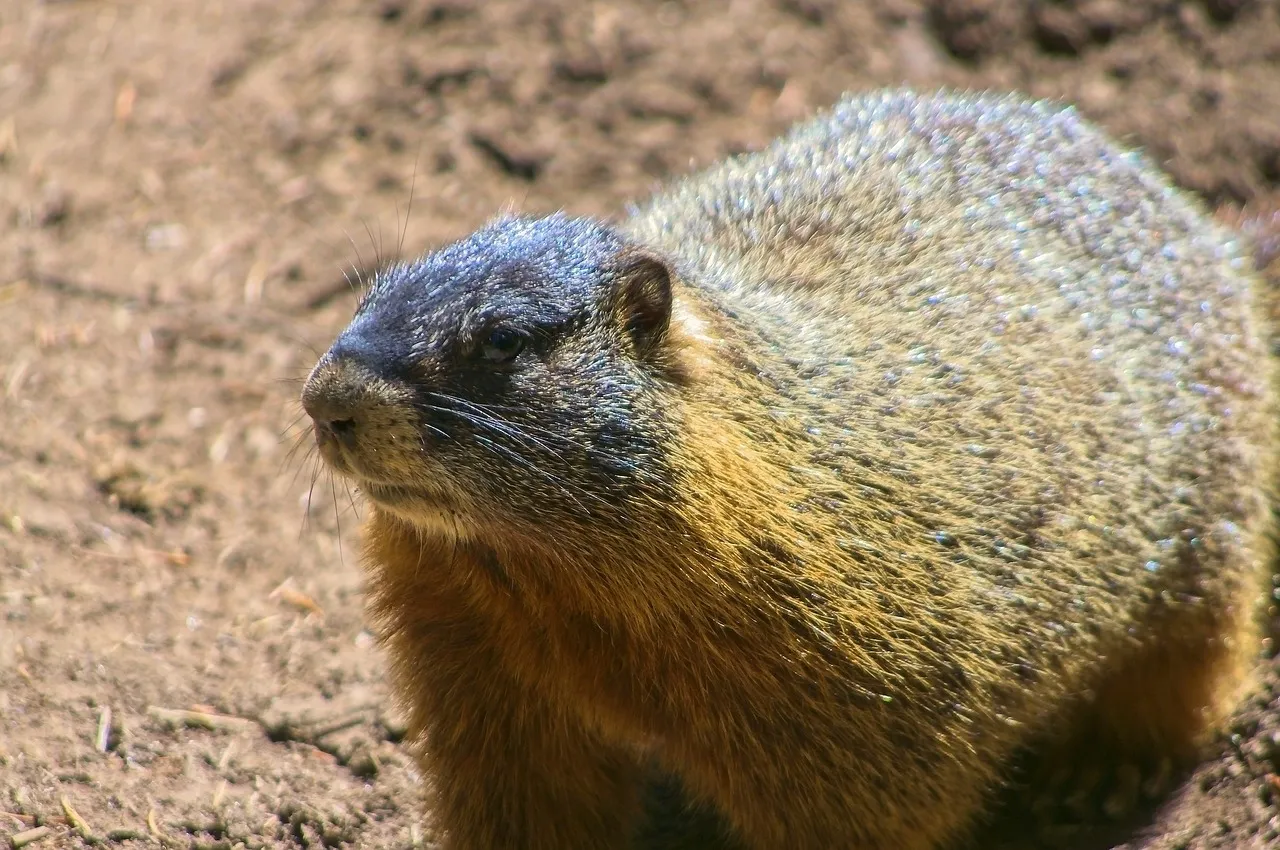
Wyoming’s high-altitude regions, including the Teton and Wind River ranges, are home to thriving populations of yellow-bellied marmots. These areas provide the rocky terrains and alpine meadows that marmots prefer.
The state’s dedication to preserving its natural landscapes ensures that marmots and other wildlife continue to thrive. Protected areas like Grand Teton National Park offer visitors the chance to observe these fascinating creatures in their natural habitats.
Utah: Mountainous Marvels
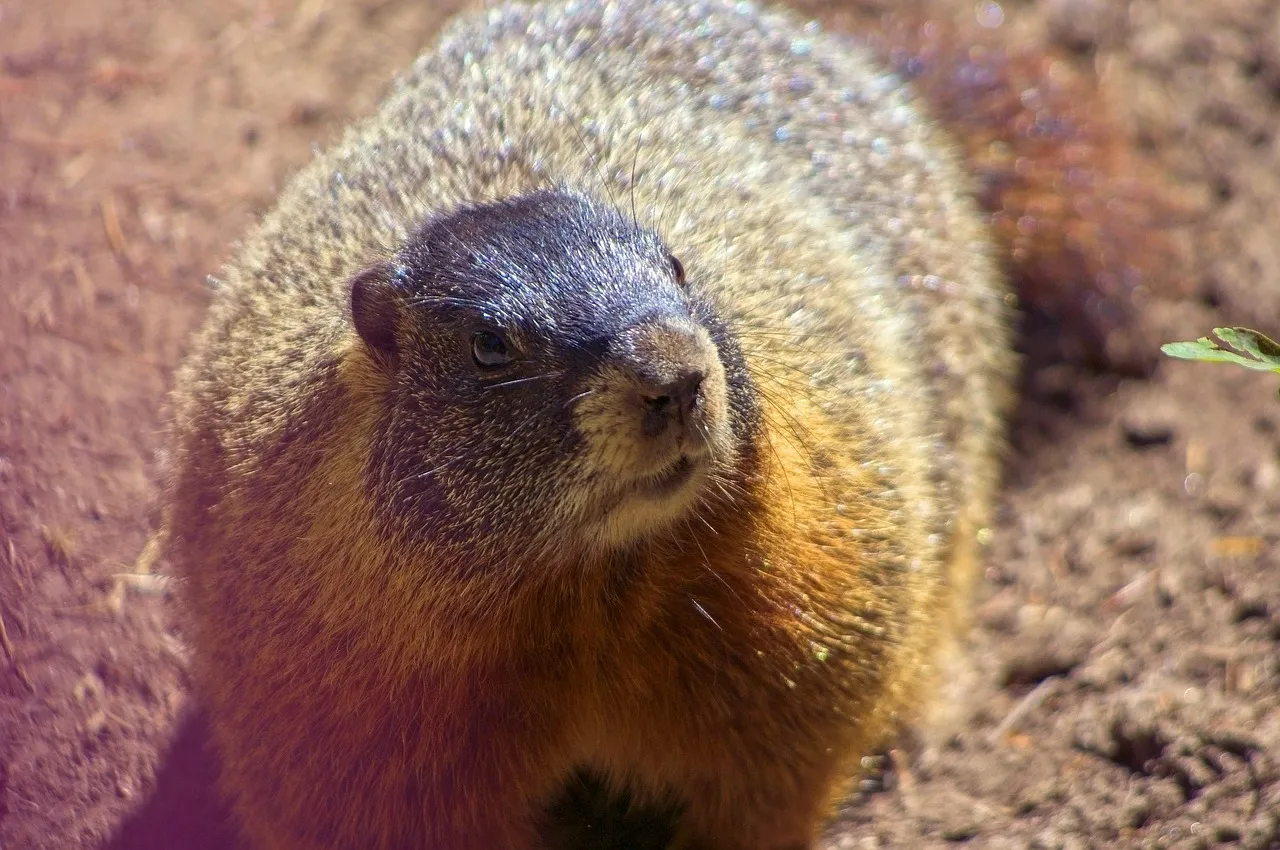
Utah’s diverse topography, from the Wasatch Range to the Uinta Mountains, supports healthy populations of yellow-bellied marmots. These regions offer the rocky outcrops and meadows that marmots favor.
The state’s commitment to conservation and public lands ensures that marmot habitats are preserved. Hikers and nature enthusiasts often report sightings, adding to the state’s appeal as a destination for wildlife observation.
Oregon: Diverse Landscapes
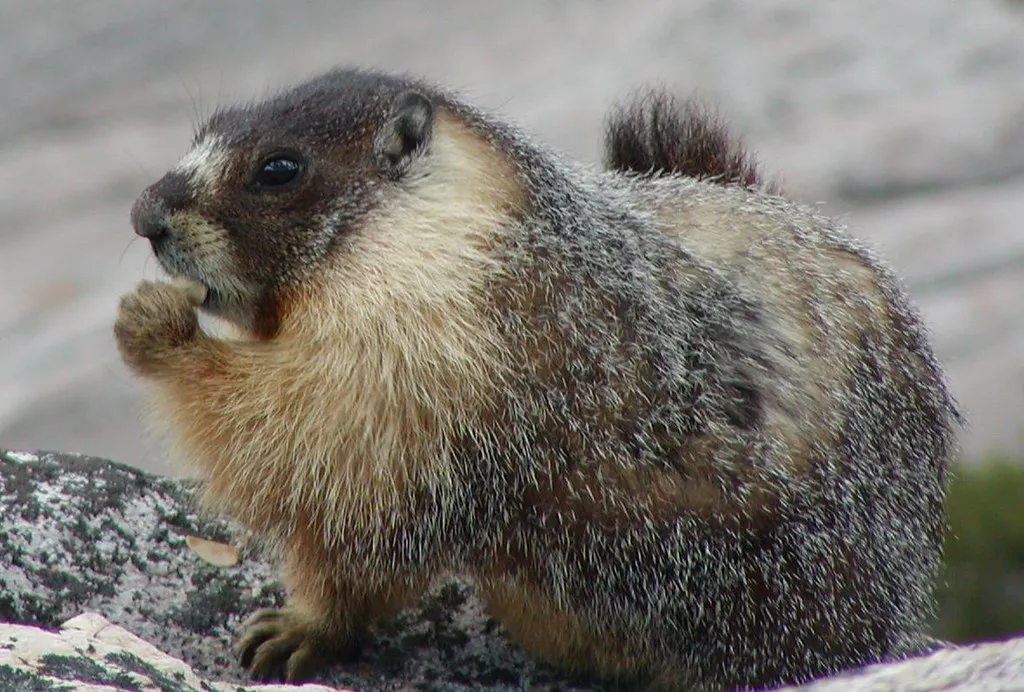
Oregon’s varied landscapes, from the Cascade Range to the high desert, provide suitable habitats for yellow-bellied marmots. These adaptable creatures have established colonies in various parts of the state.
The state’s emphasis on environmental preservation means that marmot populations are monitored and protected. This proactive approach ensures that these rodents continue to play their role in Oregon’s ecosystems.
California: Sierra Nevada Stronghold
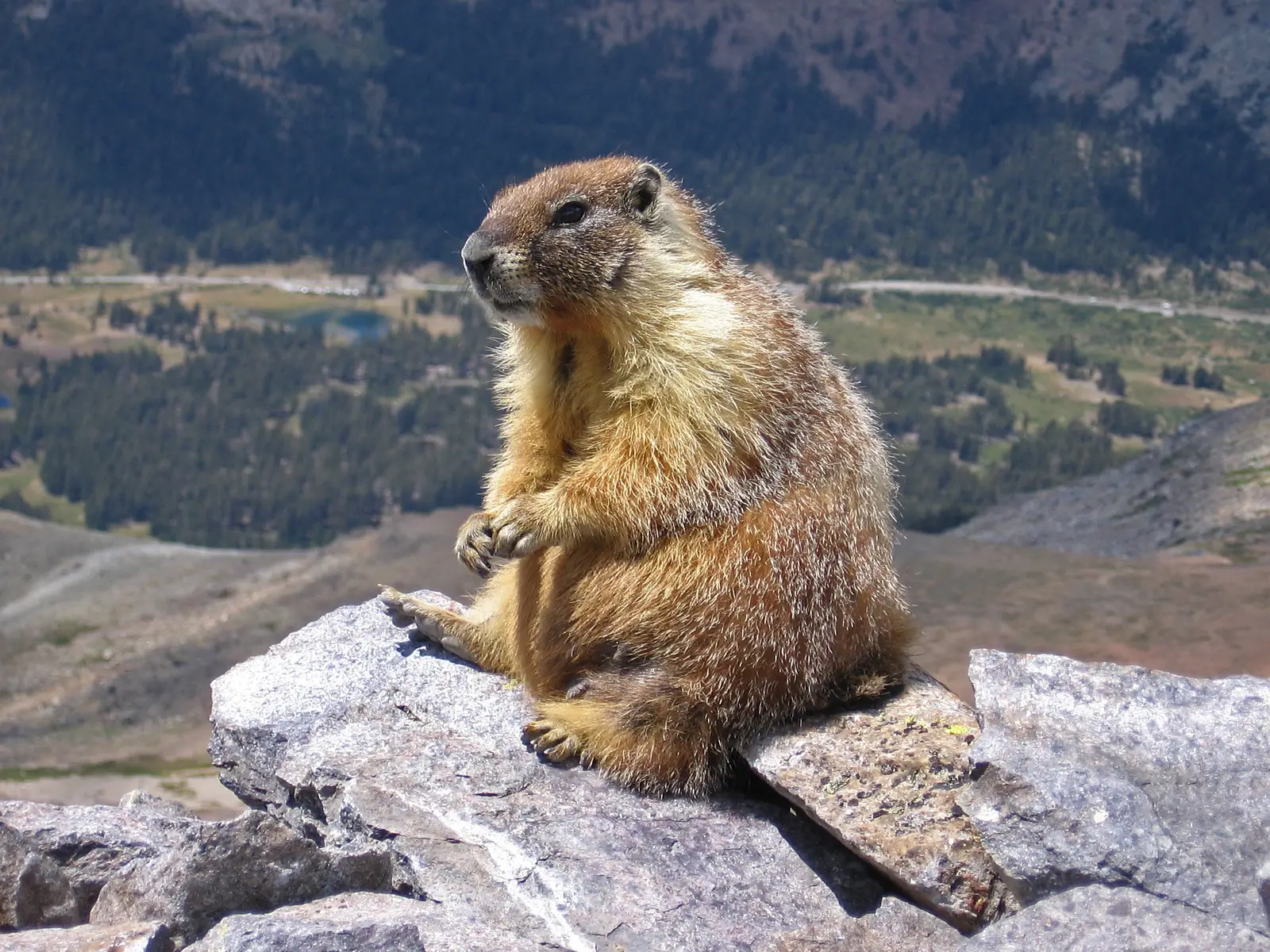
California’s Sierra Nevada mountains are a stronghold for yellow-bellied marmots. The state’s diverse climates and terrains offer a range of habitats, allowing marmots to thrive in various regions.
Conservation efforts in California focus on preserving natural habitats and mitigating human impact. These initiatives help maintain healthy marmot populations, contributing to the state’s rich biodiversity.
In conclusion, these eight states exemplify the diverse habitats that marmots call home. Their presence underscores the importance of conservation efforts to preserve these unique ecosystems. As we continue to explore and appreciate our natural world, let’s ensure that marmots and other wildlife have the spaces they need to thrive.

- 10 Fascinating Facts About Devil’s Tower That Continue to Puzzle Scientists - July 17, 2026
- 8 US States With the Most Marmots - July 17, 2026
- 7 US States With the Most Pikas - July 17, 2026