
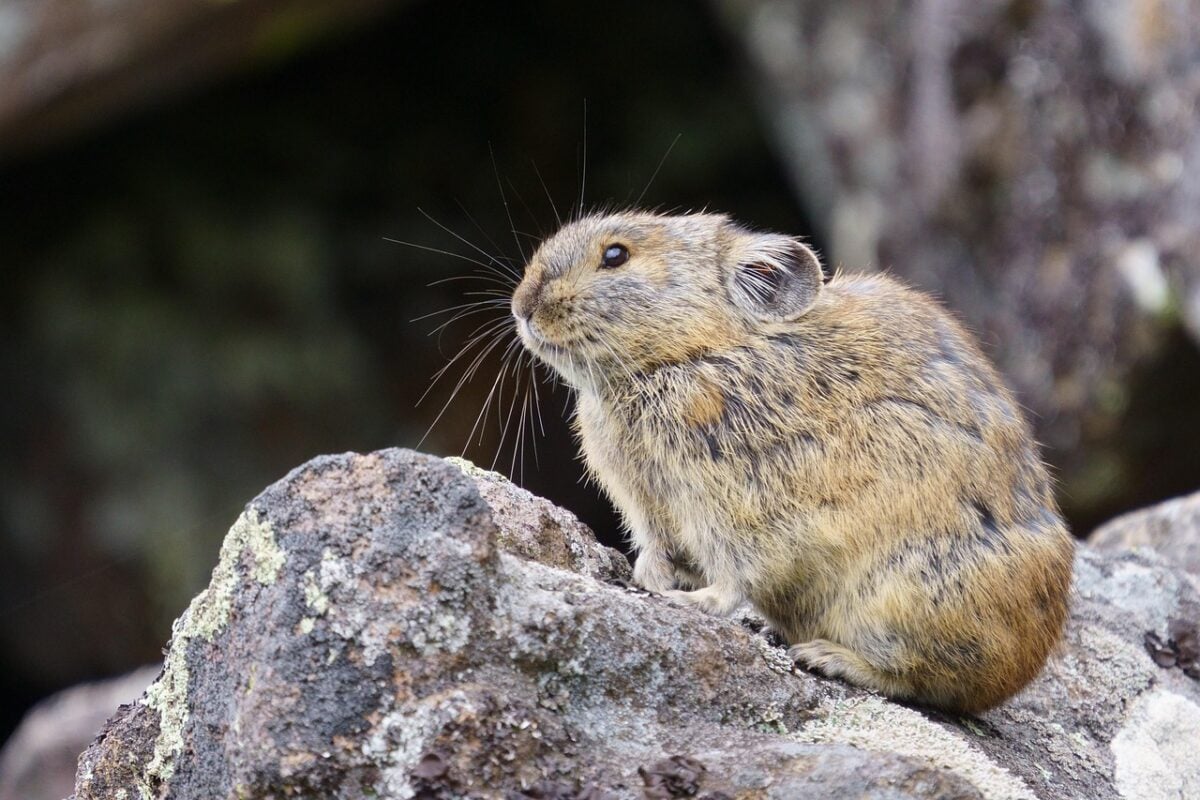
Imagine a creature so sensitive to heat that just a few hours above 78°F can be fatal. Meet the American pika, a small, mountain-dwelling mammal that thrives in the cool, rocky terrains of the western United States. These resilient animals are not only fascinating but also serve as indicators of climate change due to their vulnerability to rising temperatures. Let’s explore the seven U.S. states where pikas are most prevalent and delve into the unique habitats they call home.
Colorado: The Pika’s Rocky Mountain Stronghold
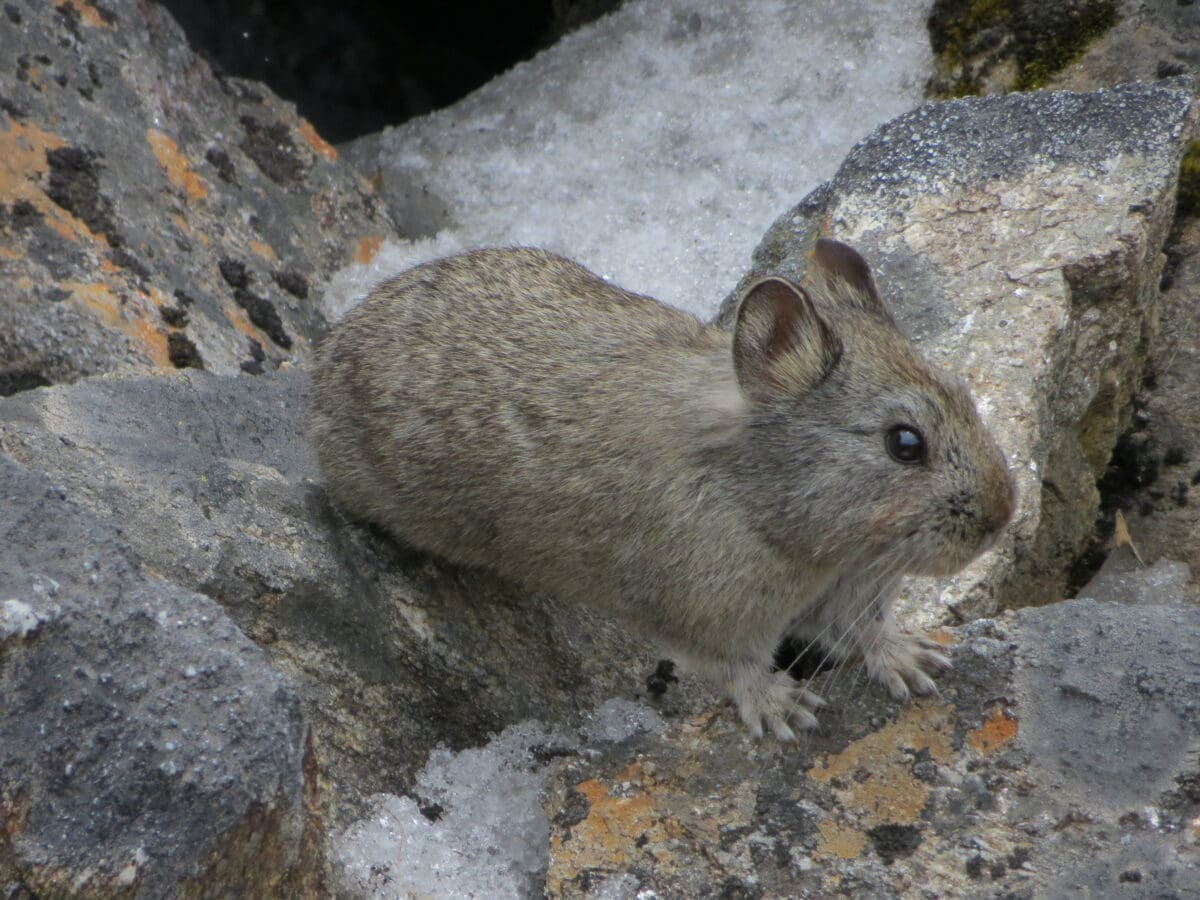
Colorado’s towering peaks and expansive alpine meadows provide an ideal sanctuary for pikas. In Rocky Mountain National Park, these creatures are often spotted darting among the talus slopes, their shrill calls echoing through the valleys. The state’s high elevations and abundant rocky habitats make it a prime location for thriving pika populations.
However, even in this stronghold, pikas face challenges. Climate change threatens to disrupt their delicate ecosystem, potentially forcing them to seek higher elevations or face population declines. Conservation efforts in Colorado are crucial to monitor and protect these sensitive mammals.
California: Sierra Nevada’s Alpine Residents
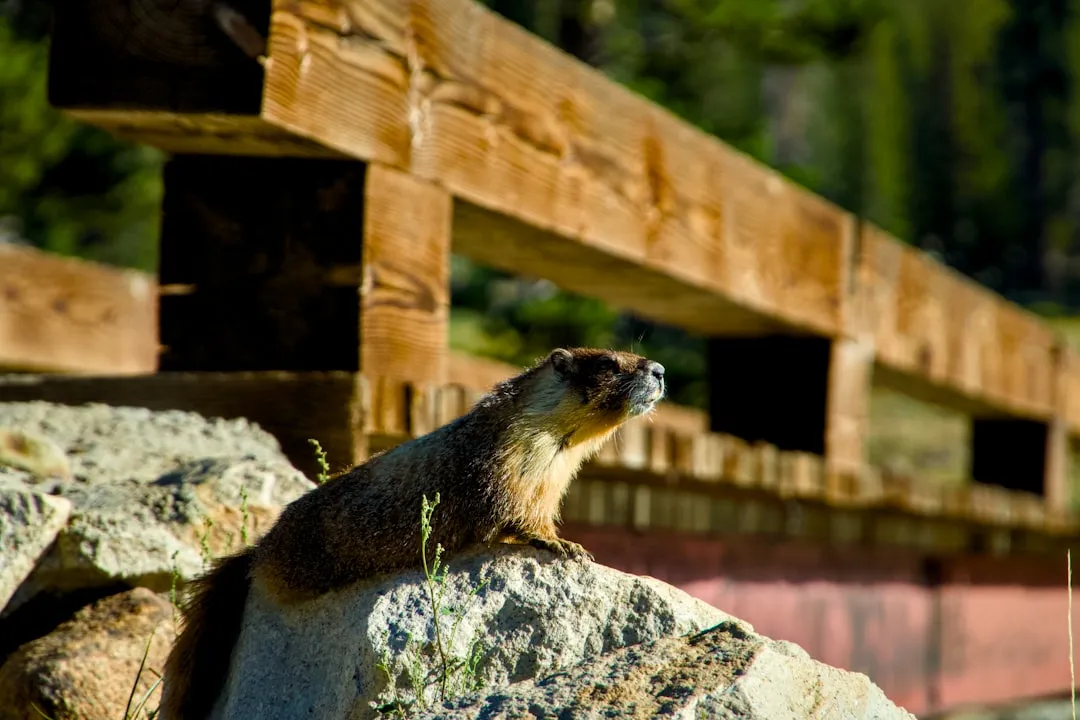
The Sierra Nevada range in California is another hotspot for pikas. Here, they inhabit the rocky outcrops and boulder fields above the tree line, where cooler temperatures prevail. Their presence is a testament to the state’s diverse ecosystems and the adaptability of these small mammals.
Yet, California’s pikas are not without threats. Rising temperatures and habitat fragmentation pose significant risks, making ongoing research and conservation initiatives vital to ensure their continued survival in the region.
Montana: High-Altitude Havens
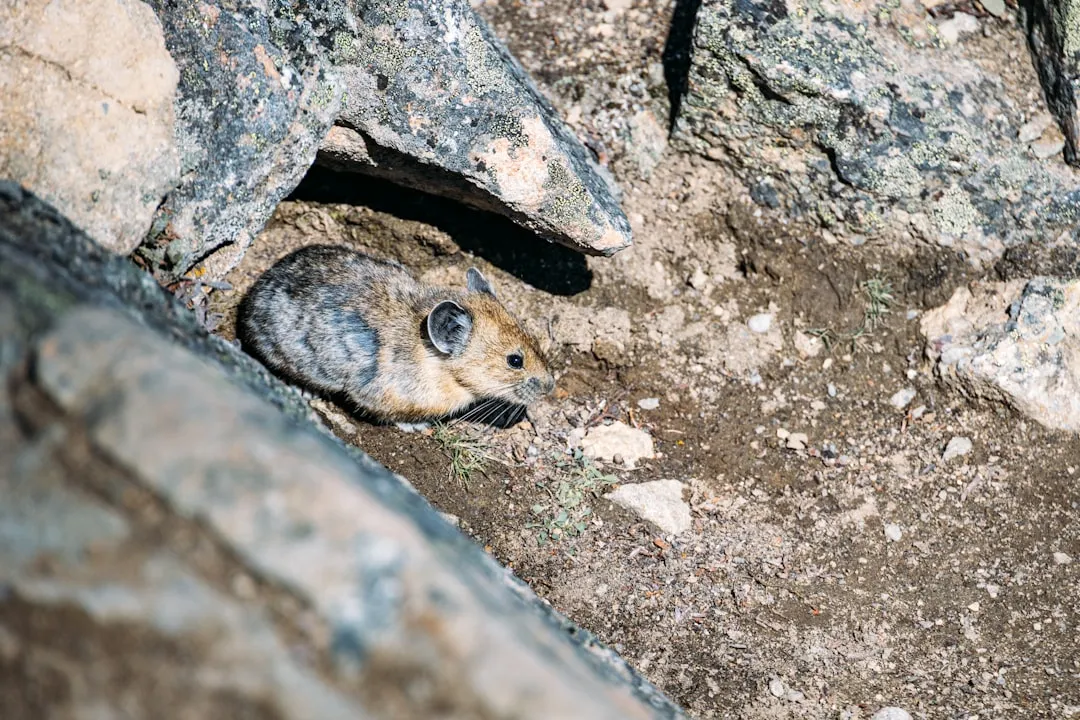
Montana’s rugged mountains and vast wilderness areas offer prime pika habitats. In places like Glacier National Park, visitors might catch glimpses of these elusive creatures among the rocky slopes. The state’s cooler climate and abundant alpine regions support healthy pika populations.
However, as global temperatures rise, even Montana’s pikas could be at risk. Monitoring their populations provides valuable insights into the broader impacts of climate change on alpine ecosystems.
Oregon: Cascade Range Refuge
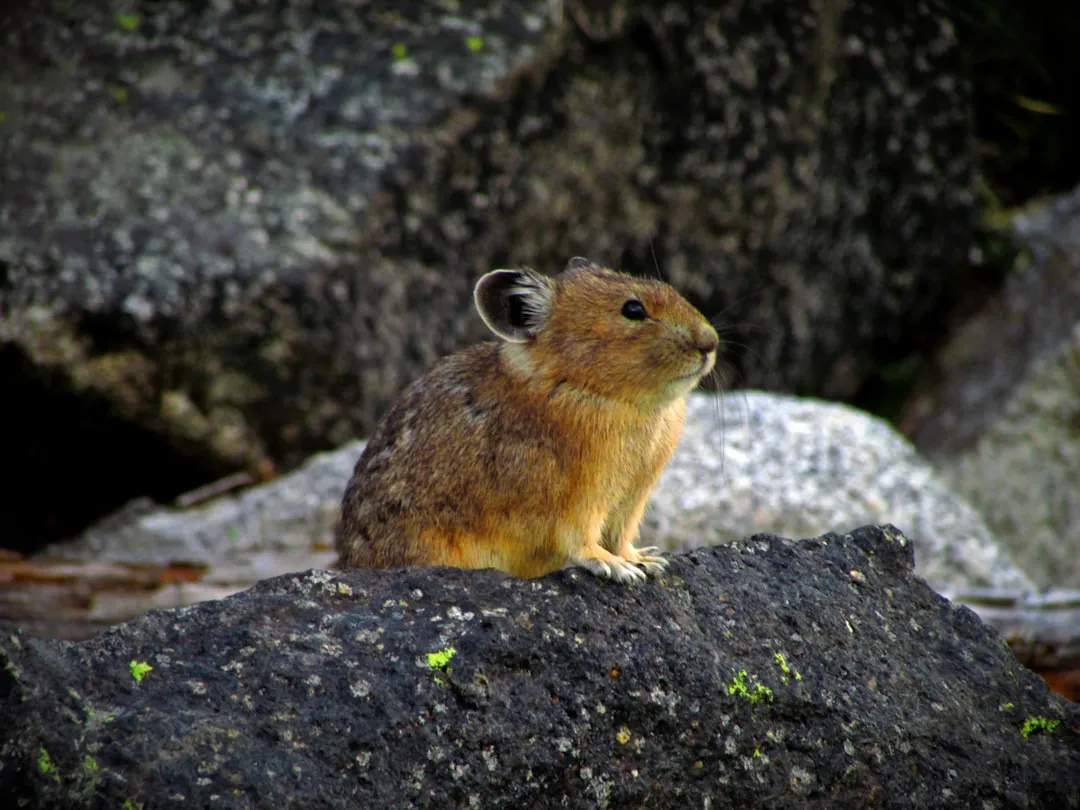
Oregon’s Cascade Range, with its volcanic peaks and extensive talus fields, serves as a refuge for pikas. These areas offer the cool, rocky environments that pikas favor, allowing them to thrive in the state’s diverse landscapes.
Despite this, Oregon’s pikas are not immune to environmental changes. Conservationists are keenly observing these populations to understand how shifting climates may affect their distribution and behavior.
Washington: Mount Rainier’s Pika Populations
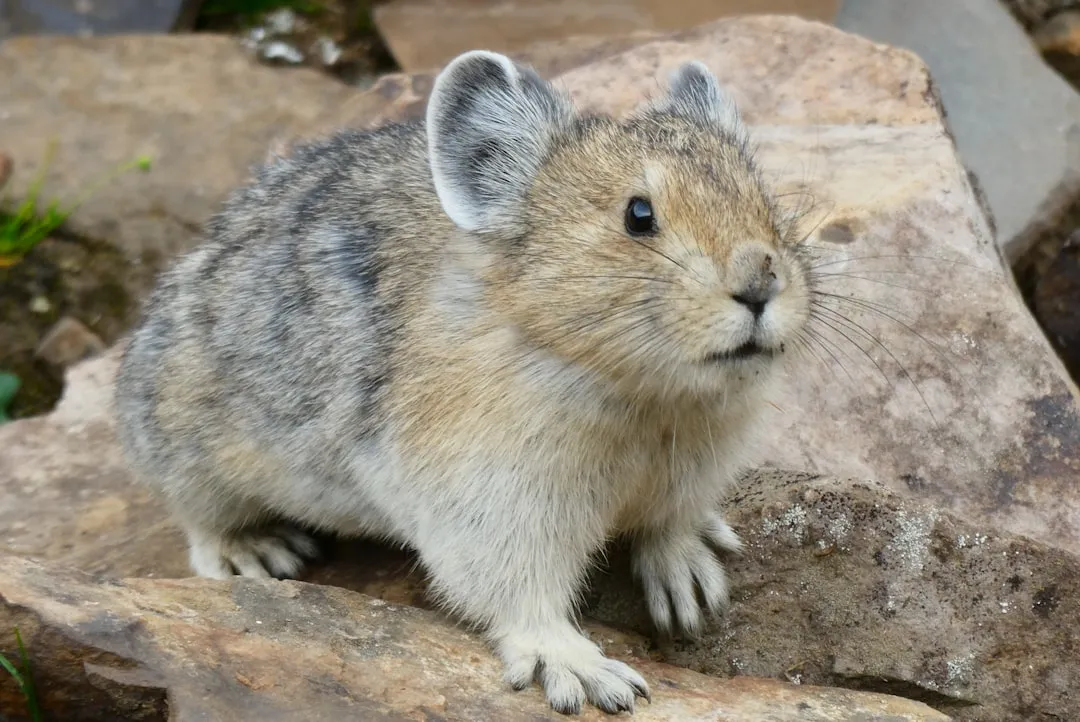
Washington’s Mount Rainier National Park is home to a significant number of pikas. The park’s high-altitude talus slopes provide the perfect habitat for these heat-sensitive animals. Visitors often hear their distinctive calls before spotting them among the rocks.
Research in the park focuses on how pikas are adapting to changing temperatures and what measures can be taken to protect them. Their presence is a vital component of the park’s alpine ecosystem.
Idaho: Craters of the Moon’s Unusual Inhabitants
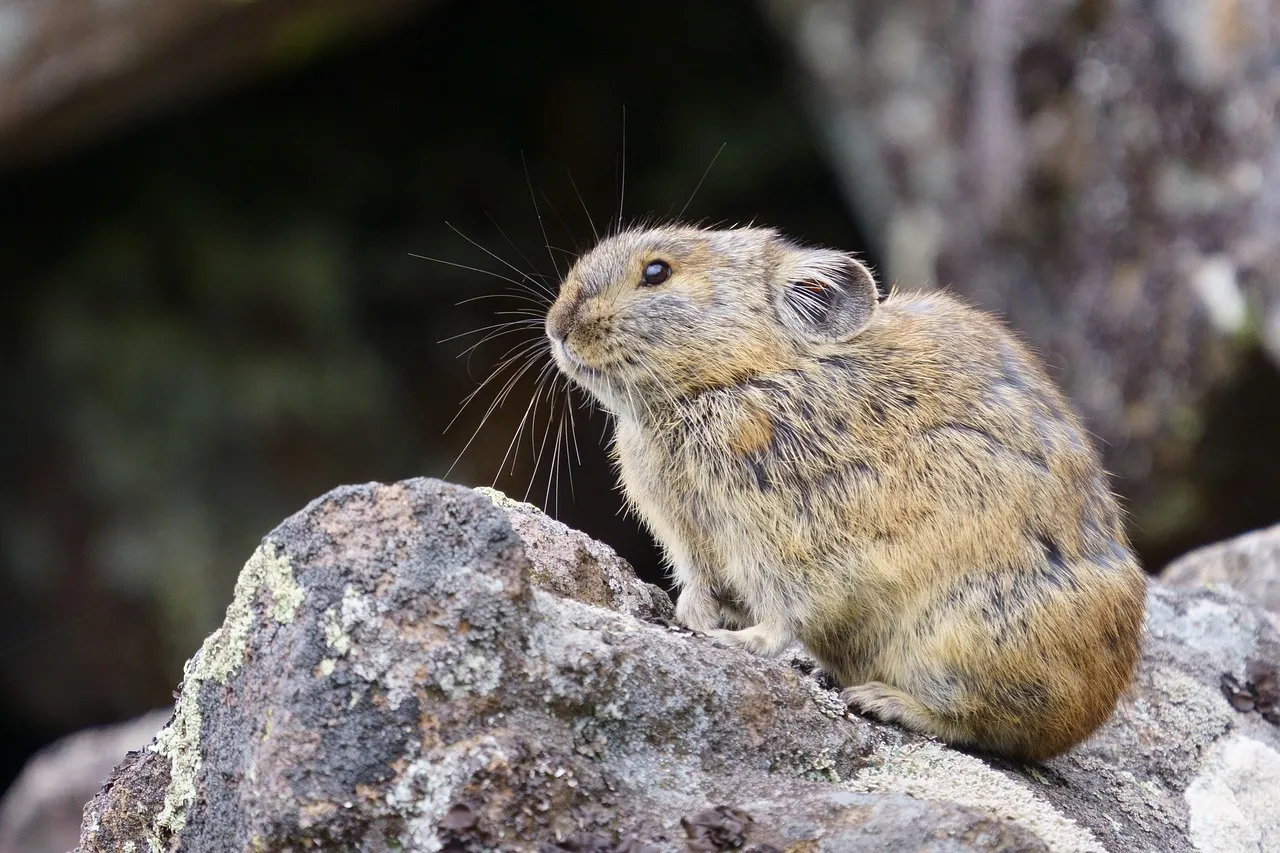
Idaho’s Craters of the Moon National Monument presents a unique environment where pikas have been found living among lava flows – a departure from their typical alpine habitats. This adaptation showcases their resilience and ability to survive in diverse conditions.
However, these populations are isolated and face unique challenges. Studies aim to understand their behavior and genetics to inform conservation strategies tailored to such atypical habitats.
Wyoming: Yellowstone’s Alpine Dwellers
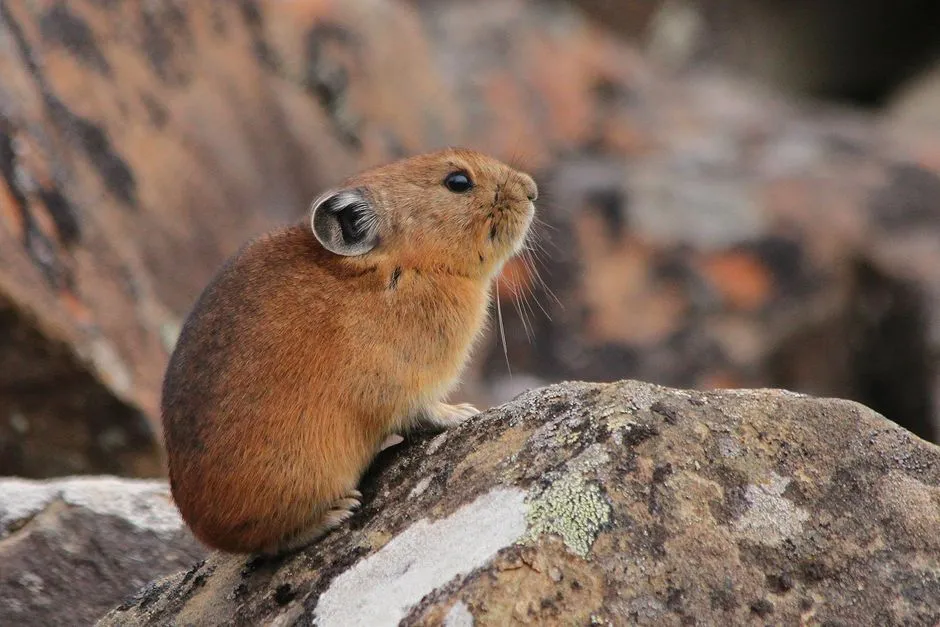
Wyoming’s Yellowstone National Park, with its vast wilderness and mountainous regions, supports healthy pika populations. These animals contribute to the park’s biodiversity, occupying the rocky terrains and adding to the rich tapestry of wildlife.
As with other regions, Wyoming’s pikas are indicators of environmental health. Their well-being reflects the broader impacts of climate change on the park’s ecosystems, making their study essential for conservation efforts.
In conclusion, the American pika’s presence across these seven states highlights the importance of preserving diverse habitats and addressing climate change. Their sensitivity to temperature shifts makes them crucial indicators of environmental health. Protecting pikas means safeguarding the intricate ecosystems they inhabit. Isn’t it remarkable how such a small creature can have such a significant impact?

- 7 US States With the Most Pikas - July 17, 2026
- 6 US States With the Most Javelinas - July 17, 2026
- 8 US States With the Most Armadillos - July 17, 2026