
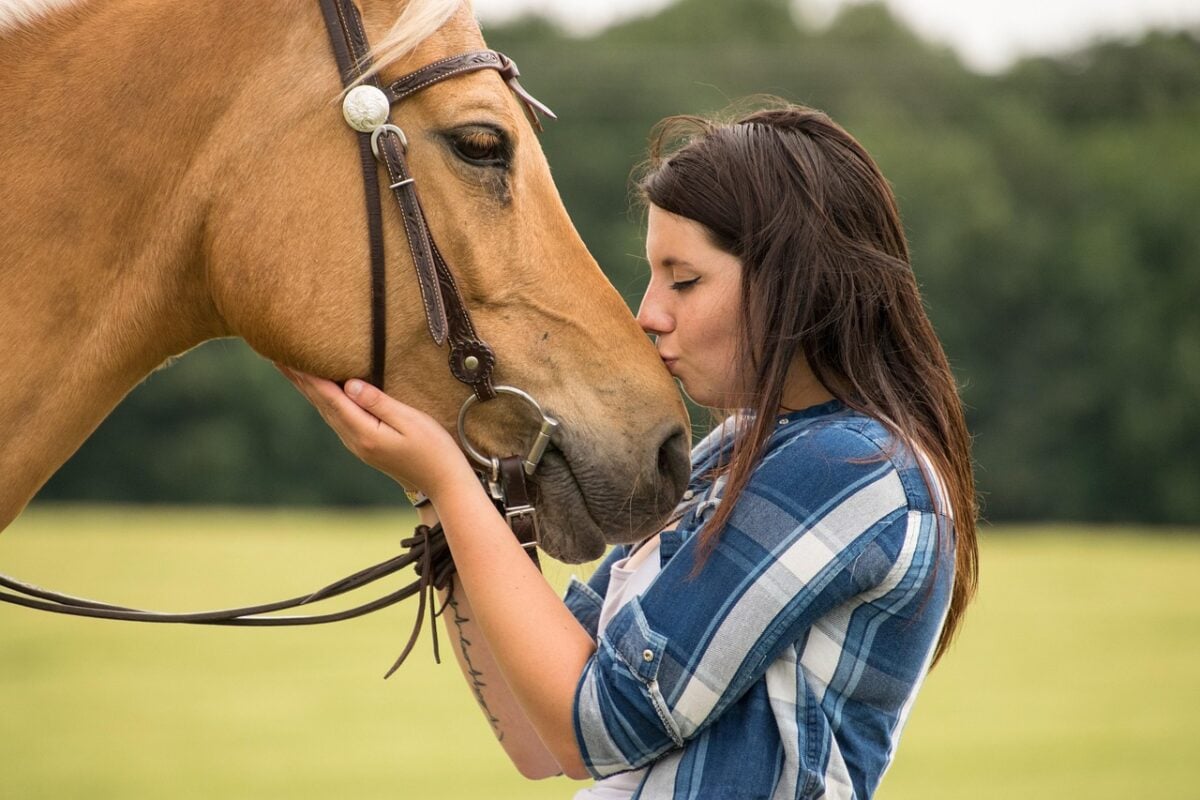
Imagine walking into a stable after months away, only to find a horse reacting to you with a familiarity – or wariness – that mirrors your past interactions. This isn’t mere coincidence or anthropomorphism; it’s a testament to the profound emotional memory system horses possess, one that challenges our understanding of animal cognition.
The Depth of Equine Memory
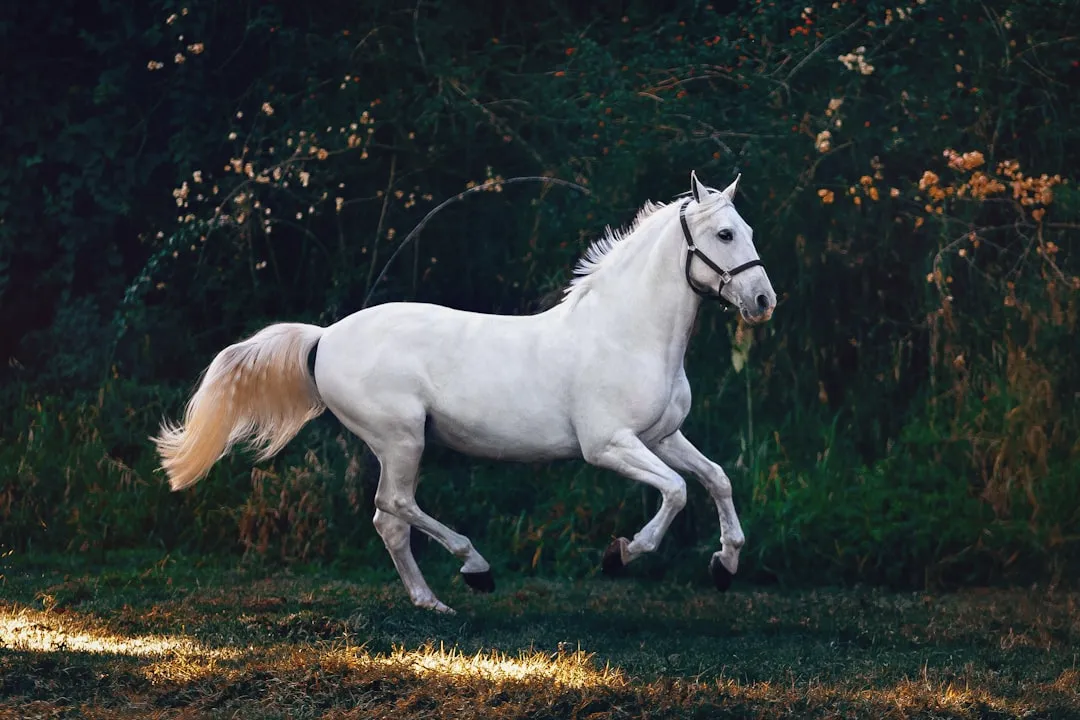
Horses are not just creatures of habit; they are creatures of memory. Studies have shown that horses can remember individuals and experiences for years, even decades, provided the association was significant. This long-term memory isn’t limited to recognizing faces; it encompasses the emotions tied to past interactions, allowing horses to recall both positive and negative experiences with remarkable accuracy.
Emotional Associations and Behavioral Responses
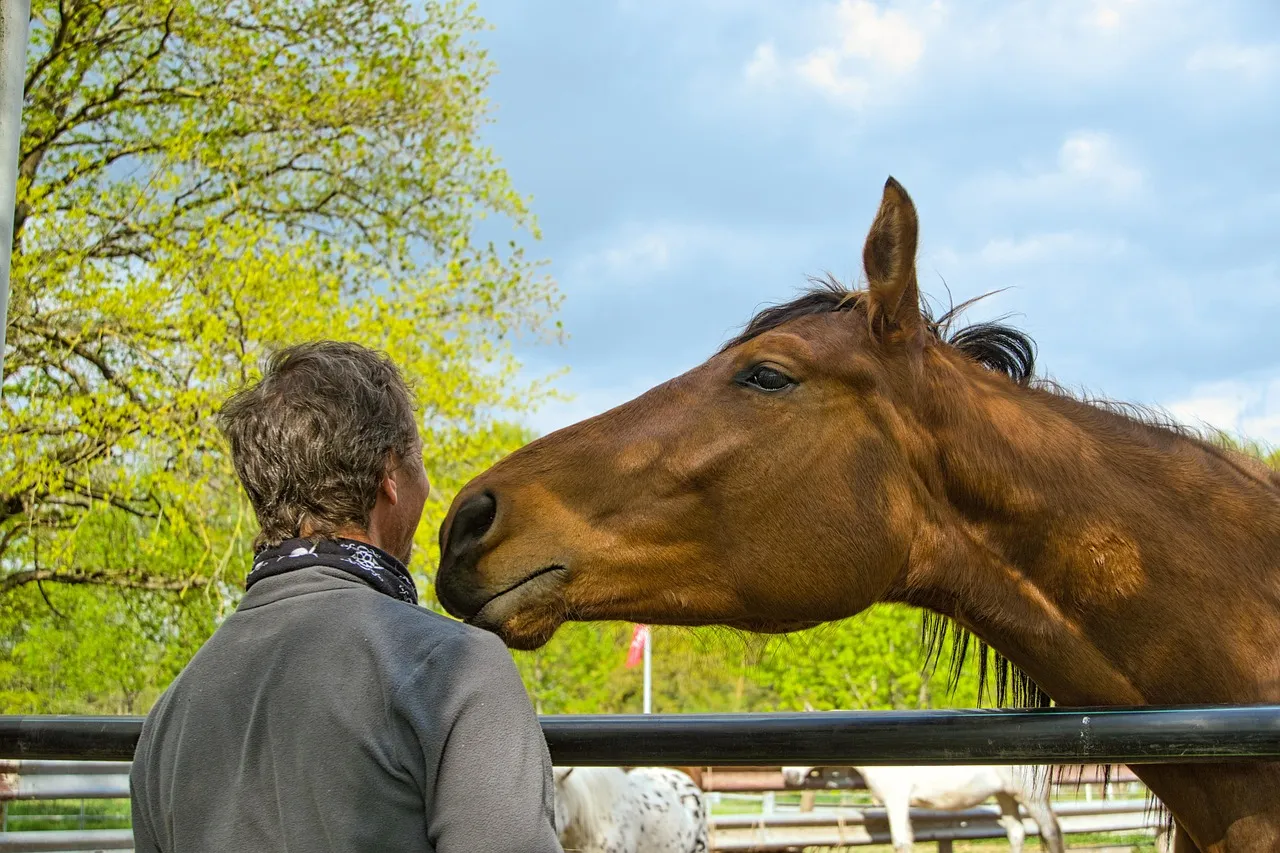
It’s not just about remembering; it’s about feeling. Horses associate human voices with the valence of past interactions. For instance, a horse that has experienced gentle handling and positive reinforcement from a particular individual is likely to respond with trust and affection upon re-encounter. Conversely, negative experiences can lead to avoidance or defensive behaviors, underscoring the emotional weight these memories carry.
Cross-Modal Perception of Human Emotions

Horses don’t just remember what we do; they remember how we feel. Research indicates that horses can cross-modally perceive human emotions, meaning they can interpret and remember our emotional expressions across different senses. This ability allows them to adjust their behavior based on our past emotional states, highlighting a sophisticated level of emotional intelligence.
Implications for Human-Horse Relationships
Understanding the depth of equine memory has profound implications for how we interact with horses. Consistent positive interactions can foster trust and cooperation, while negative experiences can have lasting detrimental effects. This knowledge emphasizes the importance of mindful and respectful handling, as every interaction contributes to the horse’s perception and memory of us.
Training and Rehabilitation Considerations

For trainers and rehabilitators, recognizing the emotional memory of horses is crucial. Training methods that rely on positive reinforcement are more likely to yield lasting positive associations, whereas punitive measures can instill fear and resistance. Tailoring approaches to acknowledge and respect these memories can lead to more effective and humane training practices.
Comparisons with Other Animals
While many animals exhibit memory capabilities, the precision and longevity of equine emotional memory are particularly striking. Unlike some species where memories may fade or be less emotionally charged, horses retain detailed and emotionally significant memories, setting them apart in the animal kingdom.
Future Research Directions

The exploration of equine memory is still unfolding. Future research aims to delve deeper into the mechanisms behind these memories, the factors influencing their formation and retention, and how they compare to human memory systems. Such studies could further illuminate the cognitive and emotional complexities of these remarkable animals.
In conclusion, when a horse remembers how you treated it months ago and adjusts its behavior accordingly, it’s not holding a grudge – it’s demonstrating an emotional memory system more precise and long-lasting than most people believe animals have. This insight challenges us to reconsider our interactions with horses, recognizing the lasting impact of our actions and emotions on these intelligent and sensitive beings. So, next time you approach a horse, consider: what memory are you about to create?

- 10 Fascinating Facts About the Petrified Forest That Feel Almost Impossible - July 17, 2026
- 10 Fascinating Facts About Devil’s Tower That Continue to Puzzle Scientists - July 17, 2026
- 8 US States With the Most Marmots - July 17, 2026