
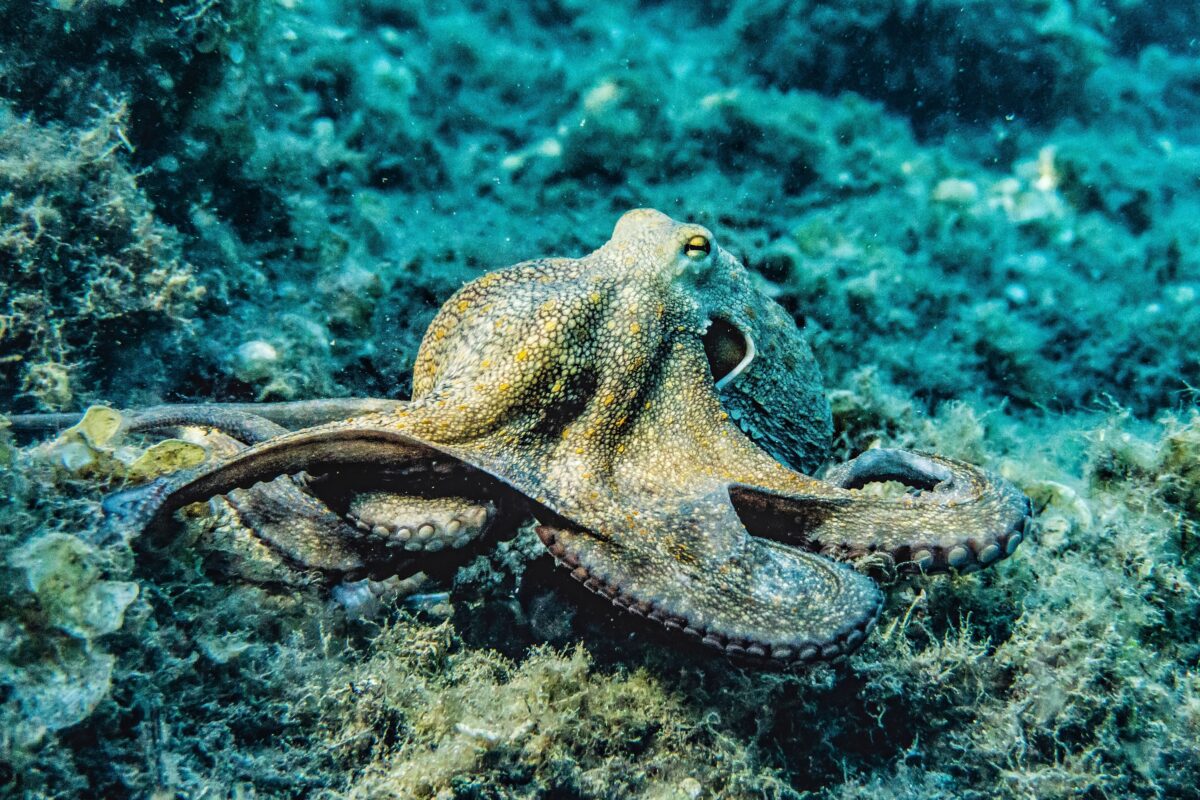
Picture handing someone a mystery object in the dark and watching how quickly their fingers figure out what their eyes cannot. Now imagine that person has eight fingers, each one capable of thinking for itself. That is roughly what happens every time an octopus meets something new on the seafloor, and the order in which its senses kick in turns out to be almost the reverse of what we would expect from a creature with such famously good eyesight.
Touch comes first, sight comes second
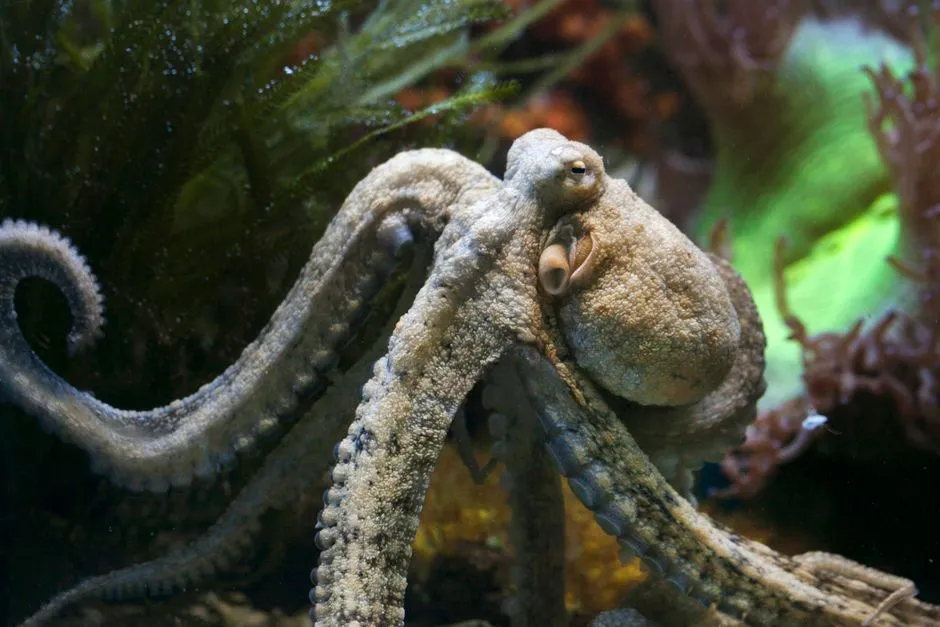
Research has shown that when presented with novel objects, octopuses frequently reach out with their arms to touch and feel before using their eyes to examine them. That sequence runs counter to how most vertebrates operate, since humans and many other animals tend to look first and touch only after visual inspection raises questions. This behavior suggests a reliance on tactile and chemical cues over visual ones.
It is worth pausing on how unusual this is biologically. Octopuses have camera-like eyes that rival our own in resolution, yet given the choice, they still send an arm out first to make contact. The pattern suggests that for these animals, understanding an object is less about how it looks and more about how it feels and tastes against the skin, a distinction that reshapes how scientists think about sensory priority across the animal kingdom.
Eyes still call some of the shots
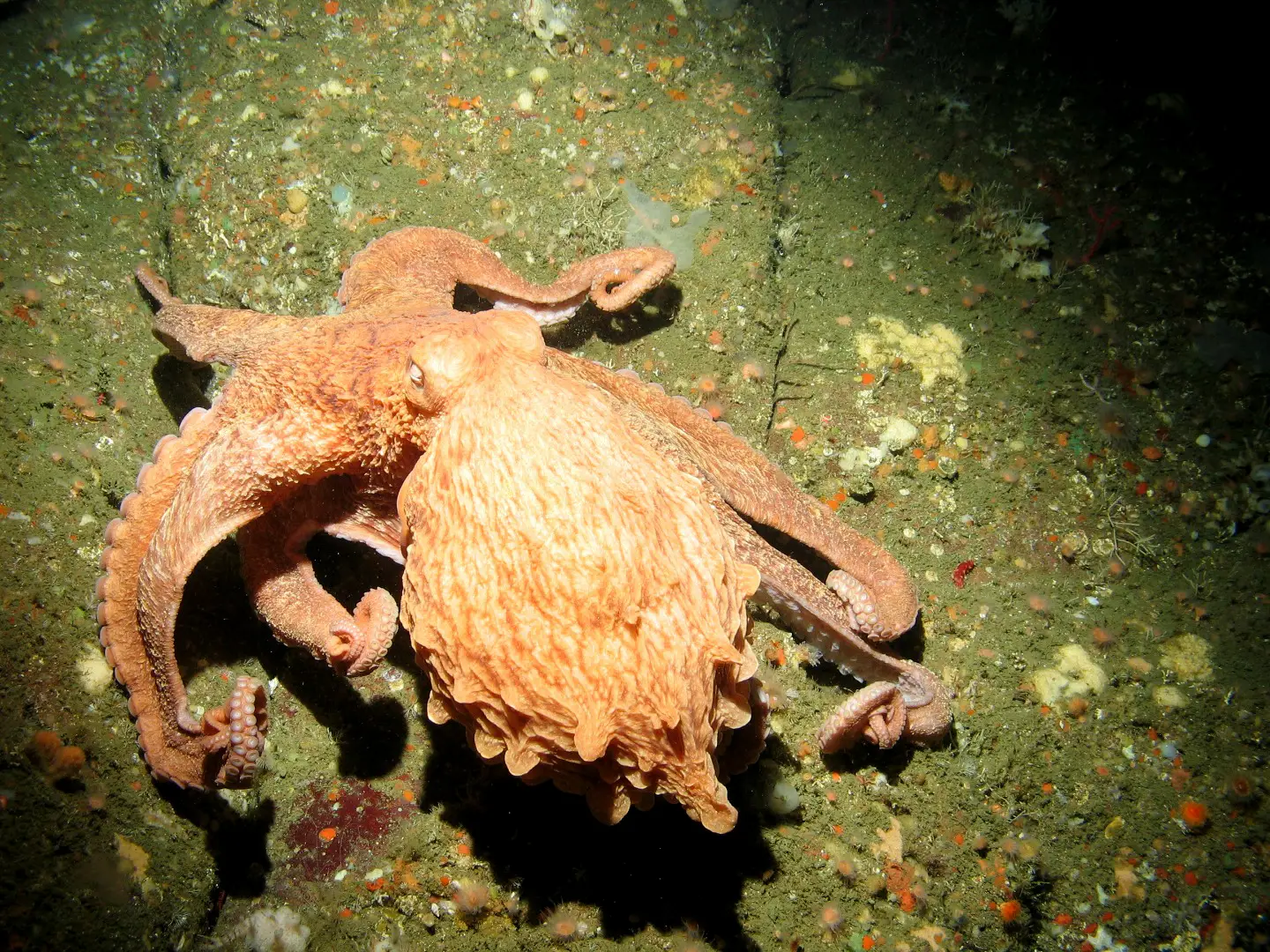
Touch may lead, but vision is not sitting on the sidelines entirely. Octopus subjects most commonly used an arm to initiate contact with an object that was in a direct line between the eye used to look at the object, and the object itself. In other words, whichever eye happens to be tracking the object tends to recruit the nearest arm to go investigate it.
For instance, if an octopus is looking at an object with its right eye, it is more likely to use an arm on the right side to initiate contact. This indicates that choice of arm use is spatially opportunistic when depending on visual guidance, rather than some fixed handedness the animal is born with. So while the eyes are not doing the identifying work, they are still helping steer the body toward the object, a subtle division of labor between looking and feeling that researchers only picked up on once they started tracking which arm moved first.
A body with eight brains of its own
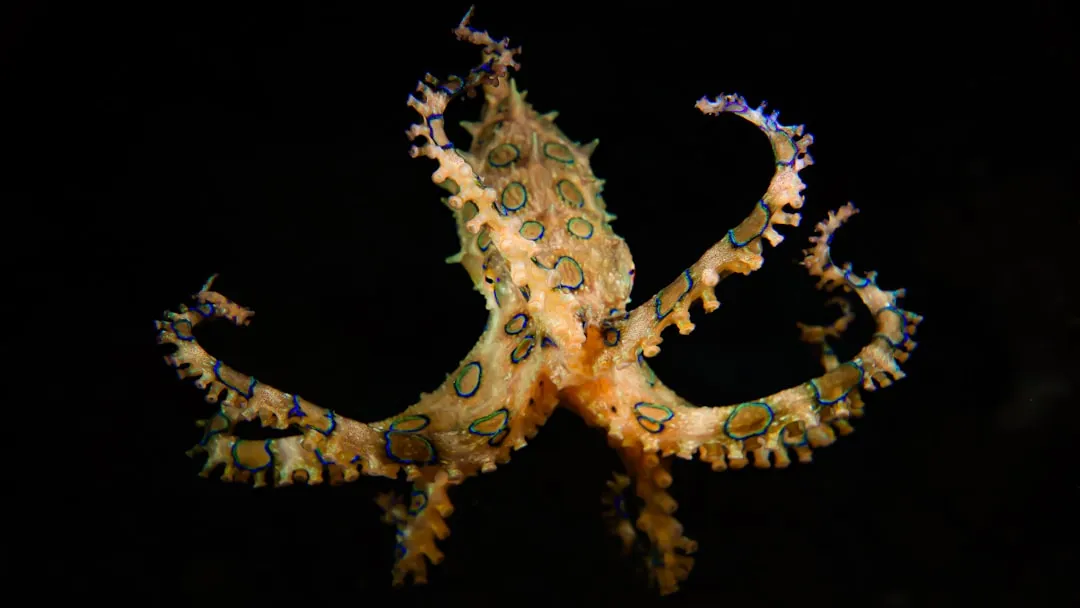
The reason arms can act so decisively before the eyes weigh in traces back to how the octopus nervous system is built. Each arm is considered to be a semi-independent nervous system of its own, capable of performing tasks such as touching and grasping without input from the central brain. Most of the 500 million neurons in the octopus are distributed along the arms rather than concentrated in a central brain, allowing the animal to carry out autonomous search behaviors.
That distributed setup is not a minor quirk, it is the whole reason arm-first exploration works so smoothly. Information detected by sensory cells in the suckers is transmitted directly to neural cells in the arm, generating a response there without having to transit through the central brain, which enables the arm to react to its environment more quickly. The payoff is speed, an arm does not have to wait for a signal to travel to the brain and back before deciding whether to grip or retreat.
Suckers that taste what they touch
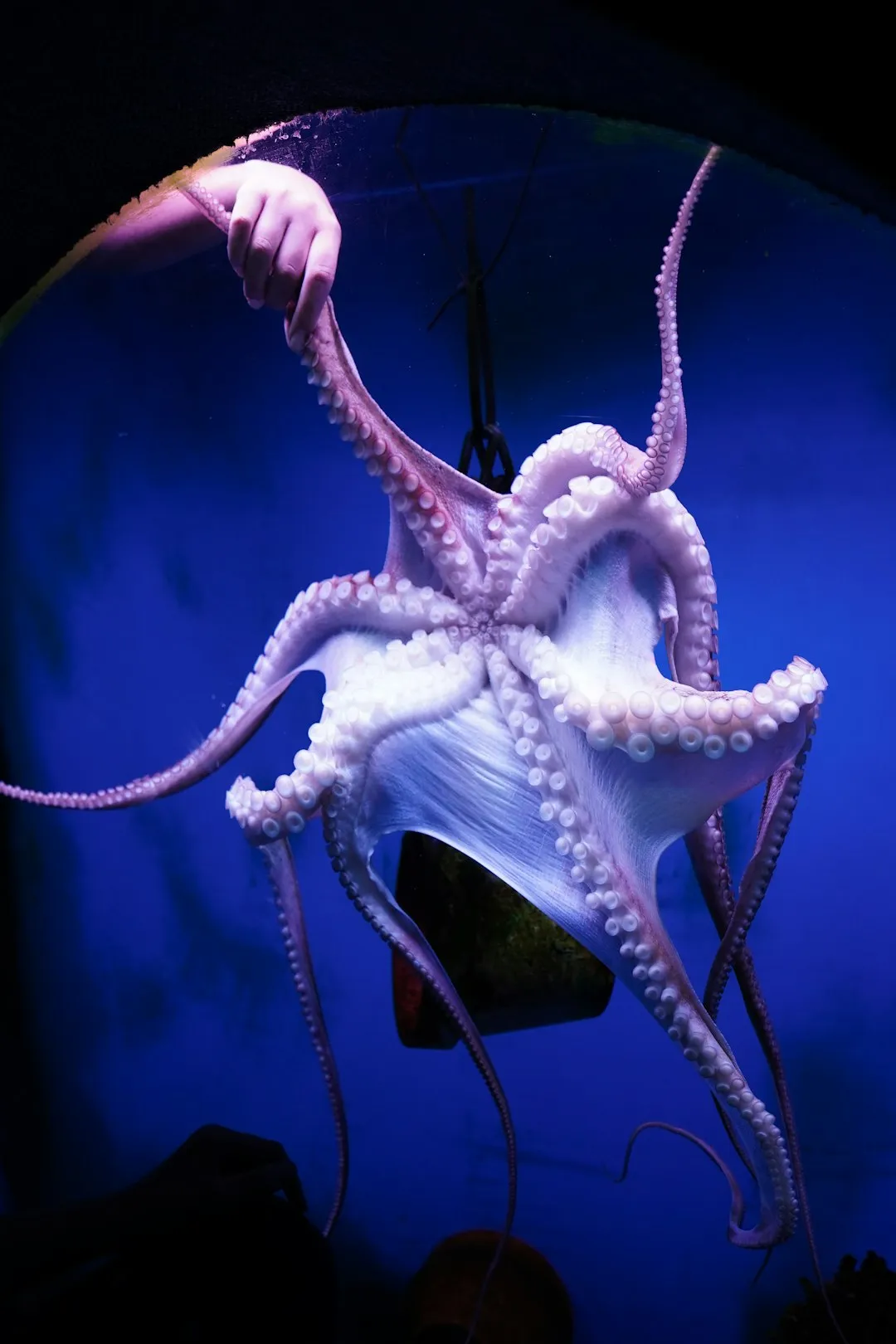
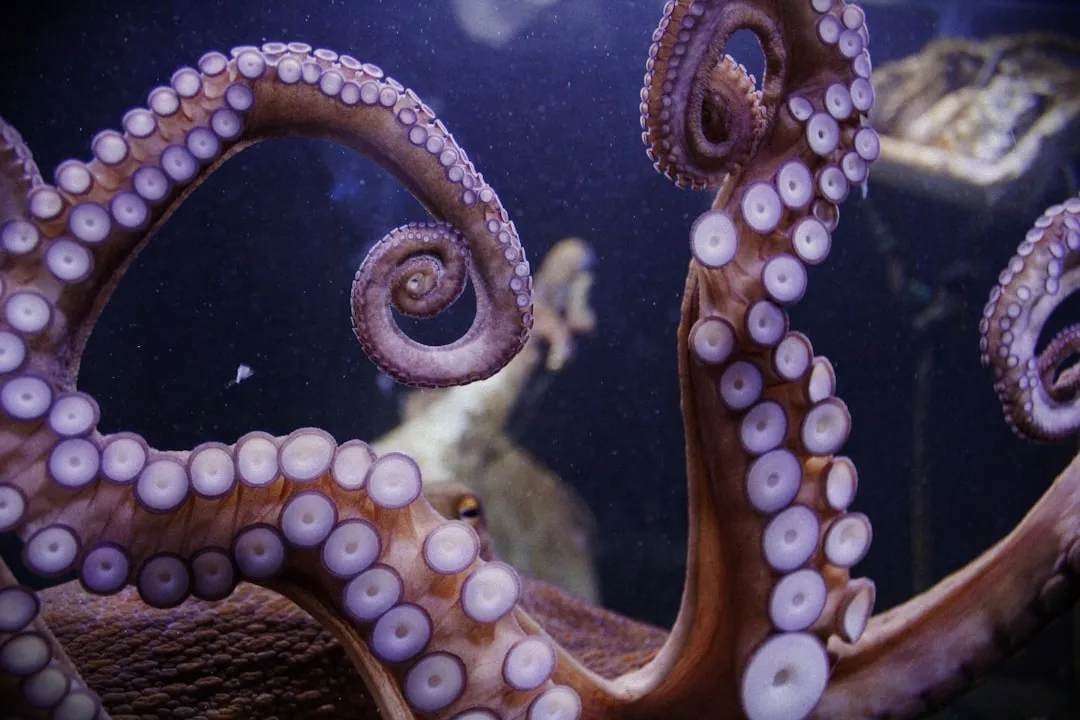
The suckers themselves are doing far more than gripping. They are packed with sensory receptors that allow the octopus to taste and smell things that they touch, like combining a hand with a tongue and a nose. A single suction cup contains some 10,000 sensory cells, which is a striking density for a structure most people picture as little more than a rubbery grip pad.
This setup lets an octopus size up an object almost instantly, without ever needing a clear look at it. Octopuses are able to accept or reject potential prey using only their arms, which explains why the animal often seems to make up its mind about something long before it turns an eye toward it. It is a system built for the crevices and dark corners of the seafloor, places where sight is close to useless anyway.
The molecular trick behind taste by touch
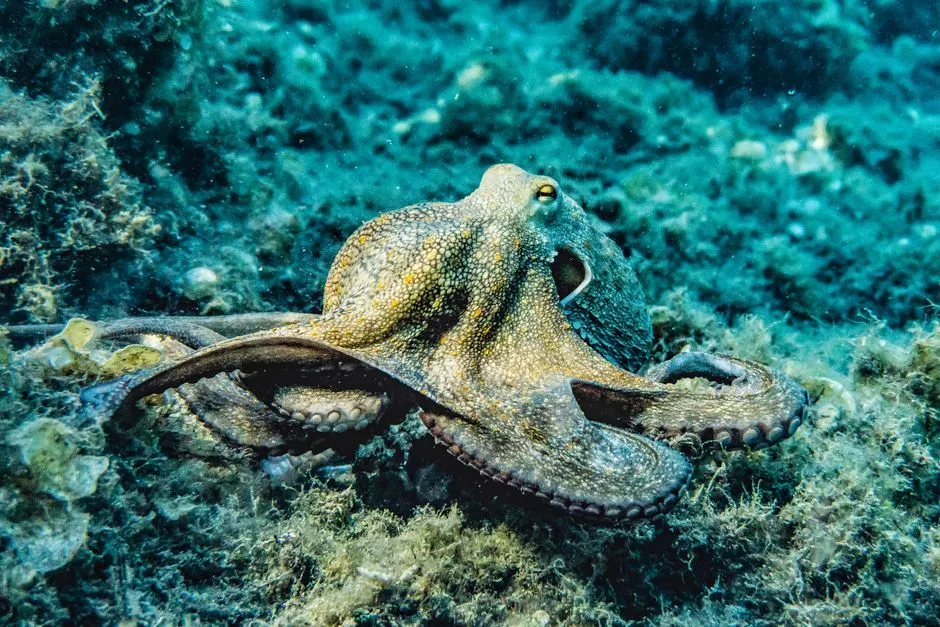
Scientists eventually wanted to know what, at a molecular level, lets a sucker taste something on contact. Octopus arms use a family of cephalopod-specific chemotactile receptors to detect poorly soluble natural products, defining a form of contact-dependent, aquatic chemosensation. These receptors respond to compounds that would otherwise drift away too quickly in open water to be smelled from a distance.
The research suggests these sensors, called chemotactile receptors, help the animal figure out what it’s touching and whether that object is prey. It is also because octopuses can taste their own skin as well as other octopuses’, with that detection sending a signal to the sucker not to grab the object, which keeps the arms from tangling with each other. That last detail is easy to overlook, but it solves a genuinely tricky engineering problem, how does a boneless, eight limbed animal avoid grabbing itself.
Learning by hand, so to speak
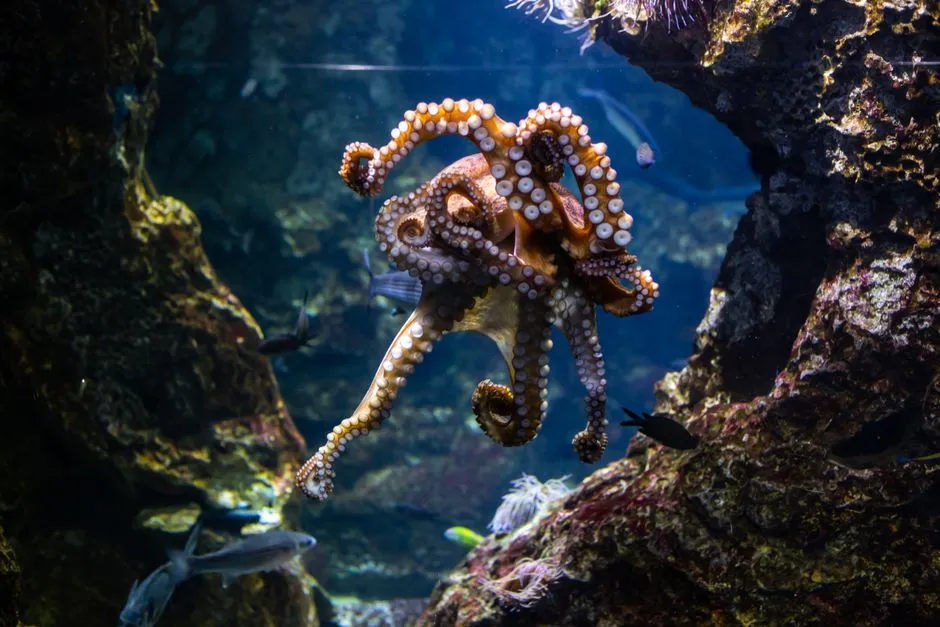
Arm-first exploration is not just about identifying an object once, it also feeds into memory. In laboratory maze tasks, octopuses ultimately favored slower search movements that involved exploring the interior of the maze by touch, allowing tactile exploration of the stimulus. That preference for feeling around rather than rushing through suggests touch is doing real cognitive work, not just triggering a reflex.
Early research even suggested a transfer of a learned tactile discrimination between arms within thirty minutes of the discrimination being taught to a single arm, hinting that information gathered by one limb can somehow inform the others. How that transfer happens across a decentralized nervous system is still being worked out, but it points to a kind of body-wide memory that does not map neatly onto how we usually picture animal learning.
Touch without ever making eye contact
Perhaps the clearest illustration of how far touch can substitute for sight comes from mating behavior. A study by Harvard biologists revealed how octopuses feel their way to potential mates with a taste by touch sensory system and can even couple at arm’s length without actually seeing each other. The researchers deciphered how one male appendage serves as a multipurpose organ for seeking, sensing, and seeding, and even continues to respond to female sex hormones after being severed from the body.
That last finding sounds almost unsettling out of context, but it underscores just how self-sufficient octopus arms really are. A researcher surveying octopus receptors was intrigued to find the mating arm dotted with sensors just like those in the other arms, which was surprising since males generally keep that arm coiled close to the body rather than using it for exploring or finding food. Even a limb built for reproduction, it turns out, still carries the same touch-first sensory logic as the rest of the animal.
The takeaway
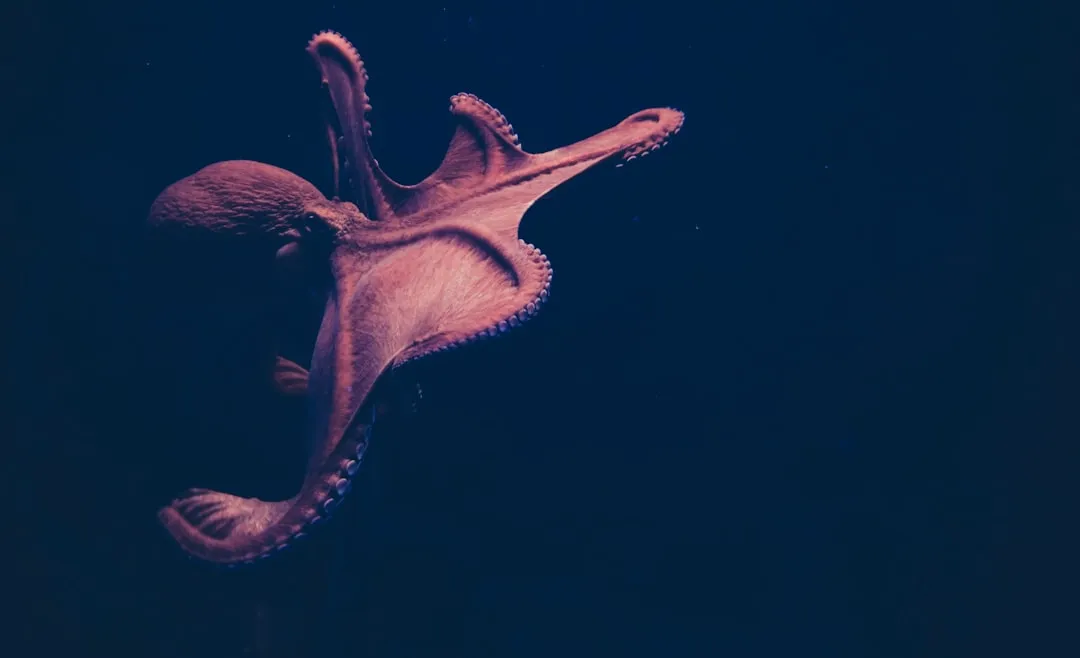
There is something quietly humbling about all this. We tend to rank intelligence and awareness by how well a creature sees, reasons, and reacts to what is in front of it, and octopuses have long impressed us precisely because they seem to look at us with something like recognition. Yet the real story, based on what researchers keep finding, is that vision may be almost secondary to how an octopus actually understands its world.
That is worth sitting with for a moment. An animal can be extraordinarily perceptive without leading with its eyes at all, and if that is true for an octopus, it raises a fair question about how much we assume vision matters for other minds we have not studied as closely. Touch, in this case, is not the backup sense. It is the main event.

- Certain Dog Breeds Are Remarkably Attuned to Their Owners’ Emotional States - August 2, 2026
- What The Elk Meant As A Spirit Animal Of The Lakota Tribe - August 2, 2026
- Which Flowering Tree Matches Your Zodiac Sign - August 2, 2026