
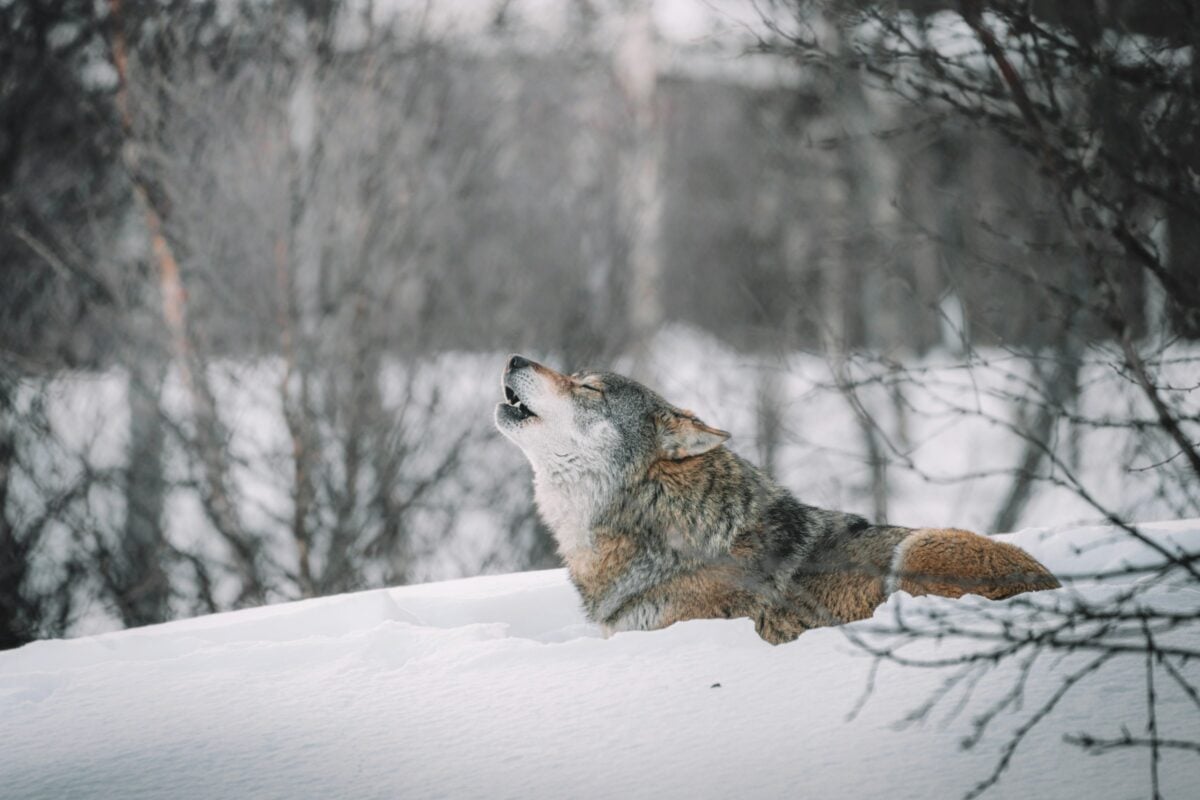
Picture a lone wolf silhouetted against the moonlit sky, its haunting howl piercing the stillness of the night. For centuries, this image has evoked feelings of solitude and longing, leading many to believe that such a wolf is calling out to reunite with its pack. However, recent wildlife research challenges this romantic notion, revealing that a solitary wolf’s howl serves a different, more complex purpose. This revelation reshapes our understanding of lone wolves and their behaviors.
The Multifaceted Nature of Wolf Howling
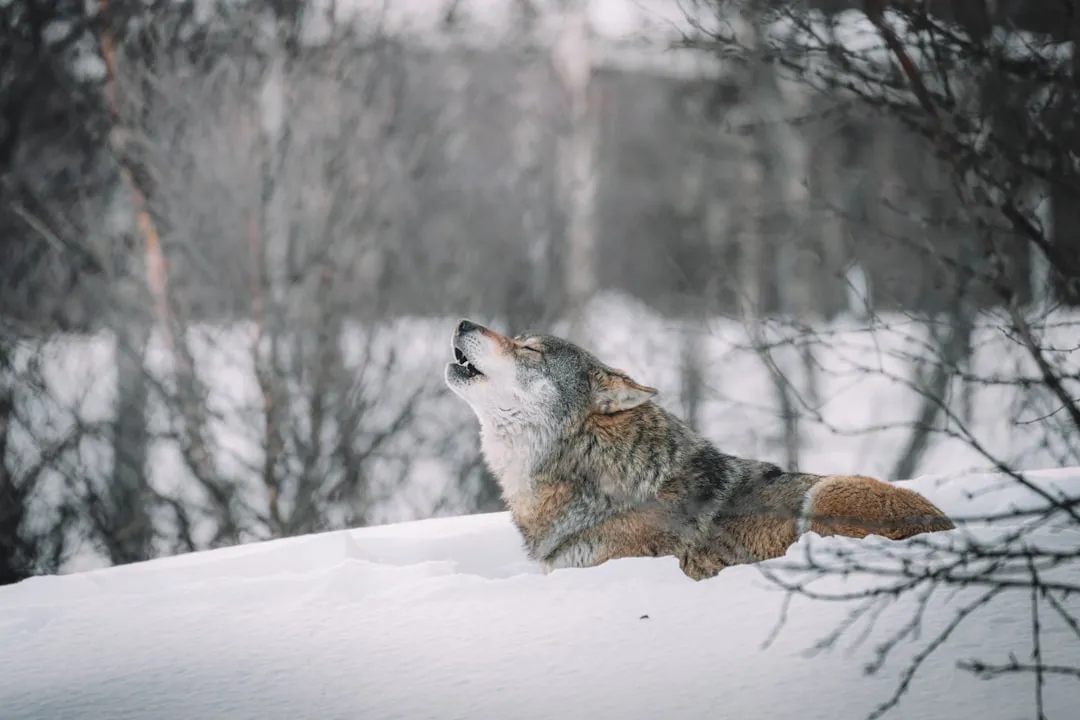
Wolves are renowned for their vocalizations, with howling being the most iconic. These howls serve various functions, from coordinating hunts to reinforcing social bonds within the pack. The context in which a wolf howls significantly influences its purpose and meaning.
When a wolf howls, it’s not merely making noise; it’s communicating. The nuances in pitch, duration, and frequency convey specific messages to other wolves, whether they’re pack members or rivals. Understanding these subtleties is crucial to interpreting wolf behavior accurately.
Territorial Declarations: The Lone Wolf’s Anthem
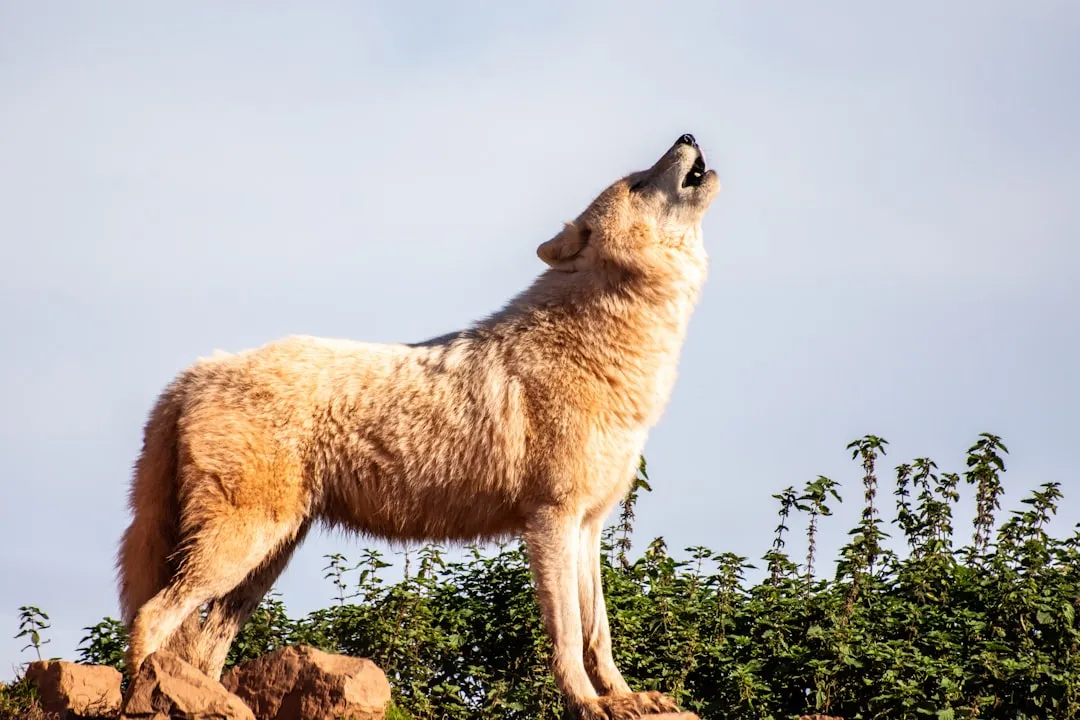
Contrary to the belief that a lone wolf’s howl is a plea for companionship, studies indicate that solitary howling often serves as a territorial proclamation. By vocalizing, the lone wolf announces its presence, signaling to other wolves that the area is occupied and deterring potential intruders.
This behavior is particularly evident during the breeding season when wolves are more aggressive in defending their territories. A lone wolf’s howl can be a bold statement of claim, asserting dominance over a specific region and warning others to stay away.
Deterring Rivals: A Strategic Display
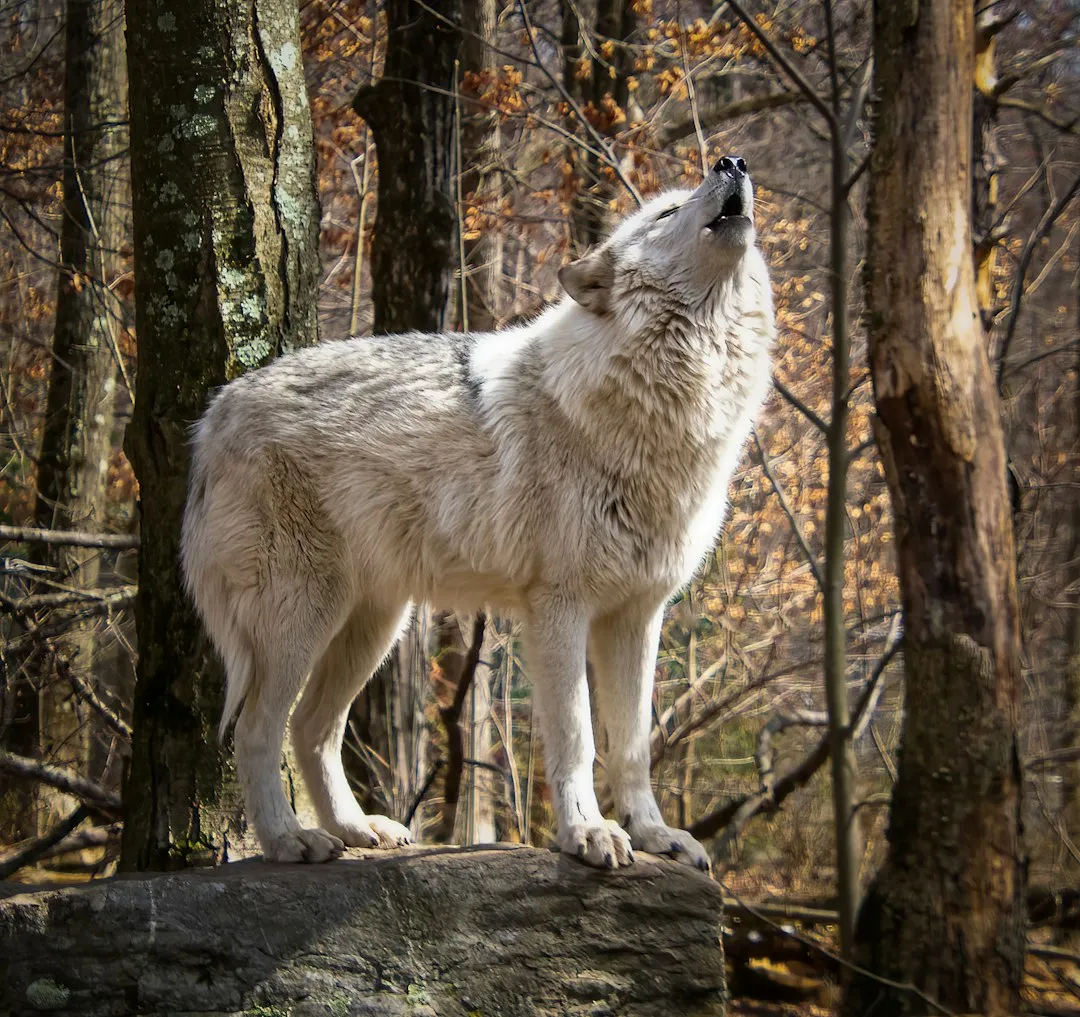
In the wild, direct confrontations can be risky and energy-draining. To avoid such encounters, a lone wolf may use howling as a strategic tool to deter rivals. The sound serves as an auditory boundary marker, informing other wolves of its presence and reducing the likelihood of physical altercations.
This method of communication is efficient, allowing wolves to maintain their territories and avoid unnecessary conflicts. It’s a testament to the wolf’s intelligence and adaptability in navigating the challenges of the wild.
Misconceptions About Lone Wolf Behavior

The image of the lone wolf as a solitary, forlorn creature seeking its pack is deeply ingrained in popular culture. However, this portrayal oversimplifies the complex behaviors of these animals. Lone wolves are often dispersers, young adults leaving their natal packs to find new territories and mates.
During this dispersal phase, a lone wolf’s howl is less about seeking reunion and more about establishing a new identity and territory. Recognizing this distinction is vital for wildlife enthusiasts and researchers alike, as it provides a more accurate picture of wolf ecology.
The Role of Howling in Pack Dynamics
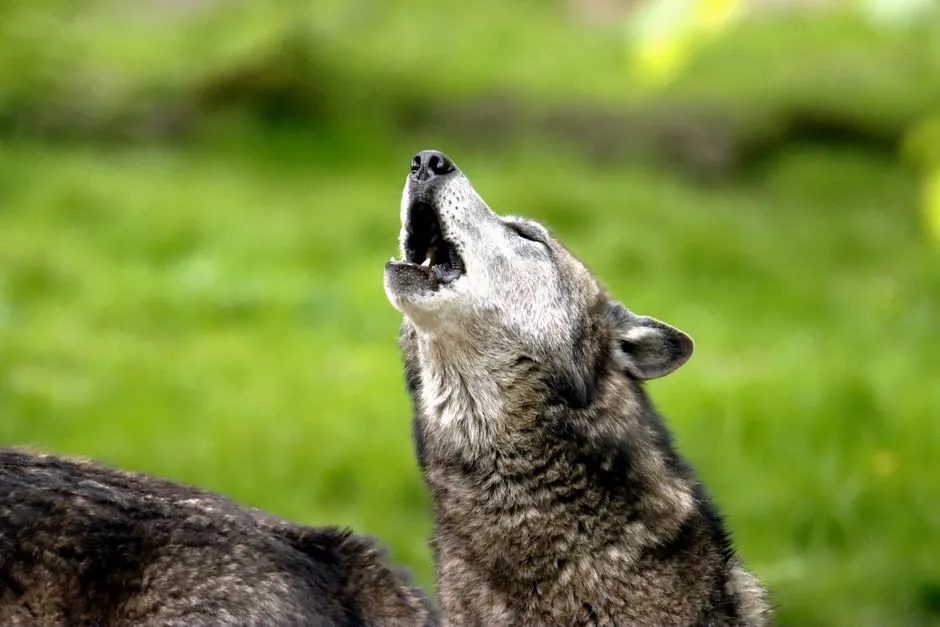
Within a pack, howling plays a crucial role in maintaining cohesion and coordinating activities. Group howls can strengthen social bonds, synchronize movements, and even intimidate rival packs. The collective sound of a pack howling together can create the illusion of a larger group, deterring potential threats.
In contrast, a lone wolf’s howl lacks this collective reinforcement. Instead, it serves as a personal statement, reflecting the individual’s status and intentions. This difference underscores the adaptability of wolf communication strategies based on social context.
Implications for Conservation and Management
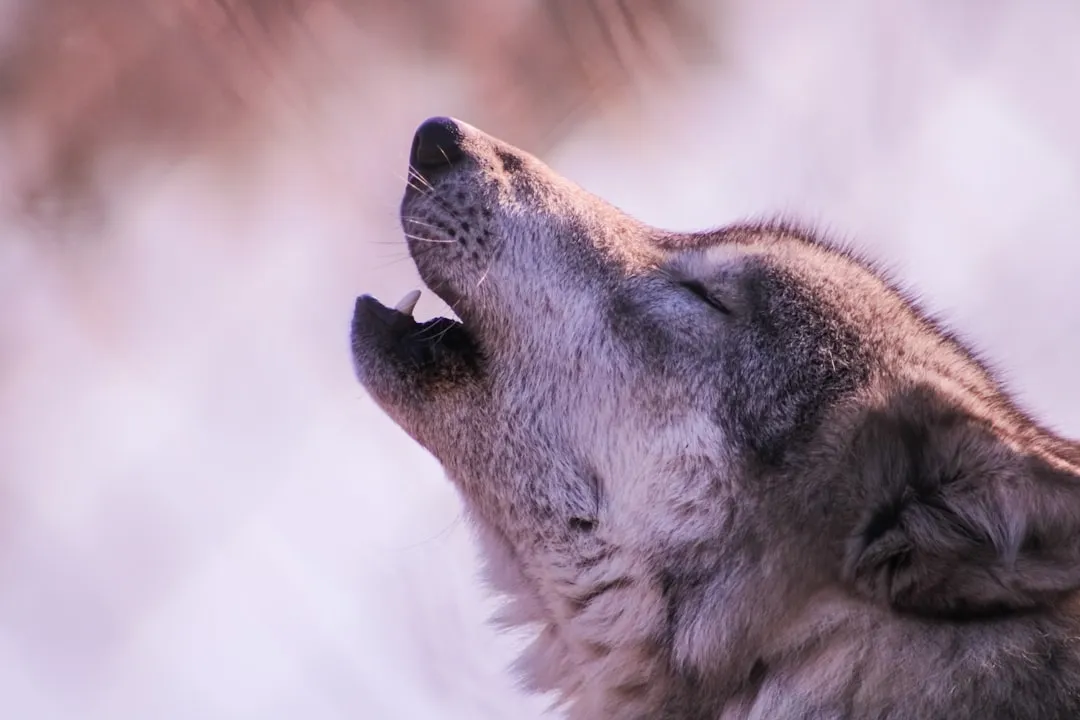
Understanding the true purpose behind a lone wolf’s howl has significant implications for conservation efforts. Misinterpreting these vocalizations can lead to misguided management practices, such as unnecessary interventions aimed at reuniting wolves with packs or misjudging territorial boundaries.
By recognizing that solitary howling is often a territorial behavior, wildlife managers can make more informed decisions that respect the natural behaviors of wolves. This knowledge aids in developing strategies that promote coexistence between wolves and human populations.
Conclusion: Rethinking the Lone Wolf Narrative
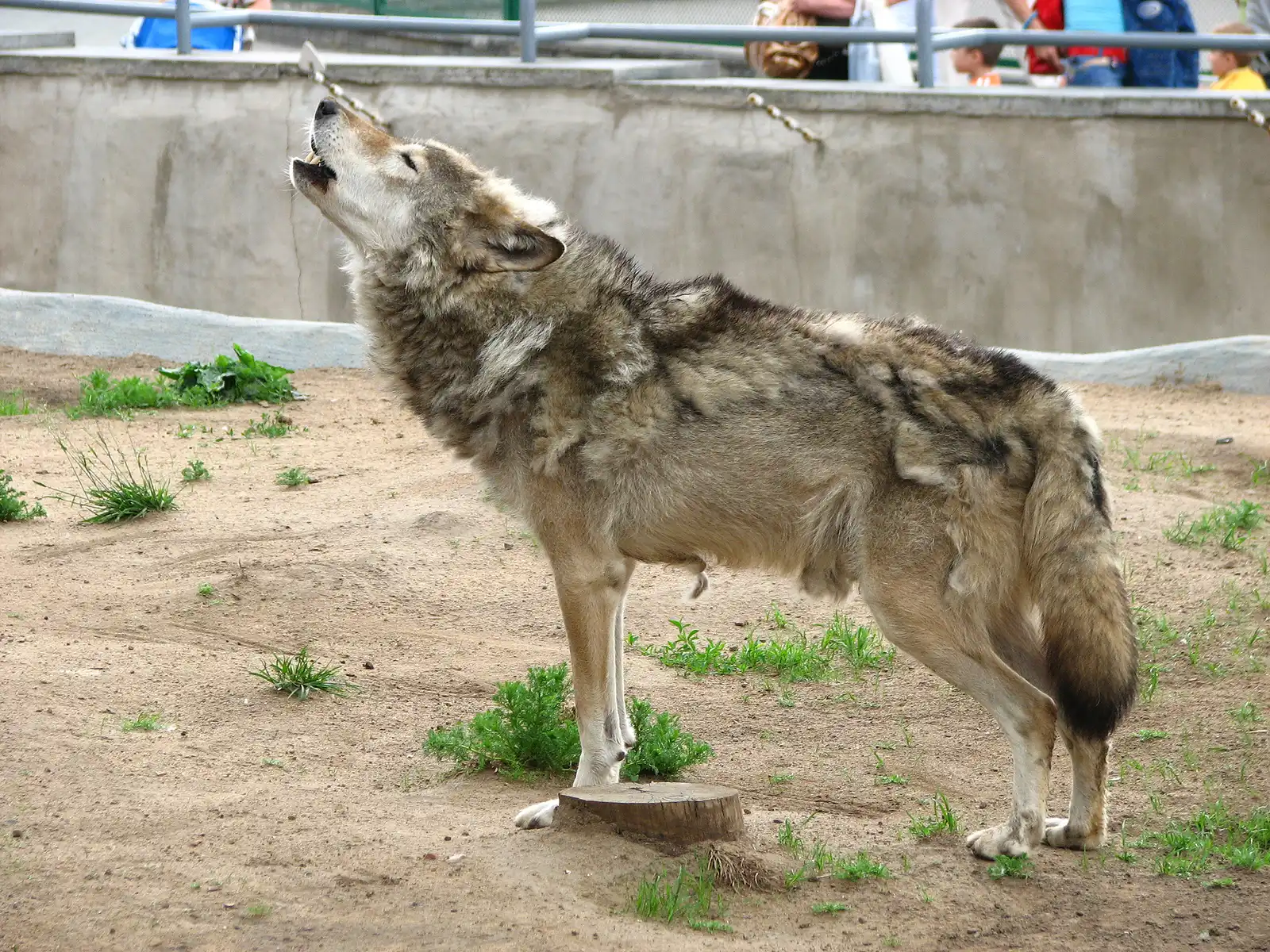
The revelation that a lone wolf’s howl is not a call for companionship but a declaration of territory challenges long-held perceptions. It invites us to view these animals not as isolated wanderers but as strategic individuals navigating the complexities of the wild. This nuanced understanding enriches our appreciation of wolf behavior and underscores the importance of basing wildlife management on scientific insights rather than myths.
So, the next time you hear a wolf’s howl echoing through the night, consider: is it a call for connection, or a bold statement of independence?

- Wildlife Science Says a Wolf Howling Alone in the Dark Is Not Calling Its Pack – It Is Doing the Opposite and the Distinction Changes How We Understand Lone Wolves Entirely - July 18, 2026
- Evolutionary Biology Says the Reason Humans Cannot Stop Looking at Fires Has Nothing to Do With Warmth – It Traces Back to a Brain Adaptation Far Older Than Language - July 18, 2026
- Animal Psychology Says Dogs Who Sleep on Your Pillow While You Are Away Are Not Being Rebellious – They Are Seeking Comfort From Your Scent to Soothe the Separation - July 18, 2026