
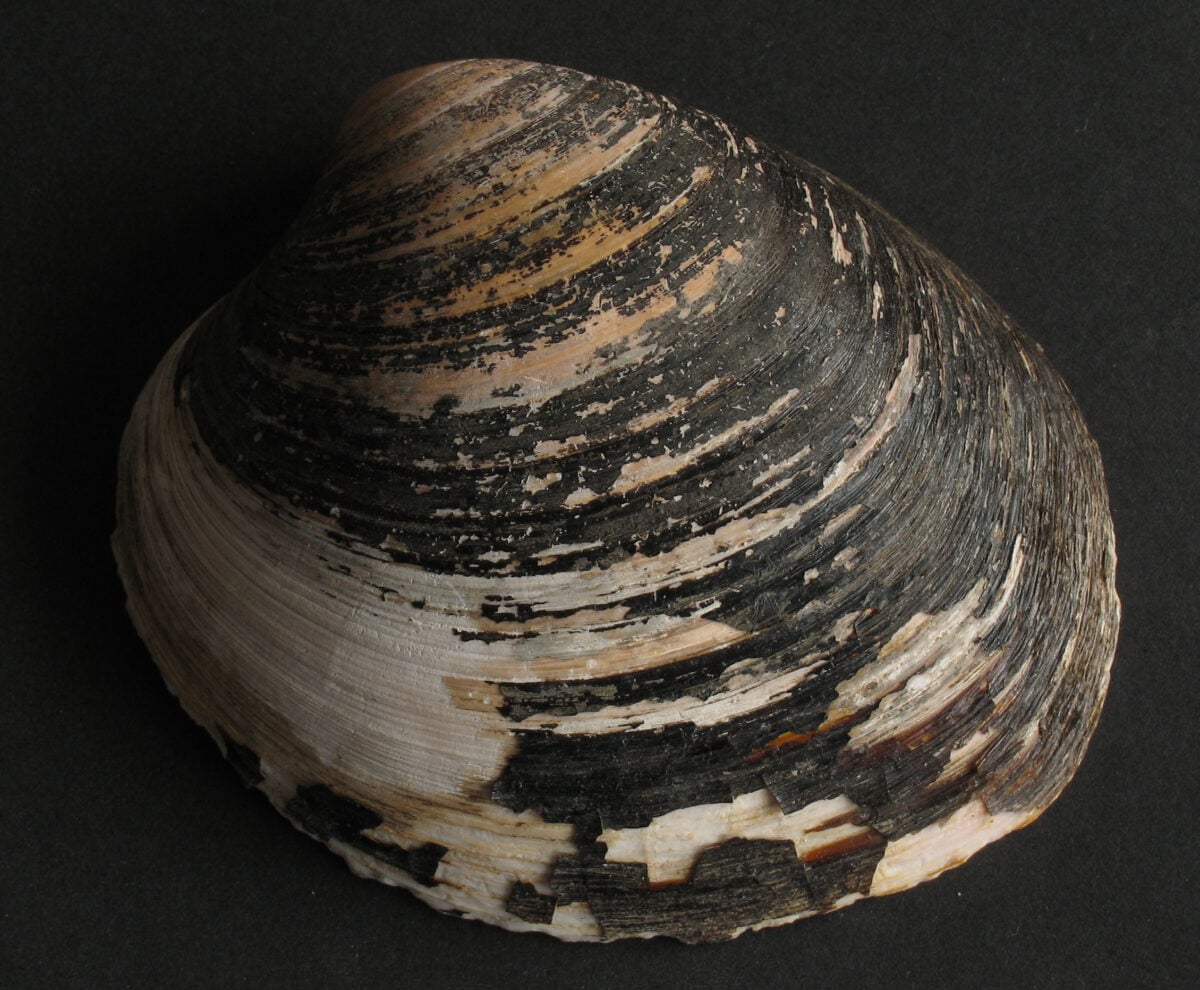
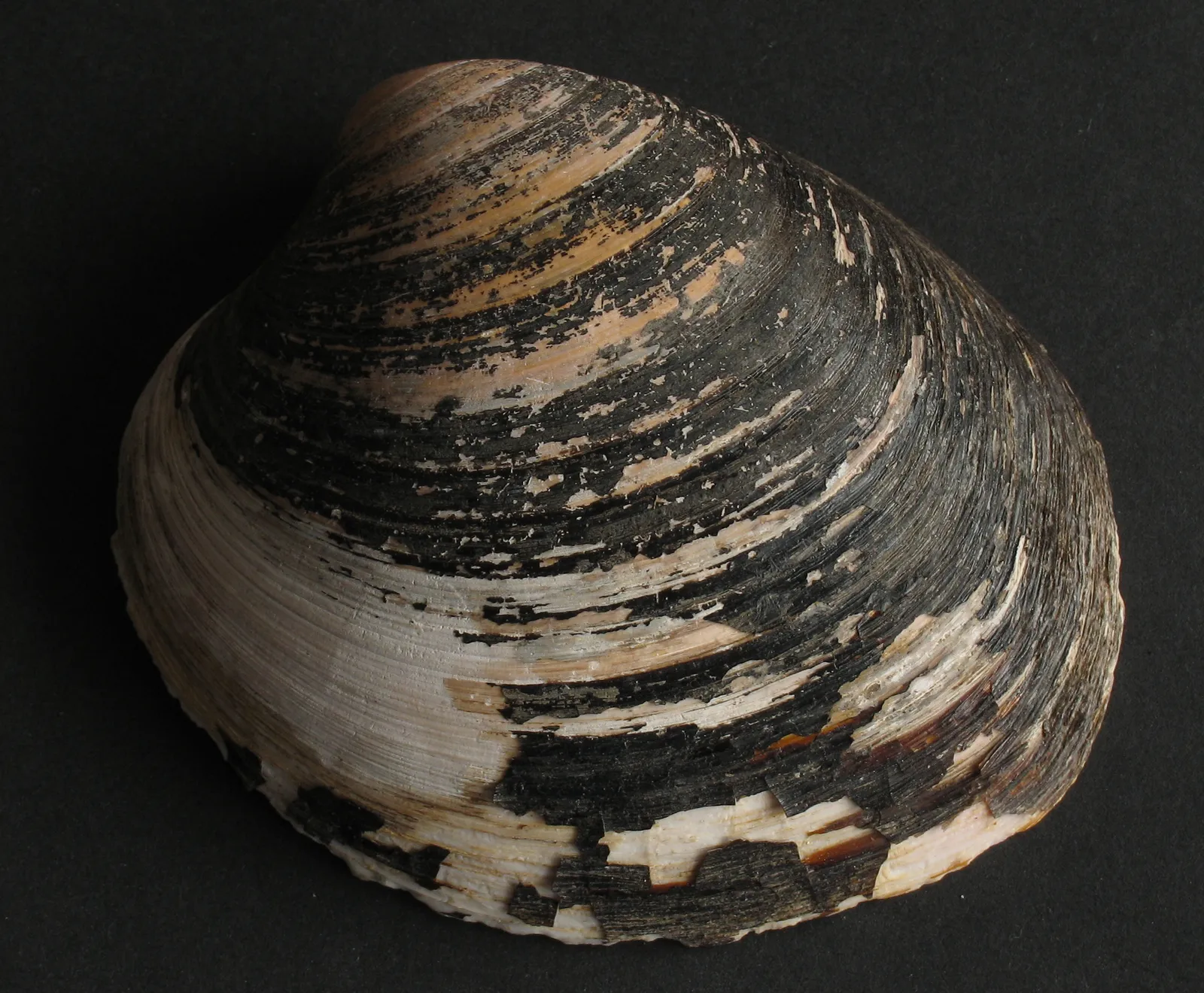
In 2006, scientists dredged up an unassuming ocean quahog clam off the coast of Iceland, unaware they had just unearthed a living relic from the time of the Ming Dynasty. This clam, later nicknamed “Ming,” was initially estimated to be 405 years old. However, further analysis revealed an even more astonishing truth: Ming was 507 years old, making it the oldest individual animal ever recorded.
The Accidental Demise of a Centuries-Old Clam
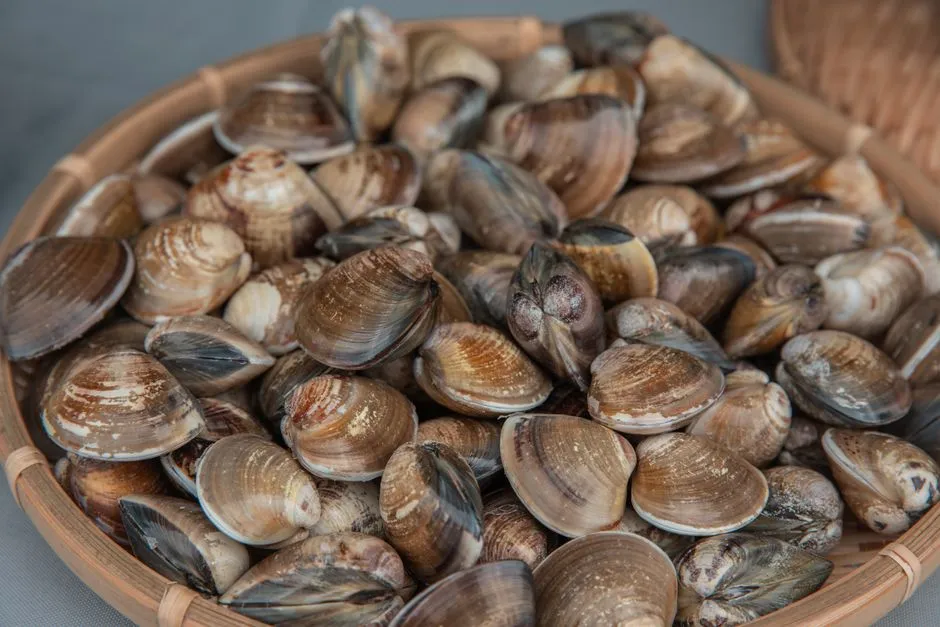
The process of determining Ming’s age involved counting the annual growth rings on its shell, akin to dendrochronology in trees. Tragically, this method required opening the clam’s shell, an action that led to Ming’s death. The researchers, unaware of the clam’s exceptional age at the time, inadvertently ended the life of a creature that had been alive since the early 16th century.
Unveiling the True Age
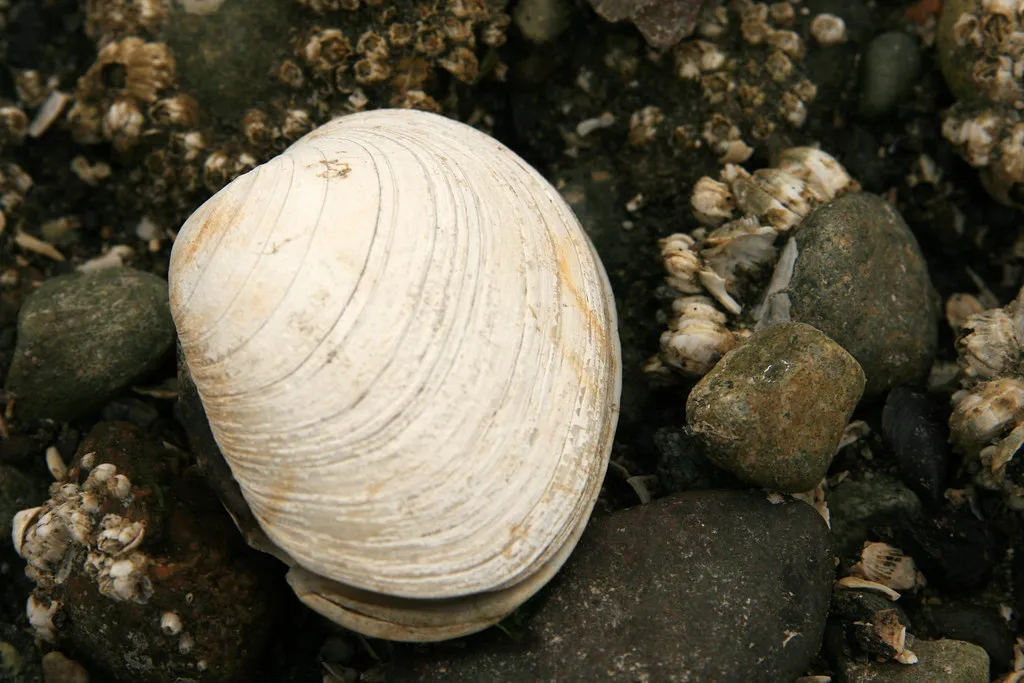
Initial assessments placed Ming’s age at 405 years. However, subsequent, more detailed analyses of the growth rings corrected this figure to 507 years. This revision underscored the clam’s extraordinary longevity and highlighted the challenges in accurately aging such ancient organisms.
Insights into Longevity
Studying Ming provided valuable insights into the aging processes of marine organisms. Ocean quahogs like Ming are known for their exceptional longevity, and understanding the factors contributing to their extended lifespans could have implications for research into aging and longevity in other species, including humans.
Ethical Considerations in Scientific Research

The inadvertent death of Ming sparked discussions about the ethical implications of scientific research on long-lived organisms. It highlighted the need for developing non-invasive methods to study such creatures, balancing the pursuit of knowledge with the preservation of life.
Historical Context of Ming’s Lifespan
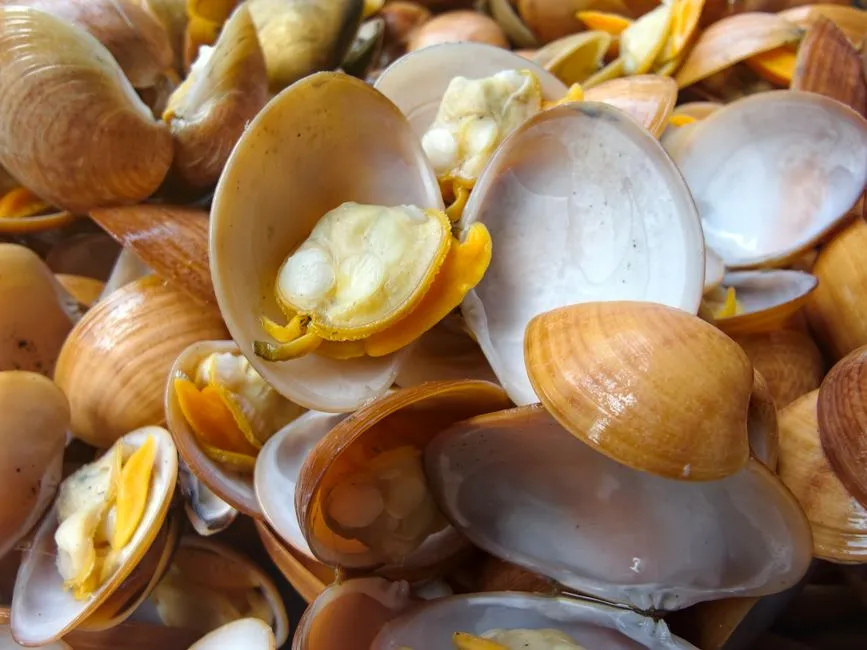
To put Ming’s age into perspective, this clam was born around 1499, during the reign of the Ming Dynasty in China. It lived through significant historical events, including the Renaissance, the Age of Exploration, and the rise and fall of numerous empires, all while resting on the ocean floor.
Comparisons with Other Long-Lived Animals
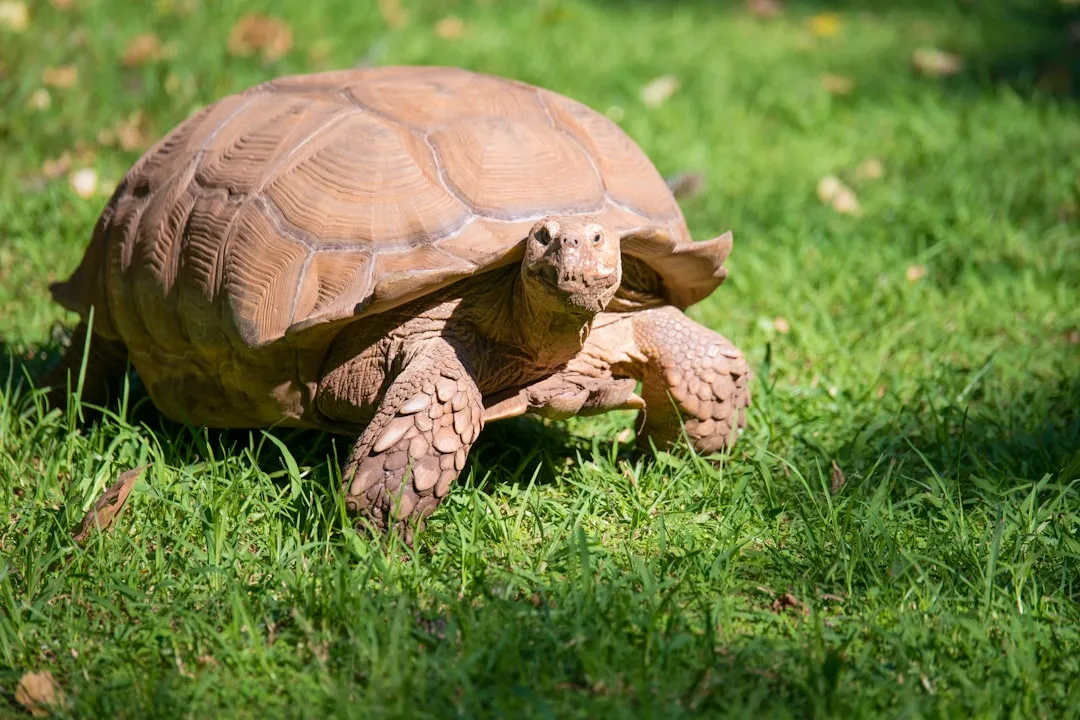
While Ming holds the record for the oldest individual animal, other species also exhibit remarkable longevity. For instance, Jonathan, a Seychelles giant tortoise residing on the island of St. Helena, is estimated to be around 194 years old as of 2026. These cases continue to intrigue scientists and the public alike.
Conclusion
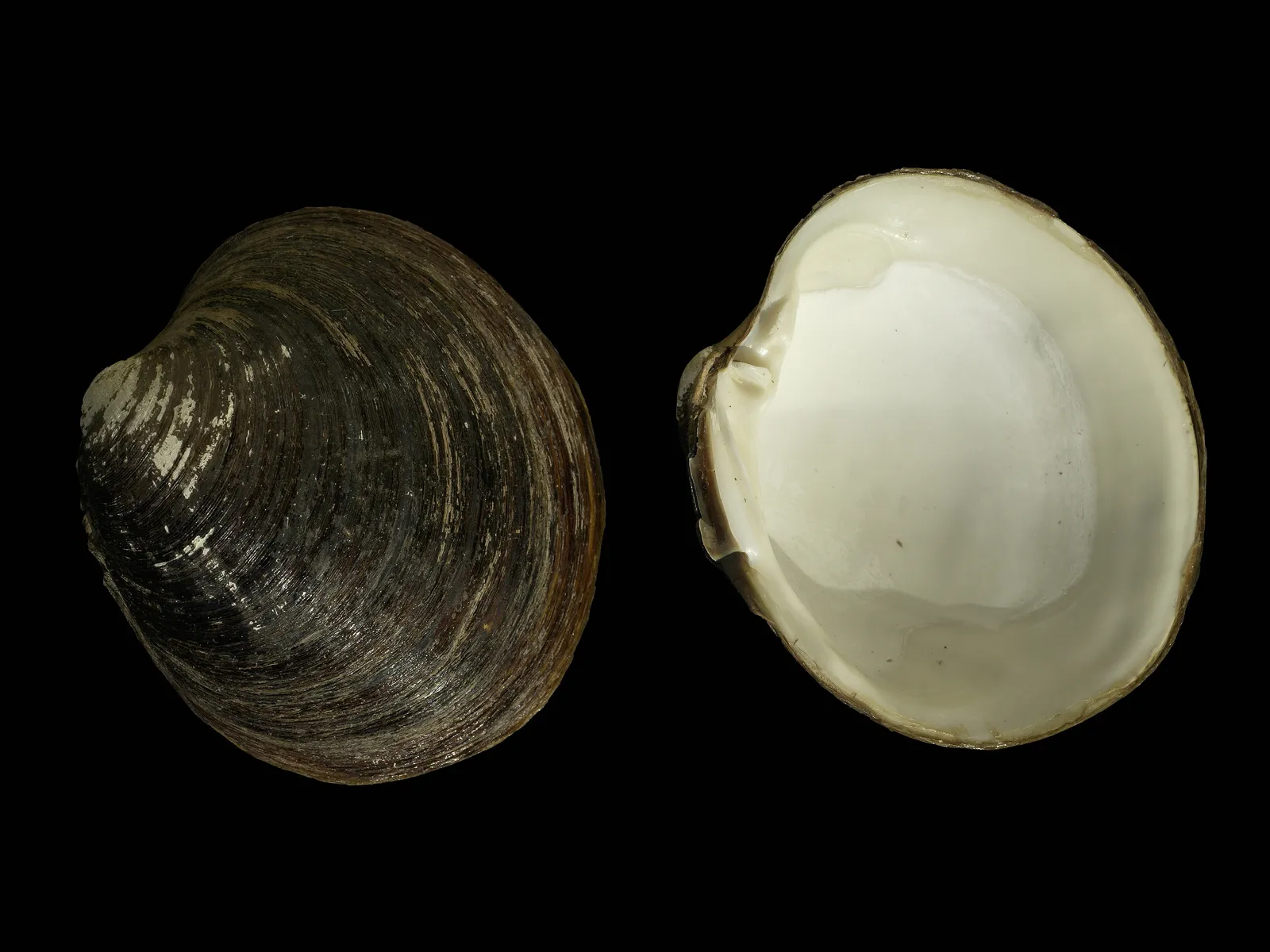
The story of Ming the clam serves as a poignant reminder of the delicate balance between scientific discovery and the preservation of life. While the pursuit of knowledge is essential, it must be approached with caution and respect for the subjects of study. As we continue to explore the mysteries of longevity, let us do so with methods that honor the lives of these ancient beings. After all, who knows what other secrets the depths of the ocean hold?

- There Is a Spot in the Pacific Ocean So Remote That the Nearest Humans Are Sometimes the Astronauts on the International Space Station Overhead - July 18, 2026
- The Oldest Living Animal Ever Documented Was Killed the Moment Scientists Discovered How Old It Was - July 18, 2026
- Wildlife Science Says a Wolf Howling Alone in the Dark Is Not Calling Its Pack – It Is Doing the Opposite and the Distinction Changes How We Understand Lone Wolves Entirely - July 18, 2026