
Imagine standing in a place so isolated that the closest human beings are not on land but orbiting hundreds of kilometers above you in space. This isn’t a scene from a science fiction novel; it’s the reality of Point Nemo, the most remote location on Earth.
Unveiling Point Nemo: Earth’s Oceanic Pole of Inaccessibility
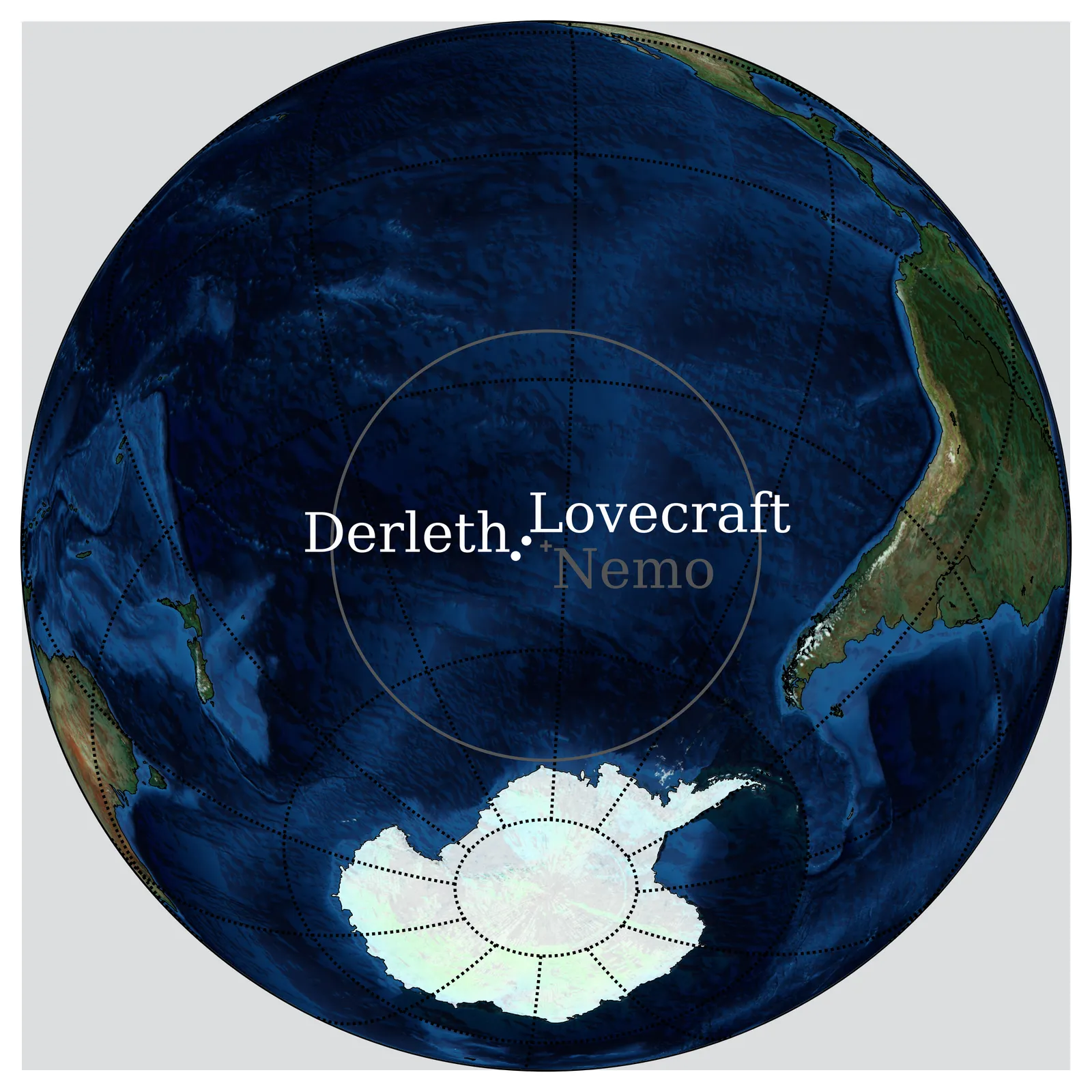
Point Nemo, officially known as the Oceanic Pole of Inaccessibility, is the point in the ocean farthest from any landmass. Located at approximately 48°52.6′S 123°23.6′W, it lies about 2,688 kilometers (1,670 miles) from the nearest land – Ducie Island to the north, Motu Nui to the northeast, and Maher Island to the south. This extreme remoteness makes it the most isolated spot on the planet.
Discovered in 1992 by Croatian survey engineer Hrvoje Lukatela, Point Nemo was named after Captain Nemo, the enigmatic submarine commander from Jules Verne’s “Twenty Thousand Leagues Under the Sea.” The name is fitting, as “Nemo” means “no one” in Latin, reflecting the area’s desolation.
A Desert in the Ocean: The Harsh Environment of Point Nemo
The waters surrounding Point Nemo are among the least hospitable on Earth. The South Pacific Gyre, a massive system of rotating ocean currents, isolates the area, preventing nutrient-rich waters from reaching the surface. This results in a marine desert with minimal biological activity and some of the clearest ocean waters ever recorded.
Despite its isolation, Point Nemo is not untouched by human influence. Studies have found microplastic pollution even in these remote waters, highlighting the pervasive reach of human-made debris across the globe.
The International Space Station: Humanity’s Outpost Above
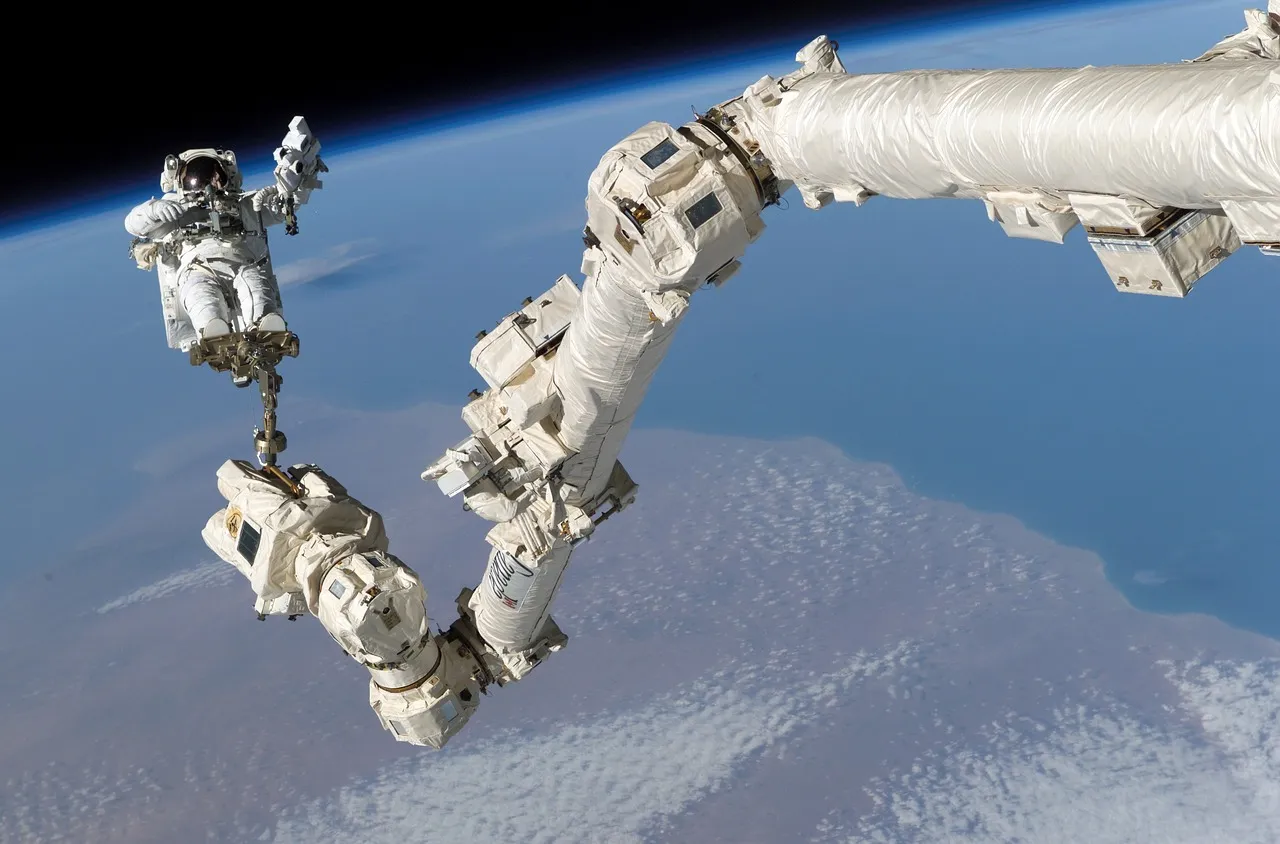
Orbiting approximately 400 kilometers (250 miles) above Earth, the International Space Station (ISS) is a marvel of human engineering and international collaboration. Traveling at speeds around 28,000 kilometers per hour (17,500 miles per hour), the ISS completes an orbit around Earth roughly every 90 minutes.
With a typical crew of six to seven astronauts, the ISS serves as a microgravity laboratory for scientific research across various disciplines, including biology, physics, and astronomy. Its continuous human presence since November 2000 marks a significant achievement in space exploration.
When Astronauts Become the Nearest Neighbors
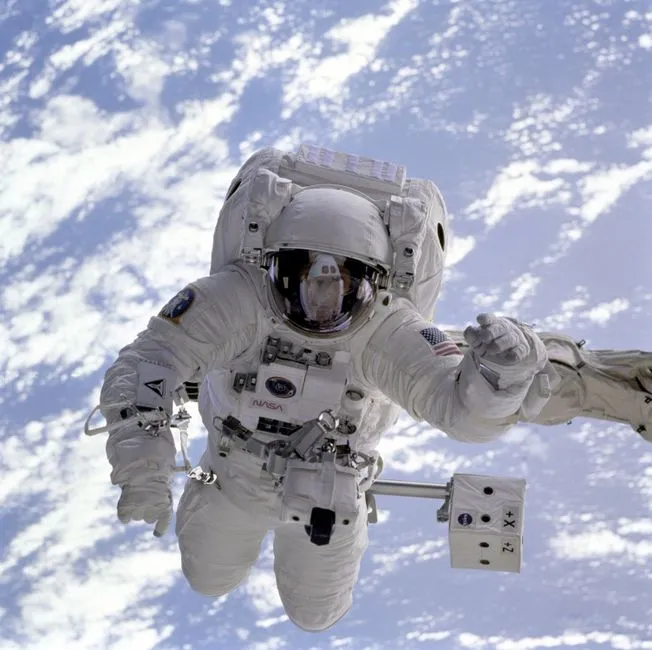
Given Point Nemo’s extreme remoteness, there are times when the closest humans are not on any landmass but aboard the ISS passing overhead. The station’s orbit covers over 90% of Earth’s populated areas, yet when it passes over Point Nemo, the astronauts onboard are closer to this desolate spot than anyone else on the planet.
This unique situation underscores the vastness of Earth’s oceans and the isolation of certain regions. It also highlights the interconnectedness of human endeavors, from exploring the depths of the sea to reaching beyond our atmosphere.
Point Nemo: The Spacecraft Cemetery
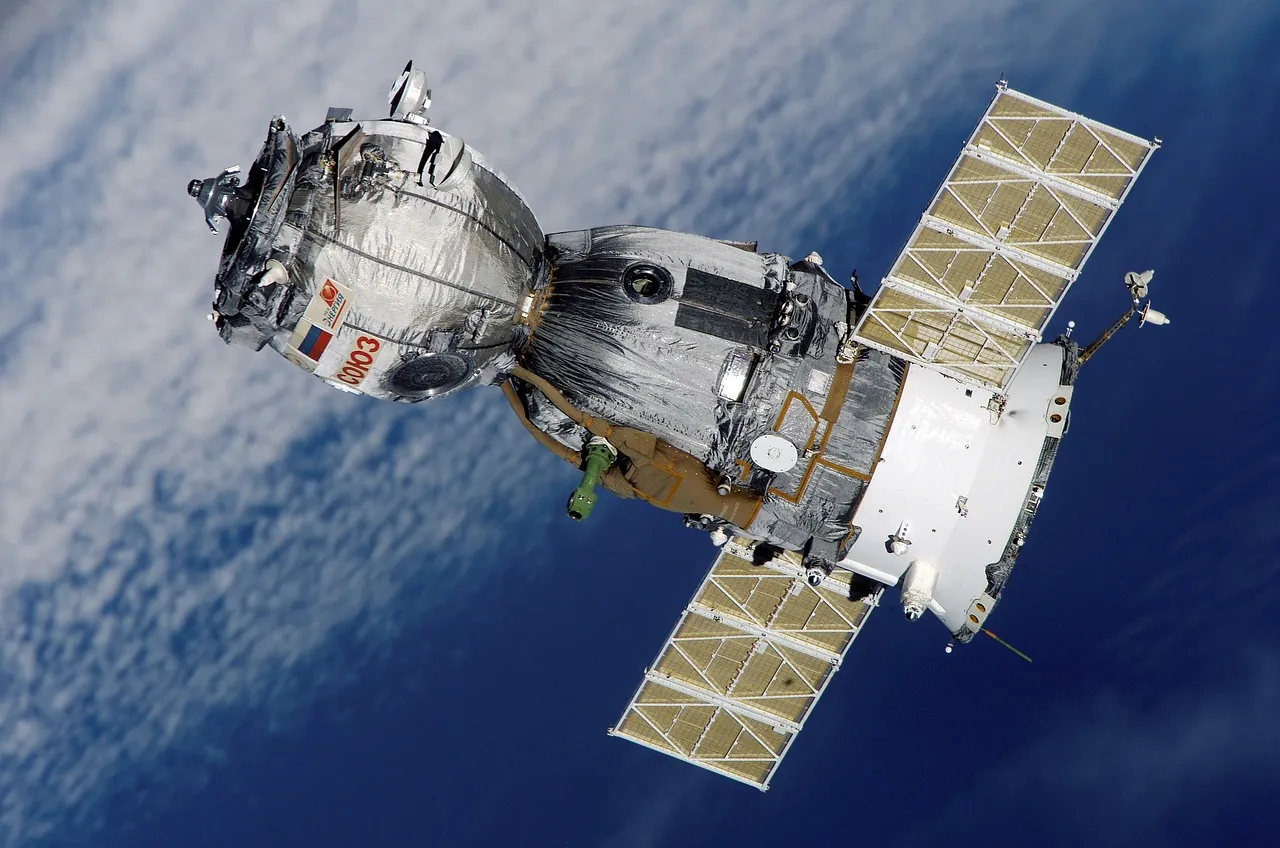
Due to its isolation, Point Nemo has been designated as a “spacecraft cemetery.” Space agencies worldwide direct decommissioned satellites and space stations to re-enter Earth’s atmosphere and crash into this remote area, minimizing the risk to human life and property.
Over 260 spacecraft have been intentionally deorbited to this region, including parts of the Soviet Mir space station. The vast expanse of uninhabited ocean makes it an ideal location for such controlled descents.
The Mystique and Significance of Point Nemo
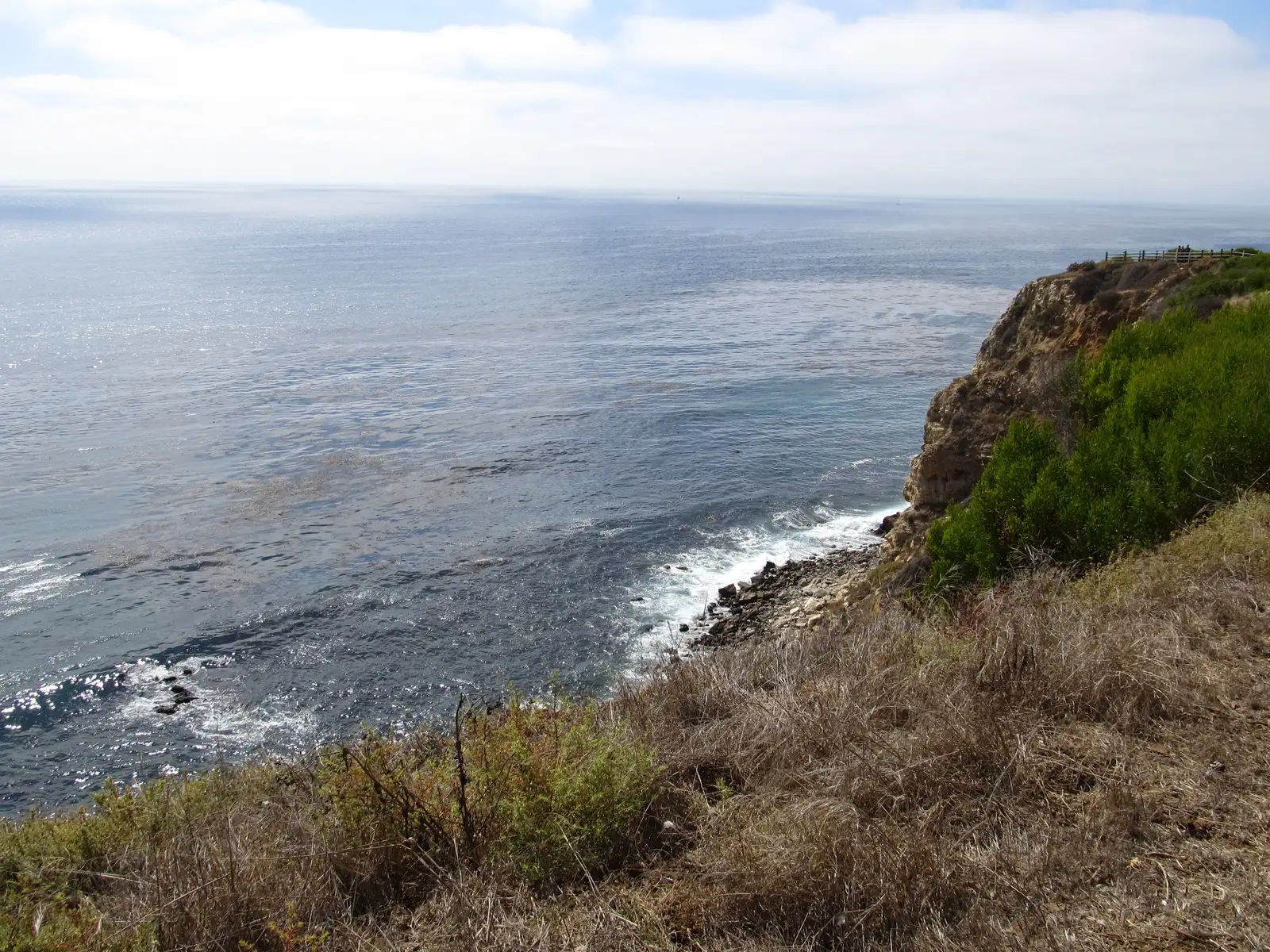
Point Nemo captures the imagination not only for its isolation but also for its role in both maritime and space history. It serves as a reminder of the uncharted and unexplored areas of our planet, as well as the lengths humanity goes to manage the byproducts of our technological advancements.
Its existence challenges us to consider the impact of human activity on even the most remote parts of the world and the importance of preserving these untouched environments.
Conclusion: A Reflection on Isolation and Connection
Point Nemo stands as a testament to Earth’s vastness and the extremes of isolation. Yet, the fact that the nearest humans can sometimes be astronauts orbiting above serves as a poignant reminder of our species’ reach and interconnectedness. It prompts us to reflect on our responsibilities to both our planet and the space beyond.
In a world where connectivity is often taken for granted, places like Point Nemo remind us of the profound solitude that still exists on Earth. How does this knowledge reshape our understanding of isolation and community?

- 8 Animals That Have Been Documented Outsmarting Humans in Controlled Experiments – and the Species at the Top of the List Was Not the One Researchers Expected - July 18, 2026
- The Most Venomous Animal in North America Is Not a Snake or a Spider and Most Americans Walk Past It Every Summer Without Knowing - July 18, 2026
- There Is a Spot in the Pacific Ocean So Remote That the Nearest Humans Are Sometimes the Astronauts on the International Space Station Overhead - July 18, 2026