
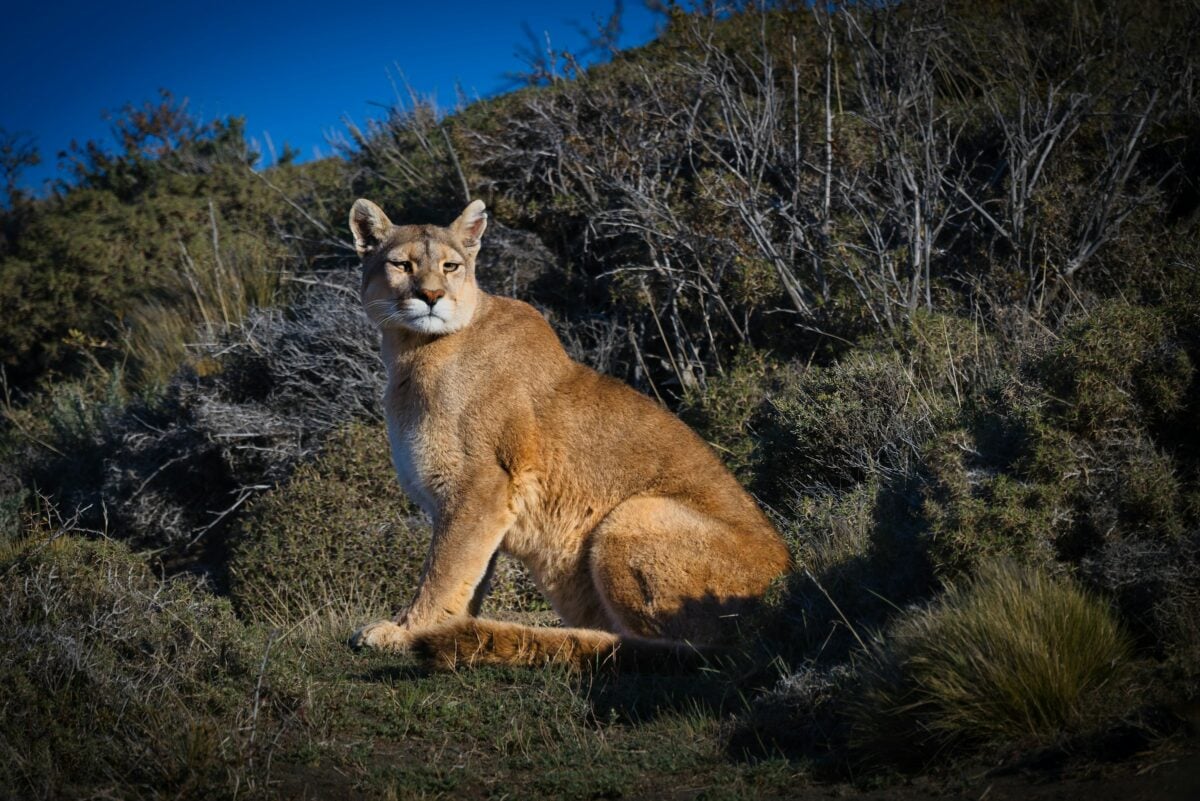
In the wild, the mightiest predators often seem invincible, ruling their domains without fear. Yet, nature is full of surprises. Even the most formidable hunters can find themselves wary of creatures much smaller than they are. Let’s delve into seven such unexpected dynamics where apex predators exhibit caution – or even fear – towards diminutive adversaries.
1. Lions and Honey Badgers
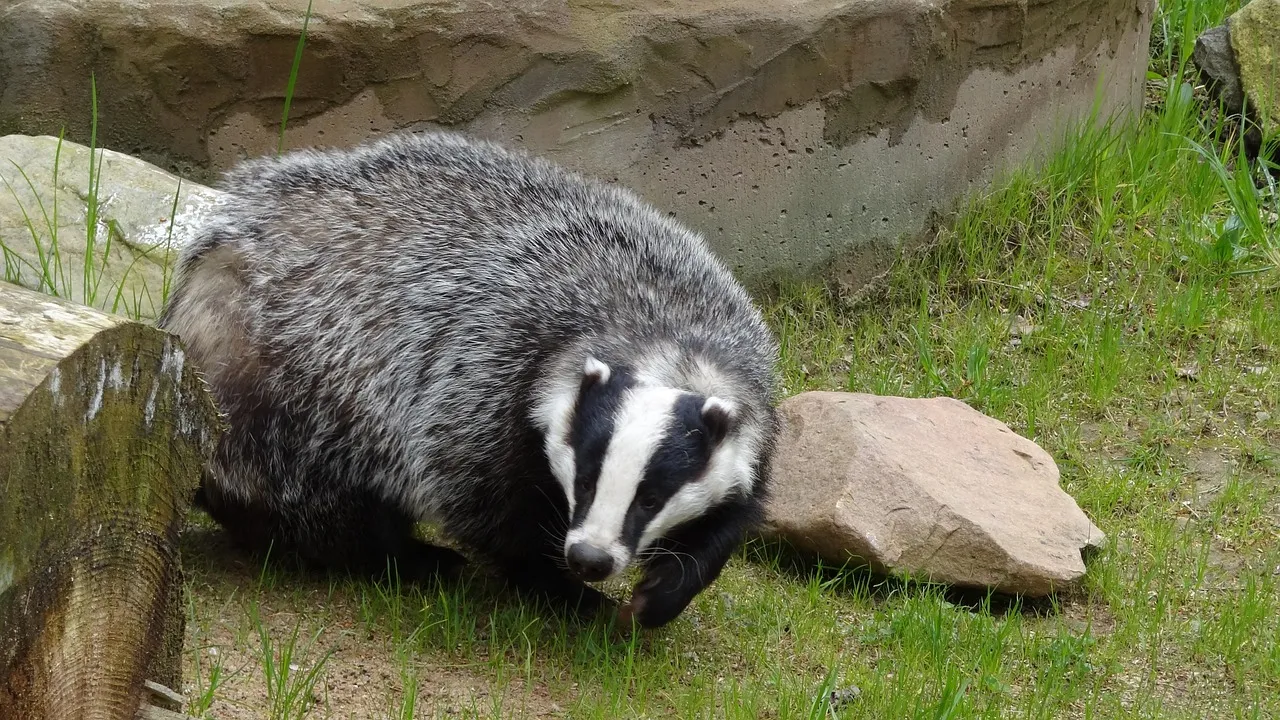
Lions, often dubbed the “kings of the jungle,” are renowned for their strength and dominance. However, the honey badger, a creature significantly smaller in size, has been known to challenge lions fearlessly. These tenacious animals possess sharp claws and strong jaws, enabling them to defend themselves effectively. Their aggressive nature and resilience make even lions think twice before engaging.
Encounters in the wild have shown honey badgers standing their ground against lions, displaying remarkable courage. Their thick skin and ferocious demeanor often deter larger predators, leading to a mutual avoidance rather than confrontation.
2. Jaguars and Giant Otters
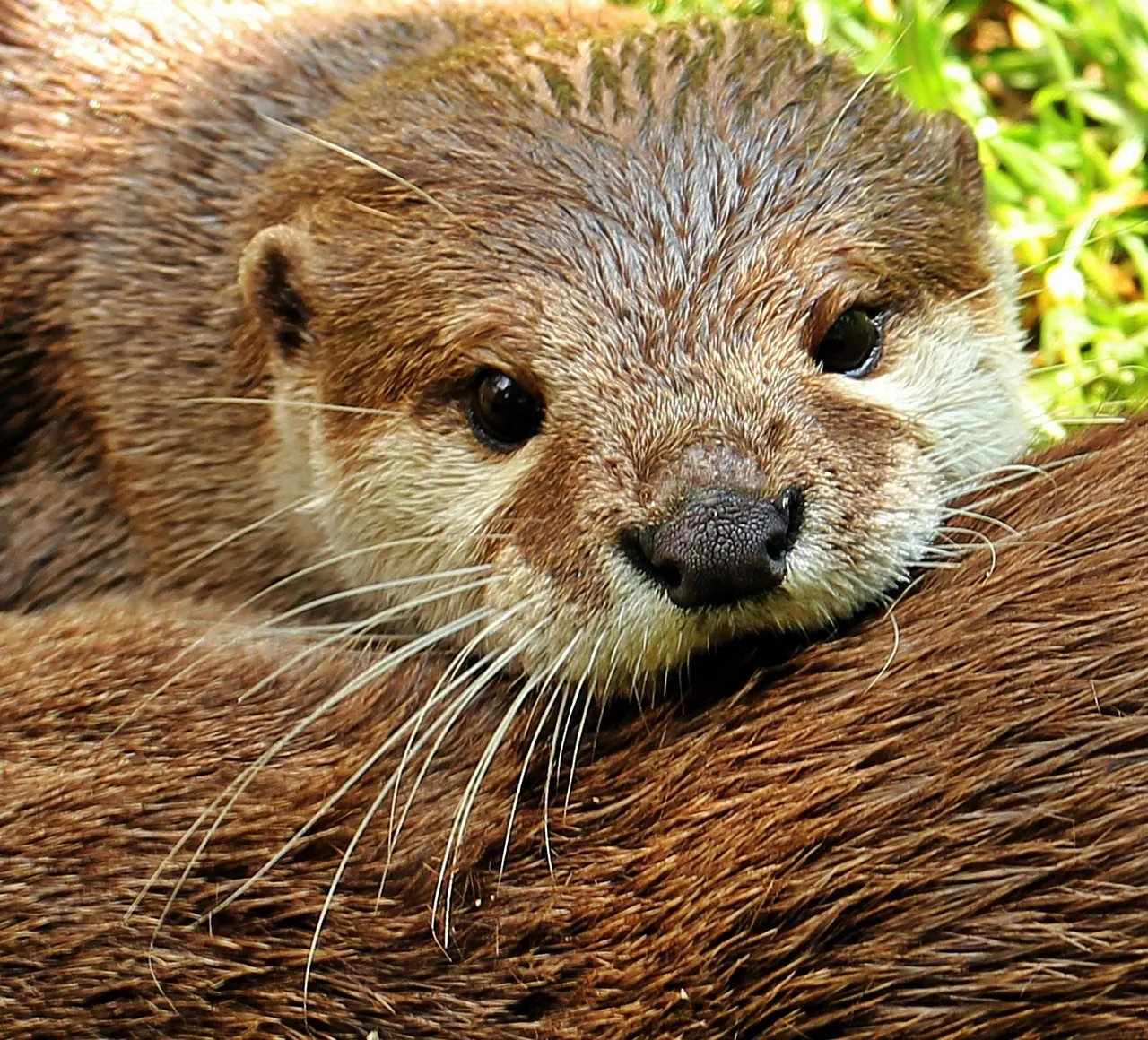
Jaguars are powerful predators in the Americas, known for their strength and hunting prowess. Surprisingly, they exhibit caution around giant otters, especially when these otters are in groups. Giant otters are social animals that can be aggressive when defending their territory or young.
There have been documented instances where jaguars approached giant otter territories but retreated when confronted by the otters. The coordinated defense and loud vocalizations of the otters can intimidate even a solitary jaguar, leading to avoidance behavior.
3. Mountain Lions and Porcupines
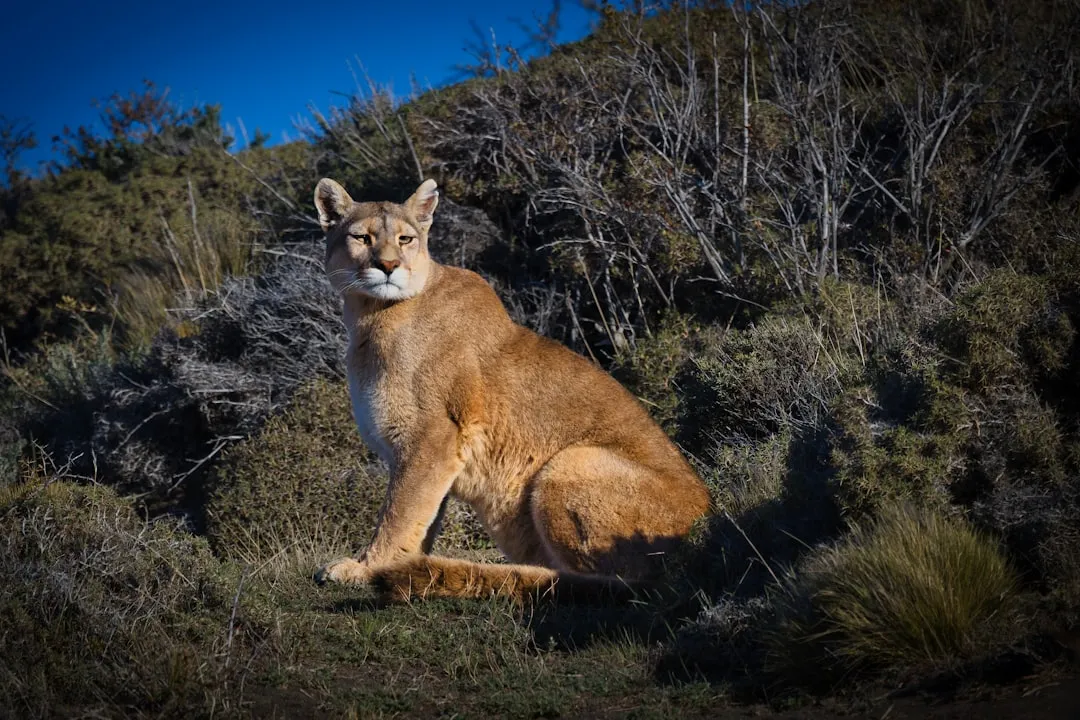
Mountain lions, or cougars, are agile and powerful predators. However, they often avoid porcupines due to the latter’s sharp quills. An encounter with a porcupine can result in painful injuries for a mountain lion, as the quills can embed deeply into their skin.
Observations have noted mountain lions steering clear of porcupines, recognizing the risk involved. This avoidance behavior highlights the mountain lion’s instinct to prevent injury, even if it means passing up a potential meal.
4. Crocodiles and Hippopotamuses
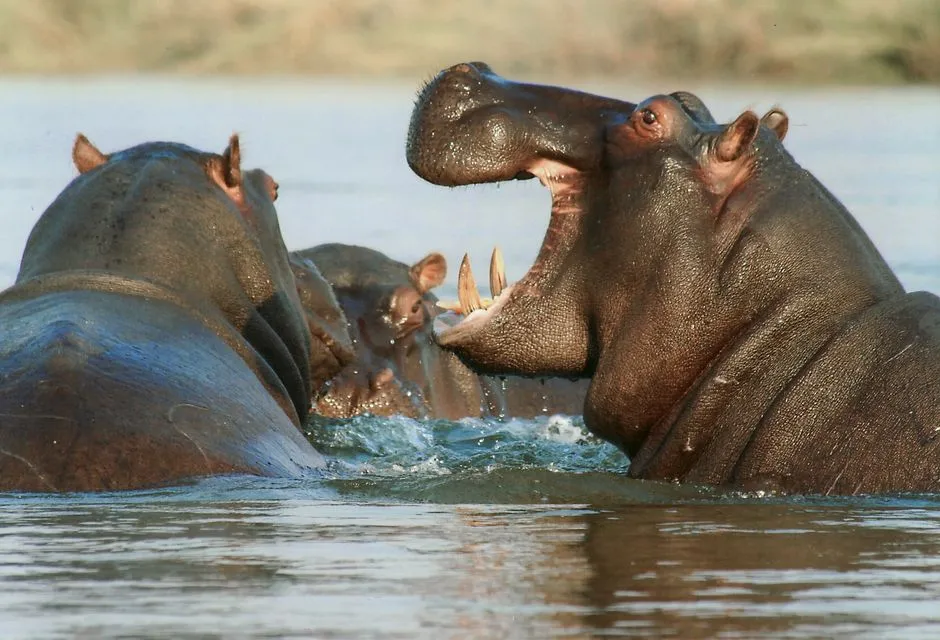
Crocodiles are apex predators in aquatic environments, known for their powerful jaws and stealth. However, they often avoid hippopotamuses, despite the latter being herbivores. Hippos are highly territorial and can be extremely aggressive, especially when protecting their young.
There have been numerous instances where crocodiles have been observed giving hippos a wide berth. The sheer size and aggression of hippos make them formidable opponents, leading crocodiles to avoid potential conflicts.
5. Wolves and Wolverines
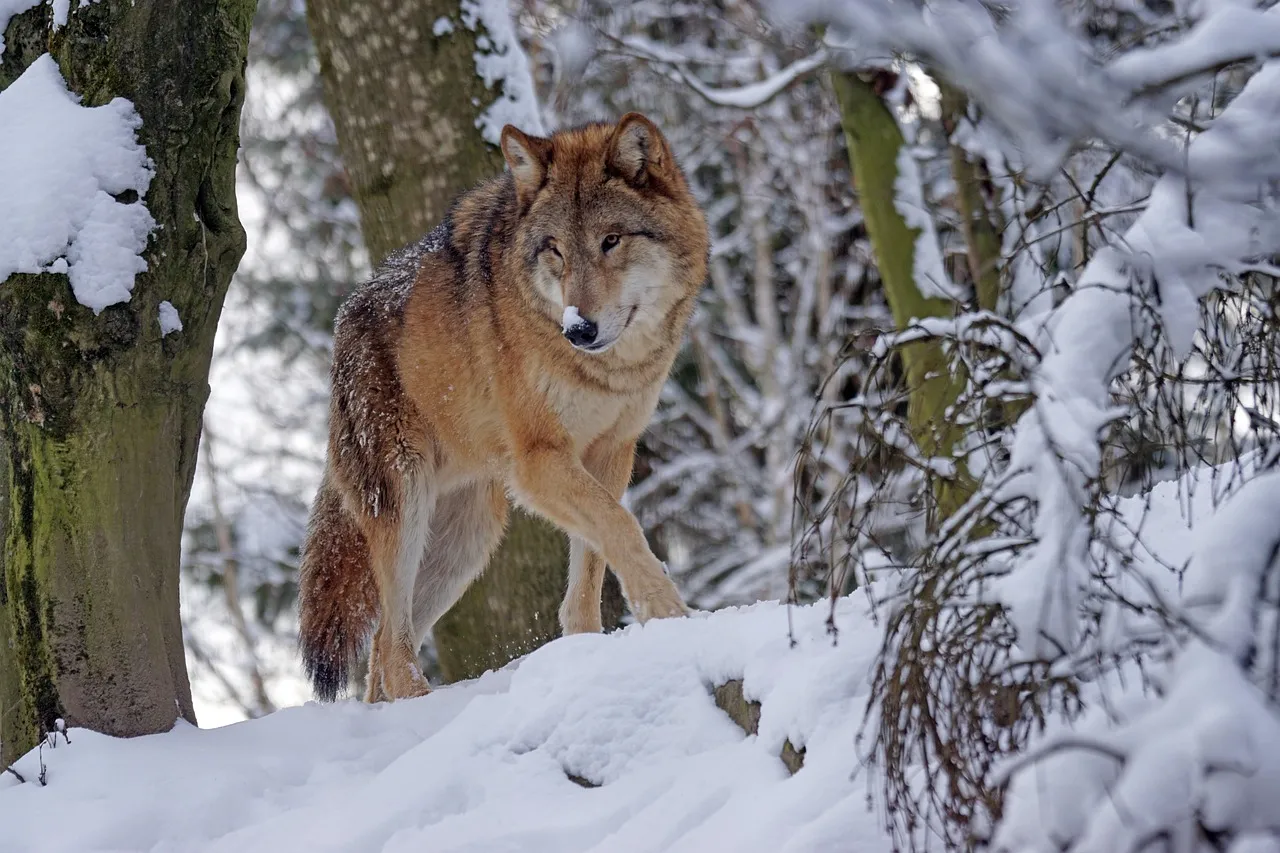
Wolves are skilled pack hunters, dominating many ecosystems. Yet, they exhibit caution around wolverines, solitary animals known for their strength and ferocity relative to their size. Wolverines have been known to defend their kills aggressively, even against larger predators.
Encounters have shown wolves approaching wolverine kills but often retreating when the wolverine stands its ground. The wolverine’s tenacity and powerful build make it a challenging adversary, leading wolves to seek easier targets.
6. Great White Sharks and Orcas
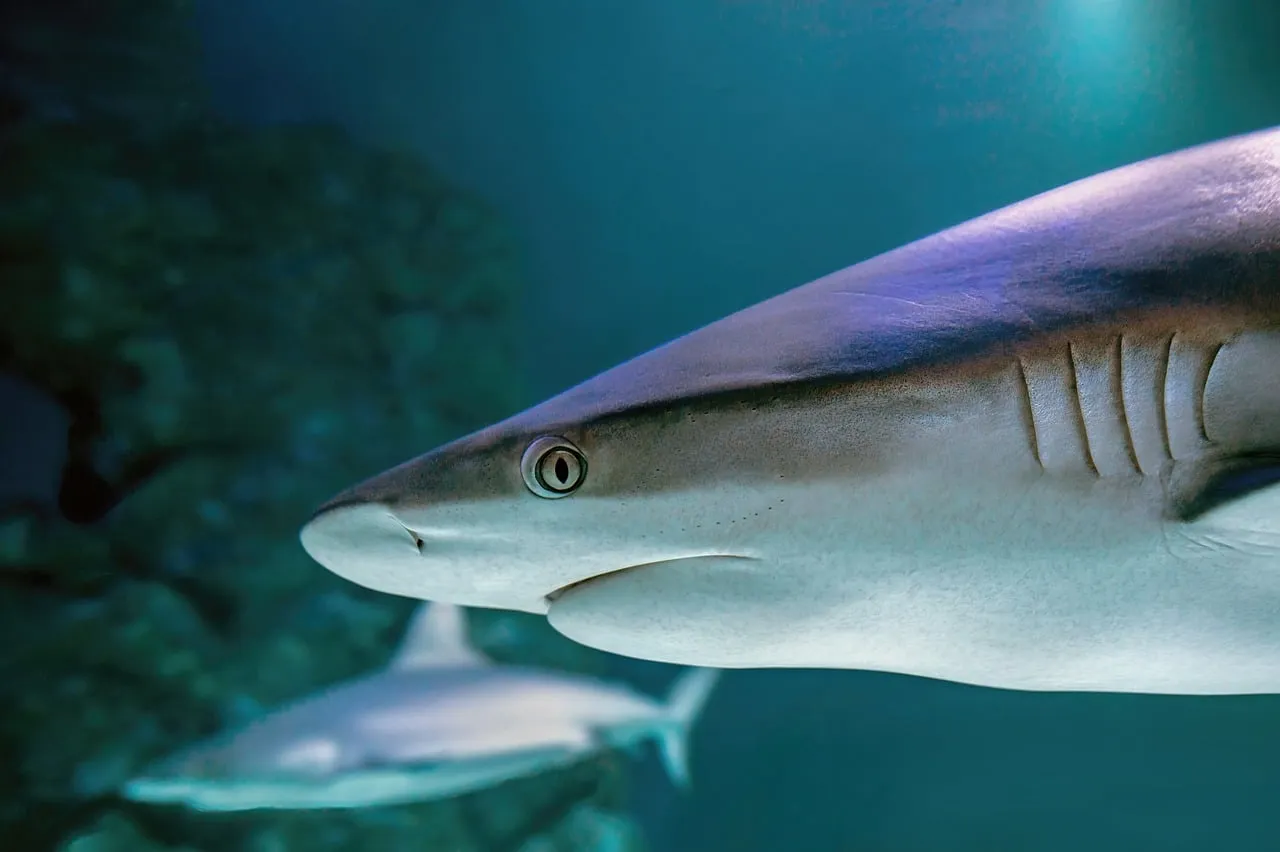
Great white sharks are among the ocean’s top predators, feared for their size and power. However, they have been observed avoiding areas where orcas, or killer whales, are present. Orcas are known to prey on great white sharks, targeting their livers for nutrition.
Studies have documented great white sharks vacating hunting grounds when orcas arrive, sometimes for extended periods. This behavior indicates a clear avoidance strategy, highlighting the orca’s dominance in the marine hierarchy.
7. Eagles and Crows
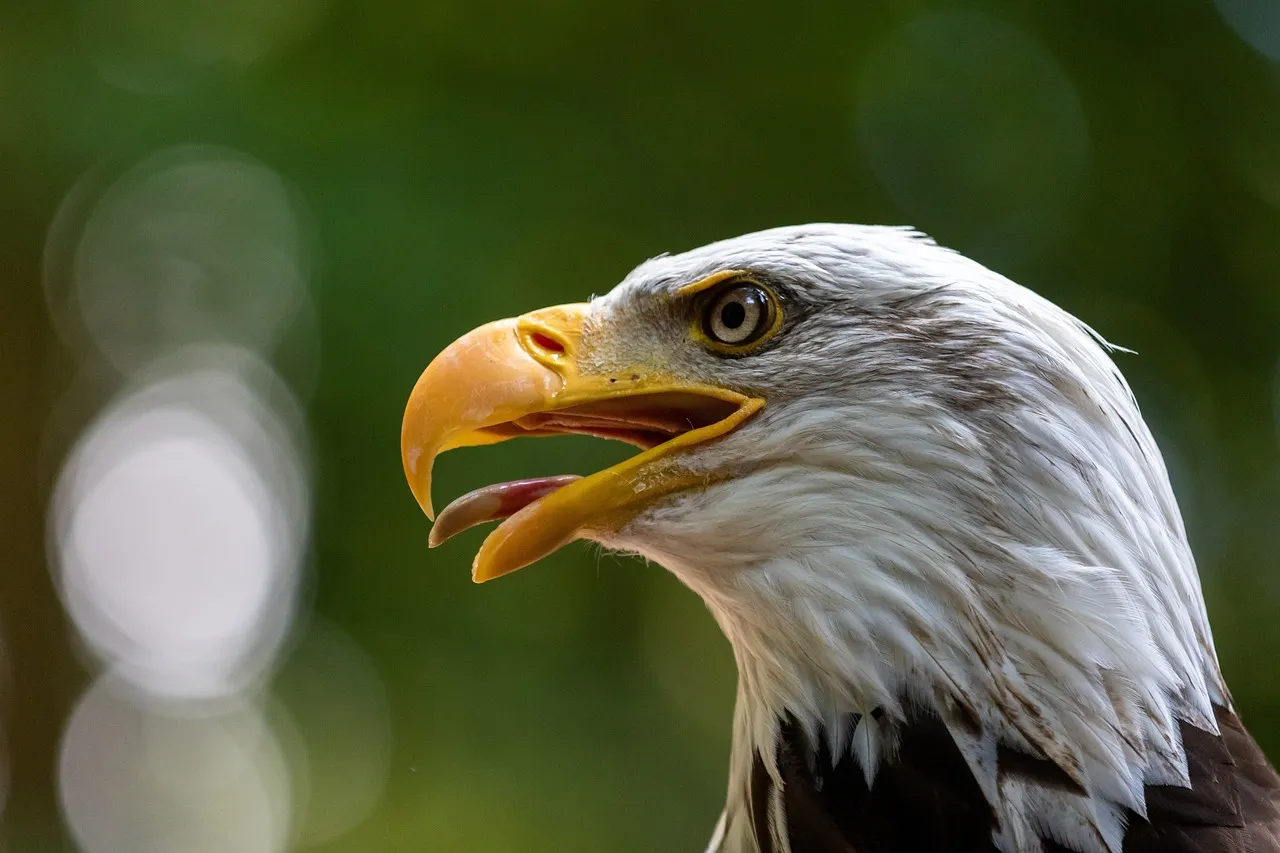
Eagles are majestic birds of prey, often seen as symbols of power. Surprisingly, they can be harassed and even driven away by crows. Crows are highly intelligent and social birds that often mob larger birds of prey to protect their territory or young.
Instances of crows mobbing eagles have been widely observed, with the smaller birds using their numbers and agility to outmaneuver and harass the larger raptor. This behavior can lead to eagles avoiding certain areas to escape the persistent crows.
Conclusion
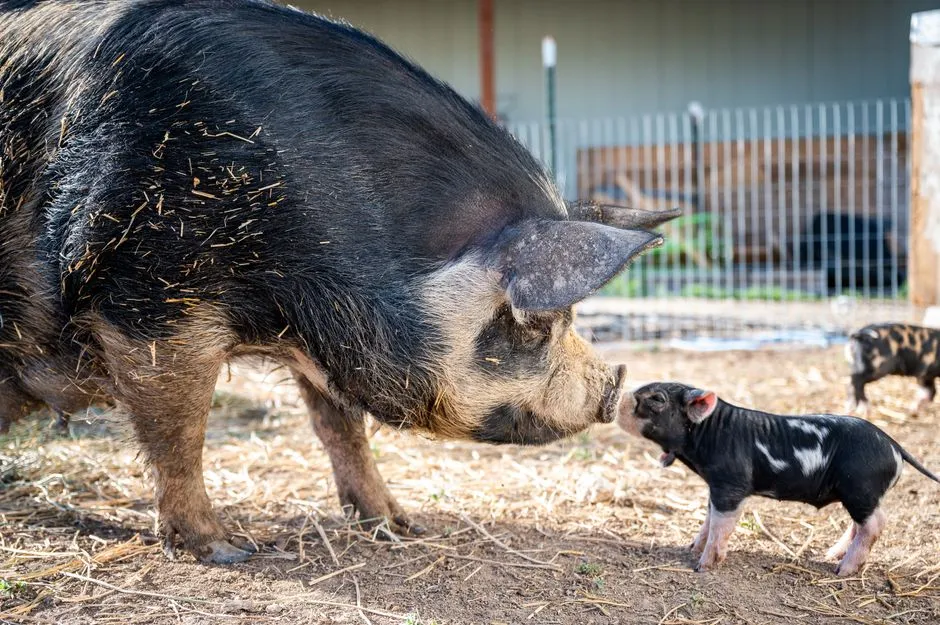
These fascinating interactions remind us that in nature, size and strength aren’t the sole determinants of dominance. Intelligence, aggression, social behavior, and even defensive adaptations can tip the scales, making smaller creatures formidable opponents to larger predators. It’s a humbling reminder of the intricate and balanced web of life. Who would have thought that the mighty could be humbled by the small?

- 7 Apex Predators That Are Actually Afraid of One Specific Animal Smaller Than Themselves and the Encounters That Confirmed It - July 18, 2026
- 10 Animals That Researchers Confirmed Can Recognize Themselves in a Mirror – and the One Near the Bottom of the List That Rewrote the Criteria Entirely. - July 18, 2026
- 6 Most Shark-Dense Coastlines Outside the United States That Tourism Boards Have Been Very Quiet About - July 18, 2026