
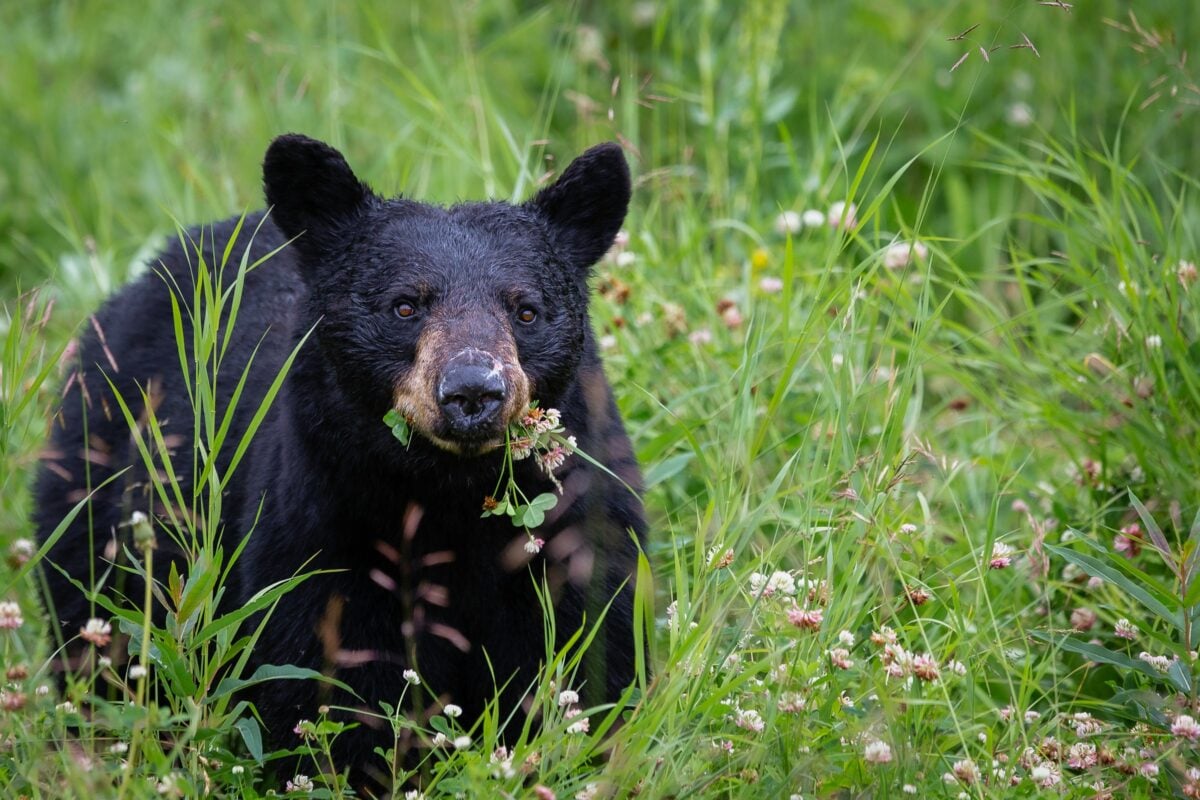
Imagine settling into your campsite, the scent of pine in the air, when suddenly, a rustle in the bushes sends a shiver down your spine. Bear encounters in campgrounds are more common than many realize, often occurring in states not typically associated with these majestic creatures. Let’s explore eight campgrounds across the United States where human-bear interactions are notably frequent, shedding light on unexpected hotspots of bear activity.
Great Smoky Mountains National Park Campgrounds, Tennessee and North Carolina
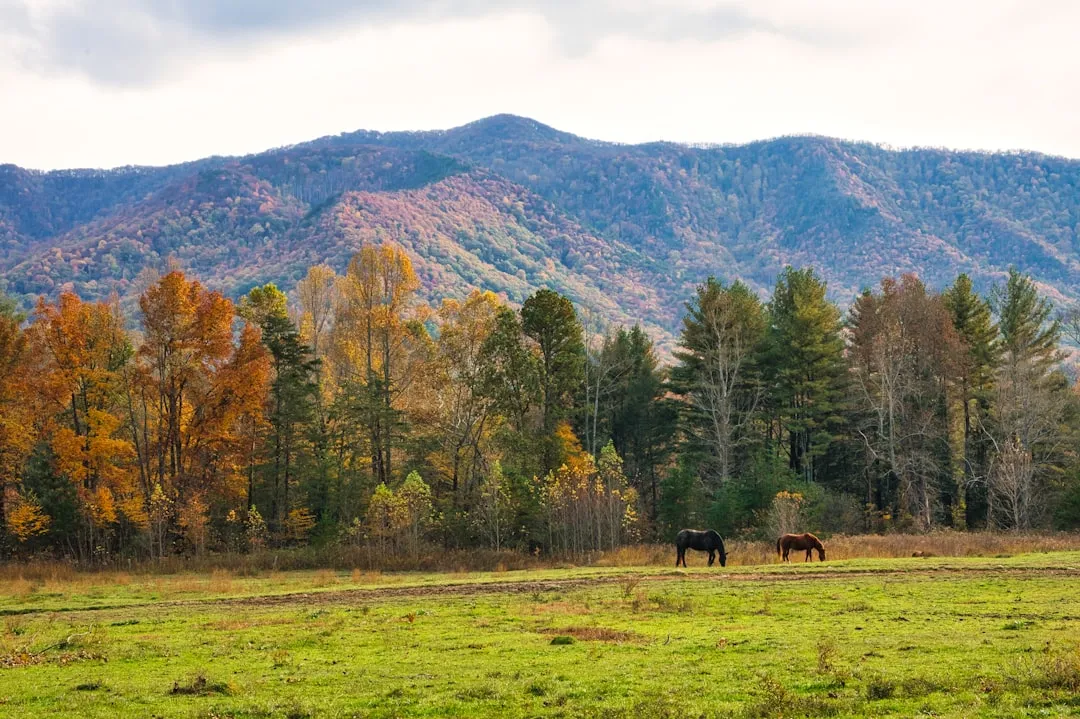
Nestled between Tennessee and North Carolina, the Great Smoky Mountains National Park is home to approximately 1,500 black bears, one of the highest densities in the Eastern U.S. Campgrounds like Cades Cove and Elkmont are particularly prone to bear visits, especially during peak seasons when human activity increases.
Visitors often report bears investigating campsites at dawn or dusk, drawn by the scent of food. Park regulations mandate strict food storage practices, including the use of bear-proof containers and immediate cleanup after meals, to minimize these encounters.
Shenandoah National Park Campgrounds, Virginia
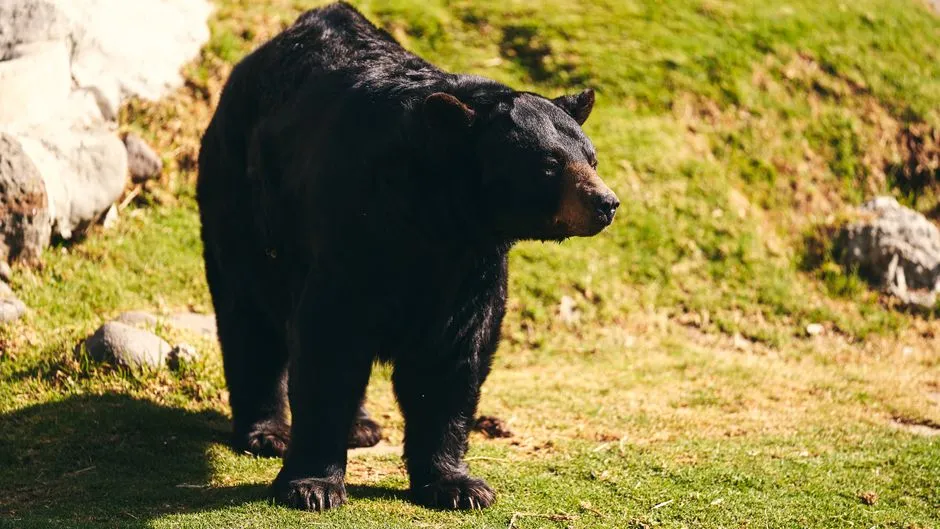
Virginia’s Shenandoah National Park, with its dense forests and abundant wildlife, sees regular black bear activity in campgrounds along Skyline Drive. Bears are attracted to the area by the mix of natural food sources and human presence.
Campers have reported bears approaching campsites, particularly when food is left unattended. The park emphasizes education on proper food storage and waste disposal to reduce these interactions.
Adirondack Park Campgrounds, New York
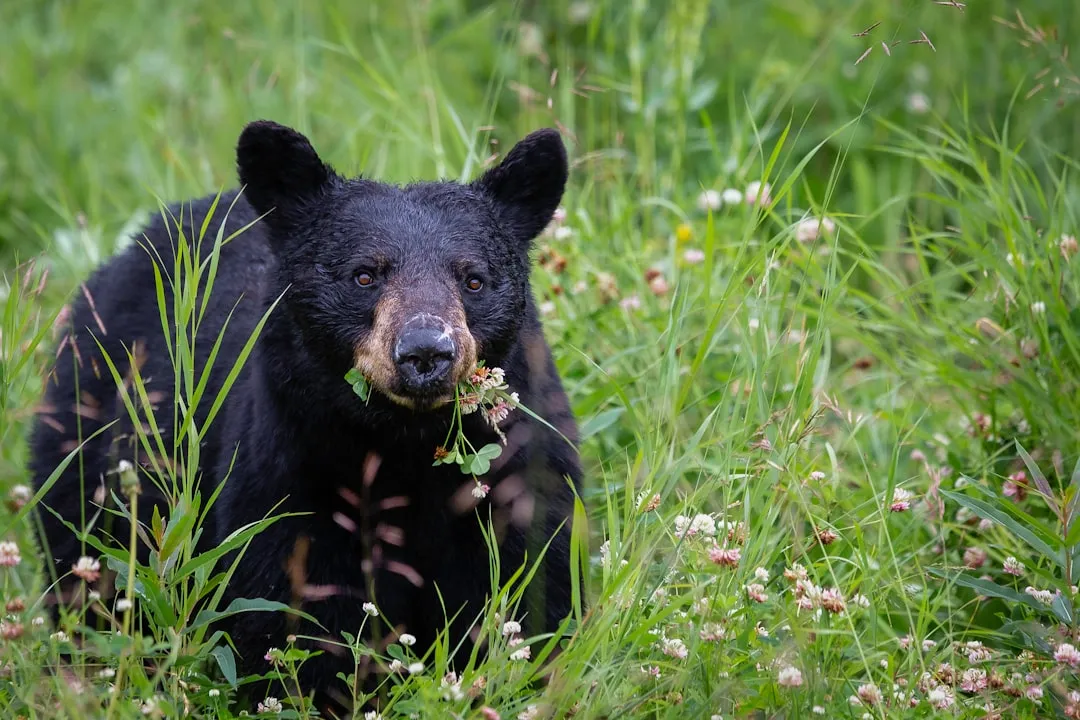
New York’s Adirondack Park, encompassing over six million acres, hosts numerous campgrounds where black bear encounters are not uncommon. Areas like Lake Placid and Saranac Lake experience increased bear activity, especially during berry seasons.
Campers are advised to use bear-resistant containers and hang food away from sleeping areas. Despite these precautions, bears occasionally obtain human food, leading to increased interactions.
Boundary Waters Canoe Area Campgrounds, Minnesota
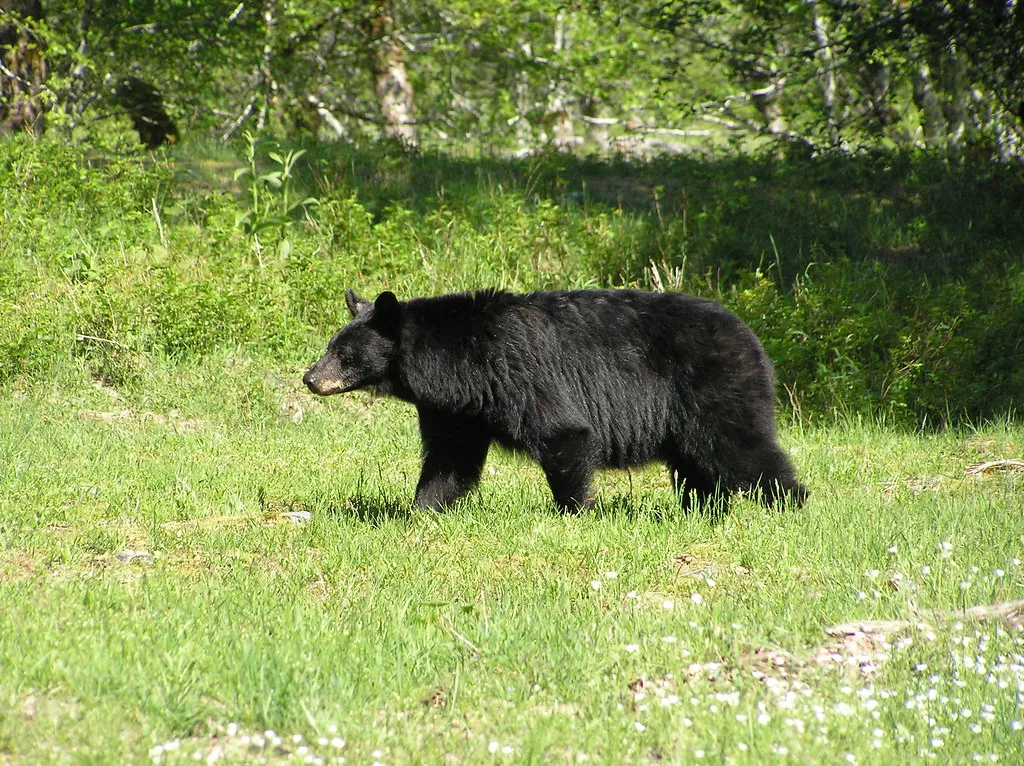
Minnesota’s Boundary Waters Canoe Area offers remote camping experiences where black bears are known to frequent established campsites. The area’s popularity with paddlers and campers contributes to the number of bear encounters.
Bears often approach campsites in search of food, especially when campers fail to secure their supplies properly. Strict adherence to leave-no-trace principles and proper food storage are essential to minimize these interactions.
Pisgah National Forest Campgrounds, North Carolina
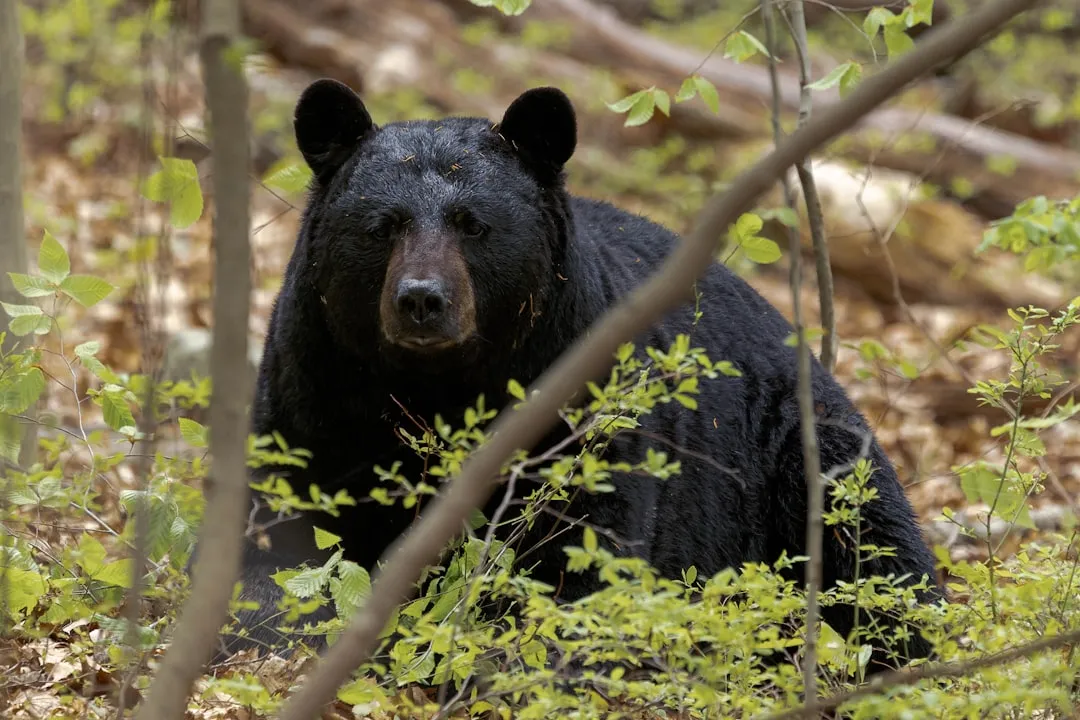
North Carolina’s Pisgah National Forest, with its extensive trail systems and campgrounds, experiences regular black bear activity. The mix of natural habitats and human recreation areas creates opportunities for bear encounters.
Campers have reported bears entering campsites, particularly when food is left unsecured. The forest service emphasizes the importance of bear-proof containers and immediate cleanup to deter bears.
George Washington and Jefferson National Forests Campgrounds, Virginia
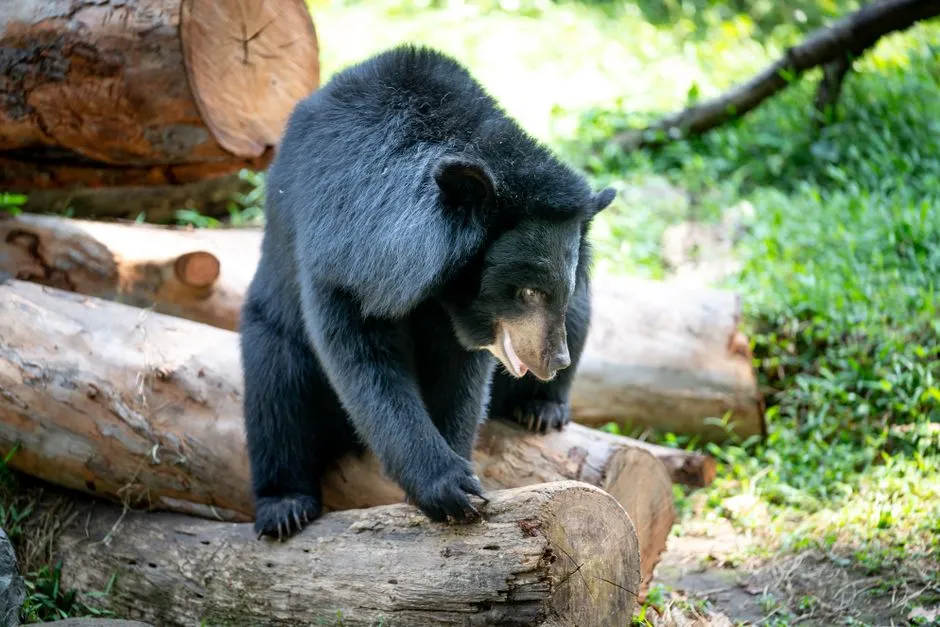
Virginia’s George Washington and Jefferson National Forests contain numerous campgrounds where black bear encounters are documented. The vast forested areas provide ideal habitats for bears, leading to frequent interactions with campers.
Bears are often attracted to food left out in campsites. Campers are encouraged to store food in bear-proof containers and maintain clean campsites to reduce the likelihood of bear visits.
Allegheny National Forest Campgrounds, Pennsylvania
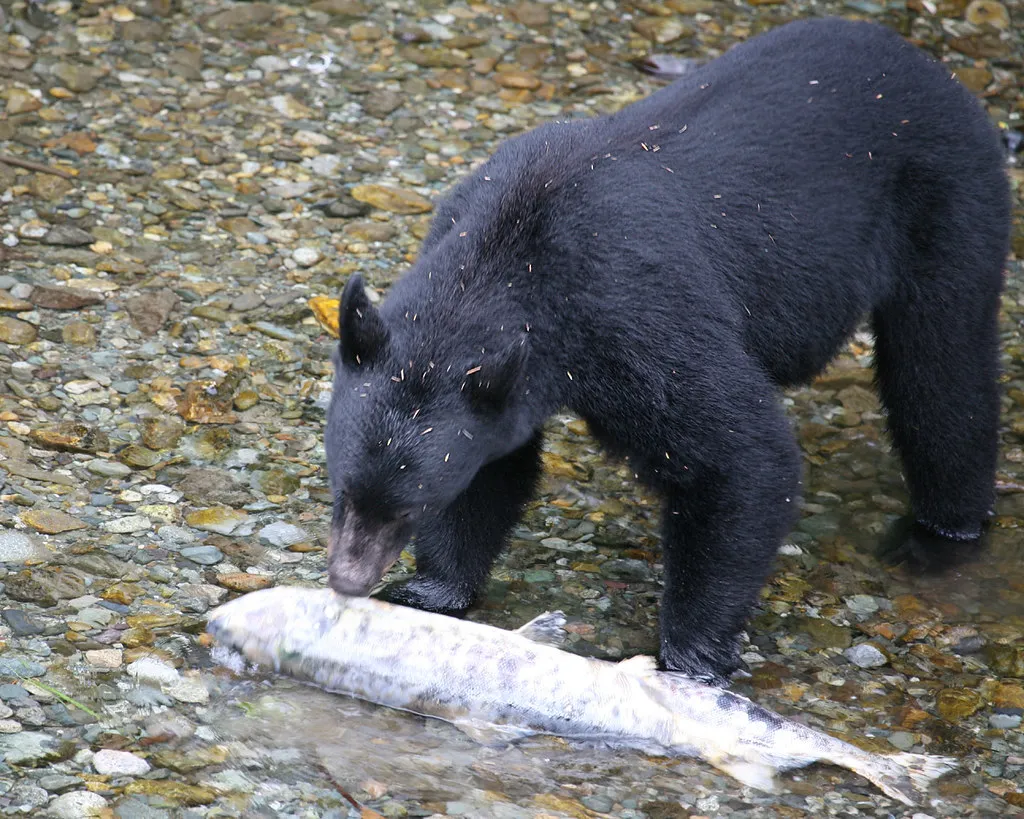
Pennsylvania’s Allegheny National Forest, covering over 500,000 acres, sees regular black bear activity in its campgrounds. The forest’s diverse habitats support a healthy bear population, leading to frequent human-bear interactions.
Campers have reported bears entering campsites in search of food. The forest service advises the use of bear-proof containers and proper food storage techniques to minimize these encounters.
Ocala National Forest Campgrounds, Florida
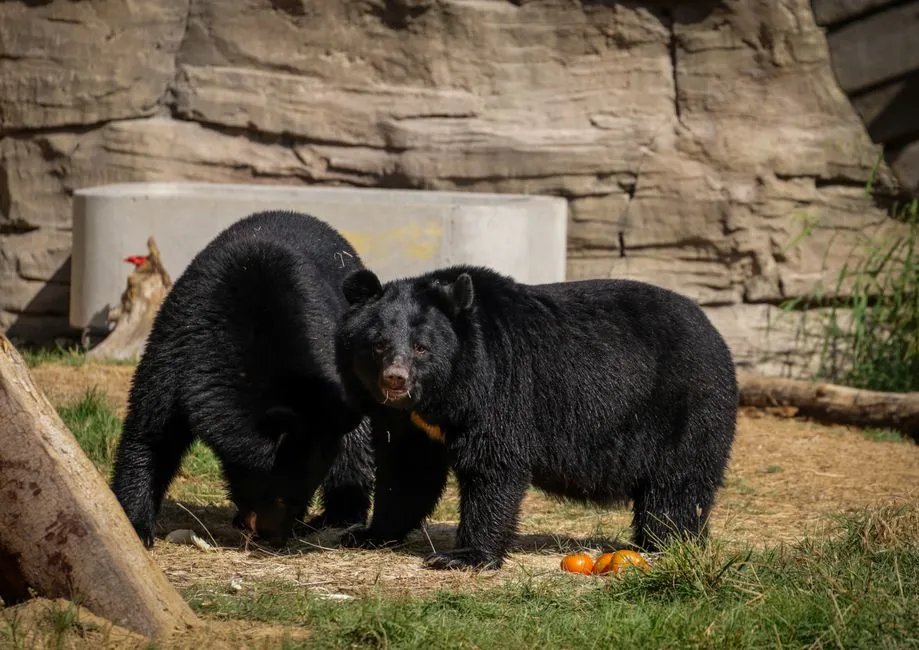
Florida’s Ocala National Forest stands out as a bear-active area in a state not typically associated with bears. The forest’s unique scrub habitat supports a significant black bear population, leading to regular encounters in campgrounds.
Campers have reported bears approaching campsites, particularly when food is left unsecured. The forest service emphasizes the importance of proper food storage and waste disposal to deter bears.
These campgrounds highlight that bear encounters are not limited to the remote wildernesses of Alaska or the Rocky Mountains. Even in states where bears are not commonly associated, human-bear interactions occur, often due to improper food storage and waste management. By adhering to proper food storage practices and maintaining clean campsites, campers can significantly reduce the likelihood of bear encounters, ensuring a safer experience for both humans and bears.

- 6 Exotic Bird Species You Can Spot in U.S. National Parks - July 19, 2026
- 11 Iconic American Birds Facing New Challenges and How You Can Help - July 19, 2026
- 10 Friendliest Animals in the World - July 19, 2026