

Have you ever noticed your cat fixating on an empty corner of the room, night after night, at the exact same time? It’s as if they’re seeing something invisible to the human eye. This behavior can be both intriguing and unsettling. Let’s delve into the possible reasons behind this nightly ritual.
Heightened Sensory Perception
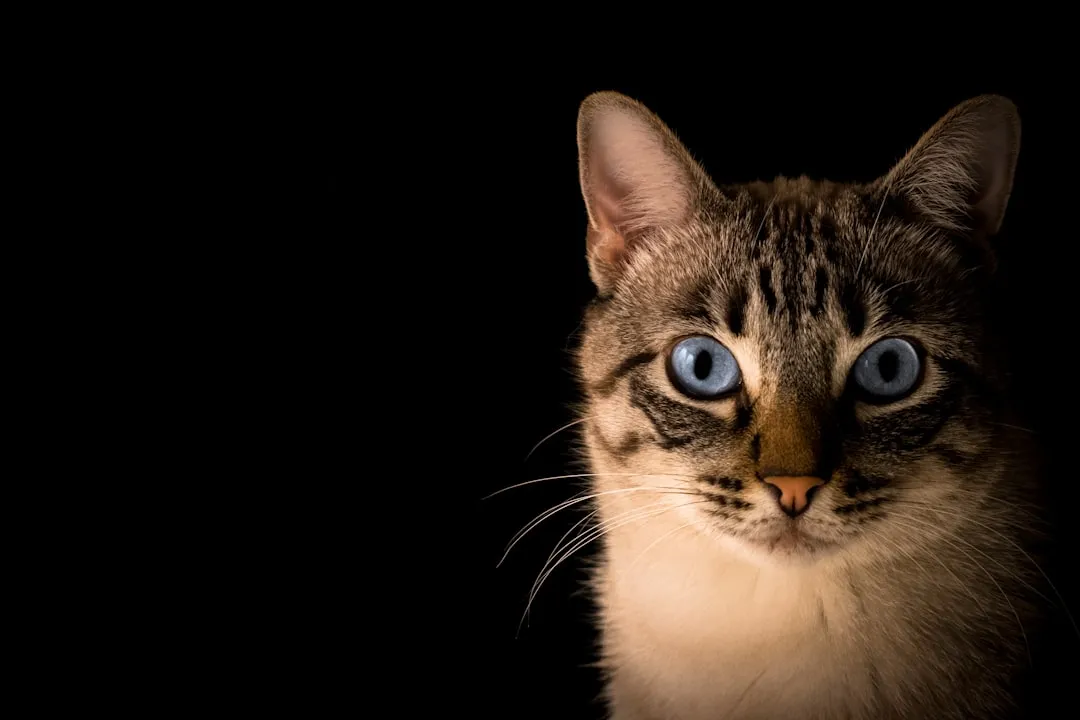
Cats possess senses far superior to ours. Their vision allows them to detect subtle movements and low-light details that escape human notice. Additionally, their acute hearing can pick up high-frequency sounds, such as the faint scurrying of a mouse behind the walls or the buzzing of insects. This means that what appears to us as an empty corner might be teeming with activity in your cat’s perception.
Moreover, cats can see ultraviolet light, revealing patterns and marks invisible to humans. This ability might explain their fascination with certain spots, as they could be observing UV-reflective substances or residues left by other animals.
Instinctual Hunting Behavior

As natural predators, cats are hardwired to be vigilant, especially during dawn and dusk. This crepuscular behavior means they’re most active during these times, aligning with their ancestral hunting patterns. If your cat stares at the same corner every night, it might be anticipating the appearance of prey, such as a rodent or insect, that emerges at that specific time.
This behavior showcases their patience and keen observational skills, traits that have been honed over thousands of years of evolution. Even in a domestic setting, these instincts remain strong, leading to such focused attention on potential prey zones.
Environmental Stimuli and Reflections
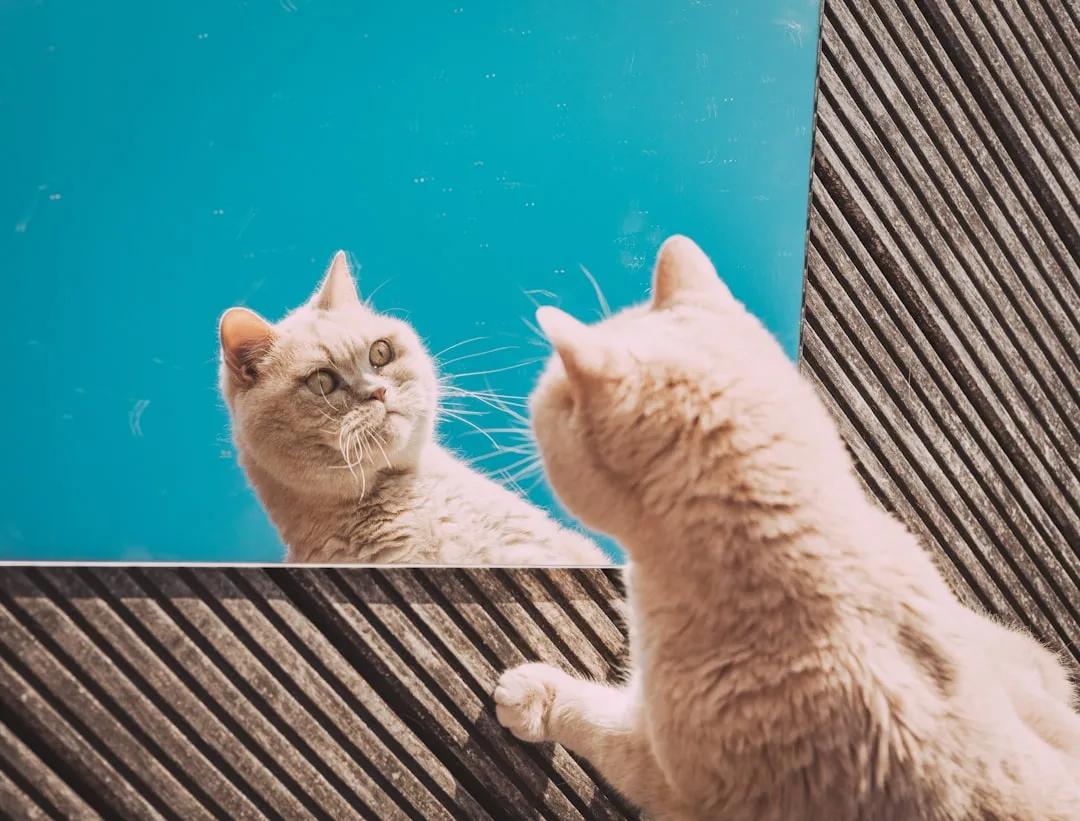
Sometimes, the explanation is as simple as a play of light and shadow. A passing car’s headlights, a streetlamp turning on, or even the moonlight filtering through blinds can create moving reflections or shadows that captivate a cat’s attention. Their eyes are particularly sensitive to movement, making them prone to fixating on such stimuli.
Additionally, electronic devices, mirrors, or glass surfaces can produce reflections or emit sounds that are imperceptible to humans but intriguing to cats. This could explain their consistent focus on a particular spot at a specific time each night.
Potential Medical Concerns
While often benign, repetitive staring at the same spot can sometimes indicate underlying health issues. Conditions like feline cognitive dysfunction syndrome (akin to dementia in humans) can cause disorientation and repetitive behaviors. Neurological disorders or vision impairments might also manifest as fixations on certain areas.
If this behavior is accompanied by other signs such as changes in appetite, altered sleep patterns, or unusual vocalizations, it’s advisable to consult a veterinarian to rule out medical causes.
Stress and Anxiety Factors
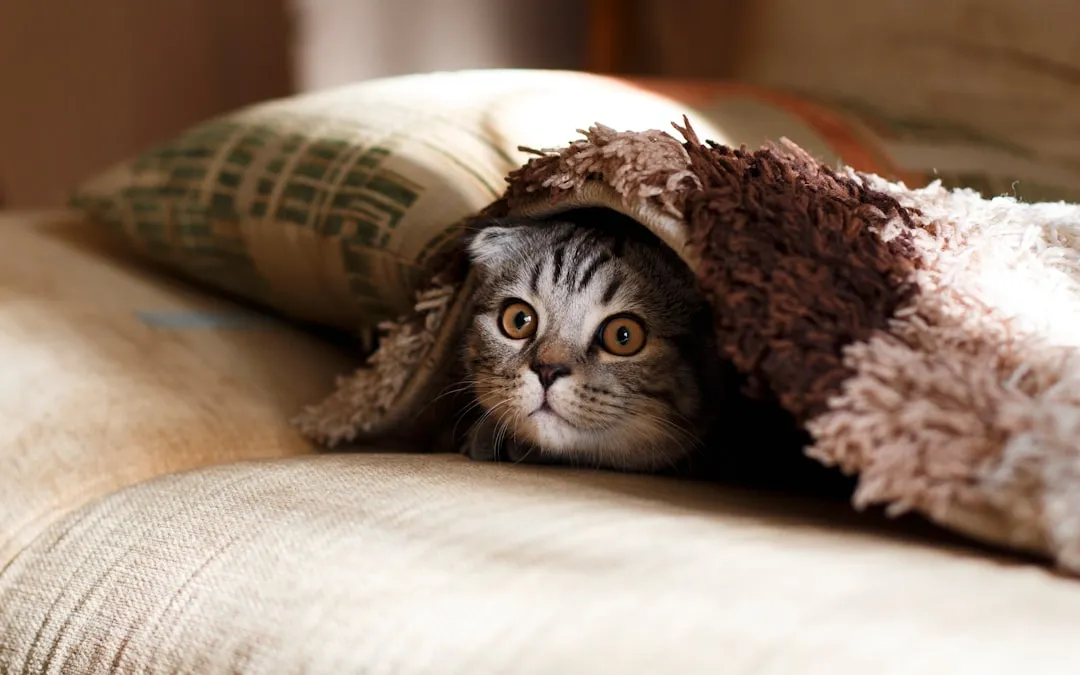
Cats are creatures of habit and can be sensitive to changes in their environment. A new piece of furniture, unfamiliar scents, or even changes in household routines can induce stress. This stress might manifest as repetitive behaviors, including staring at a particular spot.
Providing a stable environment, ensuring regular playtime, and offering hiding spots can help alleviate anxiety. If the behavior persists, seeking advice from a feline behaviorist might be beneficial.
Superstitions and Folklore
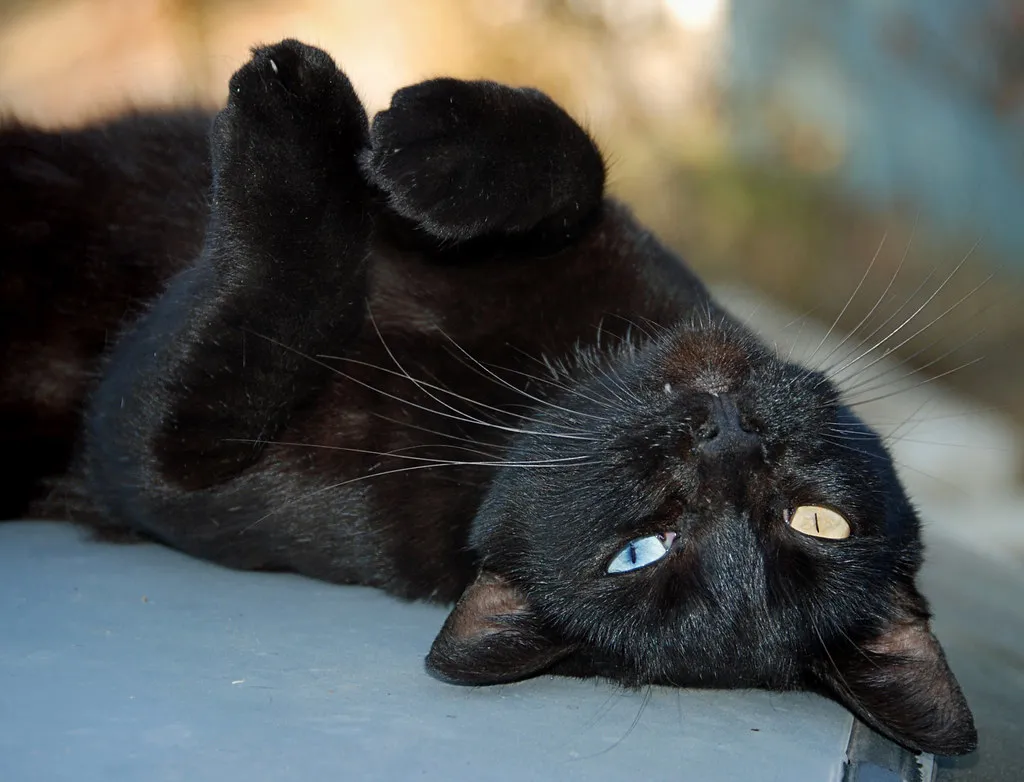
Throughout history, cats have been associated with the mystical and supernatural. Their enigmatic behaviors have often been attributed to sensing spirits or otherworldly entities. While these tales add to the allure of cats, there’s no scientific evidence to support such claims. It’s more likely that their behaviors are rooted in their acute senses and natural instincts.
When to Seek Professional Advice
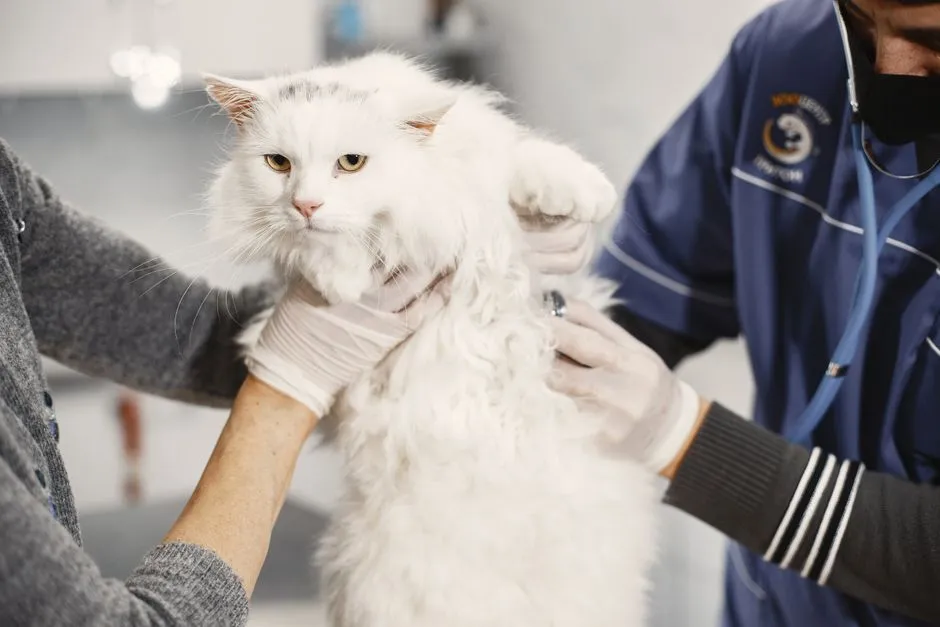
Observing your cat’s behavior is key. If the nightly staring is a new development, is accompanied by other behavioral changes, or if your cat seems distressed, it’s essential to consult with a veterinarian. Early detection of potential health issues can lead to more effective treatments and a better quality of life for your feline friend.
In conclusion, while your cat’s nightly fixation on an empty corner might seem mysterious, it’s often a reflection of their heightened senses and natural instincts. Understanding these behaviors can deepen the bond between you and your pet. So, the next time your cat gazes intently at that corner, consider the myriad of unseen stimuli they might be perceiving. Isn’t it fascinating how much more there is to their world than meets the eye?
