
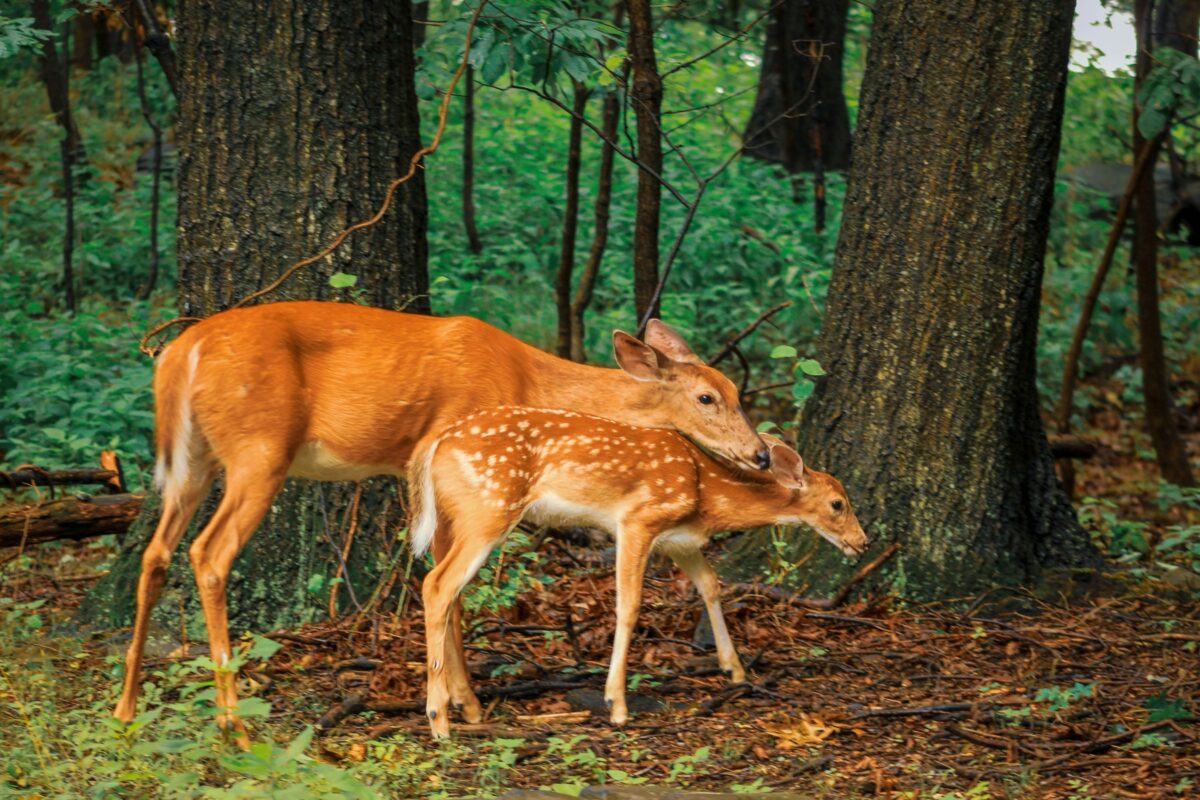
Imagine stepping onto your porch each morning, coffee in hand, only to be greeted by the same serene deer grazing in your yard. It’s a scene straight out of a nature documentary, but what does it signify when this graceful visitor becomes a daily fixture? Wildlife experts shed light on this intriguing pattern.
Deer Are Creatures of Habit

Deer are known for their habitual behaviors, often following established routes within their home range. This consistency is primarily driven by the availability of resources and safety. If your yard offers both, it’s no surprise that a deer would make it a regular stop.
These animals develop routines that maximize their survival, frequently revisiting areas where they’ve previously found food and shelter. Your yard might be providing the perfect combination of both, making it an attractive spot for daily visits.
Your Yard Offers a Reliable Food Source
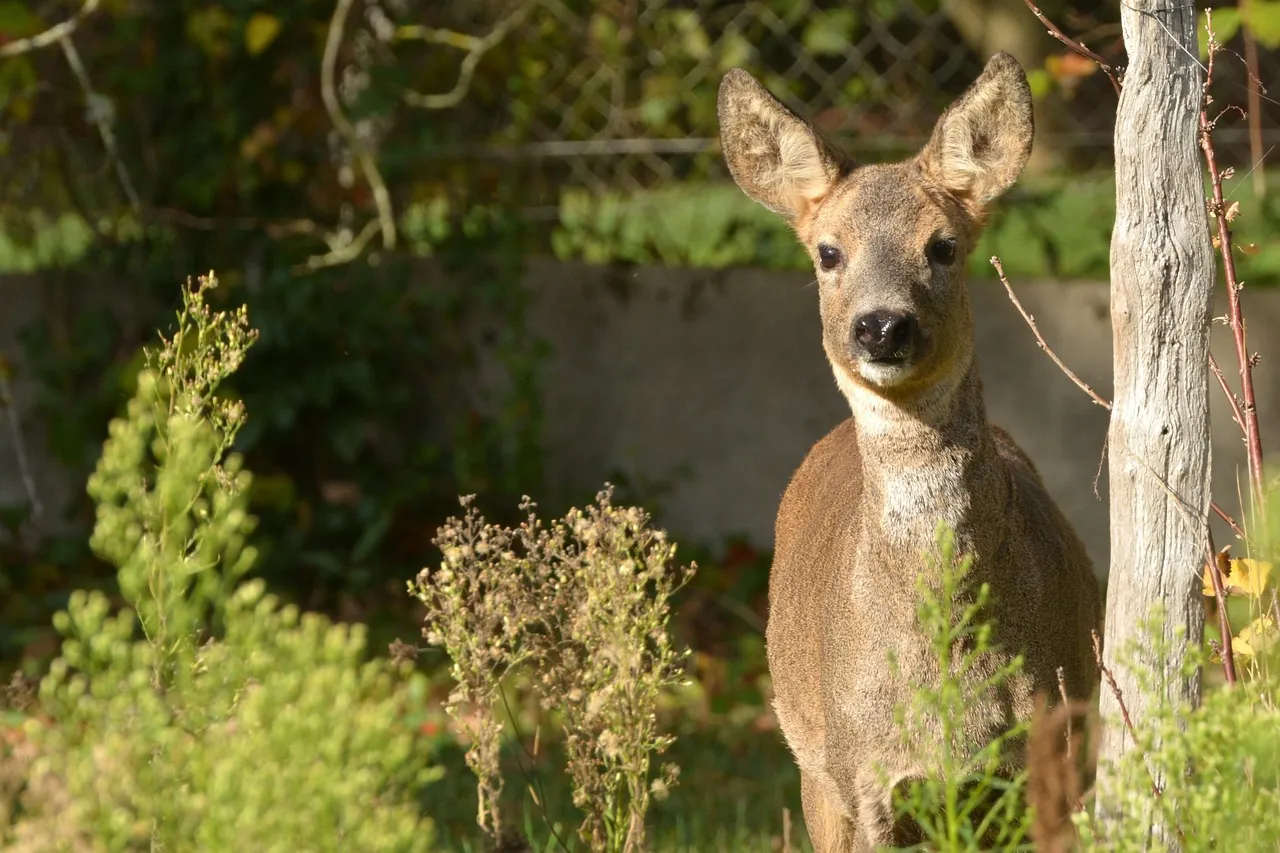
One of the most compelling reasons a deer returns to the same location is the presence of a dependable food source. Gardens, fruit-bearing trees, and certain ornamental plants can be irresistible to these herbivores.
Deer have a diverse diet that includes leaves, shoots, fruits, and flowers. If your landscaping includes plants like hostas, tulips, or fruit trees, you’re essentially offering a buffet that keeps them coming back for more.
Seeking Shelter and Safety
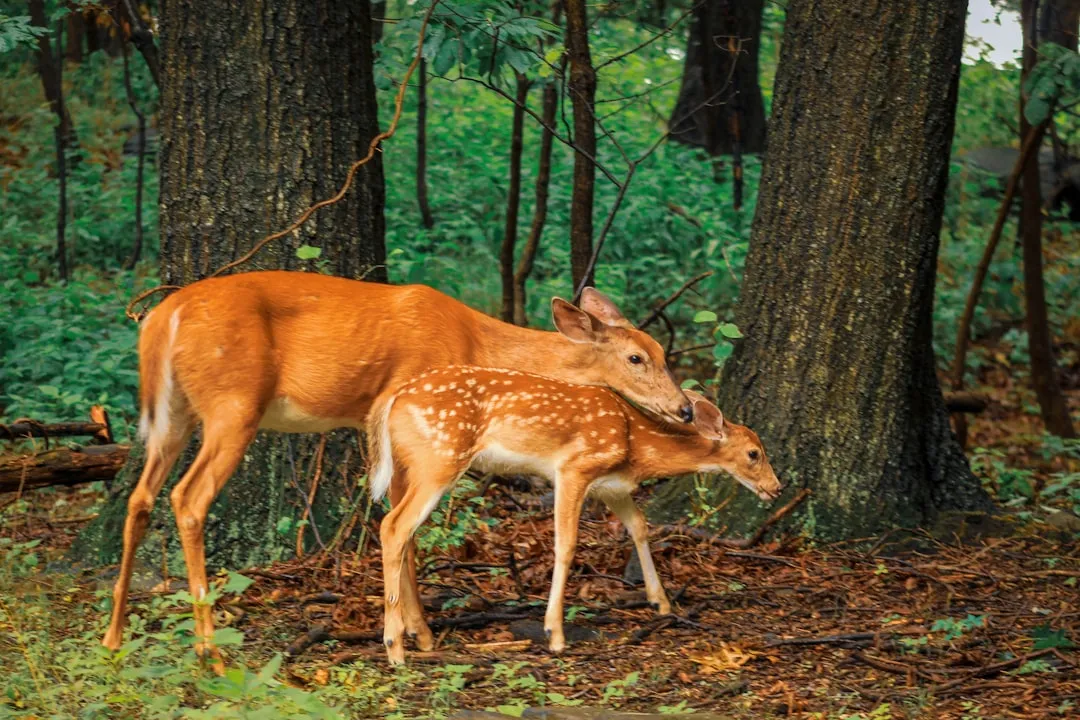
Beyond food, deer require safe spaces to rest and evade predators. Dense shrubs, tall grasses, and secluded corners of your yard can serve as ideal bedding areas, especially if they provide cover from potential threats.
In suburban settings, the absence of natural predators and the presence of human activity can make residential areas surprisingly appealing to deer seeking refuge. Your yard might offer the perfect blend of cover and tranquility.
Seasonal Behaviors and Mating Patterns
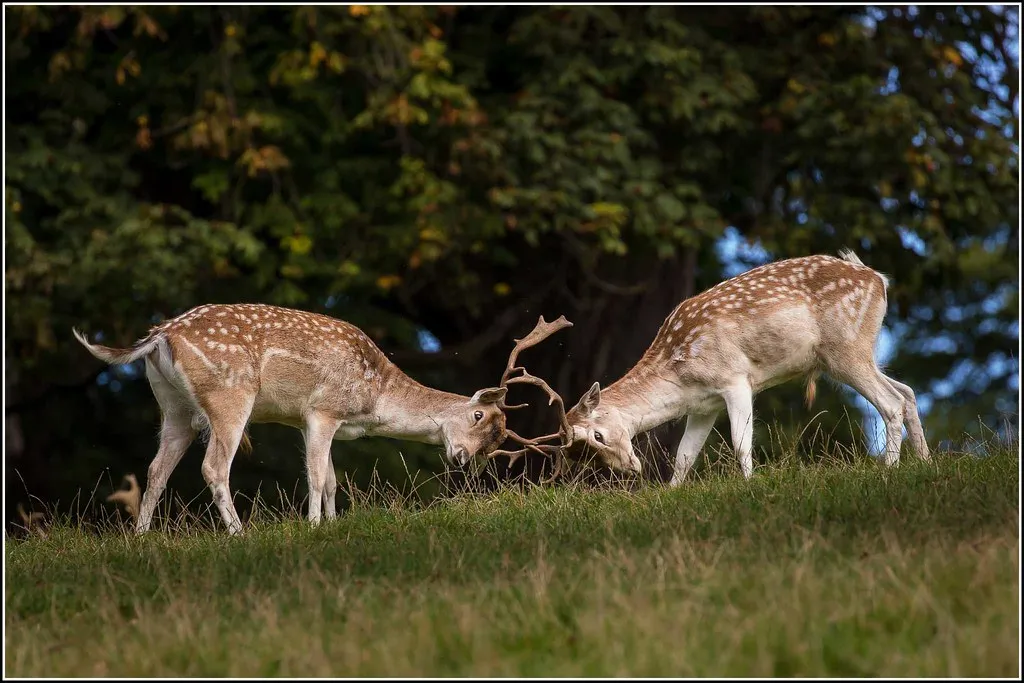
Deer behavior varies with the seasons. During the rut, or mating season, bucks become more active and may expand their range in search of does. This increased movement can lead to more frequent sightings in residential areas.
Conversely, does may seek out quiet, sheltered spots to give birth and raise their fawns, making your yard an attractive nursery during the spring and summer months.
Human Activity and Its Impact

Deer are highly sensitive to human presence. If your yard is relatively quiet, with minimal disturbances, it becomes a safe haven for these animals. Conversely, increased activity or the presence of pets can deter them.
Understanding this dynamic can help you manage deer visits, whether you wish to encourage their presence or discourage it to protect your garden and landscaping.
Potential Risks and Considerations
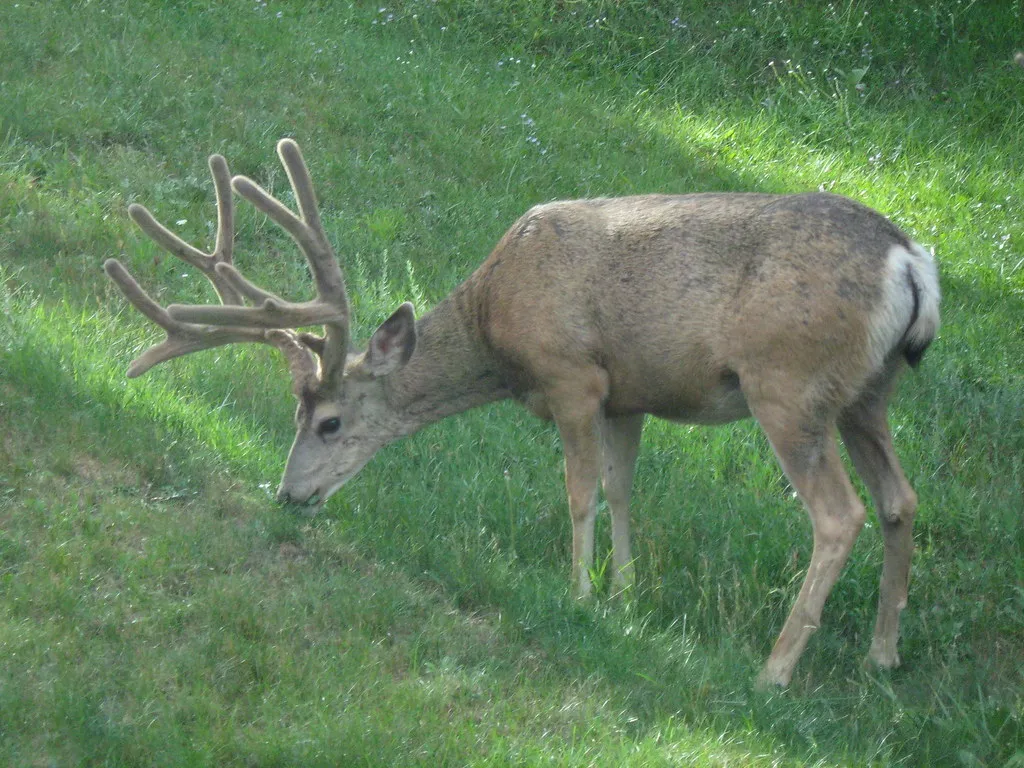
While having a deer frequent your yard can be a delightful experience, it’s essential to be aware of potential risks. Deer can carry ticks that transmit diseases like Lyme disease, posing health concerns for humans and pets.
Additionally, deer can cause significant damage to gardens and landscaping. If their visits become problematic, consider implementing deterrents or modifying your yard to make it less appealing.
Coexisting with Your Four-Legged Visitor
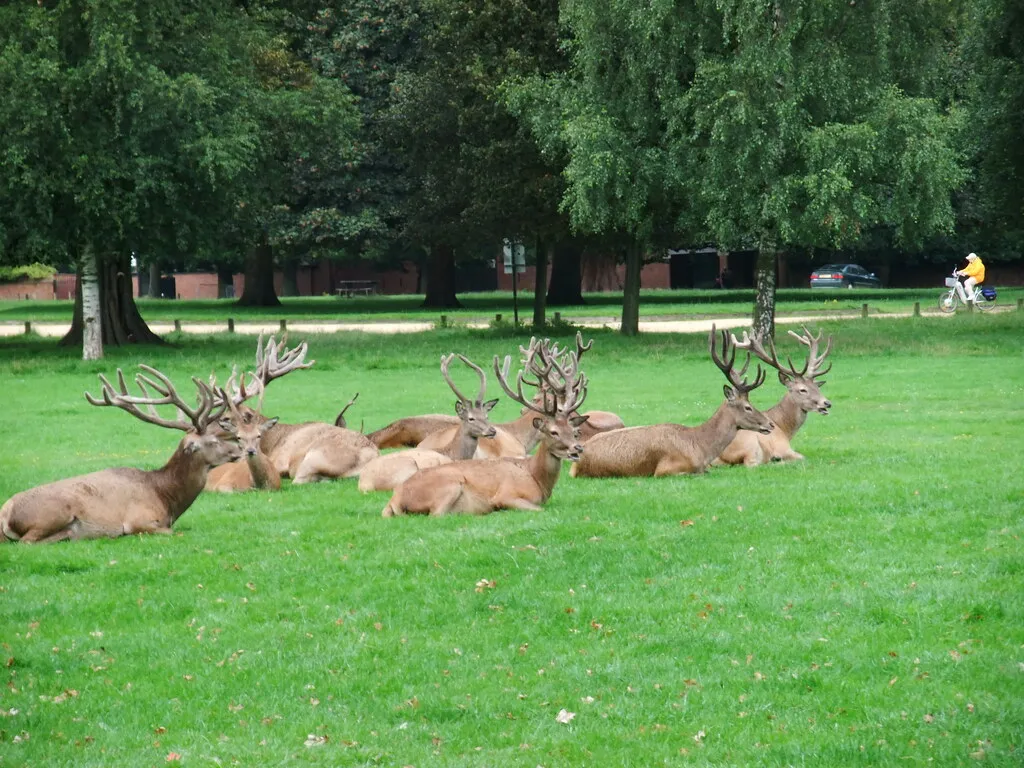
Balancing the joy of observing wildlife with the need to protect your property requires thoughtful strategies. Planting deer-resistant vegetation, using physical barriers, and avoiding feeding wildlife can help manage deer presence.
Remember, while it’s tempting to interact with these beautiful creatures, maintaining a respectful distance ensures their safety and yours.
In conclusion, the repeated appearance of a deer in your yard each morning is a testament to the adaptability and resourcefulness of these animals. Your property likely offers a combination of food, shelter, and safety that meets their needs. While this can be a charming addition to your daily routine, it’s crucial to consider the broader implications and take steps to ensure a harmonious coexistence. After all, isn’t it remarkable how nature finds its way into our lives, even in the most unexpected places?
