
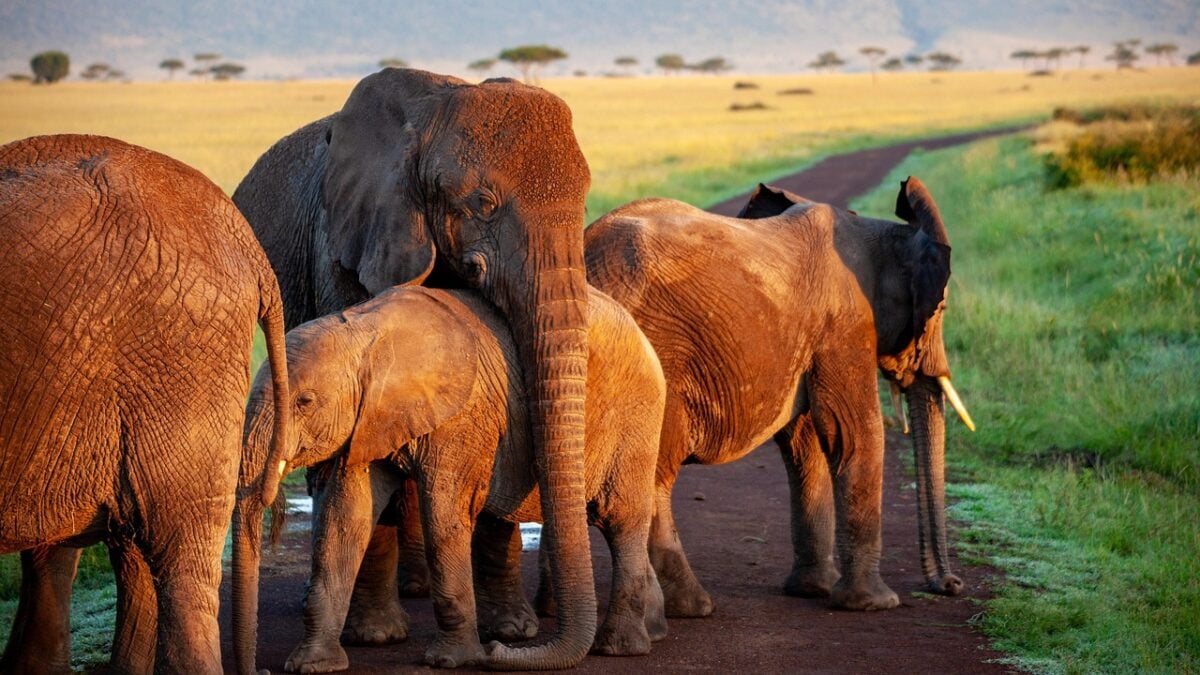
Imagine wandering through a vast savanna, separated from your family for years, yet upon hearing a familiar call, you instantly recognize the voice. This isn’t a scene from a human drama but a reality for elephants. Recent studies reveal that these majestic creatures possess an extraordinary ability to identify the voices of distant herd members, even after prolonged separations.
The Remarkable Memory of Elephants
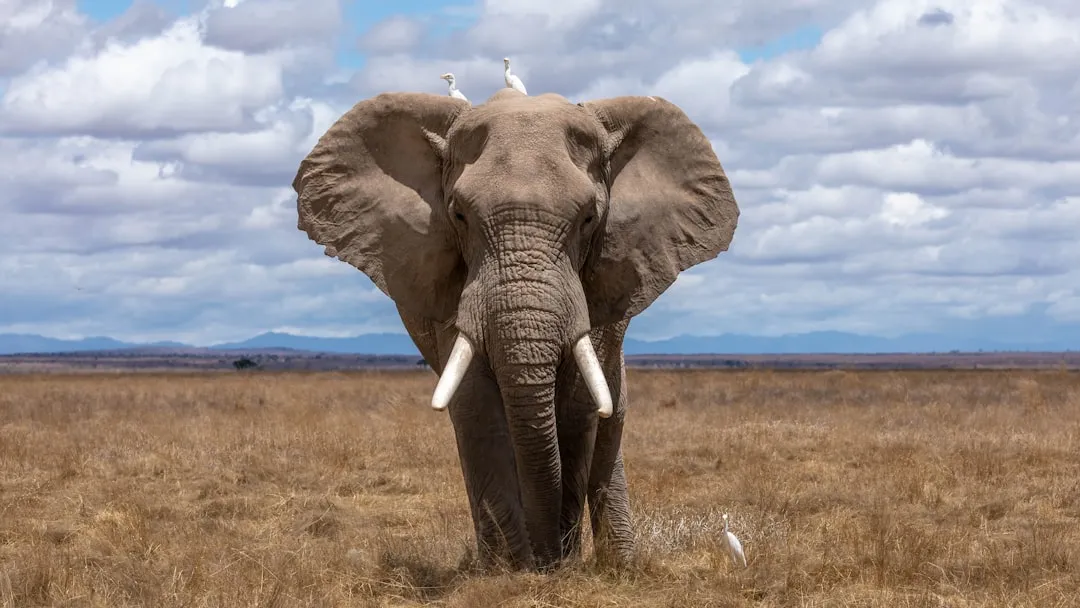
Elephants are renowned for their impressive memory, a trait that plays a crucial role in their survival and social interactions. This memory isn’t just about recalling locations of water sources or recognizing threats; it extends to remembering the unique vocalizations of numerous individuals within their complex social networks. Such cognitive prowess enables them to maintain intricate relationships over vast distances and time periods.
Decoding Elephant Communication
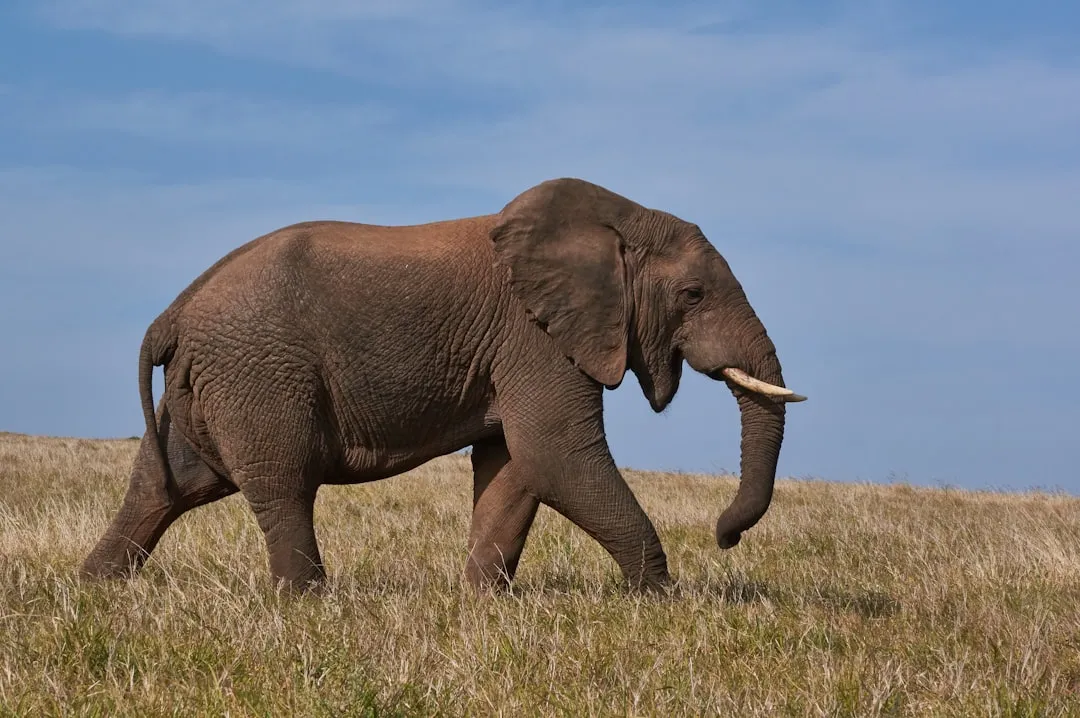
Elephants communicate using a diverse array of vocalizations, including rumbles, trumpets, and roars. Many of these sounds fall within the infrasonic range, frequencies below human hearing, allowing their calls to travel over several kilometers. This low-frequency communication is essential for coordinating movements, signaling danger, and maintaining social bonds across the expansive landscapes they inhabit.
Recognizing Voices Across Time and Distance
Research indicates that elephants can distinguish between the calls of family and bond group members from those of more distant acquaintances. Remarkably, they can recognize the voices of individuals they haven’t encountered in years. This ability suggests a sophisticated level of auditory discrimination and memory, allowing them to identify and respond appropriately to both familiar and unfamiliar individuals within their environment.
Implications for Social Structure and Survival
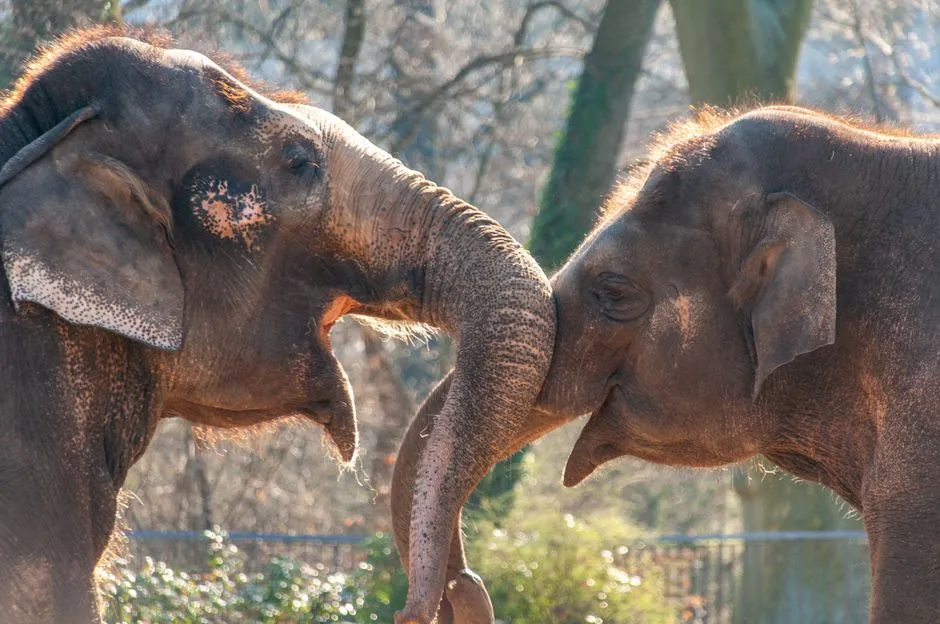
The capacity to recognize and remember individual voices is vital for elephants’ social cohesion and survival. It facilitates the maintenance of complex social structures, aids in reuniting with separated herd members, and enhances their ability to respond to potential threats. For instance, elephants have been observed to react differently to human voices based on the speaker’s age, gender, and ethnicity, indicating a nuanced understanding of their surroundings and potential dangers.
Comparisons with Other Species
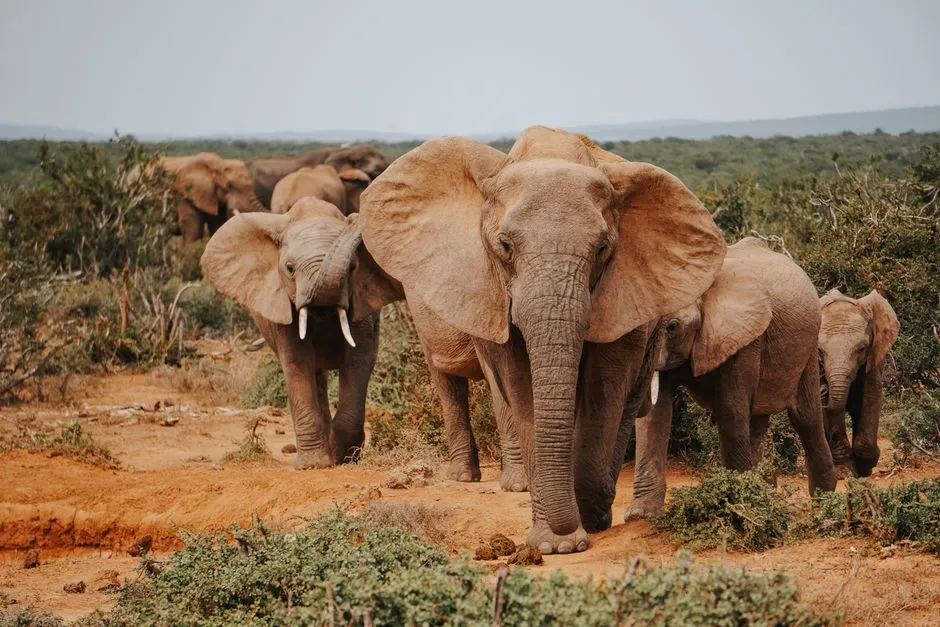
While other animals, such as dolphins and parrots, are known to use unique vocalizations to identify individuals, elephants’ ability to assign arbitrary vocal labels to each other without relying on imitation is particularly noteworthy. This behavior suggests a level of abstract thinking and communication complexity that parallels certain aspects of human language, highlighting the advanced cognitive abilities of elephants.
Conservation Implications
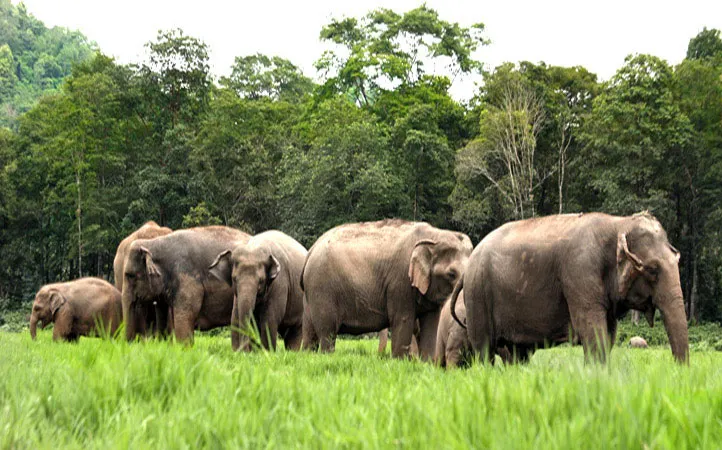
Understanding the depth of elephants’ communication and memory underscores the importance of preserving their natural habitats and social structures. Disruptions caused by human activities can have profound effects on their well-being and survival. Recognizing their sophisticated social behaviors and cognitive abilities can inform more effective conservation strategies that respect and protect these intelligent beings.
Conclusion
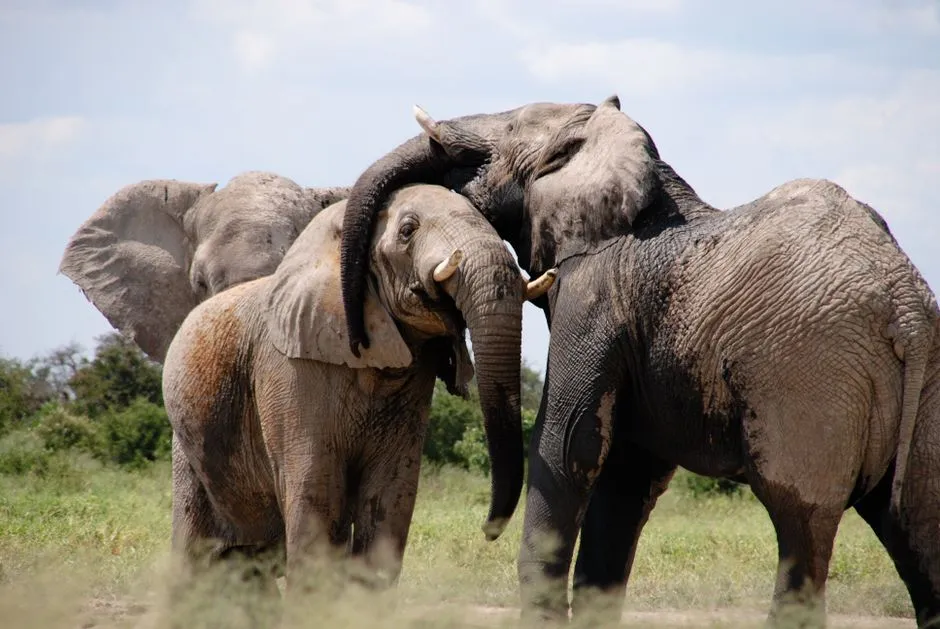
The discovery that elephants can recognize the voices of distant herd members they haven’t seen in years is a testament to their remarkable cognitive and social capabilities. This ability not only highlights the complexity of their communication systems but also emphasizes the depth of their social bonds. As we continue to uncover the intricacies of elephant behavior, it becomes increasingly clear that these gentle giants possess a level of intelligence and emotional depth that demands our respect and protection. How much more might we learn if we truly listen to the voices of the wild?
