

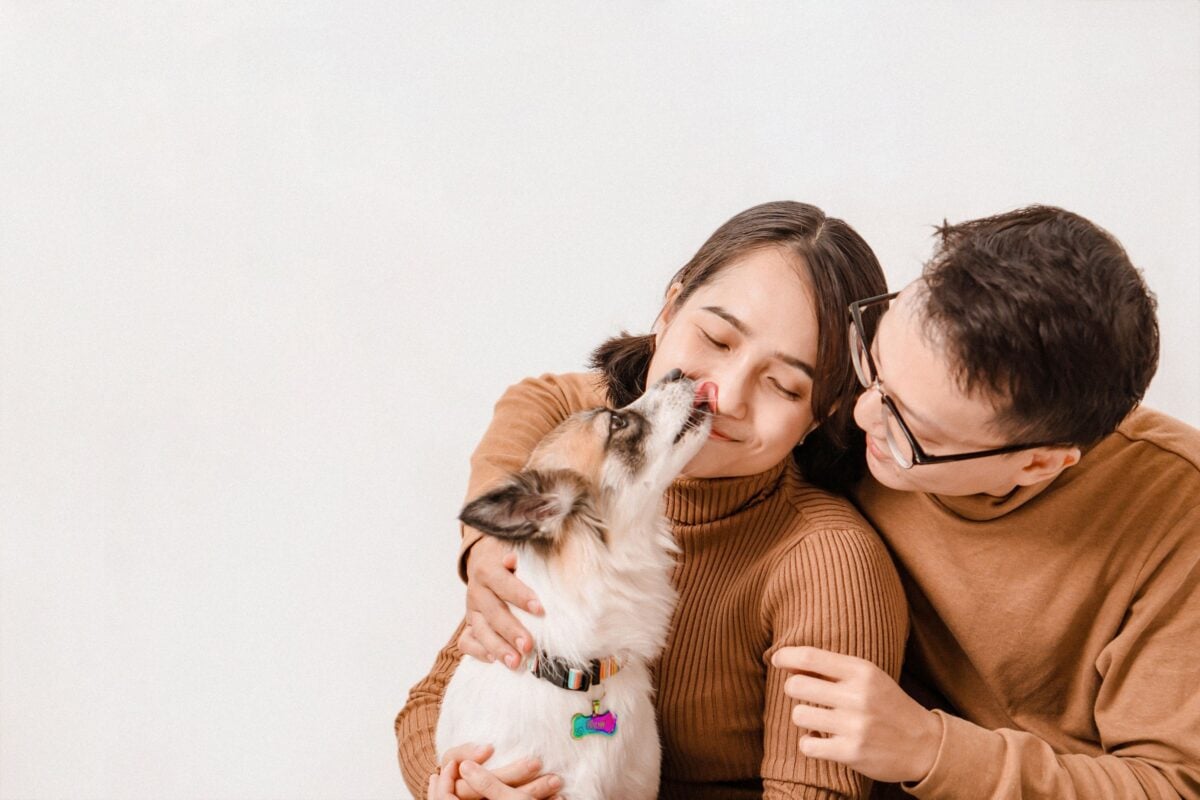
Dogs are our loyal companions, sharing in our joys and, occasionally, our frustrations. When they misstep – chewing a favorite shoe or having an accident indoors – they often attempt to communicate their remorse. However, their methods are subtle, and many owners overlook these heartfelt gestures. Understanding these signs can deepen the bond between you and your furry friend.
1. Avoiding Eye Contact
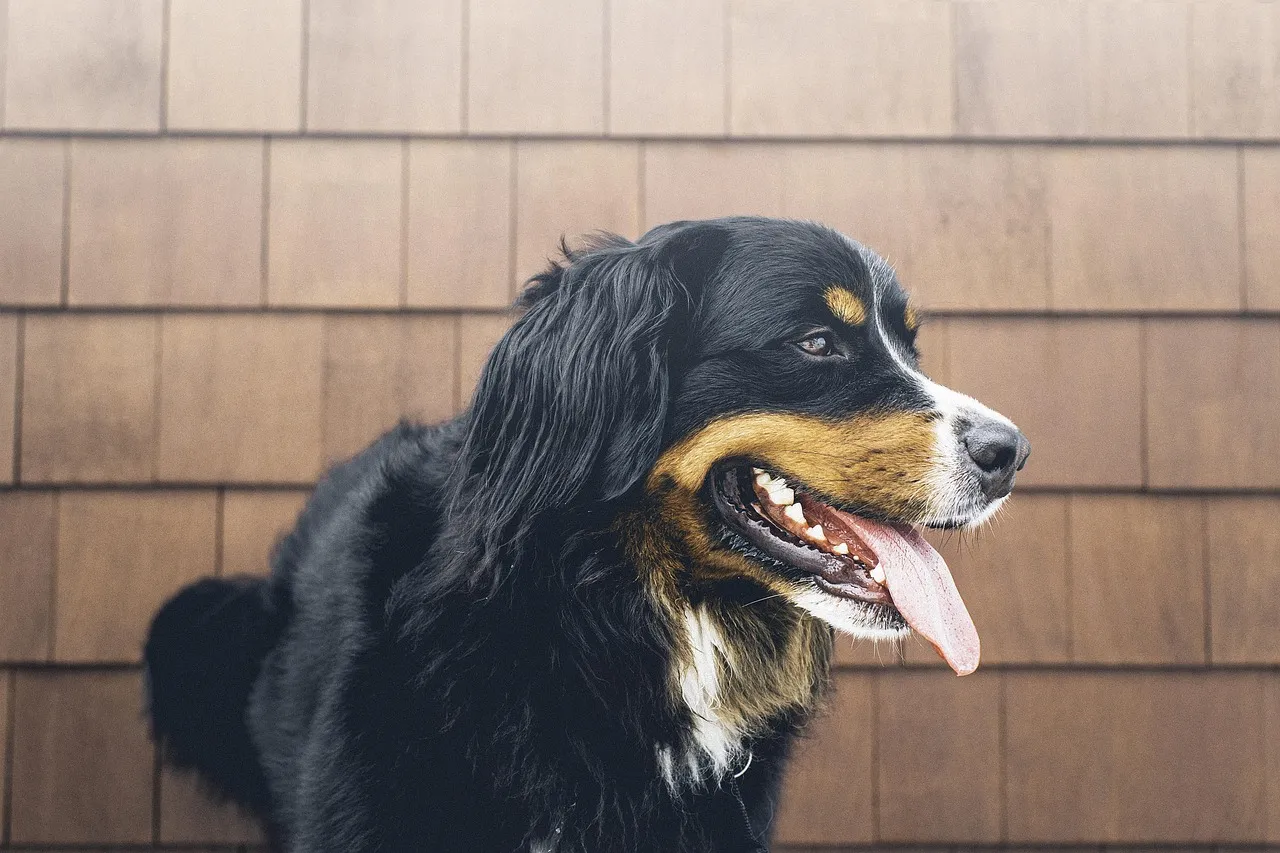
After a mishap, you might notice your dog deliberately looking away. This isn’t defiance; it’s a canine way of showing submission and acknowledging your displeasure. By averting their gaze, they’re signaling that they recognize your authority and are not a threat.
This behavior stems from their ancestral pack dynamics, where direct eye contact can be perceived as a challenge. By looking away, your dog is trying to diffuse tension and restore harmony.
2. Tucking Their Tail
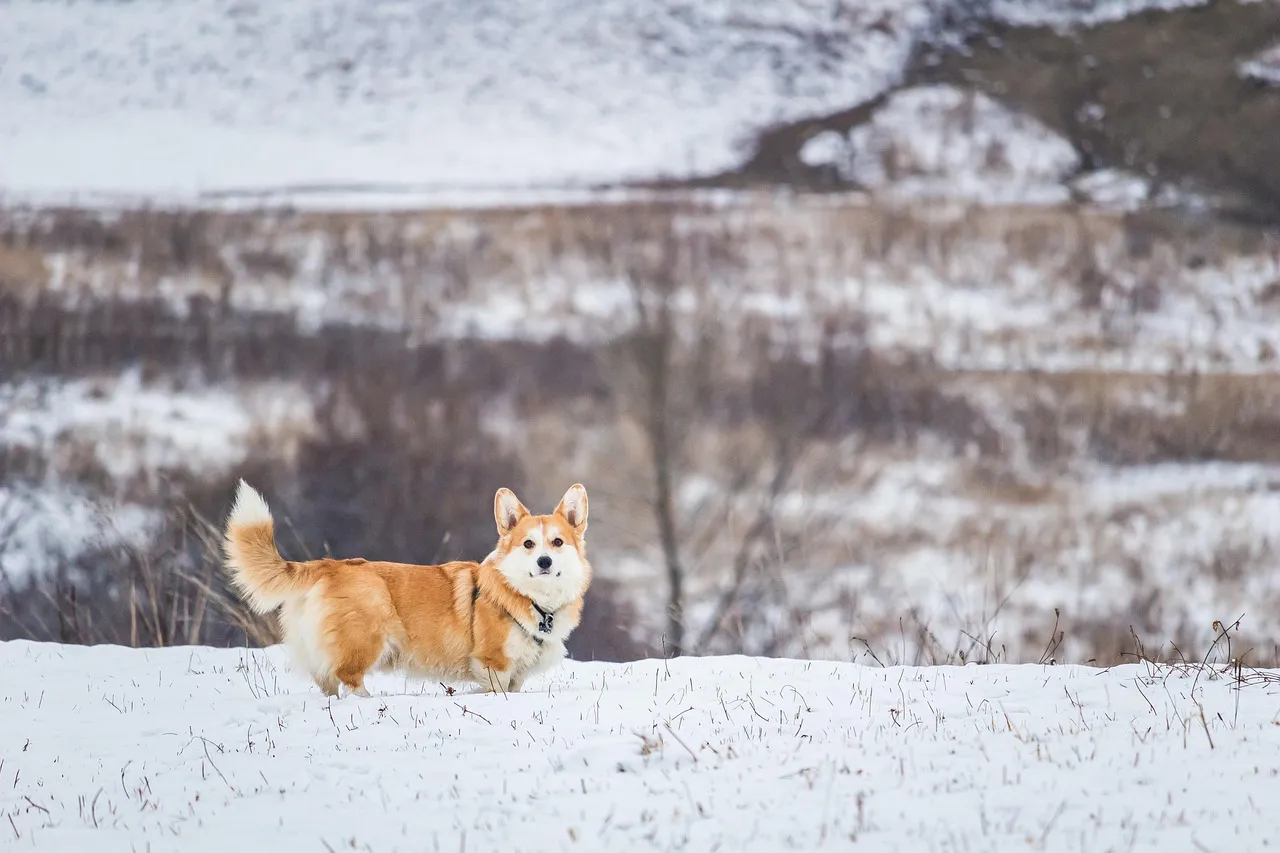
A tail tucked between the legs is a classic sign of submission in dogs. When they do this after misbehaving, it’s their way of expressing regret and seeking forgiveness. This posture makes them appear smaller and less dominant, indicating they mean no harm.
It’s essential to approach them calmly during these moments, as this gesture also signifies vulnerability. Reassuring them can help rebuild trust and comfort.
3. Lowering Their Ears
Flattened ears, especially when combined with other submissive behaviors, indicate that your dog is feeling anxious about your reaction. This is their way of showing they understand they’ve upset you and are seeking to make amends.
Observing this cue can help you gauge their emotional state and respond appropriately, ensuring they feel safe and understood.
4. Rolling Over to Show Their Belly
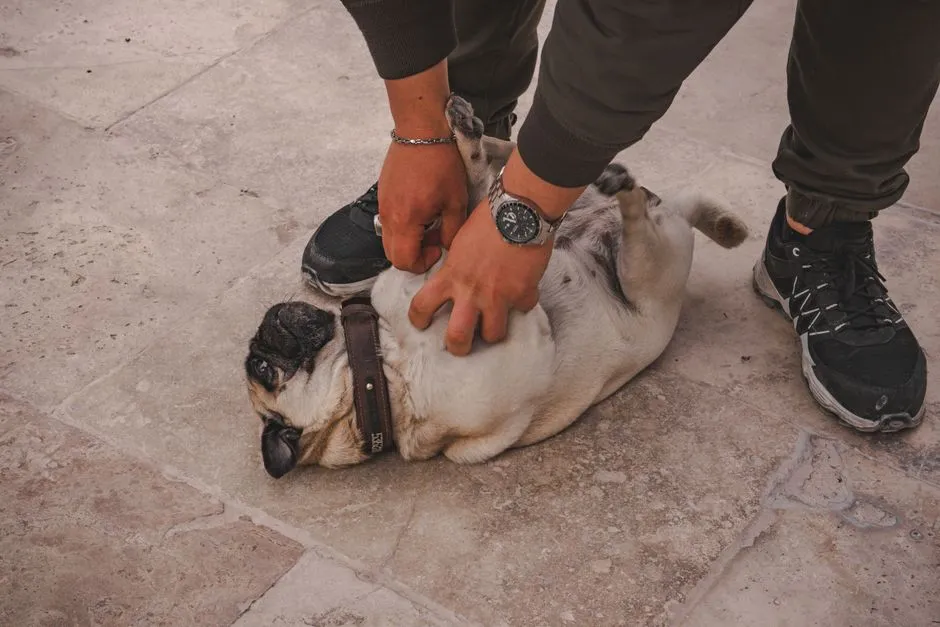
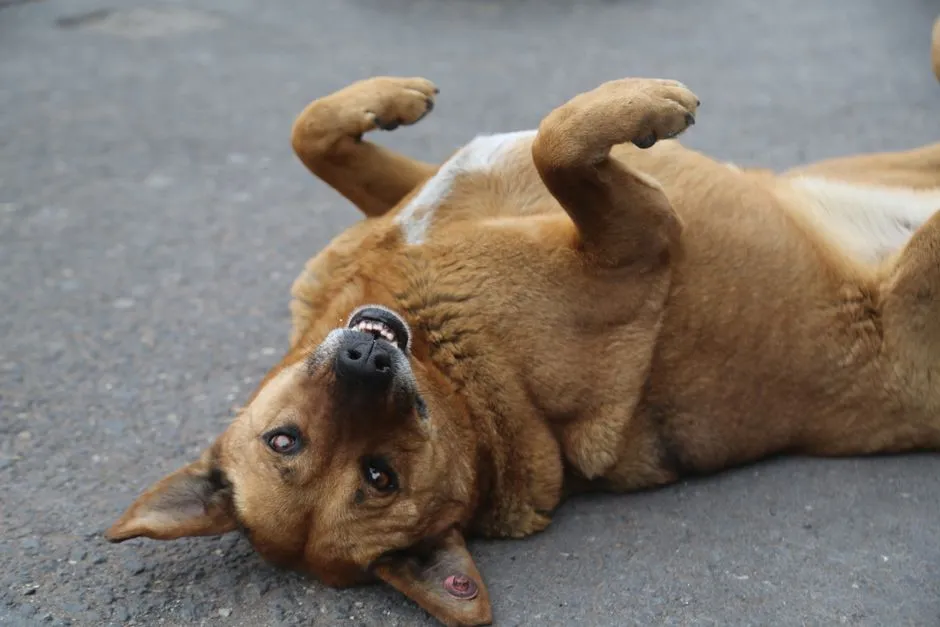
Exposing the belly is a significant act of submission in the canine world. When your dog does this after a misdeed, they’re signaling trust and a desire to appease you. It’s their way of saying, “I surrender; please don’t be mad.”
Responding with gentle reassurance can reinforce positive behavior and strengthen your bond.
5. Licking You
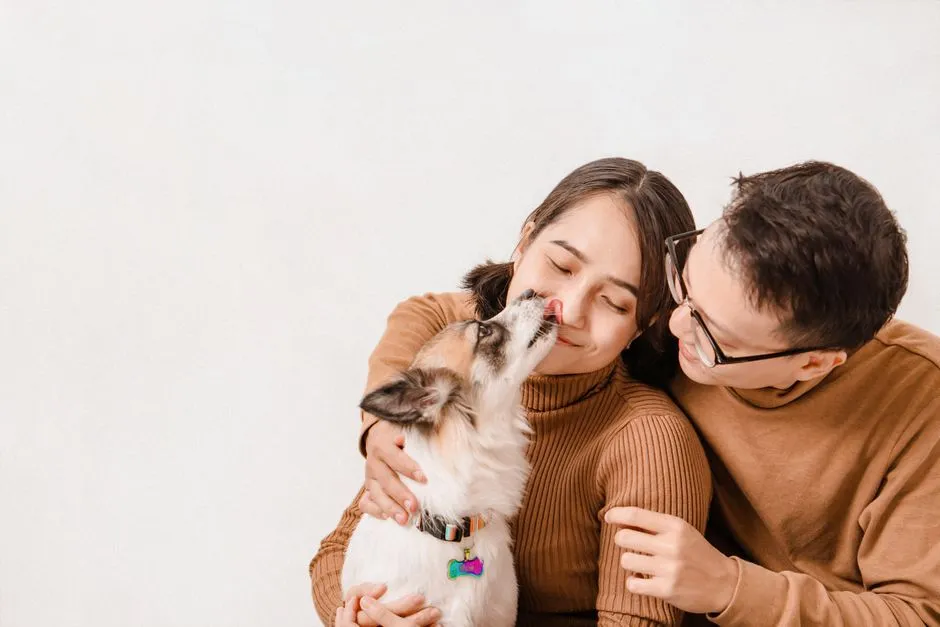
Licking is a multifaceted behavior in dogs. Beyond affection, it can serve as an appeasement gesture. If your dog licks you after being scolded, they’re attempting to pacify you and restore your bond.
Understanding this can help you recognize their efforts to communicate and mend the situation.
6. Yawning
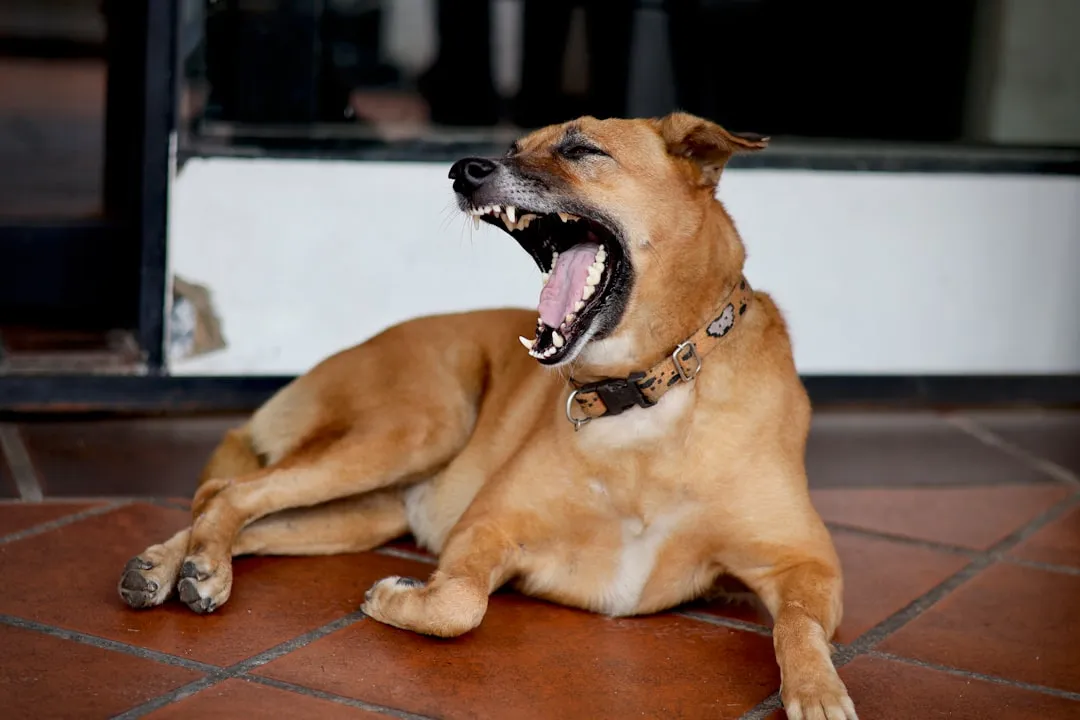
While yawning often indicates tiredness, in certain contexts, it’s a stress signal. If your dog yawns after a reprimand, it might be their way of coping with the tension and trying to calm both themselves and you.
Recognizing this can help you approach the situation with more empathy and patience.
7. Cowering or Lowering Their Body
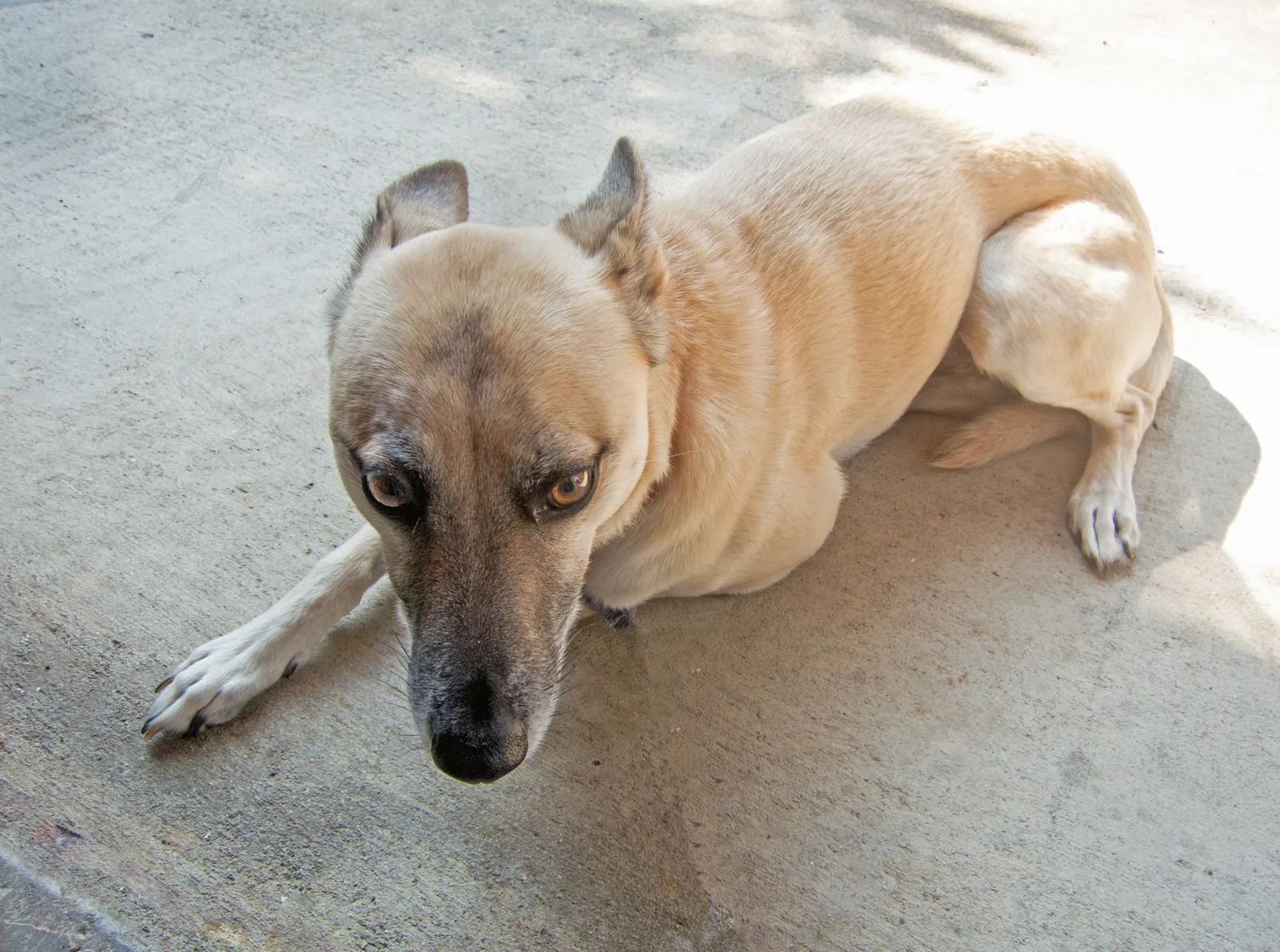
When a dog lowers their body or cowers, they’re displaying submission and acknowledging your authority. This behavior is a plea for peace and an attempt to avoid further conflict.
Approaching them with kindness during these moments can help alleviate their anxiety and reinforce positive interactions.
8. Pawing at You
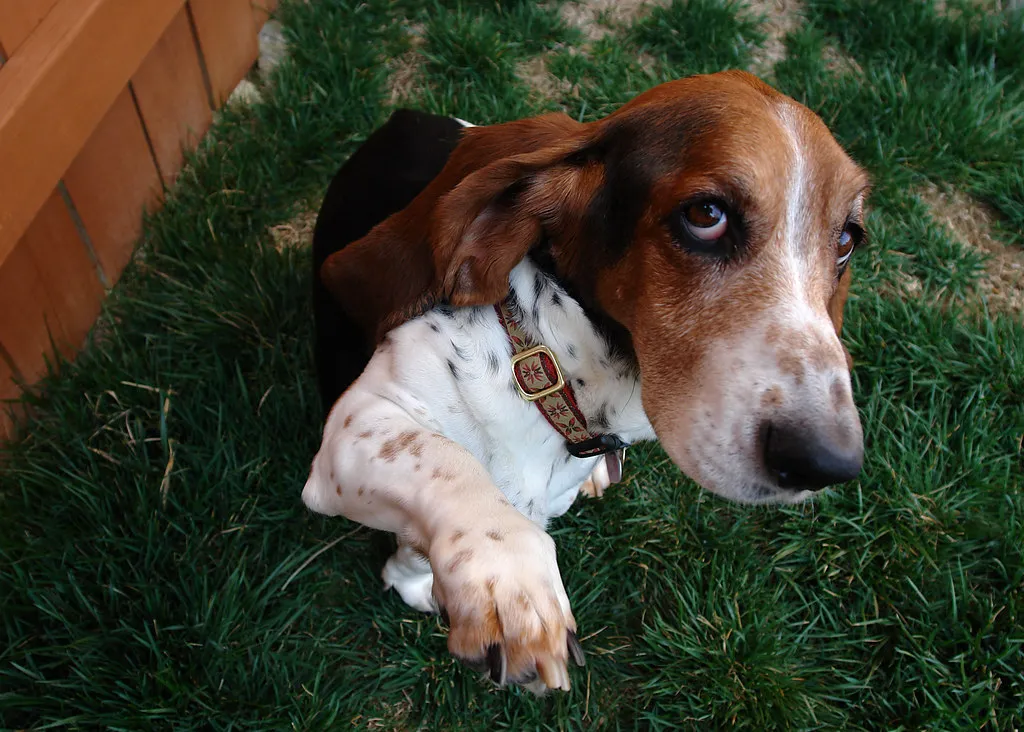
A gentle paw on your leg or arm can be your dog’s way of seeking attention and reconciliation. It’s a subtle gesture that says, “I’m here, and I’m sorry.”
Responding to this with affection can help mend any rift and reassure your dog of your bond.
9. Bringing You a Toy
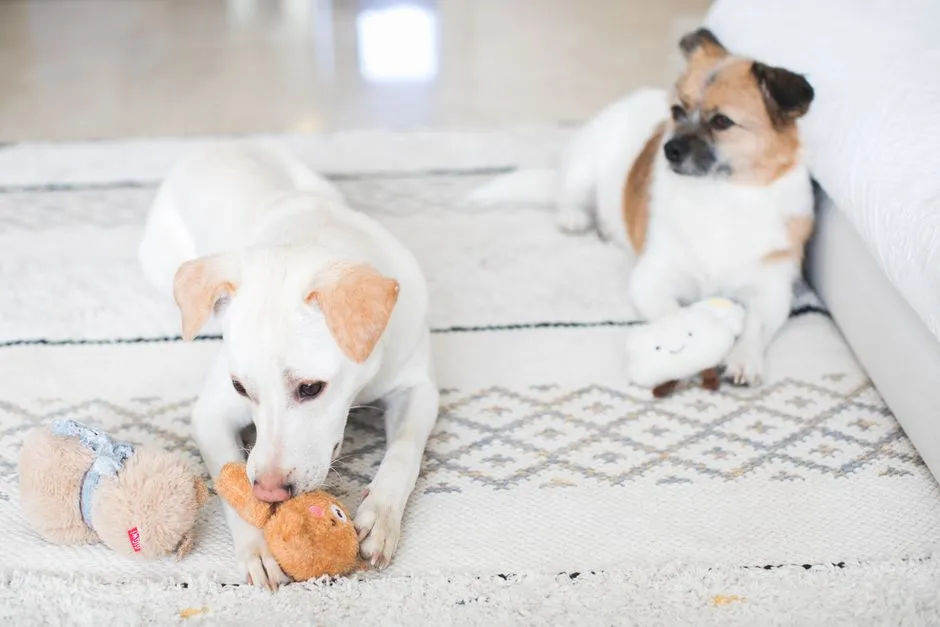
Offering a favorite toy is a dog’s way of making amends. It’s as if they’re saying, “I want to share something I love with you to make things right.”
Accepting this gesture and engaging in play can help turn a negative situation into a positive bonding experience.
10. Following You Closely
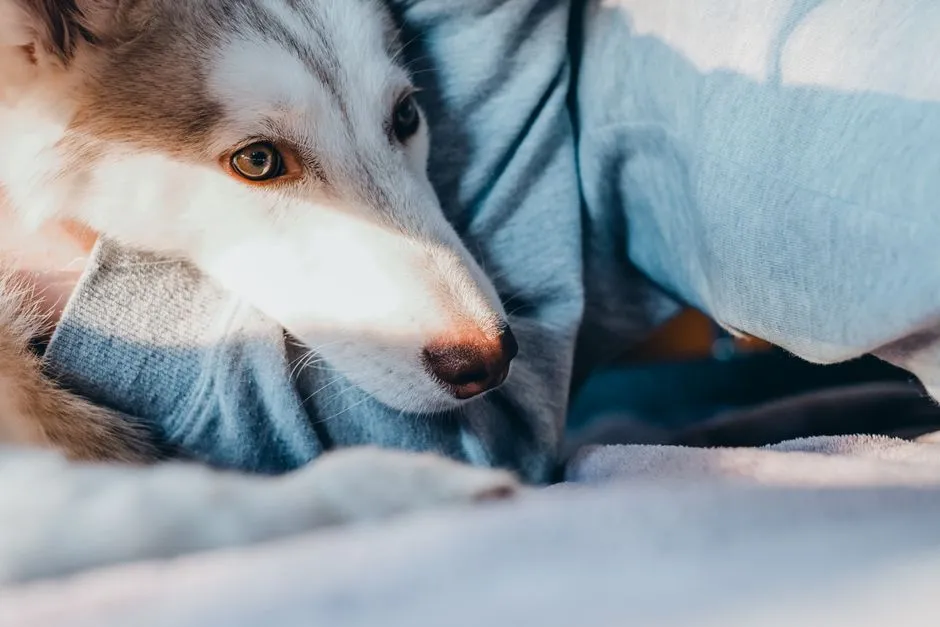
After a misstep, your dog might stick to you like glue. This behavior indicates their desire to stay connected and ensure they’re still in your good graces.
Acknowledging their presence and offering reassurance can help them feel secure and loved.
11. Sitting or Lying Down Near You
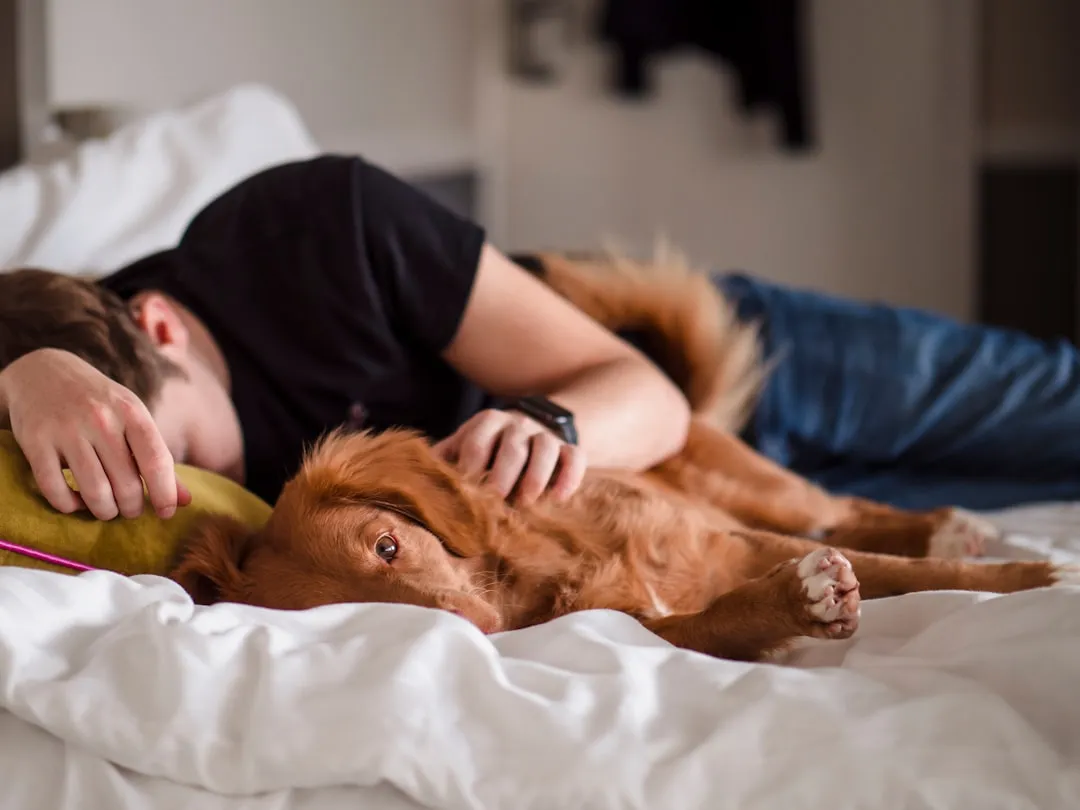
Choosing to stay close, even after being scolded, shows your dog’s commitment to the relationship. They’re seeking comfort and a sign that all is forgiven.
Offering a gentle pat or kind words can reinforce your bond and help them feel at ease.
12. Slow Blinking
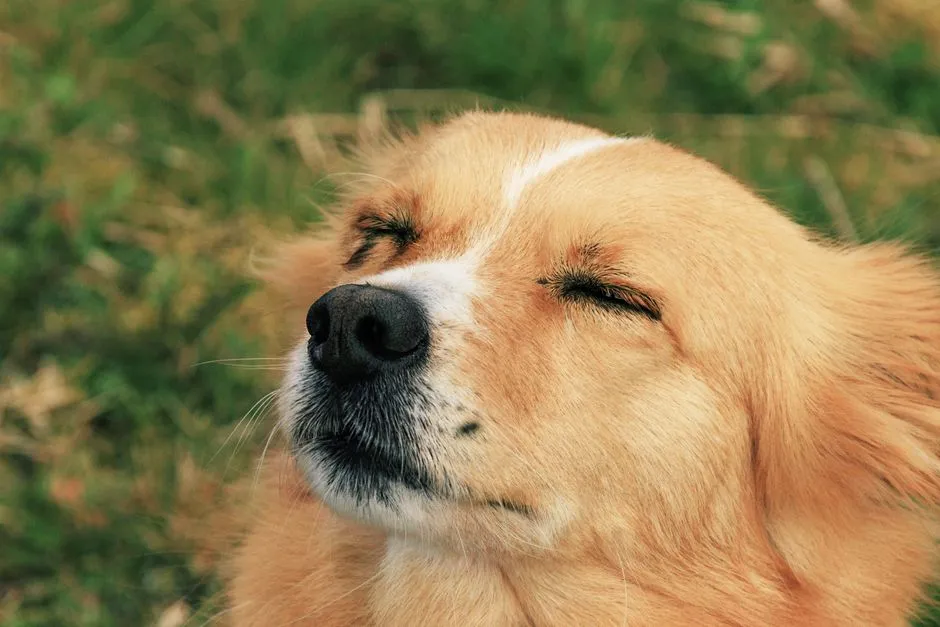
In the animal kingdom, slow blinking is a sign of trust and affection. If your dog gazes at you and blinks slowly after a reprimand, they’re trying to communicate peace and a desire to reconnect.
Returning the gesture can help bridge any emotional gap and reassure your dog of your affection.
13. Sighing
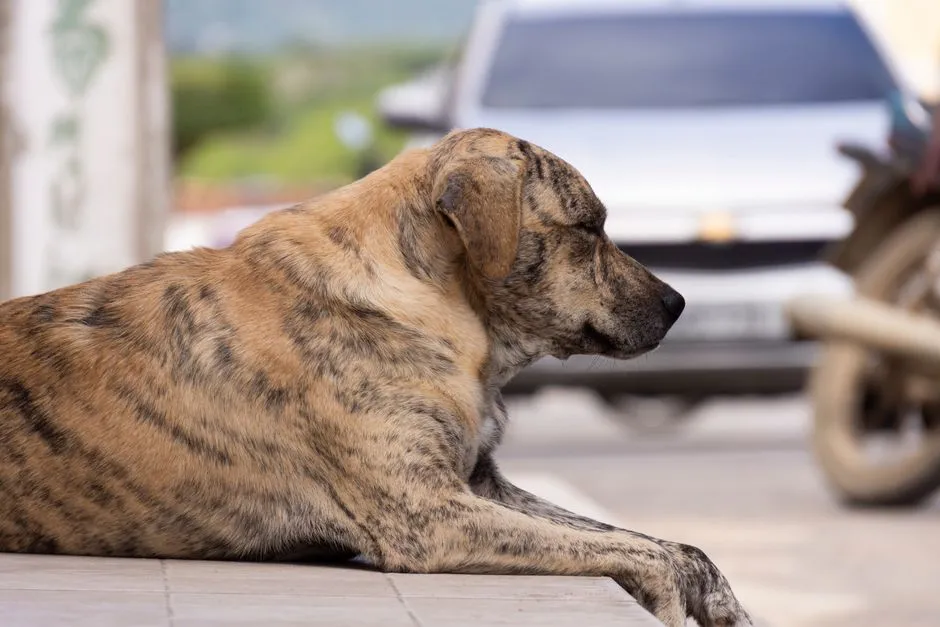
A deep sigh from your dog can indicate relief and a desire to move past the tension. It’s their way of expressing, “I’m glad we’re okay now.”
Recognizing this can help you understand their emotional state and respond with empathy.
Understanding these subtle cues can transform your relationship with your dog. While they might not experience guilt as humans do, their behaviors are genuine attempts to communicate and maintain harmony. By recognizing and responding to these gestures, you foster a deeper, more empathetic bond with your canine companion. So, the next time your dog offers a paw or avoids your gaze, remember – they’re speaking to you in their own special way. Are you listening?
