
The evolutionary logic of a turned back
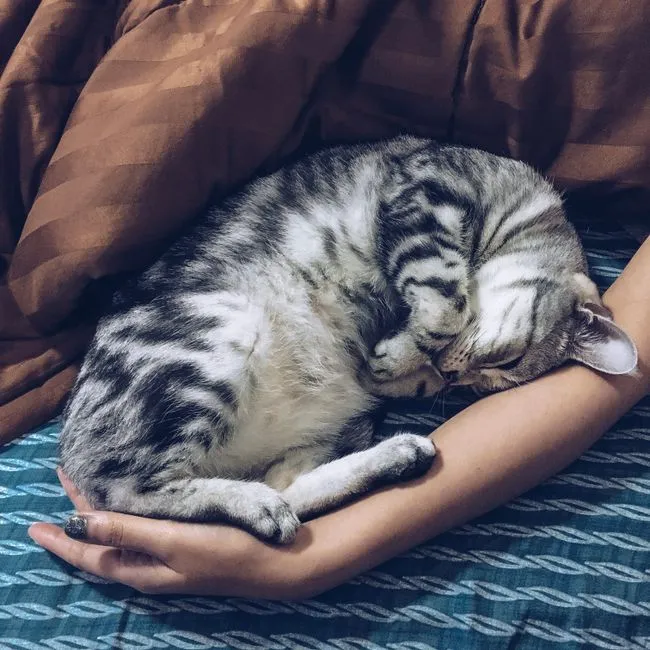
Cats occupy an unusual spot in the animal kingdom. They hunt smaller creatures while also being watched by larger ones, which means their bodies and instincts are wired for both roles simultaneously. Cats are unique because they are both apex predators and potential prey for larger animals, and because of this duality, their survival instincts are incredibly sharp. That dual identity shapes almost everything about how they rest, move, and position themselves around others.
In a natural setting, a resting cat with its back exposed is a cat that has made itself an easy target. In the wild, a cat’s back is their biggest blind spot and most vulnerable area, since it’s the spot where a predator could sneak up on them while they cannot see it happening. Choosing to expose that blind spot voluntarily, rather than out of exhaustion or carelessness, is not a small decision from a cat’s point of view.
What veterinarians actually say about the behavior
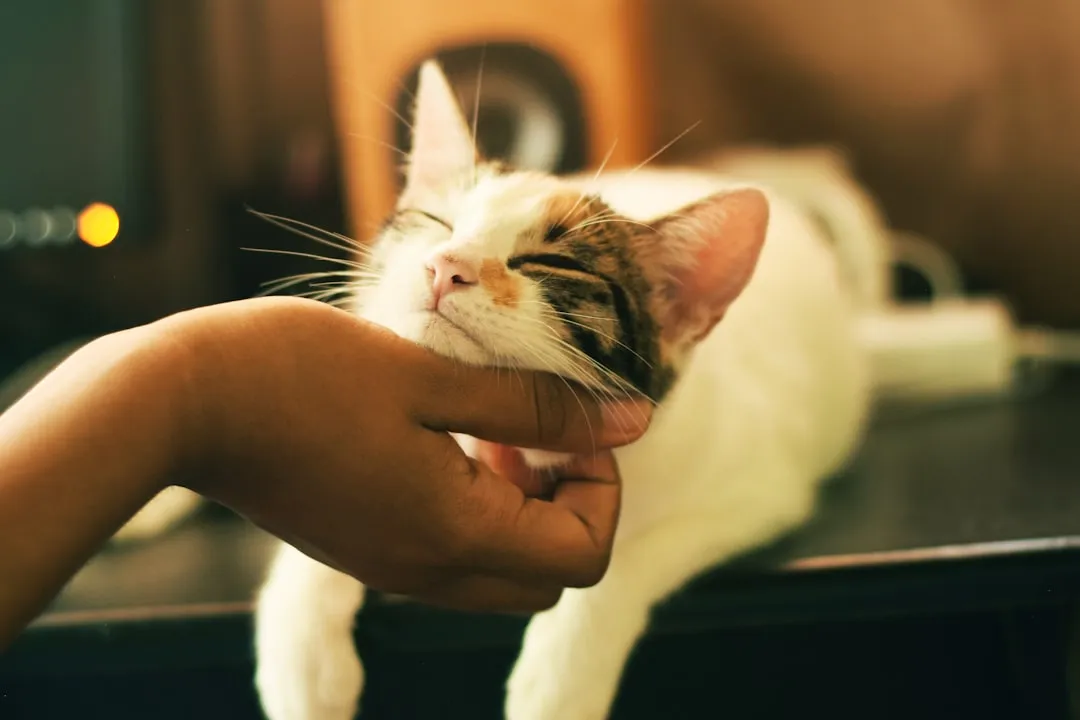
Veterinary professionals who study feline behavior tend to agree on the core interpretation, even if they phrase it differently. Cats are typically at the top of the food chain, but even still, they have to keep a watchful eye out for danger, and sleep is a vulnerable time, so a cat sleeping near you is indicating that it trusts you and feels content and secure with you. That combination of vigilance and vulnerability is exactly why the behavior gets flagged as meaningful rather than incidental.
Feline behavior consultants describe the moment a cat turns its back during rest as something close to a handoff of responsibility. Since a cat is both predator and prey, it wants to position itself in the safest place, and if it turns its back on you as it settles down, it’s showing that it trusts you and maybe even that it’s going to watch the environment for both of you. In other words, the cat isn’t ignoring you so much as delegating the job of watching the room.
The back as a biological blind spot
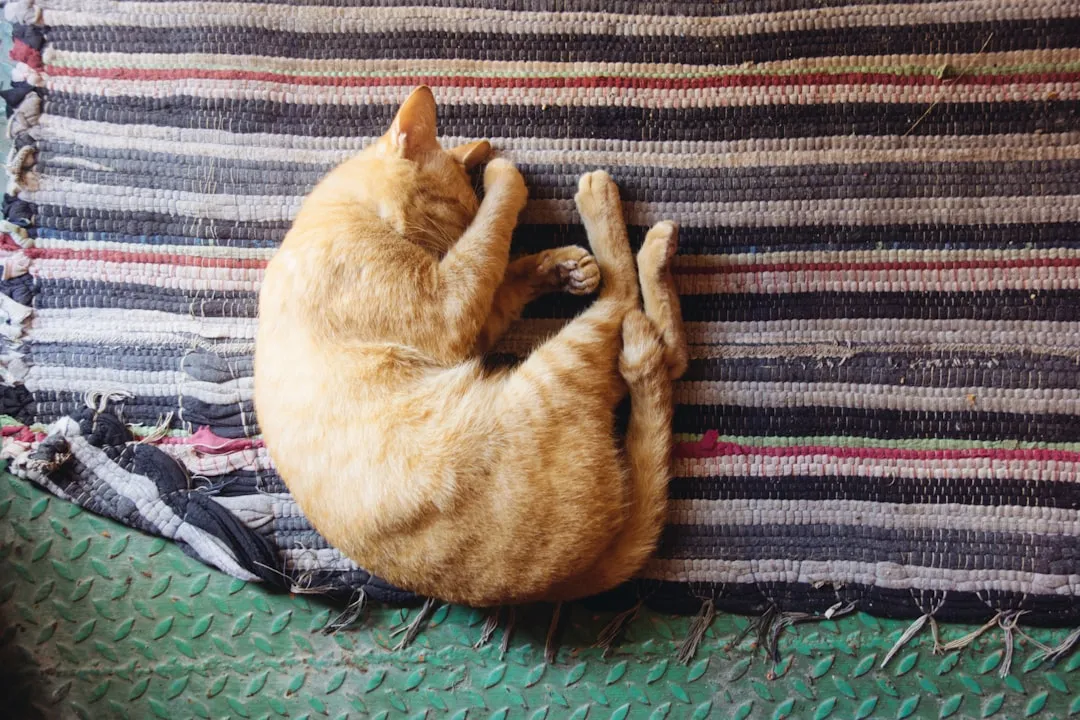
It helps to think about this literally rather than emotionally. A cat’s eyes, whiskers, and ears are all forward facing, built to track movement, scent, and sound ahead of them. Sleeping with their back exposed shows they feel safe enough to trust you, since the rear is a vulnerable area for cats, and by facing away, they keep their senses alert to other directions as a natural survival instinct. That’s the mechanical reality behind the posture, separate from any warmth or emotion attached to it.
This is also why the behavior shows up in wild cats, not just the domesticated version curled up on a bed. Large cats in prides and family groups display comparable postures when they feel secure among trusted companions, reinforcing that this isn’t a quirk invented by house cats. The instinct predates domestication entirely, which is part of why researchers treat it as a genuinely reliable signal rather than a coincidence.
Trust exists on a sliding scale, not a switch
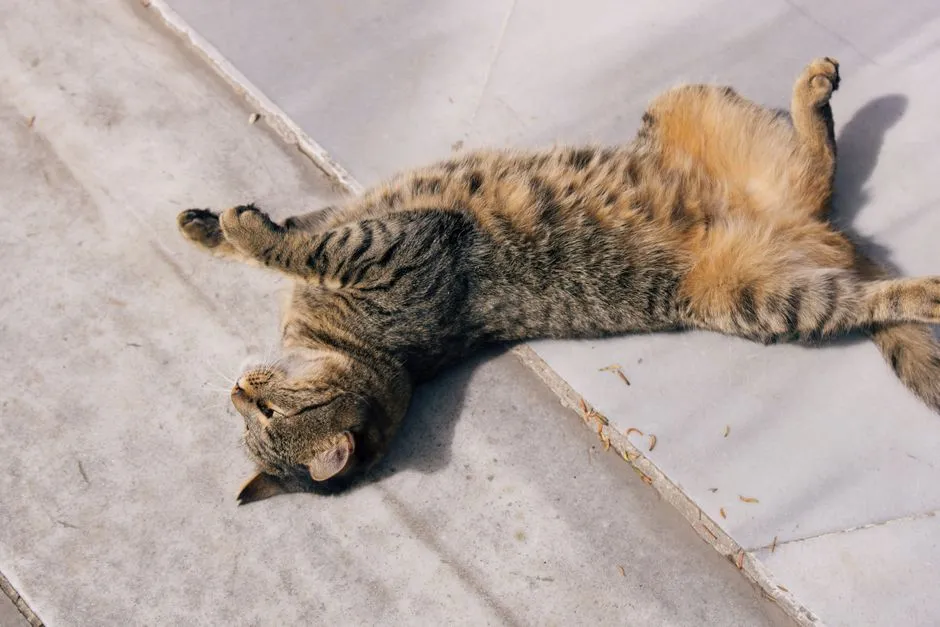
Not every turned back means the same level of trust, and that nuance matters. This position allows cats to protect their vulnerable front while resting their back against a trusted companion, striking a natural balance between relaxation and survival instincts that cats maintain even during sleep. A cat pressed against your leg with its back turned while still facing the open doorway is doing something slightly different than one fully stretched out, belly up, in a closed room.
The fuller version of trust tends to involve the whole body, not just the back. When cats sleep on their back with their belly exposed, it usually means they feel safe, comfortable, and secure in their environment, since exposing the belly during sleep is often a sign of trust and confidence. Reading these postures together, rather than in isolation, gives a much clearer picture of how relaxed a cat actually feels in a given moment.
Trust versus simple warmth seeking
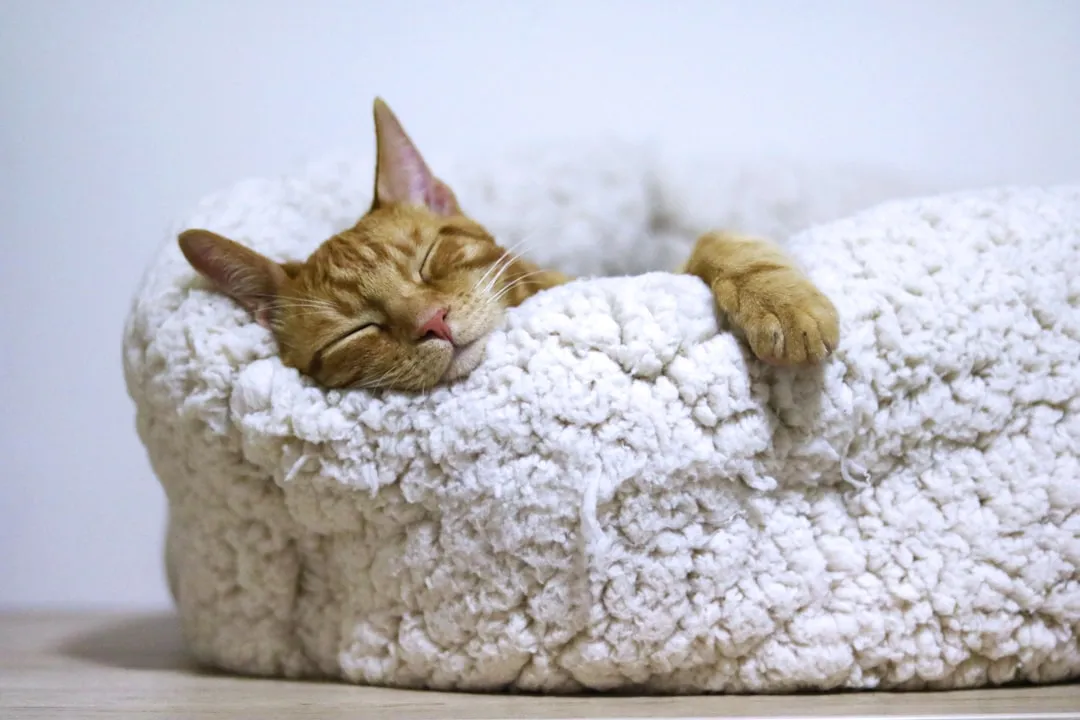
It’s worth being honest that not every instance of a cat turning away is a grand emotional statement. Cats are also just looking for the nearest warm body, and cats often choose sleeping positions that maximize their comfort and warmth, since sleeping with their bum toward you can help them regulate body heat and feel cozy. Sometimes the science is less poetic than people want it to be.
Still, warmth seeking and trust aren’t mutually exclusive, and in most cases they reinforce each other. Body warmth provides a comfortable environment, and a person’s presence offers a sense of security, and that combination encourages a cat to relax fully. A cat that felt genuinely unsafe wouldn’t stick around for the warmth either, so the two motivations tend to travel together rather than compete.
When the behavior suddenly changes
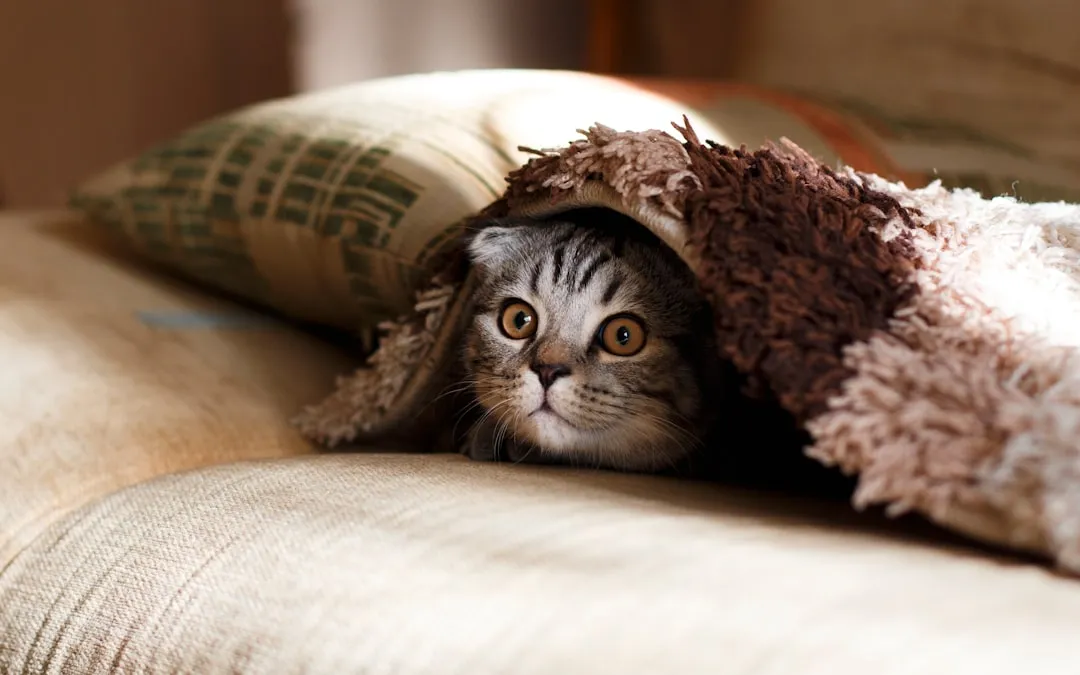
Because this posture is so tied to comfort, a sudden shift away from it is worth paying attention to. If a cat that always slept back turned starts avoiding that position, hiding, or refusing to settle near you, something in its environment or health may have changed. A sudden, ongoing change can indicate stress, fear, or pain, so it’s worth checking for recent household changes like new pets, visitors, or renovations, and consulting a veterinarian if the behavior persists more than several days or pairs with appetite or grooming changes.
This is where the line between behavior and health becomes genuinely important, not just interesting trivia. Cats that suddenly begin sleeping, resting, or spending unusual amounts of time in unusual spots may be experiencing an underlying issue, and because this behavior can indicate a significant change in a cat’s health, it’s worth contacting a veterinarian if it develops unexpectedly. A single off night rarely means much, but a pattern shift over a week or two deserves a proper look.
How to respond without overreacting
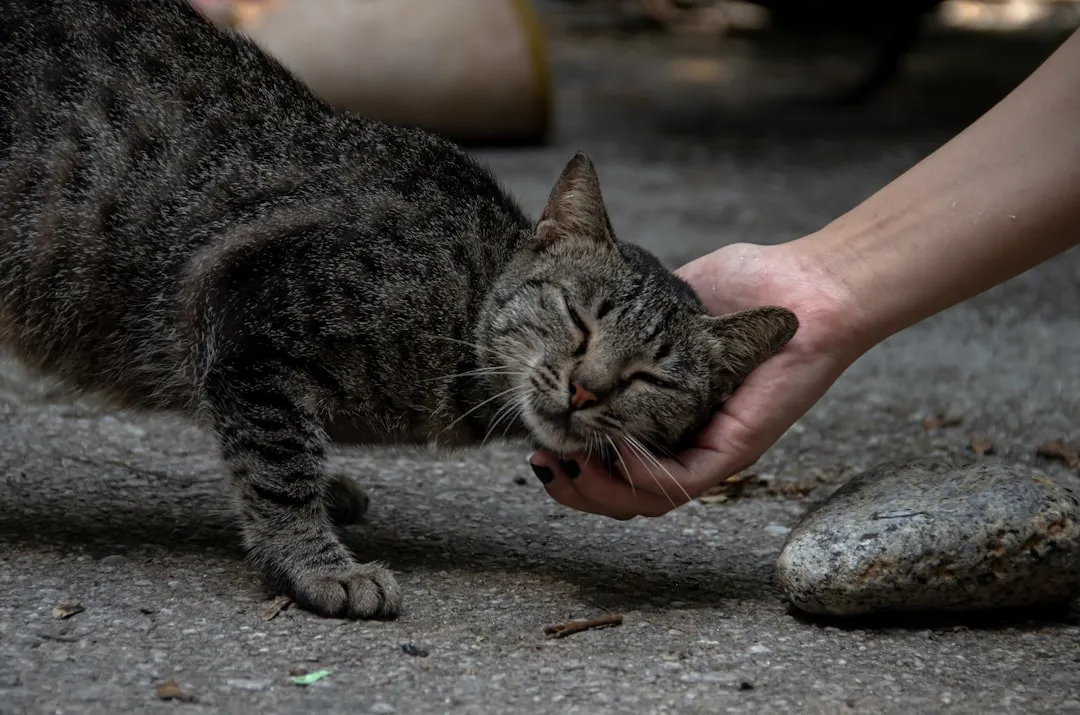
The right response to a cat sleeping back turned toward you is, in most cases, simply to let it happen. Using a soft voice and calm movements helps a cat continue to associate turning their back with safe, predictable interactions, and the next time it happens, it’s worth seeing it as a special invitation for trust and bonding rather than something to disturb. Sudden movement, loud noise, or grabbing at a sleeping cat undoes exactly the calm signal that earned the behavior in the first place.
There’s also value in noticing the broader pattern of trust cues rather than fixating on one posture alone. Cats that trust their humans might also like to sleep nearby, spend time with them, knead them or groom them, maintain soft eye contact, be excited to greet them, approach with an upright tail, and meow in welcome. Taken together, these small behaviors build a far more convincing picture of the bond than any single moment ever could.
The takeaway
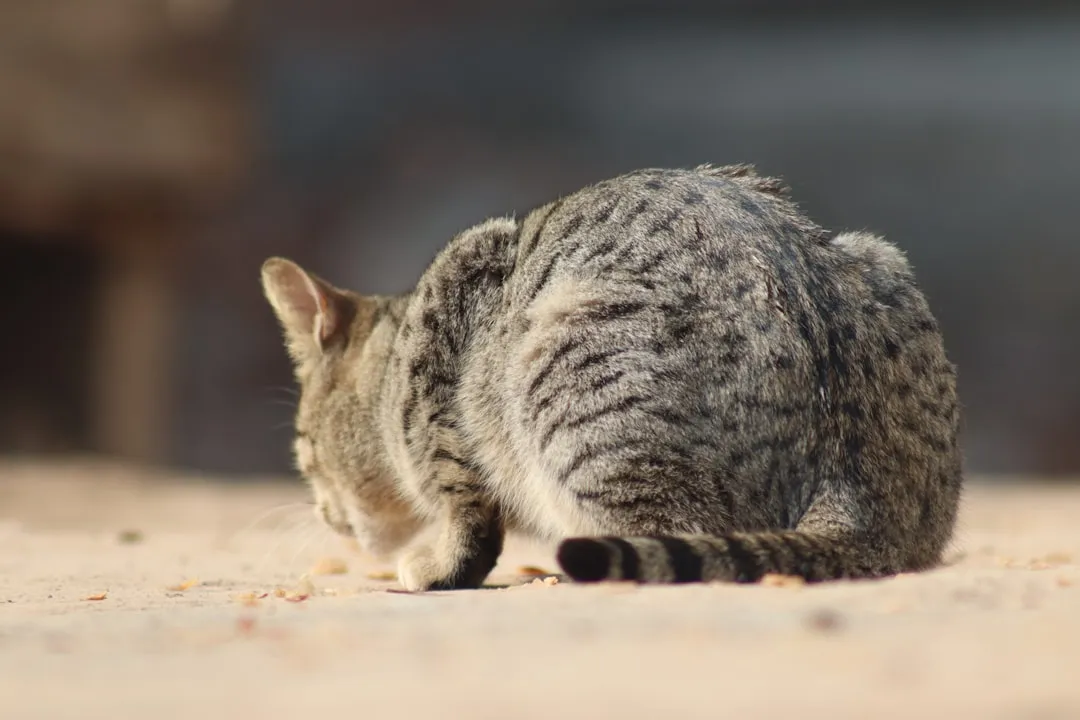
People spend a lot of energy trying to decode whether their cat actually likes them, and honestly, a turned back while sleeping is about as close to an answer as cats are willing to give. It’s not affection performed for an audience the way a dog might wag its tail. It’s quieter than that, and arguably more honest, because a cat has nothing to gain by faking vulnerability.
My own take is that this is one of the more underrated compliments in the pet world, precisely because it asks nothing of you in return. A dog begging for attention is easy to read. A cat choosing to stop watching its own back, in your presence specifically, is a small act of faith that took millions of years of instinct to override. That’s worth appreciating the next time you find yourself staring at the back of a sleeping cat instead of its face.
