
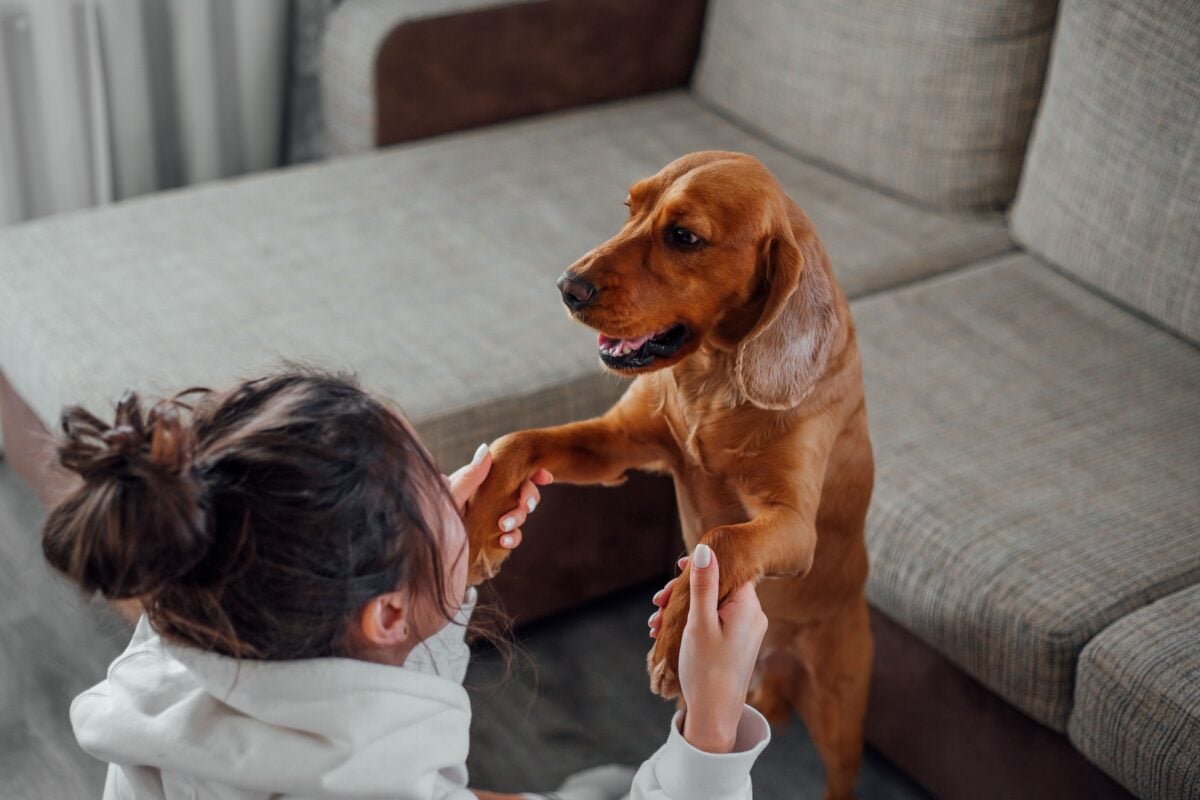
Bringing home a rescue dog can feel a bit like dating someone who’s been badly hurt before. They might flinch at sudden movements, avoid eye contact, or act like they don’t care whether you’re there or not. It’s easy to take it personally or to worry that your dog is somehow broken beyond repair. But underneath all that fear and confusion, there’s usually a heart that desperately wants to trust again – it just needs time and a thousand tiny moments of safety.
The beautiful part is that healing rarely arrives in one big dramatic change. It shows up quietly, in small everyday behaviors that are easy to miss if you’re not looking for them. If you’ve ever wondered whether your rescue pup actually loves you, these subtle signs can be incredibly reassuring. Let’s walk through the little clues that your “damaged” dog is actually rebuilding its faith in humans – starting with you.
#1 They Start Choosing to Be Near You (Even Just in the Same Room)
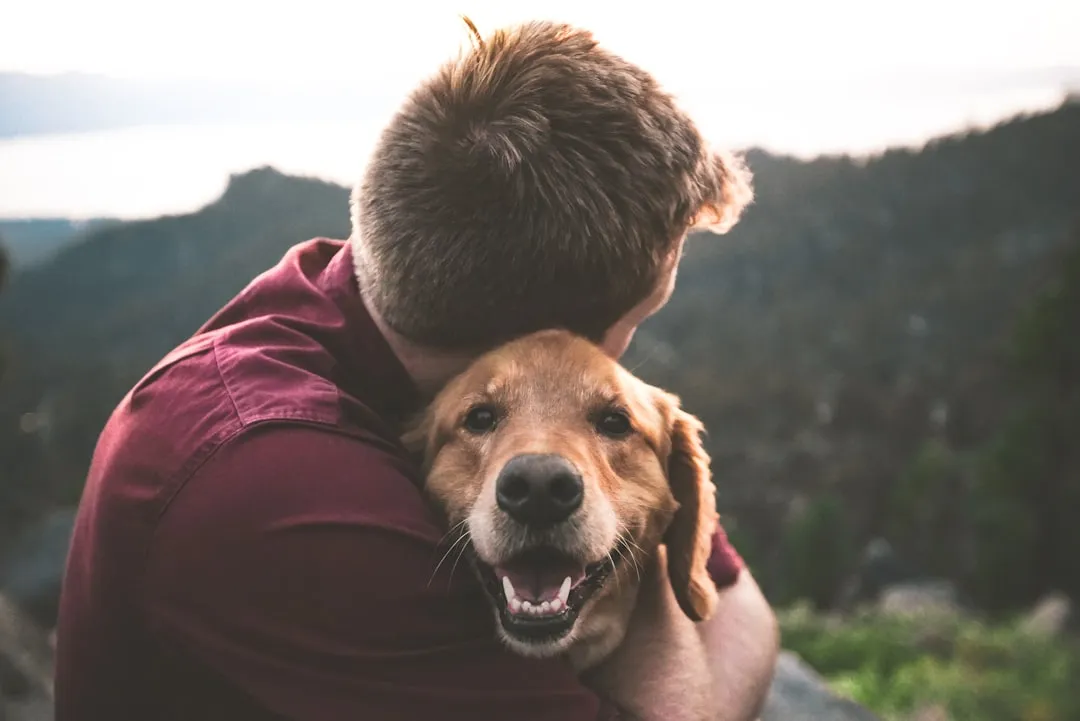
One of the earliest signs a rescue dog is warming up is simple: they choose proximity. Maybe at first they hide in a corner or stay glued to their bed, but over time you notice they quietly move to the room you’re in, even if they’re still keeping a few feet of space. They might pretend they don’t care, looking away and lying down with a sigh, but their choice to exist near you is a massive step.
Think of it like a friend who sits at the other end of the couch instead of in a different room. They may not be ready for a hug, but they want to share your air. For a dog with a shaky history with humans, that choice means you’re becoming part of their safety zone. It’s not dramatic, but it’s powerful proof: you’re no longer a stranger, you’re becoming their person.
#2 Their Body Softens When You’re Around
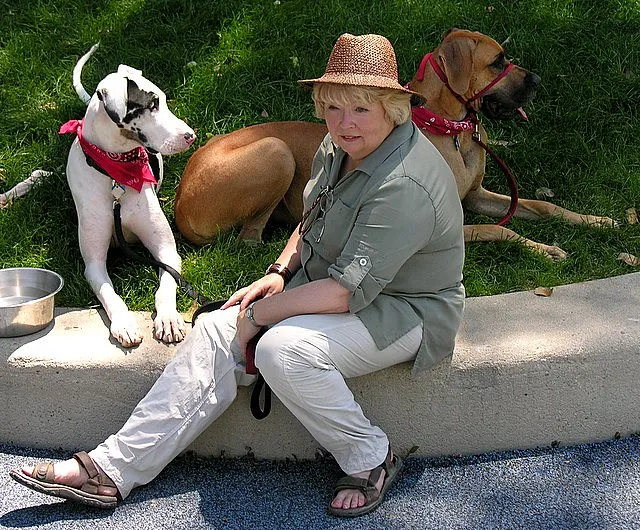
Rescue dogs often carry their history in their muscles. You’ll see tension in a stiff tail, a tight jaw, a frozen posture. When they begin to trust you, their body language slowly shifts from braced and guarded to soft and relaxed. Maybe their tail lies loosely instead of tucked, their ears rest naturally, or their breathing deepens when you sit down next to them.
This softening is like watching someone finally exhale after holding their breath for years. It may show up as a little side flop onto their hip or a gentle stretch followed by a long, noisy sigh. Those are not just “cute dog things” – they’re physical proof your dog’s nervous system is learning that your home, and your presence, are safe places to let their guard down.
#3 They Accept Treats From Your Hand (Instead of the Floor)
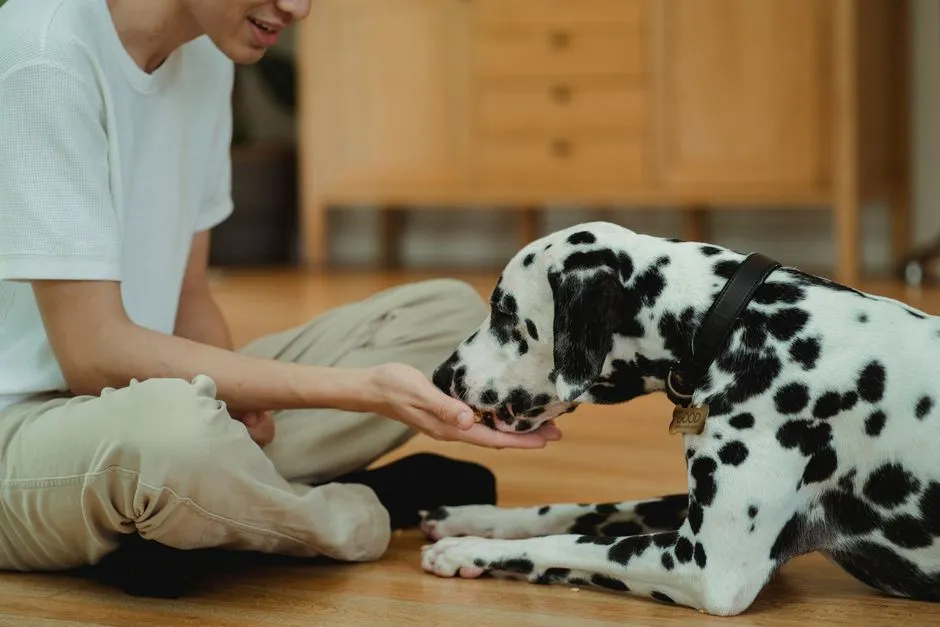
At first, many nervous rescues will only eat if you toss food away from you or leave it in their bowl and back off. Taking something directly from your hand requires them to come close, focus on you, and believe you’re not a threat. When they finally lean in for that treat instead of waiting for you to drop it, that’s a huge trust deposit in your shared emotional bank account.
Over time, you might see their hesitation fade. Instead of cautiously creeping forward, they may approach with more confidence, even wagging or licking your fingers after. It seems tiny, but food is one of a dog’s core survival needs. Saying “yes” to food from your hand is their way of letting you into the inner circle of things they associate with feeling safe and cared for.
#4 They Begin to Check In With You During Walks
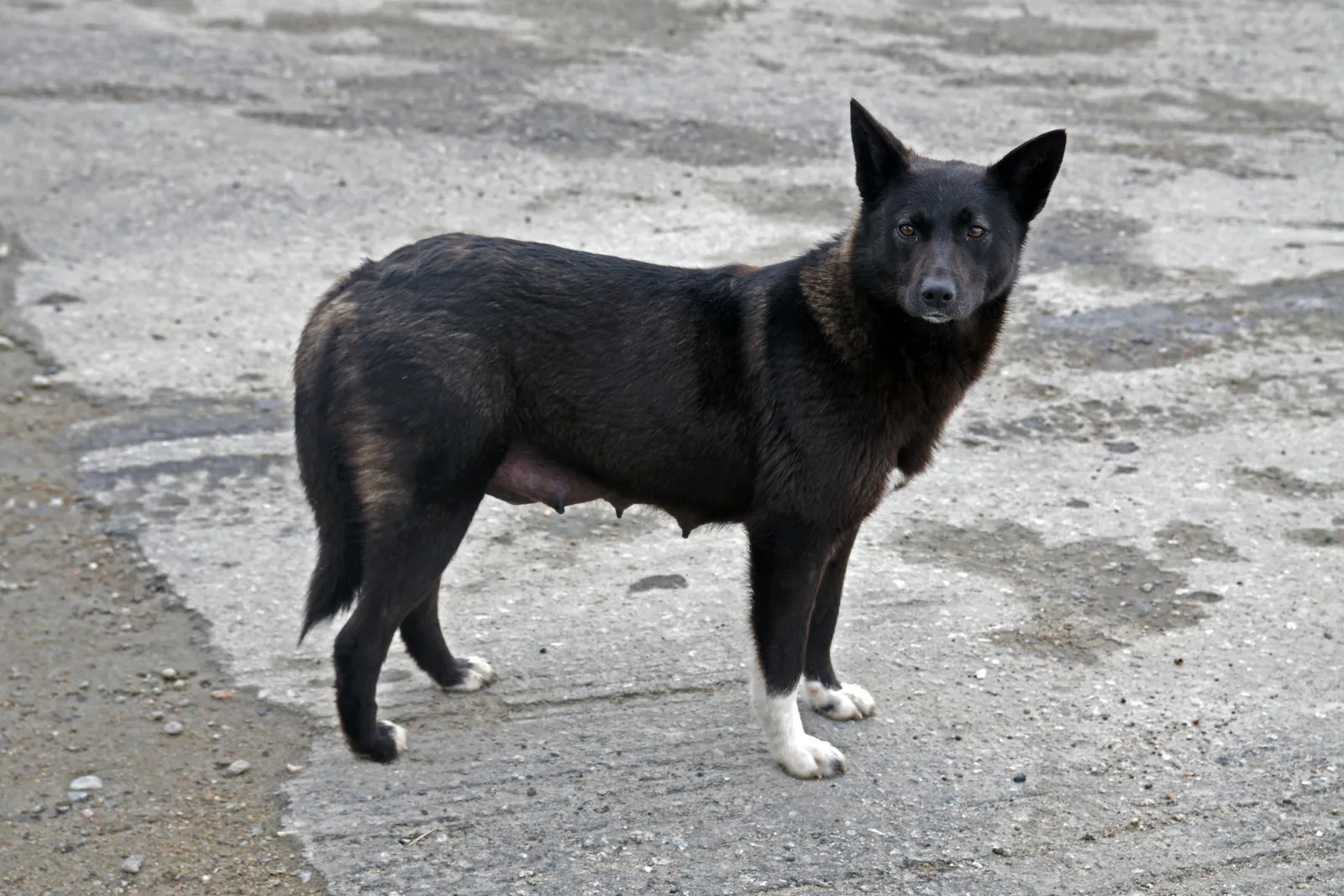
In the early days, some rescue pups go into survival mode outside: heads low, pulling hard, or scanning their environment constantly. So when you start noticing them glance back at you, slowing down to match your pace, or looking up when they hear their name, you’re seeing the roots of a genuine partnership. Those little “check-ins” are your dog asking, in their own way, “Are we good? What’s next?”
That eye contact on walks is more than just training – it’s relationship. It means your dog sees you not only as the person on the other end of the leash, but as their guide when the world feels overwhelming. When a squirrel appears or a loud noise startles them and they glance at you instead of purely panicking, that’s trust in motion.
#5 They Let You See Their Vulnerable Side (Belly, Back, or Sleepy Face)
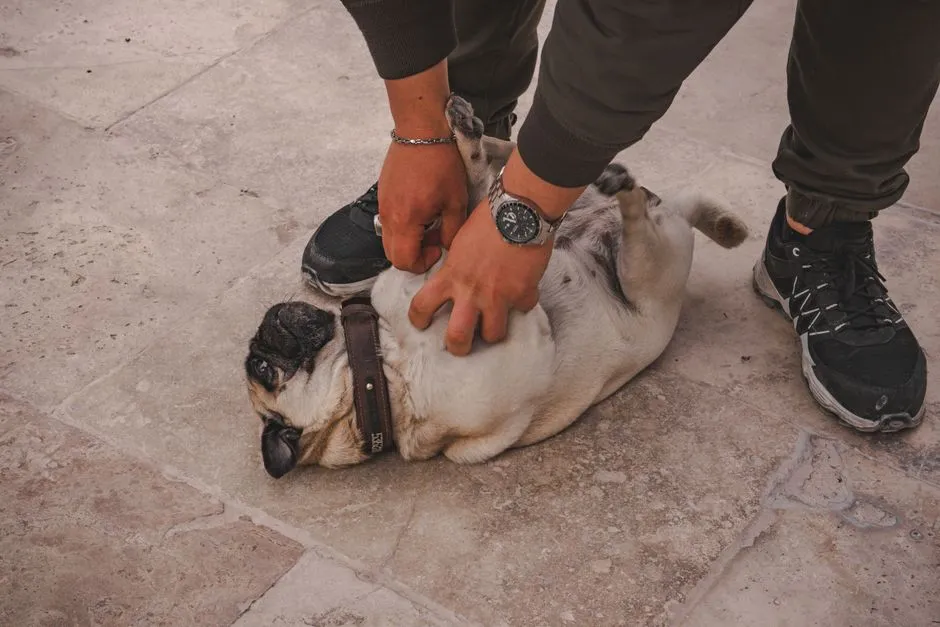
Dogs are never more vulnerable than when they’re on their backs or deeply asleep. A dog who lies with their belly exposed near you, or falls into a truly restful sleep in your presence, is making an enormous statement. They’re essentially saying, “I believe you won’t hurt me while I can’t protect myself.” For a rescue with a rocky past, that’s almost like handing you the keys to their emotional front door.
Some dogs will never be dramatic belly-up rollers, and that’s okay. Vulnerability might look like them curling up with their back touching your leg, giving a big yawn and drifting off, or snoring softly at the foot of your bed. The exact shape doesn’t matter; the meaning is the same. They trust you enough to shut down their defenses and simply rest.
#6 They Start Greeting You With Genuine Excitement
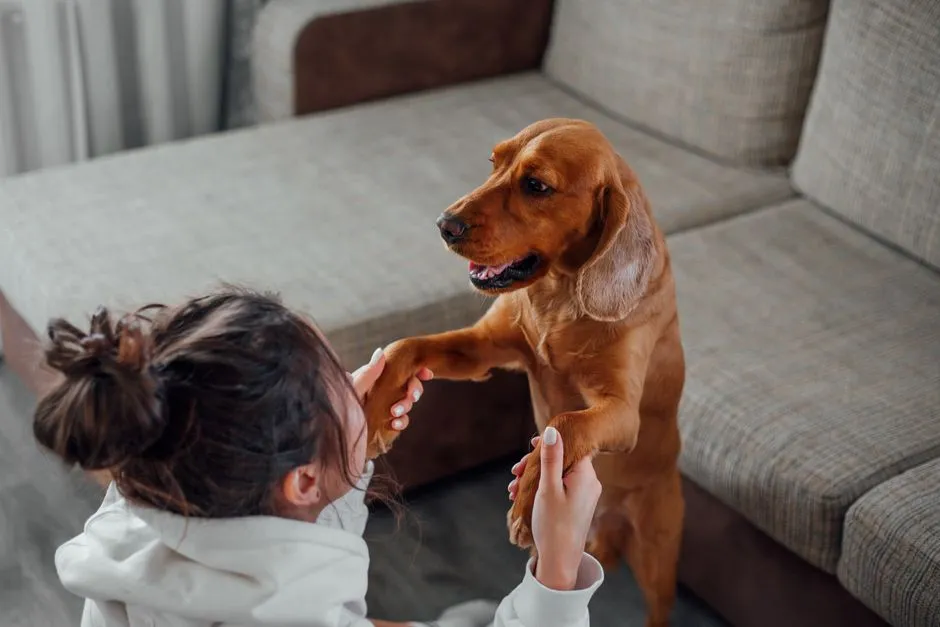
Maybe at first your dog barely reacts when you come home – a quick glance and that’s it. But one day, you notice their tail thumping when they hear your key, or they trot to the door, ears perking up, body wiggling. That transformation from neutral to genuinely happy to see you is one of the most heart-melting shifts in a rescue dog’s journey.
Excited greetings can look different depending on the dog. Some will explode into zoomies and full-body wags, others offer a soft nuzzle, a quiet tail sweep, or bring you a toy as a peace offering. However it appears, that visible joy at your return is their way of saying you’re no longer just a caretaker or a stranger – you’re their person, and your presence makes their world better.
#7 They Seek Comfort From You When They’re Scared
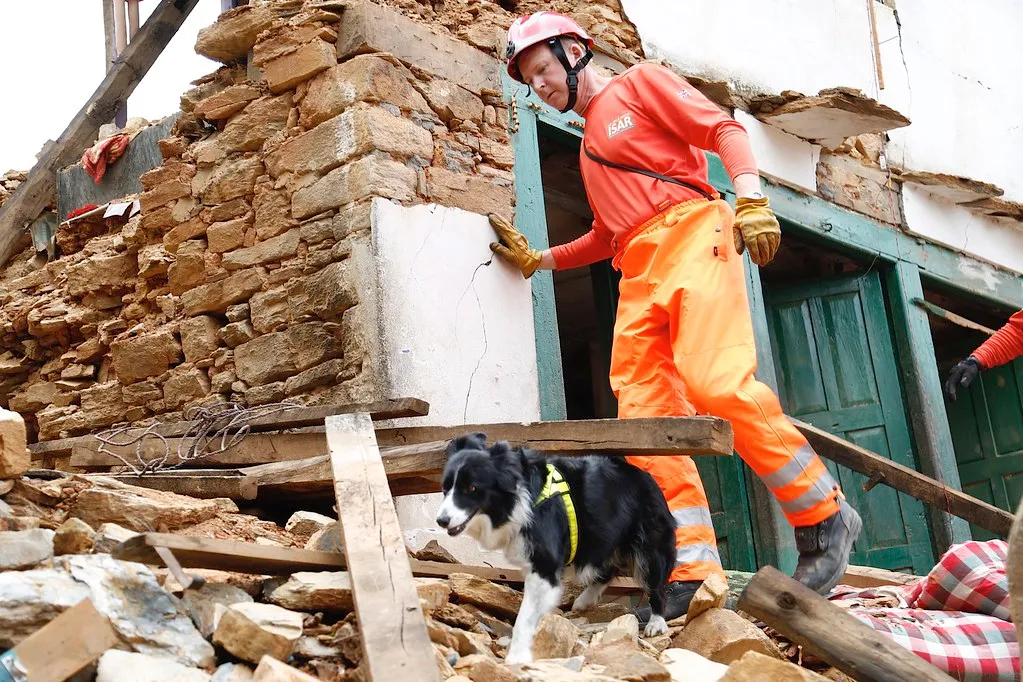
Fear is where real trust shows up. In the beginning, a spooked rescue dog might bolt, shut down, or avoid everyone in the room. As they bond with you, those reactions start to shift. You may notice that when fireworks pop, a thunderstorm rolls in, or a garbage truck rattles by, they move closer to you instead of away.
This might be as simple as them leaning against your leg, climbing onto your lap, or curling up by your feet. It’s easy to overlook because in the moment you’re just trying to soothe them, but this choice is monumental. It means you have become their safe base – the emotional anchor they look for when the world feels too big and too loud.
#8 They Show Their Goofy, Weird, True Personality
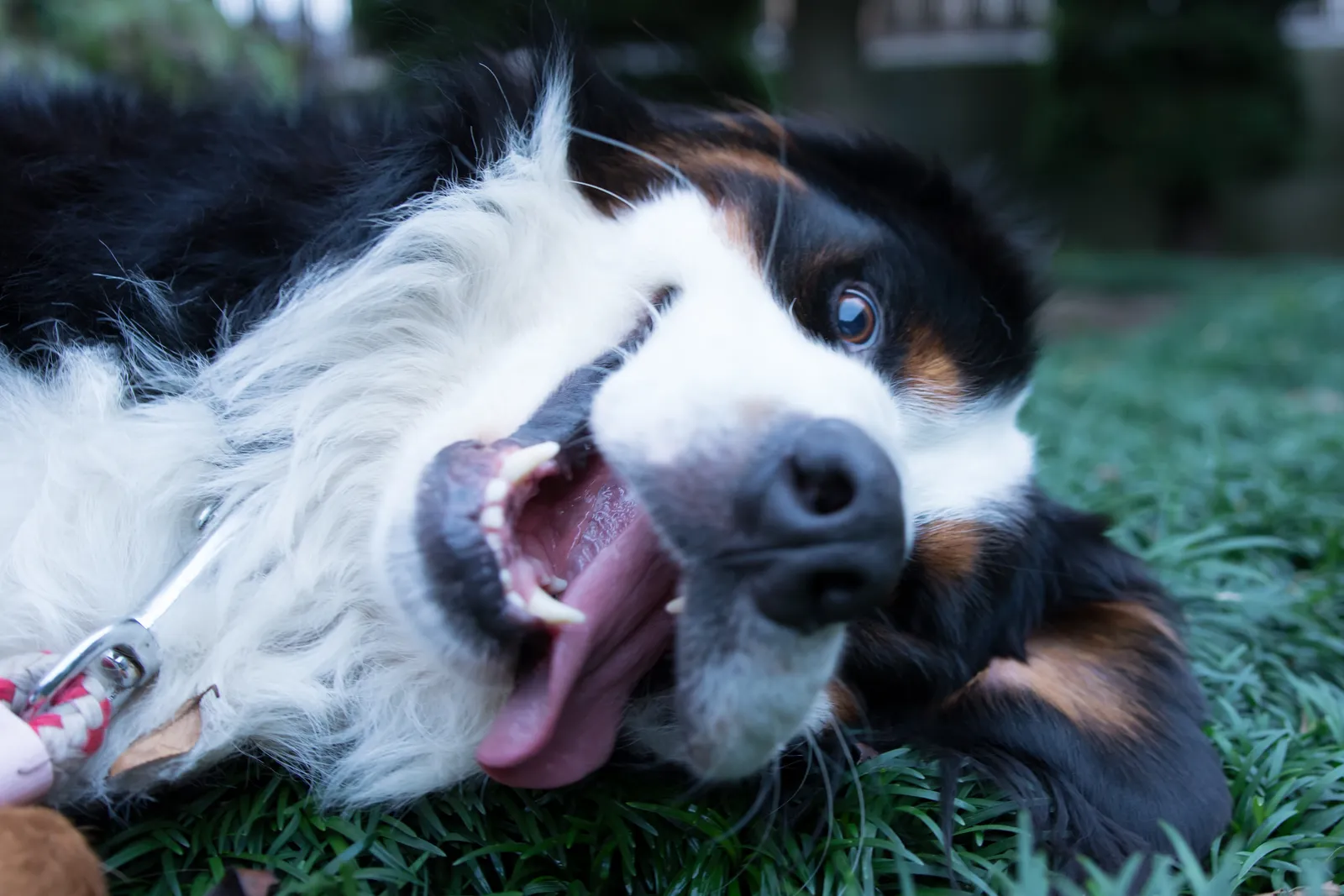
Rescue dogs often arrive in survival mode, which can make them seem shut down, overly quiet, or even oddly serious. When they begin to feel secure, their quirks slowly bubble to the surface. Maybe your dog has silly zoomies after dinner, chases sunbeams, hoards socks, or talks back with funny little grumbles and snorts. That’s not “bad behavior” – that’s personality finally coming out of hiding.
This is the part I personally love most. I’ve seen dogs go from frozen statues to ridiculous drama queens who demand belly rubs with theatrical sighs. That shift from guarded to goofy is a clear sign they feel safe enough to drop the mask. You’re not just giving them shelter; you’re giving them the freedom to be themselves without fear of punishment or abandonment.
#9 They Become Curious About New Things When You’re There
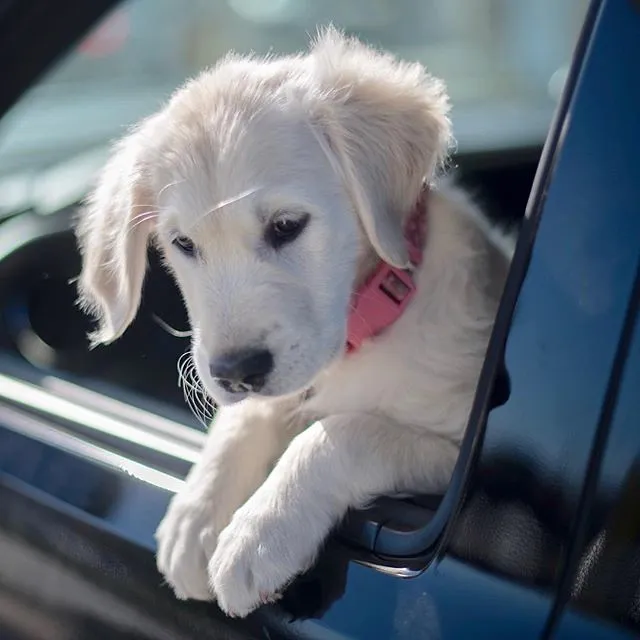
Mistrust often looks like fear of anything unfamiliar: new people, objects, sounds, even new toys. When your dog starts to approach something new more boldly because you’re nearby, it shows that your presence changes how safe the world feels. Maybe they sniff a new vacuum instead of running, or greet a friend more confidently when you’re by their side.
This is not about turning your dog into a fearless superhero. Instead, it is about them borrowing courage from you. You become their emotional anchor, so they feel brave enough to investigate instead of automatically shutting down. Curiosity is a healthy, hopeful behavior – a sign that your dog is shifting from pure survival to actually engaging with life again.
#10 They Listen to You More Readily (Even With Distractions)
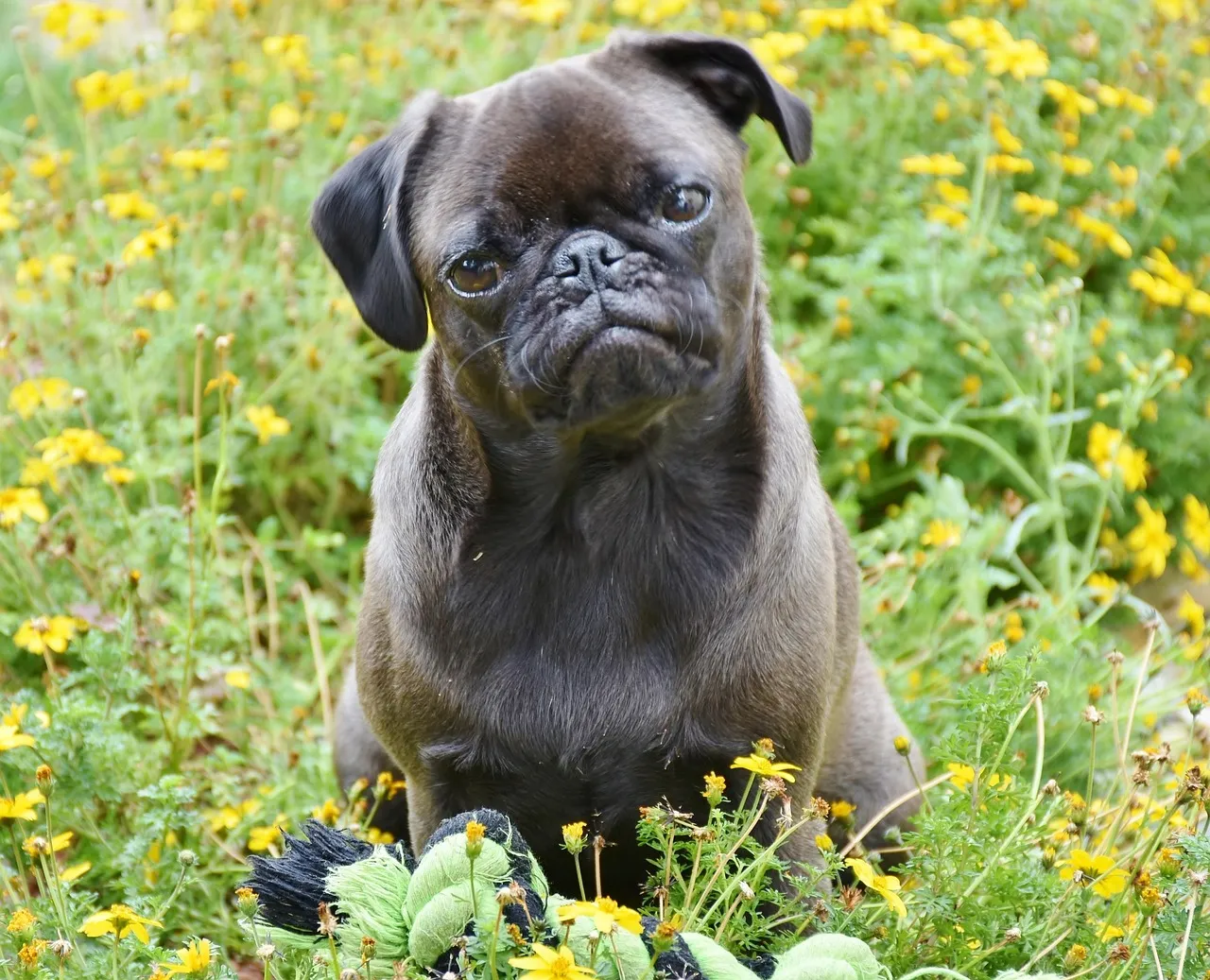
Many people assume obedience comes before trust, but especially with rescues, the reverse is often true. As your dog bonds with you, they naturally tune in more to your voice and body language. Commands like “come” or “sit” start to stick better, not just because of repetition, but because you matter more to them than the environment does in that moment.
You might notice this during everyday chaos: the doorbell rings, a toy squeaks, or a dog barks outside, and your dog still responds when you call their name. That willingness to pause and check in is rooted in relationship. They’re not just avoiding punishment or chasing treats – they’re responding to someone they trust and want to cooperate with.
#11 They Show Gentle Guarding or Protective Behaviors Around You
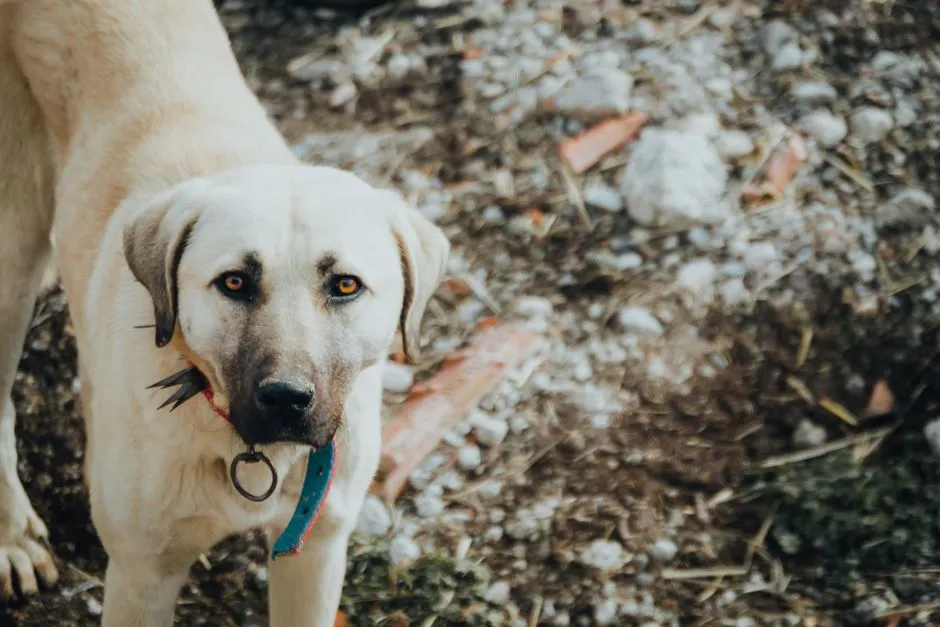
Not every dog becomes protective, and this one should never be encouraged in an aggressive way. But some rescue pups will subtly position themselves between you and the door, watch strangers more closely when they approach you, or lie near you when you’re sick or upset. It is not about turning them into a guard dog; it is more like them saying, “You’re my family now, and I’m invested in you.”
Healthy protective behavior looks calm, not frantic. A slightly straighter posture, a bit more alertness, maybe a quiet presence nearby when something unfamiliar is happening. It’s another layer of connection. To a dog who once had nobody, realizing they now have someone to look out for – and someone who looks out for them – is a profound emotional shift.
#12 They Start Initiating Affection on Their Terms
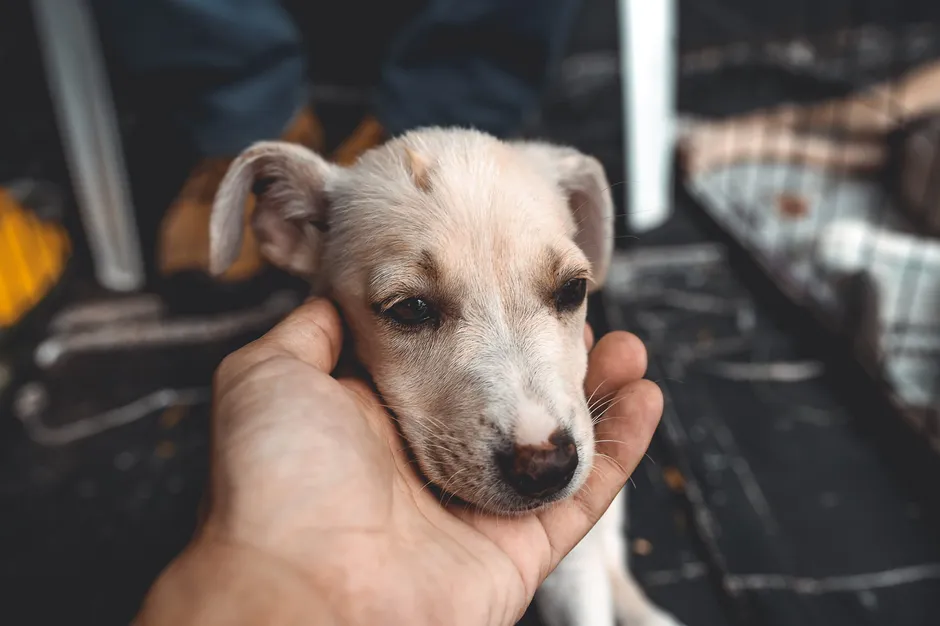
In the beginning, you might be the one always offering affection: gentle petting, soft words, slow approaches. When your rescue dog starts to flip that script and come to you for attention, that’s a big move. They might nudge your hand, press their head into your chest, lean their weight against you, or climb up next to you on the couch and stay there, clearly choosing contact.
Rescue dogs, especially those with trauma, often need to learn that they’re allowed to ask for affection without being punished, rejected, or overwhelmed. So when they start to seek touch, it means they’ve re-written some deep internal script about what humans are like. You’ve become a source of comfort, not confusion. That is not damage – that’s healing, right in front of you.
#13 They Handle Setbacks Better Because They Trust You’ll Help
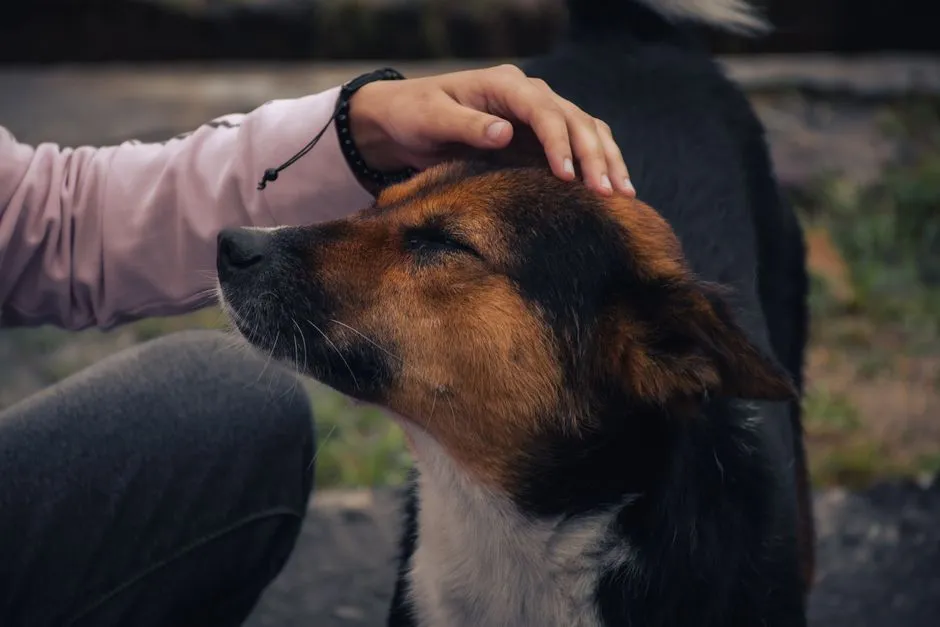
Progress with a rescue dog is never a straight line. There will be setbacks: accidents in the house, sudden fears, destroyed shoes, or rough days where they seem to retreat into old patterns. The sign of deepening trust is not the absence of these moments, but how quickly your dog can bounce back when they happen. They may recover from a scare faster, accept reassurance sooner, or return to their normal behavior after a stressful episode.
When your dog starts to look to you after a mistake or a frightening moment instead of spiraling into panic, that’s emotional resilience built on trust. They’re learning that bad moments are just that – moments, not the end of the world. For a dog who once lived in chaos or neglect, believing that tomorrow can still be okay is a radical and hopeful thing.
#14 They Feel Like “Yours” – And You Feel Like Theirs
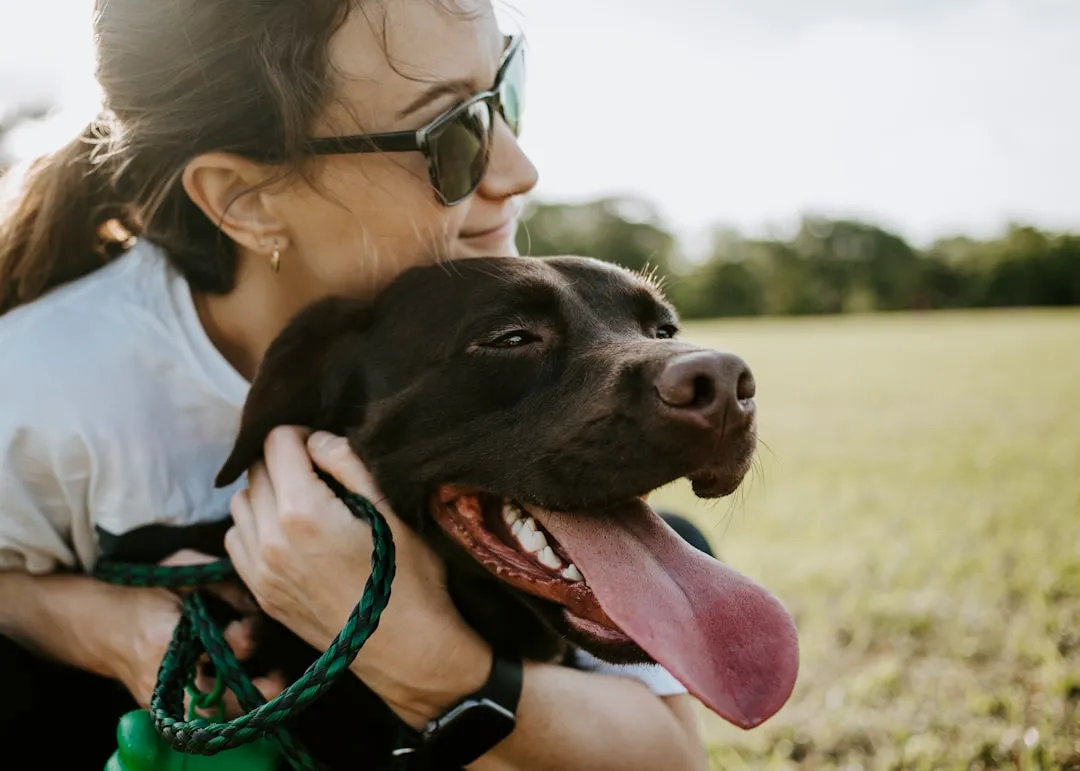
There comes a point where the signs blur together and become something you feel more than see. Your dog might greet others, enjoy the dog park, or be friendly with family, but there’s a subtle difference in how they are with you. They may follow you from room to room, settle faster when you’re home, or seem to scan the environment less anxiously when you’re nearby.
That sense of mutual belonging is hard to measure, but you know it when it arrives. This is the moment you stop wondering if your rescue is damaged and start realizing they are incredibly resilient. They have chosen you as their safe place in a world that once taught them to be afraid – and you’ve become part of their healing story, as much as they’ve become part of yours.
Conclusion: Your Dog Is Not Broken – It Is Brave

It is tempting to look at a fearful, shut-down, or reactive rescue dog and see only damage. But what you are really seeing is adaptation – all the coping skills they built to survive whatever life threw at them before you came along. As they slowly let those defenses down and replace them with trust in you, every small sign on this list becomes a tiny miracle, proof that they’re rewriting their past one safe day at a time.
The truth is, many rescue dogs are not “problem dogs” at all; they are simply dogs whose stories started in the wrong place. With patience, consistency, and kindness, they often become the most loyal, deeply attached companions you could ever imagine. So the next time you catch your pup inching closer on the couch, sighing happily at your feet, or looking to you when they’re scared, remember: that is not damage speaking – that is courage. And really, how lucky are you to be the one they chose to trust again?
