
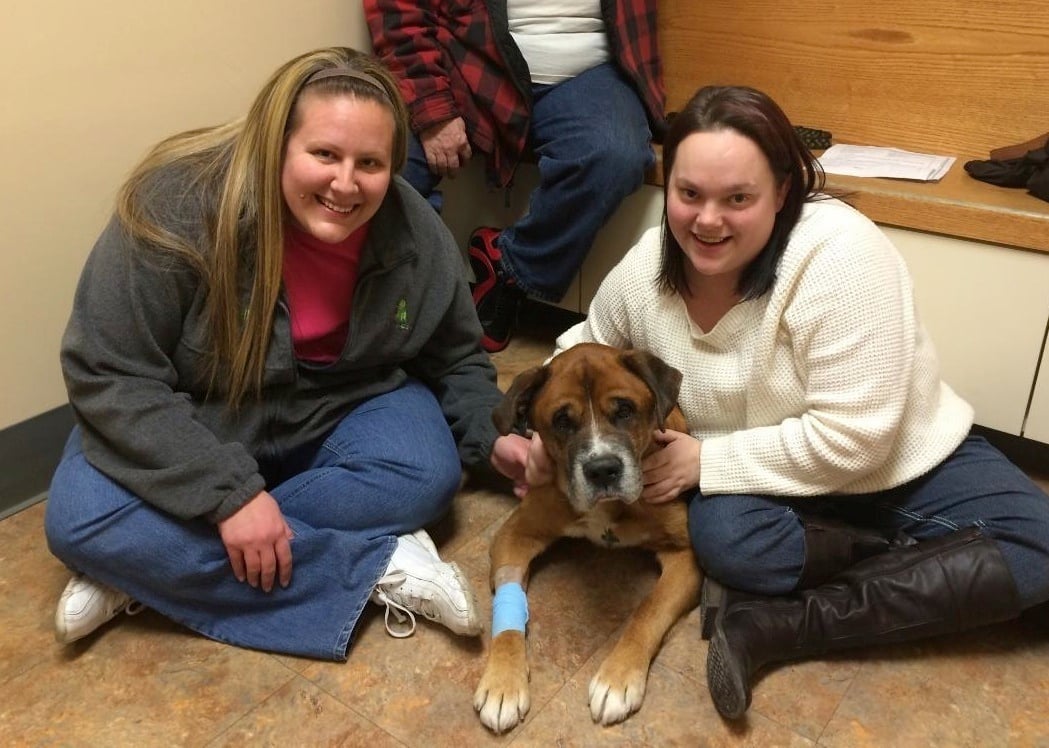
Most people assume adopting a shelter animal is a one-way transaction: you walk in “just to look,” and you walk out with whoever seemed cutest in the moment. Ask anyone who’s actually done it, though, and you’ll hear the opposite story. The animal was watching you back the whole time, quietly deciding whether you were the person they’d been holding out for.
The signs are subtle enough that most visitors miss them completely – a shift in breathing, a sound that only comes out around you, a memory that outlasts a two-day gap between visits. Rescue workers see these moments constantly, and they’ve learned to read them almost like a language. Here are 15 signs that a shelter animal has already made up its mind about you, whether you’ve noticed yet or not.
#15 – They Ignore Everyone… Until You
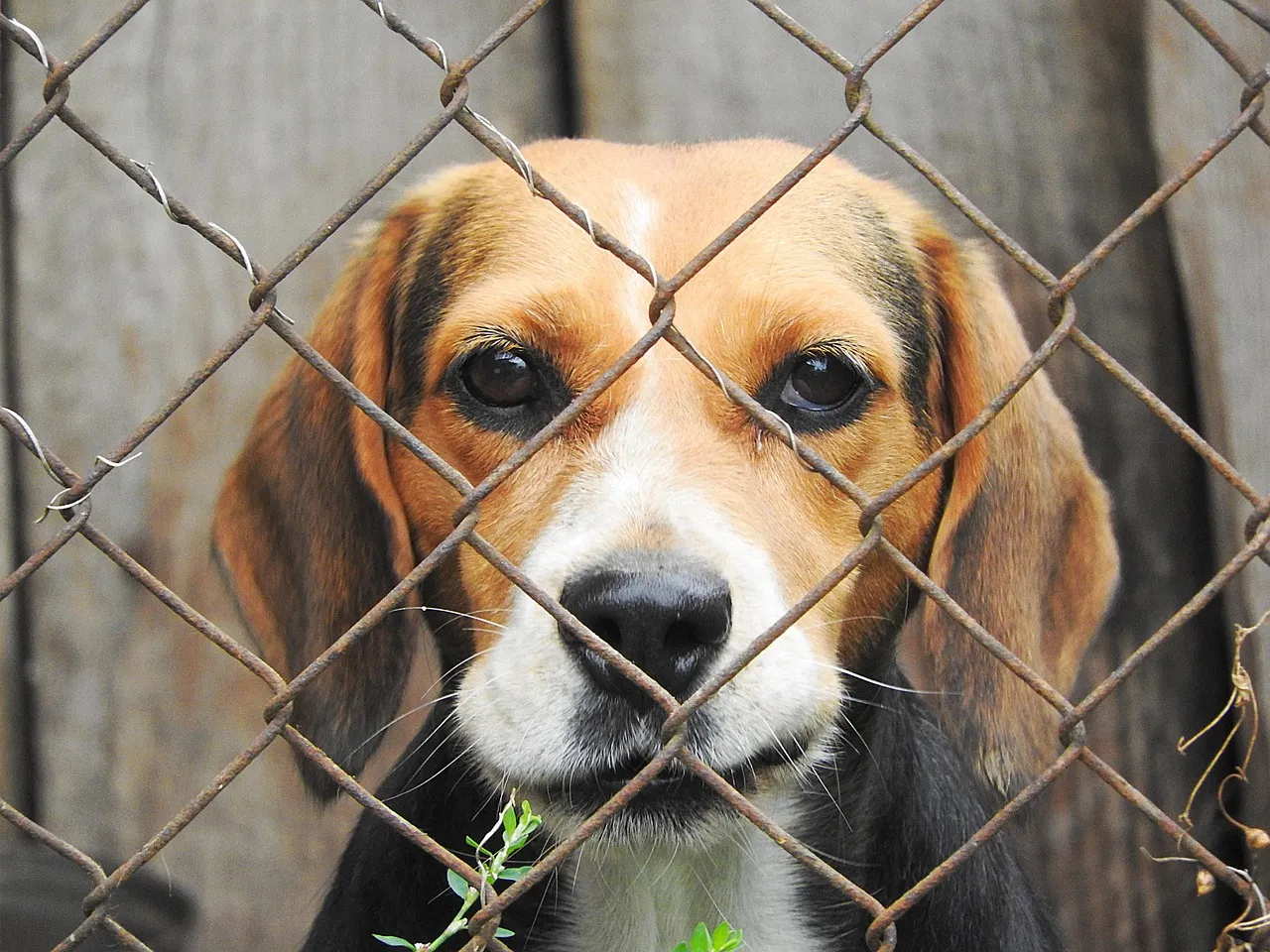
Sometimes the clearest sign is what doesn’t happen. Staff walk by. Families stop and coo. Kids tap the glass. The animal barely reacts to any of it.
Then you walk up, and everything changes. They’re suddenly at the front of the kennel, eyes locked on yours, like you just came home from a long trip.
They’re not “shy” – they’re selectively invested. Volunteers notice it too, usually with a knowing “They really seem to like you,” because the contrast is impossible to miss. This isn’t magic, it’s instinct – some animals save their social energy for people who feel safe, and you might be matching their energy without even realizing it. It feels flattering and a little eerie at once.
And #14 is even harder to fake.
#14 – They Calm Down the Second You Touch Them

A hyper, pacing, barking dog isn’t “just tired” when they suddenly go still in your hands. Watch closely before you reach in – the circling, the whining, the jumping at the door. Staff might shrug and say, “He’s always like this.”
Then you kneel down, offer your hand, and within seconds the chaos drains out of their body. Their breathing slows, their eyes soften, and they lean into you like a weighted blanket.
That nervous-system reset is a massive tell. It means your presence regulates them instead of overstimulating them. Cats do a quieter version of the same thing – a skittish kitty who hides from everyone else emerges and starts slow-blinking the moment you sit down and go silent. Animals don’t fake this. When your presence flips their switch from panic to peace, that’s not luck.
#13 feels even more personal.
#13 – They Follow You With Their Eyes When You Try to Walk Away
This one sneaks up on people. You step away to check another kennel or talk to staff, and you feel it before you even turn around.
You look back and there they are – frozen, eyes locked on you, head tilted, maybe pressing their whole body against the bars just to keep you in view.
Other visitors walk by and their gaze doesn’t move an inch. Dogs shuffle along the run to stay parallel with you; cats stretch a paw through the bars or let out one sharp, accusing meow the second your back is turned. People call this a “guilt trip.” It isn’t – it’s early attachment forming in real time, and ignoring it is one of the regrets adopters bring up years later.
#12 is the one shelter staff can’t explain.
#12 – They Break Their “Usual” Pattern Just for You
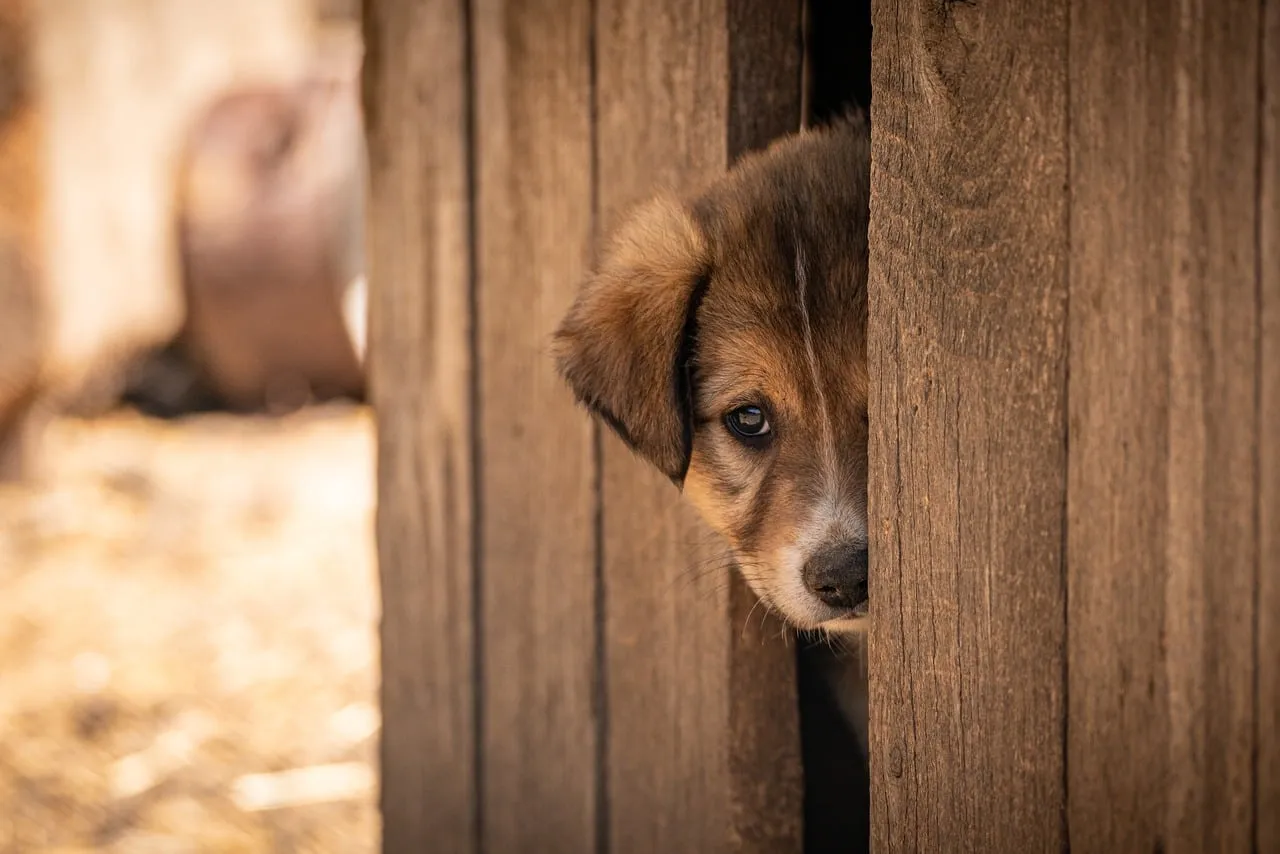
Shelter staff will sometimes tell you, “We’ve never seen them do that before,” and they’re not exaggerating for a sale. Maybe the dog who never plays drops a toy at your feet. The cat who hides from everyone comes right up, tail raised like a question mark. The older, shut-down animal suddenly wags, chirps, or does an awkward little zoomie the second you show up.
When an animal overrides months of fear or withdrawal in one meeting, that’s not random. It’s a calculated risk from a nervous system that doesn’t usually take them. Staff see it constantly: a dog who refuses treats from every other hand gently takes one from yours, or a “don’t touch me” cat nudges your fingers for more. If the people who know this animal best sound surprised by how they act around you, that surprise is the whole story.
Fast Facts
- 5.8 million dogs and cats entered U. S. shelters and rescues in 2025 – 2.8 million dogs and 3 million cats.
- 4.2 million shelter animals were adopted into loving homes in 2025.
- Most animals entering shelters in 2025 continued to come in as strays (59%), followed by pets surrendered by their owners (30%).
- The length of time dogs, especially large dogs, are staying in shelters before being adopted has increased in the past five years, which makes an instant bond with an overlooked pet even more remarkable.
#11 is subtler, but just as telling.
#11 – They Mirror Your Energy Almost Perfectly

When it’s meant to be, your energy syncs up strangely fast. You sit, they sit. Your shoulders drop, their body softens. You get playful, and they answer with a goofy bow or a sudden purr-and-roll.
That quick, natural mirroring is a real sign of emotional compatibility. It’s the same effect trainers rely on during bonding sessions, because animals copy the body language of people they feel connected to. Introverts often notice it first – they walk in bracing for a wild dog, and the one who picks them is steady and quiet until they initiate play. Extroverts get the opposite: a dog who lights up the moment they get animated, then settles when they do. That rhythm can’t really be manufactured.
#10 is where it stops being subtle.
#10 – They Choose Physical Contact Over Everything Else
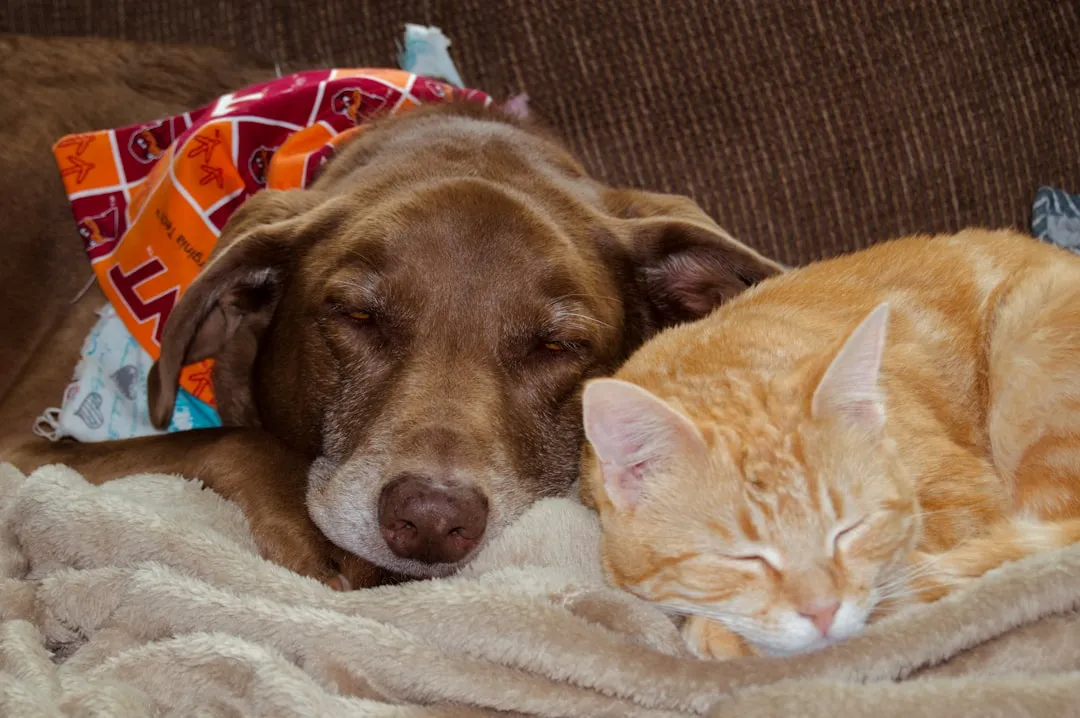
Toys, treats, other people – none of it beats being pressed against you. Some animals are food-obsessed in the shelter, snapping up every biscuit a volunteer offers.
With you, the treat barely registers. They sniff it, take a polite nibble, then abandon it entirely to climb into your lap or park themselves against your feet.
Choosing touch over reward is a huge emotional tell. It means you’ve stopped being a vending machine and started being comfort. Cats who normally bat at toys instead curl into your chest, drooling in that embarrassing, love-struck way. Dogs lean so hard into you they nearly knock you over, repositioning every time you shift so some part of them is always touching some part of you.
#9 is quieter, but it might matter more.
#9 – They “Guard” You in the Most Subtle Ways
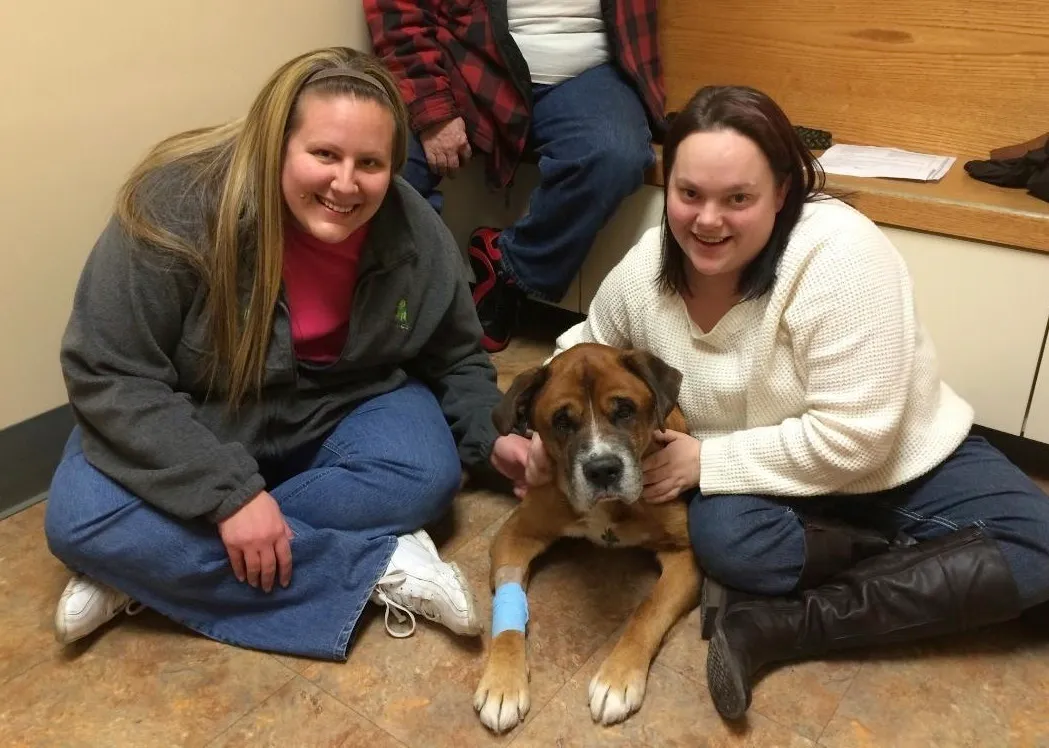
Protective behavior isn’t always loud. You’re standing near the kennel when another dog walks past, and your potential pup steps in front of you, body angled, watching the newcomer with quiet intensity. No growling – just a clear “I’ve got this.”
That small, instinctive positioning is proto-guarding. They’re already folding you into their territory after only a few minutes. Cats do a more aloof version: settling between you and the door, “escorting” you around the meet-and-greet room, or perching above you to track anyone who gets close. The animal has already decided you’re someone worth watching over.
#8 is when the mask comes off completely.
#8 – They Relax Enough to Show You Their “Real” Goofy Self
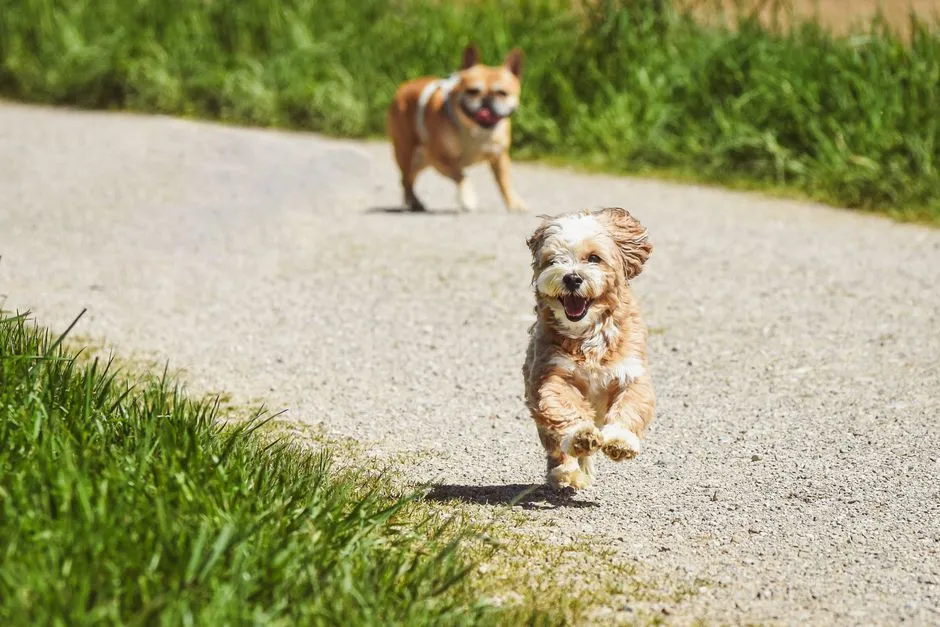
A lot of shelter animals live in survival mode, polite and careful with everyone. When they drop that mask around you specifically, pay attention. One minute they’re composed and cautious. The next, something cracks – zoomies in the yard, belly-up wiggles, bunny kicks mid-play, or that dramatic full-body flop cats do only when they trust you won’t step on them.
Showing silliness and vulnerability is a serious trust marker. You’ve become a safe audience for the version of them nobody else gets to see. Staff will often say something like, “This is the dog we only see after hours,” and that’s not a sales pitch – it’s a real behavioral shift. You’re not just adopting an animal; you’re adopting the version of them that finally felt safe enough to show up.
Worth Knowing
- Zoomies, belly-up wiggles, and dramatic flops are trust behaviors, not random bursts of energy.
- Animals in survival mode conserve their energy – silliness tends to resurface only once they feel truly safe.
- Shelter staff often notice which visitors trigger these rare personality shifts, since it doesn’t happen for everyone.
- A goofy “meltdown” during a first meeting is one of the most reliable behavioral tells rescue workers watch for.
#7 hurts a little, in the best way.
#7 – They Struggle When You Leave, Even Briefly
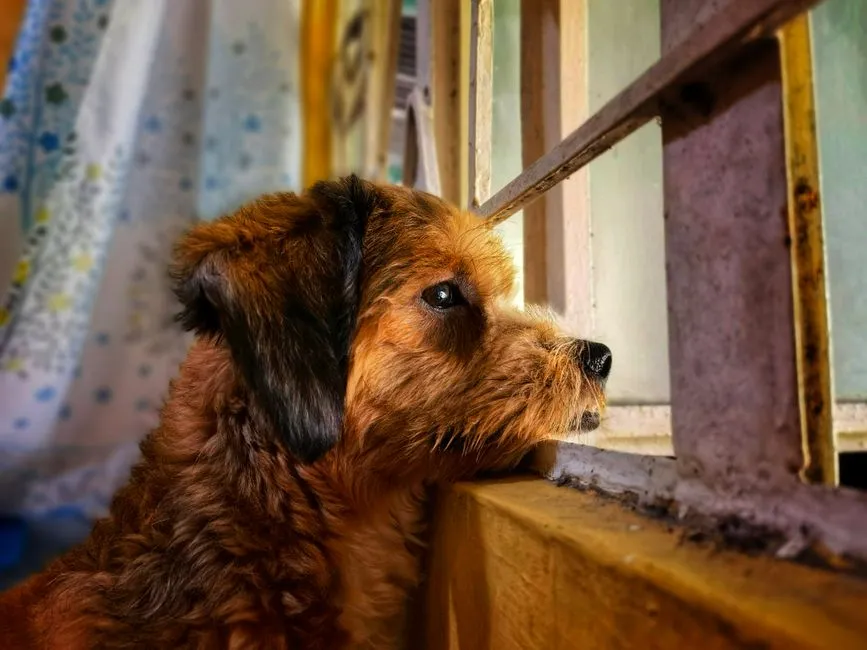
Separation distress after a ten-minute meet-and-greet sounds dramatic, but it happens constantly, and it means something. You step out to talk to staff or sign paperwork, and you hear it – whining, scratching at the door, that confused, high-pitched cry.
Some animals plant themselves at the exact door you walked through, ignoring every toy and every staff member until you reappear. Critics will say it’s just anxiety, and sometimes it is. But context matters: if the animal is usually calm when people come and go, and only falls apart when you disappear, that’s attachment forming faster than either of you expected.
#6 is proof they’re paying closer attention than you think.
#6 – They Make Soft, Specific Sounds Just for You
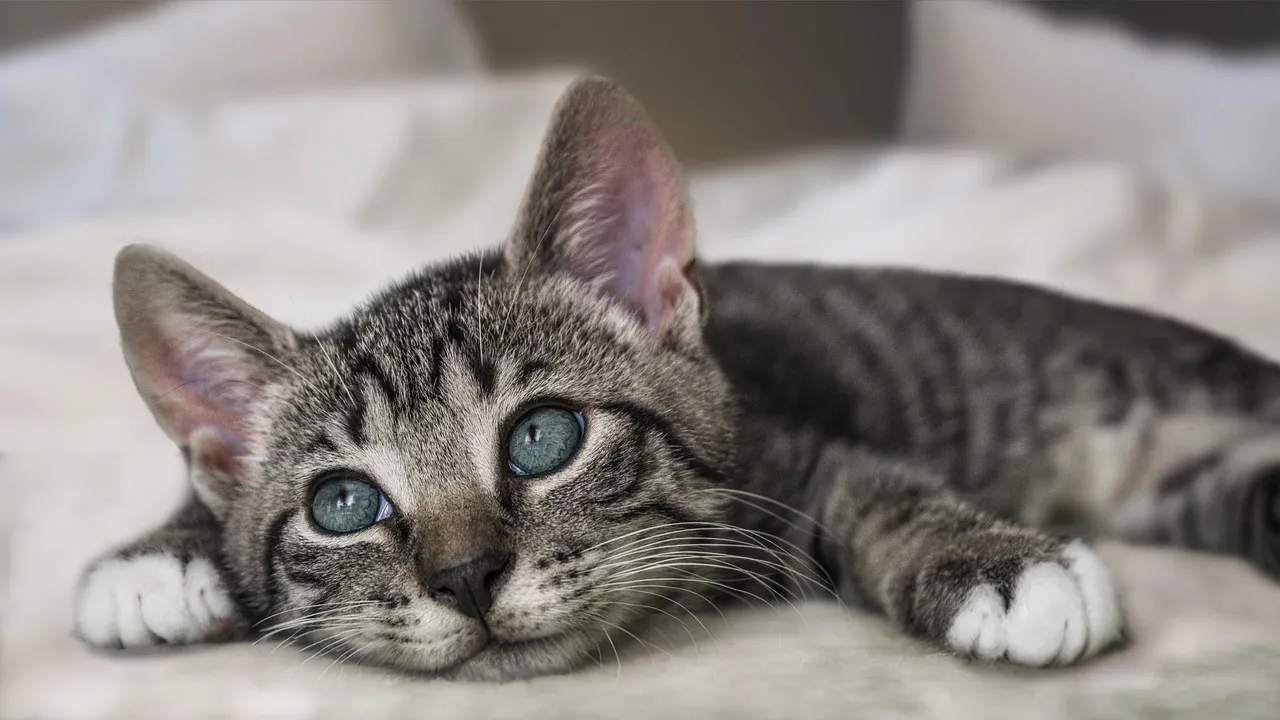
Not every vocalization means the same thing – some of it is basically emotional Morse code. A cat who’s been silent all day might suddenly chirp, trill, or let out that oddly conversational “brrrp” the moment you talk to them. A dog might drop the frantic barking for soft grumbles or quiet, under-the-breath “talking” sounds when you scratch behind their ears.
That switch in tone is a social adjustment made specifically for you. They’re using a different language because you register differently to them. Shelter workers notice this constantly: certain animals just sound different around certain people – higher, softer, more melodic. That’s not you projecting. That’s a relationship already forming.
Quick Compare: Dogs vs. Cats Signaling Trust
- Dogs: soft grumbles, under-the-breath “talking,” loose tail wags, leaning hard into your touch.
- Cats: chirps, trills, slow blinks, and that conversational “brrrp” reserved for people they trust.
- Both: a noticeable shift away from their noisy or silent default into a softer, more personal register.
#5 gets a lot more intimate.
#5 – They Seek Your Face, Not Just Your Hands
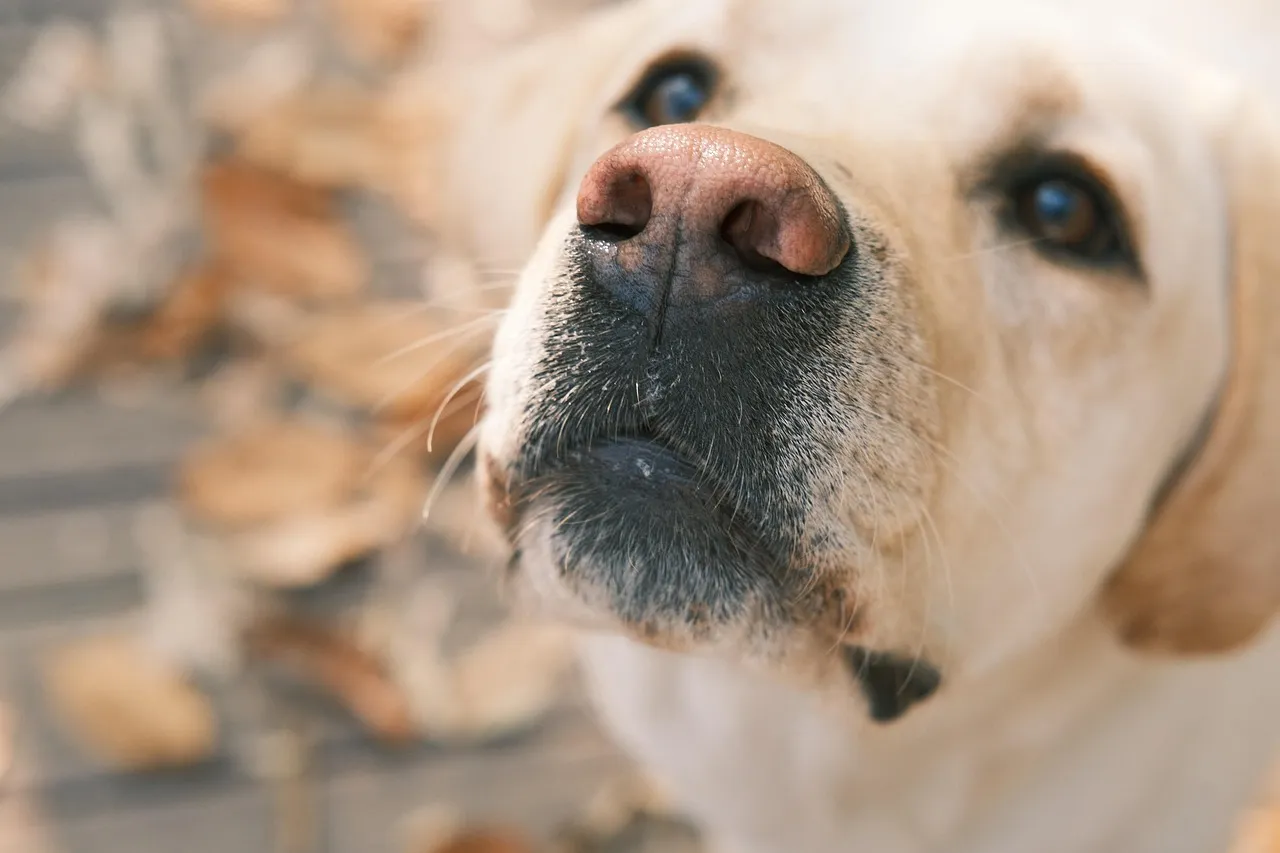
An animal fixated on your face specifically is bonding on a different level. Instead of just sniffing your clothes or going straight for the treat hand, they look right into your eyes, nudge your chin, sniff your breath, or rest a paw gently against your cheek.
Face-focused interaction is high-trust behavior. In the animal world, the face is vulnerable, and choosing to get that close calmly is a real vote of confidence. Cat head-butting, or bunting, literally transfers scent onto you, marking you as part of their safe group. Dogs who hold eye contact aren’t being weird – they’re releasing oxytocin, the same bonding hormone at work in human relationships.
The eyes of a dog have a mysterious power to make you feel seen when you are in fact simply the one holding the leash.
Milan Kundera
#4 is the one most adopters can’t argue their way out of.
#4 – They Remember You Between Visits (And Act Like It)
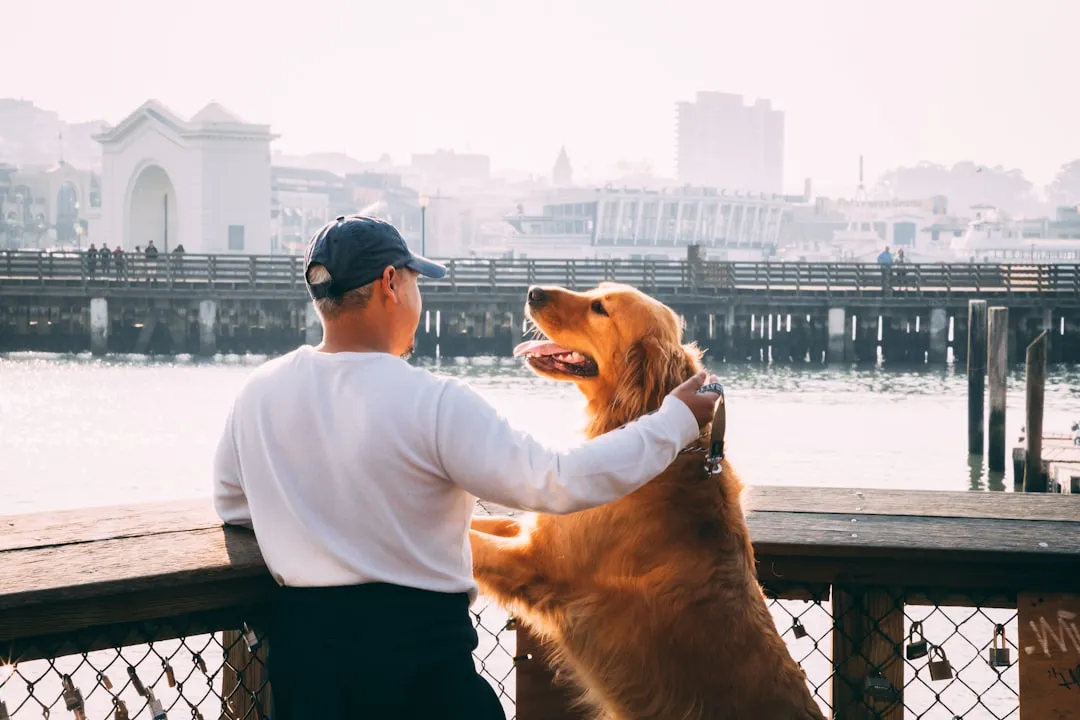
If you visit more than once, this is usually the moment that settles it. You walk back in expecting to be a stranger again. Instead, the second they spot you, everything changes – tail helicoptering, full-body wiggles, frantic pacing just to get closer to you.
They recognize you, and the joy is completely disproportionate to how long you were actually gone. Shelter animals meet dozens of people a week and don’t have the bandwidth to invest in all of them. When they single you out from that crowd and react like you vanished for months instead of days, that’s not coincidence. Telling yourself you’re “still deciding” at that point is mostly just delay.
At a Glance: Signs They Already Recognize You
- Tail helicoptering or full-body wiggles the instant they spot you again
- Frantic pacing or pushing toward the front of the kennel to reach you faster
- A level of excitement that doesn’t match how briefly you were actually gone
- Zero interest in other visitors once they’ve locked onto you
#3 is the part nobody expects to notice.
#3 – They Fit Into Your Arms or Space Like They’ve Done It for Years
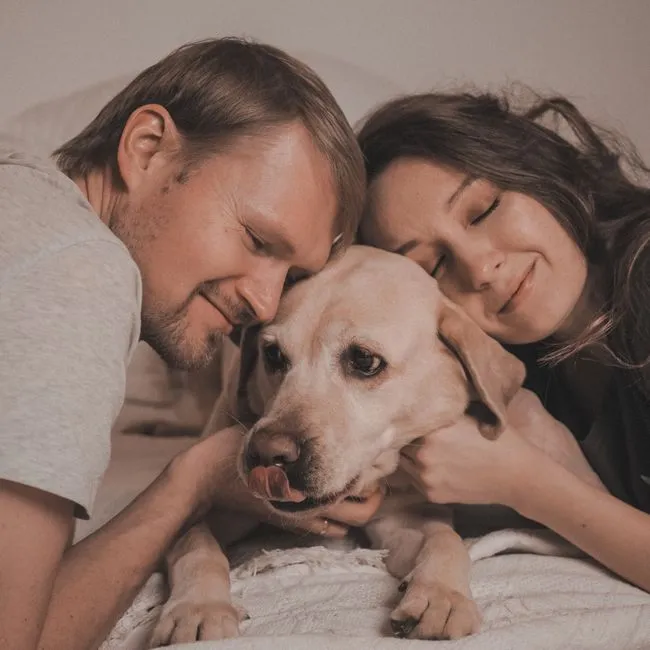
Physical fit is underrated, but anyone who’s lived with animals knows it matters. The first time you pick them up or sit on the floor together, they somehow land in exactly the right spot – the dog’s head drops right where your arm naturally rests, or the cat curls into the curve of your lap like it was built for them.
That effortless physical compatibility is rare. It’s not just about size – it’s posture, weight, and comfort all lining up at once. You don’t feel awkward or unsure how to hold them; you both just exhale, like your bodies already agree on something. When that ease shows up in the very first cuddle, it’s a real green flag.
#2 is the twist most people don’t see coming.
#2 – They Match the Life You Actually Have, Not the One You Fantasize About
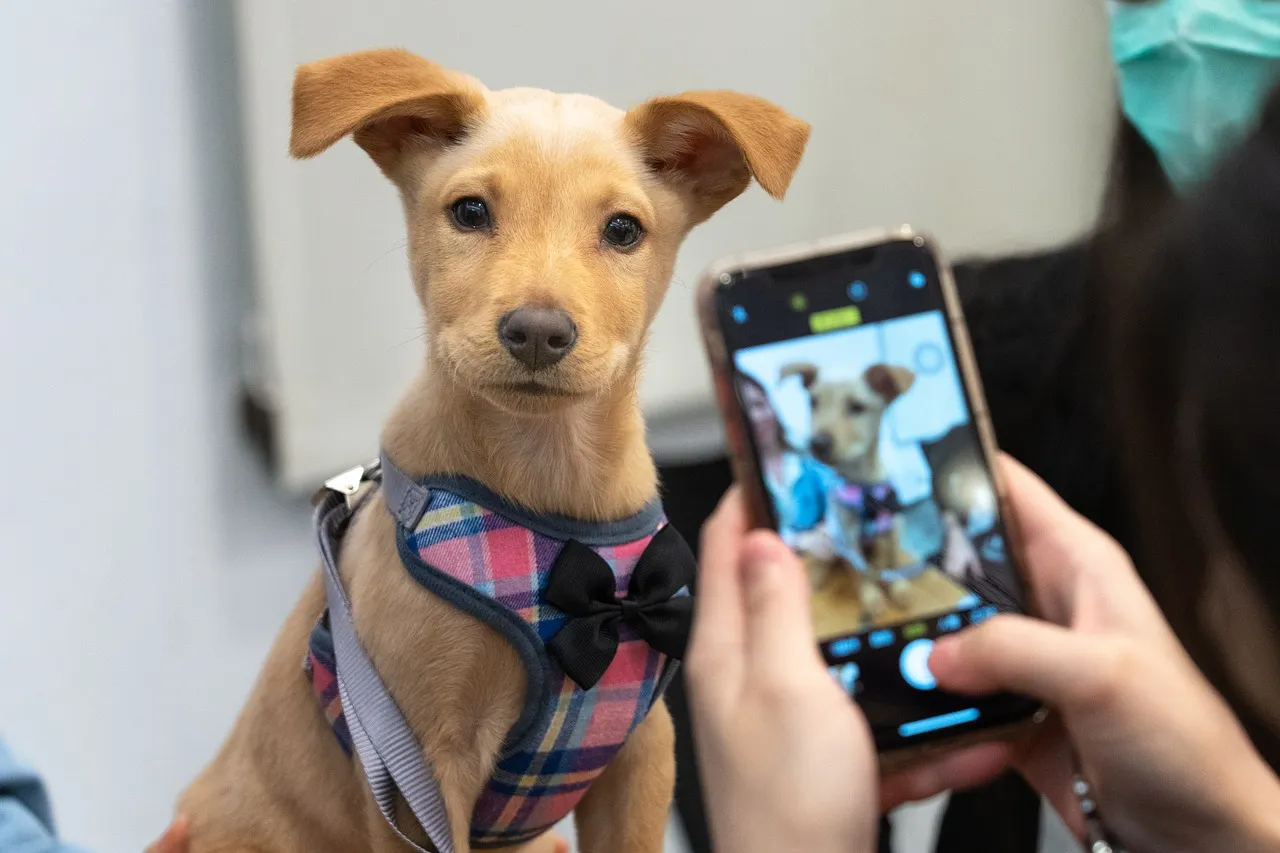
Here’s where it gets uncomfortable: the “meant to be” pet is often not the one you thought you wanted. You walk in swearing you need a high-energy hiking buddy, and the dog who glues themselves to you turns out to be older, slower, and far more interested in snuggling than mountain trails.
Or you’ve been dreaming about a tiny lap cat, and the one who chooses you is a sturdy, confident adult who prefers parallel hangouts over constant holding.
The strange part is how precisely they fit the life you’re actually living, not the Pinterest version of it. Rescue workers see it constantly – the chaotic family bonds with the most bombproof, kid-tolerant dog in the building, and the anxious student ends up with the calm, independent cat who doesn’t need constant attention. Ignoring that because it doesn’t match the picture in your head is a mistake a lot of adopters quietly regret.
And #1 is the one that finally makes the decision for you.
#1 – They Make Saying “No” Feel Physically Wrong
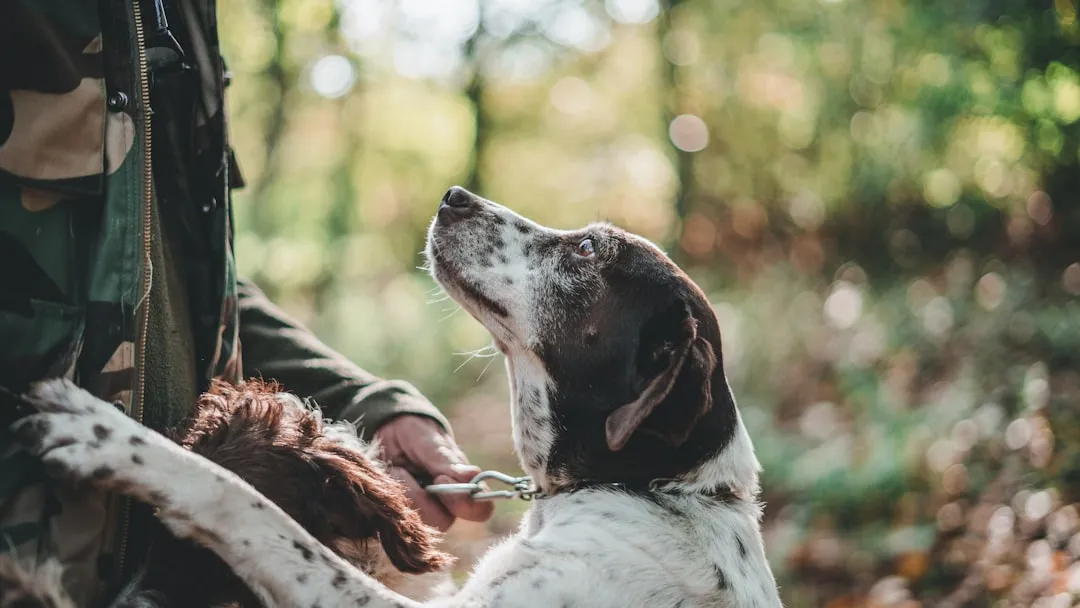
When it’s truly meant to be, logic starts losing to something else, and your body knows it before your brain catches up. You leave the shelter and your chest actually aches. You keep replaying their face, their sound, the way they leaned into you.
Meals feel off. Sleep feels off. You start sentences with, “So there’s this dog/cat…” and trail off staring into space.
That lingering, almost haunted feeling is your brain refusing to file them under “just another animal I met.” Plenty of people meet sweet animals and move on without a second thought. The ones who are actually yours stick around in your head uninvited. You start planning without meaning to – where the bed would go, how your schedule would shift, what their name should be. It stops feeling like a decision and starts feeling like catching up to something that was already true.
The Bottom Line
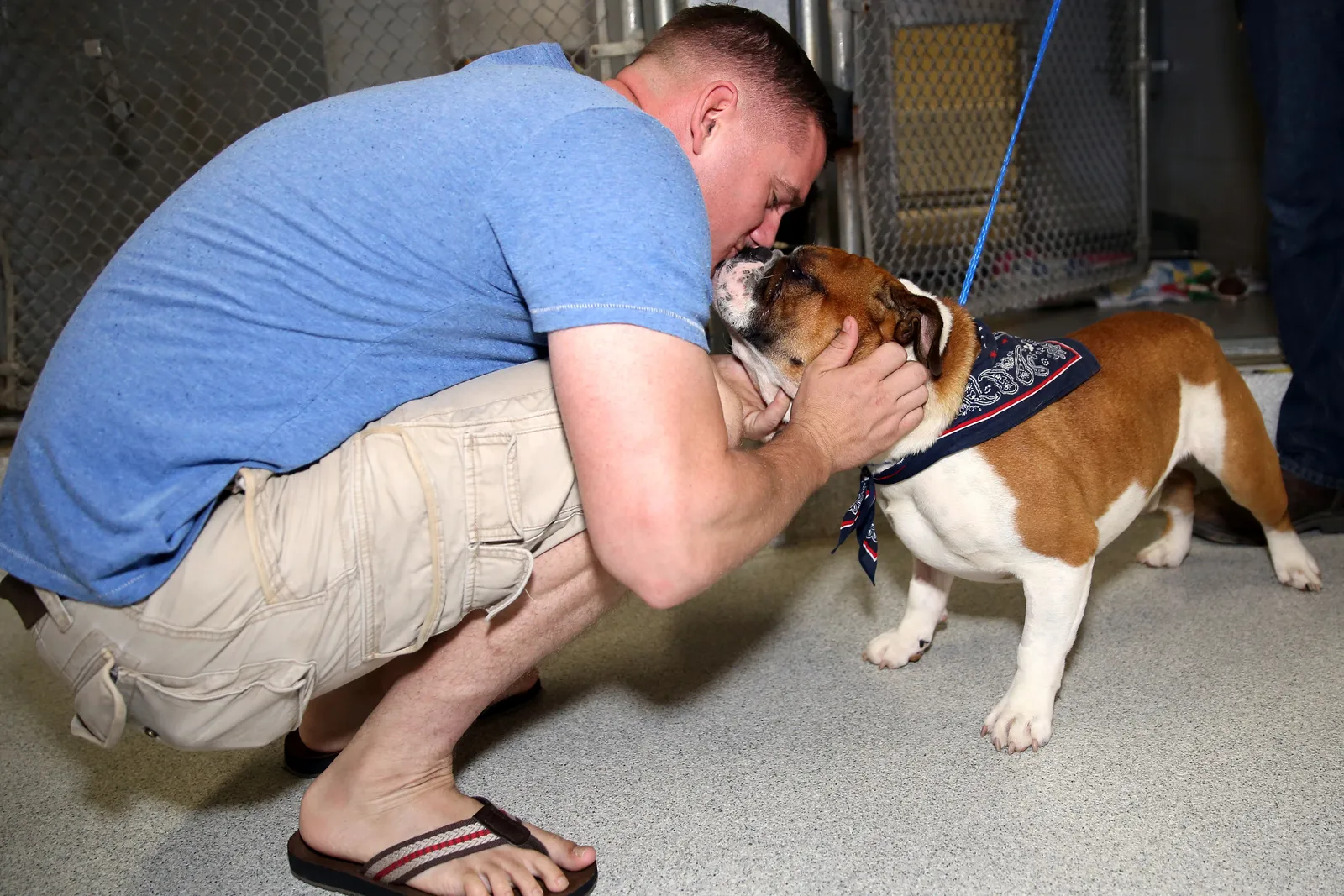
The biggest myth about adopting from a shelter is that you’re purely the chooser – scrolling through profiles, picking based on looks or breed. The truth is uglier and sweeter at the same time: the right animal is often choosing you just as clearly, and most people are too distracted to notice.
From the way they ignore everyone else to how your body literally protests leaving them behind, the signs are there if you’re willing to be honest about them. Not every spark means a perfect match, and you still owe them realism about your lifestyle, budget, and patience.
But when your head, your gut, and this animal’s behavior all point in the same direction, that’s not coincidence – it’s compatibility. Some people will insist “a pet is just a pet.” Anyone who’s actually walked out of a shelter aching for an animal they only just met knows better. Some of them feel suspiciously like fate.
Did your shelter animal “pick” you in one of these ways – or in a way we didn’t mention? Drop your story in the comments.

- 14 Quiet Signs Your Dog Knows Its Time Is Near and Wants You Close - July 22, 2026
- Why Do Coyotes and Badgers Hunt Together - July 22, 2026
- Has Your Rescue Dog Finally Chosen You? 14 Signs It Sees You as Home. - July 22, 2026