
Most dog owners think a soft bed and a slower walk are all a senior dog really needs. Job done, box checked, conscience clear.
But veterinarians and longtime dog behaviorists say that’s barely scratching the surface. Aging dogs pick up on far more than we give them credit for – tiny shifts in tone, touch, and timing that either make them feel safe or quietly anxious. The gap between a senior dog who thrives and one who just “gets by” usually comes down to small daily habits nobody ever talks about. Here’s what they actually say.
#1 – Slowing Down the Morning Routine

Most owners rush mornings – leash on, door open, go. But for an aging dog, a sudden burst of movement first thing can feel disorienting and genuinely painful on stiff joints.
Senior dogs often need a few extra minutes just to fully wake up before standing. Their joints are stiffest in the first ten minutes after rest, so rushing them can cause a kind of micro-strain that quietly adds up over weeks. A slow greeting, a little gentle stretching, and letting them rise on their own timeline – not yours – makes a real, visible difference in how they move for the rest of the day.
#2 – Rethinking Exercise Instead of Cutting It
Here’s a mistake almost every owner makes: assuming a senior dog simply needs less activity. In reality, cutting exercise too aggressively can speed up muscle loss and joint stiffness faster than gentle, consistent movement ever would.
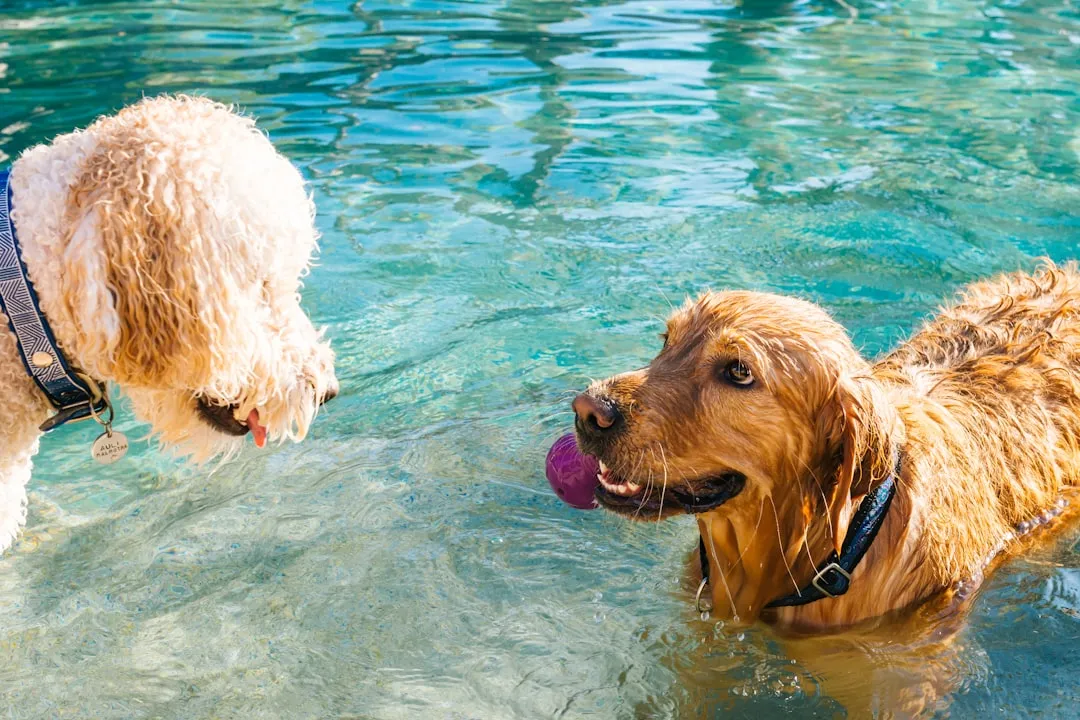
The fix isn’t less exercise – it’s smarter exercise. Shorter, more frequent walks tend to beat one long march in terms of comfort and mobility. Swimming and slow hill walks are often gentler on aging joints than flat, fast sidewalk strolls, and many vets now actively push back on the idea that senior dogs should just “rest more.” Movement, done right, is often part of what keeps pain manageable – not something to be avoided.
Quick Compare
- Long single walk: Higher joint strain, more stiffness afterward
- Short frequent walks: Easier recovery, steadier energy through the day
- Swimming: Low-impact, builds muscle without joint pounding
- Flat, fast sidewalk walks: Can aggravate hips and knees more than gentle hills
#3 – Investing in Orthopedic, Supportive Bedding
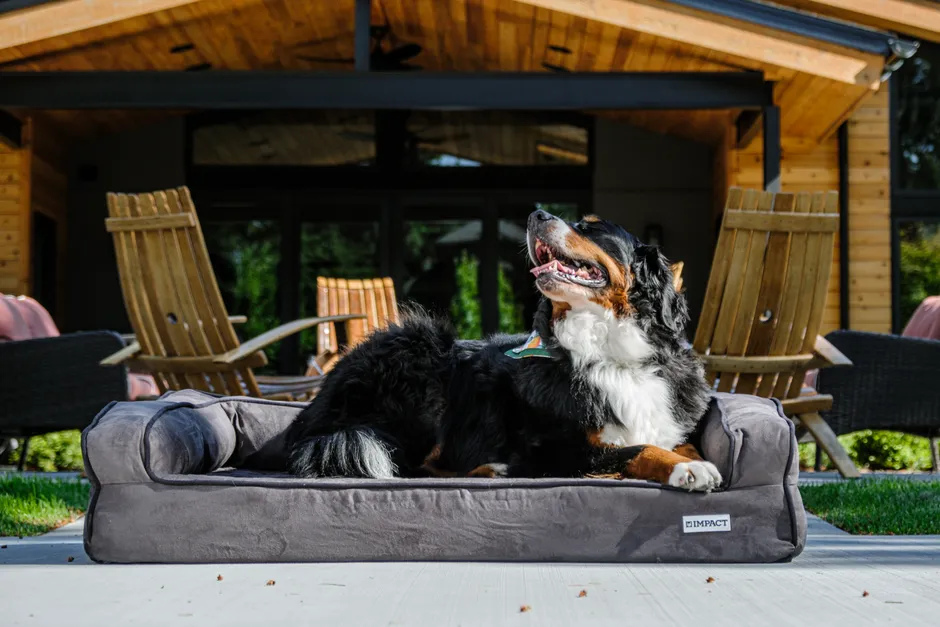
Most people don’t realize how much bed quality affects a senior dog’s entire day. A regular cushion might feel fine to us, but it does almost nothing for a dog carrying arthritis or reduced muscle mass.
Orthopedic memory foam distributes weight more evenly across hips, elbows, and shoulders – exactly the joints age hits hardest. Older dogs can rest 16 to 18 hours a day, which means bed quality isn’t a small detail; it’s arguably the single biggest comfort factor in their entire routine. Placement matters too – a bed near a draft or a heat vent can quietly undo all that cushioning, and many owners are stunned at how much calmer their dog becomes once both are fixed.
#4 – Keeping a Predictable Daily Rhythm
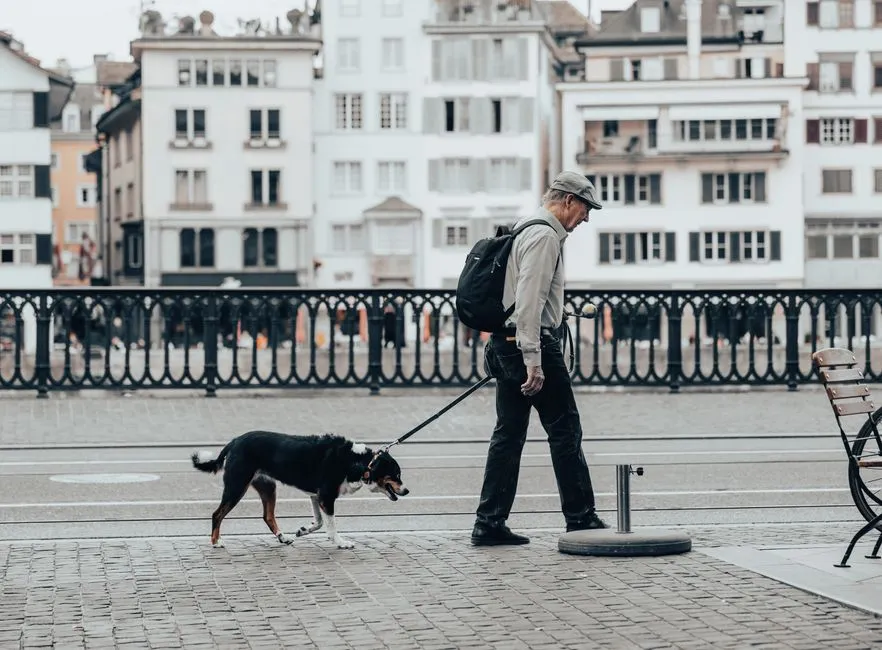
Aging dogs, much like aging people, tend to feel more anxious when routines become unpredictable. Sudden changes in feeding times, walk schedules, or who’s home when can quietly ratchet up stress they can’t tell you about.
Consistency actually becomes more important – not less – as dogs age, because their ability to roll with change diminishes. A senior dog who once tolerated a chaotic schedule without blinking may start pacing or growing clingy once that unpredictability drags on for weeks. It doesn’t require rigid, to-the-minute scheduling – just a general rhythm of meals, walks, and rest they can count on.
#5 – Using Gentle, Intentional Touch
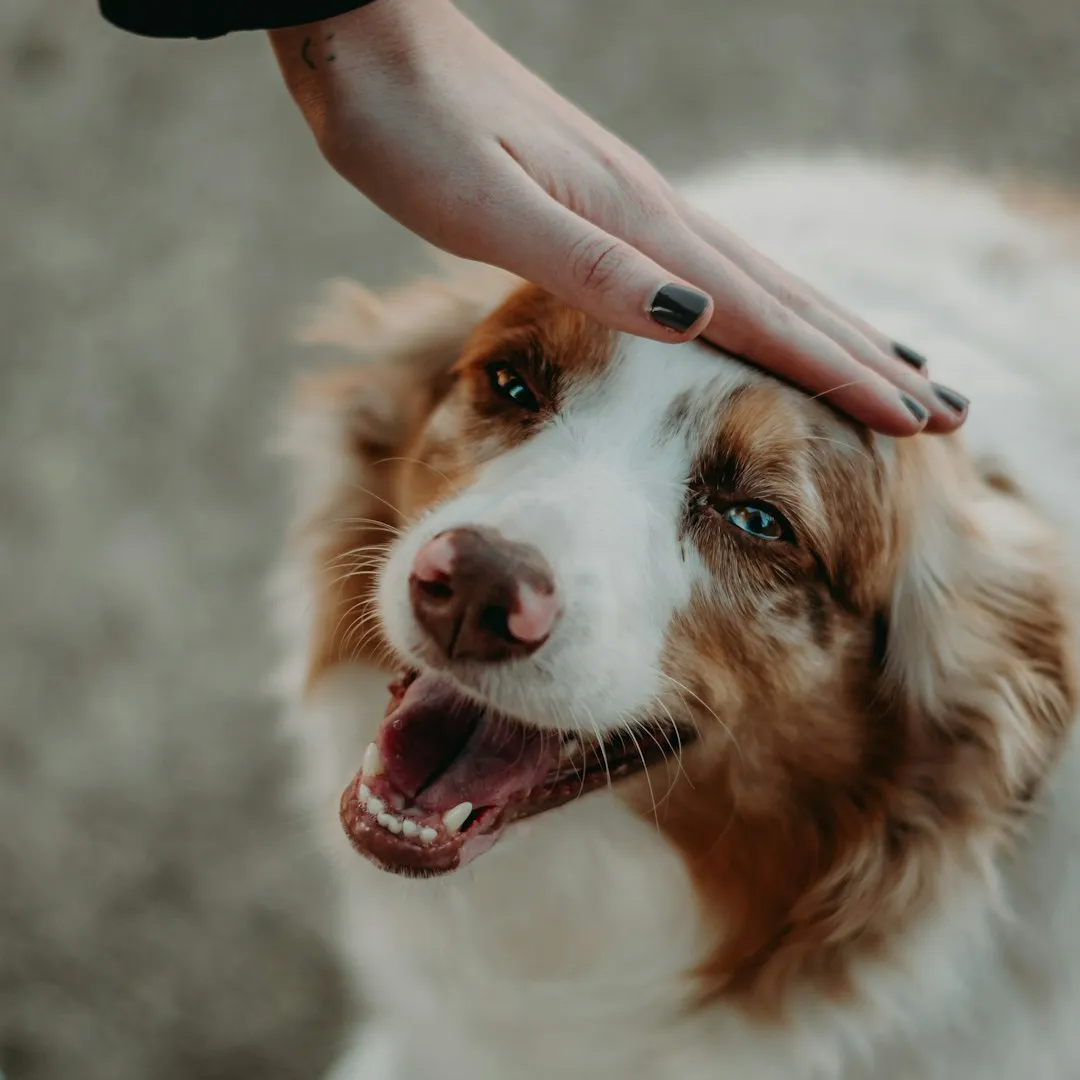
A lot of owners still pet their dog the way they did as a puppy – quick pats, rough scratches, playful jostling. Senior dogs often need something different, both physically and emotionally.
Slow, deliberate strokes along the back and shoulders can ease muscle tension and even mimic light massage. Dogs with arthritis are especially sensitive around the hips and lower spine, so well-meaning touch in the wrong spot can cause discomfort instead of comfort. Starting from the chest or shoulders and letting the dog signal where they’re okay being touched turns petting into something offered, not assumed – and that shift alone tends to deepen trust in ways owners don’t expect.
#6 – Watching Silently for Pain Signals
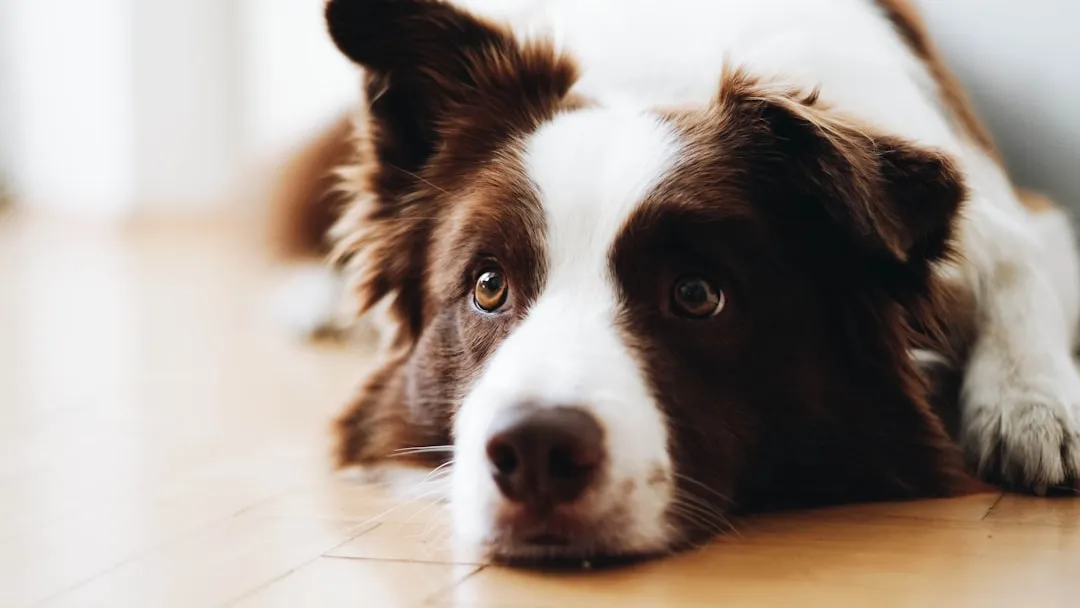
Here’s an uncomfortable truth: dogs are remarkably good at hiding pain. It’s a leftover survival trait from their wild ancestors, where showing weakness could mean danger.
That means owners often miss early discomfort simply because their dog isn’t limping or crying out. Subtle signs – reluctance to jump, slower stair climbing, a changed sleeping position – can show up months before obvious lameness does. Quietly watching how a dog moves first thing in the morning, without immediately intervening, is one of the most underrated early-warning tools an owner has.
Fast Facts
- Hesitation before jumping onto furniture is often an early sign, not “laziness”
- Slower stair climbing can appear months before visible limping
- A change in preferred sleeping position may signal joint discomfort
- Morning stiffness that eases within minutes is common and worth tracking over time
#7 – Keeping the Mind Active, Not Just the Body
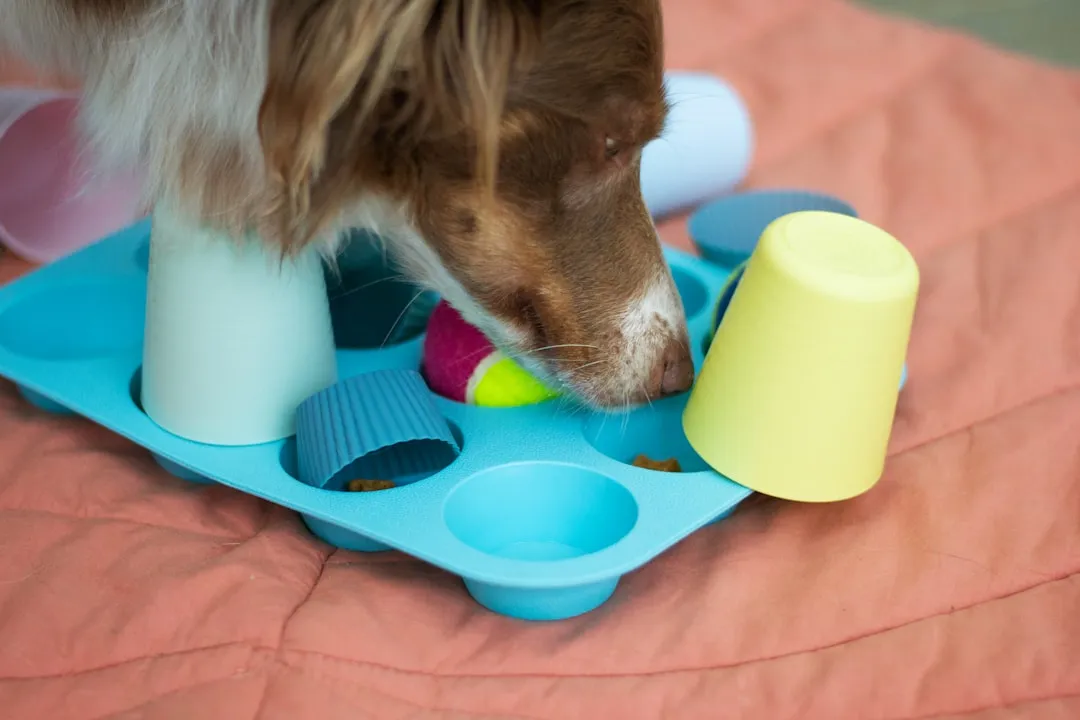
Most people focus entirely on physical needs once a dog ages, forgetting that mental stimulation matters just as much. A bored senior dog can turn withdrawn or anxious in ways that look a lot like physical decline.
Puzzle feeders, scent games, and simple training refreshers keep the brain engaged the same way physical therapy keeps a body engaged. Veterinary behaviorists increasingly compare it to cognitive exercise in aging humans – continued gentle use beats total rest. Even five minutes of a “find the treat” game can noticeably brighten a senior dog’s mood within days.
#8 – Making Floors Safer With Better Traction
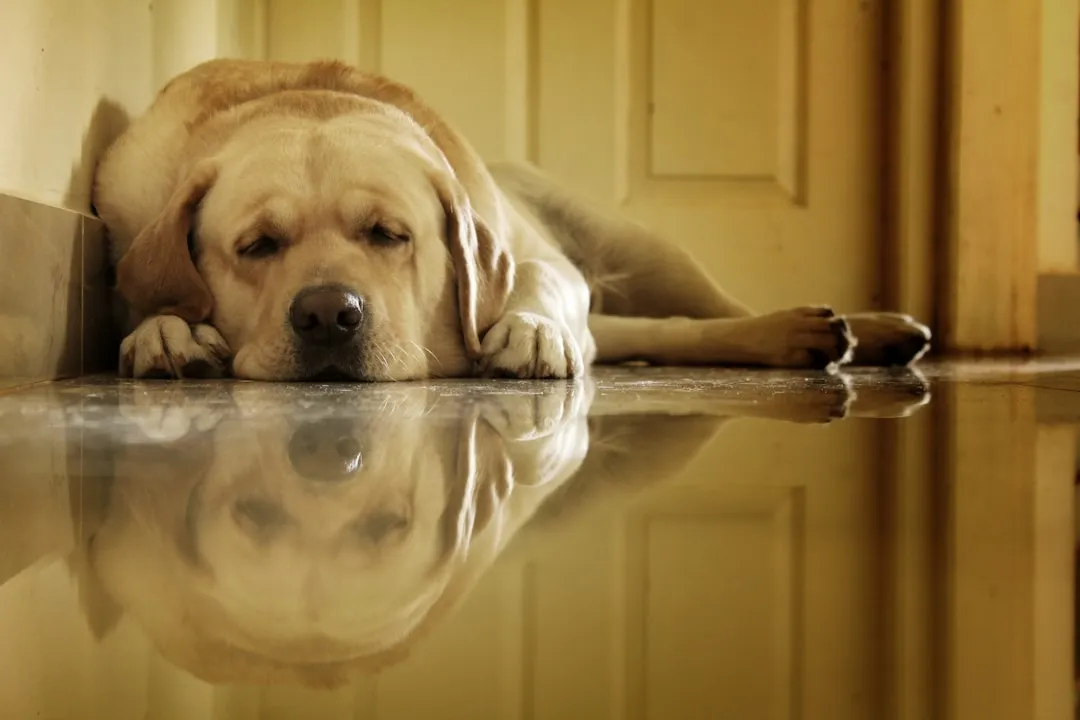
Hardwood and tile floors look elegant, but they’re quietly one of the biggest hidden hazards for aging dogs. Weakening leg muscles combined with slippery surfaces is a recipe for falls, strains, and long-term joint damage.
Vets increasingly point to slipping incidents as a hidden contributor to joint deterioration in senior dogs – something owners rarely connect back to their floors. Non-slip rugs, yoga mats, or traction socks in hallways and near food bowls can dramatically cut that risk. Many owners describe it as one of the most immediately noticeable upgrades they’ve ever made – dogs start moving more confidently almost overnight.
#9 – Responding to Accidents With Patience, Not Frustration
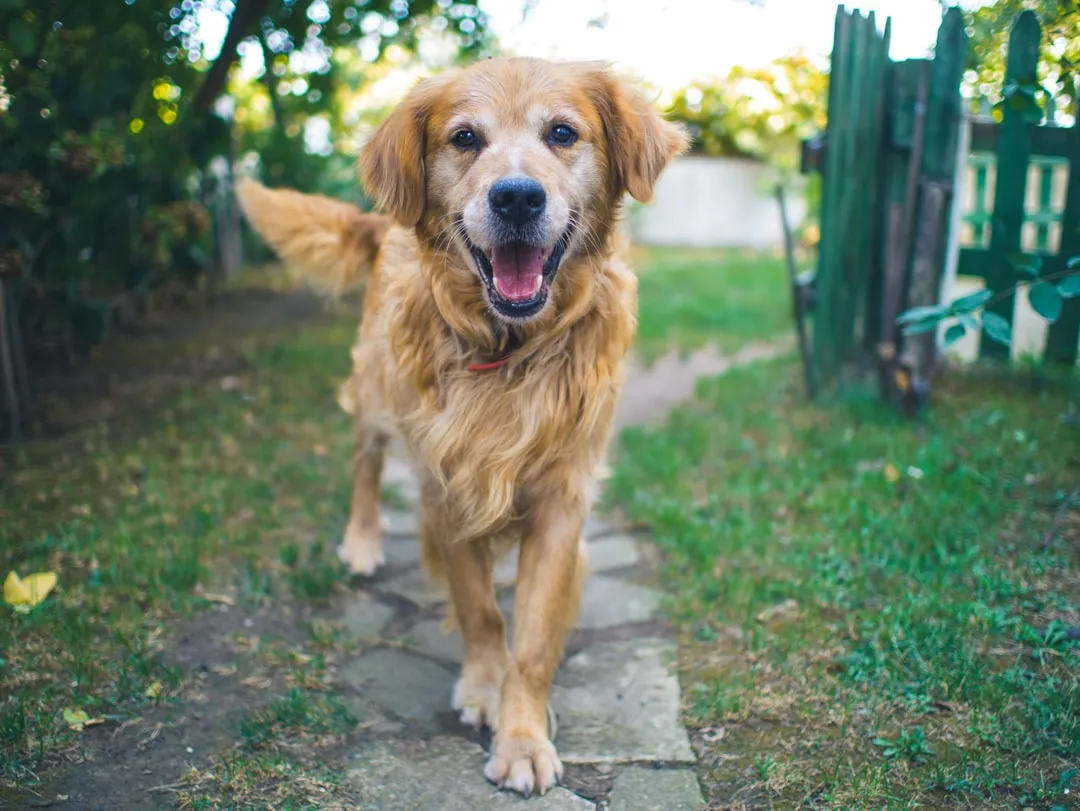
This is one of the hardest habits to build, but experts say it matters more than almost anything else. As dogs age, bladder control and the mobility to get outside in time often decline – even in dogs that were perfectly house-trained for a decade.
Reacting with frustration doesn’t correct the behavior; it raises anxiety, which can make accidents more frequent, not less. Senior dogs are extremely tuned in to tone of voice and body language, and a sharp reaction can create a stress cycle instead of solving anything. Calm redirection – more frequent outdoor breaks, easier access to exit doors, and treating the occasional accident as part of aging rather than a failure – is the far more effective path.
#10 – Doubling Up on Vet Visits, Not Just Waiting for Problems
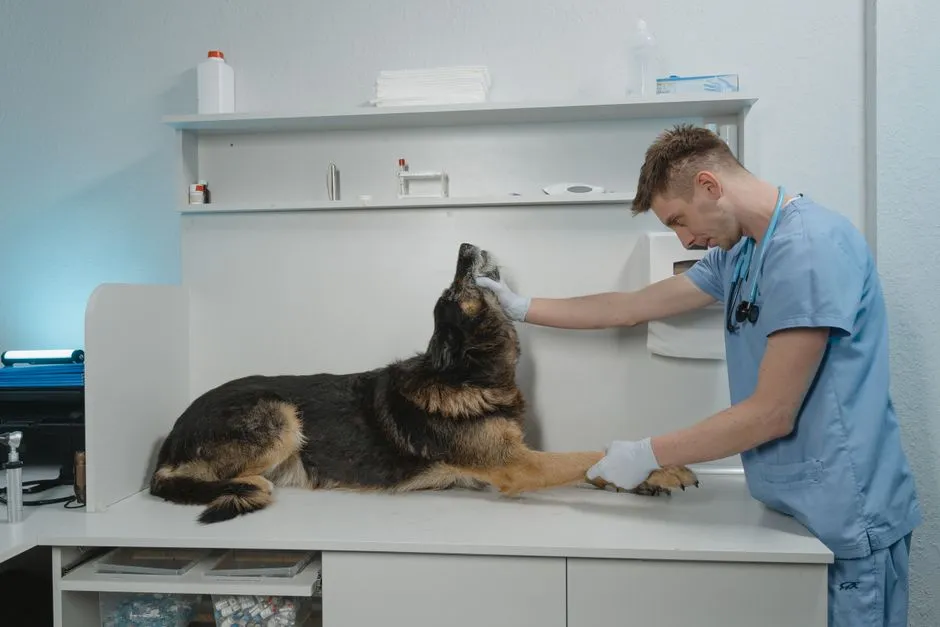
Most owners still follow a once-a-year vet visit habit well into their dog’s senior years. Many veterinarians now recommend doubling that frequency once a dog crosses into its later life stage.
Twice-yearly checkups let vets catch subtle changes in bloodwork, weight, or mobility long before they show up at home. Conditions like kidney decline or early arthritis often shift internally months before there’s any visible symptom. It might feel like an unnecessary expense, but catching issues early is almost always cheaper – and gentler – than treating an advanced condition later.
At a Glance
- Once-a-year visits: Can miss subtle bloodwork or weight shifts between checkups
- Twice-a-year visits: Catch early kidney, thyroid, or arthritis changes sooner
- Early detection: Often means simpler, less costly treatment
- Peace of mind: Owners get a clearer read on what’s normal aging vs. a real problem
#11 – Adjusting Nutrition Instead of Sticking With “What’s Always Worked”
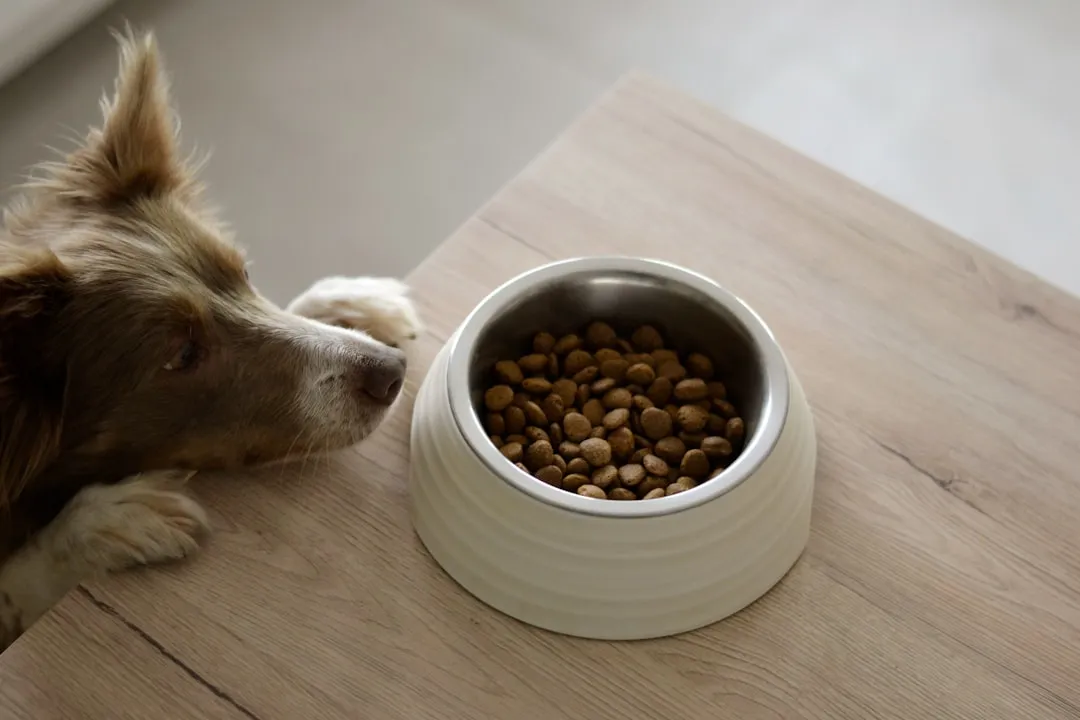
Many owners keep feeding the same food for a dog’s entire life, assuming if it worked before, it’ll keep working now. But senior dogs often have very different nutritional needs than they did even five years earlier.
Metabolism slows significantly with age, so the same portion sizes that once maintained a healthy weight can quietly tip a dog into obesity – a major driver of joint stress. At the same time, protein needs may actually increase to help preserve muscle mass, creating a balancing act most owners never realize exists. Slightly smaller portions, senior-specific formulas, or vet-guided supplements like glucosamine can make a genuinely noticeable difference in energy and comfort.
#12 – Protecting Social Time, Not Reducing It
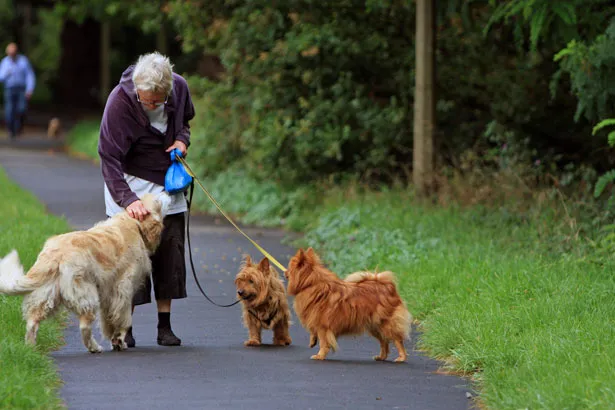
There’s a common instinct to “let senior dogs rest” by cutting back on social interaction – fewer visits from friends, less time around other dogs, quieter household routines. Many behaviorists say this instinct, however well-meaning, can backfire.
Isolation, even the well-intentioned kind, is linked to increased signs of cognitive decline and anxiety in aging dogs. Continued – though gentler – social contact keeps them mentally engaged and emotionally secure rather than withdrawn. That doesn’t mean forcing high-energy playdates; it means familiar visitors, calm supervised interactions, and simply staying included in family life instead of being tucked away “to rest.”
#13 – Adding Extra Warmth Without Overdoing It

Aging dogs often struggle more with temperature regulation than owners expect. Reduced muscle mass and slower circulation mean a senior dog can get cold in conditions that never would have bothered them at two years old.
A dog that once slept comfortably on a bare floor may now need blankets, a sweater, or a heated bed just to feel the same warmth – especially true for smaller or short-haired breeds with limited heat retention to begin with. The key is balance: overheating can be just as harmful, particularly for dogs with age-related heart conditions. Offering a soft blanket and watching how they actually use it is usually the simplest way to find that line.
Worth Knowing
- Smaller and short-haired breeds typically lose body heat faster than larger, thick-coated dogs
- Cold floors can stiffen joints even in a well-heated room
- Overheating is a real risk too, especially for dogs with heart or breathing issues
- A dog that repeatedly seeks out a blanket or heat source is signaling what it needs
#14 – Speaking in a Calm, Steady Tone
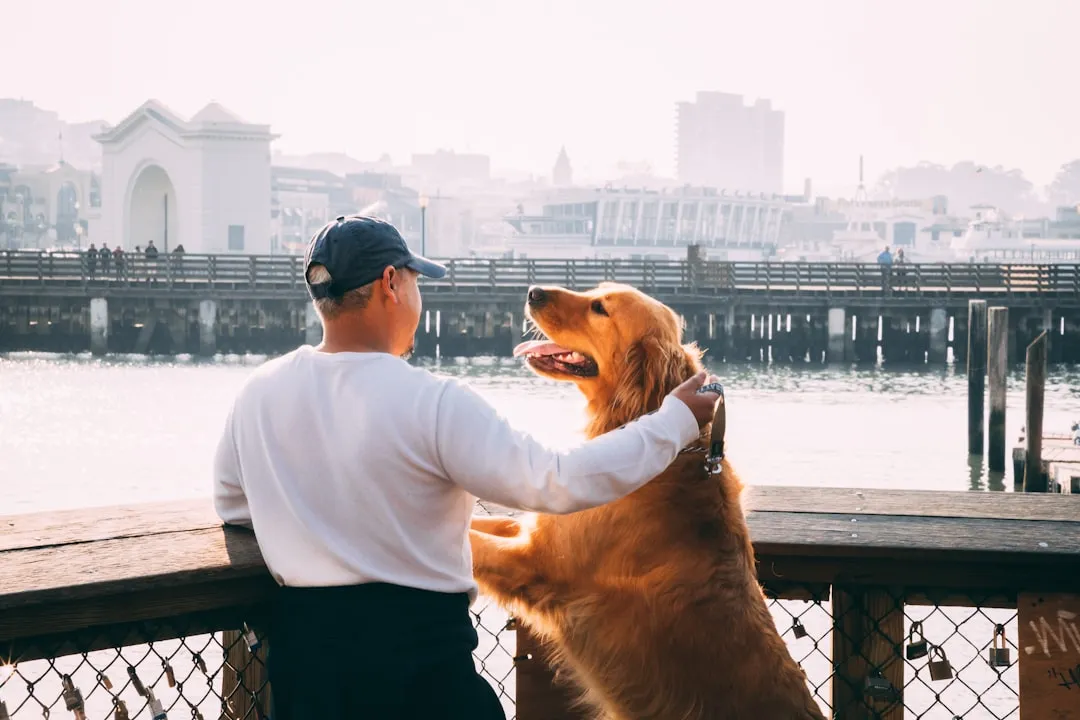
This sounds almost too simple to matter, but trainers insist it’s one of the most overlooked forms of comfort an owner can offer. Aging dogs, especially those with hearing loss or cognitive decline, rely heavily on tone rather than words.
A calm, low, steady voice can visibly reduce anxiety in senior dogs, even with hearing loss, because vibration and tone are often still perceived even when specific words aren’t. Sudden loud noises or sharp tones, meanwhile, can startle or confuse a dog already feeling a little disoriented. Owners naturally soften their voice for puppies but often forget to bring that same gentleness back for the senior years, right when it matters most.
#15 – Simply Being Present, Without an Agenda
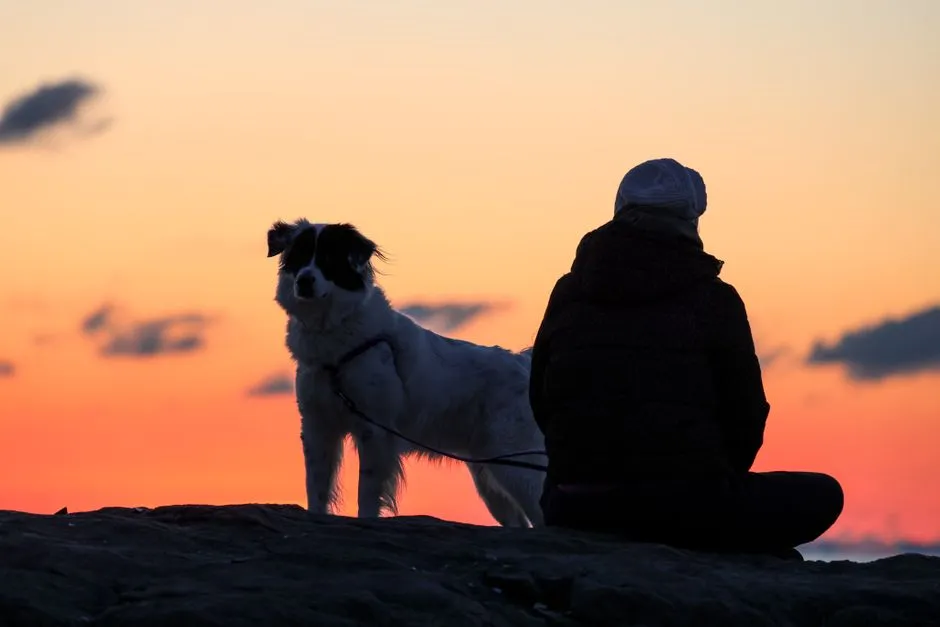
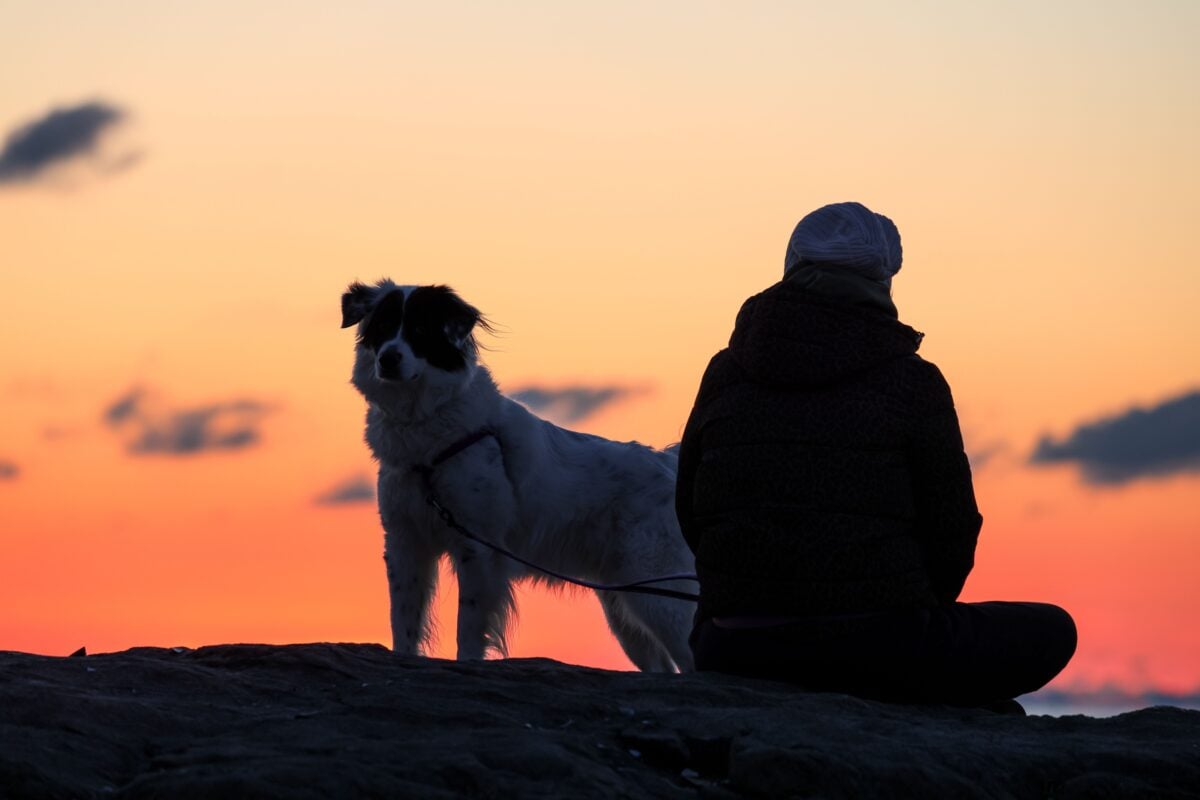
Of everything on this list, experts consistently point to this final habit as the most important – quiet, undistracted presence. Not training. Not walking. Not feeding. Just sitting nearby, calmly, without expecting anything in return.
Many behaviorists argue that senior dogs, more than at any other life stage, respond most strongly to simple companionship rather than activity. A dog slowing down physically often becomes more attuned emotionally, picking up instantly on whether their owner is truly present or just physically in the room while distracted. Sitting on the floor beside them, resting a hand gently on their side, or just staying put while they nap communicates security in a way nothing else quite replicates.
Dogs are not our whole life, but they make our lives whole.
Roger Caras
The Bottom Line
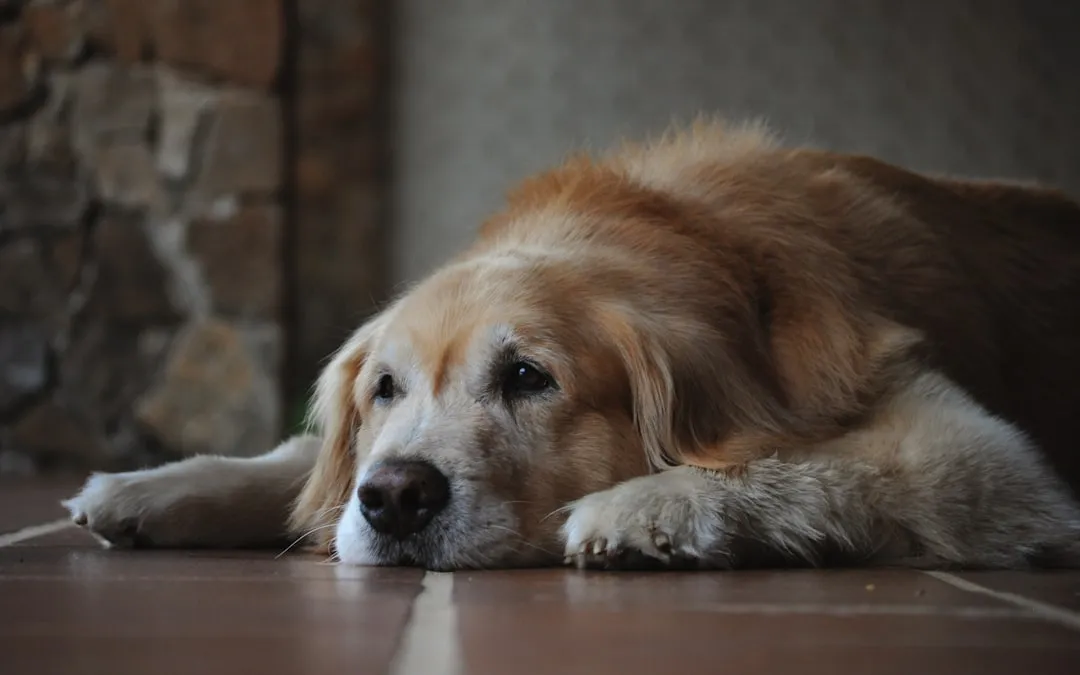
The biggest myth about aging dogs is that they need less from us – less activity, less engagement, less attention to detail. The truth, according to trainers, vets, and behaviorists alike, is the opposite: senior dogs need more intentional care, just delivered more gently. From flooring and nutrition to tone of voice and simple presence, the smallest daily habits often matter more than any single grand gesture.
What’s clear is that dogs notice far more than we give them credit for, right up until the very end – and the ones who feel truly cherished aren’t the ones with the fanciest gear, but the ones whose owners slowed down long enough to pay attention. Which of these habits do you already do without realizing it? Drop it in the comments.
