
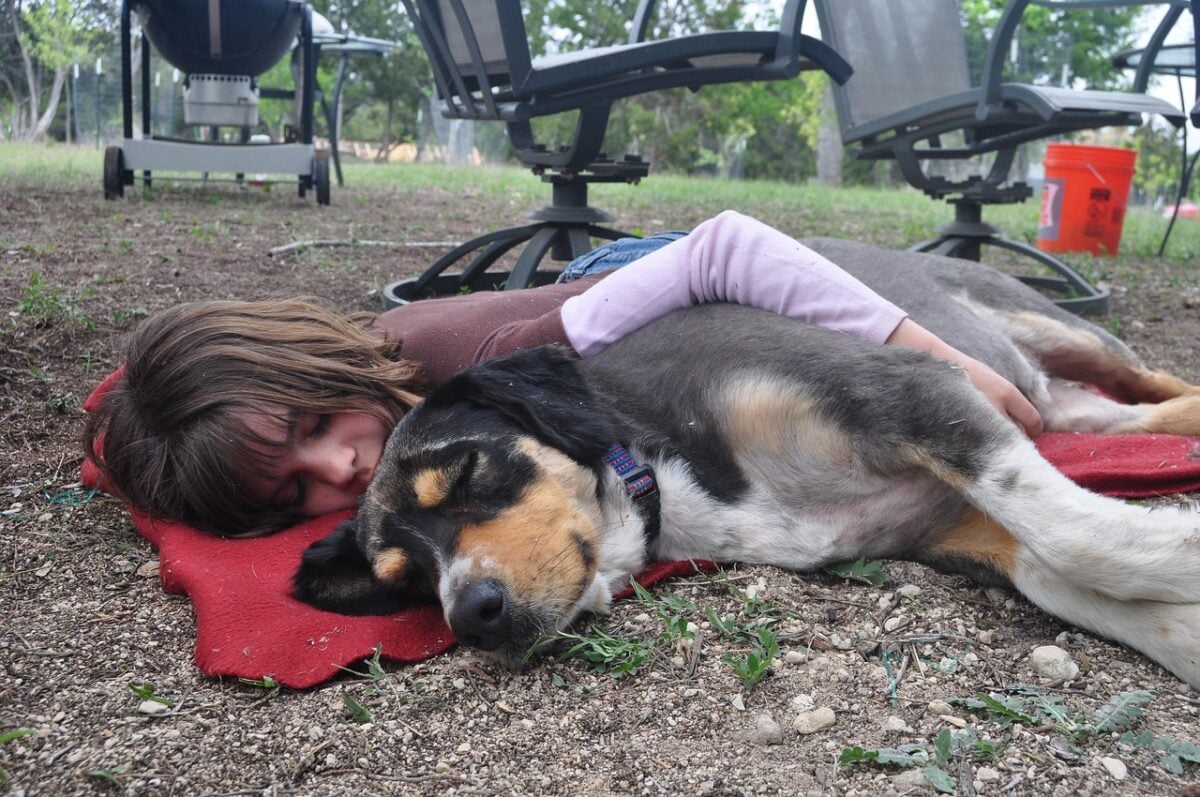
Most people think a rescue animal “bonding” means tail wags, sloppy kisses, and begging for snacks at the counter. That’s the Hollywood version. The real thing, according to animal behaviorists, looks almost nothing like that – it shows up in tiny, easy-to-miss moments that most owners completely misread as clinginess, weirdness, or “just a habit.”
Some of the deepest rescue bonds are the quietest ones. A sigh. A shift in breathing. A door they suddenly aren’t afraid of anymore. If you’ve ever wondered whether your rescued pet actually chose you back, the proof has probably been sitting right in front of you – you just didn’t know what you were looking at. Here’s what that proof really looks like.
#14 – They Relax in Positions That Expose Their Vulnerable Spots
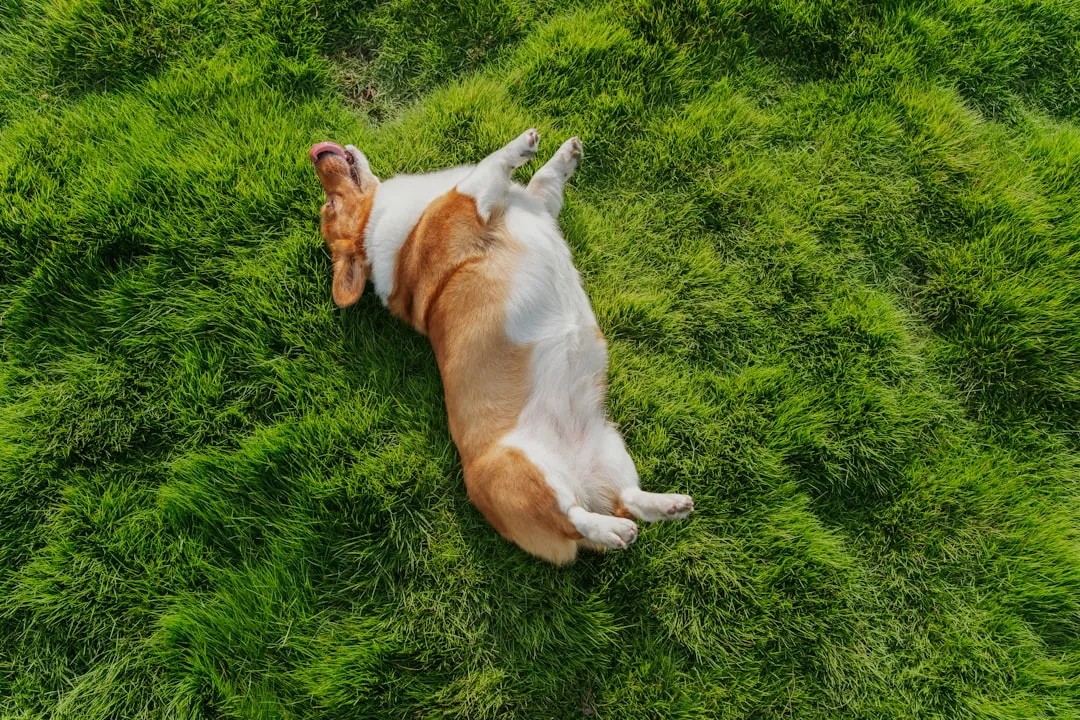
When a rescued animal shows you their belly, throat, or back, it’s not just “cute.” It’s a survival decision. In the wild, those spots get protected at all costs, and anxious, newly rescued animals usually sleep curled tight – paws under, tail wrapped, ready to spring at a moment’s notice.
When that same animal starts flopping next to you like a dropped stuffed toy, something has changed. They’re not just comfortable – they’re surrendering. Watch for the shift:
- They start sleeping on their side with legs stretched out.
- They roll onto their back near you, then actually fall asleep that way.
It’s their body saying, “If something bad happens, I’m not guarding myself. I’m betting on you.” Some people brush this off as “dogs just like belly rubs,” but a rescue who’s been hurt before doesn’t hand over that kind of exposure lightly. It has to be earned.
#13 – They Use You as Their “Safe Base” in New or Stressful Places
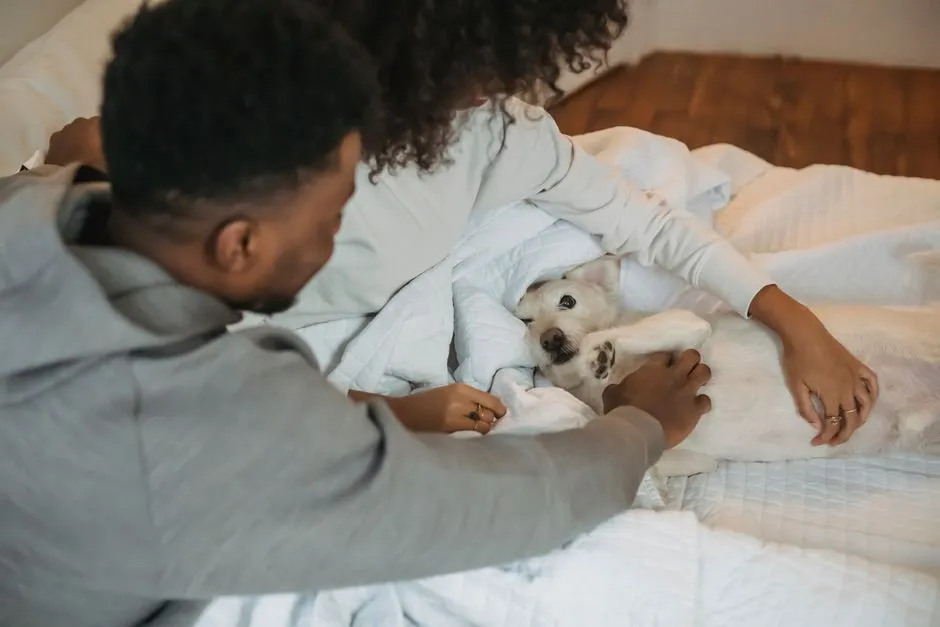
Watch what your rescued animal does somewhere unfamiliar – the vet’s office, a new park, a friend’s noisy living room. A lot of owners assume a dog hiding behind their legs, or a cat plastered to their shoulder, is “being dramatic.” In attachment science, that’s actually a textbook sign of a secure bond.
You’ve become the measuring stick they use to decide if the world is safe. That’s not weakness, that’s trust in your judgment. Watch for:
- They check out a new room, then trot or dart back to touch you.
- They wedge themselves between your feet during loud noises.
- They peek out from behind you at strangers, then relax only once you do.
Quick Compare: Secure vs. Anxious Attachment
- Secure bond: they explore a new space, then circle back just to touch base with you.
- Anxious attachment: they never leave your side at all, even when nothing is actually wrong.
- Fear without trust: they freeze, hide, or bolt, barely registering you’re even in the room.
In their mind, if you’re there, they can survive whatever this is. If you leave the room, their courage leaves with you – and that’s a heavier compliment than it sounds like.
#12 – Their Eyes Softly “Melt” When They Look at You
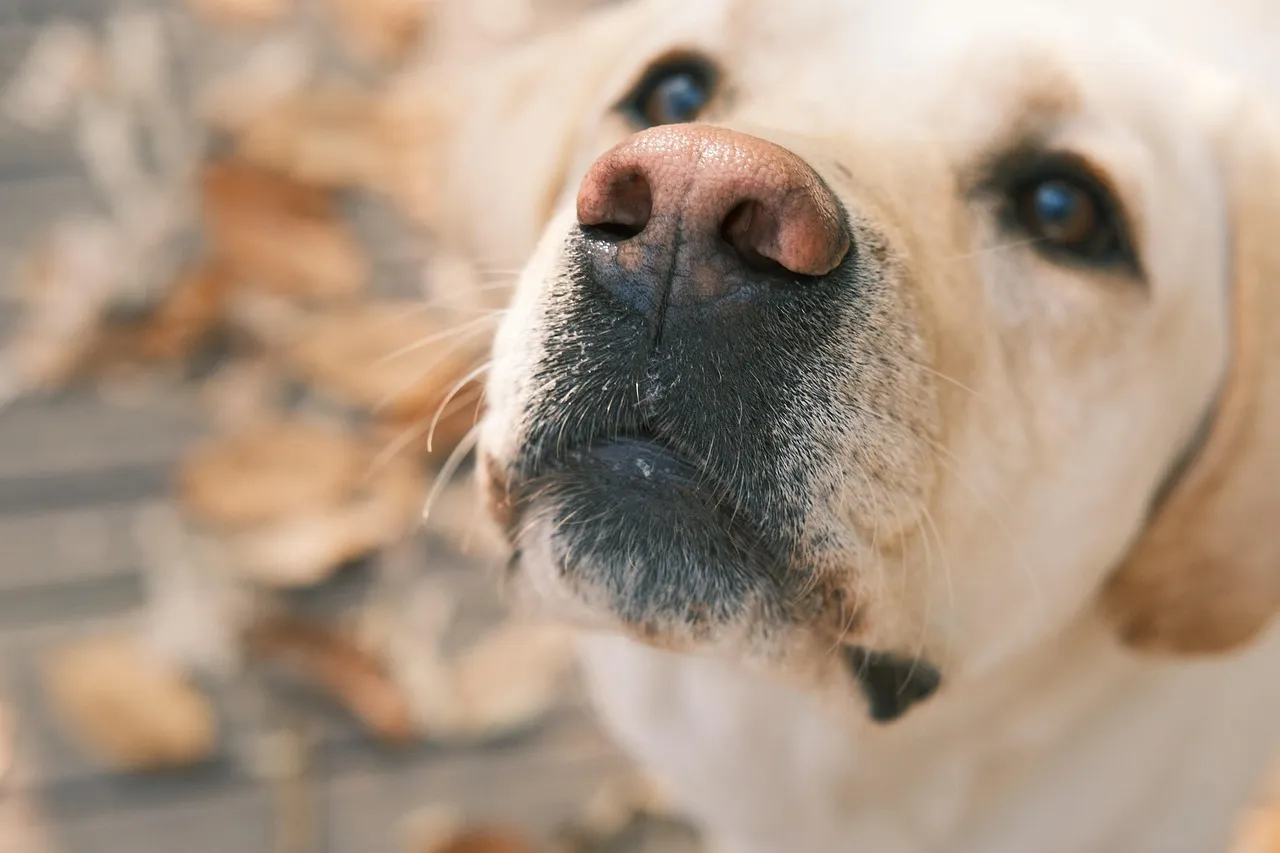
Most people obsess over “making eye contact,” but with rescues, the type of eye contact matters far more than the amount. Hard, wide eyes paired with a stiff body usually mean fear or hypervigilance – the opposite of what you want to see.
What you’re actually looking for is a slow, soft gaze: half-closed eyelids, a relaxed face, maybe a tiny sigh while they just quietly watch you. You’ll notice it when:
- They’re across the room, not asking for anything, just calmly watching.
- They blink slowly or squint gently when your eyes meet.
- Their ears and shoulders are loose, not braced.
Researchers have linked mutual soft gazes to a rise in oxytocin – the same hormone tied to human bonding. For a rescue, that’s enormous. Old advice said never stare down a dog. Newer behavioral science says this specific soft gaze can mean the opposite: deep emotional safety, freely given.
#11 – They Match Their Breathing and Rhythm to Yours
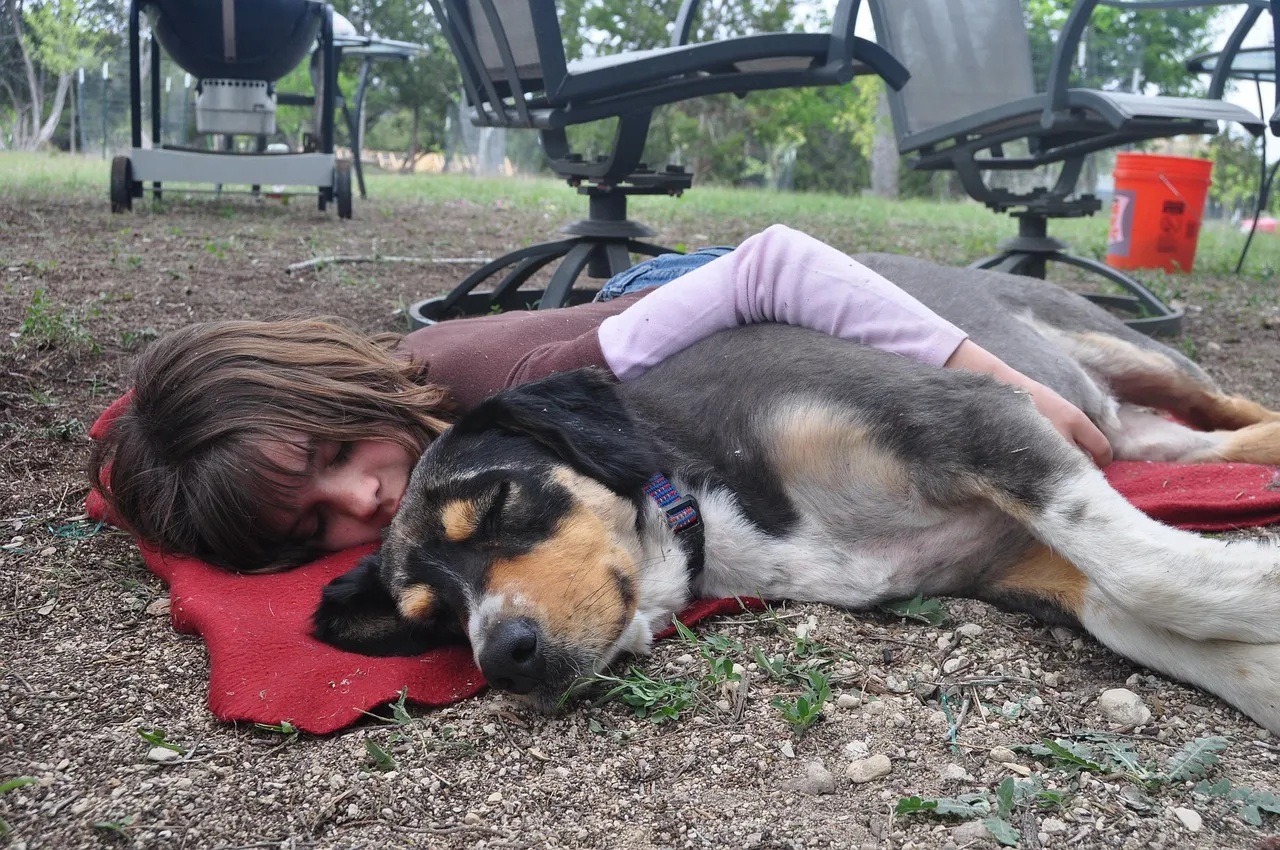
This one sounds almost too poetic to be real, but if you’ve lived with a bonded rescue, you’ve felt it happen. You lie down on the couch. They curl up against you, back to chest or side to side. Give it a few minutes.
Their breathing will often sync to yours – same pace, same slow rise and fall. It isn’t magic, it’s nervous systems linking up in real time. Signs to watch for:
- A previously restless dog settles faster the second they’re touching your leg.
- A skittish cat purrs in a steady rhythm as your own breathing evens out.
- They sigh and visibly “let go” right after they feel your body relax.
Animals that don’t fully trust you stay alert even while lying still. Matching your rhythm is their nervous system saying, “I’m safe enough to power down when you do.” Most owners miss it completely because it’s so quiet and so ordinary.
#10 – They Come to You First After a Scare…Then Recover Faster

Thunder, fireworks, a dropped pan, a stranger yelling – rescues with trauma histories can spiral hard when startled. The real tell isn’t the fear itself. It’s what they do next.
If they bolt and stay locked in panic, that’s just fear. If they rush straight to you and start calming down the second they’re touching you, you’re not just a person to them anymore – you’re their coping mechanism. Watch the pattern:
- Loud sound → they sprint to you specifically, not just any corner of the house.
- Once pressed against you, the shaking, panting, or pacing noticeably drops.
- They check your face, almost like they’re asking, “Are we okay?”
You’ve become their emotional anchor. That doesn’t mean you caused their anxiety – it means you’re the one thing that reliably turns it down. Some people call this “clingy.” In reality, it’s an attachment you built one hard moment at a time.
#9 – They Break Their Own Fear Rules Just to Be Near You
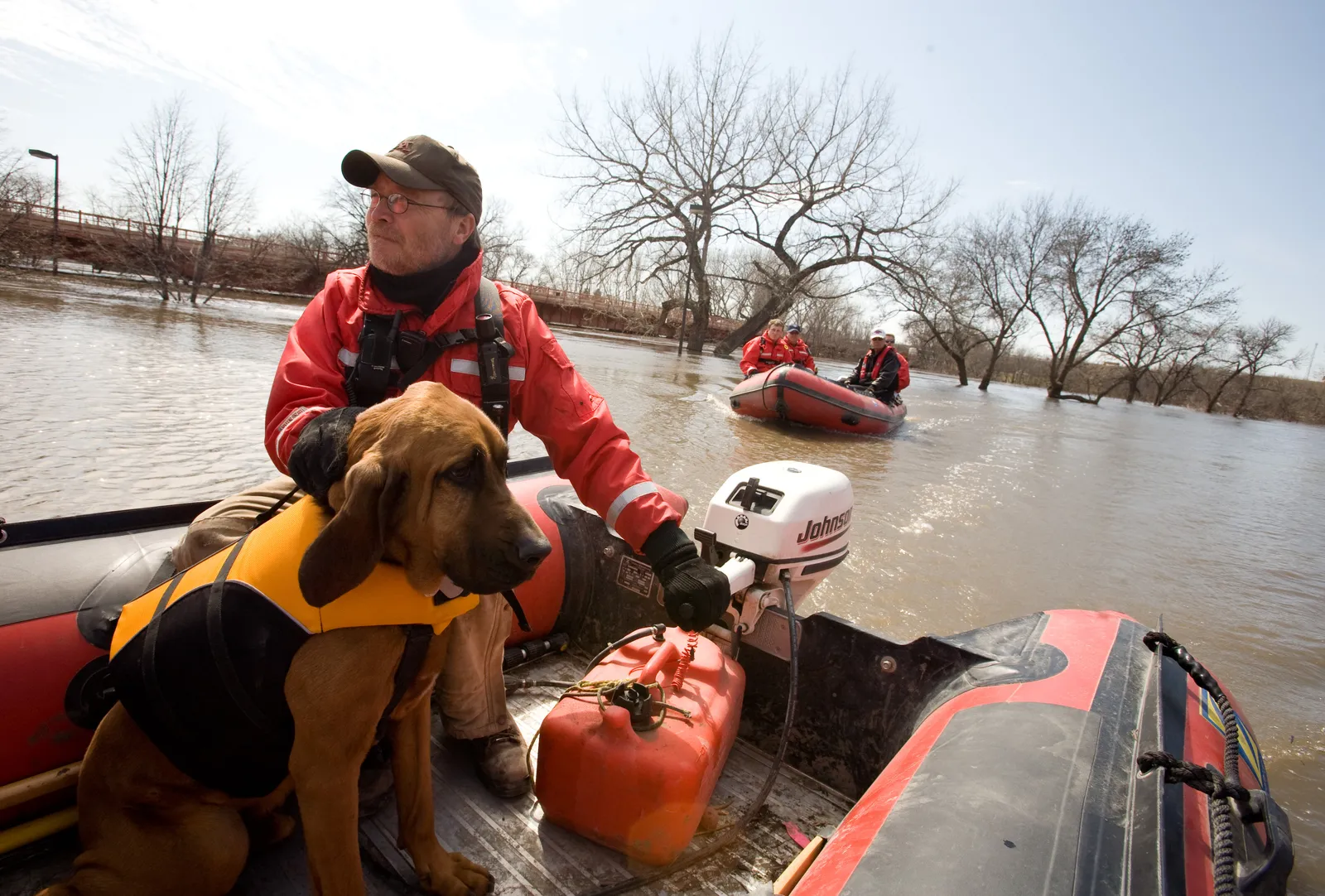
Rescue animals build very clear invisible lines: doors they won’t cross, rooms they avoid, people they won’t approach. When the bond deepens, you’ll start seeing them quietly override their own rules – not because the space got less scary, but because the need to be near you wins anyway.
Look for examples like these:
- A dog terrified of hardwood floors tiptoes across them only when you’re on the other side.
- A cat who hates the hallway suddenly braves it just to sleep outside your bedroom door.
- A crate-averse animal chooses to rest in a small enclosed space if it smells like you.
Worth Knowing
- Behaviorists call this push-pull pattern “approach-avoidance conflict,” a well-documented part of trauma recovery.
- It typically shows up gradually – one small override at a time, not all at once.
- These moments often surface first in low-stakes spots, like a hallway, long before a harder one, like the vet’s office.
Behaviorists call this “approach despite conflict.” Translated, that just means love beat fear, at least in that moment. They’re still scared – losing you just feels worse. It’s subtle, but it’s one of the clearest proofs you’ve become their chosen person, not just their caretaker.
#8 – They Start to Mirror Your Moods (Even When You Say Nothing)
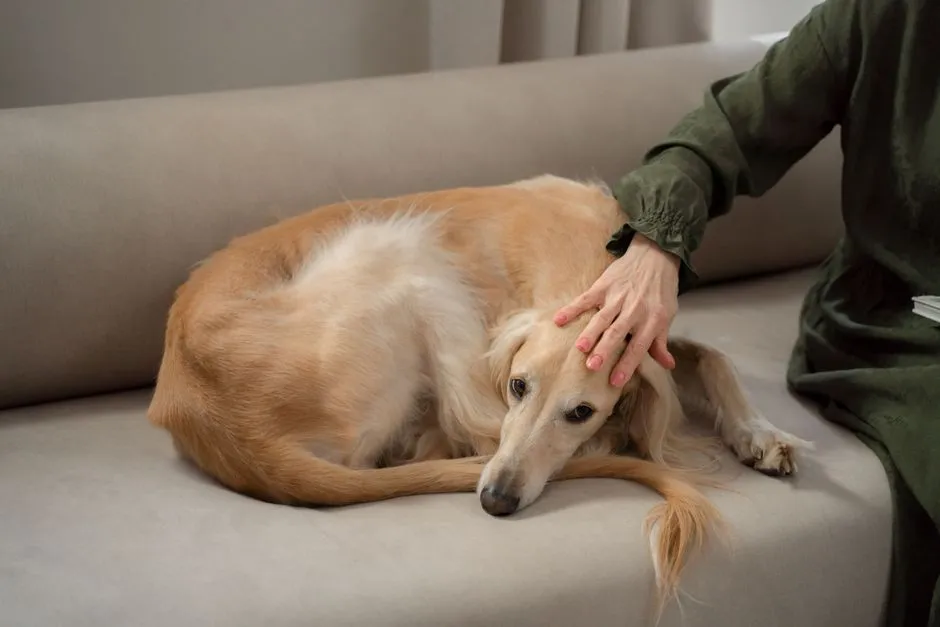
People joke that pets are “little emotional sponges,” but with rescues, this can get startlingly precise. Over time, a deeply bonded animal will shift its own behavior based on your mood – often before you’ve said a word, moved, or changed your routine.
They’re reading micro-cues in your posture, your breathing, your energy. You might notice:
- On anxious days, your usually playful dog stays quietly close instead of demanding play.
- When you’re sick, your cat parks itself on your chest and barely leaves.
- After a hard day, they greet you more gently, skipping the usual chaos and zoomies.
It isn’t mind-reading – it’s attentional focus. They watch you more closely than anyone else in the house does. Critics argue owners just “project” emotion onto pets, but countless rescue owners describe the same exact pattern: the animal quietly becomes a shadow therapist nobody asked for.
#7 – They Choose You Over Food or Freedom in Key Moments
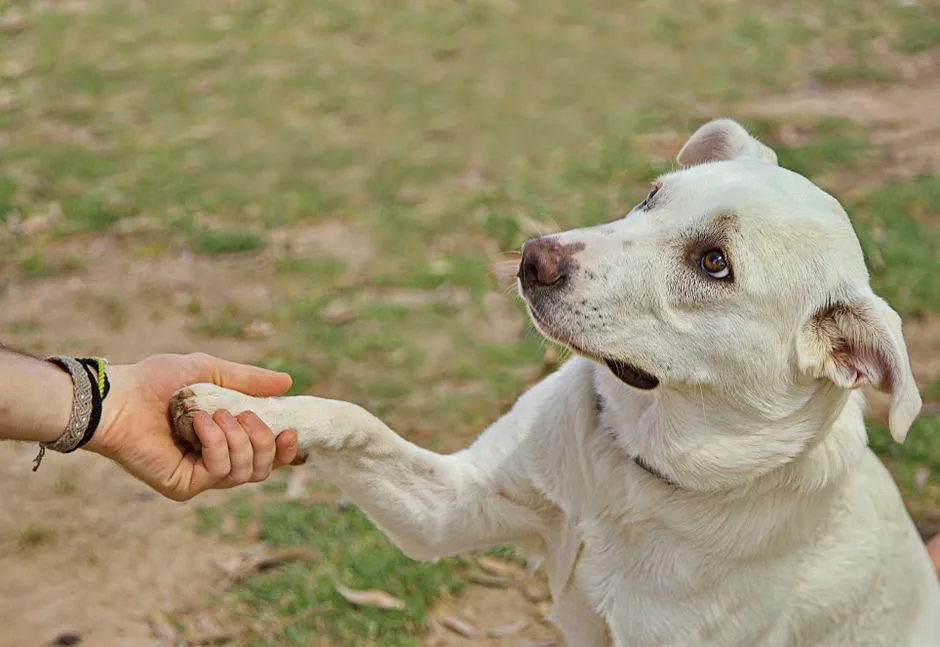
Everyone claims, “My dog loves me more than treats,” right up until you actually test it. A rescue that has truly bonded will occasionally do the one thing you’d never expect from a once-neglected animal: abandon food, toys, or even an open door just to stay near you. Not always – but in the moments that count, they pick you.
Watch for these gut-punch scenes:
- You drop a high-value treat, and they ignore it to follow you into another room.
- The gate is open, but instead of bolting, they hesitate and look back at you.
- A visitor offers food, they sniff it curiously… then retreat back to your side.
For an animal who’s known real hunger or abandonment, this is enormous. Survival used to be the only priority they had. Choosing you over a survival resource means you’ve become part of the survival equation itself. You’re not a vendor anymore. You’re family.
#6 – Their “Happy Greeting” Is Reserved for You (And Only You)
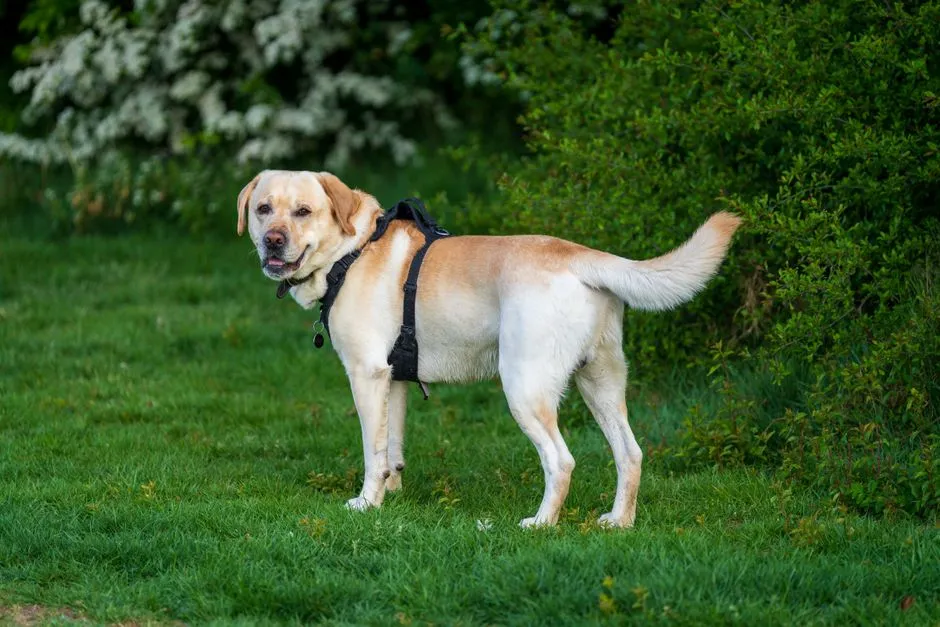
Plenty of pets are friendly with everyone. That doesn’t mean they’re bonded to anyone in particular. The real giveaway with rescues is the difference in how they greet you versus literally everyone else – their whole body celebrates you in a way it never quite does for anyone else.
Look for:
- Full-body wiggles, helicopter tail, or little hops reserved just for you.
- A specific “you only” sound – a soft whine, chirp, or trill – the second they hear your key in the door.
- A cat who acts aloof with guests but melts into slow blinks the moment you walk in.
At a Glance
- Friendly-with-everyone behavior and a bonded rescue’s greeting differ in contrast, not just enthusiasm.
- A truly attached rescue usually has one unmistakable “just for you” behavior nobody else gets.
- The greeting often intensifies after time apart, not during routine comings and goings.
This isn’t random excitement, it’s ritual. It’s their daily way of saying, “You came back. Again.” Some owners write it off as normal enthusiasm, but pay attention – if they’re neutral with others and explosive with joy only around you, that’s not an accident. That’s a chosen attachment, and they’re choosing it every single time you walk through the door.
#5 – They Respect Your Boundaries Without Being Afraid of You

Here’s a subtle one that separates fear-based obedience from an actual bond. A deeply bonded rescue can hear “no,” get guided off the couch, or get a gentle limit – and they don’t shut down, cower, or avoid you afterward. They might pout. They might bargain. But they still trust you completely.
The pattern looks like this:
- You stop play; they pause, then stay nearby instead of slinking away.
- You redirect them from something unsafe; they comply, then quickly re-engage.
- After a vet visit, bath, or nail trim, they forgive you fast and still seek comfort from you.
This contradicts the old idea that “respect” comes from intimidation. For a rescued animal, fear just reopens old wounds. Real respect is them understanding your boundaries and still feeling completely safe with you. You’re not just the rule-setter – you’re the safe place they run back to right after the rule.
#4 – They Guard Your Rest Like It’s Their Job
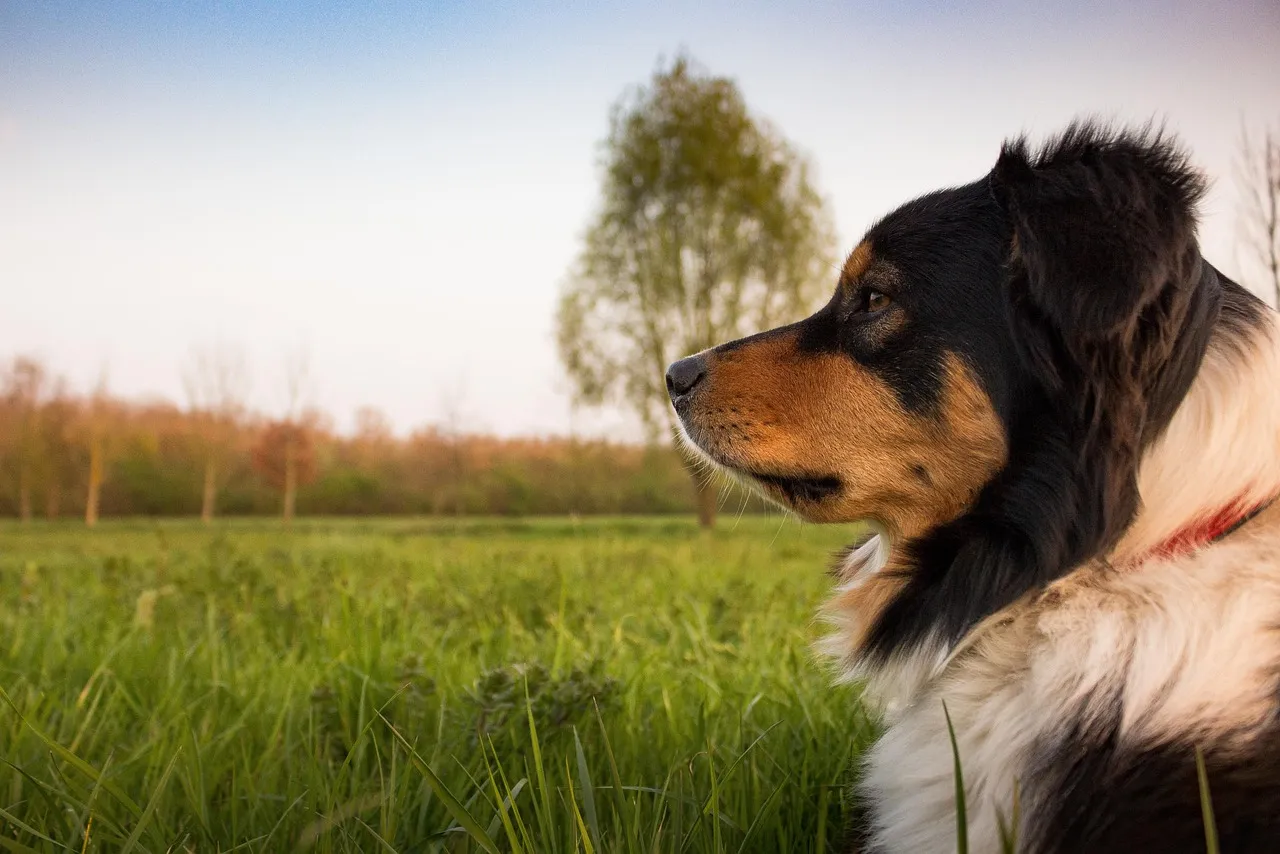
Some rescues become “bedroom security staff” the moment you lie down. They’re not just stealing warmth – they’re taking up position. They choose strategic spots: facing the door, at your feet, just outside the bedroom, literally watching over your most vulnerable moments.
Common setups look like this:
- A dog sleeps with their back pressed against you, eyes fixed toward the doorway.
- A cat who ignores you all day suddenly appears the second you’re in bed, stationing at your chest or pillow.
- They start pacing or whining only when something unusual happens at night.
Are they also comfortable? Sure. But comfort and duty can coexist. For an animal who once had no one protecting them, standing guard over you is more than instinct – it’s reciprocity. You protected them when they were terrified. Now, in their own species-specific way, they’re paying it back.
#3 – They Seek Comfort From You When They’re in Pain or Distress
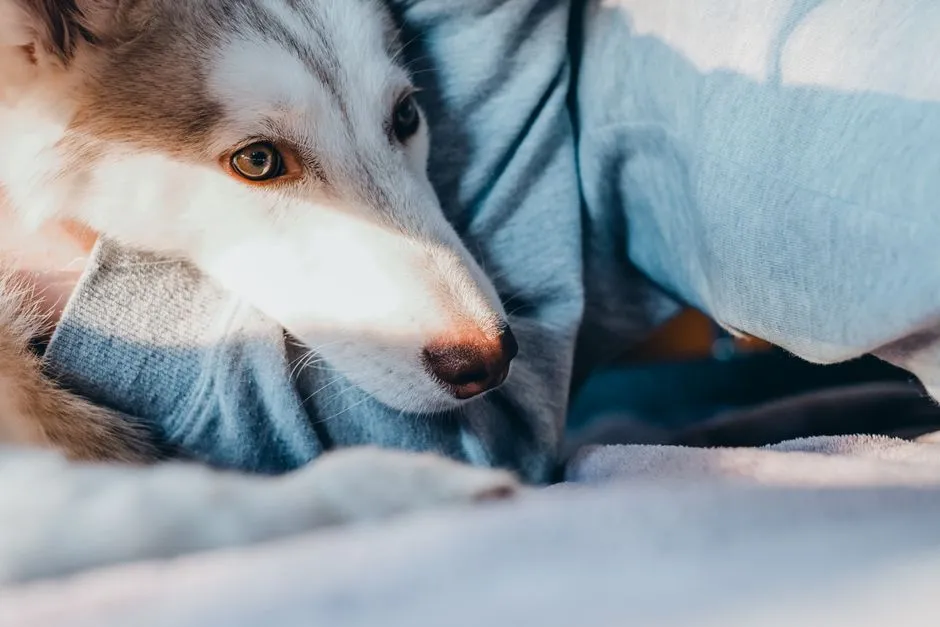
A lot of rescues hide when they’re sick or hurt – that’s hardwired survival behavior, built to keep predators from noticing weakness. The day they start doing the opposite is a genuinely huge shift.
When they limp toward you instead of under the bed, when they nuzzle your hand toward a sore ear, they’re essentially admitting, “You are my safest option when I’m at my weakest.” Watch for:
- They wake you up at night when they’re unwell instead of suffering silently in a corner.
- They let you inspect paws, ears, or a mouth they once wouldn’t let anyone near.
- After a bad dream or a seizure, they orient straight toward your voice.
Fast Facts
- Hiding pain is an instinctive survival strategy shared by prey and predator species alike.
- Seeking you out instead of solitude is considered a major trust shift, not a coincidence.
- The shift often starts small, like leaning into your hand, before growing into full comfort-seeking.
Pain makes animals defensive by default. Choosing vulnerability with you, right in the middle of fear or discomfort, is one of the clearest signals your role has shifted from “house human” to primary source of relief. For a creature who once had no advocate at all, inviting you into their pain is about as loud as “I love you” gets.
#2 – They Show Jealousy or Preference…Even When It’s Inconvenient
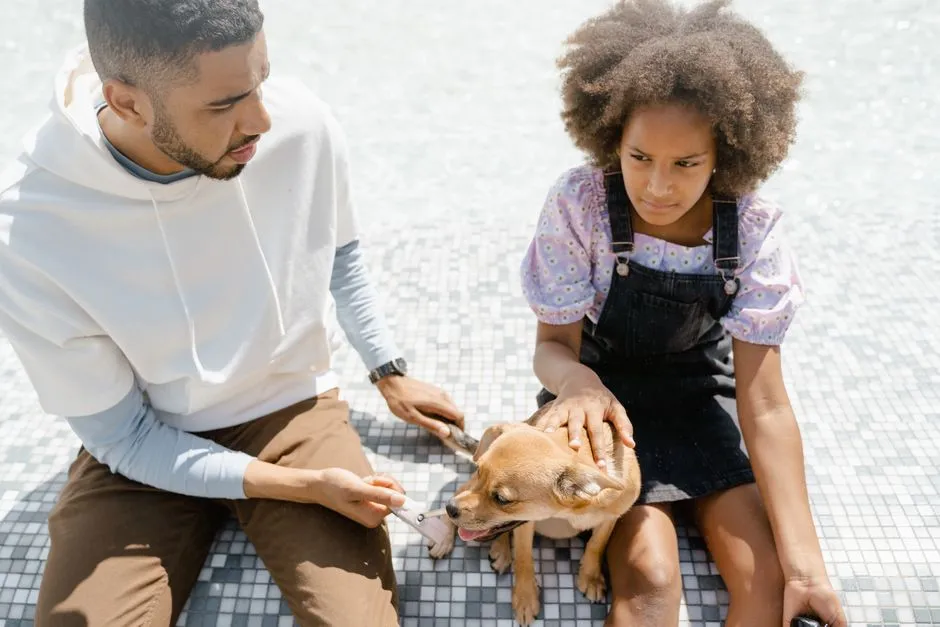
People argue about whether animals can really feel jealousy, but anyone who’s lived with a bonded rescue has seen it firsthand. Another person pets them, and they keep turning their head to check where you are. A family member calls them over, and they hesitate, glancing at your face first.
Preference is one of the rawest, least polite signs of attachment there is. Look for:
- Them physically squeezing between you and other animals or people.
- Choosing your lap over comfier furniture or a better patch of sun.
- Ignoring other people’s commands but snapping to attention the second you speak.
Is it always convenient? No. Is it always cute? Also no. But underneath the social awkwardness sits a hard truth: out of every option available, they’ve ranked you highest. In rescue terms, that’s enormous. They had a past. They had real pain. And they’re still gambling their entire future on you.
#1 – They Don’t Just Change Because of You…You’ve Changed Because of Them
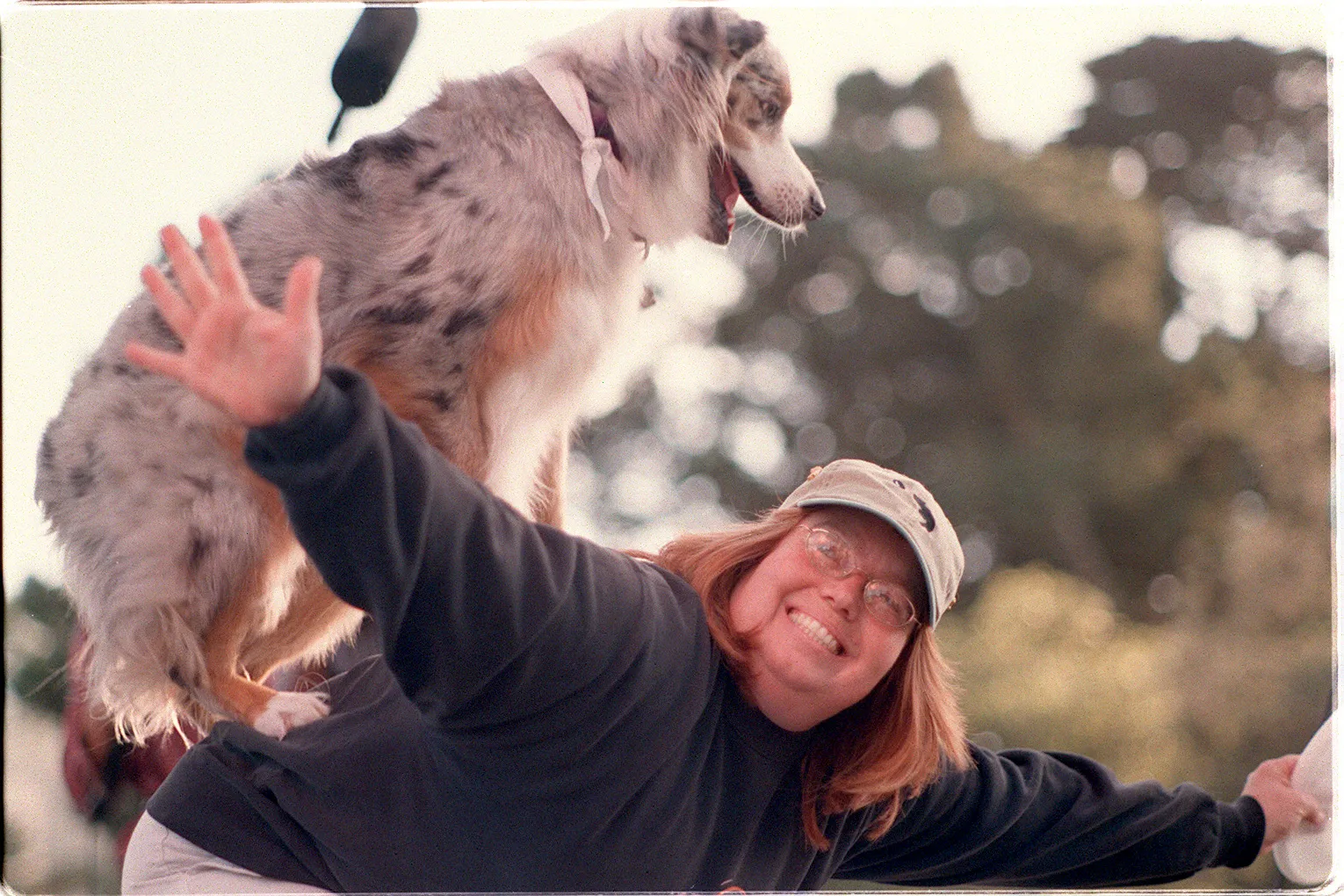
Here’s the sign most people miss entirely, because it doesn’t start with the animal – it starts with you. A rescue that’s bonded deeper than words doesn’t just orbit your life. They permanently alter how you move through the world. That two-way shift is the strongest evidence of a true, mutual bond you’ll ever find.
Think about it honestly:
- You rearranged furniture or routines purely to make them feel safer.
- You’ve noticed you’re calmer, more patient, maybe even more social because of them.
- Their history genuinely affects your decisions – who you date, where you live, how long you’re willing to be away.
And on their side of the ledger? The once-frozen dog now plays. The hiding cat now claims the couch like it’s hers. The shut-down “problem” animal now lights up at the sound of your voice. That shared transformation – two beings quietly rewiring each other’s lives – is the deepest rescue love story you’ll ever witness. No training hack can fake that, because it was never a trick to begin with.
The Bottom Line
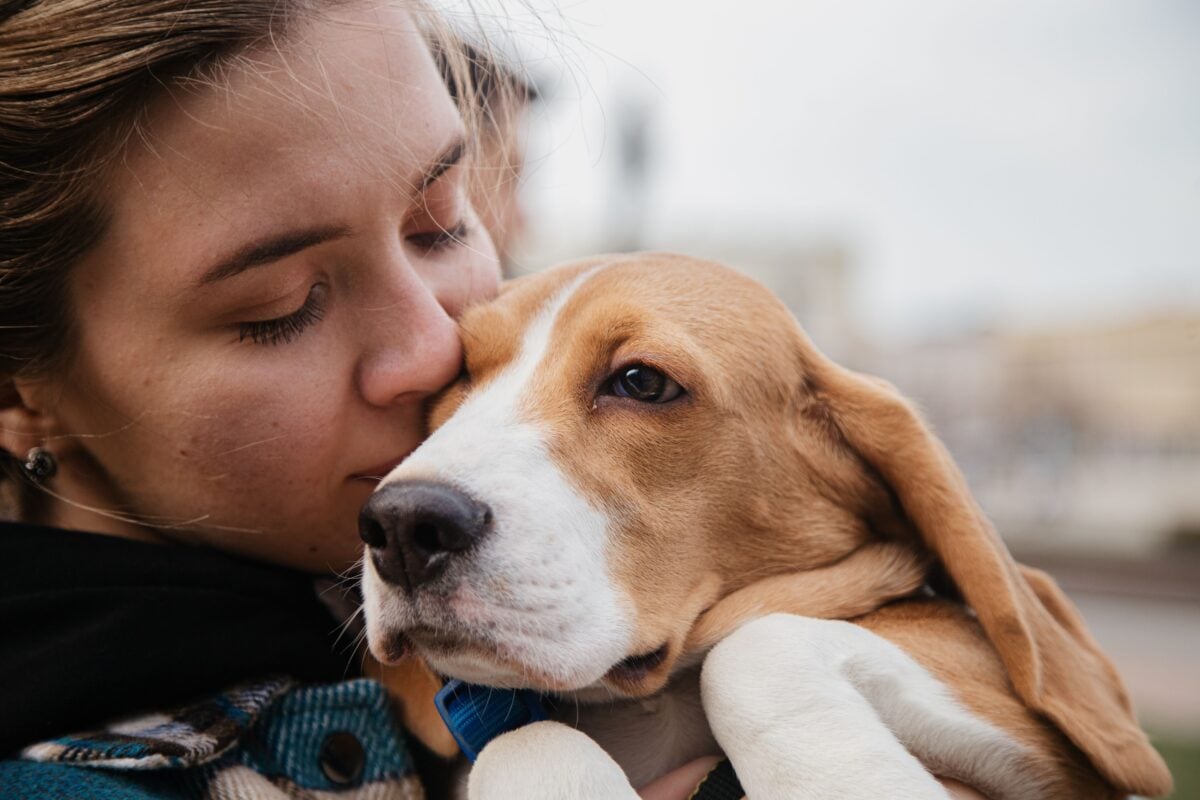
Rescued animals don’t send Hallmark signals. Their love shows up in calming nervous systems, invisible fear lines quietly shifting, and tiny, fiercely loyal choices repeated dozens of times a day, mostly when nobody’s watching.
The real proof isn’t the Instagram-cute moment. It’s the way they break survival habits – guarding you while you sleep, coming to you hurt instead of hiding, choosing you over flight, food, or fear itself.
Until one has loved an animal, a part of one’s soul remains unawakened.
Anatole France
And yes, it’s the way you find yourself quietly rearranging your entire life around a creature someone else once threw away. That’s not “just a pet.” That’s family you fought for, and family that fought its own fear to meet you halfway. Did we miss a sign your rescued soul-animal shows only to you? Drop it in the comments – we want to hear it.
